
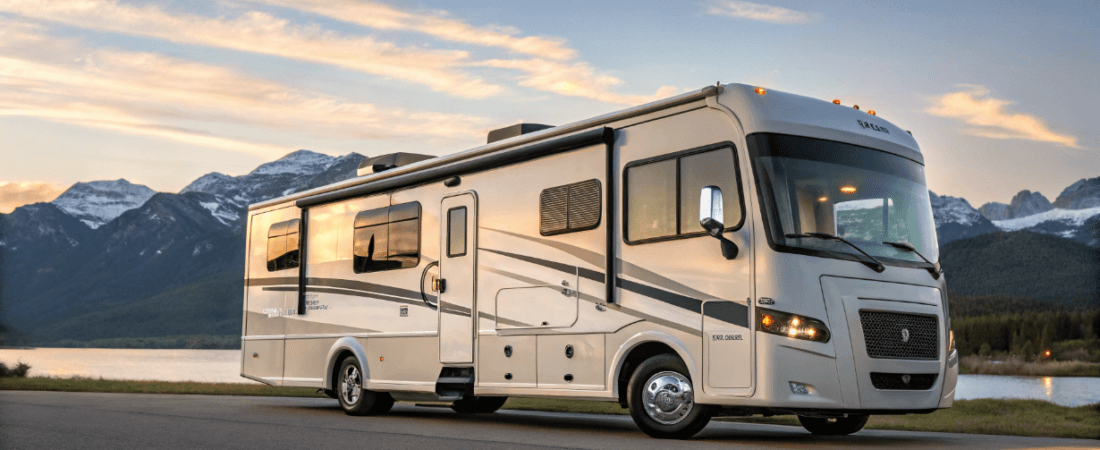
Finding the best class a motorhome for families can feel overwhelming when you’re staring at dozens of floorplans, chassis options, and price tags. This guide is for families considering a Class A motorhome for their next adventure, and it’s designed to help you cut through the noise and make a confident choice. Choosing the right motorhome can make or break your family’s travel experience, ensuring comfort, convenience, and memorable journeys together. Class A motorhomes deliver exactly what growing families need: room to spread out, storage for all the gear kids accumulate, and residential comforts that make life on the road genuinely enjoyable. This guide walks you through the top picks for 2025, what to look for, and how to match a motorhome to your family’s actual needs.
- What Makes a Class A Motorhome Great for Families?
- Key Things Families Should Look for in a Class A
- What is a Class A Motorhome?
- Quick Answer: Top Class A Motorhomes for Families Right Now
- Best Gas Class A Motorhomes for Families in 2025
- Best Diesel Class A Motorhomes for Families in 2025
- How Class A Motorhomes Compare for Family Travel
- Tips for Choosing the Right Class A for Your Family
What Makes a Class A Motorhome Great for Families?
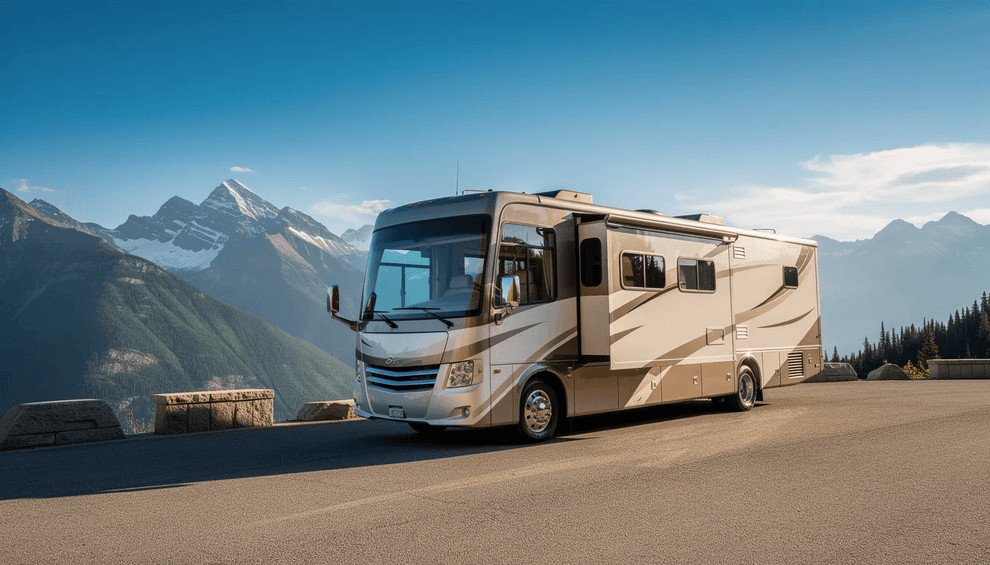
Class A motorhomes are the bus-style rigs of the RV world, typically spanning 30 to 45 feet and sleeping anywhere from 5 to 10 family members depending on the floorplan. Think of them as a rolling home—complete with full bathroom facilities, residential kitchens, and living space that rivals many apartments.
Spacious Interiors
- Slide-outs: Create distinct zones for parents, kids, and guests. When slides are extended, you can have over 350 square feet of usable living areas—enough room for everyone to coexist without stepping on each other, much like the best tiny house interiors that maximize every square foot.
Sleeping Capacity
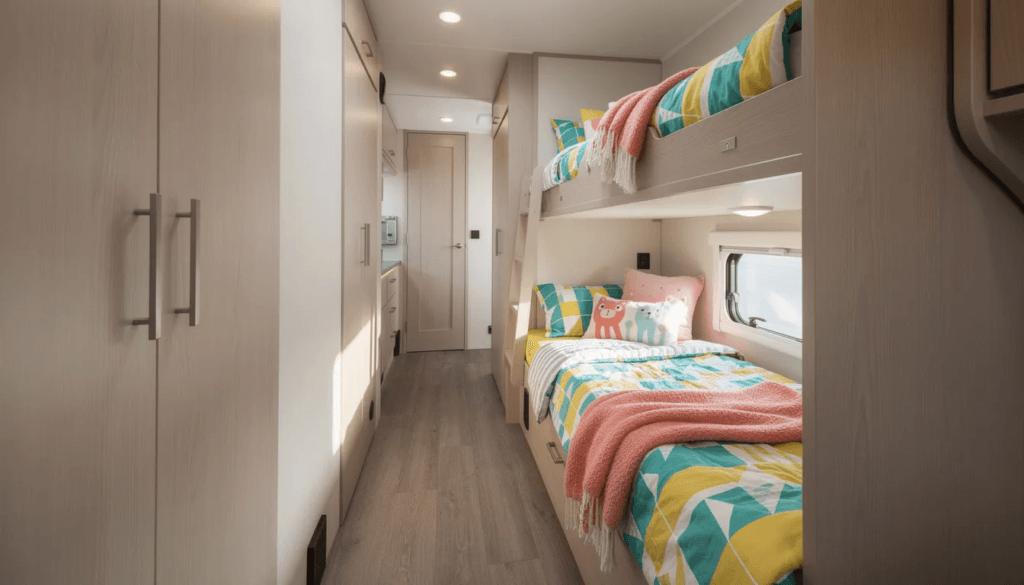
- Higher sleeping capacity: Comes standard through bunk beds, convertible dinettes, sofa beds, and drop down overhead bunks. Some models like the Jayco Precept 36A comfortably sleep up to nine people.
Storage Solutions
- Massive storage capacity: Handles strollers, sports equipment, bikes, toys, and seasonal clothing. Basement pass-through storage can exceed 100 cubic feet in larger models.
Entertainment Options
- Onboard entertainment systems: Multiple TVs, Wi-Fi prep, Bluetooth audio, and exterior entertainment centers keep children engaged during long driving days and rainy camping stretches.
Class A motorhomes come in both gas and diesel configurations. Diesel engines typically offer smoother rides thanks to rear-mounted powertrains and better torque for towing—important considerations for longer family trips where you might be pulling a vehicle behind you.
Now that you know what makes these motorhomes ideal for families, let’s look at the key features to consider when choosing one.
Key Things Families Should Look for in a Class A
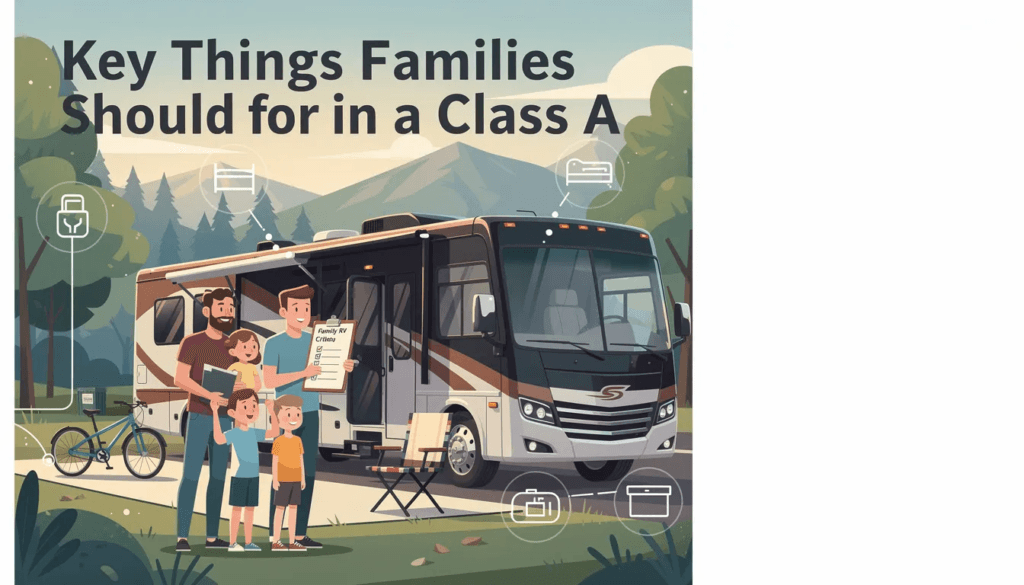
Before diving into specific brands and RV models, use this criteria checklist to narrow your search. These factors separate motorhomes that work beautifully for families from those that look good on paper but frustrate you on the road.
Sleeping Capacity and Privacy
- Count actual beds versus convertible spaces: A floorplan that “sleeps eight” might require converting every sitting surface each night, which gets old quickly with young kids.
- Look for:
- Dedicated bunk beds rated for 300-750 pounds each
- Overhead bunk options (both manual and drop-down versions)
- Separate bedroom doors so adults and children can maintain different schedules
- Enough sleeping space that nobody’s converting furniture at 11 PM
Floorplan Flow
- Interior layout matters more than square footage alone: Similar to how tiny house floor plans that work for you or broader tiny house plans that fit your life can completely change how livable a compact space feels.
- Prioritize:
- Wide main walkways that don’t turn into obstacle courses
- Bunk placement away from main traffic areas and entry doors
- Easy access to bathrooms at night without walking past the entire family
- Convenient kitchen area positioning for meal prep while supervising kids
Seatbelts and Safety
- This is non-negotiable. Ensure:
- Enough belted seats for every passenger (many family Class As offer 7-9)
- Three-point seatbelts at dinette seating where children will sit
- Child-seat-friendly configurations
- Driver-assist features like lane-keep alerts, collision mitigation, or adaptive cruise control where available
Storage and Payload
- Check:
- Exterior basement storage for bikes, camping chairs, and bulky sports gear
- Interior wardrobes, pantry space, and closet capacity
- Remember that family packing adds up quickly—calculate payload requirements before buying
Tanks, Power, and Climate Control
- For comfortable family camping:
- Larger fresh, gray, and black water tanks (50-100 gallons fresh is common in family units)
- Dual or triple air conditioning units rated at 13,500-15,000 BTU each
- Generator capacity of 5,500-8,000 watts to power residential appliances
- Solar options for off-grid capability
Budget and Operating Costs
- Be realistic about total ownership costs:
- New gas Class A family rigs typically range from $190,000-$300,000
- Diesel pushers often start at $300,000 and climb quickly
- Insurance runs $2,000-$5,000 annually for families
- Fuel economy averages 6-10 MPG depending on chassis and driving conditions
- Factor in campground fees, maintenance, and storage costs
With these key considerations in mind, let’s define exactly what a Class A motorhome is and why it’s such a strong fit for families.
What is a Class A Motorhome?
A Class A motorhome is a large, bus-style recreational vehicle typically ranging from 30 to 45 feet in length. These motorhomes are built on heavy-duty chassis and are designed to provide nearly all of the amenities and comforts of home, making them ideal for family travel.
Top Class A motorhomes for families prioritize:
- Versatile sleeping arrangements (such as bunk beds, convertible sofas, and drop-down overhead bunks)
- Multiple bathrooms to avoid long wait times
- Ample storage, including significant basement compartments and interior cabinetry
- Robust entertainment systems with multiple TVs, Wi-Fi prep, and exterior entertainment centers
With features like full kitchens, residential-style appliances, spacious living areas, and advanced climate control, Class A motorhomes offer a comfortable and convenient environment for families on the road. Their design ensures that everyone has space to relax, sleep, and enjoy the journey—no matter how long the trip.
Now that you understand what a Class A motorhome is and why it’s so well-suited for families, let’s explore the top models available for 2025.
Quick Answer: Top Class A Motorhomes for Families Right Now
Class A motorhomes represent the largest and most versatile RV category for families, offering spacious interiors that can expand to over 350 square feet with slide-outs deployed. For parents ready to hit the road with kids in tow, these models stand out in 2024-2025:
- Thor Motor Coach Outlaw 38KB/38MB – A toy hauler design with a 10+ foot rear garage that doubles as a kids’ hangout or gear storage, plus a ramp-to-patio feature for outdoor living. Starting around $220,000 MSRP.
- Entegra Coach Reatta 39BH or 40Q2 – Bunkhouse layouts with premium finishes, sleeping capacity for up to 8, and luxury touches like tile floors and central vacuum systems. Diesel models starting around $400,000 MSRP.
- Winnebago Adventurer 36Z/36Q – A value-packed gas option with excellent build quality, optional drop down overhead bunk, and driver-assist technology. Starting around $250,000 MSRP.
- Tiffin Allegro RED 38KA – A bunkhouse diesel pusher with bath-and-a-half configuration, Cummins power, and generous basement storage. Starting around $350,000 MSRP.
- Fleetwood Bounder 36F – A classic family bunkhouse on a gas chassis with polished solid surface countertops, residential refrigerator, and exterior TV for movie nights. Starting around $230,000 MSRP.
- Newmar Bay Star Sport 3315 – A smaller gas coach with bunks that’s easier to maneuver while still delivering ample storage and family-friendly features. Starting around $210,000 MSRP.
- Holiday Rambler Vacationer 35K – Bath-and-a-half layout so kids and parents aren’t competing for morning bathroom time, plus king bed and optional overhead bunk. Starting around $240,000 MSRP.
The rest of this article breaks down exactly how to choose among these options based on your family size, sleeping needs, travel style, and budget.
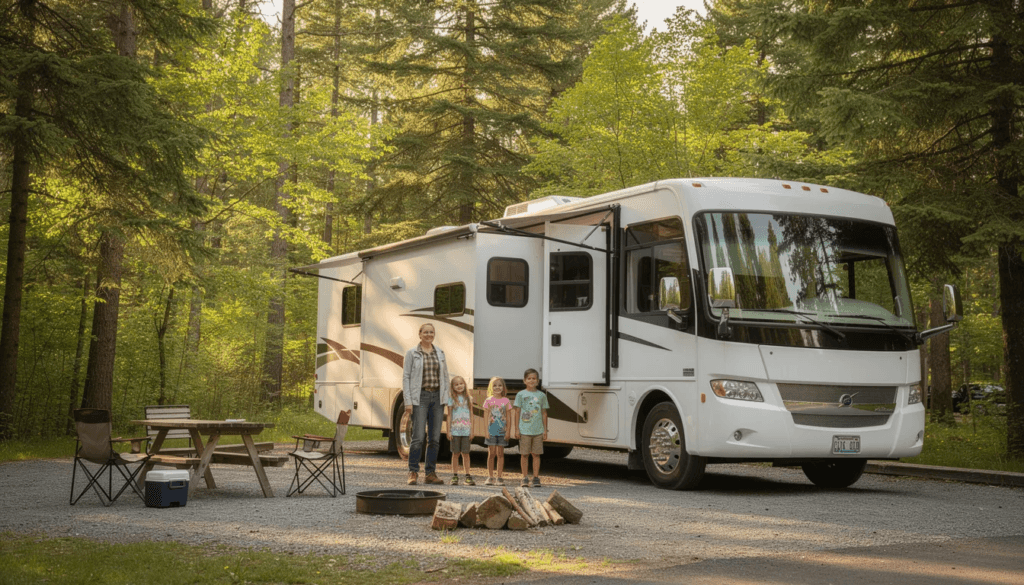
Best Gas Class A Motorhomes for Families in 2025
Gas-powered class a motorhomes are often the starting point for families entering this segment. Lower upfront costs, easier service at standard repair shops, and sufficient capability for regional trips and seasonal travel make them practical choices.
Thor Motor Coach Outlaw 38KB/38MB
Sleeping Arrangements
- Rear bed, overhead bunk, and convertible furniture for up to 6-8 family members.
Storage and Amenities
- 10+ foot rear garage space for bikes, ATVs, kayaks, or as a dedicated teen hangout.
- Ramp-door-to-patio feature creates outdoor living space.
Notable Features
- Built on the Ford F-53 chassis with a 7.3L V8 gasoline engine.
- 8,000 pounds of towing capacity.
- 500W solar package and Onan generator for off-grid trips.
- Residential vinyl flooring throughout for easy cleanup.
Winnebago Adventurer 36Z
Sleeping Arrangements
- Large dinette that seats the whole crew.
- Optional drop down overhead bunk for extra sleeping area.
- King sized bed in the master.
Storage and Amenities
- Multiple TVs and a four-season climate package.
- SuperStructure construction with high-density block foam insulation.
Notable Features
- Built on the Ford F-53 chassis with a 7.3L V8.
- Driver-assist technology like adaptive cruise control and collision mitigation.
- Android auto compatibility in the cab.
Fleetwood Bounder 36F
Sleeping Arrangements
- Bunk beds in the hallway.
- Bath-and-a-half arrangement—one full bathroom in back and a half bath near the front.
Storage and Amenities
- Polished solid surface countertops (some configurations offer quartz countertops).
- Residential refrigerator and ample counter space.
- Pass-through basement storage for bikes, folding chairs, and gear.
Notable Features
- Exterior TV for outdoor movie nights.
- Durable build quality with a 65-year legacy.
Holiday Rambler Vacationer 35K
Sleeping Arrangements
- Master bedroom with king bed.
- Large living area with optional drop-down overhead bunk.
- Dream dinette converts for extra capacity.
Storage and Amenities
- Bath-and-a-half layout for busy mornings.
- Distinct zones for kids to play and parents to relax.
Notable Features
- Gas chassis for easier handling.
- Mid-tier pricing (around $240,000).
Best Diesel Class A Motorhomes for Families in 2025
Diesel motorhome options deliver smoother rides, better torque for mountain driving and towing, and typically more robust construction. They cost more upfront but appeal to families planning full-time RV life or extensive cross-country travel.
Tiffin Allegro RED 38KA
Sleeping Arrangements
- Bunkhouse configuration with dedicated sleeping area for children.
- Bath-and-a-half setup prevents bathroom congestion.
- True master suite separated from the kids’ zone.
Storage and Amenities
- Residential refrigerator.
- Stacked washer/dryer prep.
- Generous basement storage exceeding most gas coaches.
Notable Features
- Freightliner chassis with Cummins diesel engine (around 360 horsepower).
- Entry point into premium diesel bunkhouse territory (starting around $350,000).
Entegra Coach Reatta 39BH/40Q2
Sleeping Arrangements
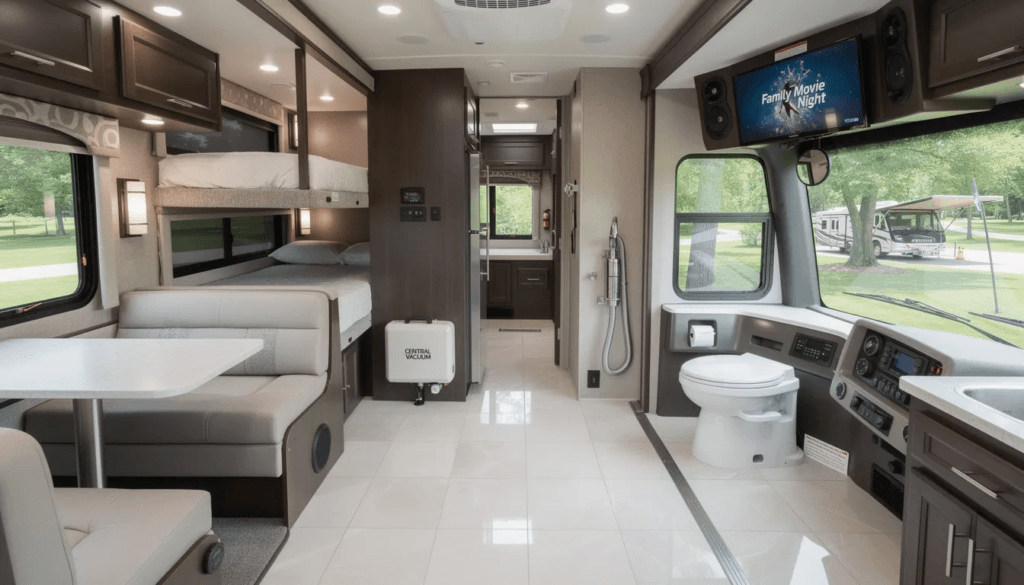
- Bunkhouse floorplan sleeps up to about 8 family members.
Storage and Amenities
- Tile floors throughout for easy cleanup.
- Central vacuum system.
- Standard solar panels (around 200W), exterior entertainment center, and tankless water heater.
- Porcelain toilet and large panoramic windows.
Notable Features
- Built on Spartan or Freightliner diesel chassis with Cummins 6.7L turbo diesel engines.
- Pricing around $400,000 and up.
Fleetwood Discovery LXE 40G
Sleeping Arrangements
- Bunk arrangements with doors or curtains for kid privacy.
Storage and Amenities
- Towing capacity for a family SUV.
- Large holding tanks for longer boondocking stops.
- All electric induction cooktop for safer cooking.
Notable Features
- Power systems support extended off-grid stays.
- Upscale finishes: tile floors, solid surface countertops, premium furniture.
Newmar Ventana 4037
Sleeping Arrangements
- Possible bunk or flex-space layouts for different family configurations.
Storage and Amenities
- Family-friendly storage solutions for toys, school supplies, and gear.
- High-end features like hydronic heating and heated tile floors.
Notable Features
- Custom chassis and attention to noise reduction.
- Premium pricing (often $400,000+), but exceptional durability.
How Class A Motorhomes Compare for Family Travel
Understanding how class a motorhomes stack up against other class options helps families make confident decisions. Each RV type involves tradeoffs, and what works for one family may frustrate another.
Class A vs Class C Motorhomes
Class c motorhomes offer their own family appeal. The signature cabover bunk provides built-in sleeping space for kids without requiring slide-outs or conversions. Many families find class c rigs easier to drive and park, especially those coming from larger SUVs or trucks.
However, class a motorhomes generally deliver more living space, larger kitchens with ample counter space, and greater cargo capacity. The flat front design creates that panoramic windshield view that keeps kids engaged during drives. Storage capacity—both basement and interior—typically exceeds what class c models offer.
For families prioritizing easy access to camping in tighter spaces, other class options like Class C make sense. For those wanting maximum living areas and storage, Class A wins.
Class A vs Towable Options
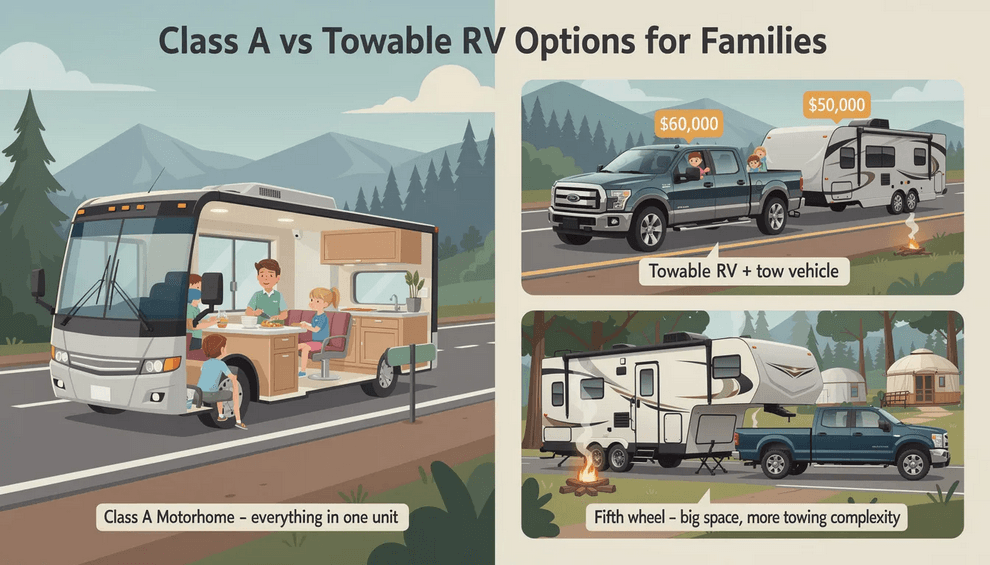
Having everything in one unit simplifies road days with children. The bathroom and kitchen are always accessible—no pulling over for bathroom breaks or lunch stops. Kids can move around (when safely stopped) without the disconnect of a separate tow vehicle.
Travel trailers and fifth wheels often cost less than motorhomes, but they require a capable tow vehicle that many families don’t already own. Adding a $60,000 truck to a $50,000 trailer changes the value equation quickly.
Fifth wheels can offer similar or greater living space to Class As, but the towing complexity and length combinations create their own challenges for family camping. Some families even look beyond traditional RVs to alternatives like yurt prefab options for outdoor adventures, which can serve as semi-permanent bases instead of full-time rolling homes.
Driving and Parking Considerations
Family Class A motorhomes commonly run 34-40 feet in length, with some diesel pushers extending to 45 feet. This size affects campground choice—not every state park accommodates 40-foot rigs—and requires genuine driving adjustment.
Parents should consider:
- Taking an RV driving course before purchase
- Practice runs in empty parking lots
- Understanding air brake systems (on larger diesels)
- Route planning that avoids low bridges and tight mountain roads
Modern Class As increasingly include 360-degree camera systems that reduce backing accidents by up to 40%, making parking less stressful for new drivers.
The best class a motorhome for your family balances spacious interior living with driving confidence and budget realities.
Tips for Choosing the Right Class A for Your Family
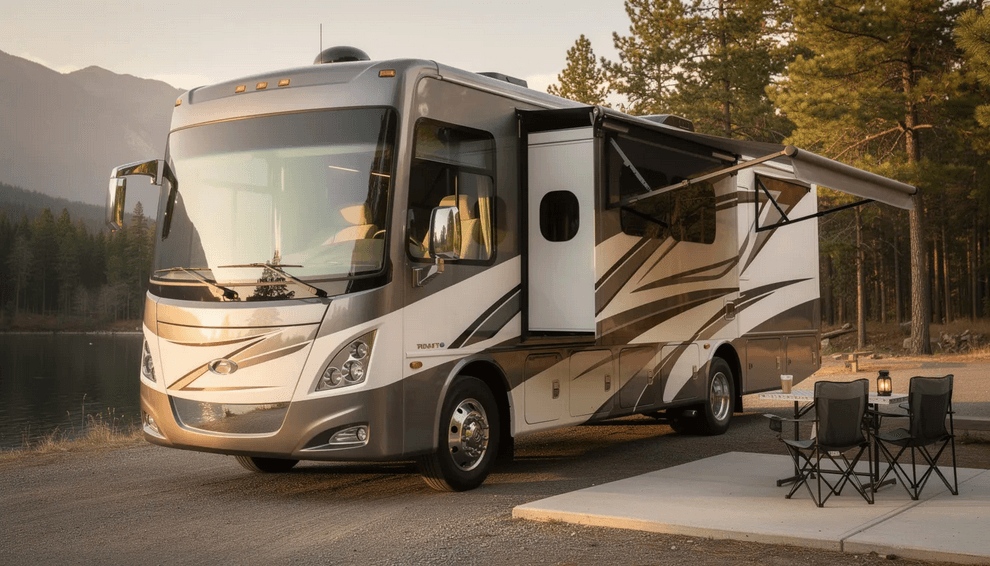
Floorplan and use-case matter more than brand name alone. Two families with identical budgets might need completely different coaches based on how they actually travel.
Match the Floorplan to Your Kids’ Ages
For young kids:
- Prioritize bunk beds near the main living area where you can monitor them
- Ensure easy access to bathrooms from sleeping areas
- Look for floorplans where bunks aren’t directly next to entry doors (outdoor distractions at bedtime)
- Consider convertible dinette options that keep everyone together
For teens:
- Look for more privacy: separate bunk room with door, rear bedroom configurations
- Toy hauler garages double as teen hangout spaces
- Consider models with two bathrooms so everyone maintains independence
- Storage for sports equipment, musical instruments, or hobby gear
Test Real-World Scenarios at the Dealership
- Have everyone “claim” their sleeping space simultaneously.
- Practice moving around with slides retracted (campground arrival reality).
- Count how many can sit at the dinette and sofa at once.
- Open the refrigerator, pantry, and storage while someone’s cooking.
- Check bathroom accessibility from each sleeping area.
Plan Around Your Travel Style
Weekend getaway and school-break trips:
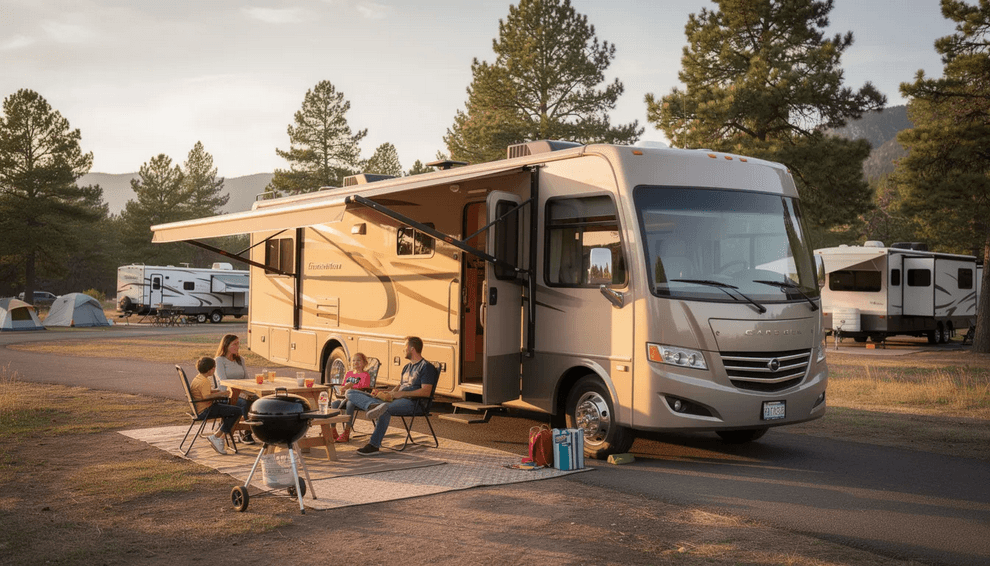
A gas Class A with moderate tank sizes handles most family camping needs. Lower purchase price and easier maintenance make sense for 30-50 nights annually.
Full-time or extended cross-country travel:
A diesel pusher with larger tanks, superior towing for a vehicle behind, and more robust storage pays dividends when the motorhome is your primary residence. The smoother ride reduces fatigue and motion sickness on long travel days.
Think About Remote Work and Homeschooling
- Dinettes that convert to legitimate workspaces
- Abundant outlets and USB ports throughout the coach
- Strong Wi-Fi prep (Starlink-ready roof installations, LTE antennas)
- Quiet generators or solar/battery systems for daytime power without engine noise
Don’t Forget Service and Support
- Strong dealer networks in regions you’ll actually travel
- Good reputations for warranty service and customer support
- Available parts and service technicians who know the chassis and house systems
- Active owner communities for real-world troubleshooting advice

Take Your Time Making This Decision
The right Class A motorhome transforms family vacations into something genuinely memorable. The wrong one creates stress, discomfort, and buyer’s remorse that’s expensive to fix.
- Tour multiple units at different price points.
- Rent a Class A for a week if possible—nothing reveals what matters to your family like actual use.
- Bring the kids to dealership visits so they can test their spaces too.
Consider not just your family’s needs today, but where you’ll be in 3-5 years. Children grow, travel preferences evolve, and the excellent class A motorhome you choose should accommodate those changes rather than force another purchase too soon.
Whether you’re planning a weekend getaway to a nearby state park or mapping out months of travel comfortably across the country, the family-focused models covered here represent the best starting points for 2025. Match the features to your family’s actual life, set a realistic budget that includes operating costs, and you’ll find a coach that delivers years of adventures together.