Finding the perfect tiny house in 2025 has never been easier—or more affordable. Whether you’re searching for a custom luxury build, a budget-friendly kit from Amazon, or a spacious park model for weekend escapes, the market offers several options at every price point. This guide cuts through the noise to highlight specific models, real prices, and exactly where to buy them.
Before diving into the details, here are standout tiny homes for sale right now:
- Tru Form Tiny “Grand Teton 28’” – Luxury THOW, ~$100k+, ideal for full-time residential living
- Tru Form Tiny “Denali 28’” – Extra-wide 9’6” model, mid-$100k range, perfect for remote workers
- Amazon “Modpod” 160 sq ft – Turn-key tiny home, ~$15,000-$25,000, great for backyard office or guest house
- Allwood Nordic Spruce Garden House – DIY kit, ~$10,000-$15,000, shell-only for studios and hobby rooms
- Home Depot 800 sq ft Kit – Steel-frame home, ~$28,000-$55,500, suitable for ADU or primary residence
- A-Frame Luxe 14’x43’ – Park model, ~$50,000-$80,000+, vacation rental or lakefront retreat
This article focuses on affordable, stylish, and sustainable choices, plus tips on ordering, shipping, and financing to help you start designing your new home.
- 1. Tru Form Tiny – Luxury Tiny Homes on Wheels
- 2. Best Tiny Homes for Sale Online: Amazon & Home Depot Kits
- 3. Park-Model Tiny Homes for Sale: Spacious Retreats & Rentals
- A-Frame Luxe – 14′ x 43′
- Grizzly – Largest Park-Model Tiny Home
- Nova – Versatile Park Model for Rentals
- Twilight – Cozy Yet Spacious Park Model
- Firefly – Lakefront & Retreat Favorite
- Aspen – Modern Park-Model with Main-Floor Bedroom
- Backyard Escape – Work-from-Home Tiny Retreat
- The Cub Cabin – Compact 1-Bedroom Guest House
- A-Frame Solo – Glamping-Focused Tiny A-Frame
- Trailblazer – 42′ Mobile Dwelling on 8′ Frame
- The Traveler – Tiny House on Wheels for Nomads
- 4. Havenwood Tiny Homes & Other International Options
- 5. How to Choose the Best Tiny Home for Your Needs
- 6. Buying, Shipping, Returns & Legal Considerations
- 7. About the People Behind the Builds
- 8. Conclusion: Finding Your Ideal Tiny Home in 2025
1. Tru Form Tiny – Luxury Tiny Homes on Wheels
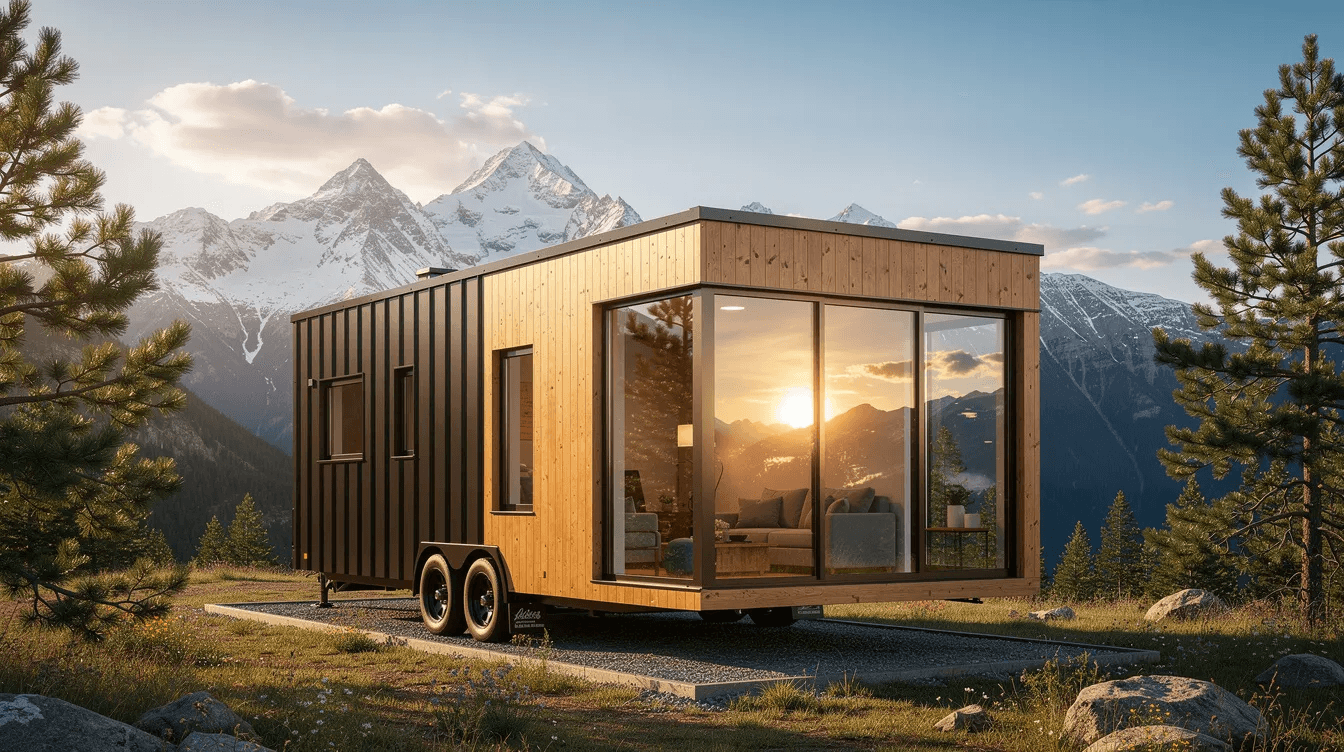
Tru Form Tiny stands out as a US-based custom tiny home builder specializing in luxury tiny houses on wheels. The company uses PHIUS and LEED-aligned sustainable practices, ensuring each build meets high standards for energy efficiency and environmental responsibility. With custom finishes, quality insulation, and energy-efficient windows and appliances, these homes are constructed for folks who want to spend years living comfortably.
Pricing for fully outfitted models typically starts in the mid-$100k range for 2025, with financing options available through builder partnerships or RV loans. These homes are best for full-time residential use, high-end vacation rentals, or happy customers seeking a modern design that doesn’t compromise on quality, especially if you’re comparing them with custom tiny homes designed around your lifestyle. Build standards often include RVIA certification where applicable.
Grand Teton – 28′
The Grand Teton is a 28-foot tiny home featuring side entry and a spacious main-floor living room suitable for a couple or small family. The layout maximizes every inch of space while maintaining the freedom of mobility.
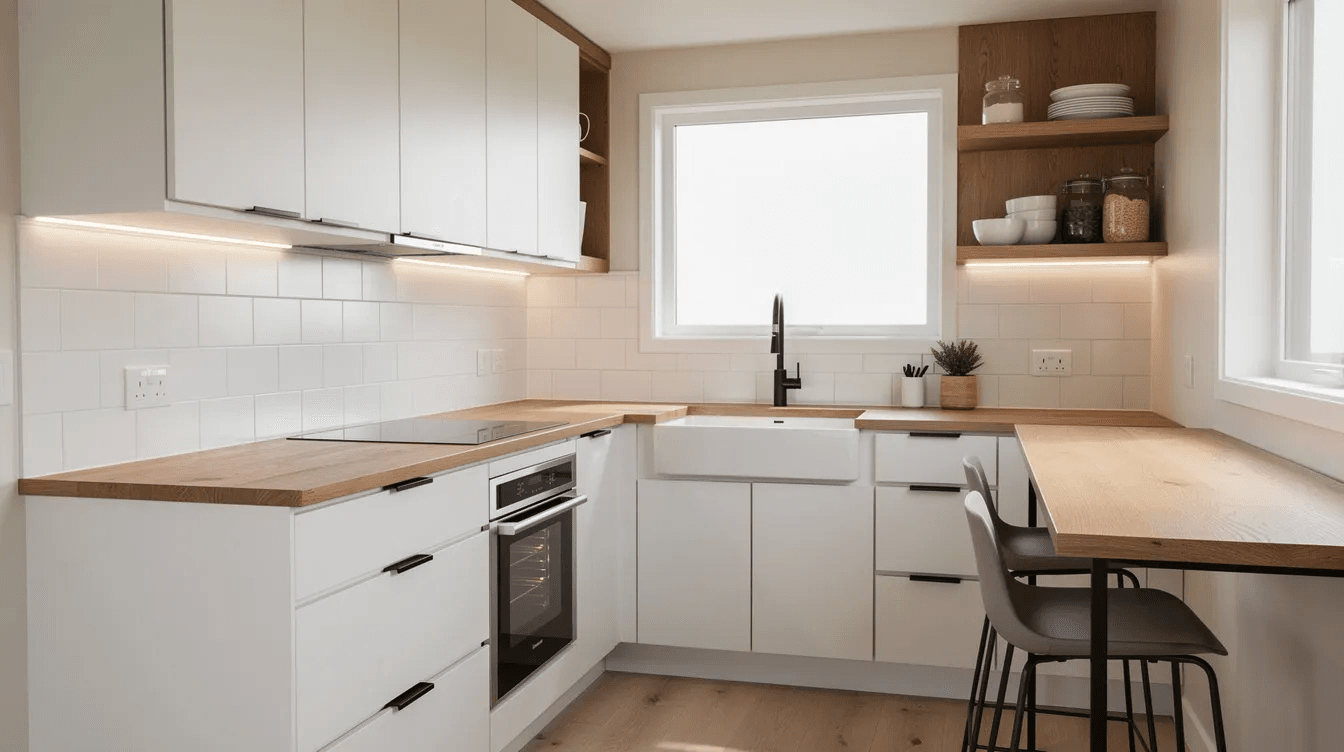
The kitchen deserves special attention—extensive cabinetry, long countertop runs, and room for full-size appliances make cooking feel natural rather than cramped. Storage solutions are built into nearly every wall and corner.
Two lofted areas provide flexibility: use the primary sleeping loft for the master bedroom and the secondary loft for guests, lounging, or additional storage. The residential bathroom includes a 48-inch shower, your choice of standard flushing or composting toilet, sink, and a large linen cabinet.
Typical lead times run several months, so plan accordingly. Optional upgrades include solar prep, custom finishes, and smart home integration.
Castle Peak – 24′ & 26′
Castle Peak offers compact but flexible layouts available in 24-foot and 26-foot lengths. Side entry leads directly into the combined living and kitchen zone, creating an open feel despite the smaller footprint.
What sets this model apart is the main floor den or media room—a versatile space that can function as a guest room, small office, or cozy lounge. The master king loft sits above, with an additional twin loft expanding family or guest capacity.
The full residential bathroom features a 48-inch shower, toilet, sink, and linen cabinet—a significant upgrade from RV-style bathrooms that feel cramped. The large kitchen accommodates a combo washer/dryer and apartment-sized fridge, with pantry and overhead cabinets for storage.
Mt. Bachelor – 26′
Mt. Bachelor is a 26-foot family-oriented model built with double lofts and an optional main-floor bedroom or flex room. This layout supports tiny home living for families who need defined spaces for rest, work, and play.
The main-floor flex room adapts to your needs: bedroom, office, den, or children’s room. Optional custom entertainment centers and built-ins maximize wall storage and media space without sacrificing circulation.
Headroom in the lofts is generous by tiny house standards, and the model comfortably sleeps 4-5 people. Consider Mt. Bachelor if you’re a digital nomad needing dedicated workspace, a small family prioritizing room for kids, or anyone wanting the joy of separate zones within a compact unit.
Columbia II – 40′ Park-Model RV
Columbia II is a 40-foot park-model RV tiny home with a wider footprint than typical THOWs. Built with certified fixtures and finishes, this model bridges the gap between tiny and conventional housing.
Accessibility features make Columbia II stand out: 36-inch main entry doors and 32-inch pocket interior doors accommodate mobility aids and wheelchairs. An optional shed roof upgrade changes interior volume and brings in more natural light.
The layout includes a full living area, separate bedroom, residential-style kitchen, and complete bathroom. This model suits long-term stationary living, retirement downsizing, or Airbnb rentals where guests expect spacious accommodations.
Ballpark pricing typically ranges from $80,000-$120,000+. Siting requirements include park-model RV parks or private lots with proper hookups.
Denali – 28′
Denali stands apart with its “deck over” flat floor and extra-wide 9’6” width—significantly more interior space than standard 8-foot-wide tiny homes on wheels. This width creates room that feels less like a tiny home and more like a small apartment.
The residential kitchen, full bathroom, and flex room (serving as office, bedroom, or dining nook) are all generously proportioned. Various staircase options lead to the loft: straight, L-shaped, or storage stairs with built-in drawers. Murphy-style tables and extension surfaces provide flexibility.
Prep for washer/dryer and complete utility hookups make this model practical for full-time use. Typical buyers include remote workers, couples prioritizing comfort over strict road-legal width, and owners who want their tiny home to feel anything but cramped.
2. Best Tiny Homes for Sale Online: Amazon & Home Depot Kits
Major retailers like Amazon and Home Depot now stock tiny home kits and prefab units, making the entire process of purchasing a tiny home more accessible than ever. These options are often significantly more affordable than custom builds, with prices ranging from under $10,000 to around $55,000.
These kits work best for DIY-savvy buyers, budget-conscious homeowners, or anyone adding a backyard guest house or office. Before purchasing, check local permits and building codes, decide between foundation and trailer placement, and budget for extra costs like finishing work, plumbing, and electrical.
Model | Size | Price Range | Level of Completion |
|---|---|---|---|
Amazon Modpod | 160 sq ft | $15,000-$25,000 | Turn-key with utilities |
Allwood Nordic Spruce | 180-260 sq ft | $10,000-$15,000 | Shell only |
800 sq ft Steel Home (Amazon) | 800 sq ft | $28,000-$35,000 | Pre-engineered, needs finishing |
Home Depot 800 sq ft Kit | 800 sq ft | $28,000-$55,500 | Framing and shell, needs finishing |
Amazon “Modpod” – 160 sq ft Turn-Key Tiny Home
The Modpod is a compact, roughly 160 square foot modern tiny home sold through Amazon with pre-installed plumbing and electrical systems. It ships as a modular unit or panelized kit for faster easy assembly on your property.
Features include insulated walls, modern exterior cladding, basic kitchenette, bathroom with shower and toilet, and an integrated electrical panel. Materials emphasize durable construction with galvanized steel components and quality weatherproofing.
Approximate 2025 pricing falls between $15,000-$25,000, with shipping timeframes of 4-8 weeks depending on your region. This model works perfectly as a backyard office, guest suite, Airbnb starter unit, or minimalist primary residence for one person seeking a self sufficient lifestyle.
Allwood Nordic Spruce Garden House Kit
Allwood’s garden house kits (popular models range from 180-260 square feet) are built from Nordic spruce and available on Amazon and other retailers. These shells offer a great solution for folks who enjoy hands-on projects.
The kit includes pre-cut solid wood components, doors, windows, and hardware—but not insulation, wiring, or plumbing by default. Expect to spend in the mid-$10k range or less for shell-only models, with DIY assembly taking two people approximately 2-3 weekends, especially if you’re following guidance on affordable tiny house designs and build tips.
Use cases include guest house, studio, home office, hobby room, or base shell for a future fully plumbed tiny home conversion. In colder regions like those found across the country, plan extra work for insulation and weatherproofing to create year-round comfort.
800 sq ft Steel Tiny Home on Amazon
The customizable 800 square foot two-story steel tiny home kit sold on Amazon features galvanized steel framing and pre-engineered panels. At this size, it’s more of a “small home” than traditional tiny—but the construction methods and pricing keep it in the tiny home category.
Utilities (plumbing and electrical conduits) are often pre-planned but require local licensed professionals for completion. The generous square footage allows for multiple bedrooms and distinct living areas, making it suitable for a family seeking affordable housing.
Pricing typically ranges from the high-$30k to $60k+ for the kit alone. Foundations, finishes, and labor add substantial cost—budget an additional $20,000-$50,000 for a complete build. This option suits buyers wanting a permanent, code-compliant small home on land they own and pairs well with researching Home Depot tiny house kits and their possibilities.
Home Depot 800 sq ft Tiny Home Kit
Home Depot’s 800 square foot house kits (like the Studio Shed at $55,500) can serve as primary residences, ADUs, or guest houses. The company offers several options at different price points.
Kits typically include framing, roofing, exterior walls, and sometimes windows and doors—but not interior finishes or utilities. Prices for 2025 range from approximately $28,000 to $55,500 depending on the model and features, with delivery and taxes varying by region, so buyers with tighter budgets may also want to compare tiny homes under $20K currently for sale.
Key advantages include purchasing through a trusted retailer, potential for store financing, and easier access to replacement materials if needed. Before purchasing, budget for these extra costs:
- Foundation: $1,000-$5,000
- Permits and inspections: $500-$2,000
- Electrical work: $1,000-$3,000
- Plumbing installation: $1,000-$2,000
- Insulation and interior finishes: $5,000-$15,000
- Appliances: $2,000-$5,000
3. Park-Model Tiny Homes for Sale: Spacious Retreats & Rentals
Park-model tiny homes differ from road-legal THOWs in significant ways. Typically 12-14 feet wide and 35-45 feet long, they’re built to RV or park-model codes and designed for placement rather than frequent towing. These models offer more space while maintaining the tiny home ethos, similar to the top tiny house park model homes that bridge RV convenience with residential comfort.
This section covers park-model designs ideal for vacation properties, lakefront lots, and Airbnb rentals—from A-frame architecture to cozy cabin styles, much like other innovative tiny homes that redefine small-space living.
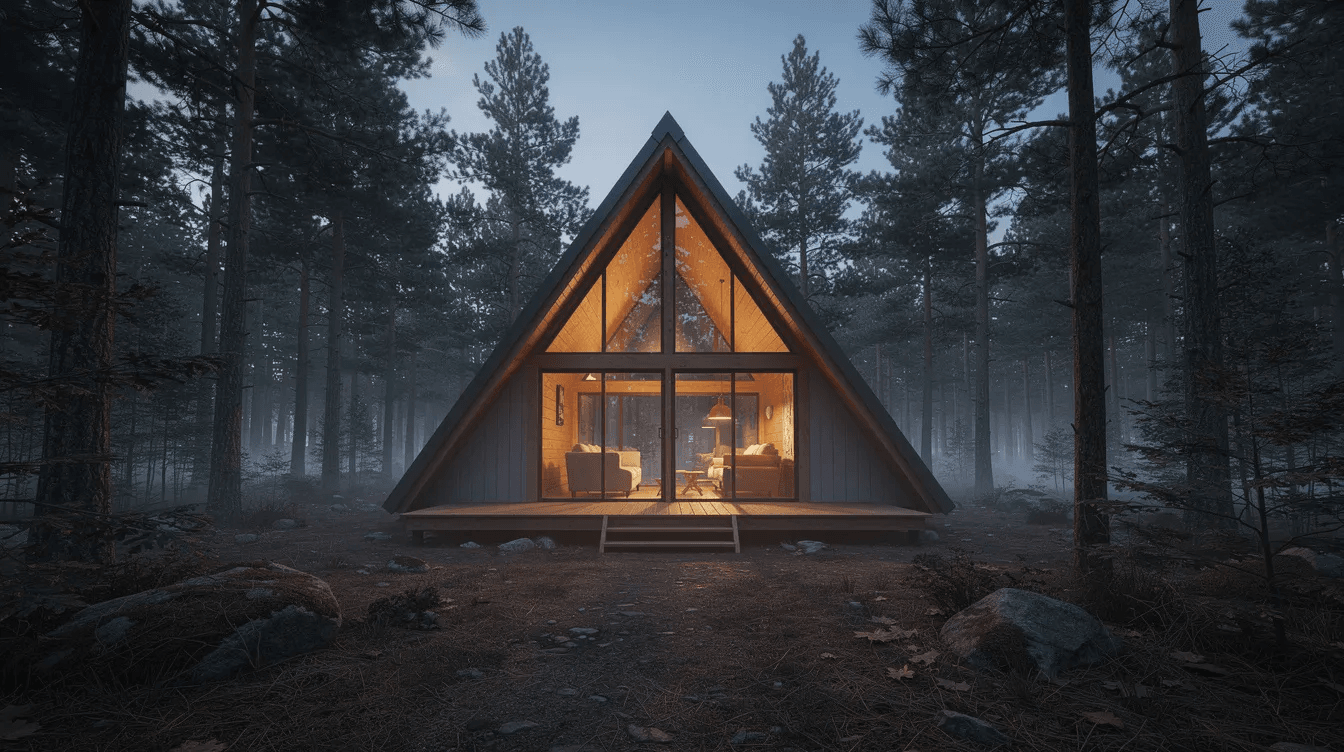
A-Frame Luxe – 14′ x 43′
A-Frame Luxe delivers a striking 14’ x 43’ park-model with dramatic A-frame architecture, large glazing, and open-plan living space. The design creates high ceilings and floods the interior with natural light throughout the day.
Use this model as either a full-time residence or high-end vacation home. The main-floor bedroom or sleeping nook, full bathroom, and open kitchen/living area provide comfortable living for 2-4 people while entertaining becomes a night to remember.
Typical pricing falls in the $50,000-$80,000+ range. Common placements include tiny mountain houses at resorts, forest plots, and lakefront sites. The Instagram-worthy appeal makes this model a rental income powerhouse for interested owners.
Grizzly – Largest Park-Model Tiny Home
Grizzly represents one of the largest park-model tiny homes in its class, optimized for family use without sacrificing the “tiny” philosophy. Multiple sleeping areas—including main bedroom plus lofts or bunks—accommodate larger groups.
The generous living/dining zone and full-size kitchen appliances create a comfortable home base. Ample built-in storage and a potentially covered porch extend the livable space outdoors.
Ideal use cases include family weekend cabins, seasonal homes, or extended-stay rentals with high occupancy. The balance between compact footprint and big-house comfort makes Grizzly a favorite among homeowners who want good things in smaller packages.
Nova – Versatile Park Model for Rentals
Nova offers a roomy park-model designed for weekend getaways or long-term stays, making it ideal for Airbnb or vacation rental business ventures. The floor plan supports both quick escapes and extended living.
The layout includes a generous living area, functional kitchen with sink and full appliances, comfortable sleeping space, and full bathroom with quality fixtures. Interior design options (modern, rustic, or coastal themes) appeal to short-term guests seeking unique experiences.
Occupancy typically suits 2-4 people comfortably, with sufficient storage and workspace for longer stays. In popular rental markets, similar models command $150-$300+ per night.
Twilight – Cozy Yet Spacious Park Model
Twilight is designed for both weekend escapes and extended living, with emphasis on comfort and roominess. The separate sleeping area, full bathroom, compact but efficient kitchen, and comfortable lounge create defined zones within a single space.
Warm finishes, large windows, and optional deck/patio integration enhance the aesthetic. This model works as a long-term rental unit or seasonal retreat for those seeking rest away from daily routines.
Compared to Nova, Twilight offers a cozier feel with warmer design elements—choose Nova for contemporary style or Twilight for cabin-inspired comfort.
Firefly – Lakefront & Retreat Favorite
Firefly is a park-model with cozy, cabin-like character designed for lakefront or woodland getaways. The compact footprint belies a comfortable interior with sleeping space for 2-4 people.
The outdoor-friendly design (porch, large windows facing views), simple kitchen, and full bath make it ideal for seasonal vacations. Picture a couple arriving Friday night, walking to the lake Saturday morning, and spending Sunday exploring nearby trails—Firefly makes that lifestyle accessible.
Rental platforms like Airbnb reward this “retreat” vibe with strong bookings and positive reviews.
Aspen – Modern Park-Model with Main-Floor Bedroom
Aspen brings modern style to park-model living with a main-floor bedroom that eliminates loft climbing—a detail that improves accessibility for older residents or anyone preferring single-level living.
The full bathroom and loft (repurposed as guest space or storage) make Aspen suitable for full-time residence. Clean lines, neutral palettes, and large windows create a spacious feel.
Target buyers include downsizers, retirees, or small families wanting a modern but compact home base that doesn’t require navigating steep stairs.
Backyard Escape – Work-from-Home Tiny Retreat
The Backyard Escape (styled after Firefly) functions as a small park-model or stationary unit focused on privacy and productivity. The layout includes dedicated work area, small lounge zone, bathroom, and optional micro-kitchenette.
This model excels as a detached home office, therapy space, studio, or quiet retreat located on the same property as your main house. Benefits include acoustic separation, better work-life boundaries, and potential tax advantages (consult a professional for specifics in California or your state).
Consider a remote worker upgrading from a cramped spare bedroom to a dedicated backyard studio—suddenly, the commute is thirty seconds and the space is entirely your own.
The Cub Cabin – Compact 1-Bedroom Guest House
The Cub Cabin is a 1-bedroom park-model guest house with a compact but functional layout. Main bedroom, small living area, kitchenette, and bathroom suit guests or short-term rentals perfectly.
This model works for multi-generational living (in-law suite) or as on-property rental for extra income. Cozy interior finishes, simple porch entry, and easy-to-clean surfaces make maintenance straightforward.
Ideal placements include suburban backyards where zoning permits ADUs or rural properties needing extra sleeping space for visiting family.
A-Frame Solo – Glamping-Focused Tiny A-Frame
A-Frame Solo is a compact A-frame glamping unit positioned between traditional tent and full tiny house. The weatherproof shell, sleeping loft or platform, basic furnishings, and optional micro-kitchen or bath create a complete outdoor experience.
Target uses include glamping sites, campgrounds, and boutique outdoor resorts seeking unique accommodations. The distinctive A-frame style provides marketing advantages for Airbnb listings and social media promotion—discover how quickly bookings fill when the photos look this good.
Installation typically requires a prepared platform and basic utility connections, with setup completed in 1-2 days.
Trailblazer – 42′ Mobile Dwelling on 8′ Frame
Trailblazer is a 42-foot mobile tiny dwelling constructed on an 8-foot-wide frame, balancing mobility with a long floor plan. Modern aesthetics and integrated storage create a multi-zone interior spanning living, kitchen, sleeping, and bathroom areas.
Large windows, quality insulation, and efficient heating/cooling enhance livability for full-time road living, seasonal moves between regions, or long-term placement in RV parks.
Weight typically ranges from 12,000-16,000 pounds, requiring a heavy-duty tow vehicle. Plan for a 1-ton truck or larger for safe towing.
The Traveler – Tiny House on Wheels for Nomads
The Traveler is a smaller, more mobile THOW ideal for individuals or couples exploring the country. The compact layout combines living and sleeping areas, kitchenette, and bathroom with wet-bath or compact shower.
Emphasis on ease of towing, quick setup, and off-grid options (solar panels, composting toilet) supports the nomadic lifestyle. Lower overhead compared to traditional RVs means more money for experiences.
Imagine digital nomads working from national parks, moving with the seasons, and never paying traditional rent—The Traveler makes that fun reality possible.
4. Havenwood Tiny Homes & Other International Options
Great tiny homes for sale exist beyond US borders, including Australian builders like Havenwood Tiny Homes. International options offer different design perspectives and sometimes more competitive pricing for people drawn to minimalist tiny houses focused on sustainable living.
Regulations differ significantly between regions—Australian road limits, UK building standards, and US RVIA codes each shape what builders can create. Before considering an import, research compliance requirements carefully.
Havenwood Tiny Homes “Beau River” – Australia
Beau River is an ultra-compact, trailer-built tiny home designed for Australian roads and regulations. The full kitchen with standard or compact appliances, proper bathroom with shower and toilet, and clever storage solutions demonstrate quality craftsmanship.
Target buyers include first-home purchasers seeking affordable housing, retirees wanting a downsized mobile home, and those placing units on rural land in Australia.
Approximate size runs 6-7 meters in length with typical Australian weight categories. 2025 pricing typically falls in the $60,000-$90,000 AUD range depending on finish level.
For international buyers: importing versus buying local involves significant considerations—customs duties (typically 2.5% for RVs), shipping costs ($3,000-$8,000+), compliance modifications for destination country standards, and extended timelines of 3-6 months or longer. In most cases, purchasing from a local builder proves more cost-effective.
5. How to Choose the Best Tiny Home for Your Needs
After exploring specific models, narrowing your choice requires systematic thinking. The detail matters—what works for a weekend escape differs dramatically from full-time living requirements.
Key decision factors:
- Intended use: Full-time residence, vacation property, rental investment, or home office
- Mobility needs: THOW for travel, park-model for occasional moves, or fixed foundation for permanence
- Budget reality: Include hidden costs (foundation, utilities, permits, finishing) beyond the sticker price and consider using a tiny home cost calculator to plan your budget
- Size and layout: Match sleeping capacity, bathroom configuration, and kitchen size to your lifestyle
- Local regulations: Zoning restrictions, building codes, and ADU legality in your area, ideally baked into well-researched tiny house plans that fit your life
Step-by-step checklist:
- Define your primary use case (live, rent, escape, or work)
- Research local laws and zoning restrictions
- Set a realistic total budget including all costs
- Shortlist 3 models from this guide
- Contact builders or retailers for quotes and lead times
- Inspect models in person or view virtual tours
- Begin the permitting process before ordering
6. Buying, Shipping, Returns & Legal Considerations
Purchasing a tiny home involves more than selecting a model—the entire process includes orders, payments, delivery logistics, and legal compliance.
Order and payment process:
- Deposits typically range 25-50% at order placement
- Staged payments continue at production milestones
- Final balance due before delivery
- Financing options include builder financing, personal loans, RV loans, or retailer financing (like Home Depot credit)
Shipping and delivery:
- Lead times often run several months for custom builds
- Transport costs for THOWs: $2,000-$5,000+
- Site preparation (pads, hookups) is your responsibility
- Crane services may be needed for larger park models
Policy considerations:
- Order modifications may be limited after production starts
- Deposits are typically non-refundable
- International orders carry responsibility for taxes and customs
- Return policies are often limited for custom homes
Legal framework:
- Verify local zoning permits your chosen home type
- Understand RV versus residential code classifications
- Secure written contracts detailing all inclusions
- Arrange appropriate insurance before taking possession
7. About the People Behind the Builds
The quality of a tiny home depends heavily on the experience and philosophy of its builders. When you’re investing in your own tiny home, knowing who constructed it matters.
Experienced builders like John Miller—with over 10 years in construction and 7+ years in customer service—focus on aligning tiny home design with individual customer needs. This approach ensures that each build reflects how customers actually plan to live, not just generic floor plans.
When evaluating any builder or company, look for:
- Transparency about materials, timelines, and costs
- Clear communication throughout the process
- Willingness to customize based on your specific needs
- References from previous customers
- Opportunity to tour existing homes
Before committing your money, speak directly with builders, ask for references, and if possible, walk through completed homes. The team behind your build shapes everything from construction quality to how smoothly your experience unfolds.
8. Conclusion: Finding Your Ideal Tiny Home in 2025
The tiny home market in 2025 offers unprecedented variety—from custom luxury THOWs like Tru Form Tiny’s Grand Teton to affordable Amazon kits, spacious park-model retreats, and international options like Havenwood’s Beau River.
The “best” tiny home depends entirely on your lifestyle, budget, location, and whether you prioritize mobility, space, or design aesthetics. A remote worker exploring the country has different needs than a family seeking an affordable guest house or a retiree downsizing for simplicity, which is why it helps to step back and ask whether a tiny house for sale truly fits your lifestyle.
Start by shortlisting 2-3 models from this guide—perhaps the Grand Teton for luxury living, the Modpod for budget accessibility, or the A-Frame Luxe for rental income potential. Compare them against your needs and local regulations.
Your next steps:
- Contact builders and retailers for current pricing and availability
- Arrange virtual or in-person tours of models that interest you
- Begin the permitting process early—it often takes longer than expected
- Set your budget including all hidden costs
Tiny home living in 2025 offers something remarkable: affordability without sacrificing style, sustainability without complexity, and the freedom to live on your own terms. The perfect tiny house is waiting—the only question is which one matches your life.