


If you’ve ever sat in a long line at a dump station or dealt with the joys of a malfunctioning black water tank, you’ve probably wondered if there’s a better way. The good news: there is. An incinerator toilet can transform your RV sanitation experience, but it comes with some important considerations before you commit.
Quick Answer: Yes, But Here’s What You Need to Know
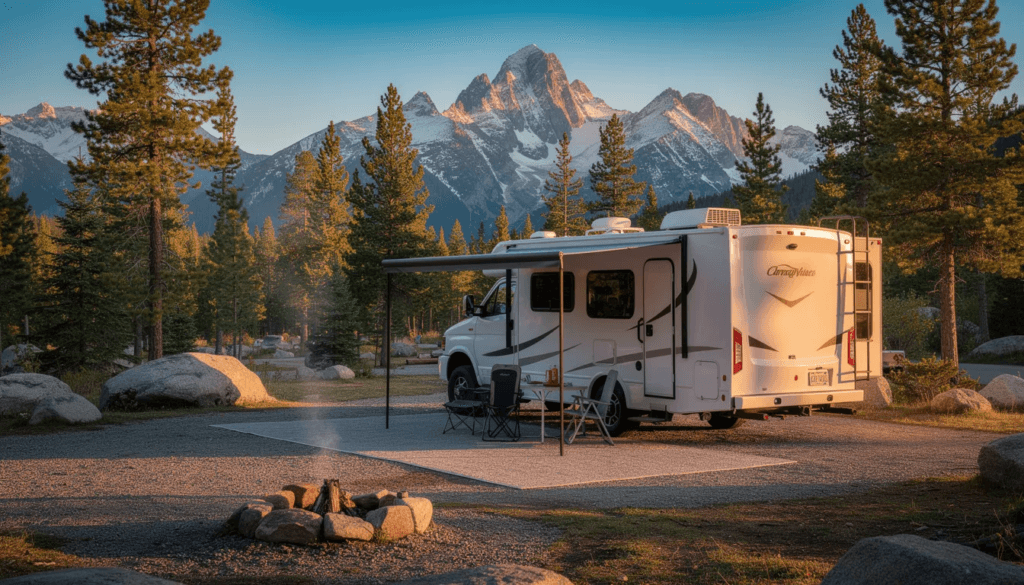
Yes, you can absolutely put an incinerator toilet in an RV. These systems are specifically engineered for mobile applications, including travel trailers, motorhomes, caravans, and boats. Manufacturers like Cinderella Eco Group have developed units like the Cinderella Travel that are purpose-built for the unique demands of RV life.
Popular incineration toilets on the market include propane and diesel variants that replace your standard RV toilet and eliminate the need for waste tanks entirely. The Cinderella Travel, for instance, connects to your existing propane supply and 12V electrical system, making it a practical swap for RV owners who want to ditch their black tank for good.
However, this isn’t a simple plug-and-play upgrade. Installation requires running a gas line from your propane tank, ensuring adequate 12V power supply for controls and fans, and routing an exhaust pipe through your roof for proper ventilation. The incineration chamber needs fresh air intake and safe fume dispersal, which means careful planning around your RV’s existing layout.
Before you get too excited, consider the three biggest trade-offs. First, the upfront cost is substantial—often $3,000 to $6,000 for quality units designed for mobile use. Second, propane consumption adds up, especially for families or full-time RVers. Third, installation must be done correctly to meet safety requirements and maintain your warranty.
The idea of never visiting a dump station again is appealing, but this technology works best for specific travel styles. Let’s break down exactly what you’re getting into.
- What Is an Incinerator Toilet and How Does It Work in an RV?
- Pros and Cons of Incinerator Toilets in an RV
- Can You Retrofit an Incinerator Toilet Into an Existing RV?
- Power, Fuel Use, and Off-Grid Considerations
- Installation Requirements and Safety in an RV
- Maintenance, Running Costs, and Daily Use Tips
- Is an Incinerator Toilet Right for Your RV Setup?
What Is an Incinerator Toilet and How Does It Work in an RV?
An incinerator toilet is a waterless sanitation system that uses high-temperature fire to reduce human waste—both liquid and solid waste—to sterile ash. Unlike traditional toilet solutions that collect waste in tanks for later disposal, incinerating toilets destroy everything on the spot through controlled combustion.
Here’s how the process works in an RV context:
- Bowl liner placement: Before each use, you place a disposable paper bowl liner in the porcelain bowl. This liner safely contains waste and transports it to the combustion chamber.
- Activation sequence: After use, you close the lid and press the flush button. The waste drops through a chute into an enclosed metal incineration chamber below.
- Combustion cycle: The burner ignites, heating the chamber to temperatures exceeding 1000°C in premium models like the Cinderella. An exhaust fan simultaneously vents gases outside through a dedicated pipe routed over the roof.
- Ash output: The entire cycle takes roughly 50-70 minutes, reducing everything to a small amount of ash. For perspective, a couple using the RV full-time might produce about a teaspoon of ash per person per week.
RV-specific products like the Cinderella Travel use LPG (propane) or diesel as fuel, combined with 12V DC power for fans, controls, and ignition. Electric models exist but demand significantly more power—around 1.5 kW per cycle—which makes them impractical for most RV setups unless you have an extensive solar and battery system.
Instead of managing a black tank or cassette that needs regular emptying at dump stations, you simply empty a small ash container every several days to a week. The ash is completely sterile after the high-temperature burn and can typically be bagged and disposed of in regular trash, though you should check local regulations in your area.
Pros and Cons of Incinerator Toilets in an RV
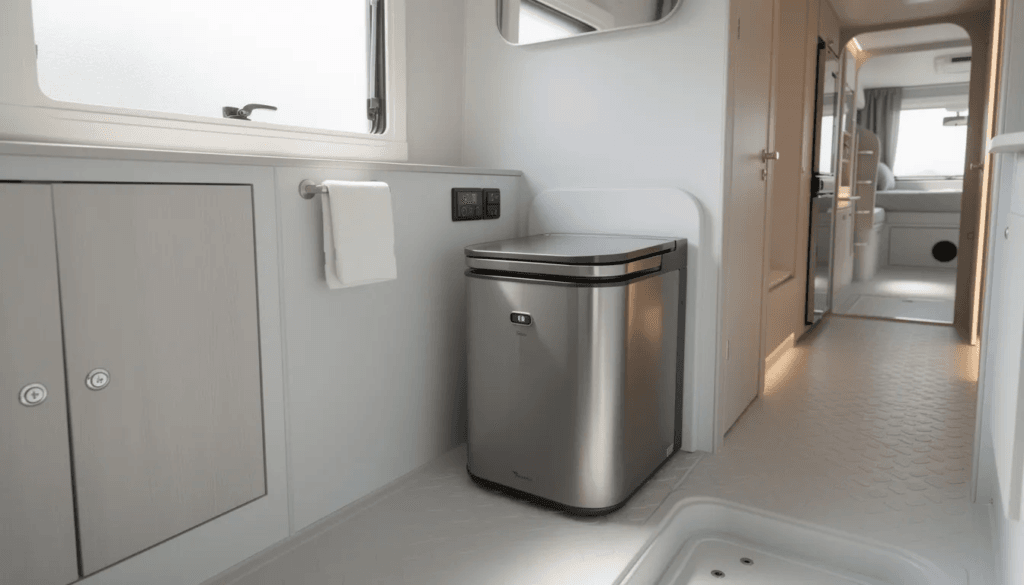
Choosing between incinerating, cassette, and composting toilets comes down to understanding what each system demands from you and your RV setup. Here’s a practical breakdown of what you gain and what you sacrifice with an incinerator toilet.
The advantages are significant for the right user. You completely eliminate the black tank and all dump station visits—a genuine game-changer for boondockers and full-timers who value freedom over convenience. The system is waterless, saving your fresh water supply for cooking, drinking, and showers instead of flushing toilet waste. Odor control is superior because complete combustion destroys all organic material rather than just containing the smell. Winter campers appreciate that there’s no liquid to freeze, making these units practical in climates where most traditional toilet solutions fail. The hygienic bowl liner system means you never touch waste directly, and the final ash output is minimal compared to gallons of black water.
Some concrete numbers help illustrate the benefits. A gas-fired RV unit can support roughly 60-80 incinerations from a standard 9 kg (20 lb) propane bottle under typical conditions. The Cinderella Travel handles approximately 70 toilet visits before ash emptying is required—far exceeding what composting toilets demand in terms of maintenance frequency.
The drawbacks require honest consideration. The purchase price is steep, often $4,000-$6,000 for the Cinderella Travel with installation components. Ongoing costs include proprietary liners (one per use) and fuel. Propane models consume about 0.1-0.2 kg per incineration cycle. During operation, there’s fan noise and a brief burning-paper smell at the vent—not overwhelming, but noticeable to friends camping nearby. Installation complexity is real; this isn’t a weekend project for most owners.
For heavy boondocking scenarios with families or full-time use, propane consumption often becomes the limiting factor rather than ash capacity. A couple averaging 10-15 combined uses per day will burn through propane faster than weekend warriors, requiring careful planning around refill logistics.
Pros summary:
- No black tank or dump station visits
- Waterless operation preserves fresh water
- Minimal odor when installed correctly
- Works in freezing temperatures
- Toilet hygienic design with single-use liners
- Sterile ash output measured in teaspoons, not gallons
Cons summary:
- High upfront cost ($3,000-$6,000)
- Ongoing expense for liners and fuel
- Propane consumption impacts extended off-grid stays
- Fan noise during 50-70 minute burn cycles
- Professional installation often recommended
- Limited service networks outside Europe
Can You Retrofit an Incinerator Toilet Into an Existing RV?
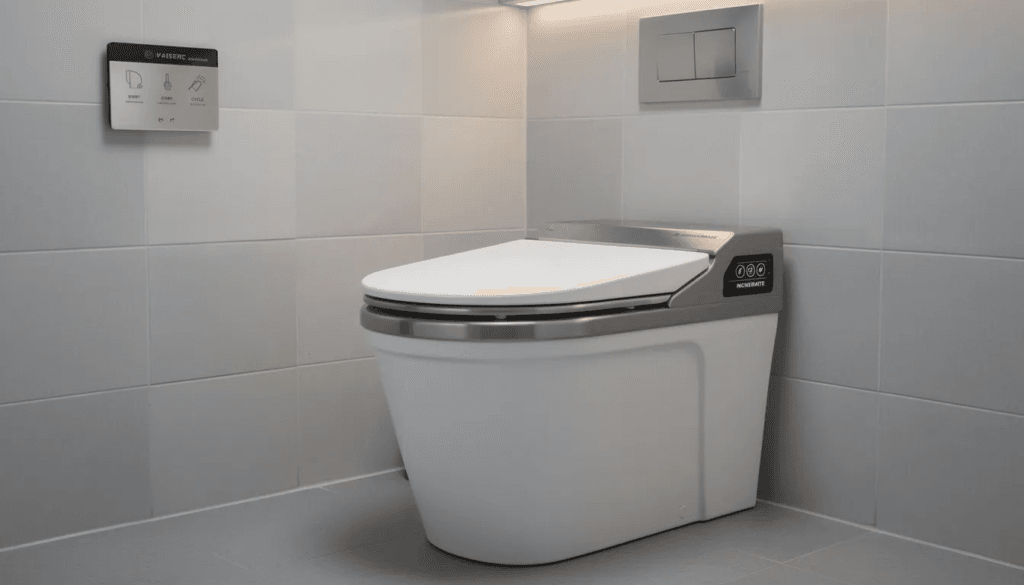
Retrofitting an incinerator toilet into an existing RV is usually possible across most Class A, B, and C motorhomes, as well as towable travel trailer units. The key requirements are adequate space in your bathroom footprint, access to gas or diesel fuel, and the ability to run 12V power and exhaust components.
The typical retrofit path involves removing your original RV toilet, then deciding what to do with the existing black tank. Some owners cap off the drain connections entirely and repurpose the tank space for storage. Others simply leave the tank in place but disconnect it, using the former connection point for the incinerator’s air intake if positioning allows.
Products like the Cinderella Travel or similar units typically require:
- 12V DC power line: This powers control electronics, ignition systems, and ventilation fans. The draw is modest (1-2 amps during operation) but must be continuous throughout each burn cycle.
- Gas or diesel supply line: Most RV owners extend a line from their existing propane tank. Diesel variants tap into the vehicle’s fuel system, which can be advantageous for motorhomes already running on diesel.
- Exhaust pipe routing: The exhaust must vent vertically through the roof above the toilet location, or in some cases through a sidewall per manufacturer instructions. This exhaust pipe carries high-temperature gases and moisture, requiring specific insulation and roof caps.
Adequate combustion air supply is critical. The unit needs fresh air intake, which some installations draw from below the chassis. This can require modifications if your existing waste tanks obstruct airflow paths. Proper clearances from walls, cabinetry, and combustible materials must meet manufacturer specifications for both safety and warranty compliance.
Many manufacturers offer installation kits that include pre-sized pipes, roof caps, mounting brackets, and other components tailored to their travel models. The Cinderella Complete Travel bundle, for example, pairs the toilet with a separate urinal to minimize incineration cycles—urine diversion can cut gas usage by up to 50% in high-occupancy scenarios.
DIY installation is possible for skilled owners comfortable with gas line work, electrical connections, and roof penetrations. However, most brands recommend professional installation and explicitly state that improper fitting can void their 3-year warranties. If you’re not confident working with propane systems or cutting holes in your roof, the investment in a certified RV technician is worthwhile.
Power, Fuel Use, and Off-Grid Considerations
Fuel and power demands are the main practical limiters for staying off-grid indefinitely with an incinerator toilet. Understanding these requirements helps you plan realistically rather than discovering limitations mid-trip.
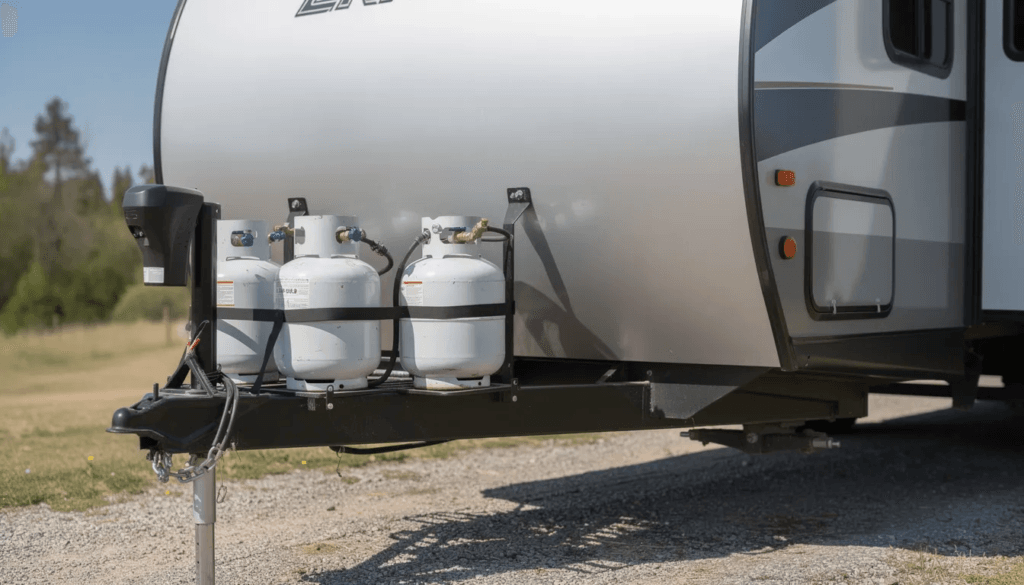
Gas consumption varies by model and conditions. Typical propane usage runs around 100-120 grams of LPG per full incineration cycle. Under moderate conditions, this translates to roughly 60-80 cycles from a 9 kg (20 lb) bottle. Cold weather increases consumption as the system works harder to reach operating temperatures.
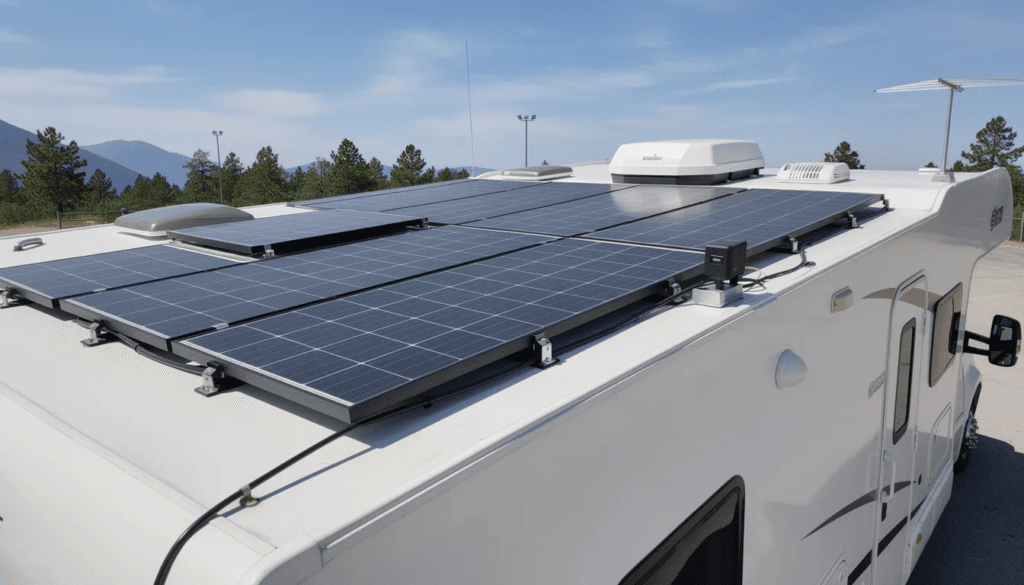
Electrical draw is modest but continuous. Most gas models pull around 1-2 amps at 12V DC for fans and controls during each burn cycle. Since cycles run 50-70 minutes, you’re looking at meaningful power consumption over a day of regular use—but nothing that a decent solar setup and battery bank can’t handle.
Electric incinerator models are a different story. Purely electric units may draw around 1.5 kW per burn cycle, requiring large lithium battery banks and substantial solar arrays. For smaller RV roofs or rigs without robust electrical systems, electric variants are often impractical. Gas models offer far more off-grid versatility.
A concrete scenario illustrates the math. For two people averaging 10-15 combined toilet visits per day, a 40 lb propane tank might last only 3-5 days if every use triggers a full incineration cycle. This is where usage strategies matter—some models allow batching multiple uses before initiating a burn, and urinal diversion systems reduce the number of full cycles needed.
Planning recommendations for boondockers:
- Carry larger or twin propane cylinders for extended stays
- Monitor fuel gauges closely and know refill locations along your route
- Consider a portable spare cylinder as backup
- Factor toilet fuel consumption into your overall propane budget (don’t forget cooking and heating)
- Evaluate whether urine diversion accessories make sense for your usage patterns
The bottom line: an incinerator toilet works beautifully off-grid, but propane logistics replace dump station logistics. For many RV owners, this is a worthwhile trade. For others, particularly those with limited propane capacity or plans for truly remote extended stays, it requires careful calculation.
Installation Requirements and Safety in an RV
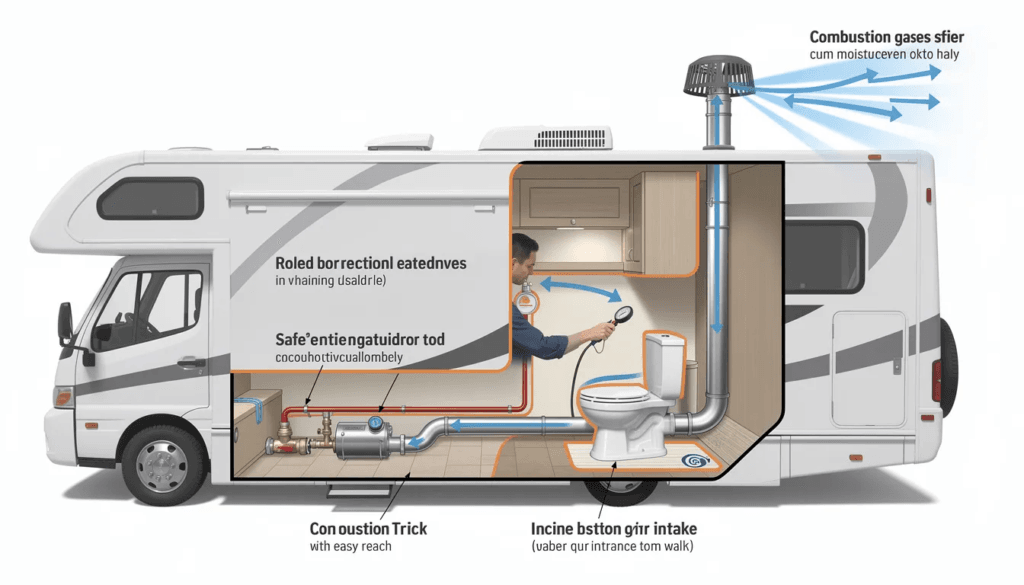
Installing an incinerator toilet involves gas, high heat, and exhaust management. Taking safety and code compliance seriously protects both your RV and everyone traveling in it.
Key safety requirements include:
- Sealed exhaust routing: The exhaust pipe must extend above your roofline with proper manufacturer-specified caps. This ensures combustion gases and moisture vent safely away from living spaces.
- Combustion air intake: The unit needs dedicated fresh air supply, often drawn from below the chassis. Blocked or inadequate intake affects performance and safety.
- Clearances from combustibles: Manufacturers specify minimum distances from walls, cabinetry, and other flammable materials. These aren’t suggestions—they prevent fire hazards during the high-temperature burn cycles.
- Gas line installation: All propane or diesel connections must meet RV and local codes. This typically means using approved fittings, leak testing all joints, and ensuring proper shut-off valve access.
Exhaust considerations deserve extra attention. The high temperatures and moisture in exhaust gases require specific vent pipe materials, insulation, and roof caps. Using generic plumbing components instead of manufacturer-specified parts can cause condensation buildup inside walls or heat damage to ceiling materials. A catalytic converter or afterburner in premium models helps reduce emissions, but proper venting remains essential.
RV-specific challenges matter. Your rig flexes and vibrates during travel in ways that fixed structures don’t. This demands secure mounting brackets, supported vent runs, and periodic inspection of joints and seals. What seems tight during installation can loosen after thousands of miles on rough roads.
Additional safety measures to implement:
- Install a propane and CO detector near the bathroom area
- Keep fire extinguishers rated for RV use accessible
- Check detectors regularly and replace batteries on schedule
- Follow the manufacturer’s recommended inspection intervals (often annually)
- Have exhaust pipes professionally checked and cleaned roughly every 500 uses
Manufacturers explicitly state that incorrect DIY installation, lack of annual checks, or missed exhaust cleaning intervals can void warranty coverage. When in doubt, invest in a certified RV technician familiar with incinerator systems. The optimal installation pays dividends in safety and long-term reliability.
Maintenance, Running Costs, and Daily Use Tips
Routine maintenance for an incinerator toilet is lighter than managing a black tank but still requires attention. Understanding the rhythm of care keeps your system running smoothly and helps you budget accurately.
Ash handling is straightforward. Empty the ash container when it reaches about one-third full—typically weekly for a couple using the RV regularly. The sterile ash cools quickly after cycles complete and poses no health concerns. Double-bag the ash and dispose of it in regular trash, or bury it according to local regulations. Some areas have specific rules, so check before assuming disposal methods.
Cleaning follows manufacturer guidance. After emptying the ash container, many models recommend running a “water incineration” or steam cleaning cycle. This helps maintain the combustion chamber. Additionally, inspect the bowl liner chute periodically to ensure smooth operation. The exhaust system typically needs professional inspection and cleaning roughly every 500 uses or annually, whichever comes first.
Ongoing costs add up differently than you might expect:
- Bowl liners: You’ll use one per toilet visit. Costs vary by brand, but budget accordingly for your usage frequency.
- Propane or diesel: Factor this into your overall fuel planning, especially for extended trips or full-time living.
- Replacement parts: Occasional gaskets, filters, or ignition components may need replacing over years of use.
- Professional service: Annual inspections and exhaust cleaning add to long-term costs.
For a full-time couple, annual liner and fuel costs typically exceed what you’d spend on chemicals and dump fees for a traditional system. However, the convenience factor and elimination of dump station visits changes the value equation for many RV owners.
Practical daily use tips:
- Always use the manufacturer-recommended liners—generic alternatives can cause problems
- Avoid flushing non-approved items; only dispose of small sanitary items if your manual explicitly permits it
- Let incineration cycles finish completely before disconnecting shore power or shutting gas valves
- Don’t open the lid or door during active burn cycles
- Keep a small supply of spare liners accessible in the bathroom
The hygiene benefits are real. With single-use liners and complete combustion, you never deal with the mess or smell associated with other waste management systems. For many users, this alone justifies the higher operating costs.
Is an Incinerator Toilet Right for Your RV Setup?
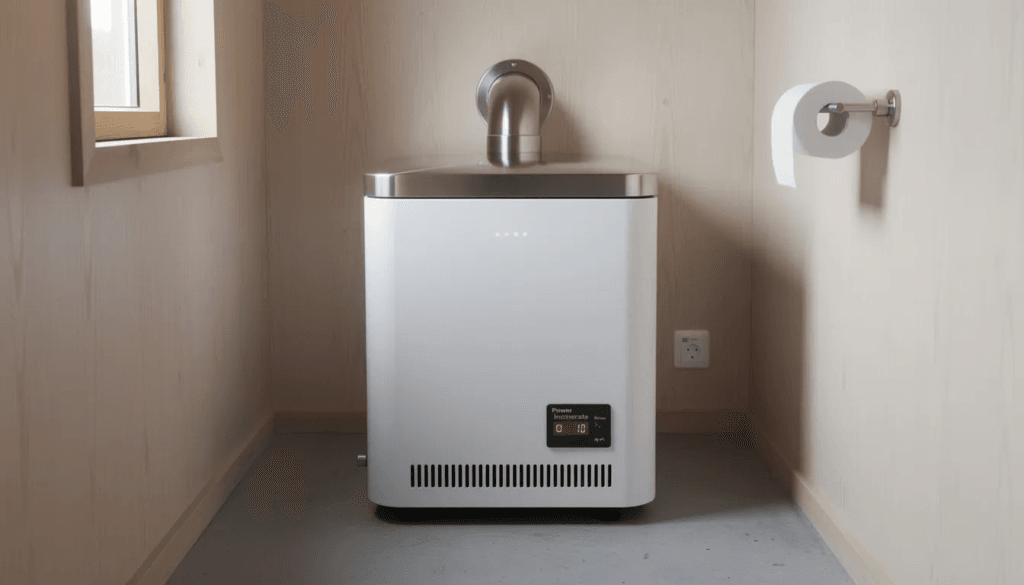
Yes, you can install an incinerator toilet in your RV—but whether you should depends on your travel style, budget, and existing setup. This technology solves specific problems brilliantly while creating others that may or may not matter to you.
Who benefits most from incinerator toilets:
- Full-time RVers who genuinely hate dump stations and want to eliminate that hassle entirely
- Winter campers who need freeze-proof sanitation in cold climates
- Off-grid enthusiasts with generous propane capacity and decent 12V power systems
- Travelers who prioritize hygiene and odor control above all other options
- Owners of rigs where black tank access or maintenance is particularly difficult
Who might be better served by composting toilets or cassette systems:
- Occasional weekenders who don’t mind dump station visits a few times per year
- Budget-conscious buyers who can’t justify the $4,000+ initial investment
- Small campervan owners with limited roof space for exhaust routing and minimal storage for extra propane
- RVs already optimized around an existing black tank system that works well
- Those traveling in areas where propane refills are scarce or inconvenient
Before purchasing, evaluate these factors honestly:
- Available bathroom space for the unit and required clearances
- Your existing propane or diesel setup and capacity for additional consumption
- Battery and solar capacity for continuous fan operation
- Climate conditions you typically camp in
- Local regulations on exhaust venting at parks and campgrounds
- Your comfort level with installation complexity or budget for professional help
- Access to service networks if problems arise
The market for incinerator toilets in RVs continues growing as more owners discover the freedom of never hunting for a dump station. Manufacturers like Cinderella have refined their travel models specifically for mobile applications, and early adopters report excellent long-term satisfaction once systems are installed correctly.
For RV owners tired of the dump station dance, willing to invest upfront, and prepared to manage propane logistics, an incinerator toilet delivers genuine independence. The sustainable, waterless operation transforms sanitation from a constant chore into a non-issue.
Weigh the costs against the convenience for your specific situation. If freedom from black tanks and dump stations sounds worth the investment and effort, an incinerator toilet might be exactly what your RV needs.