

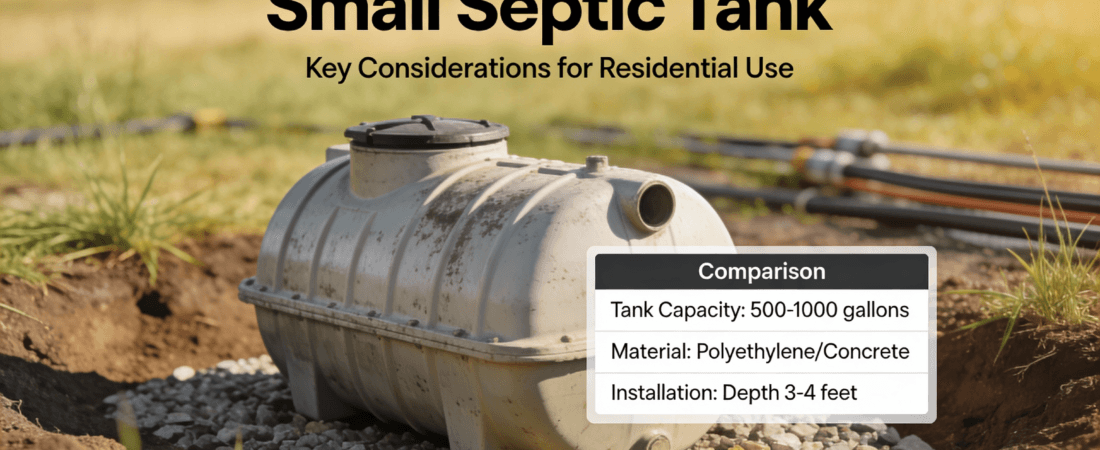
A small septic tank is an on-site wastewater treatment solution designed to manage and treat domestic liquid waste, especially for properties that lack access to centralized sewer systems. This guide is intended for homeowners, property managers, and anyone considering a small septic tank for their property. Selecting the right small septic tank is crucial for effective wastewater management, regulatory compliance, and environmental protection.
These systems are ideal for off-grid homes, small cabins, and rural properties. The core component of a septic system is the septic tank, which collects and partially treats wastewater before it disperses into the surrounding soil via a drain field. A small septic tank operates as an underground, watertight container that receives household waste, allowing solids to settle into sludge and scum to rise while bacteria break down organic matter.
Septic tanks are a common and vital solution for waste management; in fact, about one in every four households in the United States relies on a septic system. This widespread use underscores the importance of understanding how septic systems work and how to maintain them properly to ensure sanitary conditions and environmental safety. Small septic tanks are suitable for 1-to-2 bedroom homes or lofts, intermittent use properties like seasonal cabins, and homes with high water conservation practices.
proper design, installation, and maintenance are critical for the longevity and effectiveness of a septic system. Naturally occurring anaerobic bacteria in the tank partially digest the organic solids in the sludge, reducing their volume. Additionally, compliance with local regulations, verifying the location for installation, and obtaining the necessary permit are essential steps to ensure the system operates legally and minimizes environmental impact. Proper maintenance can also extend the life of the system.
Understanding the components of a septic system is the next step in making an informed decision.
Components of a Septic System
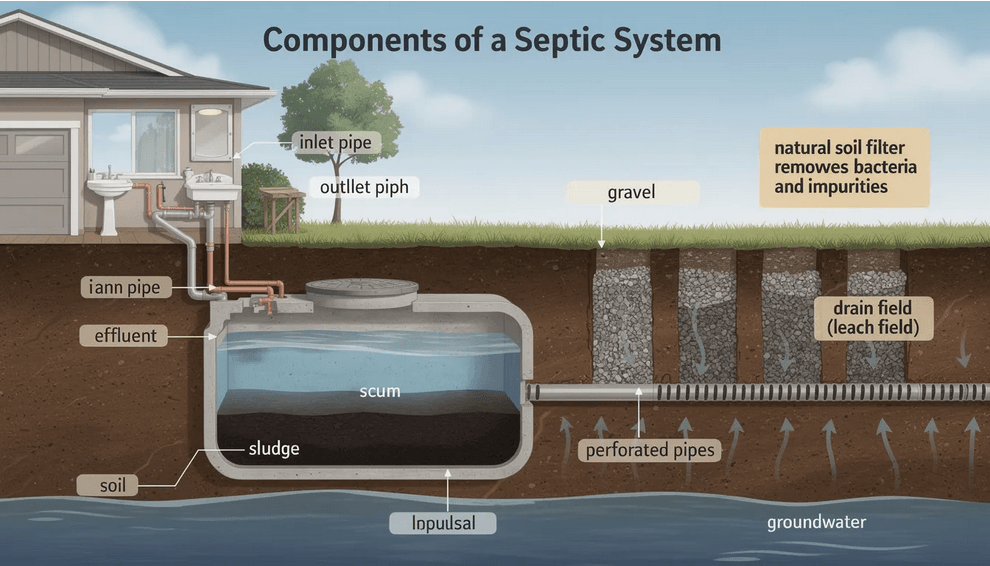
A well-functioning septic system relies on several essential components, each playing a vital role in the treatment and disposal of household wastewater. At the heart of the system is the septic tank—a robust underground container, typically constructed from concrete, plastic, or fiberglass. This tank receives all the wastewater from your house, including water from toilets, sinks, and laundry. Inside the tank, solids settle to the bottom, forming a sludge layer, while lighter materials like grease and other impurities float to the top as scum. The middle layer, consisting of clarified liquids, is known as effluent.
From the septic tank, the effluent flows through a network of pipes into the drain field, sometimes called a leach field. The drain field is a shallow trench filled with gravel and perforated pipes, designed to evenly distribute the liquid across a wide area. As the effluent seeps into the surrounding soil, the soil acts as a natural filter, removing bacteria, viruses, and other impurities before the water returns to the groundwater supply.
Each part of the system—the tank, pipes, drain field, and soil—must work together efficiently to ensure safe and effective wastewater treatment. Regular inspections and maintenance are crucial to keep the system running smoothly, prevent blockages, and avoid costly repairs. By understanding the function of each component, homeowners can better care for their septic system and protect their property and the environment.
With a clear understanding of the system’s components, you can now explore the different types of septic tanks available.
Types of Septic Tanks
When selecting a septic tank, it’s important to consider the material and design best suited for your property’s conditions and needs. Septic tanks are usually made of concrete, fiberglass, or plastic.
Concrete tanks have a robust structure with thick walls, heavy lids, and internal compartments that provide excellent durability and support. Their structure helps prevent leaks and withstands external pressure, making them a long-lasting option.
Fiberglass tanks feature a lightweight yet strong structure, often with molded compartments and secure lids. The structure of fiberglass tanks resists corrosion and cracking, contributing to their effective functioning and ease of installation.
Plastic tanks are designed with a seamless structure, integrated support ribs, and tight-fitting lids. This structure makes them resistant to rust and easy to transport, while still providing reliable performance for small septic systems.
Concrete Septic Tanks
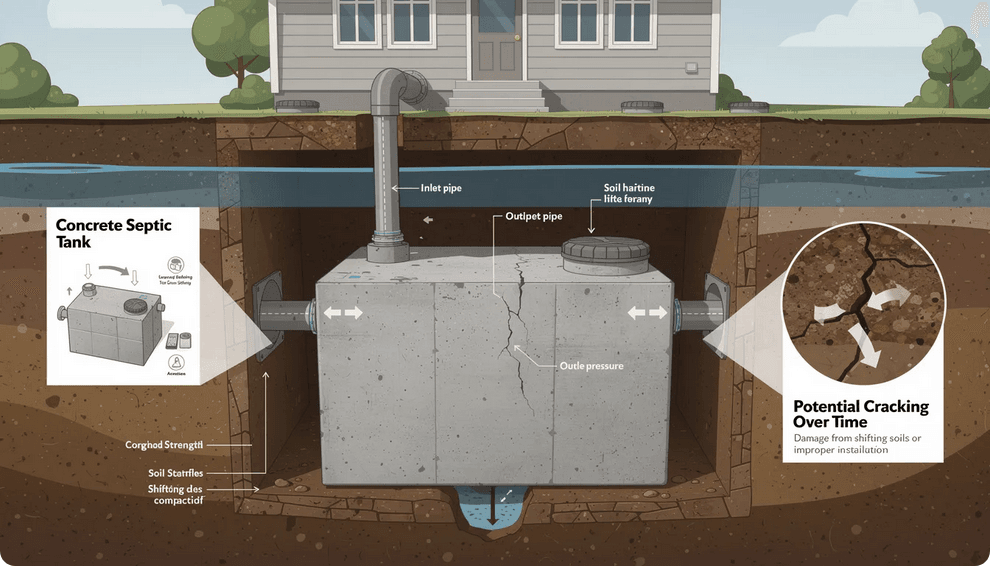
Concrete tanks are traditional and widely used due to their durability and strength. They are heavy and sturdy, making them less likely to shift or float in high groundwater conditions. However, concrete tanks can crack over time, especially if exposed to shifting soils or improper installation. Maintenance may be higher compared to other materials.
Plastic Septic Tanks
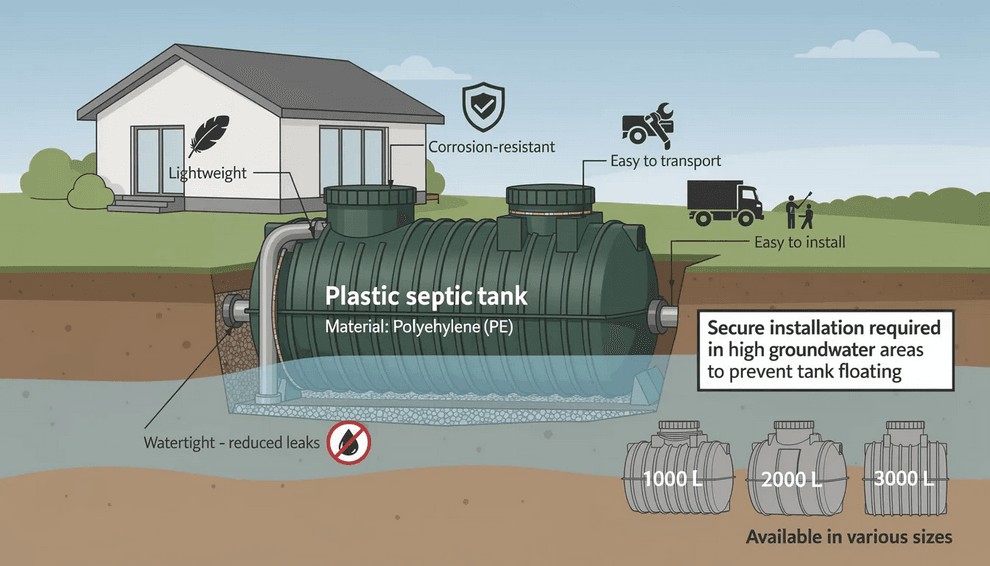
Plastic septic tanks, often made from polyethylene (PE), offer several advantages. They are lightweight, corrosion-resistant, and easier to transport and install. Their watertight construction reduces the risk of leaks, and they are available in various sizes to suit different household needs. However, because of their light weight, plastic tanks must be securely installed to prevent floating in areas with high groundwater.
Fiberglass and Steel Tanks
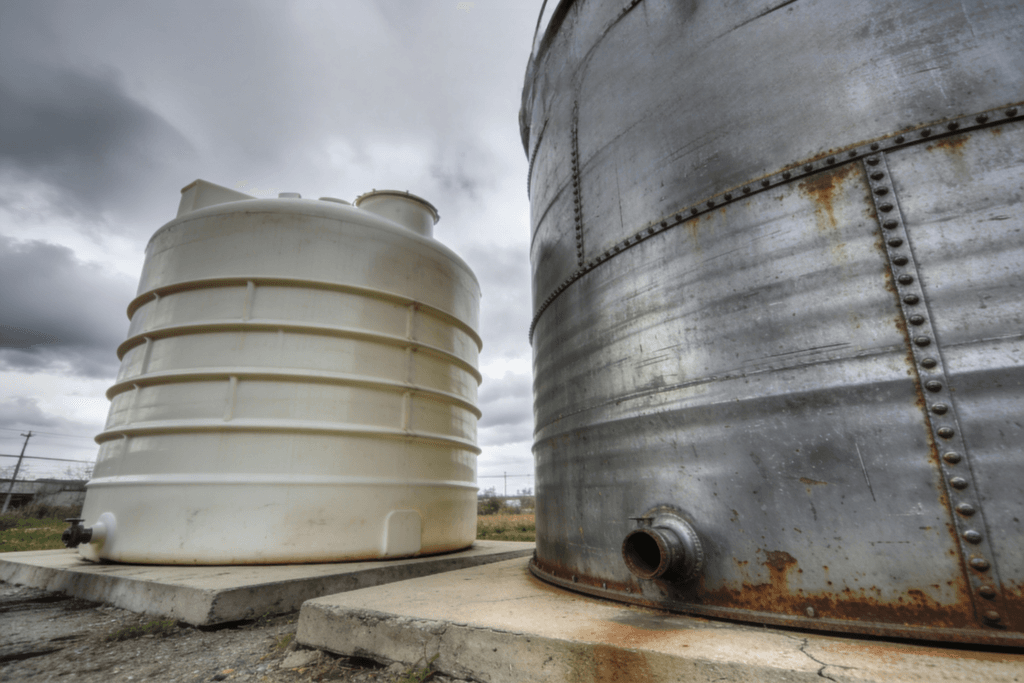
Fiberglass tanks combine strength with corrosion resistance and are lighter than concrete but heavier than plastic. Steel tanks are less common due to rust and corrosion issues, which can shorten their lifespan.
Selecting the best septic tank depends on factors such as soil type, groundwater levels, budget, and local regulations. Consulting with a professional can help you choose a tank that fits your property’s unique conditions.
Once you have selected the appropriate tank type, it is important to consider the benefits and drawbacks of each material.
Benefits of a Plastic Septic Tank
Plastic septic tanks have become increasingly popular due to their practical benefits:
- Lightweight and Easy Installation: Their light weight simplifies transportation and installation, reducing labor costs and time.
- Corrosion and Crack Resistance: Unlike metal tanks, plastic tanks resist rust, corrosion, and cracking, which enhances their durability.
- Affordable: Plastic tanks are typically more affordable than concrete or fiberglass options, making them a cost-effective choice.
- Watertight Design: Their sealed construction minimizes the risk of leaks, protecting groundwater from contamination.
- Versatility: Suitable for residential, commercial, and portable applications, plastic tanks can be used for a wide range of wastewater management needs.
- Low Maintenance: Plastic tanks generally require less maintenance, and proper maintenance can extend their service life beyond the warranty period, helping reduce long-term costs.
When combined with other eco-friendly wastewater solutions like composting toilets or grey water systems, plastic septic tanks contribute to a comprehensive and sustainable waste management approach. With proper care, plastic septic tanks can have a long life, making them a reliable choice for small septic tank systems.
Understanding the benefits of each tank material will help you make an informed decision as you move on to sizing your small septic system.
Sizing a Small Septic System
Proper sizing of a septic system is crucial for its effective operation and longevity. The classification of septic tank size is often based on the number of bedrooms in a home, which serves as a proxy for the maximum number of occupants. A small system, such as a mini septic system or small septic tank, typically includes a septic tank and a drain field designed to handle wastewater from a single toilet or a small household. The size of a small septic tank generally ranges from 700 to 900 gallons for adequate storage and treatment. For example, a 1-3 bedroom home often requires a 750-1000 gallon septic tank, while larger homes need more capacity. For a 3-bedroom home, a minimum tank size of 1,000 gallons is recommended.
Small septic tanks are suitable for 1-to-2 bedroom homes or lofts, intermittent use properties like seasonal cabins, and homes with high water conservation practices. Local regulations may mandate minimum tank sizes regardless of household size. Before installing a small septic tank, verify local health department requirements as many jurisdictions mandate a minimum tank size of 1,000 gallons.
Factors Influencing Size
- Number of Bedrooms: Septic system size is often based on the number of bedrooms rather than the number of bathrooms, as bedrooms better estimate potential occupancy and wastewater generation.
- Water Usage: The volume of daily water use, including toilet flushes, laundry, and sinks, affects the required tank and drain field size.
- Soil Type: Soil permeability influences how quickly effluent can be absorbed, impacting drain field sizing.
- Local Regulations: Building codes and health department guidelines dictate minimum sizes and setbacks.
A small septic system for one toilet typically consists of a septic tank and a drain field.
With the basics of sizing established, you can now consider alternative and DIY options for low-use or off-grid properties.
Mini Septic Systems
For low-use properties like hunting cabins or small vacation homes, mini septic systems can use barrels—such as 55 US gal drums—as DIY septic tanks. To install a barrel-based mini septic system, you typically dig a hole to position the barrel underground, then connect inlet and outlet pipes for waste management. These systems provide a cost-effective and efficient way to manage wastewater without the need for large installations. However, such systems require careful design to handle human waste, grey water, and other impurities safely.
As an alternative, composting toilets and composting systems offer a sustainable, simple, and inexpensive way to manage waste. Composting toilets can be used inside or outside and utilize organic materials to compost human waste, making them an environmentally friendly option for off-grid or remote settings.
Once you have determined the appropriate size and type of system, the next step is to focus on proper installation to ensure long-term performance.
Installation Considerations for Septic Tanks
Correct installation is vital to prevent problems such as tank floating, pipe clogs, and system failure. The installation process can be broken down into several key steps:
Excavation and Placement
- Excavate a hole sized to fit the tank snugly, often with gravel bedding to ensure stability and drainage.
- Do not compact the soil, as maintaining soil permeability is essential for proper waste filtration and evaporation.
- The tank must be level and positioned below the frost line in colder climates.
- Conduct a percolation (perc) test at this point to determine how quickly the soil absorbs water and to inform the septic system design.
Pipe Connections
- Use durable materials like ABS pipe and PVC glue to connect the tank to the toilet and drain field.
- Push pipes or fittings securely into place and align them with the edge of the tank or barrel.
- Adjust the slope of the pipes—typically 1/4 inch per foot—to ensure proper drainage and system efficiency.
- Apply tape to seal pipe connections and prevent leaks.
- Pipes should be properly aligned with a slight slope to facilitate gravity flow and prevent blockages.
Preventing Floating
- Lightweight plastic tanks must be anchored or installed with sufficient soil cover and gravel to prevent shifting or floating during high groundwater conditions.
Drain Field Setup
- The drain field disperses treated effluent into the soil.
- The clarified liquid, or effluent, exits the tank into a drain field via perforated pipes.
- The drain field should be sized and located based on soil testing and local regulations to ensure proper absorption.
Access for Maintenance
- Leave access points for inspection, pumping, and repairs.
- Routine maintenance of a small septic system includes periodic pumping to remove accumulated sludge and scum.
Professional installation is recommended to comply with local codes and to ensure the system functions efficiently.
After installation, some properties may benefit from using multiple septic tanks to handle higher wastewater demands or unique site conditions.
Managing Multiple Septic Tanks
For properties with higher wastewater demands or unique site conditions, a small septic system may benefit from the use of multiple septic tanks. This approach can increase the system’s capacity and flexibility, making it easier to manage the overall wastewater load.
Benefits of Multiple Tanks
Using more than one tank can help distribute wastewater more evenly, reduce the risk of overloading a single tank, and provide redundancy in case of maintenance or repairs.
Connection and Flow Management
When planning a system with more than one tank, it’s important to carefully consider the size and type of each tank, as well as how they are connected and how the flow of wastewater is managed between them. Plastic septic tanks, especially those made from durable polyethylene, are a popular choice for these setups due to their lightweight construction, resistance to corrosion, and ease of installation. Properly sizing each tank to match the expected wastewater flow and number of users is essential for optimal performance. The tanks should be connected with reliable piping to ensure smooth transfer of waste and effluent throughout the system.
Maintenance Considerations
Regular pump-outs and thorough inspections are even more important in systems with multiple tanks, as they help prevent overloading and ensure each tank is functioning as intended. Additionally, the drain field must be designed to accommodate the increased volume of effluent, with enough capacity to safely disperse and filter the wastewater through the soil for many years.
By carefully managing multiple septic tanks and maintaining all components of the system, homeowners can enjoy a reliable, efficient, and long-lasting solution for their property’s wastewater needs.
Understanding the importance of proper management and maintenance leads directly to the need for regulatory compliance.
Regulatory Compliance for Septic Systems
Septic systems are subject to regulations designed to protect public health and the environment.
- Permits and Inspections: Most states delegate the issuance of construction and operating permits for septic tanks to local health departments. It is illegal to install a septic system without a permit, and the permit will detail the local requirements for installation. Most local health departments require permits before installation and periodic inspections afterward. Property owners must ensure their system meets local codes or it will not pass inspections and they may be subject to a fine.
- Setback Requirements: Local regulations establish setback distances from buildings, driveways, property lines, and surface waters. Regulations often specify minimum distances between septic components and wells, water bodies, property lines, and buildings.
- Site Assessments: Soil percolation tests and site evaluations ensure the ground can safely absorb effluent without contaminating groundwater.
- Maintenance Requirements: Regular pumping and inspections are mandated to prevent system failures.
Understanding and adhering to these regulations is essential to avoid fines, ensure system longevity, and protect the environment.
With regulatory requirements in mind, you are now ready to make an informed decision about your small septic system.
Conclusion
Selecting the right septic tank and system involves evaluating your property’s needs, local regulations, and environmental conditions. Small septic systems, including plastic or concrete tanks paired with an appropriately sized drain field, offer efficient and eco-friendly solutions for managing wastewater on properties without sewer access.
Plastic septic tanks provide a lightweight, affordable, and corrosion-resistant option, while concrete tanks offer traditional durability. Proper design, installation, and maintenance, along with regulatory compliance, are key to ensuring your septic system remains safe, effective, and long-lasting.
By making informed choices and maintaining your system regularly, you can enjoy a sanitary and environmentally responsible wastewater management solution for many years to come.