
Thinking about adding a granny pod to your property for an aging parent? You’re not alone—thousands of families are exploring this option as an alternative to expensive care facilities. This guide is for homeowners considering a granny pod for an aging parent or family member, and explains why understanding the full range of costs is essential for making an informed decision. But before you dive in, you need to understand what you’re actually signing up for financially.
Quick Answer: What Does a Granny Pod Really Cost?
The cost of a granny pod can vary based on factors such as location, size, and features, but on average, they range from $70,000 to $250,000. A basic DIY or shed-conversion option may run less, but most prefab granny pods cost around $125,000 for a move-in-ready unit. High-end custom accessory dwelling units can easily reach $250,000 or more once you factor in structure and site work.
Most families end up spending somewhere in the $85,000–$150,000 range for a turnkey backyard unit that includes installation, necessary permits, and utility connections.
Here’s the number that changes everything: the median annual cost of a private nursing home is over roughly $84,000 per year, and the average cost of care in an assisted living facility is over $41,000 per year. At that rate, a granny pod can pay for itself in roughly 2–4 years—sometimes faster.
The rest of this article breaks down construction costs, soft costs, and long-term expenses so you can budget accurately and avoid surprises.
- What Is a Granny Pod and Why Cost Varies So Much
- Granny Pod Cost Breakdown (Structure, Site Work, and Soft Costs)
- Typical Price Ranges by Type of Granny Pod
- Ongoing Costs: Living With a Granny Pod After It’s Built
- Cost vs. Alternatives: Nursing Homes, Assisted Living, and In-Home Care
- Hidden and Often Overlooked Expenses
- Financing a Granny Pod: How Families Pay for It
- Zoning, Permits, and How They Affect Cost
- Design Choices That Drive Costs Up or Down
- Getting Value from a Granny Pod Over Time
What Is a Granny Pod and Why Cost Varies So Much
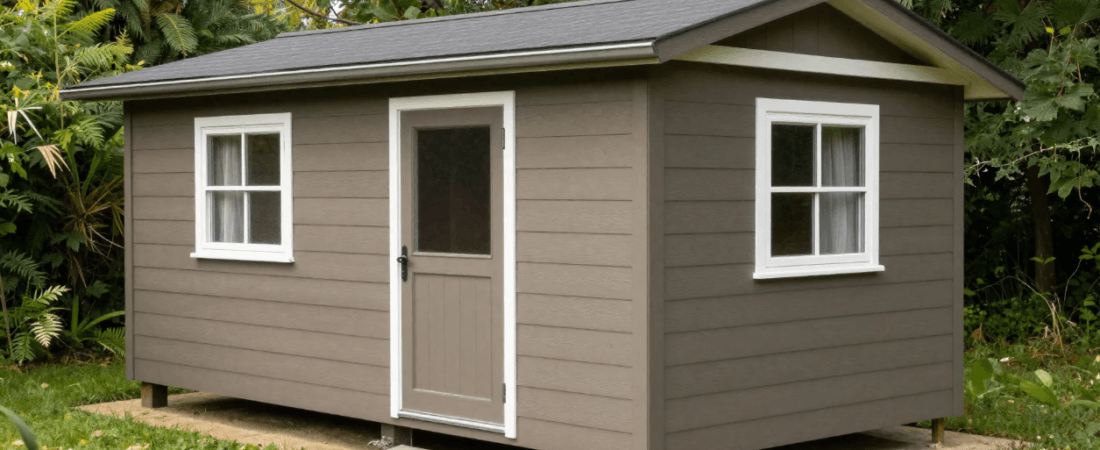
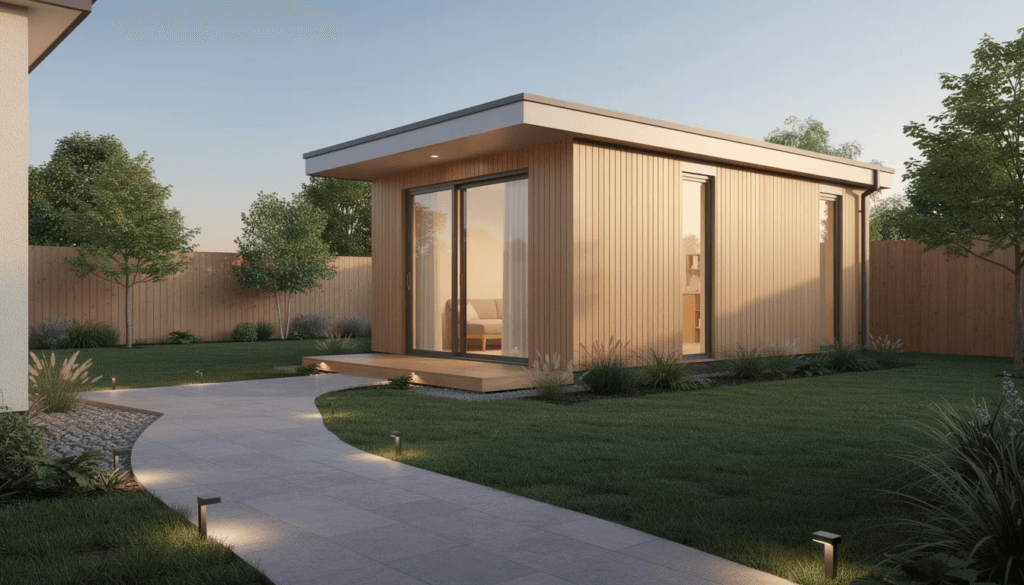
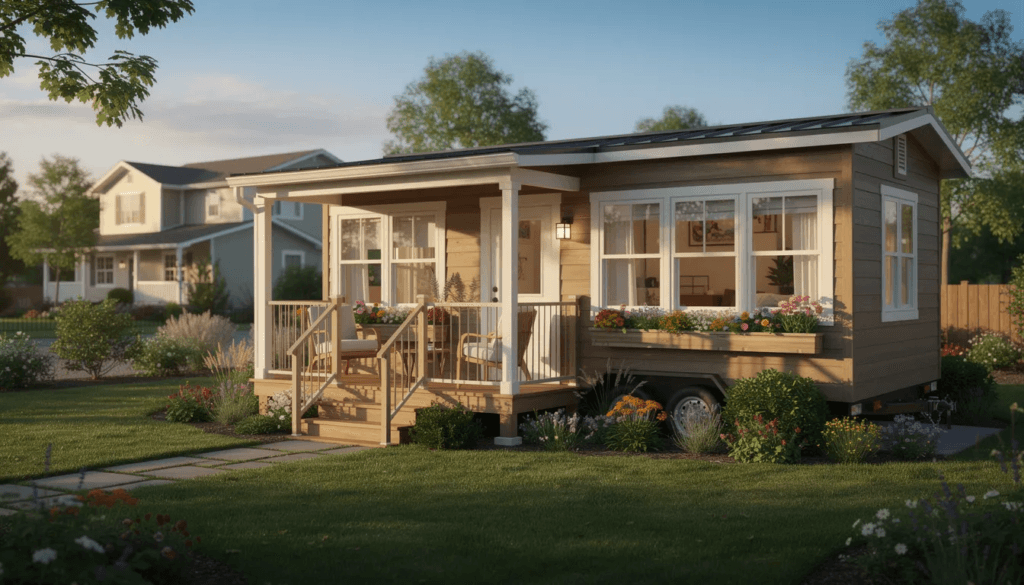
A granny pod is essentially a backyard accessory dwelling unit built specifically for aging parents or elderly family members. Granny pods are small, self-contained living spaces typically located on the same property as a primary residence, generally ranging from 250 to 900 square feet and including essential amenities such as a living area, bedroom, bathroom, and often a small kitchen. These compact living spaces typically range from 250–900 square feet and connect to the main house utilities while giving your elderly loved ones their own space.
You’ll hear several terms used interchangeably:
- Granny pod
- Granny flat
- Backyard cottage
- In law suite (sometimes written as in-law suite)
- Elder cottage
- ADU (accessory dwelling unit)
These terms generally describe the same concept, though some cities have specific zoning definitions that differentiate them.
Cost variation comes down to four primary factors:
- Size: Square footage is the biggest price driver—a 300 sq ft studio versus a 600 sq ft one-bedroom can nearly double your budget
- Construction type: Prefab granny pods cost significantly less than custom built units constructed on-site
- Medical and accessibility features: Basic open-plan units are far cheaper than fully accessible pods with medical monitoring, grab bars, and wider doorways
- Local labor and material prices: Building in California costs dramatically more than building in Texas or Florida
A basic studio pod without a full kitchen will run much less than a fully accessible one-bedroom with air conditioning, safety features, and high-end finishes.
Granny Pod Cost Breakdown (Structure, Site Work, and Soft Costs)
The “price tag” you see online for a granny pod is often just the structure cost—not what it actually takes to have a move-in-ready dwelling. Understanding this distinction saves families from budget shock.
Structure costs:
- Prefab or modular shells: $40,000–$120,000 depending on size and floor plan
- Custom site-built ADUs: $150–$300+ per square foot in 2024
- Example: Nook Prefab offers base models starting at $49,900 including foundation and crane services
- Example: Pacific Modern Homes’ Maywood building kit runs about $37,417 (February 2026 pricing)
Site and utility costs:
- Foundation or piers: $8,000–$25,000 (soil type and unit weight matter)
- Trenching and utility connections: $5,000–$20,000 (distance from main home affects price)
- Access improvements like driveways or walkways: $2,000–$10,000
Interior finishes and accessibility upgrades:
- Cabinetry and appliances: varies widely based on quality
- Flooring, bathroom fixtures, grab bars: $15,000–$40,000 on top of the shell
- Wider doors, step-free showers, non-slip flooring: often included in accessibility packages
Soft costs:
- Permits, design fees, engineering, inspections: typically 10–20% of construction budget
- In dollar terms: usually $5,000–$25,000 depending on jurisdiction
- Some cities charge $1,000–$10,000 just for permit fees
In higher-cost metro areas like California, the Pacific Northwest, and the Northeast, all-in projects of $180,000–$300,000 are common for high-quality ADUs.
Typical Price Ranges by Type of Granny Pod
Families can choose from several “tiers” of granny pods, each with different cost profiles and trade-offs. Your budget and your elderly parent’s needs will determine which tier makes sense.
Low-cost options ($25,000–$60,000): (use tools like a dedicated tiny home cost calculator to estimate your total budget more precisely)
- Shed conversions and basic tiny home kits
- Amazon-style kit homes and affordable tiny house designs
- Often lack full kitchens, permanent foundations, or full code compliance
- May not meet local regulations in many areas
- Best for independent seniors who need minimal assistance
Mid-range prefab granny pods ($70,000–$150,000):
- Purpose-built elder cottages and backyard ADUs
- Typically 300–600 sq ft with most accessibility features included
- Example: Amish Built Cabins’ El Poco Loco series ranges from $69,900 (12×40 one-bedroom) to $94,900 (12×48 two-bedroom, two-bath), similar in scale and concept to options from leading micro house builders that focus on compact, efficient living.
- Usually the most cost effective option for most families
High-end custom ADUs ($180,000–$300,000+):
- Architect-designed, 500–900 sq ft
- Fully integrated with main house utilities and aesthetics
- Premium finishes and materials that match the single family home
- Complete control over layout and features
Medical-grade additions:
- Advanced pods with monitoring tech, lifts, and safety systems can add $10,000–$50,000 to base price
- Some include vital signs monitoring and automated lighting
- Fall-detection sensors and medical alert systems are increasingly common
Ongoing Costs: Living With a Granny Pod After It’s Built
Ownership costs don’t stop at construction. Smart families plan for monthly and annual expenses from day one.
Monthly Utilities
- Electricity, water, sewer, trash, internet/cable
- Typically adds $100–$250 per month depending on region and energy efficiency
- A smaller unit with good insulation keeps these costs down
Property Tax Impact
- Many counties reassess property value after adding an ADU
- Adding $100,000–$200,000 in assessed value could add $1,000–$3,000 per year in property taxes (at a 1–1.5% rate)
- Check with your local assessor before building
Insurance
- Homeowners policies may need an endorsement or separate coverage for the ADU
- Expect $200–$800 per year extra
- Some insurers treat granny flats as separate structures
Maintenance and Repairs
- Plan for roof replacement every 20–30 years
- HVAC servicing, exterior painting, accessibility equipment upkeep
- Budget roughly 1–2% of build cost annually as a planning estimate
Other Costs to Consider
- HOA fees related to ADUs (where applicable)
- City fees for annual inspections in some jurisdictions
- Landscaping maintenance around the unit
Cost vs. Alternatives: Nursing Homes, Assisted Living, and In-Home Care
Comparing granny pod investment to common elder care options puts the numbers in perspective. These figures come from recent cost-of-care surveys and represent typical U.S. pricing.
Care Option | Typical Annual Cost |
|---|---|
Private nursing home room | ~$84,000/year |
Semi-private nursing home | ~$75,000/year |
Assisted living facility | $41,000+/year |
Full-time in-home caregiver | $60,000–$80,000/year |
Granny pod (one-time) | $70,000–$250,000 |
A $120,000 granny pod could “break even” versus nursing home care in roughly 1.5–3 years, depending on local prices and level of care needed. |
Example calculation:
If a nursing home costs $7,000/month ($84,000/year) and your granny pod costs $120,000 total, you break even in about 17 months. Every month after that represents savings.
Non-financial benefits:
- Adult children can maintain close relationships with aging parents
- Your elderly parent maintains more control over daily routine
- Personalized living space versus institutional environment
- Potential to repurpose or rent the unit later for $2,000+ monthly
For many families, the decision to keep loved ones close while helping them maintain dignity makes the investment worthwhile beyond pure numbers.
Hidden and Often Overlooked Expenses
Many families are surprised by “extras” not included in base quotes from prefab companies or contractors. Budget for these from the start.
Permitting and Impact Fees
- Some cities charge ADU impact or utility connection fees
- Range from a few hundred dollars to $10,000+
- West Coast cities tend to charge the most
Site Preparation Surprises
- Tree removal, grading, retaining walls
- Drainage improvements or dealing with difficult soil
- Can add $5,000–$30,000 unexpectedly
Access and Logistics Costs
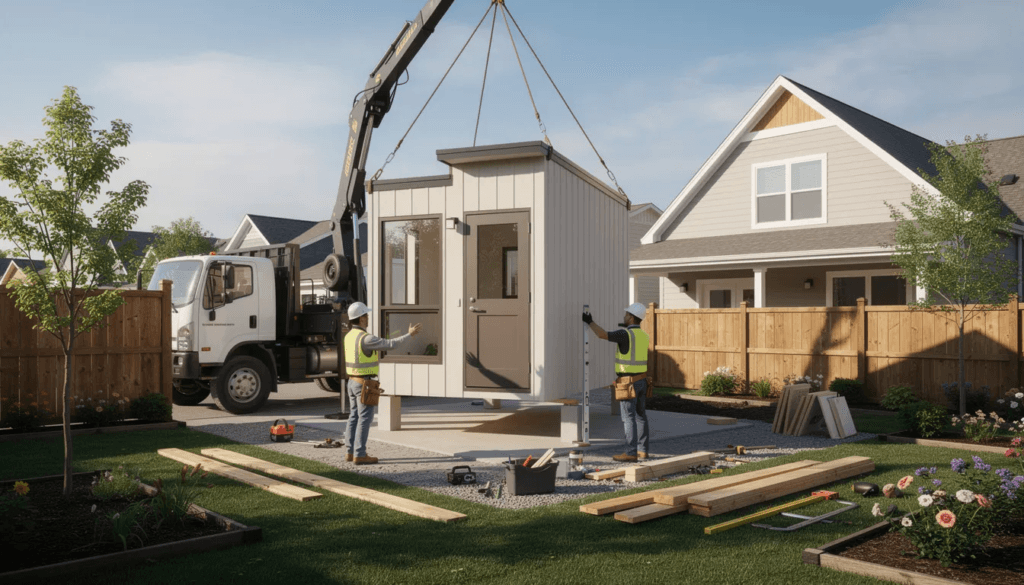
- Crane rentals for placing prefab units
- Temporary fencing or special equipment for tight backyards
- Hard-to-reach backyard locations increase delivery costs significantly
Design Changes During the Build
- Changing finishes mid-project
- Adding a larger porch or upgrading windows
- Can add thousands beyond original estimate
Additional Costs Often Missed
- Landscaping restoration after construction
- Window treatments and interior decorating
- Furniture sized for the smaller space
Budget a contingency of at least 10–15% of project cost for unexpected items. If you don’t use it, consider it a bonus.
Financing a Granny Pod: How Families Pay for It
Very few families pay entirely in cash for a granny pod. Understanding your financing options helps you determine what’s realistic for your budget.
Home equity options:
- Home equity loans offer fixed rates and predictable payments
- HELOCs (home equity lines of credit) provide flexibility but variable rates
- Both are secured by your main residence
- Typically the lowest interest rates available
Cash-out refinancing:
- Replace your current mortgage with a larger one and pocket the difference
- Trade-off: you reset your mortgage term
- Makes sense if current rates are favorable
Construction and renovation loans:
- Some lenders offer specialized ADU construction loans
- Funds are released in stages as work progresses
- May convert to a traditional mortgage after completion
In-house financing:
- Some prefab granny pod companies offer payment plans
- Terms vary widely—read the fine print
- Interest rates may be higher than traditional lending
Other funding sources:
- Retirement savings (consider tax implications)
- Life insurance cash values
- Proceeds from selling a parent’s previous house
- Combining funds from multiple siblings (get written agreements)
When family members pool resources, written cost-sharing agreements prevent conflicts down the road about who owns what.
Zoning, Permits, and How They Affect Cost
Legality and your area’s rules can significantly increase or limit total costs. Understanding local zoning laws before you hire a contractor saves time and money.
Zoning determines:
- Whether ADUs or granny pods are allowed on your land
- Maximum size, height, and setbacks from property lines
- These constraints dictate design options and can affect price
Common restrictions:
- Some cities require the owner to live on the same property
- Short-term rental limitations may apply
- Pod may need to match the main home exterior style and materials (raising costs)
- Lot size minimums may disqualify some properties
Typical permit process:
- Planning review and approval
- Building permits and inspections
- Fees ranging from a few hundred dollars to $10,000+ in large metro areas
States with permissive zoning regulations:
- Arizona, California, Colorado, Florida, Georgia, and New Jersey lead ADU adoption
- These states have streamlined processes and clearer local regulations
- Check state-specific ADU guides (California, Oregon, and Washington have detailed resources)
Non-compliance risks:
- Fines from code enforcement
- Forced removal of the structure
- Restrictions on renting out the unit
- An expensive asset becomes a liability
Before you decide to build, check local ordinances and consult with a local planner to determine what’s actually allowed on your property.
Design Choices That Drive Costs Up or Down
Thoughtful design can save money in the long run without sacrificing safety or comfort. Choosing efficient, well-planned tiny house floor plans is one of the biggest ways to control cost. Here’s where you can save—and where you shouldn’t cut corners.
Size is the biggest driver:
- Jumping from 300 sq ft to 600 sq ft can nearly double framing, finishes, and systems costs
- Consider what your elderly family member actually needs versus wants
- A well-designed smaller unit often works better than a cramped larger one
Layout efficiency matters:
- Simple rectangular footprints cost less than complex shapes
- Shared wet walls (kitchen and bath on same interior walls) reduce plumbing costs
- Open-plan designs are cheaper than multiple separate rooms
Material choices:
- Standard finishes and stock cabinetry: affordable
- Custom millwork and luxury tile: expensive
- Mid-range fixtures often offer the best value
Accessibility features worth prioritizing:
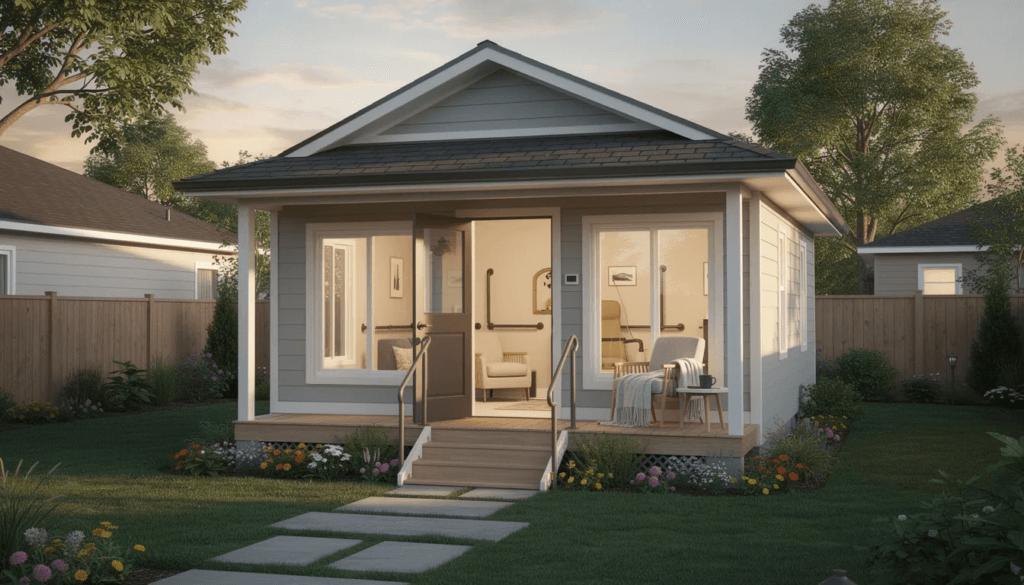
- No-step entries: essential for aging in place
- Wide doors (32–36 inches minimum): modest cost increase
- Curbless shower: safer and more accessible
- Lever handles instead of knobs: minimal cost difference
- Non-slip flooring throughout: important safety feature
These accessibility upgrades are long-term investments, not optional luxuries. Building them in from the start costs far less than retrofitting later.
Two design examples:
Feature | Ultra-Compact Studio | Fully Accessible One-Bedroom |
|---|---|---|
Size | 250–350 sq ft | 500–700 sq ft |
Best for | Independent seniors | Seniors with mobility challenges |
Bathroom | Standard with grab bars | Roll-in shower, elevated toilet |
Kitchen | Kitchenette | Full kitchen with accessible counters |
Est. cost range | $50,000–$80,000 | $100,000–$175,000 |
Getting Value from a Granny Pod Over Time
Beyond immediate care needs, a granny pod can serve as a long-term investment for your property and family.
Future uses once original occupant no longer needs the space:
- Long-term rental income (averaging $2,000/month in many markets)
- Short-term vacation rental (where local regulations allow)
- Home office or studio space
- Guest suite for visiting family
- Your own aging-in-place unit decades from now
Property value impact:
- Well-designed ADUs often increase resale value
- Especially valuable in markets with housing shortages
- Exact ROI depends on local demand and zoning regulations
- Some buyers specifically seek homes with existing law suites
Relocatable options:
- Some prefab units can be sold and moved to a new property
- Allows partial recovery of costs
- Check local rules and original installation method
Weighing the full value:
The emotional benefits—keeping elderly loved ones close and comfortable, providing home care in a familiar environment—don’t show up on spreadsheets. Many families find these non-financial returns matter more than any ROI calculation.
A granny pod investment typically runs $70,000–$250,000 for most families, with potential to pay for itself within a few years compared to nursing homes or other care facilities. The key is thorough research on local zoning regulations and honest budgeting that accounts for hidden costs and ongoing maintenance.
Before you commit, check your area’s rules, get multiple quotes from prefab companies and local contractors, and build in a 10–15% contingency for surprises. With careful planning, a granny pod can be one of the smartest investments you make for your family’s future.