

A septic system is a crucial component of many homes in Arizona, especially in rural areas and smaller properties where municipal sewage connections are not available. The cost to install septic system in Arizona depends on several factors including the type of septic system, tank size, soil type, and local regulations. In an urban area, most homes are connected to public sewer systems, so septic systems are more common in rural or less densely populated regions. It serves as an on-site wastewater treatment system that collects, treats, and disperses household wastewater safely back into the environment.
This guide is intended for Arizona homeowners considering a new septic system installation or replacement. Knowing the costs involved helps homeowners budget effectively and avoid unexpected expenses. Understanding the cost to install septic system in Arizona is essential for homeowners planning new construction, replacement, or upgrades.
Installing a new septic system is a major home improvement investment, making proper planning and budgeting crucial for homeowners. Proper septic installation and regular maintenance are vital to ensure the system functions properly and avoids costly repairs or septic system replacement in the future.
- Factors Affecting Septic System Installation
- Types of Septic Systems
- Septic Tank Cost Considerations
- Leach Field Installation
- Labor Costs and Installation
- Permits, Engineering Fees, and Regulations
- Septic System Installations and the Environment
- The Importance of Professional Installation
- Homeowners Guide to Septic System Maintenance
- Troubleshooting Common Issues
- Common Mistakes to Avoid
- Tips for Saving Money on Septic System Installation
- Septic System Costs and Budgeting
- Resources for Homeowners
- Conclusion
Factors Affecting Septic System Installation
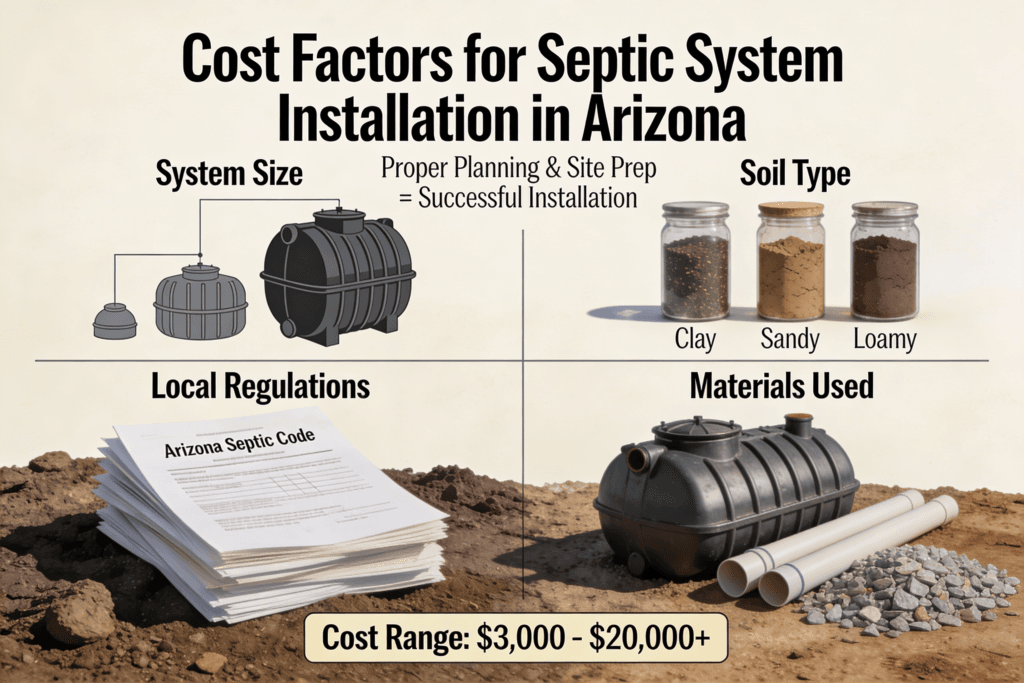
The total cost to install septic system in Arizona can range widely, typically from $3,000 to $20,000 or more. Septic system ranges reflect the typical cost spectrum for installation, helping homeowners understand the variation in prices based on system size, type, materials, and location. These costs can vary depending on the type of septic system, site conditions, and geographic location. Several necessary costs and other factors influence this range:
- System Size and Household Size:
The septic tank size depends on household size and water usage. For example, a two bedroom house may require a smaller septic tank than a four bedroom home, which has more wastewater sources like sinks, toilets, and bathtubs. - Soil Type and Soil Tests:
Soil conditions are critical for septic system function and cost. Percolation tests (perc tests) and soil tests determine soil permeability and suitability for a leach field. A perc test is a crucial step to determine if the soil can properly absorb and treat wastewater, with soil tests usually costing between $200 and $400, or sometimes $450 to $1,400. Rocky or clay-heavy soils may require alternative septic system designs or more extensive site preparation, increasing costs. Hard, rocky desert soil or heavy clay can significantly increase excavation time and may add $1,500 to $5,000 to labor costs for installing a septic system in Arizona. - Local Regulations and Permits:
Homeowners must obtain permits and comply with local regulations, including setbacks from property lines and restrictions on septic tank size and placement. Permits for septic systems in Maricopa County can cost between $320 and $1,880, and permit costs can vary depending on local regulations. Engineering fees may be required for system design and to meet code requirements. - Type of Septic System:
The most common type is a conventional system using anaerobic bacteria to break down waste. Aerobic septic systems, which use oxygen and lift pumps to enhance treatment efficiency, are more expensive but suitable for smaller properties or challenging soil conditions. - Materials Used:
Septic tanks can be made from concrete, plastic septic tanks, or fiberglass. Each material has its own set of advantages and costs. Concrete septic tanks are durable but heavier and more expensive to install, while plastic tanks are lighter and often less costly. - Labor and Site Preparation:
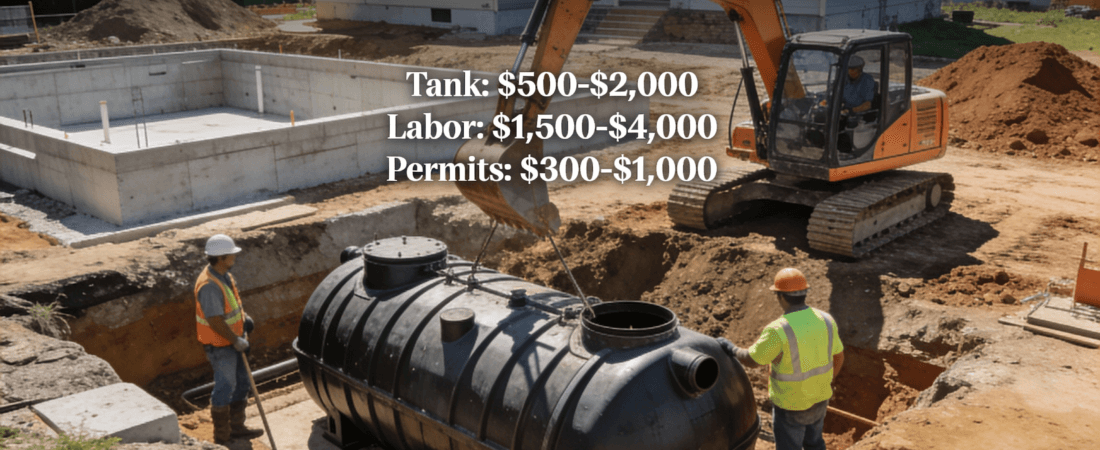
Labor costs in Phoenix range from $1,500 to $4,000, and excavation costs can range from $1,500 to $6,300. Labor costs typically account for 50% to 70% of the total septic system installation cost. Site preparation may include excavation, land surveys, and clearing obstacles like trees or boulders. A land survey is often needed to accurately determine property boundaries and ensure proper site planning, with the average cost of a land survey for septic system installation between $330 and $900. It is important to hire a licensed professional for the land survey to ensure accuracy and compliance with legal requirements. - Engineering Fees:
Design and engineering fees for septic systems can range from $500 to $3,000.
Key expenses for a septic system installation include a septic tank costing $1,200–$3,500, excavation costs of $1,500–$6,300, and leach field costs ranging from $5,000 to $12,000.
Additional expenses such as permits, site assessments, excavation, soil testing, and land surveys can significantly impact the overall project budget.
System Size and Household Size
The size of the septic system is determined by the number of bedrooms and the expected water usage in the home.
Soil Type and Soil Tests
Soil conditions and percolation rates are crucial for determining the type and size of the leach field.
Local Regulations and Permits
Permits and local codes can affect both the design and cost of your septic system.
Type of Septic System
Different system types have varying installation and maintenance costs.
Materials Used
The choice of tank material impacts both upfront and long-term costs.
Labor and Site Preparation
Labor and site preparation can be a significant portion of the total cost, especially in challenging terrain.
Engineering Fees
Professional design and engineering may be required for complex or alternative systems.
Types of Septic Systems
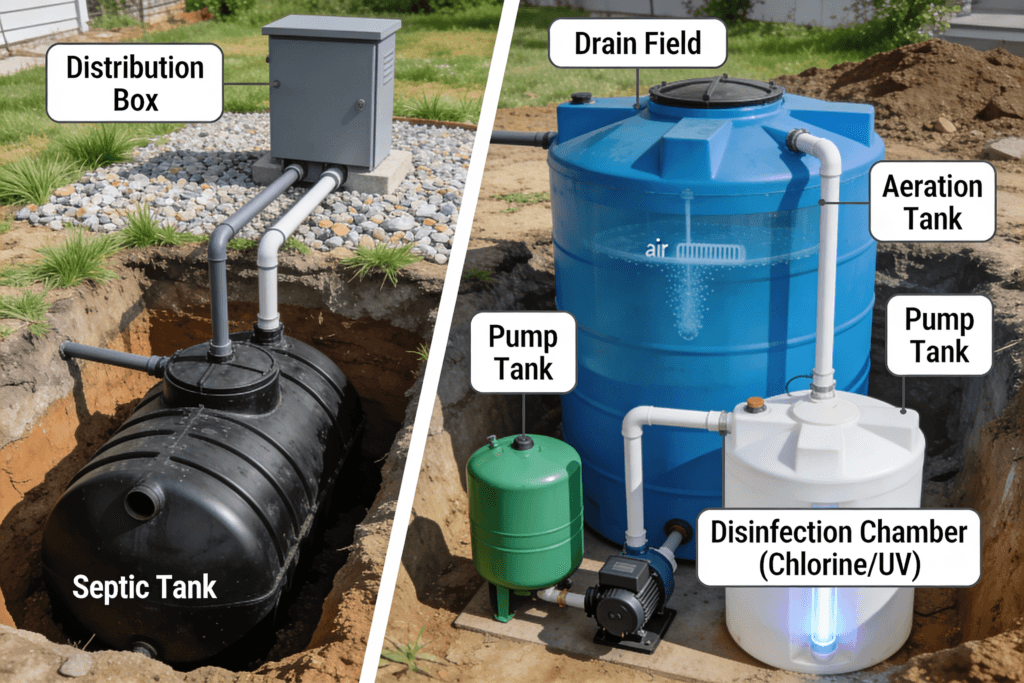
There are two main types of septic systems: anaerobic and aerobic.
Conventional Septic System
The most common type of septic system, a conventional system relies on anaerobic bacteria in the septic tank to break down solids. Wastewater then flows into a drain field or leach field where it is naturally filtered by the soil. These systems are typically less expensive to install but require more land area for the drain field.
Anaerobic Septic Systems
Anaerobic septic systems operate without oxygen and use anaerobic bacteria to decompose waste. They are cost-effective and have lower operating costs but may require larger leach fields and more frequent maintenance. Anaerobic septic systems are the most common and least expensive option, costing $3,000 to $8,000, while aerobic systems are more efficient for small properties but cost between $10,000 and $20,000.
Aerobic Septic Systems
Aerobic septic systems introduce oxygen into the tank using lift pumps and aerators to encourage aerobic bacteria growth, which breaks down waste more efficiently. These systems are ideal for smaller properties or poor soil conditions but have higher installation and maintenance costs.
Alternative Septic Systems
Other types include chambered systems, mound systems, sand filters, and drip systems. These are often used when soil tests or property size limit conventional system options. Each has its own cost range and installation requirements.
Septic Tank Cost Considerations
Septic tank costs vary based on size, material, and design, and the cost to install a septic system in Arizona depends on factors such as tank size, material, and household size. The size of the septic tank needed is determined by the number of bedrooms in the home, with larger homes requiring larger tanks:
Concrete Septic Tanks
Durable and long-lasting, concrete tanks typically cost between $1,000 and $3,000. They are heavier and require professional installation.
Plastic Septic Tanks
Lightweight and easier to install, plastic tanks generally cost between $600 and $1,500 but may have a shorter lifespan.
Fiberglass Septic Tanks
Resistant to cracking and corrosion, fiberglass septic tank prices typically range from $500 to $6,000. The final cost is influenced by the material, size, and design complexity, with larger or more complex tanks costing more. Fiberglass tanks are often compared to concrete or polyethylene options, as material choice impacts both installation and replacement costs.
When considering a new septic tank, factors such as site assessment, permits, and installation complexity can affect the overall cost. Acquiring and installing a new septic tank involves evaluating these considerations to ensure proper function and compliance with local regulations.
Tank size is usually determined by the number of bedrooms in the home; for example, a 1,000-gallon tank is common for a three- or four-bedroom home.
The average cost for a septic tank installation is between $1,400 and $4,100.
Leach Field Installation

The leach field, also known as the drain field, is a critical component that disperses treated wastewater into the soil. Installation costs typically range from $5,000 to $12,000 depending on soil type, system size, and local regulations. Proper design and installation are essential to prevent system failure, which can lead to soggy spots, unpleasant odors, or slow drainage.
Labor Costs and Installation
Labor costs can range from $1,500 to $4,000 or more and often represent the largest portion of septic system installation expenses. Hiring licensed septic system installers with a good reputation ensures the system is installed correctly, complies with local codes, and functions properly. Homeowners should obtain free estimates from multiple contractors to compare prices and services.
Permits, Engineering Fees, and Regulations
Before installation, homeowners must obtain permits and approvals from local authorities. Engineering fees may apply for system design, especially for complex or alternative septic systems. Land surveys confirm the system is installed within property lines, avoiding future disputes or costly relocations. Perc tests and soil tests are necessary to assess soil suitability and system design.
Permit costs and related fees can range from $300 to $2,000 depending on location and system complexity.
Septic System Installations and the Environment
Septic system installations play a vital role in protecting Arizona’s unique environment. When a septic system is installed correctly, it helps prevent groundwater contamination and preserves the health of local ecosystems. However, a poorly maintained or malfunctioning system can lead to serious environmental issues, such as sewage leaks, soil pollution, and harm to nearby water sources.
Homeowners can make environmentally responsible choices by selecting septic system options that minimize their ecological footprint. For example, aerobic systems use oxygen to break down waste more efficiently, reducing the risk of contamination and supporting cleaner water. Practicing proper maintenance—such as regular inspections, timely pumping, and avoiding harmful chemicals—also ensures the system continues to function safely and sustainably.
By considering the environmental impact of their septic system and choosing eco-friendly solutions, homeowners contribute to the long-term health of their property and the surrounding community.
The Importance of Professional Installation
Choosing a professional for your septic system installation is essential to ensure the system operates safely and efficiently. Licensed septic system installers have the expertise to assess soil conditions, water usage, and local regulations, all of which are critical for a successful installation. A system that is not installed correctly can result in costly repairs, environmental hazards, and even health risks for your household.
A reputable installer will guide you through selecting the best type of septic system for your property, whether it’s a conventional system, anaerobic systems, or aerobic systems. They will also ensure that the installation meets all local regulations and is tailored to your site’s specific needs, such as soil type and household water usage. Working with a professional who has a good reputation gives you peace of mind that your system will function properly for years to come.
Homeowners Guide to Septic System Maintenance
Regular inspections and pumping every 3-5 years help extend the life of a septic system and prevent costly repairs or septic system replacement. Homeowners should keep detailed maintenance records and monitor for signs of problems such as slow drainage, backups, or foul odors.
Septic systems typically last between 20 and 40 years with proper maintenance.
Proper maintenance includes:
- Avoiding excessive water usage
- Not flushing harmful chemicals or non-biodegradable items
- Maintaining the drain field area free of heavy vehicles or structures
- Installing a septic tank riser to facilitate easier access for inspections and pumping
Pumping costs for septic systems range from $300 to $800, depending on the size of the tank, and the average cost to maintain a septic tank is about $100 per year.
Troubleshooting Common Issues
Even with the best care, septic systems can sometimes develop problems. Common signs of trouble include slow drainage, unpleasant odors, or water pooling near the drain field. If you notice any of these issues, start by checking the septic tank for signs of damage or overflow. Inspect the drain field for blockages or signs of saturation, and review your household’s water usage to ensure you’re not overloading the system.
Regular inspections are key to catching problems early and keeping your septic system in good working order. If you’re unable to resolve an issue on your own, it’s important to contact a professional septic system installer or repair service. Prompt attention to these issues can prevent more serious damage and help your system continue to function properly.
Common Mistakes to Avoid
Avoiding common mistakes can save you time, money, and hassle when it comes to your septic system. One of the biggest errors homeowners make is skipping regular inspections and maintenance, which can lead to slow drainage, system failures, and expensive repairs. Overusing water or flushing harsh chemicals can also damage the system and reduce its lifespan.
Another frequent mistake is hiring unlicensed or inexperienced installers, which increases the risk of improper installation and future problems. Ignoring early warning signs, such as slow drainage or unusual odors, can allow minor issues to escalate into major repairs. By staying proactive with regular inspections and choosing qualified professionals for installation, you can help ensure your septic system remains reliable and efficient.
Tips for Saving Money on Septic System Installation
Get Multiple Quotes
Obtain multiple quotes from licensed septic system installers to find competitive pricing and save money on your project.
Buy Materials Separately
Consider purchasing materials like tanks separately if contractors allow, which can help you save money.
Schedule During Off-Peak Seasons
Schedule installation during off-peak seasons to take advantage of lower labor costs.
Explore Rebates and Financing
Explore state or local rebates and financing options to help offset installation costs.
Septic tank replacement can be a significant expense, with costs ranging from $3,000 to $10,000 depending on various factors. Proper maintenance and smart planning can help homeowners avoid or delay the need for septic tank replacement and save money in the long run.
Septic System Costs and Budgeting
The cost to install a new septic system in Arizona typically ranges from $3,000 to $20,000, with an average for a 3-bedroom home around $7,500 to over $10,000.
When planning for a septic system, understanding septic system cost is essential for effective budgeting. The average cost to install a septic system in Arizona ranges from $8,000 to $20,000 or more depending on system size, soil conditions, and local regulations.
Homeowners should budget for:
- Septic tank and leach field materials
- Labor and installation
- Permits, engineering fees, soil tests, and land surveys
- Regular maintenance and inspections
Budgeting for a septic tank system means considering the full expense of installation and ongoing care. A new septic system is a significant investment that can impact your home’s value. When planning a new septic system installation, it’s important to consider both the upfront costs and available financing options. Financing options such as home equity loans can help cover septic system installation costs. The average cost of a new septic system installation in Arizona is between $5,000 and $20,000. Nationally, the average cost of a septic system installation in the U.S. ranges from $3,604 to $12,474, with an average of $8,039.
Investing in a quality septic system and proper installation ensures long-term functionality and protects property value.
Resources for Homeowners
There are many resources available to help homeowners navigate septic system installation, maintenance, and repair. Online guides and forums offer practical advice and troubleshooting tips from both professionals and experienced homeowners. Local government agencies and health departments provide information on septic system regulations, permits, and best practices specific to your area.
Consulting with licensed septic system installers is another valuable resource—they can offer a free estimate, answer your questions, and recommend the best system for your needs. Many manufacturers and suppliers also provide customer support, product information, and maintenance guides to help you get the most out of your system. By taking advantage of these resources, you can make informed decisions and ensure your septic system is installed and maintained correctly for years to come.
Conclusion
Installing a septic system in Arizona involves multiple factors that influence the total cost, including system type, soil conditions, tank size, and local regulations. Homeowners should work with licensed professionals, obtain necessary permits, and prioritize proper installation and maintenance. By understanding the cost to install septic system in Arizona and planning accordingly, homeowners can make informed decisions that protect their investment and ensure efficient wastewater management for years to come.