
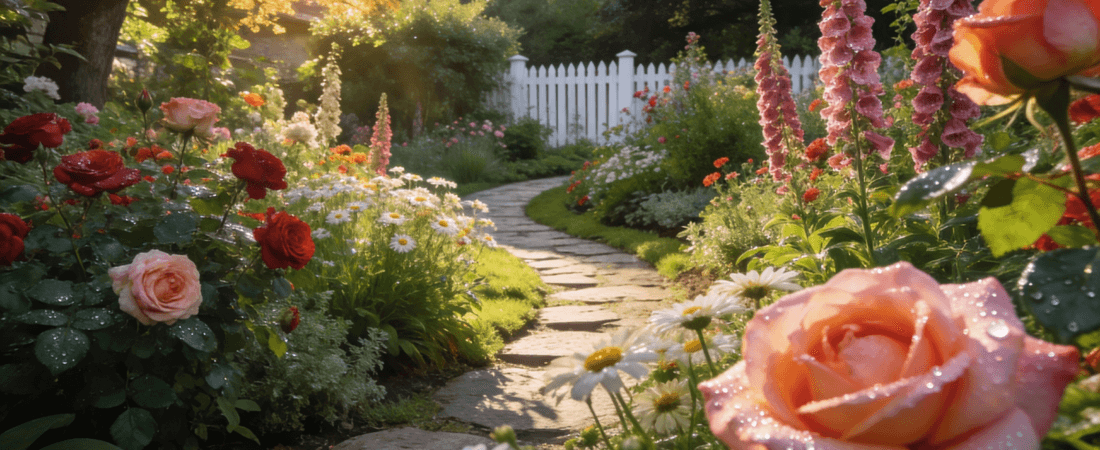
Cottage gardens are a traditional and charming way to create a vibrant and inviting outdoor space. Cottage gardens originated in England hundreds of years ago, adjacent to rural country cottages, and were initially practical spaces for growing edible crops. They often feature a delightful mix of cottage garden plants, including flowers, herbs, and vegetables, arranged in a beautiful and informal design that brings warmth and character to any yard. The earliest cottage gardens emphasized vegetables, herbs, fruit trees, and even livestock, with flowers used to fill gaps and gradually becoming more prominent over time. Cottage gardens emerged in Elizabethan times as local sources for herbs and fruits. The evolution of cottage gardens can also be traced back to a reaction against the more structured estate gardens of the 1870s in England. This country-style garden is perfect for those who want to cultivate a relaxing and peaceful atmosphere, with an emphasis on lush foliage and attractive seed heads that add texture and interest throughout the seasons.
This guide is perfect for home gardeners, plant enthusiasts, and anyone looking to create a charming, informal outdoor space. Cottage gardens offer a sustainable, wildlife-friendly, and visually appealing alternative to formal landscaping, making them especially relevant today as more people seek eco-friendly and inviting garden designs.
By incorporating native plants, self-sowing annuals, and ornamental grasses, you can craft a unique and low-maintenance garden full of life and color. Cottage gardens are designed to appear informal and casual, often using every square inch of space for planting, and their artless look comes from mixing flowers, herbs, and vegetables in a small area. The cottage garden look embraces natural beauty and imperfection, making it accessible and rewarding for gardeners of all skill levels.
- Defining Cottage Style
- Garden Design Elements
- Choosing the Right Plants
- Creating a Unique Look
- Incorporating Special Features
- Designing the Garden
- Creating a Cozy Seating Area
- Incorporating Water Features
- Using Lighting to Enhance the Garden
- Incorporating Rustic Elements
- Creating a Sense of Privacy
- Maintaining the Garden
- Making the Most of Small Spaces
- Top 20 Cottage Garden Ideas
Defining Cottage Style
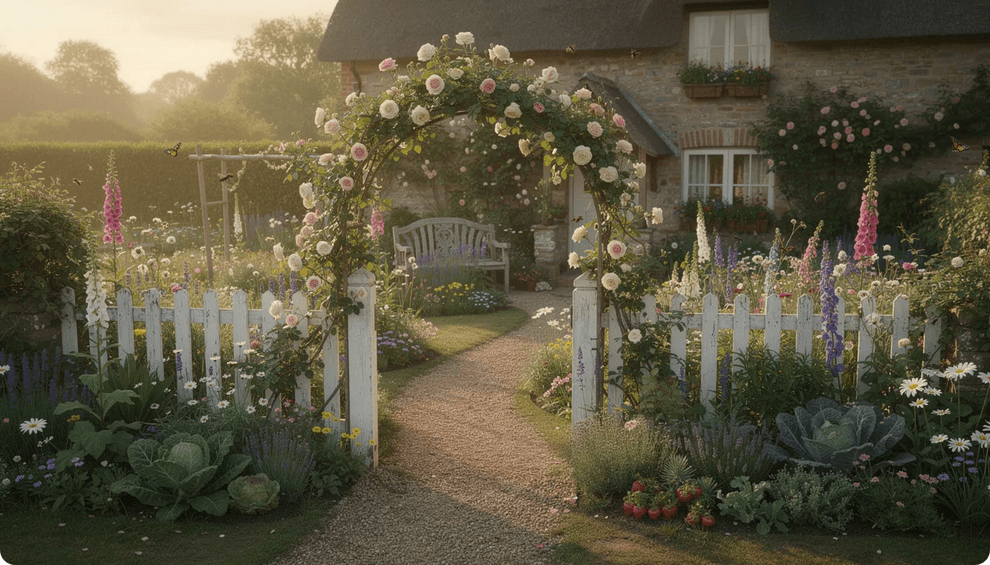
Cottage style gardens are distinguished by their informal look and lush foliage, often featuring classic elements such as climbing roses, picket fences, and quaint garden structures. Traditionally, the cottage garden was usually enclosed, often with a rose-bowered gateway. A cottage gardener typically aims to create a space that is both beautiful and inviting, full of charm and character, with a focus on easy-care perennials and annuals that provide continuous bloom throughout the growing season.
Cottage gardens are characterized by a loose, informal design and dense, exuberant plantings. The informal layout of cottage gardens avoids straight lines and symmetry, allowing plants to intermingle freely. This style is often described as a romantic, “organized mess” where flowering plants, herbs, and edibles are mixed together in a harmonious yet seemingly unplanned way. Cottage gardens also feature traditional materials and combine both ornamental and edible plants in dense groupings, creating a lush, layered effect.
In summary, the essence of cottage style lies in its informal design, traditional materials, and the exuberant, dense planting of both ornamental and edible plants. The lack of rigid structure and the intermingling of diverse plant types result in a garden that feels natural, welcoming, and full of life.
The English cottage garden design is a popular variation that incorporates traditional elements like old roses and insect pollinators, fostering a thriving ecosystem. The planned-disorder aesthetic in cottage gardens combines colorful flowers, aromatic herbs, and functional elements. This garden style is rooted in local history and embraces the natural, unstudied appearance of plants growing in harmony, without hard and fast rules. In contrast, the English garden style is more formal and structured, following specific design principles and a curated layout that reflects British gardening traditions.
Garden Design Elements
Paths and Hardscaping
When designing a cottage garden, consider the overall style and feel you want to achieve. Incorporate features like gravel paths, stone walls, and other hardscaping elements to add structure and charm. These elements create a lovely contrast to the soft, informal plantings and help define garden rooms or pathways.
Layered Planting
Mixing a variety of plants—perennials, vegetables, and herbs—adds depth and interest while providing functionality. Creating a layered look involves choosing plants by size to grow in the front, middle, or back of the border, ensuring a natural, inviting appearance.
Borders and Focal Points
Adding a cottage style border with a relaxed, layered arrangement of perennials, annuals, and shrubs creates a charming, informal look typical of cottage gardens. A cottage style border often features plants like:
- Phlox
- Hydrangea
- Coneflowers
- Yarrow
- Bee balm (a staple that attracts pollinators)
A cottage style bed or border filled with daisy-like flowers, lavender, and other attractive plants creates focal points that draw the eye and invite exploration.
Choosing the Right Plants
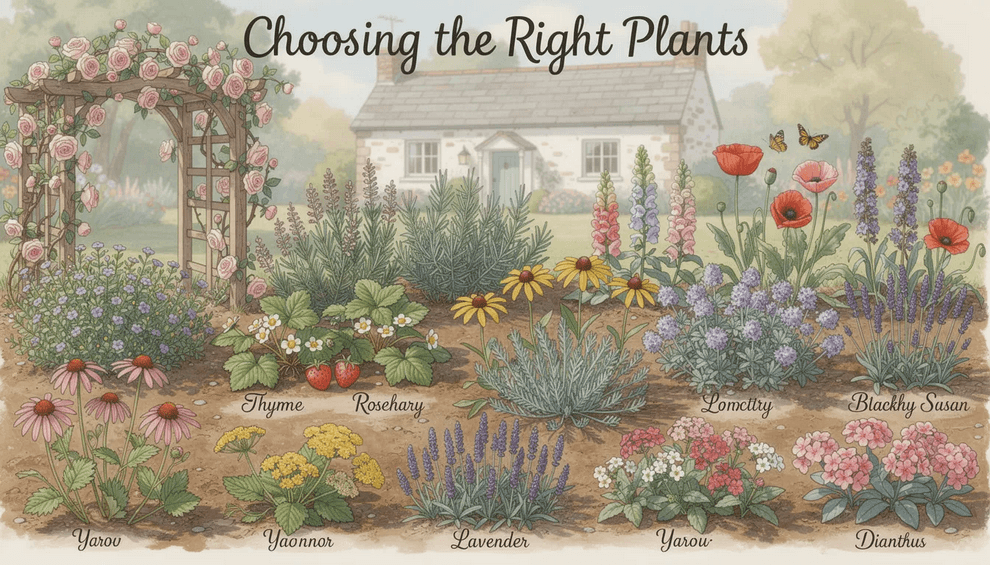
Selecting the right plants is key to a successful cottage garden. Common cottage garden plants include:
- Climbing roses
- Thyme
- Rosemary
- Strawberries
- Poppies
- Snapdragons
- Black-eyed Susan
- Butterfly bush
- Catmint
- Coneflower
- Lavender
- Yarrow
- Phlox
- Dianthus
Choose native plants, self-sowing annuals, and easy care perennials suited to your local climate and soil conditions. Incorporate plants with staggered bloom times, such as:
- Bee balm
- Russian sage
- Shasta daisy
to ensure your garden displays vibrant color from spring through fall.
Specific cultivars and varieties to consider:
- ‘Amazing Daisies’ (Shasta daisy): Long-lasting blooms and a compact habit, ideal for cottage gardens and vibrant summer borders.
- Catmint: An easy care perennial that provides long-lasting color and aromatic foliage.
- Yarrow (including ‘firefly sunshine yarrow’): A tough perennial commonly used in cottage-style borders and cutting gardens; ‘firefly sunshine yarrow’ is a late-blooming, upright perennial that attracts pollinators and provides color from summer to early fall.
Consider dedicating a section of your garden as a cutting garden, where you can grow flowers specifically for arrangements and easy harvesting.
Traditional cottage garden plants like old roses, aromatic foliage herbs, and vegetables add timeless charm and practicality. Including shrubs and trees enhances vertical interest, while climbing vines lend softness and height to fences, trellises, or pergolas.
Creating a Unique Look
To make your cottage garden truly unique, add personal touches like handmade garden decorations, antique furniture, or vintage containers. Use a harmonious mix of colors—especially pink and purple flowers, along with whites and splashes of yellow—to capture the quintessential cottage garden palette.
Select plants that bloom in late spring, mid summer, and summer to ensure continuous color throughout the growing season. Play with textures and shapes by combining ornamental grasses, flowering perennials, and shrubs to add layers and complexity. Some perennials and ornamental grasses also provide late season color, extending your garden’s appeal into autumn.
The informal look encourages experimentation and embraces imperfection, resulting in a garden that reflects your personality and style.
Incorporating Special Features
Paths and Walkways
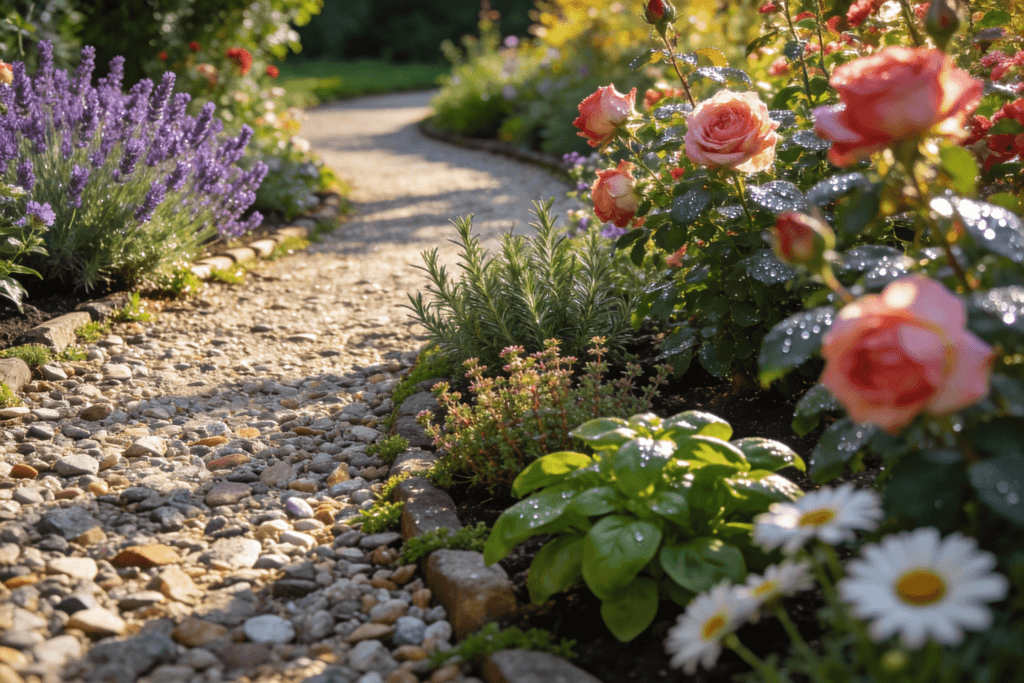
Consider installing a gravel path that winds through the garden, bordered by flowering plants and aromatic herbs.
Stone Walls and Raised Beds
Stone walls or raised beds made from natural materials add rustic appeal and help organize planting areas.
Water Features
Water features like a small fountain or birdbath invite wildlife and create soothing sounds, enhancing the peaceful atmosphere.
Decorative Elements
Attractive seed heads from ornamental grasses provide texture and food for birds during late fall and winter. Comfortable seating areas, such as a bench or hammock nestled among fragrant lavender and climbing roses, offer perfect spots to relax and enjoy your garden.
As temperatures drop, incorporate fall decor such as autumn-themed decorations and seasonal plants to transition your cottage garden’s look and celebrate the beauty of autumn.
Designing the Garden
Effective garden design balances traditional elements with your personal preferences. Use landscape architecture principles like balance, proportion, and harmony to create a cohesive and thriving garden ecosystem. Incorporate a mix of plants, hardscaping elements, and decorative features to add depth and interest.
Consider planting a cottage border with a variety of shrubs, perennials, and annuals to create layers of color and texture. Use trellises and arbors to support climbing roses and vines, adding vertical interest and a sense of enclosure. Pay attention to exposure needs by selecting plants suited for full sun or partial shade areas within your garden. Planting climbers or hedges along the house can help integrate the garden with the building, enhancing the appearance of the house and creating a unified, attractive look.
Creating a Cozy Seating Area
A cozy seating area is a must-have in any cottage garden. To create an inviting retreat:
- Choose comfortable and attractive furniture like a wooden bench, wrought iron chairs, or a hammock.
- Surround the seating with plants that have fragrant flowers or aromatic foliage, such as lavender, roses, or herbs, to enhance the sensory experience.
- Add soft lighting, such as string lights or lanterns, to create a warm and welcoming ambiance for evening enjoyment.
This space becomes a perfect spot for reading, relaxing, or socializing amid the beauty of your garden.
Incorporating Water Features
Adding water features to your traditional cottage garden is a wonderful way to introduce tranquility and a sense of movement to your outdoor space. Whether you opt for a classic stone fountain nestled among lush foliage or a small pond surrounded by vibrant cottage garden plants, water elements can transform your garden into a peaceful retreat.
In a cottage style garden, a petite fountain placed near a cottage style bed filled with colorful flowers creates a focal point that draws the eye and soothes the senses. For those with a modern cottage garden, consider a larger pond with a charming bridge or a winding path that invites exploration and relaxation.
Water features not only enhance the beauty of your garden but also attract birds and beneficial wildlife, adding life and energy to your space. By thoughtfully integrating water elements, you can create a harmonious garden that delights the senses and complements the informal charm of cottage style.
Using Lighting to Enhance the Garden
Thoughtful lighting can extend the enjoyment of your garden well into the evening, highlighting the beauty of your flowers and creating a magical atmosphere. Solar-powered lights are a perfect fit for a cottage garden, offering an eco-friendly and low-maintenance way to illuminate your space.
- Line a gravel path with soft lights to guide visitors through your garden.
- Place lanterns near a picket fence for a welcoming glow.
- String lights draped through trees or along arbors add a whimsical touch.
- Use spotlights to showcase the dramatic blooms of climbing roses or the graceful movement of ornamental grasses.
In spring, use lighting to accentuate the fresh blooms, and in fall, highlight the rich colors of your garden’s foliage. With the right lighting, you can create a warm and inviting ambiance that makes your garden a favorite gathering spot at any time of day.
Incorporating Rustic Elements
Rustic elements are key to capturing the timeless charm and character of a traditional cottage garden. Incorporate natural materials like weathered wood and stone to create features such as fences, benches, or pathways that blend seamlessly with the landscape.
- Add a wooden trellis supporting climbing roses or other vigorous vines for vertical interest and a touch of romance.
- Place a stone bench for a cozy spot to pause and enjoy the view.
- Repurpose items, such as an old wagon wheel or vintage garden tools, to evoke a sense of local history and nostalgia.
In a modern cottage garden, rustic touches can be used to inject personality and whimsy, creating a unique space that reflects your style. By blending these elements with lush plantings and classic roses, you’ll create a garden that feels both welcoming and steeped in tradition.
Creating a Sense of Privacy
A sense of privacy is essential for transforming your garden into a true retreat. Use native plants, self sowing annuals, and dense shrubs to form natural screens that shield your space from view while adding beauty and habitat for wildlife.
- Strategically plant trees to provide overhead cover and a sense of enclosure.
- Use a classic picket fence to define the boundaries of your garden without feeling closed off.
- In smaller gardens, trellises or arbors draped with climbing plants can create intimate nooks and separate different areas, enhancing the feeling of seclusion.
By layering plants of varying heights and textures, you can create a lush, private oasis that feels worlds away from the outside world. Embracing these elements not only enhances your garden’s sense of privacy but also contributes to a thriving, vibrant landscape that invites relaxation and reflection.
Maintaining the Garden
Maintaining your cottage garden ensures it remains vibrant and healthy.
- Regular watering, pruning, and fertilizing help plants thrive.
- Embrace low-maintenance plants like ornamental grasses, succulents, and hardy perennials to reduce upkeep without sacrificing beauty.
- Mulching helps retain moisture and suppress weeds.
- Deadheading spent blooms encourages prolonged flowering and a tidy appearance.
Incorporate decorative elements like handmade garden ornaments or antique furniture to add charm and character year-round.
Making the Most of Small Spaces
Even small yards can enjoy the cottage garden style.
- Use containers to grow herbs, succulents, and compact flowering plants.
- Add vertical elements like trellises, arbors, or wall-mounted planters to increase height and visual interest without taking up ground space.
- Maximize every square inch by layering plants of different heights and textures.
Small spaces offer opportunities to experiment with plant combinations and garden features, creating intimate and enchanting garden retreats that feel larger than they are.
With these stunning cottage garden ideas, you can transform your yard into a vibrant and inviting retreat that celebrates natural beauty, charm, and personal expression. Whether you have a sprawling garden or a cozy nook, the cottage garden style offers endless possibilities to create a space full of life, color, and warmth. Embrace the informal look, mix old fashioned favorites with modern cottage garden plants, and enjoy the timeless appeal of this beloved garden style.
Top 20 Cottage Garden Ideas
Plant Edible and Ornamental Plants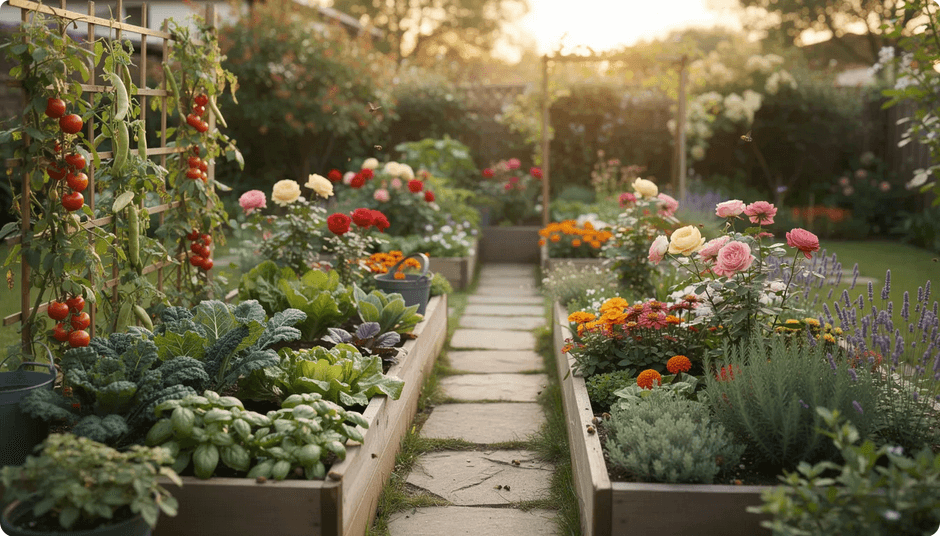
Combine vegetables, herbs, roses, and other flowers to create a garden that is both beautiful and functional, maximizing the use of space.
Maximize All the Garden Space
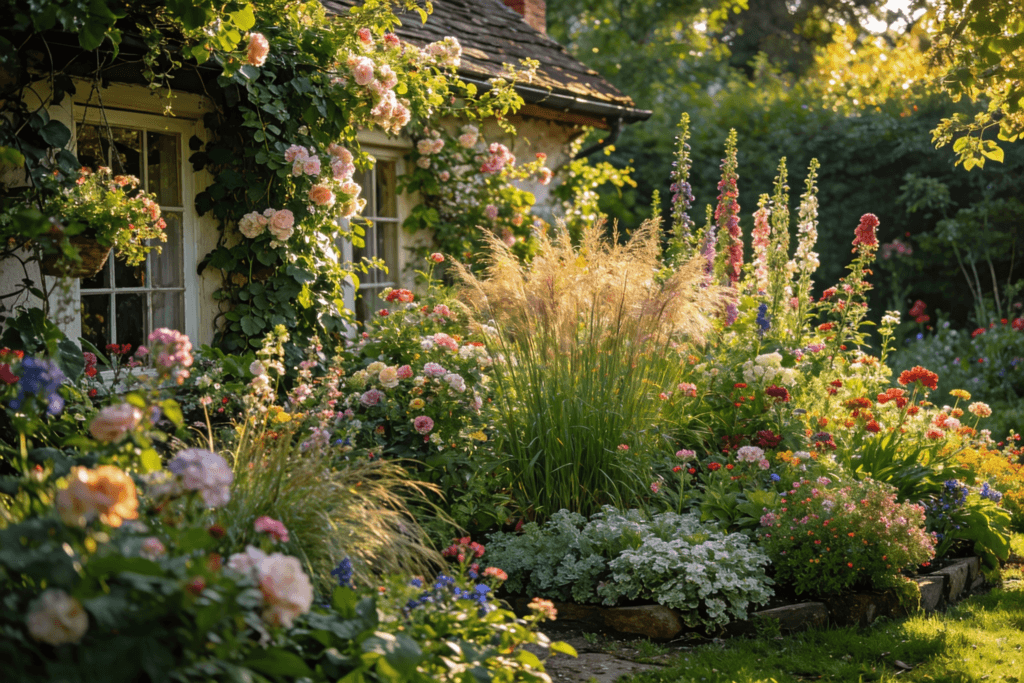
Embrace maximalism by planting nearly every square inch with plants of varying heights, shapes, and colors for a lush, vibrant look.
Install a Greenhouse to Work In
Add a cozy greenhouse to your garden to allow year-round gardening and a sheltered space to enjoy your plants rain or shine.
Build Stone Raised Garden Beds
Use natural stone to create raised beds that add structure, warmth, and a microclimate that benefits many plants.
Create a Private Dining Area
Incorporate a secluded spot with rustic furniture where you can enjoy meals surrounded by your blooming garden.
Lay a Pea Gravel Path
Use pea gravel for easy-to-maintain, charming garden paths that complement the informal cottage style.
Install a Garden Fountain
Add a small fountain to bring soothing water sounds and attract wildlife, enhancing your garden’s peaceful ambiance.
Place a Beautiful Bird Bath
Invite birds with a birdbath that adds height and interest while supporting local wildlife.
Install Trellises for Climbing Plants
Support flowering vines like climbing roses and sweet peas on trellises or arbors to add vertical interest and lush greenery.
Build a Multi-Level Garden
Add depth and elegance by creating garden levels planted with flowers, shrubs, and trees for visual interest.
Plant Rows of Tulips
Brighten early spring with colorful tulip rows that provide cheerful, perennial blooms year after year.
Incorporate Ornamental Grasses
Add texture and movement with ornamental grasses that complement the informal, natural look of cottage gardens.
Hang Wisteria
Train cascading wisteria blooms on pergolas or walls for a classic cottage garden romantic touch.
Cozy Up on a Chic Bench with Pillows
Create inviting seating surrounded by fragrant flowers like lavender and climbing roses for ultimate relaxation.
Add an Elegant White Greenhouse
Use a stylish greenhouse as a functional and decorative garden feature for year-round enjoyment.
Repurpose Wood Pallets for a Garden Picnic
Design budget-friendly garden furniture by repurposing pallets for outdoor dining or lounging areas.
Use a Vintage Step Ladder to Display Plants
Showcase potted plants on a vintage ladder to add rustic charm and vertical interest.
Embrace Rustic Elements
Incorporate DIY wooden shelves, sheds, and gates for authentic cottage garden character.
Think About the Pollinators
Plant nectar-rich flowers such as asters, coneflowers, milkweed, and zinnias to attract bees, butterflies, and other pollinators.
Let the Vines Climb
Train flowering vines along fences, archways, and trellises to create lush, full garden spaces filled with color and fragrance.