

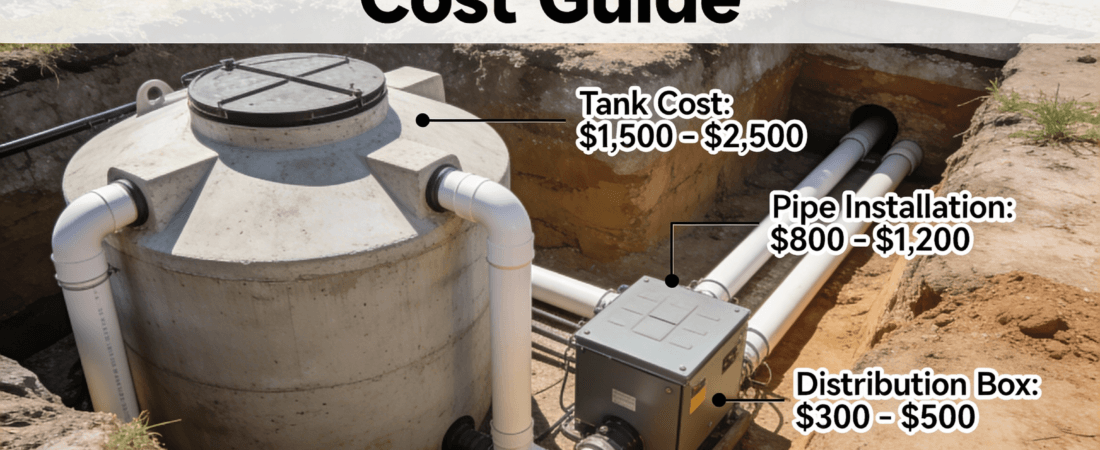
This guide explains the costs, components, and key factors affecting Enviro septic systems for homeowners. It covers how Enviro systems differ from conventional septic systems, what influences installation and maintenance costs, and why understanding these factors is important for property owners. Installation costs for an Enviro septic system typically range between $10,000 and $20,000 or more.
Enviro Septic System Cost at a Glance
Enviro septic system installation typically costs between $10,000 and $20,000 or more. These advanced systems are more complex and costly than conventional anaerobic systems, and ongoing maintenance runs roughly $250 to $550 every 3 to 5 years for pumping, with annual inspections costing $100 to $500.
- Introduction to Conventional Septic Systems
- Septic Tank Considerations
- Leach Field and Drain Field
- Role of a Septic System Designer
- Advanced Enviro Septic Pipe and Systems
- Factors Affecting Septic Systems
- Cost of Septic Systems
- Maintenance and Inspection
- Environmental Impact of Septic Systems
- Importance of Record Keeping
- Benefits of Proper Septic System Installation
Introduction to Conventional Septic Systems
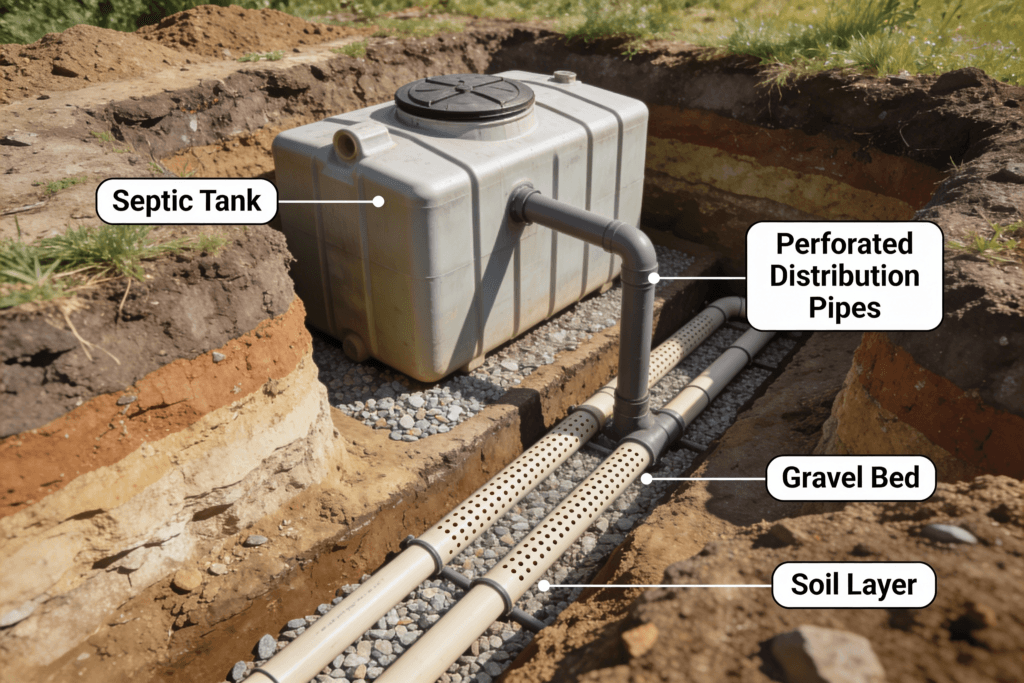
Conventional septic systems, also known as conventional systems, are a common and reliable method for treating wastewater from residential and commercial properties. These traditional systems typically consist of a septic tank and a leach field (also called a drain field), which work together to treat and safely disperse wastewater into the surrounding soil. The septic tank provides primary treatment by separating solids, oils, and grease from the wastewater, while the leach field distributes the treated effluent into the soil where natural processes further purify it.
The cost of installing a conventional septic system varies widely depending on several key factors including system size, soil conditions, site access, and local regulations. In New Hampshire, for example, the average installation cost ranges from $14,000 to $30,000.
Enviro Septic System Overview
Aerobic systems and advanced treatment systems, such as Enviro, are more complex and costly than conventional systems, often required for difficult soil or high water table conditions. Installation costs for an Enviro septic system typically range between $10,000 and $20,000 or more. A licensed septic system designer is essential in the process to evaluate permeable soil, water table levels, and other site conditions to determine the best system design and ensure compliance with environmental standards. Conducting a perc test (percolation test) is also crucial to assess soil absorption rates and suitability for a new system.
While conventional septic systems are widely used due to their proven effectiveness and relatively low cost, they may not always be the most environmentally friendly option. Alternative systems, such as those incorporating advanced enviro septic pipes or aerobic systems, are often chosen for new system installations where site conditions are challenging. These can offer enhanced treatment efficiency, reduced environmental impact, and greater cost-effectiveness for certain site conditions.
Proper installation and ongoing maintenance are critical to maximize the useful life of a conventional septic system and avoid costly repairs or replacement.
Septic Tank Considerations
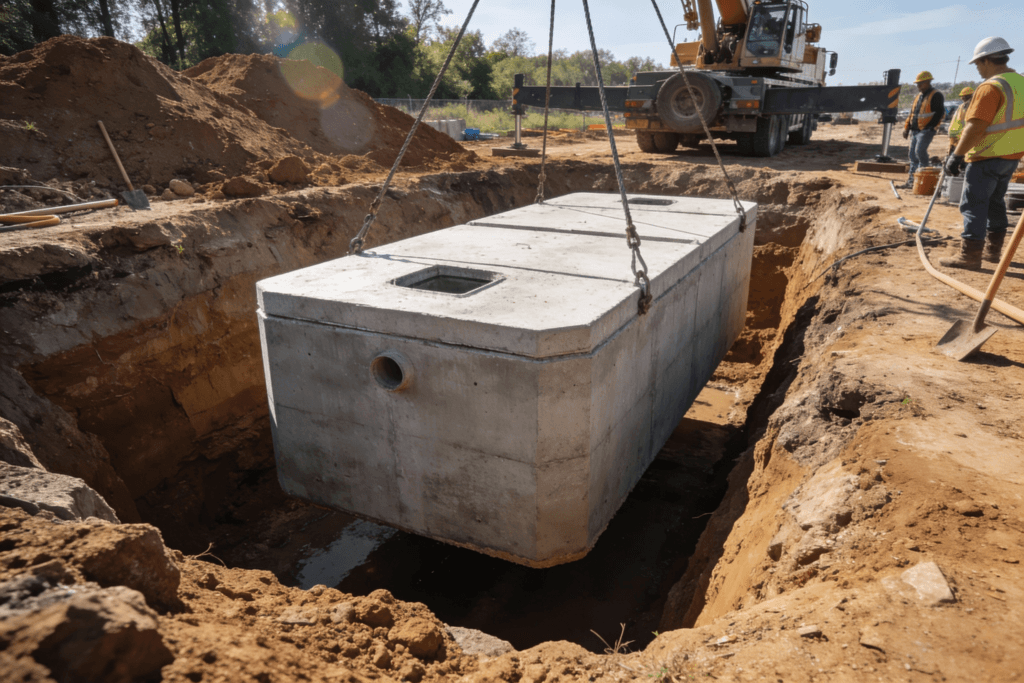
The septic tank is a vital treatment unit of any septic system, responsible for the primary treatment of wastewater. As a unit, it separates solids and grease from the liquid effluent, allowing the solids to settle as sludge at the bottom and scum to float on top. This process prevents solids from entering and clogging the leach field.
The size of the septic tank is determined primarily by the number of bedrooms in the house, which correlates to the expected daily wastewater volume. Larger households require bigger tanks to accommodate higher wastewater flow. Typical septic tanks range from 750 gallons for small homes to over 1,500 gallons for larger residences.
Septic tank replacement costs can vary based on the size of the tank needed for the number of bedrooms in a home. More bedrooms mean a larger tank, which increases both material and installation costs.
Septic tanks come in various materials including concrete, steel, and fiberglass. Concrete tanks are durable and long-lasting but heavier and more expensive to install. Plastic and fiberglass tanks are lighter and easier to handle but may have shorter lifespans.
Regular pumping of the septic tank is necessary to remove accumulated sludge and scum, typically every 3 to 5 years depending on usage and tank size. Neglecting this maintenance can lead to system failure and expensive repairs.
The cost of a septic tank itself can range from $1,500 to $5,000, depending on size and material. For example, a 750-gallon tank may cost around $1,288, while a 3,500-gallon tank can cost up to $4,225. This represents a significant portion of the overall septic system cost.
Leach Field and Drain Field
The leach field, or drain field, is the area where the treated effluent from the septic tank is dispersed into the surrounding soil. It usually consists of perforated pipes laid in trenches filled with gravel or stone, connected to a distribution box that evenly distributes the effluent. Installation specifics, such as the depth of soil covering (loam) and fill material, can impact the overall project cost and the final appearance and health of the lawn.
The design and size of the leach field depend on soil conditions, site slope, and the volume of wastewater generated by the property. For example, sandy soils with good permeability require smaller leach fields, while clay soils with poor drainage need larger fields. A larger system size or higher wastewater flow also increases the field size. The leach field and other wastewater treatment structures, such as advanced treatment units and distribution boxes, must be properly designed to ensure compliance and effective wastewater dispersion. In certain advanced or drip systems, a pump is used to control the flow of wastewater from a large pump tank, preventing the leach field from becoming overwhelmed.
The leach field is critical to the overall system’s function. Failure of the leach field due to clogging or oversaturation can cause wastewater to surface on the ground, creating health hazards and environmental pollution. Therefore, regular inspections and maintenance of the leach field and associated structures are essential.
Enviro Septic System Features
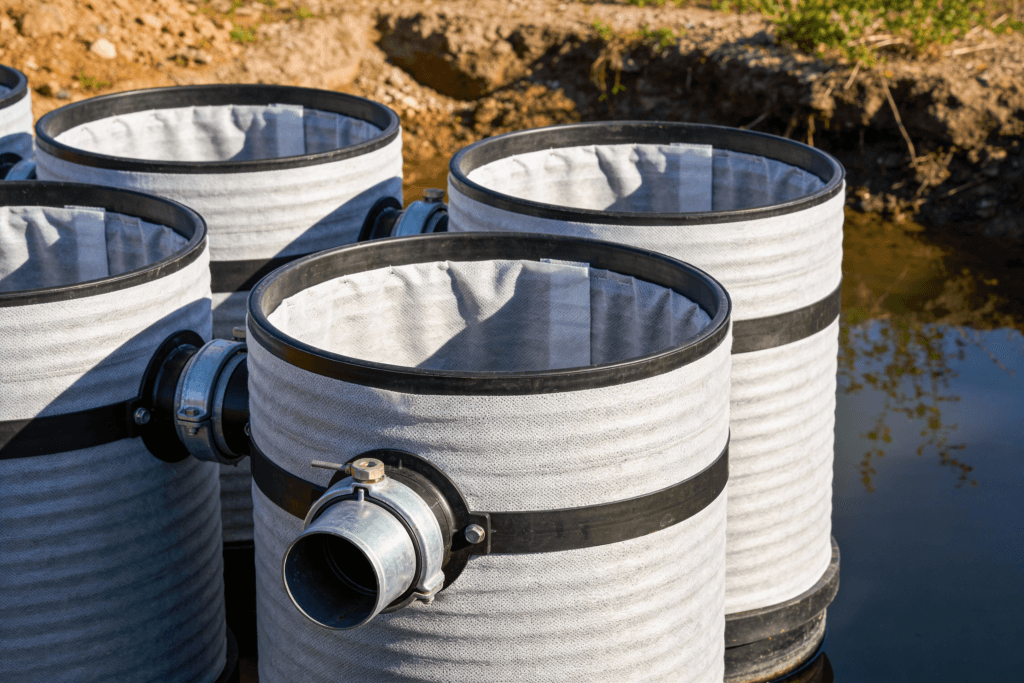
Enviro septic systems consist of a series of tubing lined with geotextile fabric and coarse fibers. The Advanced Enviro-Septic system can remove up to 99% of wastewater contaminants and is typically smaller and more efficient than traditional systems. Advanced enviro septic pipes represent an innovative alternative to traditional stone and pipe leach fields. Enviro septic systems can be placed within two feet of the Seasonal High Water Table, offering more flexibility in site placement. The fill around the plastic pipes in an Enviro septic system must be perfect, typically requiring coarse sand to ensure proper function. However, Enviro septic systems are reported to have a shorter lifespan compared to traditional systems, with some failing within six to nine years, while traditional leach fields with stone and pipe can last 25 years or more and are more forgiving if not properly maintained.
The cost to install a leach field typically ranges from $5,000 to $10,000, depending on size and design complexity.
Role of a Septic System Designer
A septic system designer is essential for ensuring that your septic system is both effective and compliant with local regulations. In New Hampshire, only licensed professionals can design septic systems, and their expertise is crucial in evaluating several factors such as property size, number of bedrooms, and soil conditions. By carefully assessing these elements, a septic system designer can recommend the best solution to treat wastewater efficiently and protect the environment.
The designer’s role goes beyond just technical calculations—they work closely with property owners to create a plan that fits the unique needs and budget of each property. This includes selecting a system that is both cost effective and environmentally friendly, whether it’s a conventional septic system or an alternative design. Proper planning and design help ensure that the system is installed correctly and functions properly for years to come, reducing the risk of costly issues down the line.
Choosing a septic system designer with a good reputation and local experience is one of the most important steps property owners can take to safeguard their investment and the environment.
Advanced Enviro Septic Pipe and Systems
Advanced Enviro Septic (AES) systems represent a significant innovation in wastewater treatment technology. Unlike conventional septic systems, AES systems use a combination of advanced enviro septic pipe and perforated pipes to treat wastewater more efficiently and remove a greater range of contaminants. This design allows for enhanced treatment in a smaller footprint, making it an ideal solution for properties with limited space or challenging soil conditions.
The key feature of the AES system is its ability to promote the growth of beneficial bacteria, which break down pollutants before the treated effluent reaches the surrounding soil. This not only improves the quality of the effluent but also reduces the risk of groundwater contamination. Property owners in New Hampshire often choose AES systems for their reliability, cost effectiveness, and environmentally friendly operation.
While the system requires regular maintenance and inspection to ensure it is functioning properly, many property owners find that the long-term benefits—such as reduced environmental impact and lower maintenance costs—make AES systems a smart investment for both new installations and system replacements.
Factors Affecting Septic Systems
Several factors influence the performance, longevity, and cost of septic systems:
Soil Conditions
- The type and permeability of soil are key factors in determining the size and type of leach field needed. Permeable soils like sand absorb effluent quickly, while clay soils require alternative designs such as mound systems. Poor soil quality often requires more advanced treatment, which can significantly raise septic system costs.
Site Access
- Accessibility for heavy machinery affects installation cost and feasibility. Difficult terrain, remote, or hard-to-access sites can increase labor and equipment expenses, sometimes adding 10-30% to total project costs. Excavation and labor costs alone can range from $1,200 to over $10,000 depending on the terrain.
Water Table
- The depth of the water table impacts system design. Systems must maintain proper separation from groundwater to avoid contamination.
System Size and Components
- The septic tank size, type of leach field, and distribution box must be properly sized and designed based on wastewater volume and site conditions.
Environmental Regulations and Other Factors
- Local codes, permitting requirements, and environmental regulations—such as wetlands and shoreline permits—can affect system design, installation requirements, and add to total costs. Engineering and design fees may range from $3,000 to $6,000. Seasonal weather conditions can also impact the installation timeline and costs.
Maintenance
- Regular pumping, inspections, and monitoring are essential to prevent failures and extend system life.
Cost Impact Table for Key Factors
| Factor | Typical Cost Impact |
|---|---|
| Soil Conditions | Advanced treatment may add $5,000–$10,000+ |
| Site Access | 10–30% increase in total project cost |
| Water Table | May require alternative system, adds $3,000–$10,000 |
| System Size/Components | Larger tanks/fields increase material and labor costs |
| Environmental Regulations | Permits and engineering: $3,000–$6,000+ |
| Maintenance | $500–$1,000 annually |
Each septic system project is unique. Projects require site-specific assessments, such as percolation (perc) tests and soil evaluations, to determine the best system design. A licensed septic designer must conduct a percolation test before installation. Factors like soil conditions, property topography, and regulatory requirements influence the complexity and cost of septic projects. For properties with small lots or limited space, advanced or compact septic systems are often suitable solutions.
When you need to replace an existing septic system, it usually costs more than installing a new one. The cost to replace a septic system in New Hampshire typically ranges from $10,000 to $26,000, with the average replacement cost being approximately $18,000 to $26,000. Costs for advanced, specialized, or complex installations can exceed $20,000–$25,000 depending on site conditions. It is advisable to obtain multiple quotes from different contractors to compare costs and services. The New Hampshire Department of Environmental Services provides a tool to verify if a septic designer or installer is registered with the state.
The cost of maintaining a septic system usually ranges from $500 to $1,000 annually, which is a worthwhile investment to avoid costly repairs.
Cost of Septic Systems
The total cost of a septic system installation typically ranges from $10,000 to $30,000. The average cost to install a new septic system is between $6,000 and $15,000, with most homeowners spending around $8,000 to $10,000 for standard installations. This includes the septic tank, leach field, distribution box, design and engineering fees, permits, and labor, as well as the necessary treatment units and structures that make up the system.
Installation costs vary based on site conditions such as soil type, slope, and accessibility. For example, sites with poor soil, high water tables, or difficult access can increase costs significantly. Advanced treatment systems, such as aerobic treatment units, are more expensive than conventional gravity-fed systems, but they are designed to remove a higher percentage of wastewater contaminants, making them suitable for challenging sites and stricter environmental regulations.
Ongoing maintenance for an Enviro septic system runs roughly $250 to $550 every 3 to 5 years for pumping, with annual inspections costing $100 to $500. In general, pumping costs for septic systems range from $250 to $600 every 3 to 5 years, and annual inspection costs range from $100 to $500. Regular maintenance of these units and structures can prevent major septic system repairs that may exceed $5,000 to $15,000.
Repair or replacement of a failed system can cost between $5,000 and $20,000, making proper design, installation, and maintenance critical for cost savings and environmental protection.
Maintenance and Inspection
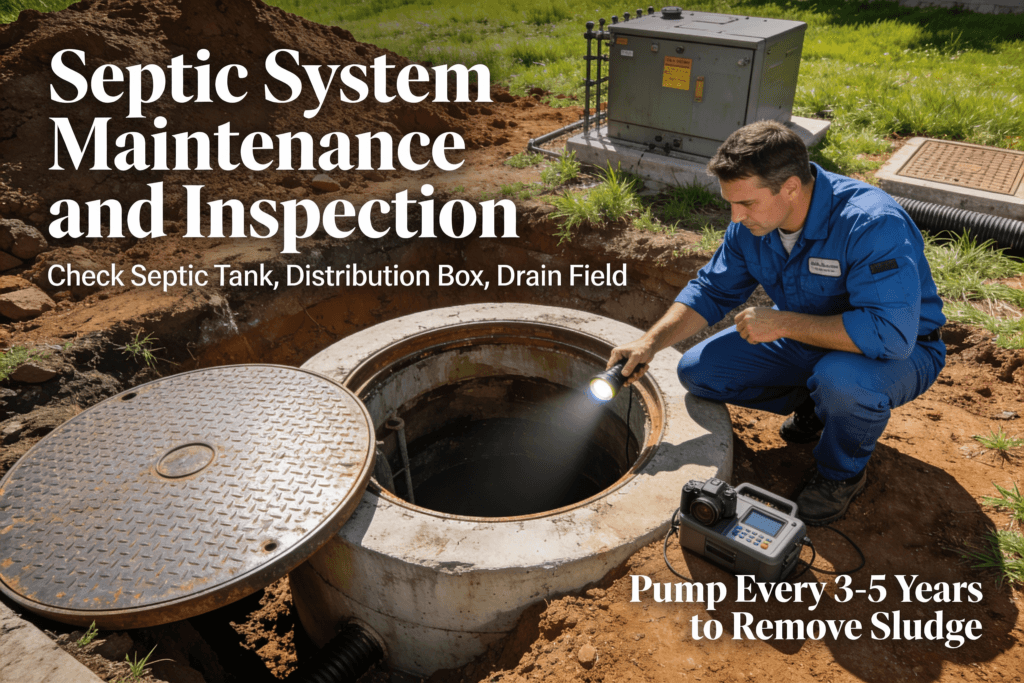
Regular maintenance and inspection are vital to keeping your septic system operating efficiently and extending its useful life. Property owners should schedule a professional inspection of their septic system at least once a year. During this inspection, the septic tank, distribution box, and drain field should all be checked to ensure they are functioning properly and free from damage or blockages.
In addition to annual inspections, it’s important to have the septic tank pumped every three to five years to remove accumulated sludge and solids. Neglecting this maintenance can lead to system failures, backups, and costly repairs. Keeping up with routine maintenance not only protects your property but also helps prevent environmental contamination.
By staying proactive with inspections and maintenance, property owners can ensure their septic system continues to operate as intended, providing reliable wastewater treatment for many years.
Environmental Impact of Septic Systems
The environmental impact of a septic system depends largely on how well it is installed and maintained. When a system is not functioning properly, it can release pollutants and contaminants into the surrounding soil and groundwater, threatening local ecosystems and public health. In New Hampshire, where septic systems are widespread, property owners play a critical role in protecting the environment.
To minimize the risk of pollution, it’s essential to have your septic system inspected and maintained regularly. Reducing water usage and being mindful of what goes down the drain can also help prevent contaminants from entering the system. By taking these steps, property owners can help safeguard the surrounding soil and groundwater, ensuring that their septic system remains a safe and effective solution for wastewater treatment.
Importance of Record Keeping
Keeping accurate records is a key part of responsible septic system ownership. Property owners should document all inspections, maintenance, and repairs, noting the date, type of work performed, and any observations or recommendations. In New Hampshire, maintaining these records is not just good practice—it’s a regulatory requirement, and property owners must be able to provide documentation if requested by state authorities.
Detailed records help property owners track the performance of their system over time, identify recurring issues, and plan for future maintenance or upgrades. Good record keeping also supports compliance with local regulations and can be invaluable when selling a property or addressing warranty claims. By staying organized and diligent with documentation, property owners can ensure their septic system is properly maintained and ready for the future.
Benefits of Proper Septic System Installation
- Reduced Risk of Failure: Correct sizing and installation prevent common problems like clogging and backups.
- Improved Water Quality: Proper treatment protects groundwater and nearby surface waters from contamination.
- Increased Property Value: A well-maintained septic system is an asset when selling property.
- Cost Savings: Avoiding premature failure and expensive repairs saves money in the long run.
- Environmental Protection: Proper systems reduce pollutants and protect public health.
Property owners should prioritize working with experienced septic system designers and contractors who have a good reputation and understand local regulations and site conditions. Regular maintenance and inspections are equally important to ensure the system’s ongoing operation and longevity.
In summary, understanding the components, costs, and key factors of septic systems empowers homeowners to make informed decisions, ensuring a safe, effective, and environmentally friendly wastewater treatment solution for their property.