


Frugal ideas for the home are not just about saving money; they’re about embracing a lifestyle that values simplicity, resourcefulness, and intentional living. This guide is for anyone looking to save money and live more intentionally, whether you own a traditional home or a tiny house. Adopting frugal ideas for the home can help you achieve financial stability, reduce waste, and create a more sustainable lifestyle. Whether you’re settling into a traditional house or a cozy tiny home, practical frugal ideas can help you reduce expenses, minimize waste, and create a comfortable, efficient space that works for you. Frugal home improvements focus on high-impact, low-cost projects such as painting, updating hardware, enhancing storage, and DIY repairs. This detailed guide will walk you through essential frugal living tips tailored to both home and tiny home settings.
Overview: Embracing the Frugal Living Mindset
Frugal living starts with a mindset—being mindful of your spending, prioritizing needs over wants, and seeking value in every purchase. To begin:
- Define Your Frugal Living Goals: Consider what frugality means to you. Is it saving for a future investment, reducing debt, or simply living more sustainably? Clear goals will help guide your decisions.
- Select Two Frugal Living Tips to Implement First: Avoid overwhelm by starting small. Pick manageable changes such as meal planning or reducing utility use, then build from there.
Setting up a budget is key for managing household finances effectively. Tracking your income and expenses helps identify areas to cut back on spending. Creating a budget that covers all your needs, like rent and groceries, is essential for maintaining financial health and making intentional choices.
- Quick Action Plan for a Frugal Way Home
- Top Frugal Living Tips and Money Saving Strategies
- Kitchen Frugal Tips: Cut Your Grocery Bill
- Laundry and Utilities Money Saving Tips
- Frugal Cleaning and Upkeep Solutions
- Clothing, Personal Care, and DIY Frugal Tips
- Meal Planning Money Saving Tips
- Home Maintenance on a Budget
- Frugal Entertainment and Leisure Ideas
- Behavior Changes to Live Frugally Long Term
Quick Action Plan for a Frugal Way Home
- Pick three tips to implement this week.
- Set measurable targets for each tip (e.g., reduce grocery spending by 10%).
- Review bank statements monthly to track progress.
With your action plan in place, let’s dive into the top frugal living tips and money-saving strategies to help you get started.
Top Frugal Living Tips and Money Saving Strategies
Track Expenses
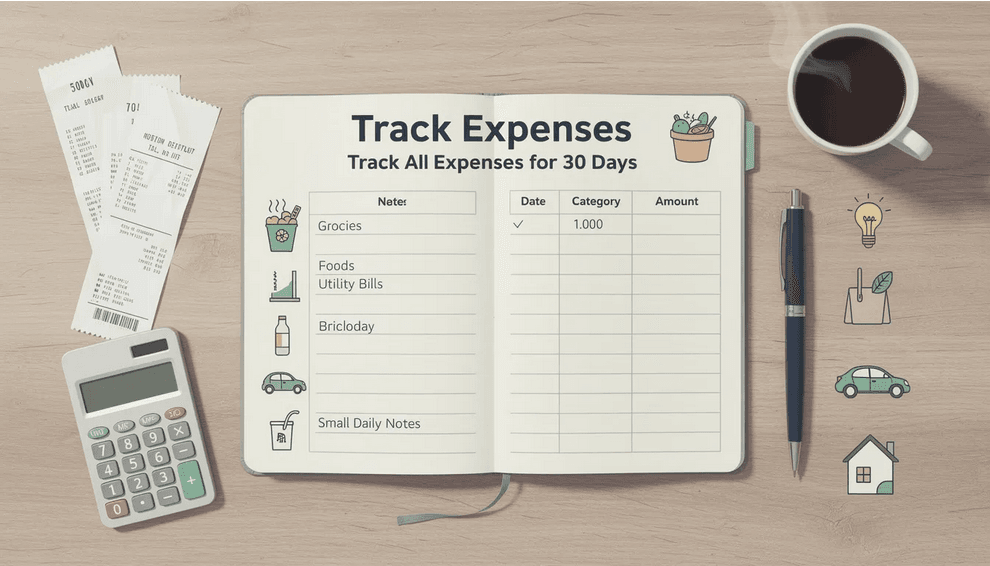
Track All Expenses for 30 Days
Understanding where your money goes is crucial. Keep a detailed record of every expense, from groceries to utility bills. This awareness helps identify unnecessary spending and areas for improvement.
Meal Planning
Create a Weekly Meal Plan
Planning what and when to eat ahead reduces impulse buys and food waste. Tailor your meal plans to include affordable, nutritious ingredients that fit your household size—especially important in a tiny home where storage may be limited.
Additionally, planning to eat meatless meals once a week can significantly reduce grocery bills.
Prioritize Needs Over Wants
When budgeting or shopping, focus on essentials first. This approach prevents overspending on non-essential items that clutter your space and drain your bank account.
Cancel Unused Subscriptions Monthly
Review your subscriptions regularly. Cancel those you no longer use, such as streaming services or magazine deliveries, to save money without sacrificing quality of life.
With these foundational strategies in place, let’s move on to specific ways to save in the kitchen.
Kitchen Frugal Tips: Cut Your Grocery Bill
Set a Weekly Grocery Budget
Establish a realistic budget that aligns with your income and family size. Stick to it by planning your shopping trips and avoiding impulse purchases.
Use a Shopping List Every Trip
Always shop with a list to avoid buying items you don’t need. In a tiny home, limited storage means buying only what you can use promptly.
Compare Unit Prices at the Shelf
Look beyond package sizes and compare prices per unit (ounce, pound, etc.) to find the best deals.
Bulk Buying
Buy Seasonal Produce on Sale
Seasonal fruits and vegetables are fresher, tastier, and usually cheaper. Buying them on sale maximizes savings.
Buy Meat in Bulk
Purchase family-size meat packs when on sale. Portion them into meal-sized freezer bags, label with dates, and freeze. This reduces trips to the store and saves on the grocery bill.
Meal Planning
Freeze Meals for Later
Batch cook dinners and portion your own meals before freezing using compartment trays or reusable containers. Preparing and freezing your own meals at home saves time, reduces food waste, ensures you always have a homemade meal ready, and offers significant cost savings and convenience compared to dining out.
Avoid Convenience Foods
Replace prepackaged meals and snacks with homemade versions, as preparing your own food at home can save money and reduce waste. Preparing single-serve snacks at home is healthier and more economical.
With your kitchen savings underway, let’s look at how to cut costs on laundry and utilities.
Laundry and Utilities Money Saving Tips
Lower Thermostat by One or Two Degrees

Adjusting your heating or cooling by a degree or two can significantly reduce your electric bill, especially in smaller spaces like tiny homes where temperature changes happen quickly.
Air-Dry Clothes When Possible
Use drying racks or clotheslines to air-dry laundry, cutting down on energy use from dryers.
Run Appliances During Off-Peak Hours
If your utility provider offers off-peak rates, run washers, dryers, and dishwashers during these times to save money.
Run Full Loads to Save
Only run the washer and dishwasher when fully loaded. This conserves water, electricity, and laundry detergent.
Choose Eco Cycles When Available
Use energy-efficient cycles on appliances to reduce consumption without sacrificing cleaning quality.
With your utilities optimized, let’s explore frugal cleaning and upkeep solutions for your home.
Frugal Cleaning and Upkeep Solutions
Homemade Cleaning Products
- Make your own multi-purpose cleaners by mixing vinegar and water.
- Combine other common household items like baking soda and lemon juice for effective cleaning.
- Use baking soda as an abrasive scrubber.
- Make your own foaming soap by diluting regular hand soap with water in a foaming dispenser, which helps stretch its use and save money.
Reusable Cleaning Supplies
- Instead of buying disposable paper towels, cut up old towels, t-shirts, and sheets into reusable rags to reduce waste and save even more.
- Use reusable microfiber cloths for cleaning to further cut down on waste and expenses.
These natural cleaners and reusable options are inexpensive, non-toxic, and effective.
Now that your home is clean and efficient, let’s look at ways to save on clothing, personal care, and DIY projects.
Clothing, Personal Care, and DIY Frugal Tips
Repair Garments Instead of Replacing
Mend small holes and tears promptly to extend the life of your clothes, which is especially practical when space for new clothes is limited.
Buy Secondhand Clothing
Thrift stores and garage sales are treasure troves for quality, affordable clothing. This supports a frugal lifestyle and reduces textile waste.
Wash Clothes Less Frequently to Extend Lifespan
Washing clothes only when necessary saves water, detergent, and wear on fabrics.
Make Basic Personal Care Products at Home
DIY items like lip balm, lotion, or deodorant with simple ingredients can save money and reduce exposure to chemicals.
Organize Clothing Swaps and Share Services
Coordinate clothing swaps with neighbors or join local barter groups online. Swap babysitting shifts or other services to save money and build community.
With your wardrobe and personal care streamlined, let’s move on to meal planning strategies for even more savings.
Meal Planning Money Saving Tips
Plan Weekly Menus Around Store Sales
Use store flyers and apps to plan meals featuring discounted ingredients.
Reuse Ingredients Across Multiple Meals
Maximize your grocery purchases by incorporating versatile ingredients into several dishes.
Prep Ingredients During Weekend Downtime
Chop vegetables, cook grains, or marinate proteins in advance to streamline weekday cooking.
With meal planning under control, let’s focus on maintaining your home on a budget.
Home Maintenance on a Budget

Home maintenance is a smart way to save money and protect your investment, whether you live in a traditional house or a tiny home. By adopting a few tips and staying proactive, you can avoid expensive repairs and keep your living space in top shape without spending a lot of money.
Preventative Maintenance to Avoid Costly Repairs
A little prevention goes a long way when it comes to saving money on home repairs. Make it a habit to check your plumbing for leaks under sinks and around toilets—catching small drips early can save you money on your water bill and prevent bigger issues down the road. Don’t forget to inspect your HVAC system and change filters regularly; this simple step can save you money by improving efficiency and extending the life of your system. By staying on top of these small tasks, you’ll save money, avoid emergency repairs, and keep your home running smoothly.
DIY Fixes for Common Household Issues
You don’t need to call a professional for every little problem. Many common household issues, like a leaky faucet or a squeaky door, can be fixed with a few basic tools and a little know-how. Your local library is a great resource for free DIY guides and repair books, and you can find step-by-step tutorials online for almost any project. Keeping a basic toolkit on hand—think screwdrivers, pliers, and a wrench—means you’ll be ready to tackle minor repairs yourself. Embracing a DIY mindset is a great way to save money, learn new skills, and feel more confident in your ability to care for your home.
With your home well maintained, let’s discover how to enjoy entertainment and leisure without breaking the bank.
Frugal Entertainment and Leisure Ideas
Enjoying life and spending time with family doesn’t have to mean spending a lot of money. With a few creative ideas, you can have fun, relax, and make memories—all while sticking to your frugal lifestyle.
Free and Low-Cost Activities at Home
There are plenty of ways to have fun at home without spending big bucks. Host a family game night with board games or card games you already own, or organize a movie night with homemade popcorn and your favorite films. Try cooking new recipes together or starting a DIY craft project using supplies you have around the house. For even more ideas, check out free resources from your local library, like e-books, audiobooks, and activity kits. You can also find free online classes, podcasts, and tutorials to learn new skills or hobbies as a family. By choosing these frugal entertainment options, you’ll save money, strengthen family bonds, and enjoy a simple life filled with great memories.
With entertainment covered, let’s look at the behavior changes that will help you live frugally for the long term.
Behavior Changes to Live Frugally Long Term
Track Savings Monthly
Monitor your progress to stay motivated and adjust strategies as needed.
Set Rolling Budgets Each Quarter
Regularly update your budget to reflect changing needs and goals.
Celebrate Small Milestones
Recognize achievements, like paying off a bill or reducing food waste, to maintain momentum.
Living frugally in your home or tiny home doesn’t mean sacrificing comfort or style. It means making intentional choices that save money, reduce waste, and improve your quality of life. With these practical frugal ideas, you can create a simple, sustainable, and joyful living space that supports your financial and lifestyle goals. Start small, stay consistent, and enjoy the journey to a more frugal way of life.