
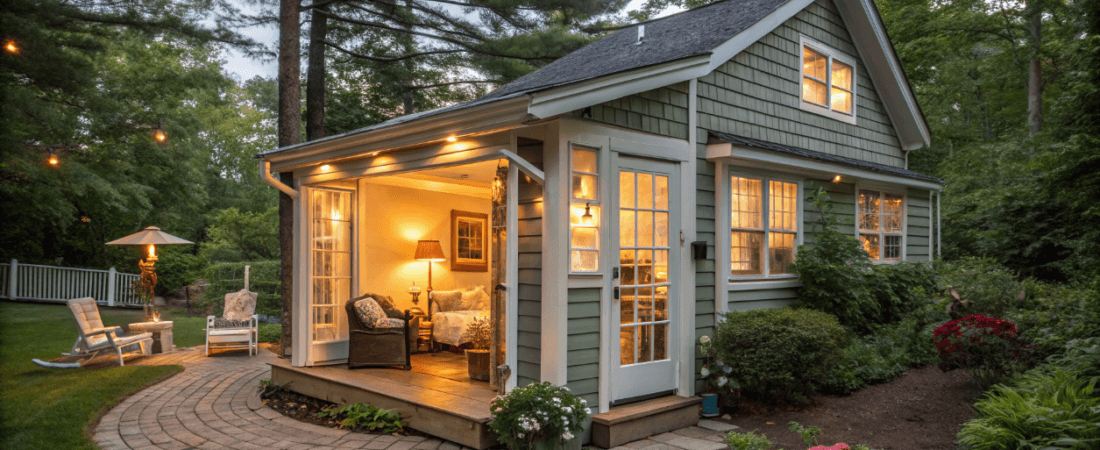
Are you considering granny pods in Connecticut (CT)? This guide is for Connecticut homeowners, families, and caregivers interested in safe, legal, and cost-effective ways to house aging relatives on their property. Granny pods (also known as accessory dwelling units or ADUs, see Fact 1: “Granny pods are also referred to as accessory dwelling units (ADUs) or granny flats.”) are legal in CT—Connecticut broadly allows accessory dwelling units under state law, though local rules vary by municipality. If you’ve been exploring ways to keep aging parents close while giving them their own space, granny pods offer a practical solution that’s now more accessible than ever for Connecticut homeowners.
Granny pods are small backyard accessory dwelling units designed specifically for aging loved ones or relatives who need nearby support. These detached units typically range from 300 to 800 square feet and include essential living, sleeping, and bathroom space—everything needed for comfortable, semi-independent daily life.
Connecticut’s aging population and high elder care costs are driving more families in Hartford, Stamford, Norwalk, New Haven, and towns across the state to explore this housing option. With assisted living facilities averaging thousands per month and nursing home costs often exceeding $9,000 monthly, a backyard cottage for elderly parents makes financial and emotional sense for many households.
Connecticut’s ADU laws changed significantly with Public Act 21-29 in 2021, making it easier in many towns to add a granny pod to your property. However, some municipalities have exercised their right to opt out or modify provisions, meaning regulations differ by location. The rest of this article covers everything you need to know: current laws, realistic costs, design considerations, and the step-by-step approval process for adding a granny pod to your Connecticut property.
- Connecticut Granny Pod Legal Facts: What You Need to Know
- What Is a Granny Pod (and How It Works in CT)?
- Granny Pods vs Other ADUs in Connecticut
- Benefits of Granny Pods for Connecticut Families
- Legal Status of Granny Pods (ADU Laws) in Connecticut
- Where in Connecticut Are Granny Pods Common or Easier to Approve?
- Cost of a Granny Pod in Connecticut
- The Granny Pod Installation Process in Connecticut
- Design & Accessibility Features for CT Granny Pods
- Regulatory and Practical Considerations (Permits, Insurance, Taxes)
- Is a Granny Pod Right for Your Connecticut Property?
Connecticut Granny Pod Legal Facts: What You Need to Know
- Connecticut law under Public Act 17-155 allows granny pods as temporary accessory uses on single-family properties for seniors needing assistance with daily living activities.
- Granny pods must be 500 square feet or smaller and designed to be removable within 120 days of the occupant vacating the unit in Connecticut.
- Upfront costs for building or installing a granny pod in Connecticut range from $40,000 to $250,000.
- Many Connecticut towns have opted out of allowing granny pods or have strict zoning regulations regarding them.
- Connecticut requires homeowners to apply for local permits and provide a physician’s statement confirming the resident’s impairment for certain temporary structures.
What Is a Granny Pod (and How It Works in CT)?
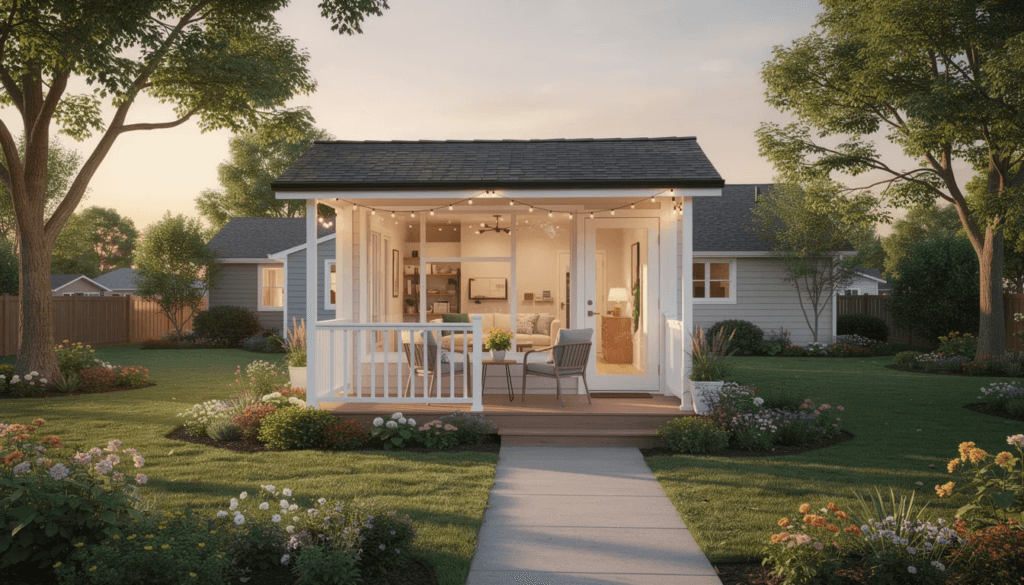
A granny pod is a small, standalone home placed on a family’s property to house an aging parent or relative (Fact 1). It is designed to provide private, accessible living space close to aging loved ones (Fact 2), and typically includes essential amenities like a bedroom, bathroom, kitchenette, and living area (Fact 3).
A granny pod is a detached, self-contained accessory dwelling unit placed in the backyard of an existing single family home. These structures provide independent living quarters for an aging loved one while keeping them close enough for daily check-ins and caregiving support.
In Connecticut zoning language, granny pods are typically referred to as “accessory dwelling units,” “accessory apartments,” “backyard cottages,” or “elder cottages.” Regardless of the terminology, they serve the same purpose: providing affordable, dignified housing for family members who need proximity to caregivers.
A realistic CT-appropriate size range falls between 350 and 700 square feet. Common layouts include:
- Studio design with open-plan living and sleeping area
- One-bedroom layout with separate sleeping quarters
- Kitchenette with basic cooking and food storage
- Fully accessible bathroom with safety features
- Small porch or covered entry
Utility connections in Connecticut typically tie into the main home’s existing infrastructure—water, sewer or septic, and electrical service. Some towns may allow separate meters for tracking usage, but most granny pods share utilities with the primary residence.
Granny pods can take several forms: prefab modular units delivered ready to install, park model homes designed for residential use, or site-built cottages constructed on your property. All options must meet CT building and safety codes to receive approval.
How a granny pod functions day-to-day:
- Provides independence for the senior resident with private living space
- Allows easy access for caregivers without requiring 24/7 presence
- Creates separation for privacy while maintaining close proximity
- Enables shared meals and family time when desired
- Reduces the isolation many seniors experience in institutional settings
Granny Pods vs Other ADUs in Connecticut
“Granny pod” is an informal, conversational term, while ADU (accessory dwelling unit) is the legal terminology used in Connecticut statutes and local zoning codes. Understanding this distinction helps when researching your town’s specific regulations or speaking with planning officials.
Connecticut properties can accommodate several types of accessory dwelling units, each with different characteristics (for a broader overview, see this guide to accessory dwelling units):
- Detached granny pods: Standalone structures in the backyard, separate from the main home
- Attached in-law suites: Units built over garages or added to the side of the larger home
- Basement apartments: Converted lower-level living spaces within the primary residence
- Carriage house conversions: Historic outbuildings renovated into dwelling units
From a zoning standpoint, granny pods in Connecticut are generally treated the same as other ADUs. However, their specific elder care purpose can sometimes influence approval decisions or conditions imposed by planning boards.
Typical CT zoning distinctions you may encounter:
- Attached versus detached ADU classifications
- Maximum size caps (often 800–1,000 square feet or a percentage of the main home)
- Occupancy rules specifying who may live in the unit
- Parking requirements for the additional dwelling
- Owner-occupancy mandates for the primary residence
For example, a basement ADU in Norwalk might face different setback requirements than a detached backyard cottage in West Hartford, even though both qualify as accessory dwelling units under state law. The key is understanding how your specific town categorizes and regulates each type.
Benefits of Granny Pods for Connecticut Families
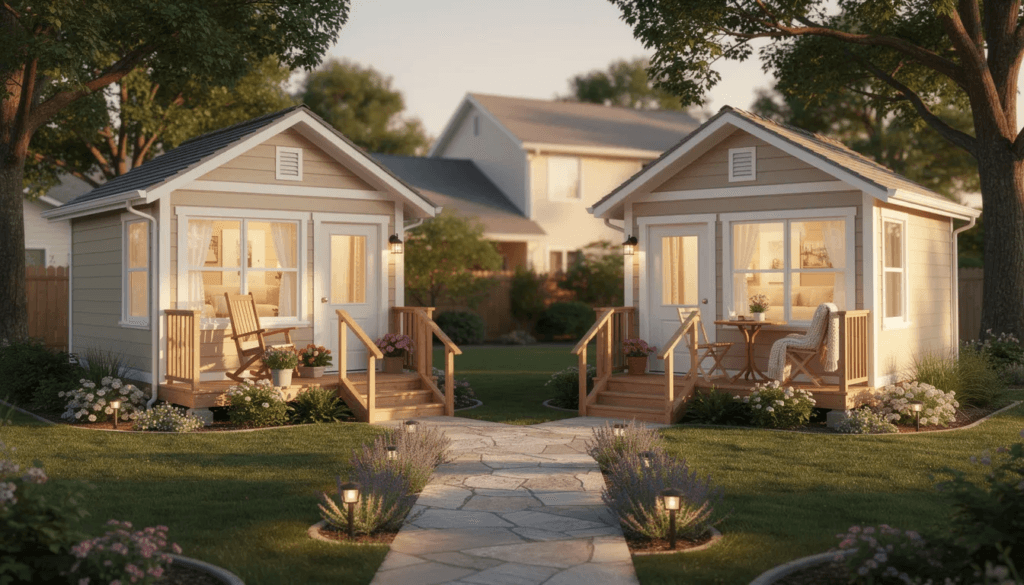
Granny pods provide a meaningful way to balance independence and support for older relatives while responding to Connecticut’s exceptionally high cost of assisted living and nursing home care. For many families, this housing arrangement offers the best of both worlds and can benefit from careful tiny house planning to maximize functionality.
Emotional and practical benefits:
- Keeps aging parents close to family
- Maintains established social ties and community connections
- Enables easier daily check-ins
- Reduces travel time and burden for caregivers
- Maintains family bonds through proximity
- Respects the need for privacy
- Provides peace of mind knowing a loved one is nearby
Financial benefits using CT-relevant numbers:
- Granny pod investment: approximately $100,000–$200,000 (varies by type and features)
- Assisted living in CT: roughly $5,000–$7,000 per month ($60,000–$84,000 annually)
- Nursing home care in CT: often $9,000+ per month ($108,000+ annually)
- Over a five-year period, even a higher-end granny pod can cost significantly less than institutional care
Property value impact:
- Well-designed ADUs in Connecticut often raise resale value
- Appeal to buyers interested in multigenerational living or potential rental income
Flexibility for future use:
- Guest suite for visiting family
- Home office space
- Long-term rental unit if local zoning allows
- Housing for adult children returning home
Climate compatibility:
- Energy-efficient, well-insulated granny pods work well with Connecticut’s four seasons
- Modern units feature proper insulation, efficient heating systems, and weatherization for year-round comfort
Legal Status of Granny Pods (ADU Laws) in Connecticut
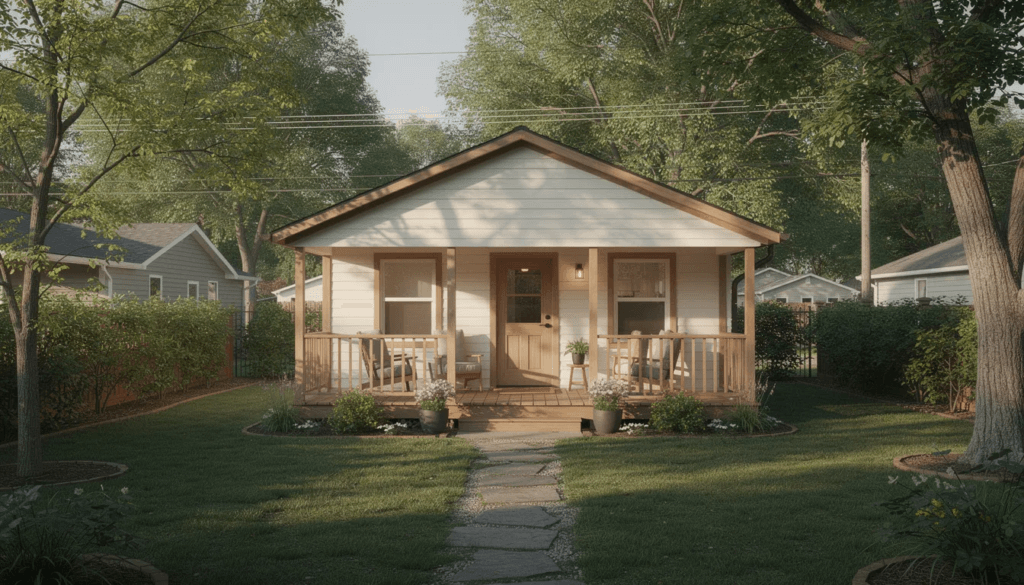
Connecticut allows accessory dwelling units statewide under Public Act 21-29, which became effective January 1, 2022. This state law established a framework supporting ADUs across the state, though municipalities retained the ability to opt out or modify provisions through their own regulations.
Under the state framework, “as-of-right” ADUs are generally permitted in single-family residential zones where towns have adopted the state’s approach. This means homeowners can pursue standard permits without needing special exceptions or variances in many communities.
Public Act 21-29 in plain language:
- Allows both attached and detached ADUs on residential properties
- Prohibits municipalities from setting minimum square footage requirements
- Promotes housing flexibility to address Connecticut’s housing needs
- Establishes baseline permissions that towns can build upon
Municipal opt-outs and modifications:
Some Connecticut towns—particularly in Fairfield, Litchfield, and New London Counties—have formally opted out or added their own stricter rules regarding:
- Maximum unit size
- Parking requirements
- Occupancy restrictions
- Design standards
Important note: Homeowners must always check current local zoning regulations. Code updates in 2023, 2024, and 2025 may have changed rules since the original state law passed. What applied when Public Act 21-29 took effect may differ from current local requirements.
Typical CT requirements for granny pods:
- Owner-occupancy of the main home (you must live on the property)
- One ADU per lot maximum
- Off-street parking (often one additional space)
- Adherence to setback and height limits
- Restrictions on short-term rentals in some towns
- Compliance with state building codes
Before purchasing or installing a granny pod, consult your town’s planning and zoning office or speak with a local land use attorney. This step prevents costly mistakes and ensures your project aligns with current regulations.
Where in Connecticut Are Granny Pods Common or Easier to Approve?
While state law sets a baseline for ADU permissions, each CT town or city controls how friendly it actually is to granny pods and similar structures. The approval process and requirements can vary significantly depending on your location.
Areas with clearer ADU pathways:
Many communities in these regions have established application processes and updated ordinances supporting accessory dwelling:
- Fairfield County: Norwalk, Stamford, and surrounding towns often have more developed ADU frameworks
- Hartford County: West Hartford, Hartford, and nearby municipalities have addressed ADU regulations
- New Haven County: Several cities and towns have clearer procedures for ADU applications
In coastal and urbanized areas, planners often support ADUs as a strategy to ease housing shortages and provide affordable options for residents. These towns may have more experience processing applications and clearer guidance for homeowners.
Areas with tighter restrictions:
Some rural towns in Litchfield, Windham, or Tolland Counties maintain stricter limitations on detached units, particularly regarding:
- Minimum lot sizes
- Setback requirements
- Septic system capacities
- Maximum building coverage
Specific examples:
- Norwalk’s 2022 zoning update addressed ADU regulations specifically
- Several shoreline communities have adapted their codes to accommodate changing housing needs
- Some historic districts in cities like New Haven may have additional design review requirements
Environmental factors affecting feasibility:
- Wetlands setbacks and conservation areas
- Steep slopes requiring special engineering
- Well and septic system limitations (capacity for additional dwelling)
- Flood zones in coastal Middlesex or New Haven County towns
Always verify up-to-date local ordinances before planning a granny pod project. Town regulations can change, and what you read online may not reflect current requirements.
Cost of a Granny Pod in Connecticut
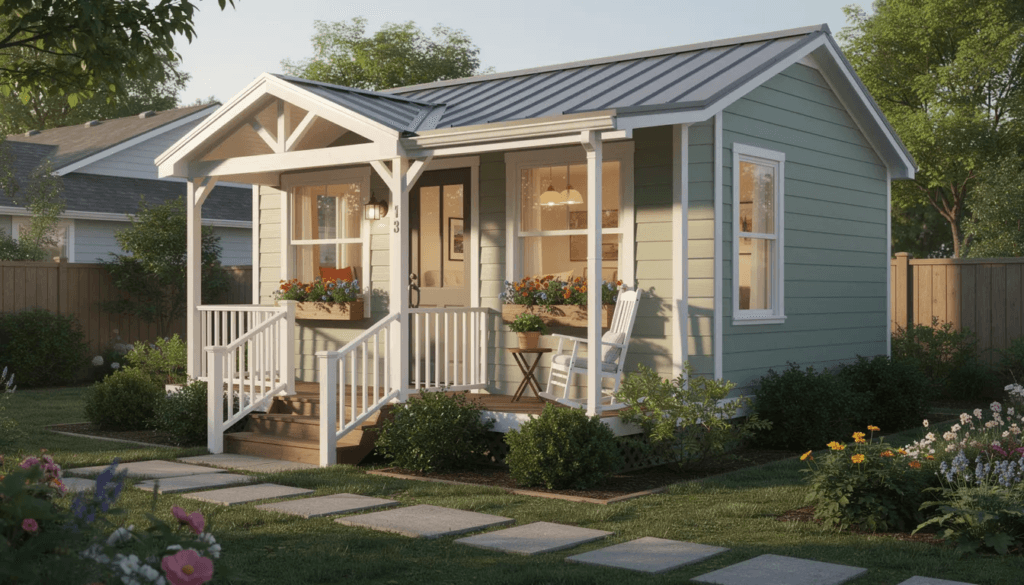
Granny pods require a significant upfront investment, but they can still prove more affordable over time than institutional elder care in Connecticut. Understanding the full cost picture, potential builders, and construction process for small dwellings like micro houses helps families make informed decisions.
Realistic cost ranges for Connecticut:
- Prefab or park models: $70,000–$140,000 delivered to your property
- Custom site-built ADUs: $150,000–$250,000+ depending on size, finishes, and local labor rates
- High-end custom builds: Can exceed $300,000 for larger units with premium features
Major cost categories:
- Structure or shell: The granny pod unit itself (prefab) or framing and construction (site-built)
- Site preparation: Tree removal, grading, clearing, and access improvements
- Foundation: Slab, piers, or crawlspace foundation depending on design and frost depth requirements
- Utility connections: Running water, sewer/septic, and electrical lines from the main home
- Permits and professional fees: Zoning applications, building permits, engineering, and architectural services
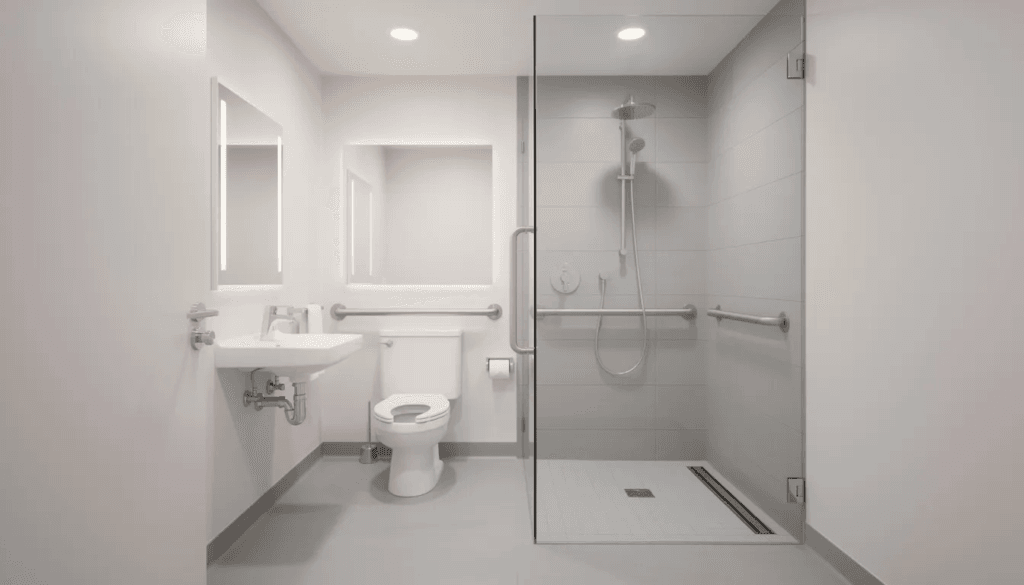
- Accessibility upgrades: Grab bars, wide doorways, ramps, and other safety modifications
CT-specific site factors:
- Rocky soil and ledge in many areas can significantly increase excavation costs
- Winter conditions require insulated foundations extending below the frost line
- Protected utility lines prevent freezing during cold months
- Snow load requirements affect roof design and structural specifications
Ongoing expenses to budget:
- Property tax implications (increased assessed value)
- Higher utility bills (water, electric, heating)
- Insurance adjustments for the additional dwelling
- Routine maintenance (snow removal, roof care, siding upkeep)
- Potential septic pumping if using a private system
Financing options for granny pods:
- Home equity loans or HELOCs (most common approach)
- Cash-out refinancing using existing home equity
- Construction loans for permanent ADU structures
- Personal loans for smaller projects
Note that non-permanent or shed-style structures are generally harder to finance with traditional mortgages. A financial planner familiar with real estate investments can help identify the best approach for your situation.
The Granny Pod Installation Process in Connecticut
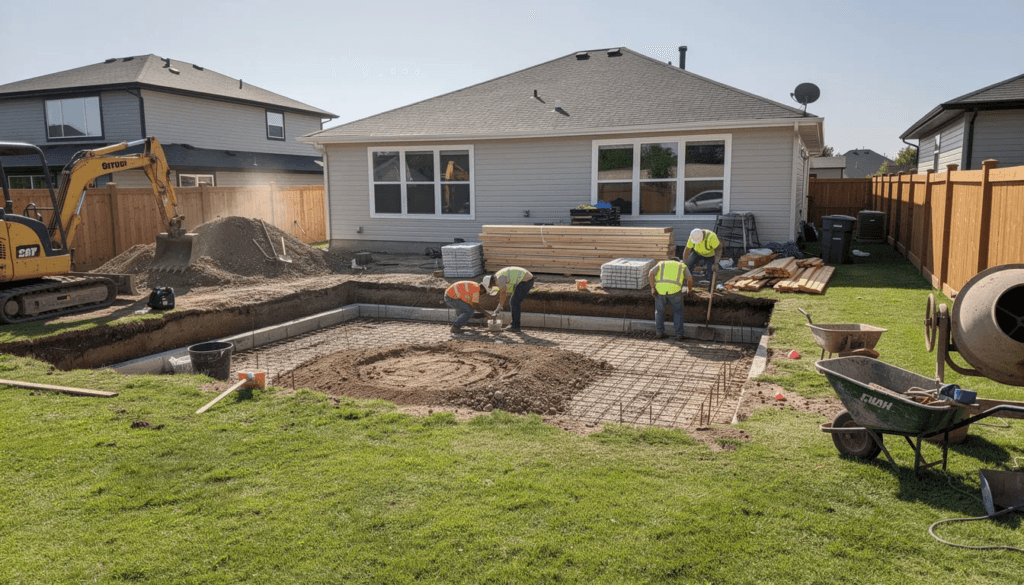
The granny pod journey from initial idea to move-in requires careful planning and coordination with local building codes. While the process can feel complex, breaking it into manageable steps makes the project achievable.
Step 1: Initial feasibility and zoning research
Contact your town’s planning and zoning office to confirm ADUs are permitted on your property. Ask about setback requirements, maximum size limits, and any special conditions. Request written guidance or copies of relevant regulations.
Step 2: Preliminary design or model selection
Decide between prefab modular units, park models, or custom tiny homes style construction. Consider your budget, timeline, and specific needs. Visit showrooms or review manufacturer specifications for prefab options.
Step 3: Detailed site plan and budgeting
Work with a surveyor or designer to create a site plan showing the proposed granny pod location, setbacks, utility routes, and access. Develop a comprehensive budget including all cost categories.
Step 4: Permit applications
Submit required applications to your municipality:
- Zoning approval for the ADU
- Building permit for construction
- Septic or sewer review (if applicable)
- Electrical and plumbing permits
Step 5: Site preparation
Clear the building area, grade the land, and prepare the foundation. Address any drainage issues and establish utility connection points. CT-specific considerations include frost-depth foundations and snow load requirements.
Step 6: Delivery or construction
For prefab units, coordinate delivery logistics (access routes, crane requirements if needed). For site-built cottages, construction proceeds according to approved plans. Plan deliveries around winter storms and seasonal conditions.
Step 7: Utility hookups
Connect water, sewer or septic, and electrical service. Ensure all connections meet code requirements and pass inspections. Some towns require separate inspections for each utility type.
Step 8: Inspections and final approval
Schedule required inspections with your local building department. Address any issues identified by inspectors. Obtain certificate of occupancy before moving in.
Timeline expectations:
- Zoning and permits: Several weeks to several months depending on town workload
- Simple park model installation: A few days to a few weeks
- Custom ADU construction: Several months to over a year
Practical tips for success:
- Work exclusively with CT-licensed contractors familiar with local codes
- Build extra time into your schedule for weather delays and permit processing
- Confirm inspection scheduling procedures with your building department early
- Maintain clear communication with all parties throughout the process
Design & Accessibility Features for CT Granny Pods
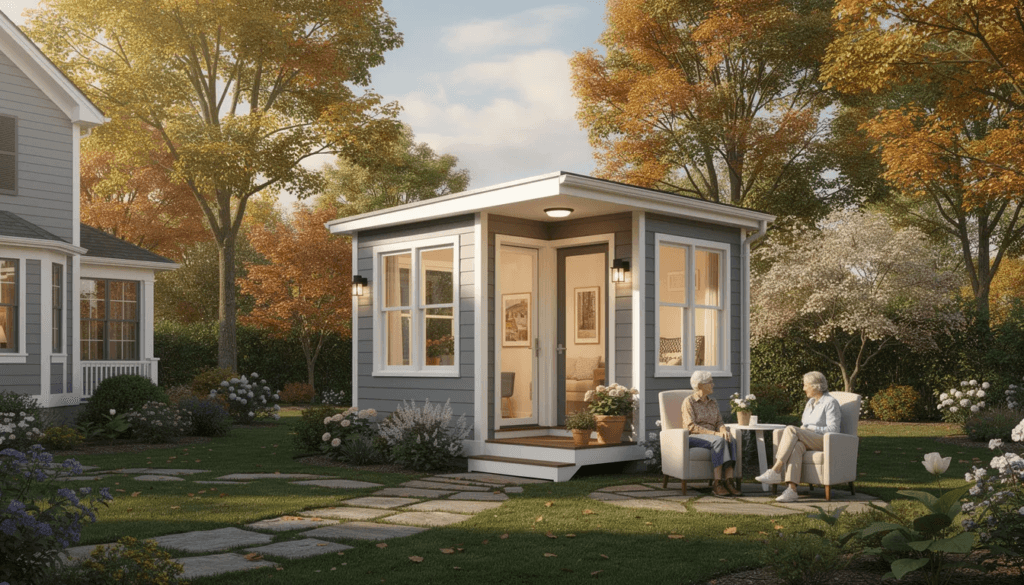
Design must balance comfort, safety, and code compliance—especially for seniors aging in place in Connecticut’s variable climate. Thoughtful planning creates a living space that supports independence while addressing potential mobility and health challenges, similar to well-planned chalet tiny house models that combine charm with functionality.
Key interior accessibility features:
- Zero-step entry (flush threshold or ramp access)
- 36-inch doors for walker or wheelchair access
- Wider hallways for mobility devices
- Curbless showers with built-in seating
- Grab bars in bathrooms
- Non-slip flooring in all rooms
- Lever-style door handles
- Lever-style faucets
- Adequate turning radius space for mobility devices
Safety additions for older adults:
- Bright lighting throughout the unit
- Layered lighting with multiple sources
- Motion-activated night lights in hallways
- Motion-activated night lights in bathrooms
- Emergency call buttons
- Smart home alert systems
- Easy-to-reach switches
- Easy-to-reach outlets (higher than standard placement)
- Rounded countertops
- Rounded furniture edges
- Slip-resistant surfaces in wet areas
CT climate design considerations:
- High-R insulation in walls, floors, and ceilings (R-38+ for attics)
- Double-pane or triple-pane windows for energy efficiency
- Thorough air sealing to prevent drafts
- Moisture intrusion prevention
- Energy-efficient heat pumps or mini-split systems
- Good ventilation for humidity control
- Covered entry for shelter during rain and snow
Layout and aesthetics: (many principles are shared with tiny house floor plans and modern tiny house designs, including more playful options like cute tiny house designs)
- Open-plan living maximizes usable space
- Large windows provide natural light
- Connection to outdoors through windows and doors
- Small porch or patio for safe outdoor space
- Exterior finishes that complement the main home
- Bedroom positioned for privacy
Optional technology features:
- Remote health monitoring systems for caregivers
- Video doorbells for safe visitor screening
- Smart thermostats controllable by both resident and family
- Voice-activated assistants for hands-free help
- Medication reminders and health tracking devices
Regulatory and Practical Considerations (Permits, Insurance, Taxes)
Beyond initial construction approvals, owning a granny pod involves ongoing legal requirements and practical responsibilities that Connecticut homeowners need to understand.
Permit requirements:
- Zoning approval confirming ADU is permitted on your property
- Building permit covering construction or installation
- Septic or well evaluations if the property isn’t on municipal utilities
- Additional reviews for coastal properties, wetland-adjacent sites, or historic districts
Insurance basics:
- Homeowner’s policies typically need updating to include the separate dwelling
- Increased liability coverage may be advisable (someone else living on your property)
- Rental use changes coverage requirements significantly
- Document the unit’s value and contents for adequate coverage
- Notify your insurance company before construction begins
Property tax implications:
Adding an ADU typically increases your property’s assessed value, which raises annual property taxes. The amount varies by town and depends on:
- Size and quality of the granny pod
- Local assessment practices
- Whether the unit is classified as permanent or temporary
Check with your town assessor for specific guidance on how ADUs affect tax assessments in your municipality. Getting this information early helps with accurate budgeting.
HOA or neighborhood covenants:
Some Connecticut subdivisions have design rules or restrictions that apply even when zoning permits ADUs. Before committing to a project:
- Review your deed and any recorded covenants
- Check with your homeowner’s association if applicable
- Understand design standards or architectural review requirements
- Confirm that detached structures are permitted in your neighborhood
Rental rules:
ADU rental policies vary significantly across Connecticut towns:
- Some permit renting to non-family members for long-term leases
- Others restrict occupancy to family members only
- Short-term rentals (Airbnb-style) are prohibited in many municipalities
- Owner-occupancy of the main home is often required regardless of rental status
Get current, local professional advice rather than relying solely on general guidance. Regulations change, and your specific situation may involve nuances that require expert interpretation.
Is a Granny Pod Right for Your Connecticut Property?
Before investing significant time and money, honestly assess whether a granny pod makes sense for your specific situation. Consider family needs, budget realities, property characteristics, and long-term plans.
Key evaluation questions:
- Does your lot have adequate space after accounting for setbacks and existing structures?
- Has your town adopted ADU-friendly regulations, or have they opted out?
- Do your aging parents or relatives actually want to live on your property?
- How might your needs change in 5-10 years after elder care requirements evolve?
- Can your budget accommodate both upfront costs and ongoing expenses?
Property assessment checklist:
- Review lot size and confirm sufficient room for a detached unit
- Check current zoning status and any local opt out provisions
- Evaluate septic capacity if not connected to municipal sewer
- Consider access for construction equipment and emergency vehicles
- Assess yard impact on existing landscaping and outdoor living space
When alternatives might work better:
Some properties are better suited to interior ADUs or other small-footprint solutions when detached granny pods aren’t feasible, taking inspiration from great tiny homes that redefine small space living:
- Finished basement apartments in homes with suitable lower levels
- Over-garage apartments in homes with attached garages
- Attached additions when yard space is limited
- Larger home interior renovations creating in-law suites
Involve the whole family:
- Include the older relative in decision-making about their living space
- Set clear expectations about privacy, caregiving roles, and boundaries
- Discuss financial contributions and responsibilities openly
- Address concerns about changes to family dynamics
- Consider how the arrangement affects kids and other household members
Getting started:
Contact your local planning and zoning office to confirm current regulations. Sketch a basic layout showing where a granny pod might fit on your property. Talk with a Connecticut-experienced builder or designer about feasibility and costs for your specific situation.

Frequently Asked Questions About Granny Pods in CT
This section answers common Connecticut-specific questions about granny pods in clear, concise terms.
Are granny pods legal everywhere in Connecticut? ADUs are supported by state law under Public Act 21-29, but local rules and municipal opt outs mean you must verify regulations in your specific town. Some municipalities have rejected state-level permissions or added stricter requirements. Always check with your local planning office before assuming approval.
What is the minimum lot size required for a granny pod in CT? Requirements vary by municipality and might range from small city lots to larger suburban or rural parcels. Setback rules, lot coverage limits, and existing structures all affect how much usable space remains for an ADU. Your town’s zoning ordinance specifies applicable minimums.
Can I rent out my granny pod to someone who isn’t family? Many Connecticut towns allow long-term rental of ADUs if the property owner lives on the property. However, restrictions on short-term rentals and non-family occupants are common. Some municipalities require the ADU occupant to be a family member or caregiver. Check local regulations before planning rental use.
Do I need to change my insurance for a granny pod? Most homeowners need to adjust their policy when adding a granny pod, especially if the unit will be occupied by someone other than immediate family or rented to non-family members. Contact your insurance provider to discuss coverage needs, liability considerations, and any policy endorsements required.
How long does the granny pod process take in Connecticut? From first inquiry to move-in typically runs 6–12 months in CT, depending on permitting timelines in your municipality and whether you’re installing a prefab unit or building custom. Towns with established ADU processes may move faster, while those still developing procedures can take longer.
What happens if my town has opted out of ADU laws? If your municipality has formally opted out, local zoning regulations supersede state law. You may still be able to pursue an ADU through a special permit or variance process, but requirements will be stricter. Some towns are reconsidering opt out decisions as housing needs evolve.
What are the most important Connecticut-specific legal facts about granny pods?
- Connecticut law under Public Act 17-155 allows granny pods as temporary accessory uses on single-family properties for seniors needing assistance with daily living activities.
- Granny pods must be 500 square feet or smaller and designed to be removable within 120 days of the occupant vacating the unit in Connecticut.
- Upfront costs for building or installing a granny pod in Connecticut range from $40,000 to $250,000.
- Many Connecticut towns have opted out of allowing granny pods or have strict zoning regulations regarding them.
- Connecticut requires homeowners to apply for local permits and provide a physician’s statement confirming the resident’s impairment for certain temporary structures.
Next Steps for Starting a Granny Pod Project in Connecticut
If you’re seriously considering a granny pod for your Connecticut property, it’s time to move from research into active planning. The process requires coordination, but families successfully navigate it every year.
First calls to make:
- Your local planning and zoning office to confirm current ADU regulations and application requirements
- A Connecticut real estate attorney or land-use professional if your situation involves complex zoning questions
- A contractor or modular provider with specific experience building ADUs in the state
Prepare before meeting professionals:
- Create a simple wish list including desired size, accessibility features, and aesthetic preferences
- Establish a realistic budget range based on the cost information in this article
- Consider whether rental use might be important for future flexibility
- Identify your timeline and any deadlines driving the project
Gather helpful documents:
- Property survey showing lot boundaries and existing structures
- Septic design or sewer connection information if applicable
- HOA bylaws or deed restrictions that might affect the project
- Recent property tax assessment for reference
While the process can feel complex with multiple steps and requirements, a well-planned granny pod can provide safer, more personal care for loved ones while adding long-term value to your Connecticut home. Thousands of families across the state have found this path worthwhile—with proper preparation, yours can too.