
Finding the right living arrangement for aging parents or adult family members can feel overwhelming. Granny pods offer a compelling solution—compact, self-contained units placed in your backyard that let loved ones live independently while staying close. The key to making these spaces work lies in choosing the right floor plan that balances comfort, accessibility, and practical daily living.
- What Is a Granny Pod Floor Plan?
- Key Benefits of a Thoughtful Granny Pod Floor Plan
- Core Elements of a Granny Pod Floor Plan
- Popular Granny Pod Floor Plan Sizes & Layout Types
- Design Considerations Specific to Granny Pod Floor Plans
- Sample Granny Pod Floor Plan Ideas
- Cost, Construction, and Choosing the Right Granny Pod Plan
What Is a Granny Pod Floor Plan?
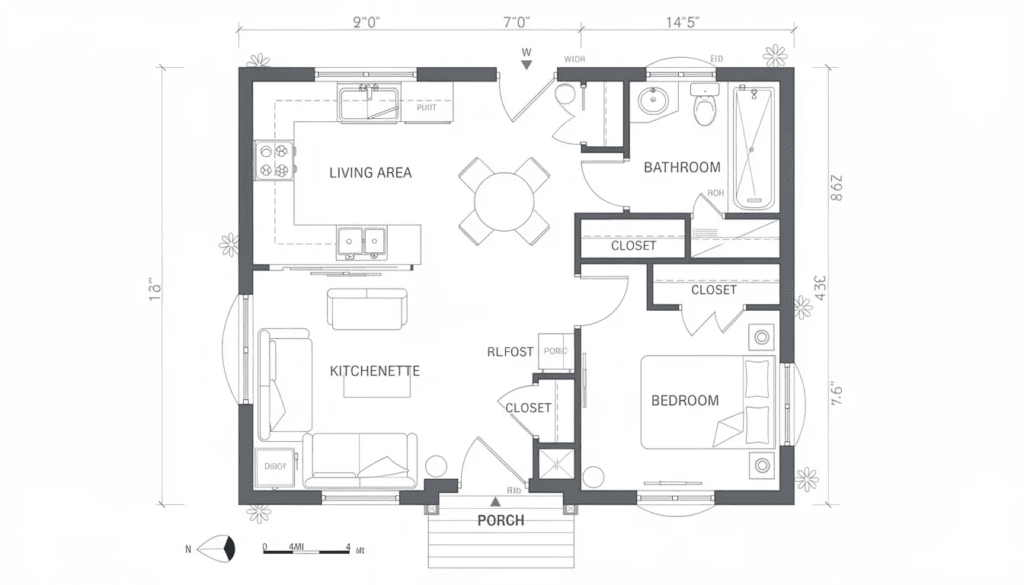
A granny pod is a compact accessory dwelling unit designed as a self-contained living space, typically placed in the backyard of an existing property. These structures—also called granny flats or guest house units—include everything needed for independent living within a surprisingly efficient footprint.
Typical granny pod floor plans pack a bedroom, full bathroom, and combined living area with a kitchen or kitchenette into 250–800 sq ft. This makes them ideal for elderly family members who want privacy, adult children transitioning between life stages, guests on extended stays, or tenants who can help pay down your mortgage.
In many U.S. cities like San Diego, Portland, and Austin, these units fall under ADU zoning laws with size caps often around 800 sq ft. Reading an ultimate guide to accessory dwelling units (ADUs) and understanding your local regulations is the first step before selecting any house plans.
Core characteristics of granny pod floor plans:
- Self-contained living with private entrance
- Typically 250–800 sq ft in total living space
- Includes bedroom, bathroom, and kitchen area
- Connects to main house utilities for water, electricity, and sewer
- Designed for aging in place with accessibility features
- Regulated as accessory dwelling units in most municipalities
Key Benefits of a Thoughtful Granny Pod Floor Plan
Good floor planning transforms a granny pod from a cramped afterthought into an incredibly functional home. When you invest time in selecting the right layout, you create a space that supports comfort, safety, and long-term flexibility for multi generational living.
Comfort and family connection:
- Being steps away from family while maintaining your own quiet, private space
- Example: Parents aging in place behind a 3-bedroom main house can share meals with the family but retreat to their own living area when they need rest
- Keeping loved ones close without the friction of shared walls and schedules
Privacy and independence:
- Separate entrance lets occupants come and go freely
- Dedicated kitchen or kitchenette for preparing meals on their own schedule
- Private bathroom with no waiting or sharing
- Sound-buffered walls create a stress free separation from the main house
Assisted living potential:
- Step-free showers and grab bars support safe bathing
- 36-inch-wide doorways accommodate walkers and wheelchairs
- Open floor layouts allow clear sightlines for caregivers
- Space planned for medical equipment if needed in the future
Financial upside:
- Using the unit as a furnished rental for travel nurses, remote workers, or guests generates income
- Rental revenue can help pay the primary mortgage
- Renting to family members at below-market rates still provides housing value
Property value boost:
- Adding 400–800 sq ft of legal living space often increases resale value
- High-demand markets like California and Washington State see strong returns on permitted ADUs
- Creates more space on your land without expanding the main house footprint
Core Elements of a Granny Pod Floor Plan
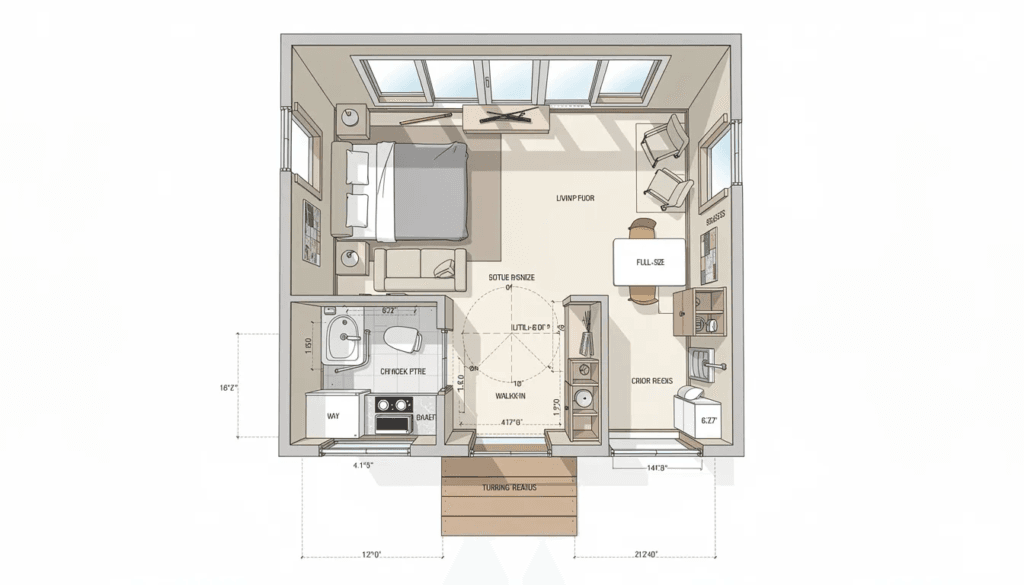
Even the smallest granny pod must balance four essentials: sleep, cook, bathe, and relax. Getting these zones right—with appropriate dimensions and functional layouts—makes the difference between a cozy retreat and a cramped box.
Bedroom:
- Common sizes range from 10’ x 10’ in compact studios to 12’ x 12’ in larger pods
- Room for a queen bed plus nightstands on both sides
- Built-in wardrobes or reach-in closet to maximize floor space
- Clear floor area for maneuvering mobility aids like walkers
- Positioning bedroom away from kitchen noise improves sleep quality
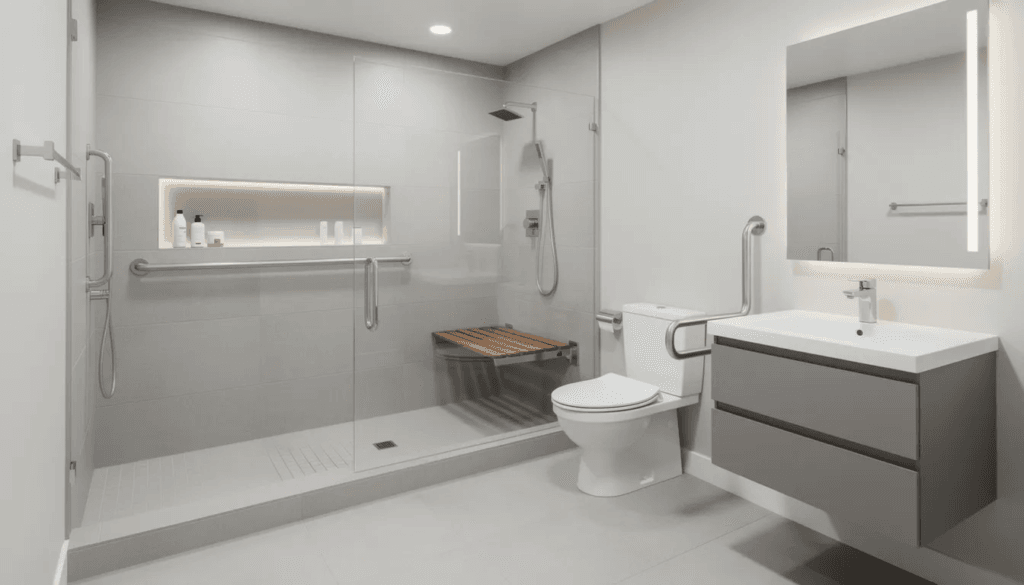
Bathroom:
- Typical accessibility-oriented bathroom measures 5’ x 8’
- Curbless shower with built-in bench for safe bathing
- Non-slip tile flooring throughout
- Grab bars at toilet and shower areas
- Lever faucets that are easier to operate than knobs
- Adequate storage for toiletries and medical supplies
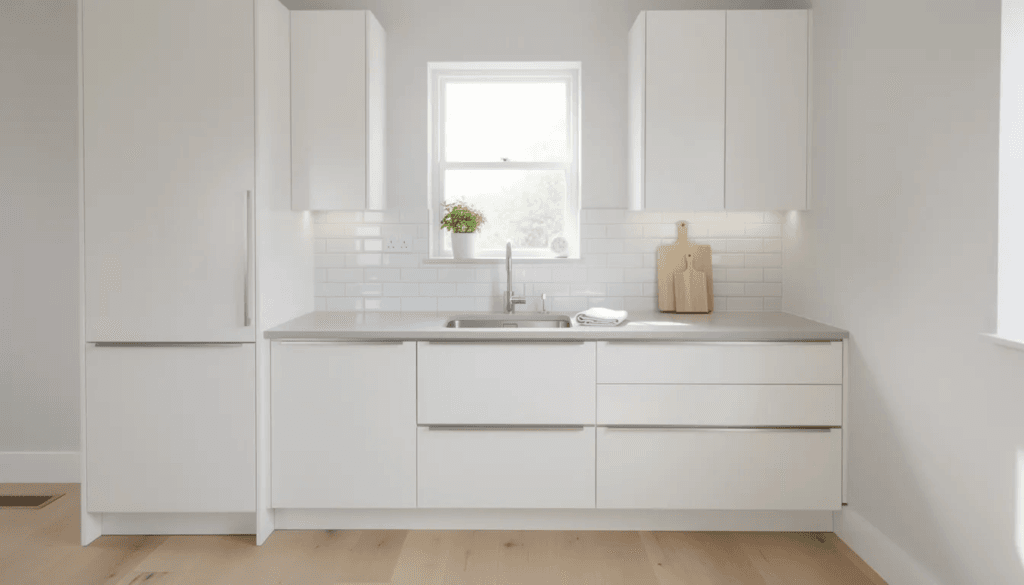
Kitchen/kitchenette:
- Compact layouts work with 24”–30” range or cooktop
- Under-counter or apartment-size refrigerator (typically 10–18 cubic feet)
- 24” dishwasher saves counter space while providing convenience
- Counter depth of 18”–24” keeps the kitchen area efficient
- U-shaped layouts maximize storage; single-wall layouts save square footage
- Small island can add prep space and casual dining in larger plans
Living area:
- Combined living and dining room typically 10’ x 12’ or larger
- Room for a loveseat or small sofa plus one or two chairs
- TV wall with space for entertainment center
- Fold-out or drop-leaf table for dining, hobbies, or working from home
- Clear traffic paths from entrance to all rooms
Storage:
- At least one reach-in closet; a walk in closet is ideal in larger pods
- Overhead cabinets in kitchen for dishes and pantry items
- Small linen or utility closet for towels, cleaning supplies, and everyday essentials
- Built-in shelving in living area reduces furniture needs
Outdoor connection:
- Front or side porch creates transition space and expands perceived interior size, much like the indoor-outdoor flow seen in many Swedish tiny houses for cozy living)
- Small patio off the bedroom or living area for morning coffee
- Sliding doors or French doors that maximize light and space bring natural light deep into the floor plan
- Connection to the garden makes compact interior spaces feel larger
Popular Granny Pod Floor Plan Sizes & Layout Types
Square footage drives layout choices, construction costs, and what you can legally build under local ADU rules. Reviewing tiny house floor plans that work well in small spaces and understanding common size bands helps you match plans to both your budget and your family’s needs.
Micro studio pods (250–300 sq ft): (for inspiration, see top tiny house designs for modern living)
- Single open room with Murphy bed or sleeper sofa
- Kitchenette along one wall with compact appliances
- Compact 3-piece bathroom (toilet, sink, shower)
- Best suited for short stays, very independent occupants, or guests
- Example: 276 sq ft studio with sleeping niche behind sliding doors
1-bedroom granny pods (350–500 sq ft): (similar to many of the great tiny homes that redefine small-space living)
- Separate bedroom provides privacy and quiet
- Open living and kitchen zone for daily activities
- Full bathroom with accessibility features
- Common footprints: 16’ x 24’ or 18’ x 28’
- Ideal average size for a single occupant or couple
2-bedroom layouts (500–750 sq ft): (often benefiting from custom tiny homes designed for specific needs)
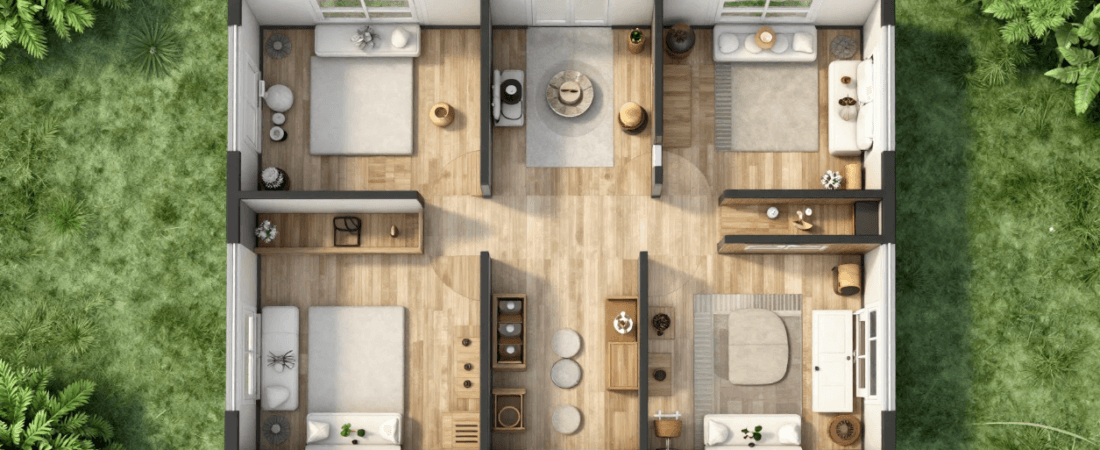
- Central living and kitchen area with bedrooms on either side
- Privacy for multiple occupants (caregiver plus elder, or two guests)
- Often includes one full bathroom plus a half bath
- Stackable washer/dryer near entry or in bathroom
- Good for families who anticipate changing needs over time
Larger 3–4 bedroom ADU concepts (700–1,000 sq ft):
- Extended families or blended households
- Multiple bathrooms for privacy
- More formal living and dining zones
- Higher-yield rental potential in permissive markets
- Typically requires larger property and may face stricter zoning laws
Common layout styles:
- Linear “railroad” plan: Rooms arranged in a row, efficient for narrow lots
- L-shaped plan: Fits corner lots and creates private outdoor courtyard
- Square plan: Central living core with bedroom and bath branching off sides
Design Considerations Specific to Granny Pod Floor Plans
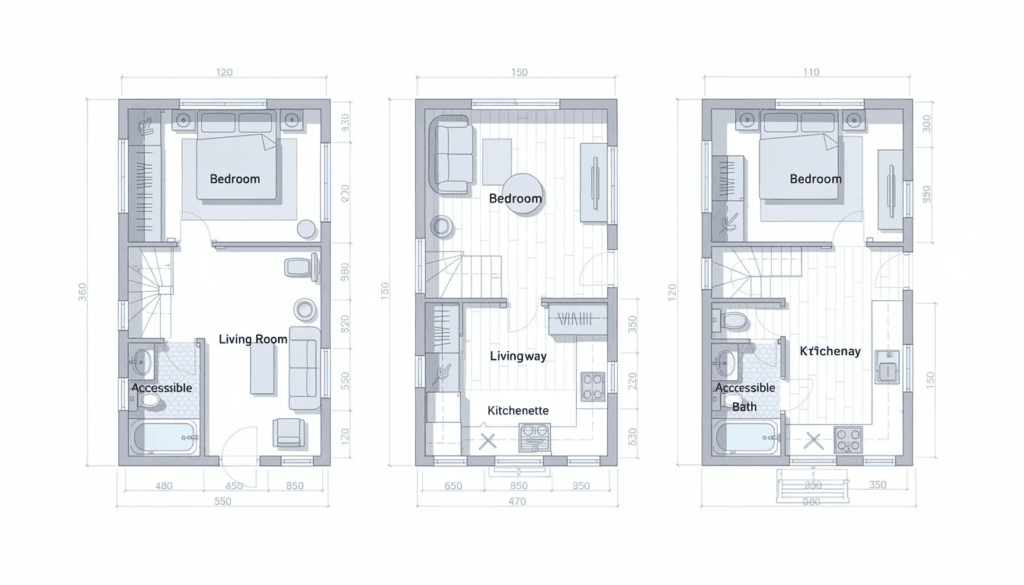
Designing for aging in place and local code compliance matters as much as choosing finishes and style. A beautiful pod that doesn’t meet building codes or support safe mobility fails at its core purpose.
Accessibility:
- 36” wide doors throughout (minimum; 42” preferred for wheelchairs)
- Hallways 42”–48” wide for clear passage
- No-step entries with low-threshold or sliding exterior doors
- At least one operable window in the bedroom for emergency egress
- Rocker light switches positioned at accessible heights
Safety:
- Non-slip flooring in bathroom, kitchen, and entryway
- Motion-sensor lighting in hallways and bathroom for nighttime navigation
- Smoke and CO detectors in bedroom and living area
- Clear sightlines from kitchen to living area for monitoring
- Rounded countertop edges to prevent injury from falls
Privacy:
- Position the pod so bedroom windows face the garden rather than the main house
- Use fencing, trellises, or landscaping to screen views between structures
- Separate entrance path from main house traffic patterns
Noise control:
- Sound-insulating batts in walls shared with living areas
- Insulated ceilings if near main house or property lines
- Soft finishes like area rugs, curtains, and upholstered furniture absorb sound
Zoning and regulations:
- Many municipalities cap detached ADUs at 800–1,000 sq ft
- Common setback requirements: 4’ from rear and side property lines (typical in many California cities)
- Height limits often restrict pods to single-story construction
- Some areas require off-street parking or limit rental use
- Check necessary permits before finalizing any floor plan
Utility connections:
- Plan wall locations around straightforward runs for water, sewer, and electrical
- Stack wet rooms (kitchen sink and bathroom) on the same wall to reduce plumbing costs
- Position HVAC equipment for efficient heating and cooling
- Consider mini-split systems for climate control without ductwork
Sample Granny Pod Floor Plan Ideas
Visualizing actual layouts helps translate square footage into real living arrangements. Exploring tiny house plans that fit your life and these example plans illustrates how different sizes serve different needs and lifestyles.
390 sq ft “cottage” pod:
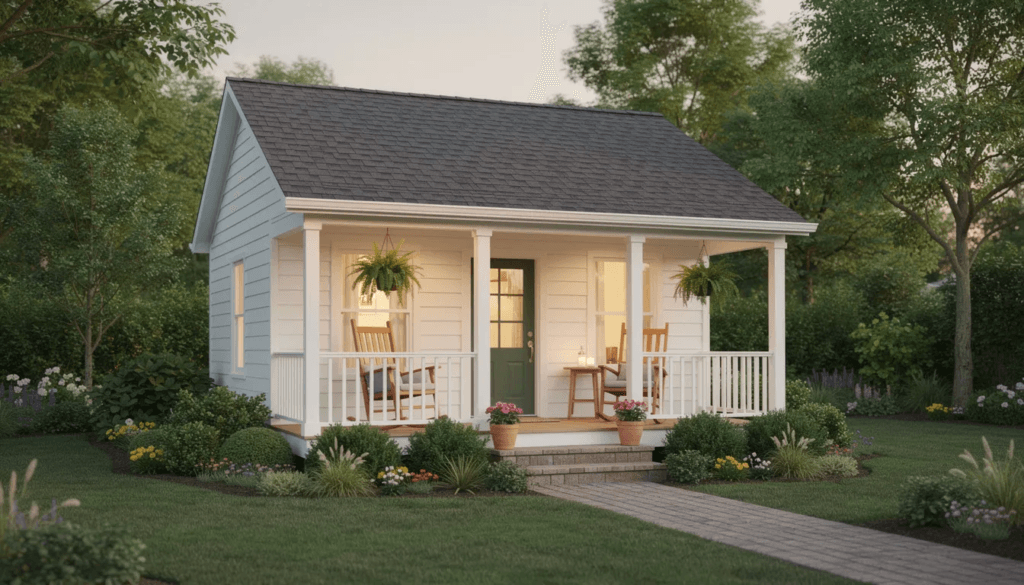
- 6’ deep covered front porch with room for two rocking chairs
- Combined living and kitchen zone centered around a small island
- Full bathroom off a short hallway
- Rear bedroom with direct door to backyard
- Ideal for: Single occupant who enjoys outdoor connection
496 sq ft vaulted pod:
- Vaulted ceiling over open living and kitchen creates spacious feel
- Single bedroom and full bath positioned off one side
- Stacked washer/dryer tucked near entry closet
- Large windows flood interior with natural light
- Ideal for: Couple wanting more space without sacrificing efficiency
Approx. 450 sq ft “storage-smart” pod:
- Large walk in closet off bedroom eliminates need for extra room dressers
- Oversized bathroom with space for roll-in shower
- Front porch sized for two chairs and small table
- Functional kitchen with full-size appliances
- Ideal for: Aging parents requiring extra room for medical equipment
Luxury 700+ sq ft pod: (where thoughtful tiny house interiors that maximize every square foot become especially important)
- 2-bedroom layout with central great room
- Full kitchen with eating island and quality finishes
- Two bathrooms (one en-suite off primary bedroom)
- Sliding doors from main bedroom to private patio
- Ideal for: Caregiver living with elder, or high-end rental income
Tiny 276–300 sq ft studio: (a size often achieved with tiny house kits from major retailers)
- Sleeping niche behind sliding doors separates bed from living
- Galley kitchenette maximizes counter and storage in minimal space
- Stackable washer/dryer in bathroom or closet
- Compact but fully accessible bathroom with swing-out grab bars
- Ideal for: Short-term guests or highly independent occupants
Cost, Construction, and Choosing the Right Granny Pod Plan
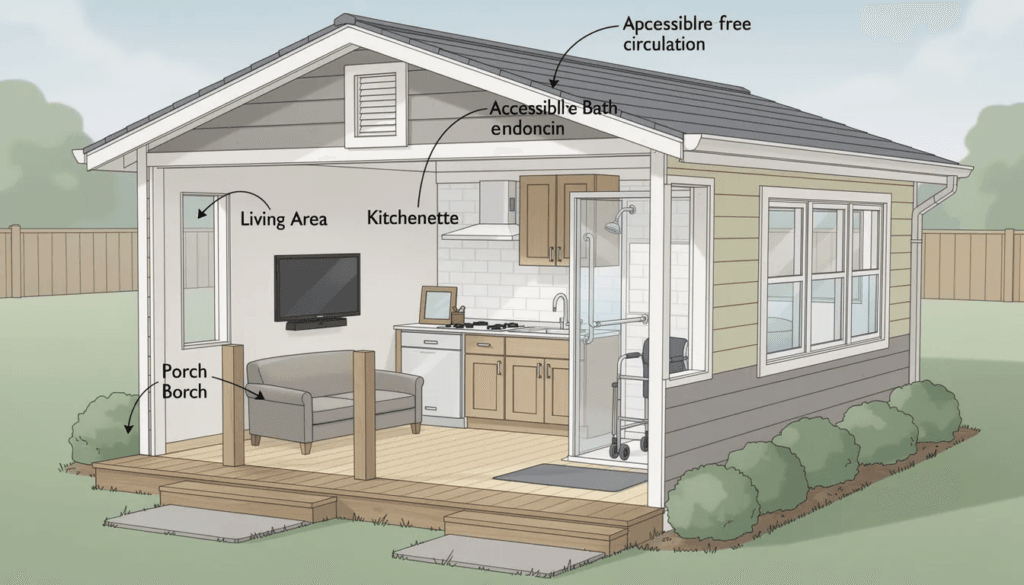
Cost depends heavily on size, level of finish, and whether you choose a prefabricated unit or site-built construction. Understanding the entire process—from design through permitting to construction—helps you budget realistically and avoid surprises.
Prefabricated vs. site-built:
- Prefabs can reduce build time and sometimes costs through factory efficiency
- Many prefab pods can assemble on site in weeks with basic tools
- Site-built pods integrate more seamlessly with existing architecture
- Custom site construction allows floor plans tailored to your exact property and needs
- Prefabs may have limited customization options for floor layout
Budget ranges (2024 estimates):
- Many U.S. homeowners spend roughly $120,000–$250,000 for a permitted 400–800 sq ft backyard ADU
- Costs vary significantly by region (California and coastal cities trend higher)
- Finish level dramatically affects price—basic finishes vs. luxury materials
- Utility connections and site prep can add $10,000–$30,000 depending on distance from main house
Permits and timeline:
- Design and permitting typically takes 2–6 months in regulated markets
- Construction spans 3–8 months depending on complexity and contractor availability
- Factor in time for inspections at foundation, framing, and final stages
- Working with an ADU specialist familiar with local codes streamlines the project
Selecting the right plan:
- Match floor plan to occupant’s current and anticipated mobility needs
- Consider how the space might transition: from parent care to rental to home office
- Explore both stock plans and custom designs to find the best fit
- Search for plans specifically designed for accessibility if aging in place is the goal
Create a checklist before choosing:
Must-Haves | Nice-to-Haves |
|---|---|
Step-free entry | Covered porch |
Full kitchen | Vaulted ceilings |
Accessible bathroom | Walk in closet |
Dedicated laundry | Island kitchen |
Private bedroom | En-suite bathroom |
Working with local designers or ADU specialists who understand your city’s codes ensures that any floor plan you select can be adapted safely and legally. They can help navigate setback requirements, height limits, and utility connection rules while maintaining the charming, functional design you envision. |
Whether you’re creating a comfortable retreat for aging parents, a rental unit to generate income, or flexible space for your family’s changing needs, the right granny pod floor plan makes all the difference. Start by defining your priorities, understanding your local regulations, and exploring layouts that balance efficiency with livability.