
A 600 sq ft home might sound small on paper, but for a growing number of people, it represents the ideal balance between livability and practicality. Whether you’re a single professional seeking minimalist independence, a couple prioritizing low-maintenance living, or a property owner looking to create rental income through an ADU, this compact footprint delivers real advantages.
This guide covers everything you need to know about planning, building, and designing a 600 square feet home. You’ll find floor plan ideas, realistic cost breakdowns, comparisons between kit homes and traditional construction, and practical design tips to make every inch work harder.
- Quick Overview of a 600 Sq Ft Home
- Popular 600 Sq Ft House Plan Types
- Sample 600 Sq Ft Floor Plan Ideas
- Cost to Build a 600 Sq Ft Home
- Kit Homes vs Traditional Construction at 600 Sq Ft
- Design Tips for Living Comfortably in 600 Sq Ft
- Using a 600 Sq Ft Home on Your Property
- How to Customize a 600 Sq Ft Plan to Fit Your Life
- Frequently Asked Questions About 600 Sq Ft Homes
- Next Steps: Planning Your 600 Sq Ft Home
Quick Overview of a 600 Sq Ft Home
A 600 sq ft home typically measures around 20 feet by 30 feet or 24 feet by 25 feet, forming a rectangular footprint that fits comfortably on urban infill lots, suburban backyards, or rural parcels. Think of it as roughly the size of a two-car garage—compact, but surprisingly livable when designed with intention.
This type of home suits singles seeking affordable independence, couples who want intimacy over sprawl, downsizers looking to eliminate financial burdens, and ADU owners building a guest house for aging parents or rental income. The popularity of these small homes has surged between 2024 and 2026, driven by skyrocketing housing costs, zoning reforms in cities like Seattle and Portland allowing secondary units, and a cultural shift toward sustainable living.
Typical layouts include studios with fully open living-sleeping-kitchen zones, one bedroom configurations combining living and dining into 300-400 square feet of multifunctional space, or compact 2-bedroom setups with rooms around 9×10 feet each. Key benefits include construction costs 40-60% lower than larger homes, annual utility bills dropping to $500-1000 versus $2000+ for traditional houses, easier maintenance, and the opportunity to generate $1500-3000 monthly through short-term rentals in high-demand areas.
Popular 600 Sq Ft House Plan Types
A 600 sq ft footprint can accommodate several distinct layout types depending on your lifestyle and needs. The key is selecting a plan that matches how you actually live rather than trying to squeeze a conventional home into a tiny box.
Studio Plans dominate for solo dwellers, featuring undivided 400-500 square foot main areas with Murphy beds, fold-out desks for remote work, and galley kitchens along one wall. These work best for urban singles who value simplicity and spend most of their time in shared community spaces.
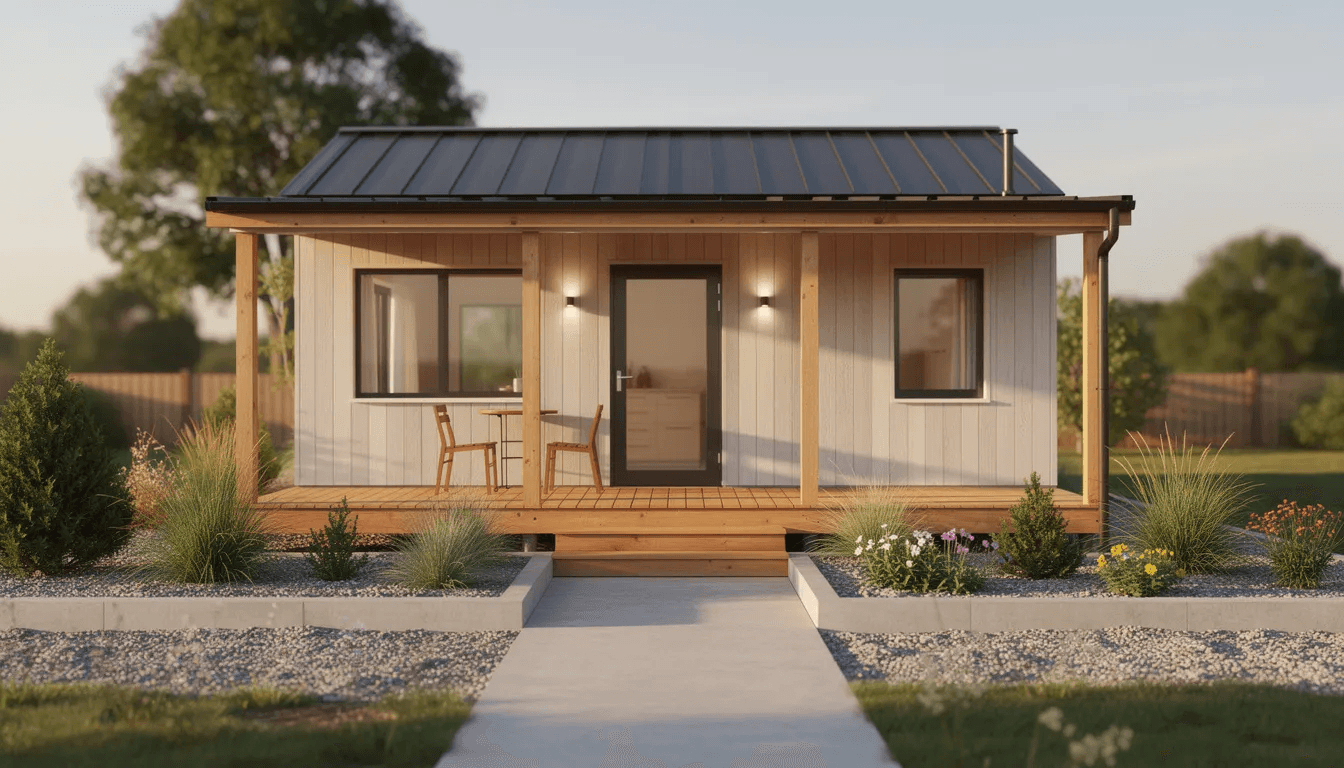
One-Bedroom Cottages offer a small covered front porch of 50-100 square feet, open living and dining of around 250 square feet, a U-shaped kitchen with pantry closet, a rear bedroom of 120 square feet, and a full bath with tub or shower combo. Retirees and couples who appreciate cozy separation find this type ideal.
Compact 2-Bedroom Variants squeeze two 9×10-foot bedrooms, one full bath, combined living and kitchen, and a laundry nook into the same footprint. This arrangement suits young families, multi-generational setups, or short-term rentals accommodating couples plus a guest—though multi-functional furniture becomes essential.
ADU or Garage Apartment Styles integrate ground-level parking with upper-level private quarters, including open living and kitchen, bedroom, and bath. Suburban property owners can generate $2000+ monthly rental income while complying with setback rules, especially when they understand accessory dwelling unit benefits, types, and regulations.
Vacation Cabin Plans emphasize rustic charm with front porches, loft sleeping areas over main living spaces, and prioritize views and decks over permanence. Weekenders looking to build on recreational land often select this type and may draw inspiration from elegant tiny homes that redefine modern living.
Sample 600 Sq Ft Floor Plan Ideas
Rather than abstract concepts, here are three realistic example layouts that demonstrate how 600 square feet can be configured for different lifestyles. Each represents a workable design you might find among actual house plans from established providers or among great tiny homes that redefine small space living.
Urban Studio 600
This layout spans approximately 22 feet by 27 feet and allocates 450 square feet to an open living and sleeping area with a sofa bed and fold-down desk for remote work. A 60-square-foot galley kitchen runs along one wall, featuring stacked appliances and a pull-out pantry. The 50-square-foot bathroom includes a corner shower. Large triple-pane windows on south and west walls provide passive solar gain and visual expansion, while built-in wall cabinets and under-bed drawers store 80% of possessions out of sight.
Cottage 600 – 1 Bed, 1 Bath
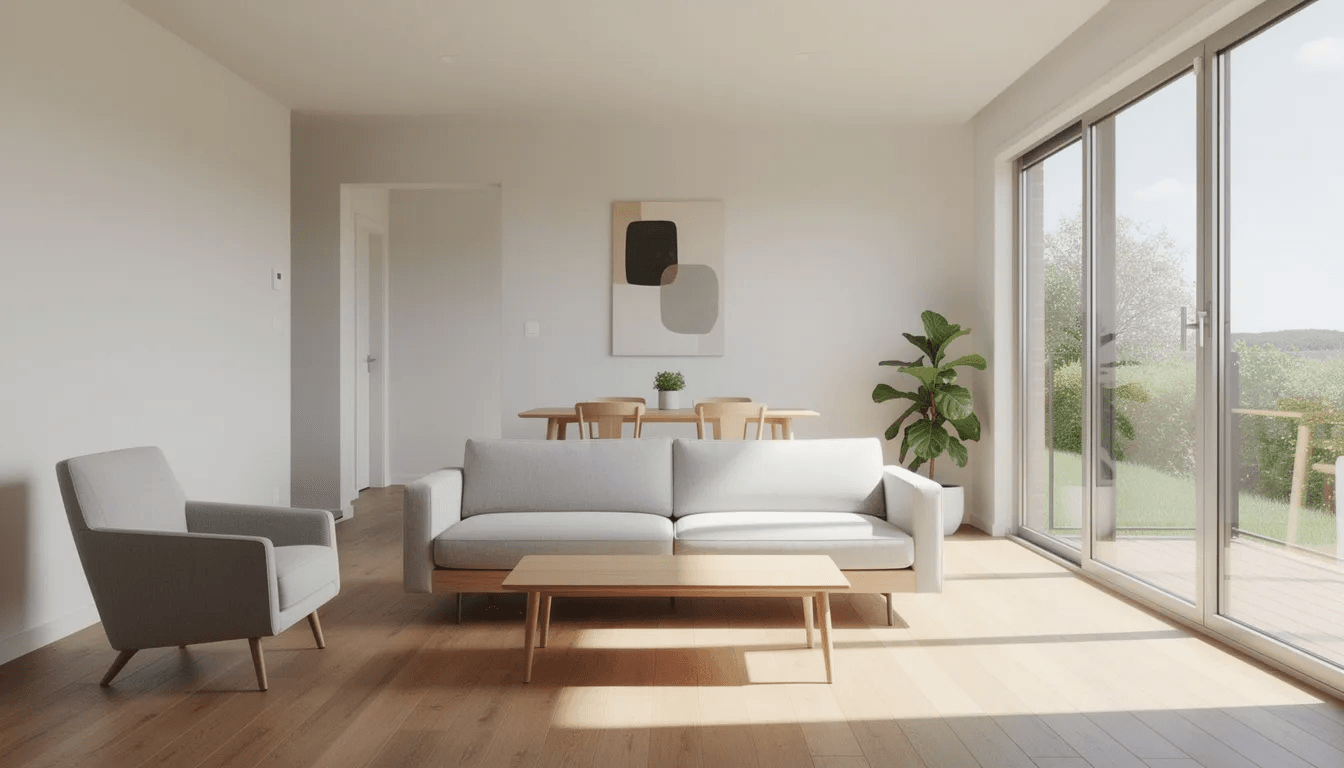
Spanning 24×25 feet including a 6×20-foot covered front porch, this floor plan divides the interior into a 200-square-foot combined living and dining area, an 80-square-foot U-shaped kitchen with island bar, a 120-square-foot rear bedroom with closet, and a 60-square-foot full bath with tub and shower plus linen storage. Vaulted 10-foot ceilings in the main area and sliding glass doors to a rear deck make the space feel significantly larger than its dimensions suggest. Storage integrates through window seats and tall wardrobes.
Flexible 600 – 2 Bed, 1 Bath
At 20×30 feet, this plan positions two 9×10-foot bedrooms flanking a central 50-square-foot bath with stackable washer and dryer. The front features an open-concept 250-square-foot kitchen and living space with L-shaped counters and peninsula seating. Ceilings vault from 8 feet to 12 feet in the living zone, with floor-to-ceiling windows and deck access. Storage integrates via lofted under-eave cubbies, built-in bedroom desks, and kitchen appliance garages.
Cost to Build a 600 Sq Ft Home
Actual costs vary significantly by region, building materials, and whether you choose site-built or prefabricated construction. Understanding these variables helps you create a realistic budget before committing to any plan.
For site-built structures in 2024-2026, expect to pay $150-300 per sq ft depending on location and finish level. This translates to total builds of approximately $90,000-$180,000 excluding land, similar to many affordable tiny house designs and builds:
Build Type | Cost Per Sq Ft | Total Estimate |
|---|---|---|
Basic cabin finish | $150 | $90,000 |
Mid-range traditional | $200 | $120,000 |
Modern high-end | $300 | $180,000 |
Additional line items can add 20-50% to your base cost: |
- Land acquisition: $20,000-$100,000 per urban lot
- Permits: $2,000-$10,000
- Utility connections: $5,000-$15,000 for septic, well, or city ties
- Impact fees: $3,000-$20,000 in growth areas
- Concrete slab foundation: $8,000-$12,000
- Basic landscaping: $2,000-$5,000
- Space-efficient furnishings: $5,000-$15,000
Compared to larger homes, a 600 sq ft unit can cut mortgage payments by 50-70%. For example, $600 per month at 7% interest on a $100,000 loan versus $2,000 on a $400,000 loan. Annual utilities typically run $800 versus $2,000, making it easy to reduce overall housing expenses by 20-40% in many markets.
Kit Homes vs Traditional Construction at 600 Sq Ft
The choice between a kit home and traditional construction represents one of the most significant decisions you’ll make. Each approach offers distinct advantages depending on your priorities.
Kit homes employ panelized walls, structural insulated panels (SIPs) with R-24+ values for 40% energy savings, or modular sections factory-assembled in 4-8 weeks then trucked onsite for 1-2 week erection. Benefits include predictable pricing with roughly 5% variance, controlled quality through indoor production immune to weather delays, and faster timelines of 2-4 months total versus 6-9 for stick-built. Modern 600 sq ft kit options from providers like Truoba cost $400-700 for base plans, with installed shells running $100-200 per sq ft, similar in concept to tiny house kits available from big-box retailers.
Traditional stick-built construction uses on-site lumber framing, allowing infinite layout modifications, adaptation to sloped or irregular lots via custom foundations, and local materials sourcing for authenticity. However, expect 20-40% cost overruns from labor shortages and weather delays. The process takes 4-6 months post-permits for foundation, framing, and finishes.
Concrete comparison: A prefab 600 sq ft SIPs modern kit costs approximately $120,000 installed with vaulted ceilings and triple glazing for superior insulation, erecting in 6 weeks. A comparable site-built cottage runs $150,000, takes 4 months, but offers more customization for steep sites or unusual lot shapes.
Choose based on budget (kits favor under $150k), timeline (prefab wins for under 3 months), skilled labor availability, and desired customization depth.
Design Tips for Living Comfortably in 600 Sq Ft
Thoughtful design transforms 600 sq ft from cramped to spacious. These strategies maximize every inch while creating a home that feels generous rather than restrictive, echoing many inspiring tiny house interiors that maximize space.
Layout and flow:
- Embrace open-concept layouts merging kitchen, living, and dining into 300+ uninterrupted square feet
- Install sliding pocket doors instead of swing doors to save 20-30 sq ft of swing radius
- Keep hallways under 3 feet wide and minimize corridor space entirely
- Use half-walls or loft areas for separation without fully enclosing rooms
Visual expansion:
- Add vaulted ceilings rising 10-14 feet in main areas to increase perceived height by 25%
- Install floor-to-ceiling windows on at least one wall, targeting 30%+ glazing
- Include a 6-8 foot deep covered porch or deck to extend livable area by 200 sq ft seasonally
- Use continuous flooring like luxury vinyl plank throughout to unify spaces visually
Furniture and built-ins:
- Select multi-functional pieces: sofa beds, fold-down tables, ottoman benches with storage
- Build in entry cubbies capturing 80% of daily clutter
- Add window seats with lift-top storage and wall-hung cabinets
- Choose furniture that serves double duty rather than single-purpose pieces
Color and lighting:
- Apply light neutral palettes with one bold accent wall to reflect more light
- Layer lighting with recessed cans, pendants over counters, and task LEDs under cabinets
- Eliminate shadows that make small spaces feel smaller
Storage planning:
- Dedicate a minimum 24×48 inch closet per bedroom as required by code
- Include a 12-18 inch deep kitchen pantry
- Add a stacked washer and dryer closet at 24×36 inches
- Utilize loft space, under-stair areas, and under-bed drawers for hidden capacity
Using a 600 Sq Ft Home on Your Property
A 600 sq ft structure serves multiple purposes depending on your property and goals. Understanding these options helps you maximize the opportunity this footprint provides.
Primary dwelling: On rural 1-acre parcels, a 600 sq ft home works as an affordable primary residence with low ongoing costs. This suits singles, couples, or retirees who prioritize financial freedom over excess space.
Accessory dwelling unit (ADU): On suburban 0.25-acre lots, new laws like California’s AB 1033 permit 600-1200 sq ft units without owner-occupancy mandates. A backyard ADU positioned behind a 2500 sq ft primary home can yield $2200 per month in rental income after expenses when based on well-planned tiny house designs that fit your life.
Guest house or family suite: Provide independent space for aging parents or adult children while maintaining proximity. The 600 sq ft size offers dignity and privacy without the commitment of a full separate household.
Short-term rental: Vacation property owners can net $25,000-50,000 annually from a well-located 600 sq ft cabin. The footprint matches occupancy limits for 2-4 people while minimizing build and permitting hurdles, which is especially relevant in high-demand regions like small home communities and builders in Washington State.
Zoning considerations to check:
- Local caps on ADU size (often 600-1000 sq ft)
- Setback requirements (typically 4-5 feet)
- Parking mandates (usually 1 off-street space unless transit-adjacent)
- Utility separation requirements
For site planning, orient the home for privacy and sun exposure, with south-facing windows capturing 20-30% solar gains. Pair the structure with a patio of 200 sq ft, native gardens reducing water needs by 50%, or a carport doubling as covered storage, much like many modern micro houses from leading builders.
How to Customize a 600 Sq Ft Plan to Fit Your Life
Even within a compact footprint, plans can be tailored for specific needs without breaching the 600 sq ft limit. The key is prioritizing modifications that improve daily functionality over pure aesthetics.
Common modifications include:
- Moving non-loadbearing walls 2-4 feet to enlarge the kitchen by 20 sq ft
- Repositioning windows for better views or egress compliance (minimum 5.7 sq ft operable per bedroom)
- Adding 100 sq ft porches via ledger beams
- Reconfiguring baths for universal design with 36-inch doors and roll-in showers
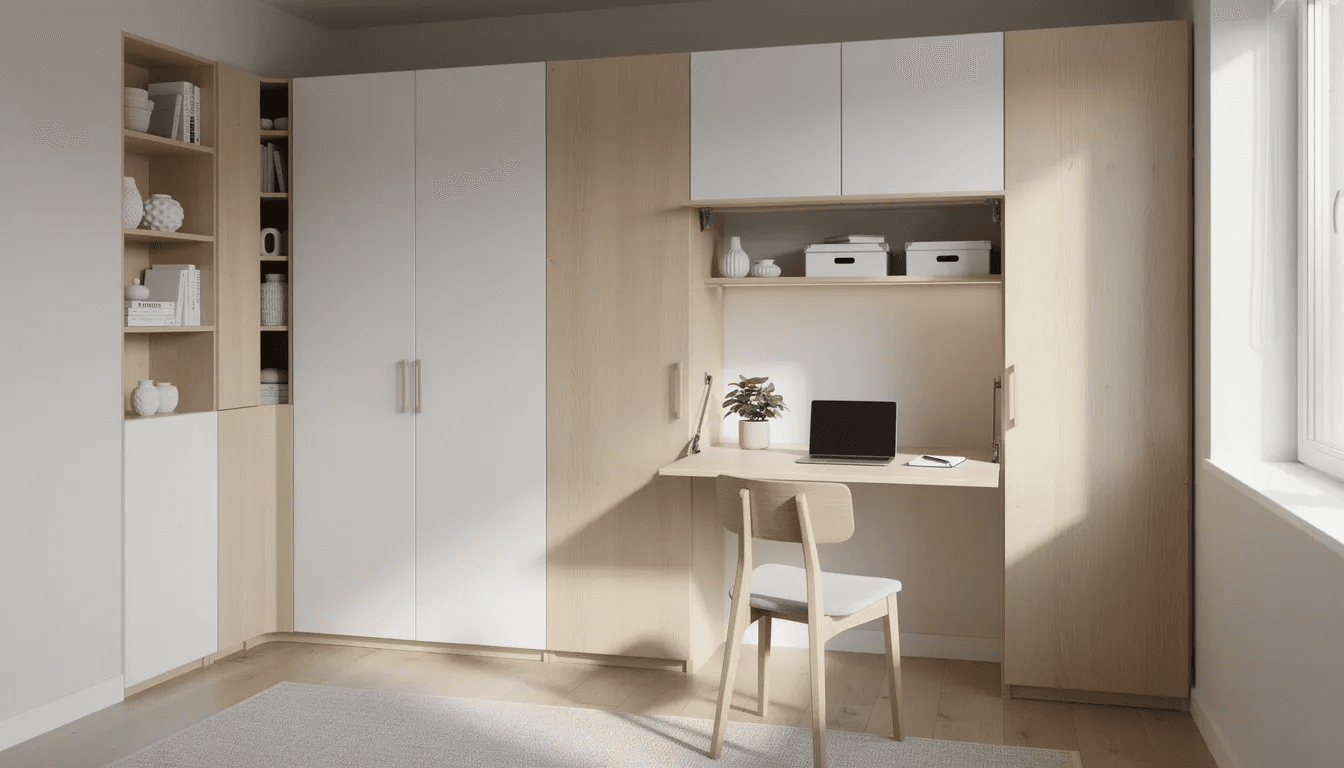
Work-from-home adaptations: Insert a 4×6 foot desk nook under stairs or in a corner of the living area. Good lighting and a view window make the space feel like a proper office.
Aging-in-place modifications: Widen halls to 42 inches, install lever hardware throughout, add grab bars in wet areas, and ensure zero-step entry.
Rental compliance: Add separate metering for utilities, upgrade soundproofing to STC 50+ walls, and ensure the unit meets all local rental licensing requirements.
The customization process:
- Select a stock plan ($500-1200 from plan providers)
- Hire a draftsman or designer ($2000-5000 for modifications)
- Submit engineered drawings for permits (2-8 weeks review)
- Get builder quotes with modification fees ($2-5 per sq ft)
- Finalize drawings and begin construction
Data from builders suggests 10-15% cost increases for modifications but 30% higher satisfaction rates among owners who customize.
Frequently Asked Questions About 600 Sq Ft Homes
Is 600 sq ft big enough for two people? Yes, particularly in open studio or one bedroom layouts with Murphy beds. User reviews from tiny home dwellers consistently report comfortable cohabitation for empty nesters and couples, though success requires storage discipline and respect for shared space.
Can a 600 sq ft home have two bedrooms? Absolutely. Plans like the 629 sq ft 2-bed, 1-bath layout demonstrate this works with rooms at approximately 100 sq ft each, meeting IRC minimums of 70 sq ft per bedroom.
How long does it take to build? Expect 3-6 months post-permits for stick-built construction: foundation takes 2 weeks, framing 4 weeks, and finishes 6-8 weeks. Kit homes can complete in 1-3 months depending on site preparation needs.
Can I finance a 600 sq ft house like a regular home? Yes, if it’s on a permanent foundation. Standard construction-to-permanent loans at 6-8% rates work the same as larger homes, and FHA or VA mortgages apply. Wheeled tiny homes face different rules, often requiring RV loans or cash purchases.
What building codes apply? Codes require a full kitchen with sink, stove, and refrigerator, a bathroom with 21-inch fixture clearance, bedroom egress windows of 5.7 sq ft opening with sill under 44 inches, minimum 7-foot ceilings (8 feet vaulted), and smoke and CO detectors.
What’s the difference between a foundation tiny home and one on wheels? A 600 sq ft home on a permanent foundation regulates as a site-built house, enabling traditional mortgages. A tiny house on wheels often evades building codes but cannot access conventional lending and faces restrictions on where it can be parked.
Do I need separate utilities for an ADU? Many municipalities require utility separation including separate metering. Check city or county codes before finalizing your plan.
Next Steps: Planning Your 600 Sq Ft Home
A 600 sq ft home offers a rare combination of affordability, efficiency, and design flexibility that suits many lifestyles. Whether you’re building a primary residence, generating rental income, or creating space for family members, this footprint delivers real value without excess.
Your action sequence:
- Define your goals: primary home, ADU, rental, or guest house
- Check local zoning for size limits, setbacks, and permit requirements
- Search and select a base plan from established providers
- Get a cost estimate from local builders or kit suppliers
- Plan your build timeline around permit processing and construction season
Before talking to a professional, gather inspiration photos from similar homes, compare 3-4 floor plans side by side, and make a prioritized wish list of must-haves versus nice-to-haves. Experience shows that homeowners who arrive with clear priorities get better results and faster decisions.
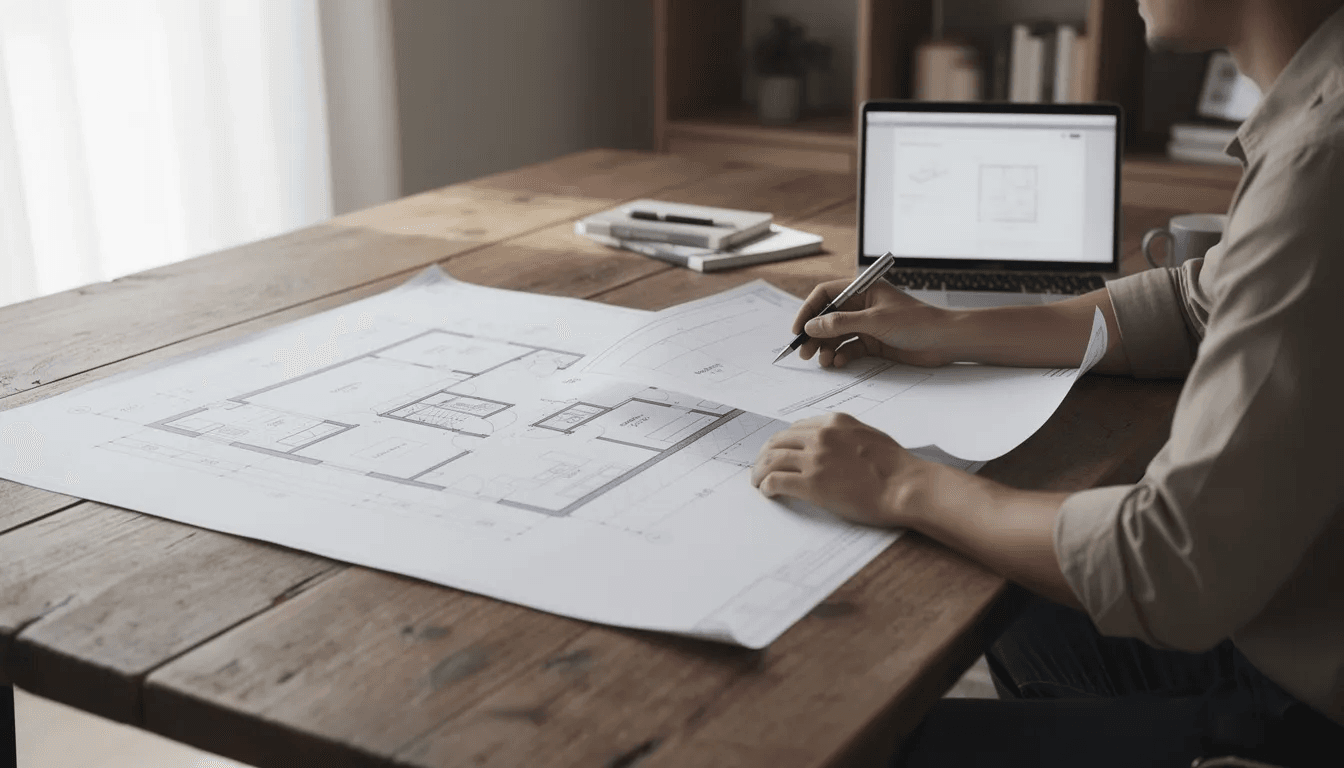
The path from research to reality starts with a single step. Choose one plan that excites you, request a quote, and move from dreaming about your 600 sq ft home to actually building it.