
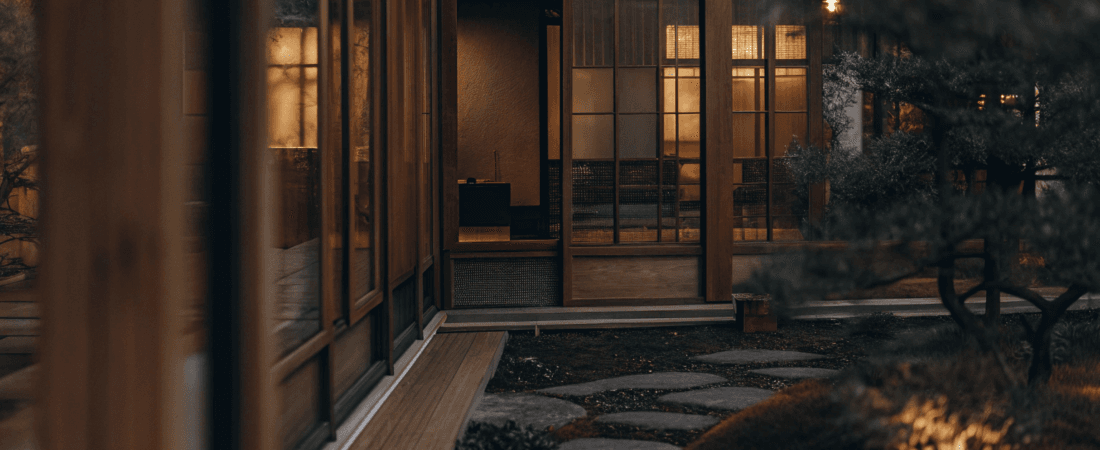
I’ve always been drawn to Japanese tiny house design because it’s about so much more than just living in a small space. It’s a way of thinking that mixes old traditions with new ideas. For me, it shows how you can live a full life with less stuff, focusing on what is truly important. It’s all about smart, simple, and beautiful living. I got really interested in how these homes use every inch of space without feeling crowded. It’s pretty amazing how they do it.
TLDR Summary
- Japanese design focuses on simplicity, natural light, and using space in multiple ways.
- Key ideas include shibui (simple beauty), wabi-sabi (finding beauty in imperfection), and Ma (the importance of empty space).
- Materials like wood, paper, and bamboo are common, bringing nature inside.
- Clever storage and flexible furniture are used to keep homes tidy and open.
- These designs offer a peaceful, organized, and sustainable way to live.
The Heart of Japanese Design
When I first started looking into these homes, I noticed a few core ideas that kept showing up. They aren’t just rules for building; they are philosophies that shape the entire feel of a home.
Shibui: Simple Beauty
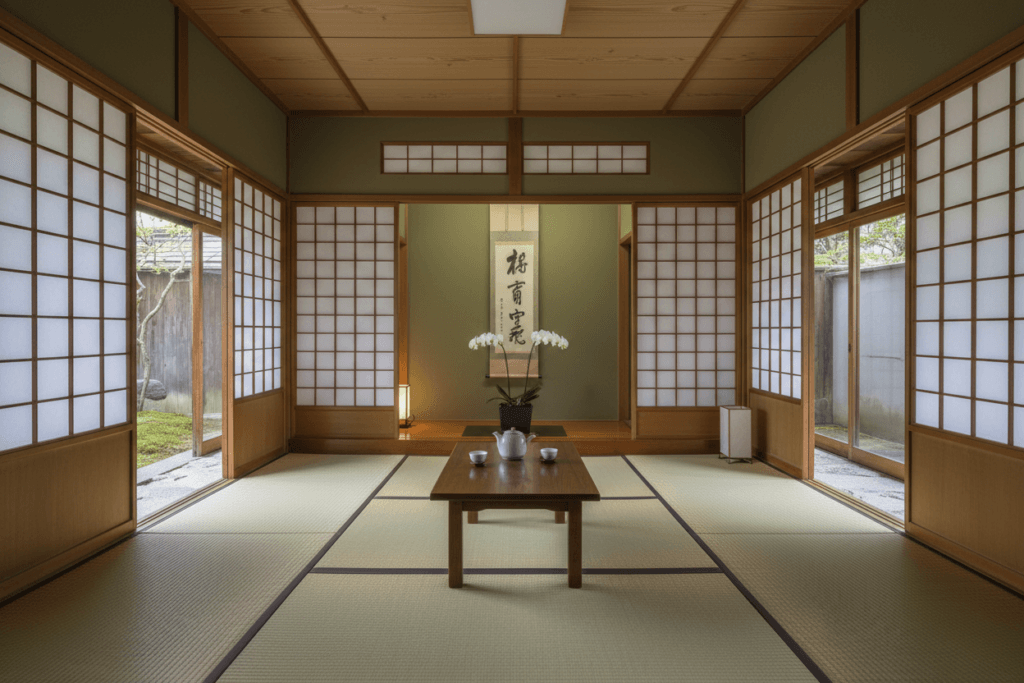
One of the first concepts I learned about was shibui. This is all about finding beauty in things that are simple and understated. It’s not about flashy decorations or bright colors. Instead, it’s about clean lines, neutral colors, and a feeling of calm. Think of a room with just a few well-made pieces of furniture and lots of open space. That’s shibui. It creates a home that feels peaceful and not at all cluttered. It taught me that you don’t need a lot to create a beautiful space.
Wabi-Sabi: Perfect Imperfection
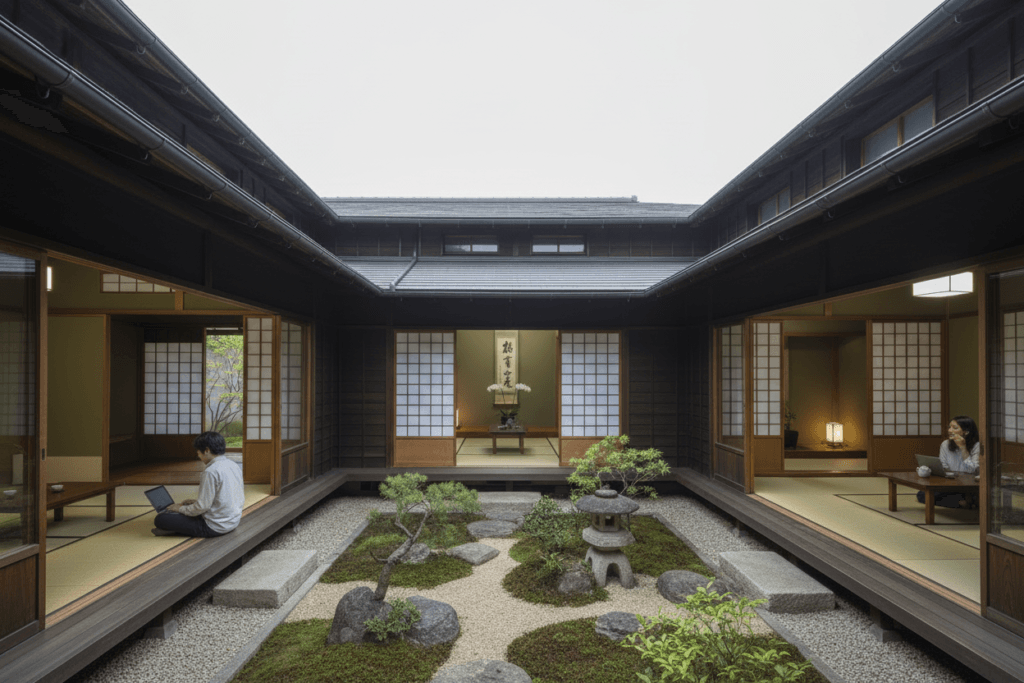
Then there’s wabi-sabi. This one was a little harder for me to grasp at first. It’s about accepting that things are not perfect and finding beauty in that. An old wooden table with a few scratches or a handmade ceramic bowl that isn’t perfectly round can be more beautiful than something mass-produced. It brings a sense of history and character to a home. It’s a nice reminder that life isn’t perfect, and that’s okay.
“Wabi-sabi is a beauty of things imperfect, impermanent, and incomplete. It is a beauty of things modest and humble.” – Leonard Koren
Ma: The Art of Empty Space
Ma is another big idea, and it’s all about empty space. In many Western designs, we try to fill every corner. But in Japanese design, the empty space is just as important as the objects in it. It gives your eyes a place to rest and makes the room feel larger and more open. This was a game-changer for me. Leaving some walls blank or having an open area on the floor can make a tiny home feel so much bigger.
Key Features in Action
Seeing how these ideas are put into practice is what really got me excited. The homes are packed with smart features that make tiny living totally doable.
Connecting with Nature
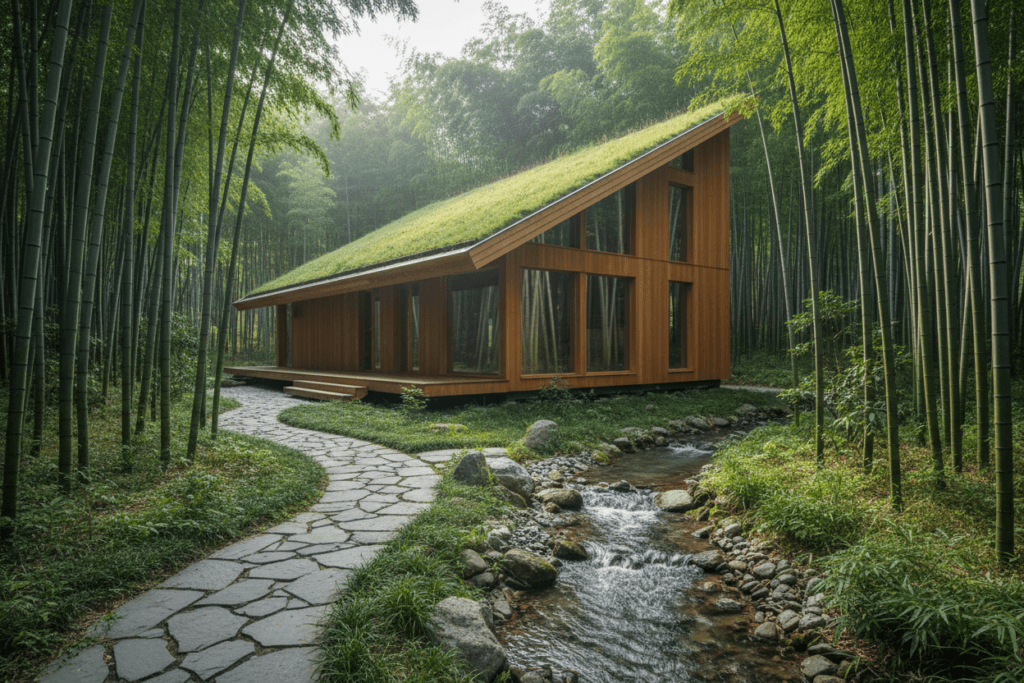
Bringing the outdoors in is a huge part of the design. Large windows and sliding glass doors are common, letting in lots of natural light and offering views of any nature outside. Materials like cedar, bamboo, and rice paper for screens are used everywhere. This makes the home feel like it’s part of the environment, not separate from it. I love how a simple wooden beam or a paper lantern can make a room feel so warm and natural.
Common Materials Used
| Material | Use in Home | Feeling it Creates |
|---|---|---|
| Wood (Cedar, Pine) | Beams, floors, walls | Warm, natural, and calming |
| Bamboo | Flooring, screens, decor | Strong, flexible, and sustainable |
| Rice Paper | Shoji screens, lanterns | Soft, diffused light, airy |
| Stone | Accents, pathways | Grounded, earthy, and cool |
Smart Use of Space
This is where things get really clever. Because space is limited, everything has to work hard.
Flexible Furniture
I saw so many examples of furniture that could do more than one thing. A table might fold away into the wall when you’re not eating. A couch might have hidden storage underneath. Tatami mats are a classic example. They can be a floor for sitting during the day and a base for a futon at night. This kind of flexibility means you can change a room’s purpose in minutes.
Hidden Storage
Clutter is the enemy of a tiny home. Japanese design tackles this with amazing storage solutions. You’ll find cabinets built into staircases, shelves hidden behind sliding panels, and storage under the floor. The goal is to keep everything out of sight so the living area stays open and clean. It’s like a magic trick—everything you own is right there, but you’d never know it.
Why This Design Works So Well
I think the appeal of Japanese tiny house design is that it offers more than just a place to live. It offers a different way to think about home. It’s about being intentional with your space and your belongings. Living in a home like this encourages you to let go of what you don’t need and to appreciate the simple things.
For me, it’s a response to our busy, cluttered lives. It’s a chance to create a personal sanctuary that is peaceful, organized, and beautiful. It proves that you don’t need a giant house to live a happy and comfortable life. You just need a space that is designed with care and thought. And that’s something I find really inspiring.