If you’ve been researching log for cabins, you’re likely asking a straightforward question: what types of logs work best, and how do you actually get started building one? This guide covers everything from log profiles and wood species to complete log cabin kits and custom packages designed for 2025–2026 construction.
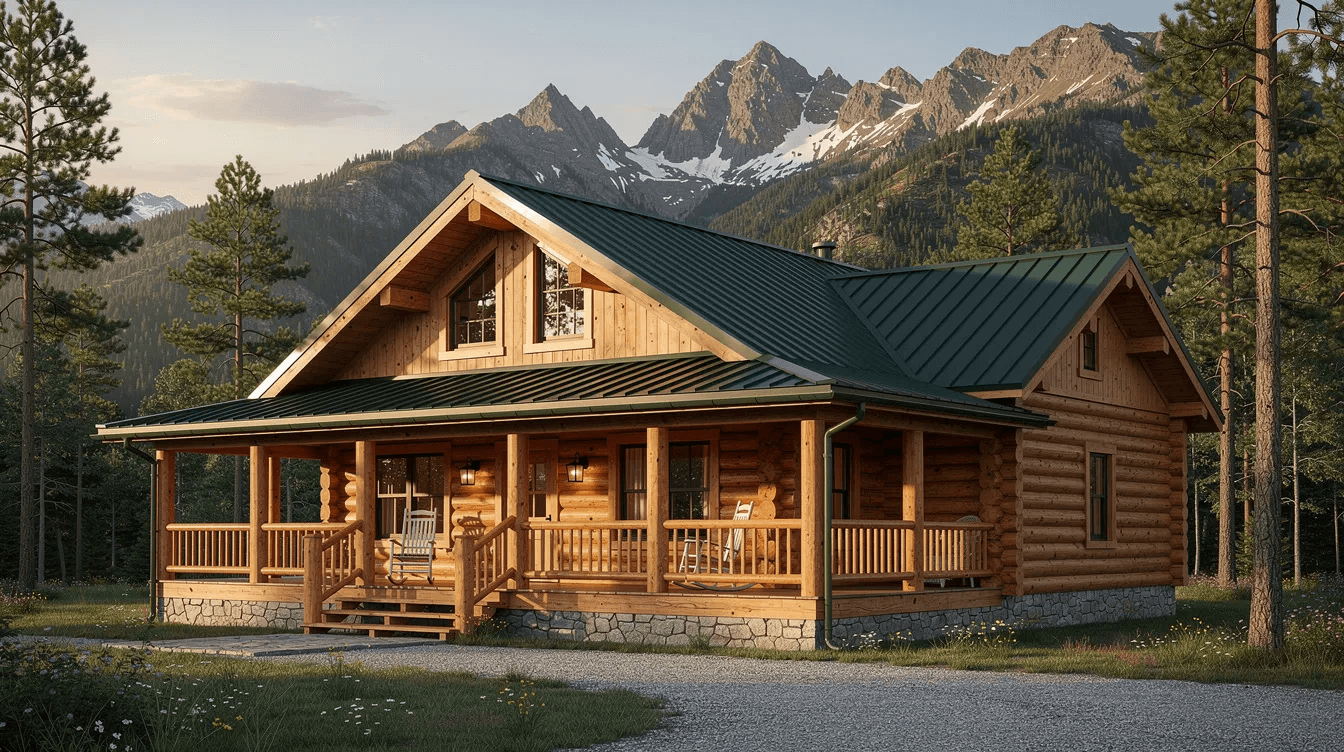
We specialize in log home packages and custom designs for primary residences, vacation cabins, and ADUs across the USA. Whether you’re planning a weekend retreat in the woods or a forever home for your family, understanding your options is the first step toward turning your vision into reality.
Here’s the quick answer: “log for cabins” refers to the structural logs used in construction—including round, square, D-shaped, and hand-hewn profiles—sourced from species like pine, cedar, cypress, or Douglas fir. These logs typically arrive as part of pre-engineered packages that include wall systems, framing lumber, and hardware for efficient assembly.
Ready to discuss your project? Contact our design team by phone or online form to start planning a build within the next 3–12 months.
- Custom Log Cabin Packages for Every Budget
- Log Profiles and Looks for Cabins
- Choosing the Best Wood Species for Cabin Logs
- Energy Efficiency and Thermal Performance of Log Cabins
- Types of Log Cabin Kits: From Tiny Cabins to Family Homes
- Planning Timeline: How Long It Takes to Build a Log Cabin
- Visit Our Model Cabins and Get Expert Help
Custom Log Cabin Packages for Every Budget
Our cabin packages range from simple weekend cabins under 900 sq ft to spacious family homes over 3,000 sq ft. Whatever your budget and lifestyle demand, there’s a package that fits.
We offer three design pathways, and once the shell is complete many owners focus on cozy log cabin interior ideas to transform their space:
- Pre-engineered plans with proven layouts ready for immediate ordering
- Semi-custom modifications that adjust room sizes, window placement, or porch configurations
- Fully custom designs built from your sketches, inspiration photos, or property requirements
Every package is engineered to current U.S. building codes (2021 IRC/IBC where required) and adapted for regional conditions—snow loads up to 60 psf in mountainous locations, wind speeds of 115–150 mph in coastal zones, and seismic design categories C through F.
Example price ranges:
- Shell packages for 2BR models start in the mid-$80,000s for materials
- Larger 3–4 bedroom homes run in the low $200,000s+ for materials
Each package is designed to minimize waste, shipping costs, and on-site cutting time. Precision milling keeps on-site waste under 5%, which saves money and simplifies construction.
What’s Included in Our Log Cabin Materials Packages
A typical “dry-in” shell package includes everything you need to get your cabin weathertight:
- Log wall system (6×8, 8×8, or 8×12 profiles depending on design)
- Exterior doors and windows with energy-efficient U-factors below 0.30
- Exterior trim for finished appearance
- Subfloor framing (2×10 joists at 16” on center)
- Porch posts and beams (often 8×8 Douglas fir)
- Deck framing materials
- Interior framing lumber for partition walls
- Basic hardware including lag screws and compression fittings
Common exclusions (unless added by contract):
- Foundation and site work
- HVAC, plumbing, and electrical systems
- Final roof covering (shingles or metal roofing)
- Interior finishes and cabinetry
All house logs are kiln-dried to 15–19% moisture content, which prevents 80% of the checking and settlement issues found in air-dried green logs. Combined with engineered connections and modern sealants, this approach delivers solid energy performance and long-term stability.
Levels of Service: We Build It, You Build It, or Hybrid
Not every homeowner wants the same level of involvement. We offer three pathways:
Full shell installation by our crew: Our team handles shell erection from foundation-ready to dry-in. Typical timelines run 3–8 weeks on site depending on cabin size and weather conditions.
Owner-builder projects: You purchase the materials and handle construction yourself. We provide detailed construction manuals, phone support, and site support to guide you through every detail. This option works well for customers with construction experience and a reliable crew.
Hybrid projects: Your local contractor handles the build using our plans and materials. We provide engineering stamps, construction documentation, and technical support throughout the project.
Our construction crew availability varies by state. Ask about service coverage in your ZIP code when you contact us.
Log Profiles and Looks for Cabins
Choosing your log for cabins is partly about structural performance—but it’s also about aesthetics. The external appearance of your cabin depends heavily on whether you select round, square, D-shaped, or hand-hewn profiles.
We can blend log walls with timber framing, board-and-batten accents, or stone bases for a modern rustic style. Think Appalachian mountain charm, Rocky Mountain lodge grandeur, or clean Scandinavian cottage lines—each look starts with the right log profile.
Hand-Hewn and Rustic Log Profiles
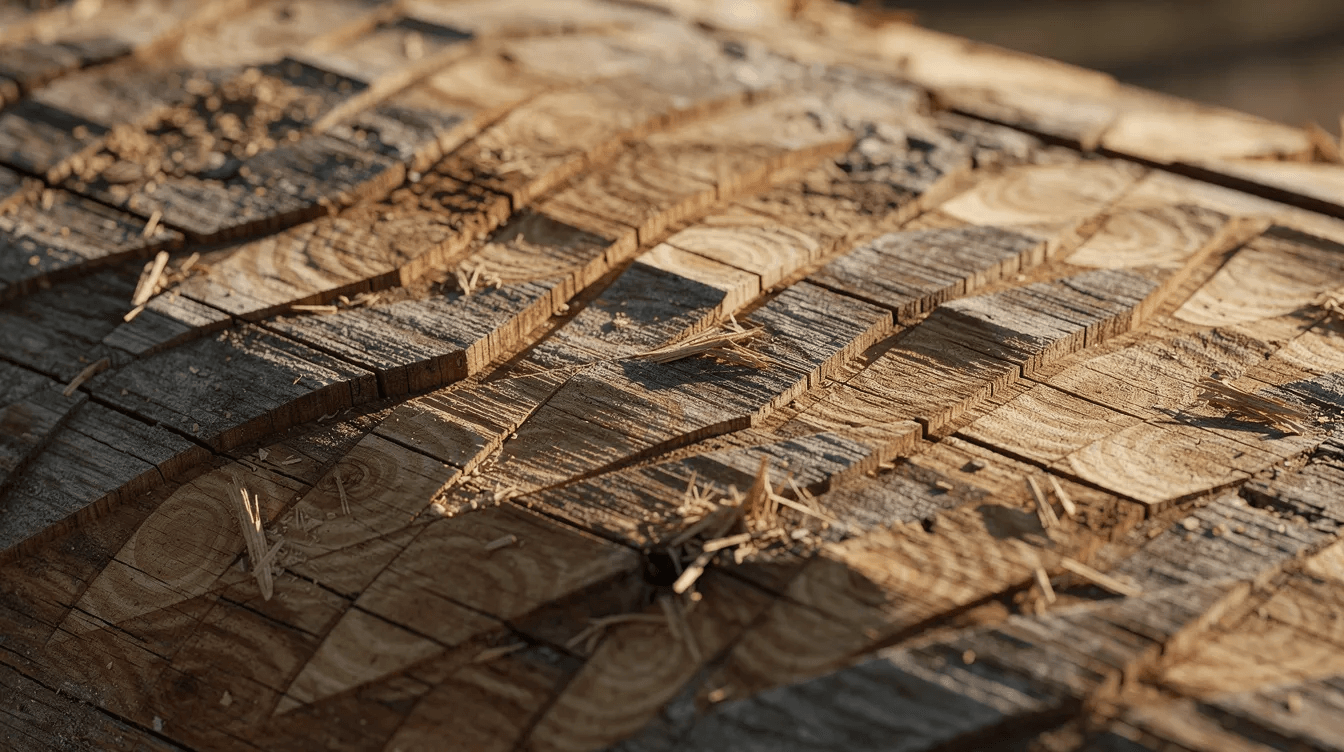
Hand-hewn logs mimic the traditional cabins built in the 1800s. Each log shows visible adze or axe marks and chiseled corners that create authentic texture and visual depth.
Where rustic profiles work best:
- Mountain retreats in Colorado or Montana
- Lakeside cabins in Minnesota
- Off-grid camps in remote locations
- Properties surrounded by national forests
We offer both machine-hewn and selectively hand-finished options. Machine-hewn versions cut costs by 20–30% while retaining the visual character that makes these beautiful logs so appealing.
Maintenance note: More texture means more surface area for stain application. Plan on staining every 3–5 years depending on climate and sun exposure. Unsealed logs weather approximately 1/16 inch per year when exposed to UV and rain.
Contemporary Log Profiles for Modern Cabins
Square or D-log profiles create cleaner interior lines suitable for modern, Scandinavian, or minimalist interiors. D-logs feature a flat interior surface with a rounded exterior—giving you the best of both worlds.
These profiles pair well with:
- Large glass walls and panoramic windows
- Steel railings and modern hardware
- Open-concept floor plans with cathedral ceilings
- Exposed structural beams in great rooms
Modern profiles often improve tightness of joints, reducing air infiltration by up to 50% compared to traditional chinked construction. This makes energy performance easier to control and predict.
Concrete example: A 1,400 sq ft, 2-bed, 2-bath modern D-log cabin with a wall of windows facing mountain views. Clean interior lines allow furniture and décor to take center stage while the exterior maintains classic log cabin charm.
Choosing the Best Wood Species for Cabin Logs
Species choice affects price, stability, insect resistance, and the final color of your logs. We primarily source from responsibly managed North American forests (90% FSC-certified), which matters for both durability and environmental impact.
Four key species dominate cabin construction, each with distinct strengths:
Species | Cost/Board Foot | Best For | Key Benefit |
|---|---|---|---|
Eastern White Pine | $2–4 | Versatile cabins | Affordable, good insulation |
Western Red Cedar | $5–8 | Coastal/wet climates | Natural decay resistance |
Cypress | $6–9 | Humid environments | Rot-resistant in heat |
Douglas Fir | Varies | Structural elements | Superior strength |
Moisture content and proper drying matter as much as species selection. Kiln-drying to 12–19% MC prevents the gaps and structural issues that plague green log builds. |
Pine Logs for Affordable, Versatile Cabins
Eastern white pine is widely available, cost-effective, and suitable for both small weekend cabins and full-time family homes. It offers good insulation properties (R-1.4 per inch) and machines beautifully into any profile, which is important to factor into a detailed tiny home cost calculator and budgeting guide.
Kiln-dried pine logs in the 15–19% moisture range dramatically reduce checking and settlement compared to green logs. Settlement in properly dried logs stays minimal, while green logs can settle 10–15% in the first year.
Example: A 1,200 sq ft pine log cabin shell priced competitively for first-time cabin buyers—often under $100,000 for materials.
Maintenance expectations: Regular staining cycles of roughly every 3–5 years depending on climate and exposure. Pine requires protective finishes for rot and insect resistance, but the savings in material costs often justify the additional maintenance.
Cedar and Cypress for High-Performance Cabins
Western Red Cedar contains natural thujaplicins that resist decay and insects without chemical treatment. This makes cedar ideal for damp, coastal, or heavily wooded regions where moisture and termites create problems.
Cypress offers similar durability in hot, humid environments—perfect for the Gulf Coast, Carolinas, and Florida.
Cost considerations:
- Cedar costs $5–8 per linear foot (vs. $2–4 for pine)
- Cypress runs $6–9 per foot
- Both species extend finish life to 7–10 years
- Termite risk drops by approximately 70% with cedar
Real-world scenarios:
- A cedar cabin in Washington state that handles 60+ inches of annual rainfall
- A cypress cabin in northern Florida enduring 90%+ humidity year-round
The higher upfront cost often pays for itself through reduced long-term maintenance and extended lifespan.
Douglas Fir and Structural Timber Elements
Douglas fir is the workhorse of structural timber. Its strength-to-weight ratio (modulus of elasticity 1.9 million psi) makes it ideal for ridge beams, rafters, and porch beams spanning 25–30 feet.
The visual impact of exposed fir timbers in great rooms, lofts, and wraparound porches adds drama and warmth that lighter species can’t match. Many homeowners choose Douglas fir for structural members while using pine or other species for the main log walls—balancing cost and appearance.
All beams and posts are specified to meet required spans and loads for each plan. This engineering detail ensures your cabin meets code requirements and performs safely for decades.
Energy Efficiency and Thermal Performance of Log Cabins
Solid wood walls behave differently from framed walls with insulation and drywall. Understanding this difference helps you create a comfortable cabin that works with your climate rather than against it.
Energy performance depends on several factors:
- Log thickness (6×8, 8×8, 8×12)
- Air-sealing details at corners and joints
- Roof and floor insulation values
- Window and door quality
Thicker walls generally perform better. An 8×12 log (12” thick) meets IECC climate zone 6/7 code requirements, while a 6×8 (8” thick) suits milder zones.
Thermal Mass: How Solid Logs Store Heat
Logs absorb heat during the day and release it slowly when temperatures drop at night. This thermal mass effect improves comfort and reduces strain on HVAC systems.
Dense wood (20–30 lbs per cubic foot) stabilizes indoor temperatures by 10–15°F in climates with large day/night swings. The Rockies, high desert, and mountain regions with 40°F daily variance benefit most from this natural temperature regulation.
In practical terms, thermal mass means:
- Lower heating peaks in early morning
- Reduced cooling loads in late afternoon
- More consistent indoor temperatures without constant thermostat adjustments
- Potential savings on HVAC equipment sizing
Upgrading to High-Efficiency Cabin Envelopes
Standard log cabin packages perform well in moderate climates. For harsh winters in Minnesota, Maine, or Colorado, consider these upgrades:
Optional high-efficiency packages:
- Structural Insulated Panel (SIP) roofs delivering R-40+ performance
- Triple-pane windows with U-factors as low as 0.15
- Low-E coatings on all glazing
- Insulated exterior doors
- Aerosol foam air-sealing at critical joints
Real-world comparison:
- Base 1,200 sq ft cabin: ~50 MBTU/year heating load
- Upgraded high-efficiency package (+$15,000): ~30 MBTU/year
- Result: 40% reduction in heating costs
These upgrades matter most in locations with -20°F design temperatures. Invest in the envelope now and save on heating bills for the life of your home.
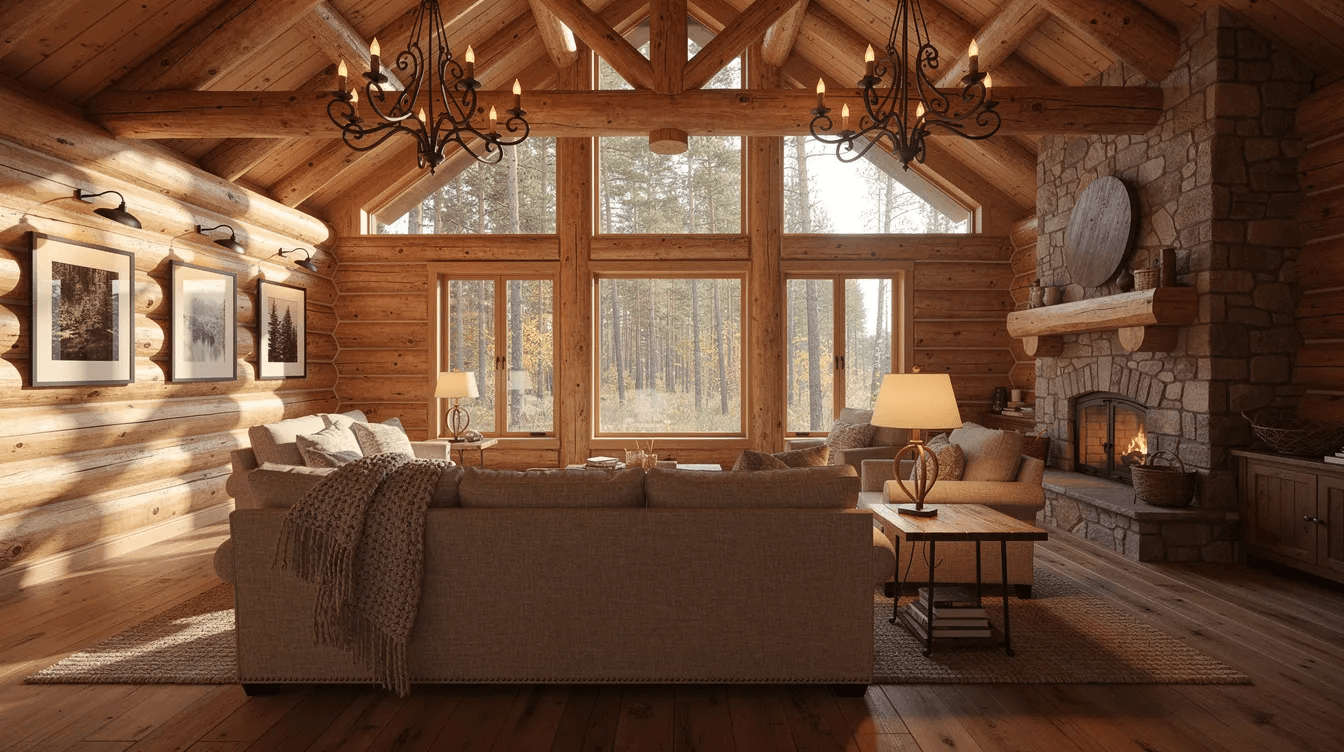
Types of Log Cabin Kits: From Tiny Cabins to Family Homes
Log cabin kits are pre-planned sets of materials shipped to your building site for assembly. Kits range from tiny off-grid retreats to spacious primary residences, and some customers even compare them with yurt prefab options for flexible outdoor living.
Kit categories:
- Tiny cabins: Under 600 sq ft—perfect for weekends, hunting trips, or remote work, and comparable in feel to tiny house cabin retreats designed for cozy getaways
- Mid-size vacation cabins: 900–1,600 sq ft with 2BR open floor plans that can echo the look of chalet tiny house models blending rustic charm and modern living
- Family-sized homes: 2,000+ sq ft with 3–4 bedrooms, lofts, and basements
We offer both customizable plans and fixed “as-is” models. Fixed designs ship faster (4–12 weeks) with lower design costs, much like pre-built log homes and turnkey log cabin options. Custom homes require 16+ weeks of engineering and production.
ADU (accessory dwelling unit) cabins fit common local zoning rules for backyard rentals, in-law suites, or home offices. Many areas allow 800 sq ft ADUs—our compact kits comply with these requirements while maximizing livable space, and it’s important to understand accessory dwelling unit zoning, types, and benefits before you commit to a design.
Small and Easy-to-Build Cabin Kits
Compact one-bedroom and studio kits work perfectly for weekend use, hunting cabins, or remote work retreats. These designs prioritize efficiency and quick assembly, similar in spirit to Home Depot tiny house kits for small, functional spaces.
Example: A 480 sq ft, one-room plus loft cabin shell with a covered porch. This kit is suitable for owner-builders with some construction experience and a small crew of 4 helpers. Assembly takes 2–4 weeks for experienced teams and offers a path into affordable tiny house designs focused on efficiency and budget.
Fixed-design kits ship within shorter lead times than fully custom homes—often 2–4 weeks from order to delivery. If you’re on a tight timeline, these proven designs get you building faster.
Family-Sized Log Cabin Kits
Larger log home kits serve as full-time primary residences. These 2–4 bedroom models include great rooms, covered porches, functional mudrooms, and space for the whole family.
Typical specifications:
- 1,200–2,400 sq ft living space
- 2–3.5 bathrooms
- Lofted living spaces or walk-out basements
- Master suites with en-suite baths
- Open-concept kitchen and living areas
Price examples for shell packages:*
- 1,400 sq ft 2BR/2BA: Materials starting around $100,000
- 2,200 sq ft 3BR/2.5BA: Materials in the $150,000–$200,000 range
- 3,000 sq ft 4BR/3BA: Materials $200,000+
*Materials only. Foundation, site work, mechanical systems, and finishes additional.
These kits can be customized for open-concept kitchens, dedicated home offices, bunk rooms for guests, or accessible ground-floor bedrooms. Bring us your wish list and we’ll create a plan that fits.
Planning Timeline: How Long It Takes to Build a Log Cabin
A full project from concept to move-in typically spans 6–18 months depending on size, complexity, and site conditions. Good planning, reliable subcontractors, and favorable weather windows significantly affect the overall schedule.
Stage breakdown:
Phase | Typical Timeline |
|---|---|
Design and engineering | 4–8 weeks |
Permitting | 2–8 weeks (varies by location) |
Site prep and foundation | 8–12 weeks |
Shell delivery and erection | 3–8 weeks |
Interior finish | 3–6 months |
Remote sites add 20–30% to timelines due to access challenges and material delivery logistics. |
Key Milestones in Your Log Cabin Build
Understanding major milestones helps you plan realistically:
- Plan selection: Choose a design that fits your property, lifestyle, and budget
- Contract signing: Lock in pricing and production slot
- Engineering review: Finalize structural calculations for your specific site
- Permit submission: Allow 30–90 days depending on jurisdiction (California requires extensive reviews)
- Foundation completion: Concrete cure time plus inspection
- Log delivery: Ships post-milling, typically 2–4 weeks after foundation ready
- Dry-in inspection: Shell complete, ready for mechanical rough-in
Most owner-builders schedule their build to reach dry-in before harsh winter or rainy seasons. A cabin dried-in by October can continue interior work through winter without weather delays.
Pro tip: Order long-lead items early. Windows often require 8–12 week lead times. Specialty doors and metal roofing may take longer. Place these orders as soon as your plan is finalized.
Visit Our Model Cabins and Get Expert Help
Seeing real log cabins in person is the best way to choose log profiles, floor plans, and finishes. Photos help, but walking through a completed cabin gives you confidence in your decisions.
We maintain model cabins and sales offices in multiple locations, including Pennsylvania (45+ years of experience with 20+ plans available) and other key states. Contact us for current addresses and opening hours.
Schedule an appointment for:
- Guided tours of completed cabins
- Plan reviews with our design team
- On-site budget discussions
- Species and profile comparisons
Ask about upcoming open houses, workshops, and construction seminars in 2026. These events let you meet the team, talk with past customers, and walk through cabins at various stages of completion.
How to Get Started: Next Steps
Turning your dream log cabin research into a concrete project plan takes three steps:
- Choose a size and style based on your property, family needs, and budget
- Request a preliminary quote with ballpark pricing for your selected plan
- Schedule a design consultation to refine details and lock in your production slot
Information to prepare before contacting us:
- Building site location (state, county, nearest town)
- Target square footage (approximate is fine)
- Budget range for materials (shell package)
- Desired construction start date
- Number of bedrooms and bathrooms needed
- Any specific features (wraparound porch, walk-out basement, loft space)
Your dream home starts with a conversation. Whether you’re inspired by a magazine photo or you’ve walked the ground of your property a hundred times, we provide guidance at every step—from selecting logs and species to final walk-through of your completed cabin.
Our team takes pride in helping customers like you build memories that last generations. The beauty of log cabins endures, and with the right materials, the right plan, and the right support, your new log home will stand solid for 50+ years.
Contact us today to discuss your project. Bring your vision, your questions, and your timeline—we’ll help you build with confidence.