
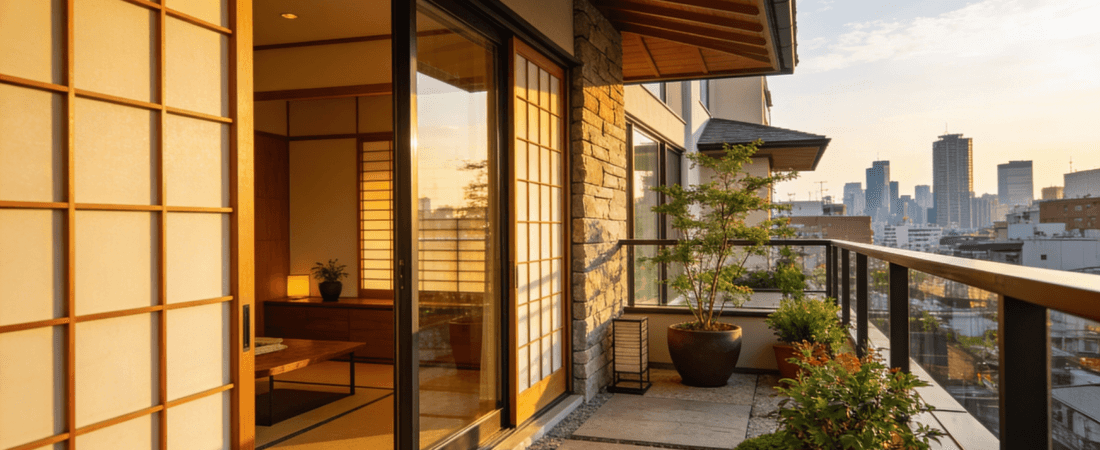
Modern Japanese style apartment interior design has become a favored choice for urban living, admired for its simplicity, elegance, and thoughtful use of natural light. This guide is ideal for urban dwellers, renters, and homeowners seeking to incorporate modern Japanese style into their apartments. The topic is especially relevant for city living, where maximizing space, creating a sense of tranquility, and fostering a connection to nature are essential for comfort and well-being amidst the hustle and bustle of urban environments. By incorporating light wood tones, large windows, and minimalist furniture, modern Japanese style apartments foster a sense of openness and tranquility that is especially valuable in bustling city environments. The use of natural materials and a neutral color palette—featuring shades like beige and brown—adds warmth and sophistication, enhancing the overall aesthetic. For those seeking inspiration or guidance, numerous resources such as websites, photo galleries, and professional design services are available to help bring this style to life.
What is a Modern Japanese Style Apartment?
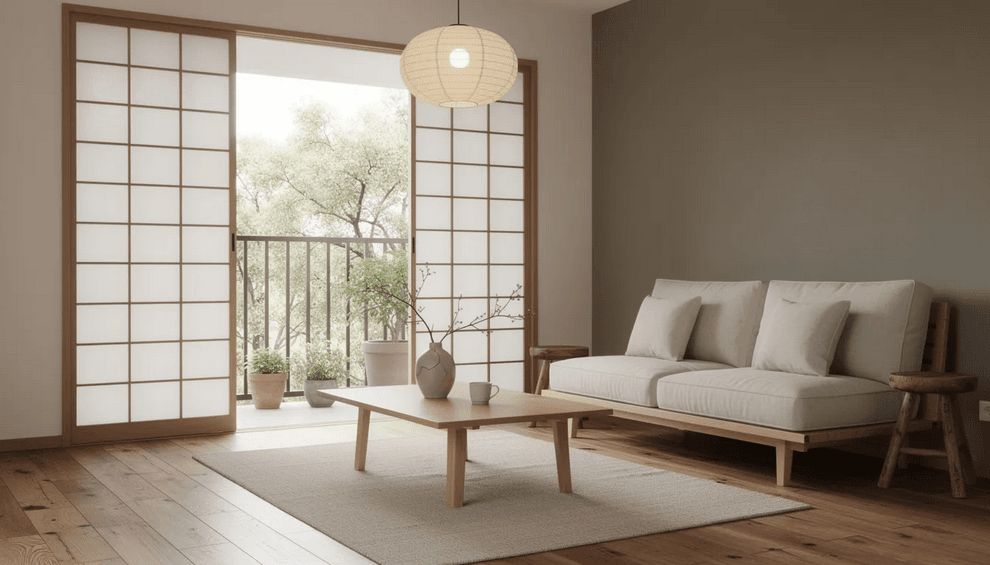
A modern Japanese style apartment is defined by Zen-like minimalism, a seamless connection to nature, and a focus on functional, uncluttered design. These apartments emphasize minimalist, practical layouts that make the most of limited space, while celebrating the philosophy of Wabi-Sabi—finding beauty in imperfection and authenticity. Key characteristics include:
- Minimalist, functional design: Spaces are kept open and uncluttered, with furniture and decor chosen for both utility and simplicity.
- Connection to nature: Natural materials and views of the outdoors are prioritized, blurring the boundaries between inside and outside.
- Wabi-Sabi philosophy: Embracing natural textures, subtle imperfections, and authenticity in materials and finishes.
This approach creates a calm, harmonious environment that is both beautiful and practical for modern urban living.
Characteristic Elements of Apartment Interior Design
At the heart of Japanese style apartment interior design lies a commitment to natural materials and minimalist principles.
Use of Wood and Bamboo
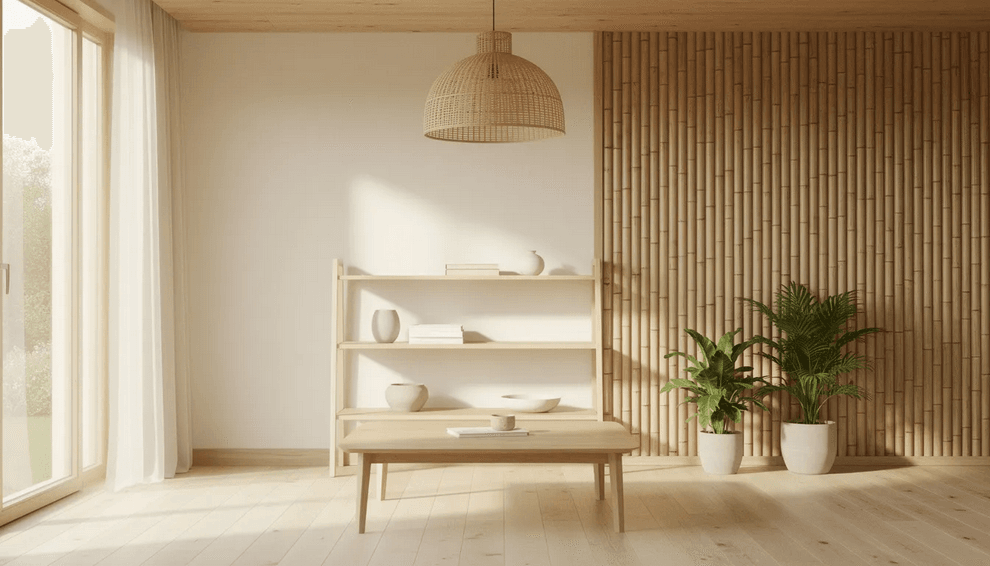
- Wood: Light woods such as oak and pine are commonly used to create a warm, organic feel.
- Bamboo: Adds texture and a sense of nature to interiors.
Open-Plan Layouts
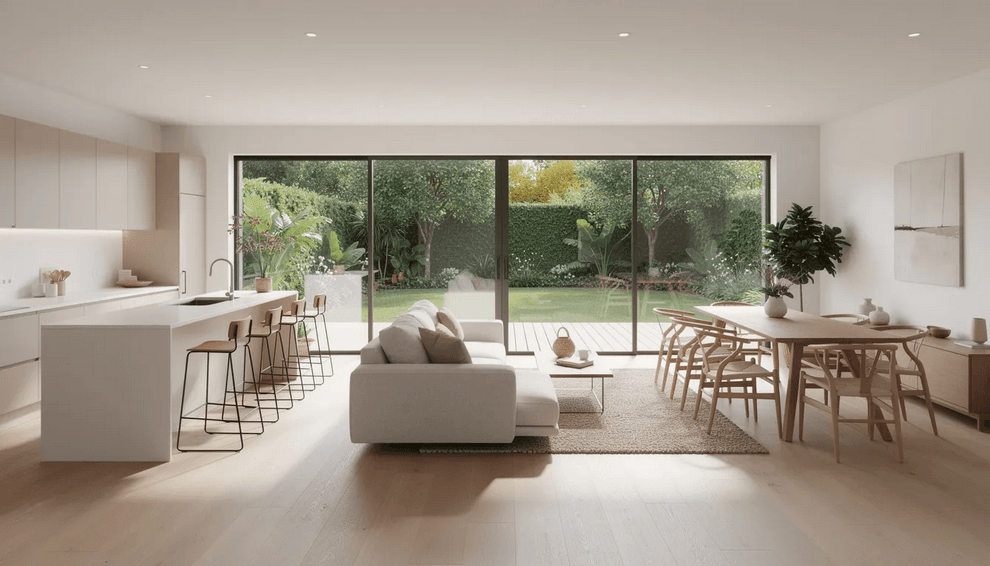
- Large windows and sliding doors: Open up living areas to maximize space and foster a strong connection with nature.
- Open-plan layouts: Facilitate fluid movement and a harmonious flow between rooms.
Traditional Motifs and Natural Fibers
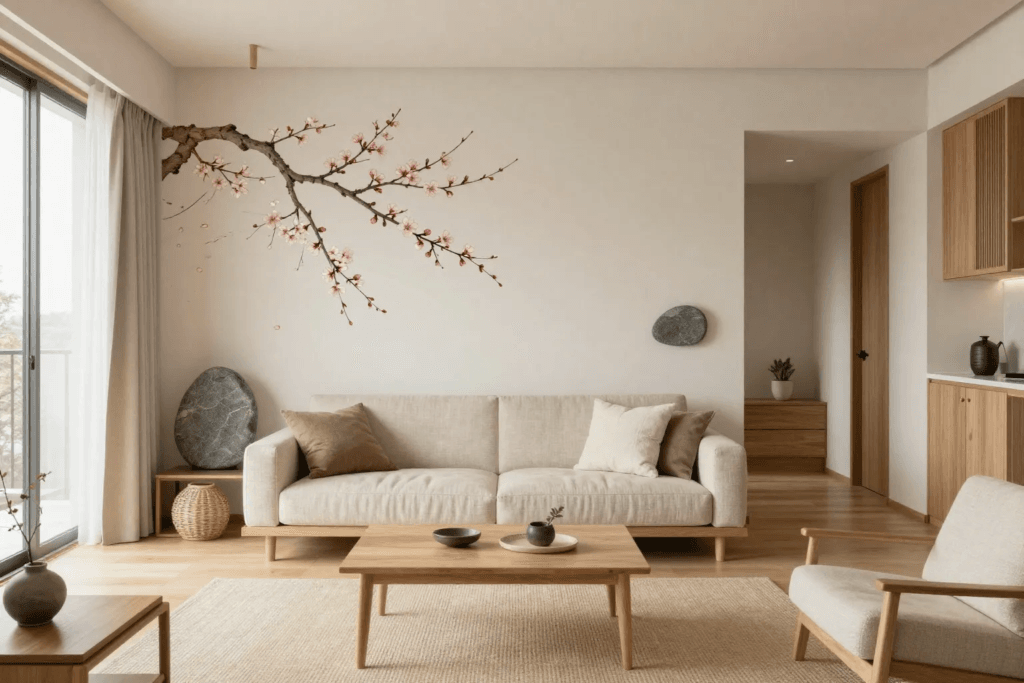
- Traditional motifs: Cherry blossoms and natural stone accents introduce an elegant cultural touch.
- Natural fibers: Cotton and linen contribute to a cozy yet refined atmosphere.
Key Japanese Apartment Features
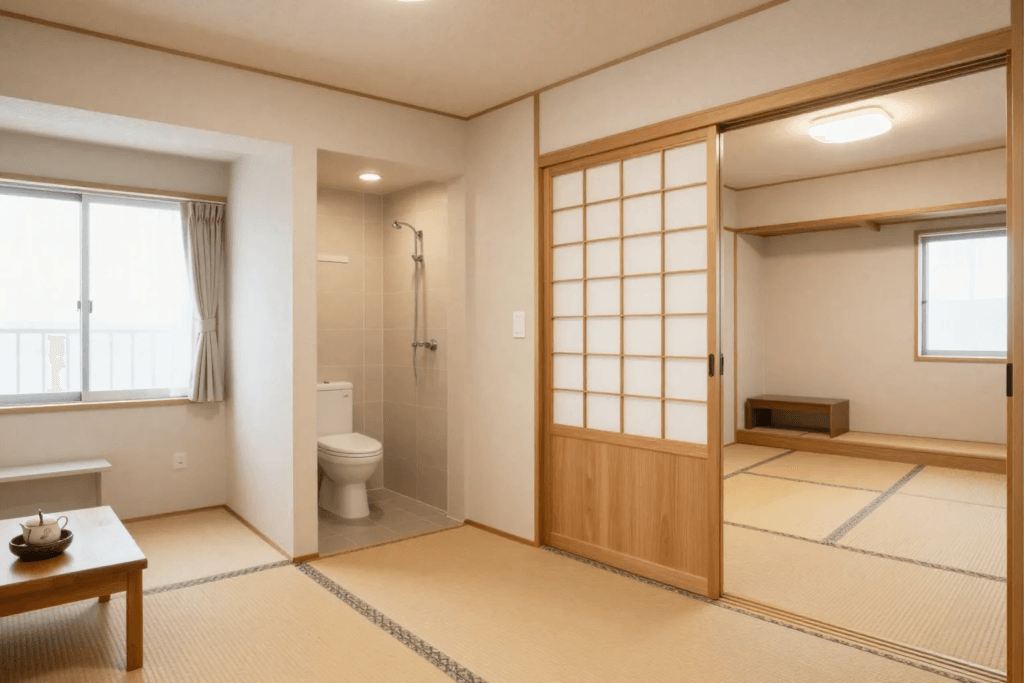
Modern Japanese apartments often include several distinctive features that enhance both functionality and cultural authenticity:
- Genkan (Entryway): A crucial transition zone where residents remove shoes before entering the main living space, helping to keep the home clean and organized.
- Separated Toilet and Bathroom: Toilets are almost always located in a separate, small room away from the shower/tub area, promoting hygiene and privacy.
- Tatami Room: Many apartments feature one dedicated room with tatami mat flooring, providing a versatile space for lounging, sleeping, or hosting guests.
- Shoji Screen Doors: Sliding shoji doors are used to partition spaces flexibly while maintaining openness.
- Low-Profile Living Areas: Furniture is often low to the ground, creating a sense of space and calm.
Built-in, Concealed Storage and Multifunctional Furniture
Built-in, concealed storage is common in modern Japanese apartments, allowing residents to keep living areas tidy and uncluttered. Multifunctional furniture—such as fold-out beds, convertible tables, and storage ottomans—is frequently used to optimize small spaces. These smart solutions, along with low-profile furniture, help create a sense of spaciousness and flexibility, making Japanese style interiors especially well-suited for urban apartments.
The overall effect is a calm and peaceful environment, perfectly suited for the demands of urban living where tranquility can be hard to find. Another essential aspect of Japanese style apartments is the thoughtful use of natural light, which further enhances the sense of space and tranquility.
Traditional Japanese Influence
Modern Japanese style apartments often incorporate classic design features to maintain a connection to Japan’s rich cultural heritage. Tatami mats and shoji screens are frequently used to introduce traditional textures and patterns, adding depth and authenticity to the space. Natural materials like wood and bamboo, along with traditional color schemes featuring reds and blacks, help evoke a sense of timelessness and cultural identity.
Architectural elements such as pitched roofs and overhanging eaves may also be adapted in contemporary apartments to reinforce this traditional influence. The integration of cherry blossoms and natural stone motifs further enhances the atmosphere of calm and tranquility. Underlying all these features is the Japanese design philosophy that values simplicity and minimalism, creating a balanced and harmonious living environment that blends the old with the new.
By understanding these traditional influences, you can better appreciate how modern Japanese apartments achieve their unique blend of heritage and innovation. The next key element to consider is the importance of natural light in shaping these serene spaces.
Importance of Natural Light
Natural light plays a pivotal role in Japanese style apartment design, helping to create an airy, spacious feeling and strengthening the bond between indoor and outdoor environments.
Maximizing Natural Light
- Large windows and sliding doors: Strategically placed to flood interiors with sunlight and offer views of the surrounding cityscape or nature.
Reflective Surfaces
- Light-colored surfaces: White walls and beige furnishings reflect sunlight, enhancing brightness and openness.
- Mirrors and skylights: Used in urban settings to maximize the penetration of natural light, ensuring that the apartment feels bright and welcoming.
This illumination also highlights the textures and beauty of traditional materials like wood and stone, reinforcing the space’s elegance and sophistication. With natural light as a foundation, you can further personalize your apartment with specific design ideas inspired by modern Japanese style.
Japanese Style Apartment Ideas
Explore these inspiring ideas to infuse your apartment with modern Japanese style. Each concept is presented as a clearly labeled subsection for easy navigation.
Traditional Tea or Tatami Room
Create a dedicated space for relaxation and cultural appreciation by incorporating a small tea room or a tatami mat area. This versatile room can be used for lounging, meditation, or hosting guests, and brings a touch of traditional Japanese living into your home.
Natural Materials
Use natural materials to add warmth and texture, making the apartment feel inviting and connected to nature. Consider incorporating:
- Wood (oak, pine)
- Bamboo
- Stone
These elements evoke a sense of calm and authenticity.
Minimalist Furniture
Transform your space by opting for low-profile sofas, simple lighting fixtures, and uncluttered decor to maintain openness and simplicity. Minimalist furniture not only enhances the sense of space but also supports a tranquil, stress-free environment.
Light Colors and Natural Textures
Emphasize whites, beiges, and natural wood tones alongside stone accents to evoke elegance and sophistication. A neutral color palette helps reflect light and creates a serene atmosphere.
Shoji Screens and Sliding Doors
Utilize traditional shoji screens and sliding doors to partition spaces flexibly while preserving a sense of openness and authenticity. These features allow you to adapt your living space to different needs without sacrificing style.
Built-in, Concealed Storage and Multifunctional Furniture
Incorporate built-in, concealed storage solutions to keep your apartment tidy and organized. Choose multifunctional furniture—such as fold-out beds, convertible tables, and storage ottomans—to optimize small spaces and enhance flexibility. These smart solutions are essential for maximizing space in urban apartments and maintaining a minimalist aesthetic.
By combining these ideas, you can tailor a living space that reflects your personal taste while honoring Japanese design traditions. The benefits of this approach extend beyond aesthetics, offering practical advantages for city living.
Benefits of Japanese Style
Choosing a Japanese style apartment offers numerous advantages, especially in urban settings. The design’s calming and tranquil qualities provide a peaceful retreat from the hectic pace of city life. Its emphasis on simplicity and minimalism encourages clarity, focus, and stress reduction.
Functionality is another key benefit, as Japanese design maximizes space efficiency through clever layouts and multi-purpose furniture. The use of natural materials and traditional accents creates a warm, cozy ambiance that enhances comfort. Overall, Japanese style apartments serve as serene, elegant sanctuaries that bring a touch of nature and cultural richness to urban living.
By embracing these modern Japanese style apartment ideas, you can create a living space that is not only beautiful and elegant but also practical and deeply relaxing. Whether you are designing a new home or renovating an existing one, this style offers timeless inspiration that harmonizes tradition with contemporary living. For further inspiration and expert assistance, explore specialized websites, browse photo collections, and consider engaging professional design services to help realize your vision of the perfect modern Japanese apartment.
10 Inspiring Modern Japanese Style Apartment Ideas
Wabi-Sabi Philosophy
Embrace the beauty of imperfection and authenticity by incorporating natural textures and subtle imperfections in materials and finishes, creating a harmonious environment.
Traditional Tea or Tatami Room
Create a dedicated space for relaxation and cultural appreciation by incorporating a small tea room or tatami mat area. This versatile room can be used for lounging, meditation, or hosting guests, bringing a touch of traditional Japanese living into your home.
Natural Materials
Incorporate natural elements such as wood (oak, pine), bamboo, and stone to add warmth and texture, making your apartment feel inviting and connected to nature.
Minimalist Furniture
Opt for low-profile sofas, simple lighting fixtures, and uncluttered décor to maintain openness and simplicity. Minimalist furniture enhances the sense of space and supports a tranquil, stress-free environment.
Light Colors and Natural Textures
Use a neutral color palette featuring whites, beiges, and natural wood tones alongside stone accents to evoke elegance and sophistication while helping reflect natural light.
Shoji Screens and Sliding Doors
Utilize traditional shoji screens and sliding doors to flexibly partition spaces while preserving openness and authenticity. These features allow you to adapt your living space without sacrificing style.
Built-in, Concealed Storage
Incorporate built-in and concealed storage solutions to keep your apartment tidy and organized, helping maintain a minimalist aesthetic.
Multifunctional Furniture
Choose furniture pieces such as fold-out beds, convertible tables, and storage ottomans to optimize small spaces and enhance flexibility in urban apartments.
Maximize Natural Light
Design your apartment with large windows and reflective surfaces to flood interiors with sunlight, creating an airy and spacious feeling.
Connection to Nature
Integrate plants and natural views to blur the boundaries between indoors and outdoors, fostering a calming atmosphere.