
If you’ve been searching for a faster, more predictable path to cabin ownership, prefab cabins deserve your attention. Unlike traditional site-built structures that rely on months of on-site framing and weather-dependent labor, prefab cabins are constructed in a controlled environment at a factory, then transported to your property for installation. This guide walks you through everything you need to know—from floor plans and construction quality to permits, costs, and real-world use cases.
Whether you’re comparing small vacation retreats, hunting cabins, backyard ADUs, or full-time modular homes, this helpful guide covers the practical details that matter most in 2024. Prefab cabins have surged in popularity for good reason: build times of 8-16 weeks versus 6-12 months for conventional builds, predictable pricing that avoids the 20-30% budget overruns common in traditional construction, and the flexibility to place them on rural land or urban backyards where skilled trades are scarce.
- Why Choose a Prefab Cabin?
- Prefab Cabin Types & Popular Floor Plans
- Prefab Cabin Kits vs. Fully Assembled Cabins
- Construction Quality, Materials & Longevity
- Permits, Zoning, and Property Considerations
- Cost, Financing & Buying Process
- Using Your Prefab Cabin: Retreat, Rental, or Full-Time Home
- Conclusion: Is a Prefab Cabin Right for You?
Why Choose a Prefab Cabin?
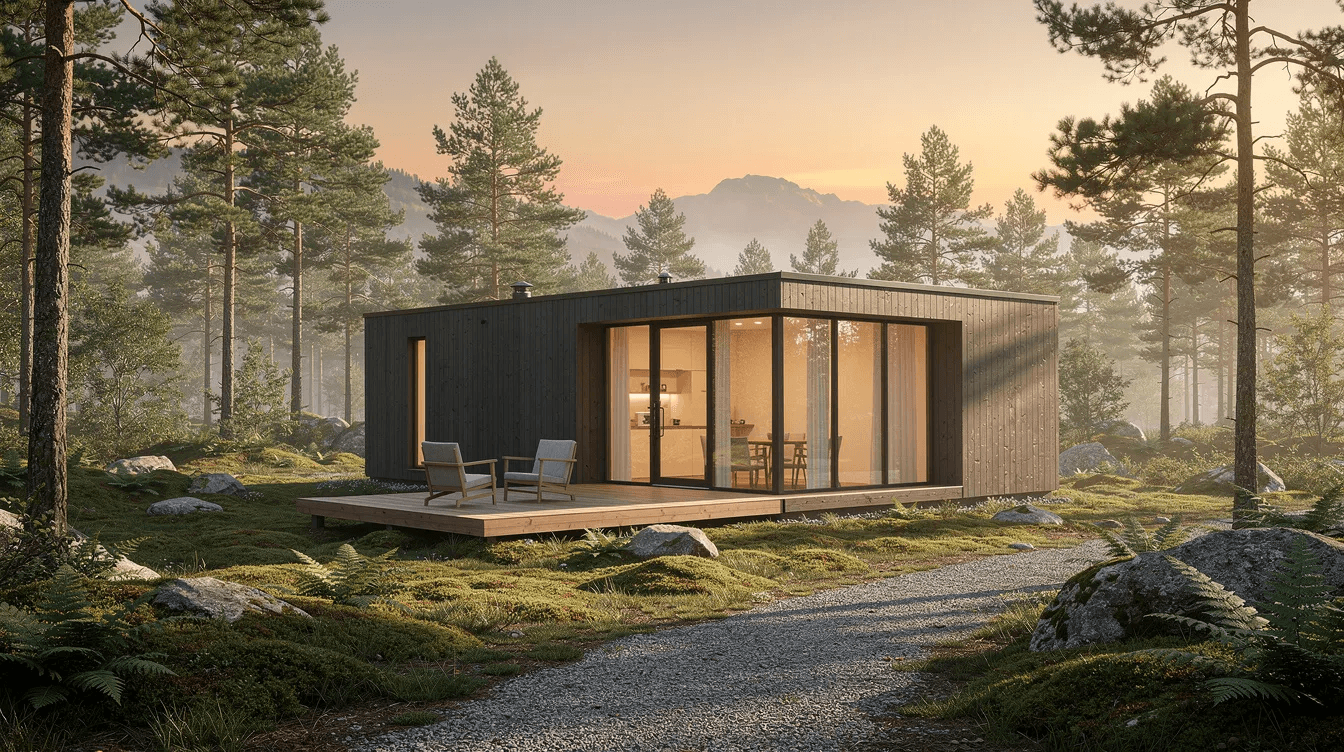
The core advantage of prefab cabins comes down to how they’re built. Because construction happens inside a factory rather than on your property, weather delays—responsible for 20-50% of traditional project extensions—simply don’t apply. Rain, humidity, and temperature swings that can warp lumber and stall progress are eliminated. Your cabin takes shape under consistent conditions with standardized quality checks at every stage.
This factory process translates to real benefits you’ll notice immediately. Delivery typically happens 8-16 weeks from order, with the actual factory build taking 4-8 weeks and site setup requiring just 1-2 weeks. Compare that to months of construction noise, dust, and subcontractor coordination that traditional builds demand. Your neighbors and local wildlife aren’t disrupted by extended work crews, and you’re not managing the headaches of on-site labor scheduling.
Prefab cabins are ideal for several types of buyers: weekend retreat owners who want a quick escape without construction hassles, Airbnb hosts looking for fast ROI through seasonal rentals, travelers drawn to tiny house cabin retreats for a cozy getaway, hunting camp operators who value transportable durability for remote sites, downsizers transitioning to efficient 300-600 square foot spaces with low utility bills, and rural families building on acreage where local builders are hard to find. Many pre built cabins arrive with R-19+ wall insulation, rough-in plumbing for sinks and baths, pre-wired 100-200 amp electrical panels, and mini-split HVAC prep—cutting your move-in timeline to days rather than weeks of interior work.
Prefab Cabin Types & Popular Floor Plans
One of the most practical aspects of shopping for prefab cabins is the range of sizes and layouts available. Buyers can choose from compact studios around 200 square feet to multi-module family units exceeding 1,200 square feet, with most popular floor plans falling somewhere in between. What makes this market particularly flexible is that many manufacturers allow you to customize layouts by mirroring floor plans, stretching modules by 4-8 feet, or combining units to create larger living space.
Below are four representative examples of what a modern prefab cabin lineup might include. Each serves different needs, budgets, and property types—and understanding these distinctions helps you narrow your search before requesting quotes, much like carefully evaluating tiny house floor plans that work for you before you build.
The Pine Ridge – Simple 1-Bedroom Cabin
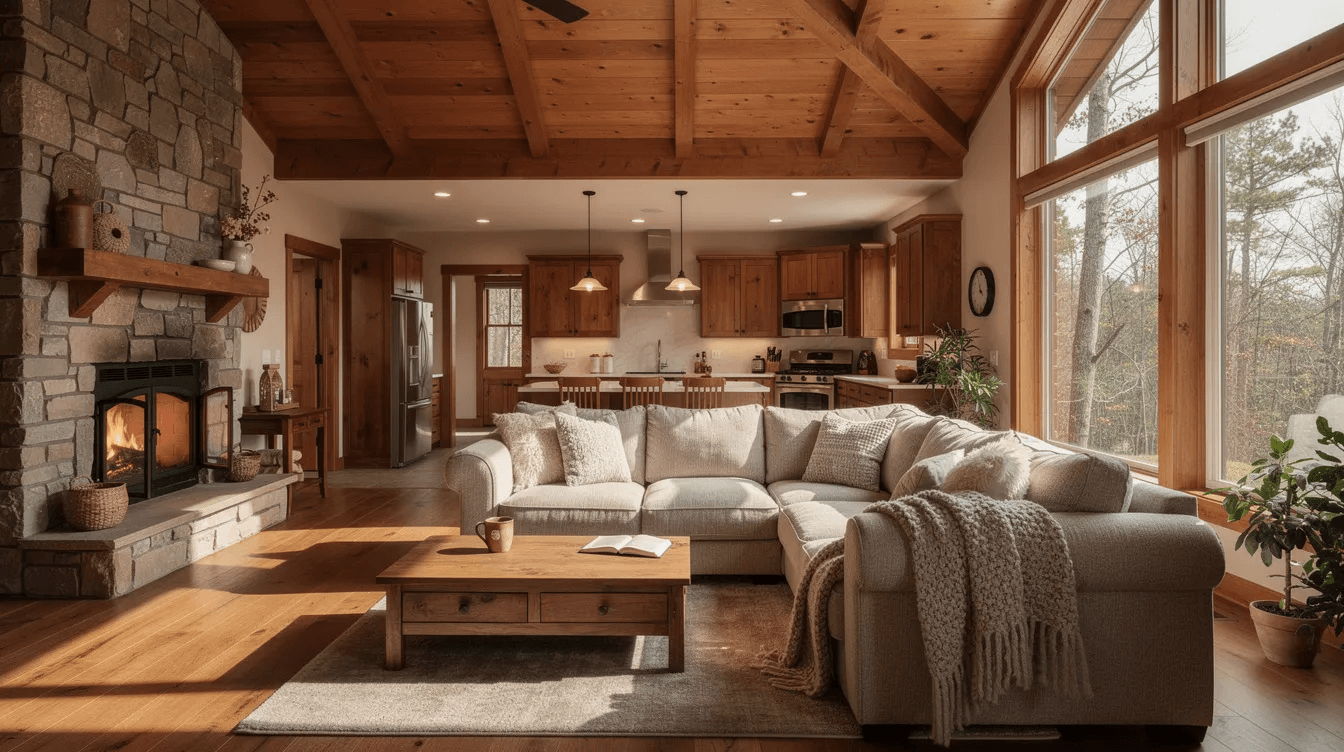
The Pine Ridge represents the efficient end of the prefab spectrum—a compact cabin approximately 14 feet by 30 feet (around 420 square feet) designed for straightforward living space. The layout prioritizes an open living and kitchen zone comprising roughly 60% of the floor plan, with interior walls only around the 10×12 bedroom and compact bath for privacy.
This model works exceptionally well on hunting properties, as a weekend getaway, or as a backyard guest house where simplicity and quick setup matter most. Standard features typically include R-21 roof insulation, a pre-wired subpanel, mini-split ductwork prep, and durable LVP vinyl plank flooring that resists scratches from boots and gear. If your goal is minimal maintenance and maximum functionality in a small footprint, the Pine Ridge style cabin delivers without unnecessary complexity.
The Timberline – Versatile 2-Bedroom Modular Cabin
The Timberline steps up to true modular construction, combining two 14-foot by 32-foot sections (approximately 896 square feet total) with a covered gable-end porch ranging from 10-20 feet. This design integrates practical family living with the flexibility that makes modular cabins so appealing for long-term use.
Interior layouts typically include two 12×12 bedrooms, one or two baths with stackable laundry options, and an open-concept living and kitchen flow. Buyers can often choose porch extensions up to 30 feet, L-shaped kitchens with islands, or add dedicated laundry nooks—making this model suitable for full-time residence as easily as vacation use.
The Timberline works best for young families needing room to spread out, retreat sharers splitting costs between multiple owners, and long-term rental investors targeting 8-12% annual returns in vacation zones. Its combination of covered outdoor space and flexible interior makes it one of the most versatile prefab cabin styles on the market.
The Cornerview – Cabin for Nature Lovers
The Cornerview takes a different approach, wrapping the living space around a covered corner deck that can range from 12×12 to 16×16 feet. This design offers 270-degree views and seamless indoor-outdoor flow that suits lakeside or mountain campsites perfectly. Available in sizes from approximately 12 feet by 36 feet up to 16 feet by 44 feet (430-700 square feet), this model prioritizes connection to the landscape.
Floor-to-ceiling windows and sliding doors on two walls maximize natural light and sightlines. Exterior options often include 1.5-inch log siding or board-and-batten steel panels lasting 50+ years with minimal repaint, while railing choices range from cable to composite for low upkeep. For buyers who want their cabin to feel like an extension of the woods around it, the Cornerview delivers that rustic appeal without sacrificing modern durability.
Optional outdoor upgrades like reinforced hot tub pads, firepit surrounds, and extended decking can boost rental appeal significantly—making this a strong choice for campground operators, short-term rental hosts, and private retreat owners alike.
The Summit – Vaulted Reverse-Gable Cabin
The Summit uses a reverse gable roof design to create something most standard cabins lack: genuine vertical space. By vaulting the living room ceiling to 14-18 feet, this model expands perceived room size by 20-30% compared to standard 8-foot flat ceilings. Common footprints range from 16 feet by 40 feet to 18 feet by 48 feet (640-860 square feet), with flexible interiors configurable as one or two bedrooms.
Clerestory windows flood the open living area with natural light, reducing artificial lighting needs by roughly 25% during daylight hours. The added height also improves natural ventilation and creates opportunities for loft spaces—useful for sleeping, storage, or both. For buyers who prioritize spaciousness in a compact footprint, the Summit delivers an airy, open atmosphere that flat-ceiling cabins simply can’t match.
This style particularly appeals to those building a dream cabin where light and volume matter as much as square footage. The reverse gable roofline also gives the exterior a distinctive architectural presence that photographs well for rental listings.
Prefab Cabin Kits vs. Fully Assembled Cabins
Before you commit to a specific cabin, you’ll need to decide between two fundamentally different delivery methods: prefab cabin kits that ship as components for on-site assembly, or fully assembled cabins that arrive ready to install. Each approach suits different situations, budgets, and levels of hands-on involvement.
Kits consist of pre-cut framing, trusses, siding, windows, doors, fasteners, and detailed assembly instructions. They ship on standard trucks rather than wide-load trailers, making them practical for remote sites more than 500-800 miles from factories or locations with narrow roads and ferry access. The main advantages are 20-40% lower upfront costs through DIY labor savings and easier navigation of challenging delivery routes.
Turnkey cabins arrive 90-100% complete on frames, needing only crane setting, utility hookups, and minor finish touches. For buyers prioritizing speed and convenience over cost savings, this pre assembled approach gets you from delivery to move-in within one to two weeks.
What Typically Comes in a Prefab Cabin Kit
A standard prefab cabin kit includes pre-cut wall and roof framing, exterior siding materials, roofing components, windows and doors, all necessary fasteners, and step-by-step assembly instructions. What you’re essentially buying is precision-cut materials and a clear plan—the factory handles the cutting and engineering, you handle the labor.
Buyers typically need to source foundations, interior finishes, insulation (often R-13 batts), plumbing, and electrical work locally. This can create complexity if local codes differ from the kit’s specifications, so working with an engineer familiar with your area may be necessary. For an experienced DIY crew, assembly of a 400 square foot kit generally takes 3-5 weekends—though professional help is often still needed for utility connections and final inspections.
What a Turnkey Prefab Cabin Usually Includes
Turnkey prefab cabins arrive with the heavy lifting already completed. Electrical systems are pre-wired with 100-200 amp panels connected to outlets and switches throughout. Plumbing is roughed in with PEX lines for full baths and kitchens, often including a tankless water heater (electric or propane, equivalent to 50-75 gallon capacity). Climate control comes via mini-split systems rated for 12-24K BTU, adequate for spaces up to 600 square feet.
Interior finishes typically include quartz counters, shaker cabinets, LED lighting, and LVP flooring throughout. Final costs adjust based on regional engineering requirements—snow loads of 90 PSF in Colorado might add $5,000-10,000, while hurricane ties in Florida carry their own premium. But for buyers who want to skip the construction process entirely, these cabins represent the closest thing to a move-in-ready log home you’ll find.
Construction Quality, Materials & Longevity
Construction quality determines whether your cabin lasts a decade or a lifetime. Prefab cabins face unique stresses: highway vibrations during transport, crane hoisting of 10-20 ton modules, and decades of weather exposure once installed. Reputable manufacturers address these challenges by building structures that exceed standard requirements.
Many prefab cabins use kiln-dried 2×6 studs at 16-inch centers for R-21 wall insulation, engineered I-joists spanning 16-24 feet for floor systems, and high-performance vinyl windows with U-factors under 0.30 to minimize drafts. This combination of quality materials and factory precision yields cabins capable of lasting 40-50+ years with proper maintenance—biannual staining of wood exteriors, proper ventilation to prevent mold in humid climates, and periodic inspections of seals and flashing.
Real Wood & Log Construction
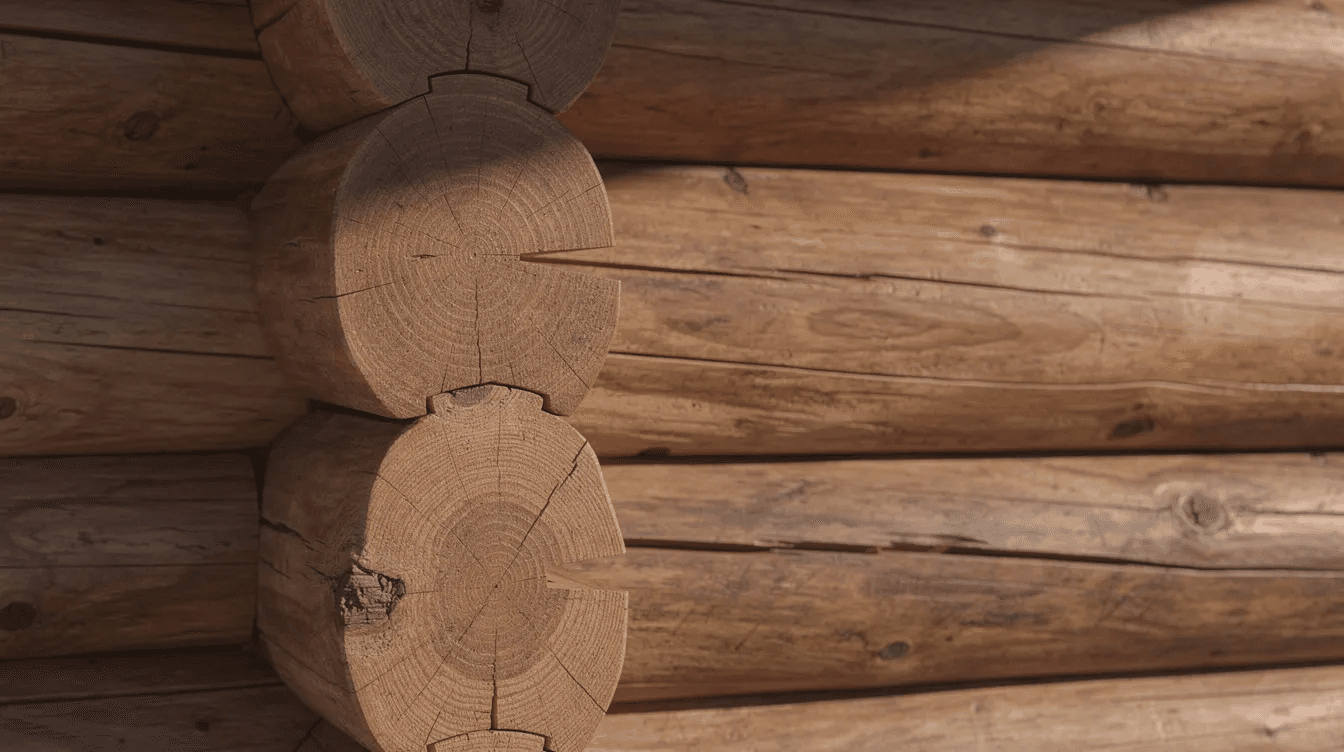
For buyers drawn to the authenticity of a dream log cabin, several construction approaches deliver that tactile appeal. Exploring the best log homes pre built can help you compare options that balance charm with convenience. Full-round or D-shaped logs 6-8 inches thick provide R-25 insulation naturally, while heavy log siding over framed walls mimics the look while simplifying permitting requirements. Either approach creates the rustic character that defines traditional cabin living.
Interior details matter equally. Tongue-and-groove pine ceilings, ideas drawn from cozy log cabin interior design, solid alder cabinets that withstand decades of use, and Douglas fir porch posts that add structural presence alongside visual warmth all play a role. These elements contribute to resale values 10-15% higher than vinyl-clad alternatives in cabin markets—buyers recognize and pay for exceptional craftsmanship.
Real wood construction also delivers practical benefits beyond aesthetics. Wood naturally regulates humidity, insulates more effectively than many synthetic materials (R-15 versus R-11 for comparable thicknesses), and ages gracefully when properly maintained. With periodic chinking reseals, a well-built log cabin can serve as a dream home for generations.
Engineered for Transport & Harsh Weather
The engineering required to withstand harsh weather conditions starts before your cabin ever leaves the factory. Modules must survive highway transport and crane hoisting without structural damage—requirements that actually make prefab cabins stronger than many site-built equivalents once installed.
Manufacturers design for specific regional conditions: 2x trusses rated for 40-60 PSF snow loads in mountain regions, metal strapping for 130-160 MPH strong winds in hurricane zones, and base isolators for seismic activity in earthquake-prone areas. Many lessons come from the best contemporary prefab home designs for modern living, where energy efficiency and structural performance are engineered together. Factory QA processes include ultrasonic weld checks on steel connectors and third-party inspections certifying assemblies 20% stronger than code minimums. The result is a cabin engineered for durability from day one.
Permits, Zoning, and Property Considerations
Before ordering your cabin, you’ll need to navigate local regulations that vary dramatically by jurisdiction. Counties enforce different minimums—400 square feet habitable space for primary residences versus 200 square feet for ADUs in some areas. How your cabin is classified matters: park model cabins on wheels may avoid certain property taxes but face restrictions on permanent occupancy.
The practical sequence starts with contacting your local building department. Verify zoning overlays that might restrict short-term rentals (some Montana counties require 14-day minimums), confirm building codes requirements for your specific structure, and assess what utility upgrades you’ll need. Don’t assume anything—rules that apply in one county may differ completely in the next.
Key questions to resolve early: What’s the minimum setback from property lines (typically 5-25 feet)? What foundation type does your jurisdiction require? Are there restrictions on accessory structures that might affect using your cabin as a guest house? Answering these before you commit saves time and prevents expensive surprises.
Foundations, Utilities, and Site Access
Foundation options depend on your local frost line, soil conditions, and budget. Concrete pier blocks every 8 feet work for flat sites and run $2,000-5,000. Full crawlspace foundations with vented perimeters provide utility access and cost $8,000-15,000. Slab-on-grade with 4-inch rebar runs $6,000-12,000 and works well in mild climates. Northern states typically require 48-inch frost-depth footings, adding cost and complexity.
Utility planning deserves equal attention. Electric service capacity of 100-200 amps requires coordination with your utility company, potentially costing $3,000-8,000 for upgrades. Well and septic systems run $10,000-30,000 depending on soil conditions and local requirements. Propane versus electric appliances affect both installation costs and ongoing operating expenses—worth modeling before you commit.
Site access catches many buyers off guard. Delivery trucks need 12-14 foot wide roads with 100-foot turning radii and 13.5-foot vertical clearance for trees and power lines. Crane operations require 50-ton minimum capacity and gravel staging pads. Soil tests should rule out expansive clays that complicate foundation work. Planning these details during your factory build period prevents delays when your cabin arrives.
Cost, Financing & Buying Process
In 2024, prefab cabin pricing spans a wide range depending on size, finish level, and complexity. Shell-only cabins of 300-400 square feet start at $50,000-80,000. Mid-range turnkey models of 600-800 square feet run $120,000-200,000. Larger multi-module homes exceeding 1,000 square feet reach $250,000 and above.
Major cost factors include size (adding $150-250 per square foot), level of finish (shells at $100/square foot versus turnkey at $200+), delivery distance (typically $5-10 per mile beyond 300 miles), foundation costs ($20,000-50,000 depending on type), and regional engineering requirements. Seismic retrofits, heavy snow load engineering, and hurricane-rated construction all add to base pricing.
Financing approaches vary by cabin type and permanence. Personal loans at 7-10% interest work for projects under $100,000. RV loans at 6-9% apply to wheeled park model units. Traditional mortgages or construction loans become available once your cabin sits on a permanent foundation with proper permits. Your financing path depends largely on how your jurisdiction classifies your structure.
Typical Features Included in a Prefab Cabin Package
Standard packages from most manufacturers include R-19 insulated 2×6 walls and roofs, 200-amp electrical panels with breakers and outlets throughout, shaker cabinets and quartz countertops in kitchens, vanities and fiberglass showers in baths, and propane water heaters. These elements form the baseline—your starting point for comparing quotes across manufacturers.
Upgrade options commonly include standing-seam metal roofing ($10,000 addition), R-30 spray foam insulation, triple-pane windows for extreme climates, hardwood flooring, and GE appliance bundles ($5,000-15,000). Some upgrades are optional comfort improvements; others become mandatory in high-risk zones. Budget 20-30% beyond base pricing for these additions when planning your total project cost.
Working with a Prefab Cabin Manufacturer
Most buyers work directly with a factory or factory-authorized dealer rather than hiring a general contractor separately. This streamlines communication and keeps accountability clear. Look for manufacturers offering transparent pricing without hidden fees, clear timeline commitments with milestone updates, photo documentation throughout the build process, and written warranties covering 30 years on structure and 5-10 years on components.
Factory visits or virtual tours provide valuable insight into construction quality. Seeing SIP presses, CNC routers, and assembly lines in operation helps you understand why factory precision differs from site-built variability. Meeting the team building your cabin creates confidence that carries through delivery and beyond. Tiny homes and modular homes alike benefit from this direct relationship with builders who understand their product.
Using Your Prefab Cabin: Retreat, Rental, or Full-Time Home
Prefab cabins serve multiple roles depending on your goals. Personal vacation homes within 2-3 hours of a city offer weekend escapes without the maintenance burden of larger properties, similar to scenic A-frame cabins you’ll want to escape to. Hunting lodges with dedicated mud rooms and gear storage support seasonal use in remote locations. Income-producing rentals cluster 3-5 units on 10 acres for $30,000-50,000 annual revenue. Full time residence in a well-designed cabin offers efficient life with lower utility bills and minimal maintenance demands.
Layout choices directly affect long-term functionality. An extra bedroom adds flexibility for guests or rental capacity. A larger porch expands usable outdoor living space. Drawing inspiration from the best chalet tiny house models for modern living can help you see how compact layouts balance storage, circulation, and comfort. Dedicated gear storage keeps hunting or fishing equipment organized and accessible. Matching your cabin design to how you’ll actually use it over 10-20 years saves time, money, and frustration later.
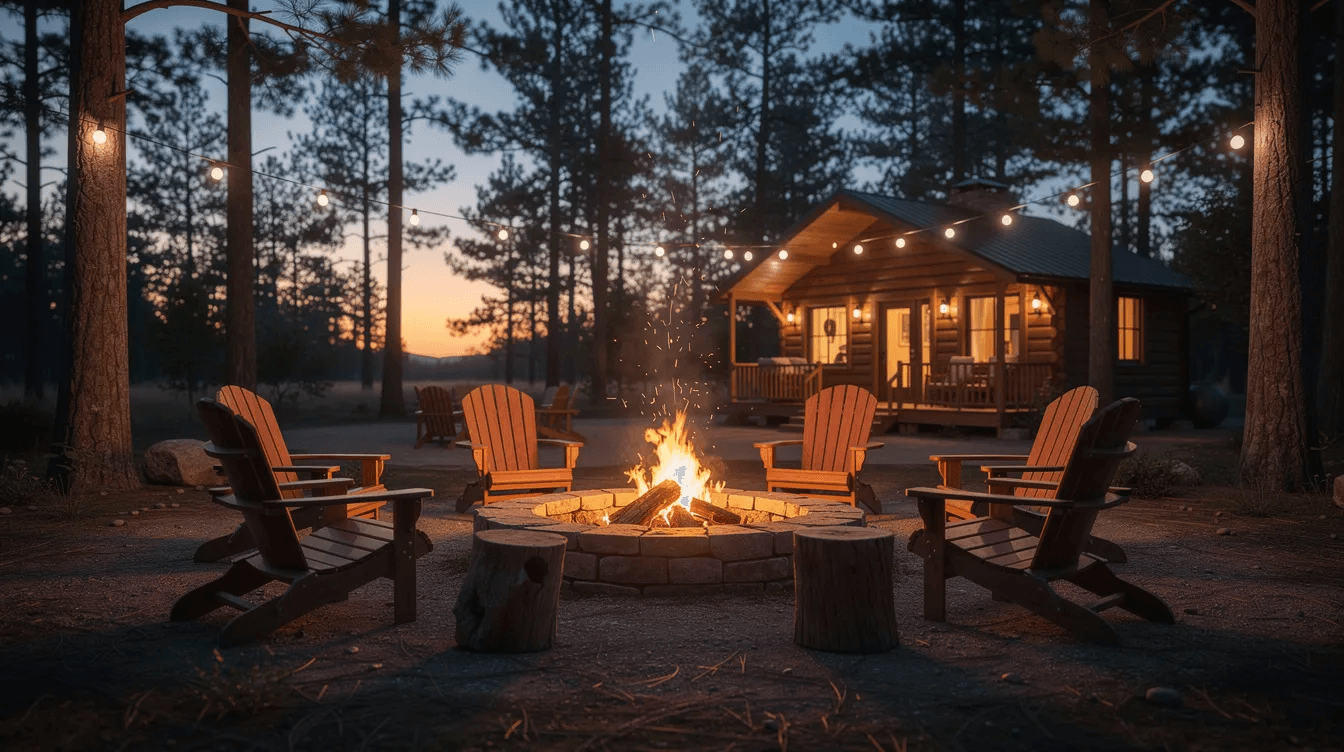
Prefab Cabins as Short-Term Rentals
Prefab cabins perform exceptionally well as Airbnb or VRBO units, particularly in scenic regions like the Appalachians, Rockies, and Upper Midwest lake country. Properties in these areas often see 70% occupancy at $150+ per night during peak seasons—returns that make the initial investment compelling for property investors.
Design features matter for rental success. Durable quartz counters and vinyl wall surfaces wipe clean between guests. Bunk bedrooms maximize sleeping capacity without adding square footage. Many hosts borrow ideas from top custom tiny homes for small-space living to make every square foot work harder. Hot tub decks command 20% higher nightly rates. Focus on materials that withstand harsh weather conditions while requiring minimal maintenance between turnovers.
Before investing for rental income, verify local short-term rental ordinances, parking requirements (typically 4-6 vehicles for a family cabin), septic capacity for maximum occupancy, and annual permit costs ($200-1,000 in most areas). Some investors also diversify into yurt prefab options for outdoor adventure, which can fall under different rules. Regulations vary significantly, and assumptions about what’s allowed can prove expensive.
Designing for Comfort in Year-Round Living
A full-time prefab home requires different considerations than a weekend cabin. Energy efficiency becomes critical when you’re paying heating bills every month—R-30+ insulation drops monthly costs to around $100 even in cold climates. Ductless mini-splits maintain 68-75°F year-round without the complexity of ducted systems, and smart controls similar to those found in tiny smart homes for efficient living can further optimize comfort and costs. These investments in efficiency pay back quickly in reduced operating costs.
Storage and utility spaces distinguish livable homes from vacation getaways. Designated pantry space holds a week’s groceries. Closets accommodate full wardrobes rather than weekend bags. Laundry hookups eliminate trips to town. A flex room serving as office or guest space adds functionality without requiring a larger footprint.
Thoughtful window placement, natural light orientation, and ventilation design improve everyday comfort in smaller spaces. South-facing clerestory windows provide passive solar gain in winter. Cross-ventilation reduces cooling loads in summer. These details may seem minor on paper but shape your daily experience in a cabin you’ll call your dream home.
Conclusion: Is a Prefab Cabin Right for You?
Prefab cabins offer a compelling combination of speed, predictability, and quality that traditional site-built construction struggles to match. Build times of 8-16 weeks, costs 10-20% lower than comparable stick-built projects, fewer construction callbacks, and the flexibility to customize layouts and finishes—these advantages compound for buyers who value efficiency alongside craftsmanship.
Before contacting manufacturers, clarify your primary goal: weekend retreat, rental income, or full time residence. Establish your realistic budget range including site prep, foundation, and utility connections. Define your timeline and any seasonal constraints that affect when construction and delivery should happen. This preparation positions you for productive conversations and accurate quotes.
The next step is gathering the specifics that manufacturers need: your property address for delivery assessment, local code requirements from your building department, and a wish list of features that matter most for your intended use. With this information in hand, you’re ready to explore floor plans, compare pricing, and move forward with the new cabin that fits your land, your budget, and your life.