

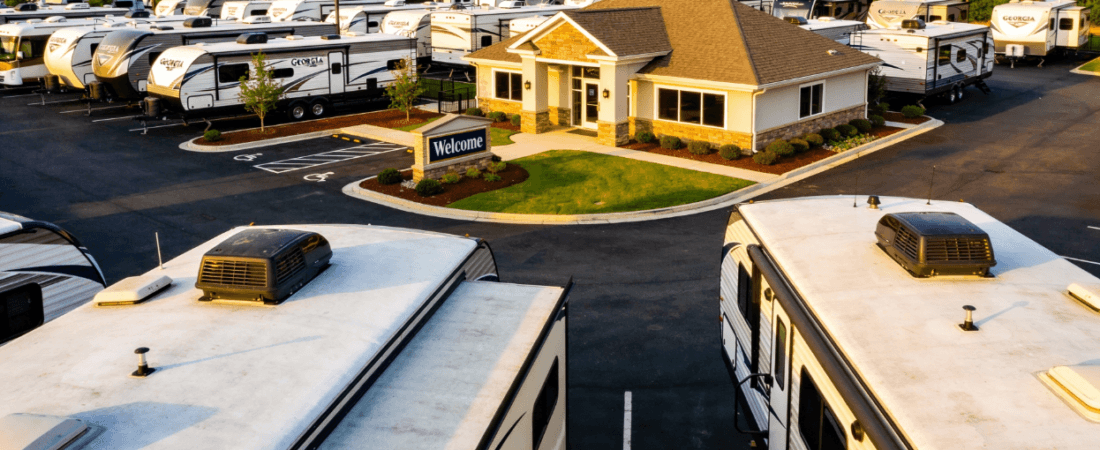
Georgia has become one of the Southeast’s most attractive states for RV buyers. With easy access to I-75 and I-85, proximity to both the Appalachian Mountains and the Atlantic coast, and a mild climate that supports year-round camping, it’s no surprise that RV sales in Georgia continue to thrive.
This guide focuses on practical information for anyone shopping for a new or used RV in GA. You’ll learn where to buy, what to expect on price, how to navigate state registration requirements, and which destinations make Georgia ownership worthwhile. The information here is current as of 2024 and highlights well-known Georgia RV hubs like Atlanta, Macon, Augusta, and Savannah.
Here’s what this article covers:
- Why Georgia ranks among the top RV markets in the Southeast
- Popular RV types for Georgia buyers, from travel trailers to Class A motorhomes
- Comparing new versus used RV purchases
- Realistic price ranges and financing options
- Georgia laws, registration, and insurance requirements
- Best times and strategies for shopping
- Top destinations to enjoy once you own your RV
- Tips for first-time buyers in Georgia
Why Georgia Is a Hot Market for RV Sales
Georgia’s RV industry maintains substantial economic significance, contributing approximately $1.1 billion in revenue and ranking as the 15th highest contributor among state industries in this sector. That figure reflects both the state’s growing population and a consumer base increasingly drawn to flexible, outdoor-focused travel. The RV market in Georgia is experiencing growth due to increased interest in outdoor activities. There are several RV dealerships in Georgia, making it easy for buyers to find a wide selection of new and used RVs.
Diverse Camping Destinations
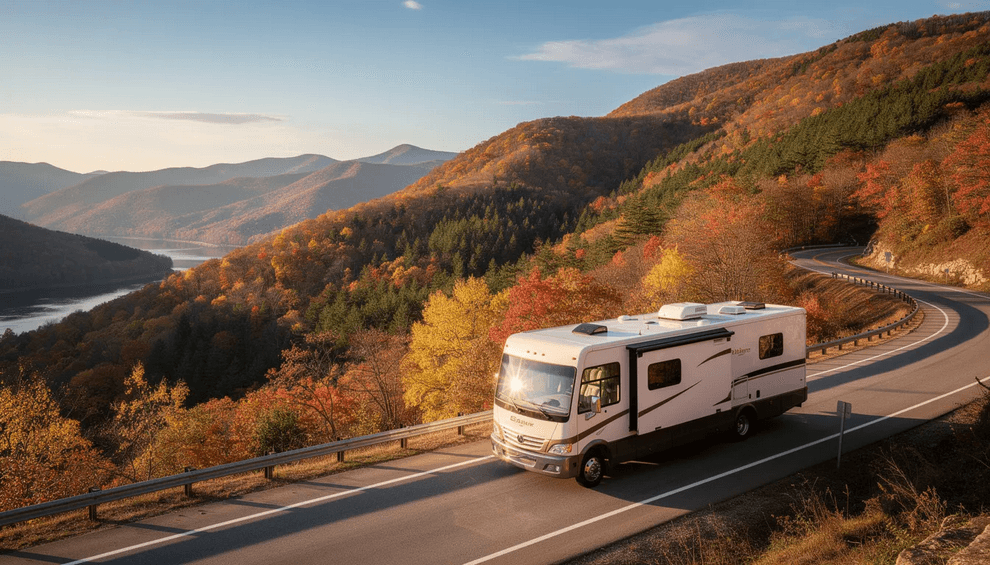
Georgia offers remarkable variety for RV travelers. The Blue Ridge Mountains in the north provide cooler summer camping and stunning fall foliage. Lake Lanier, just north of Atlanta, draws weekend campers looking for water recreation. Stone Mountain Park offers convenient access for metro Atlanta families, while the Golden Isles—Jekyll Island and St. Simons—deliver coastal experiences that rival Florida without the longer drive.
Lower Barriers to Ownership
Compared with some neighboring states, Georgia presents fewer boundaries to RV ownership. Most counties don’t require emissions testing for RVs, simplifying the registration process. The state’s relatively low cost of living also means storage, campground fees, and general maintenance tend to be more affordable than in higher-cost regions.
Year-Round Camping Season
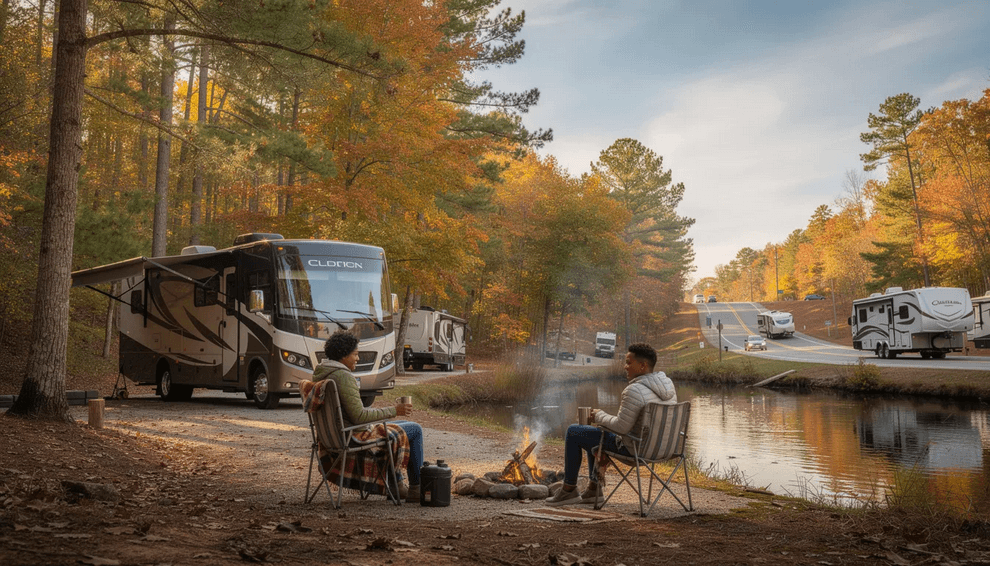
Georgia’s moderate winters mean you’re not waiting until May to start camping. Many RV owners take weekend trips throughout fall and winter, and the state serves as a natural stopover for snowbirds traveling between northern states and Florida. This extended season increases the practical value of owning an RV here.
Top Georgia regions for RV travel:
- North Georgia mountains (Blue Ridge, Helen, Dahlonega)
- Metro Atlanta area (Stone Mountain, Lake Lanier)
- Central Georgia (Macon, Ocmulgee corridor)
- Coastal Georgia (Savannah, Jekyll Island, Tybee Island)
- Southwest Georgia (Providence Canyon, Lake Seminole)
Types of RVs Popular in Georgia
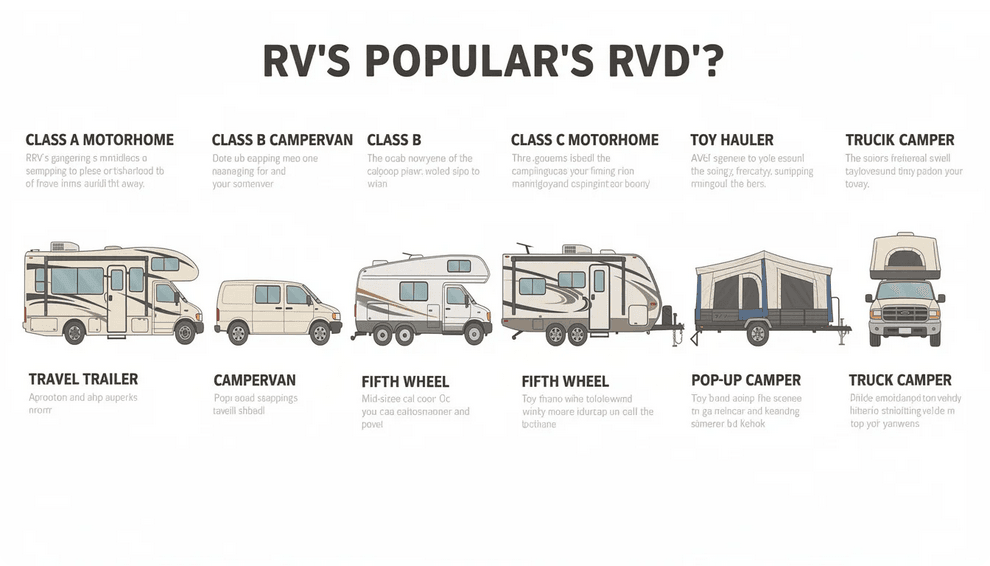
Georgia buyers span a wide range—from first-time families upgrading from tent camping to full-time retirees who spend months on the road. This diversity drives demand across multiple RV categories. Popular RV models in Georgia include travel trailers and fifth wheels, which are especially favored by local buyers.
Travel Trailers
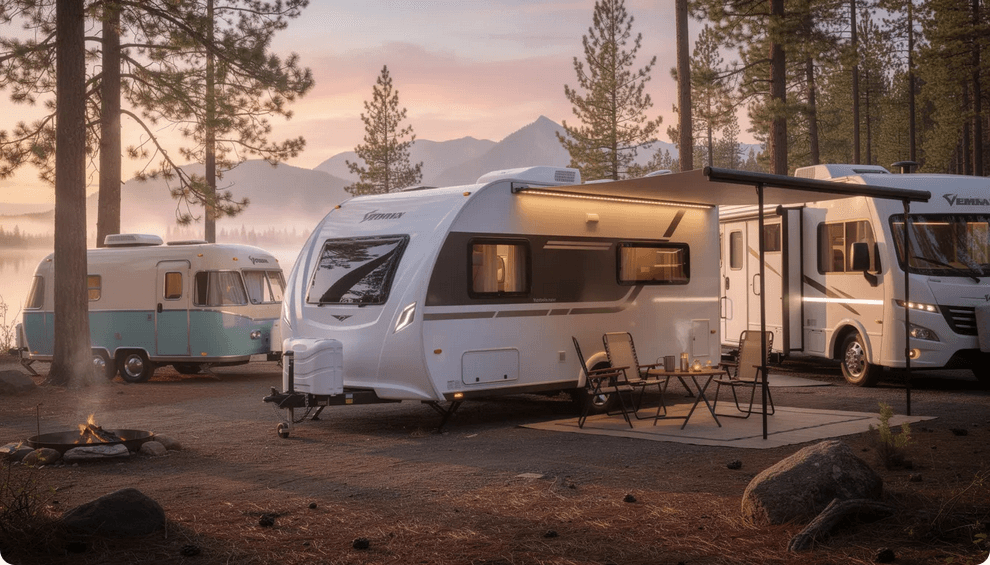
The travel trailer remains the most common entry point for Georgia RV buyers. These towable units typically range from 18 to 30 feet and offer price points accessible to most family budgets. Nationally, travel trailers dominate sales with nearly 290,000 units sold in peak years, and Georgia follows this trend.
A new travel trailer often falls between $25,000 and $45,000, while used models in good condition can be found in the $10,000 to $20,000 range. For families planning weekend trips to state parks or extended summer road trips, this category delivers solid value.
Fifth Wheels
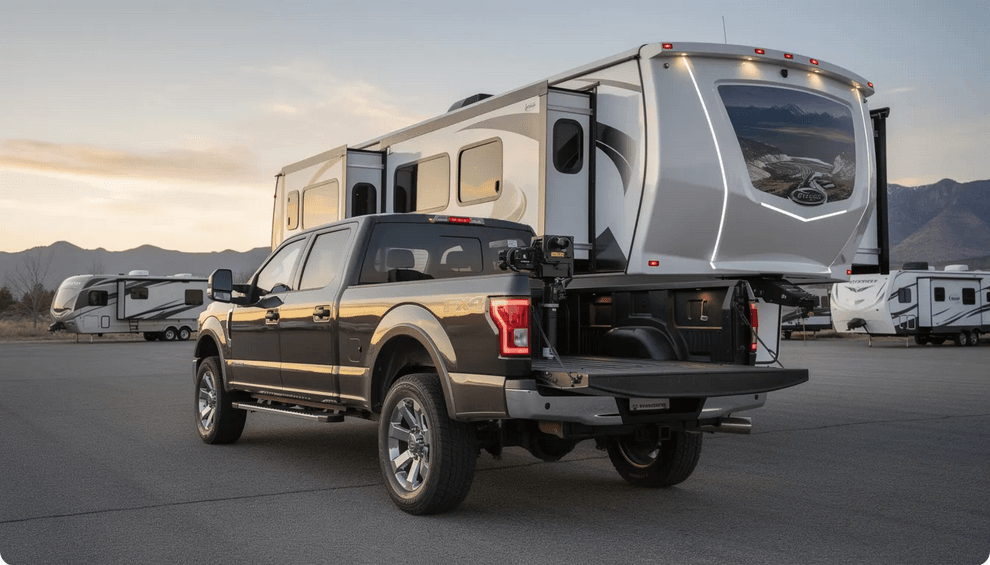
Fifth wheel trailers appeal to buyers with heavy-duty trucks who want more living space than a conventional travel trailer provides. These units connect via a hitch mounted in the truck bed, offering better towing stability and often more luxurious interiors.
Pricing typically ranges from $30,000 to $100,000 depending on size, brand, and features. Fifth wheels are particularly popular among Georgia snowbirds who split time between a home base in GA and winter stays in Florida.
Class A Motorhomes
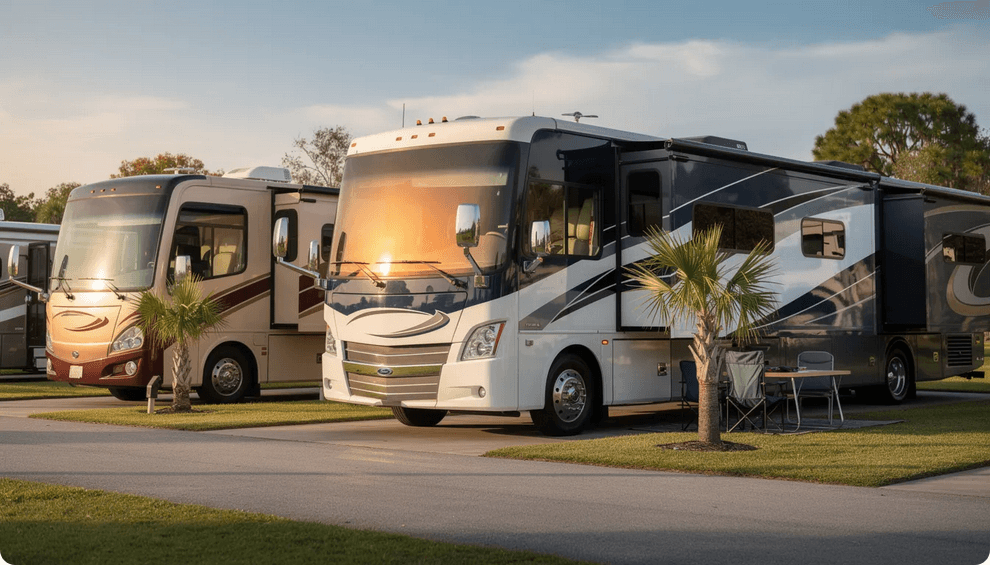
Class A motorhomes represent the largest and most feature-rich category. These bus-style RVs appeal to retirees and full-timers who prioritize comfort during extended travel along I-75 and I-95. You’ll often find Class A owners parked at coastal RV resorts near Savannah or lakefront properties around Lake Lanier.
Prices for Class A units vary dramatically—from $80,000 for older used models to $300,000 or more for new luxury coaches.
Class C Motorhomes
The Class C motorhome sits in a practical middle ground. Built on a truck or van chassis with a distinctive overcab sleeping area, these units typically range from $80,000 to $140,000 new. They’re easier to drive than Class A coaches while still offering full kitchen and bathroom facilities.
For Georgia families who want the convenience of a motorhome without the bulk of a Class A, Class C units work well for navigating metro traffic in Atlanta, Athens, or Augusta.
Class B Camper Vans
Class B vans—often called camper vans—have surged in popularity among couples and solo travelers. These compact units, priced between $80,000 and $150,000 new, fit in standard parking spaces and handle city driving easily. They’re ideal for spontaneous weekend trips when you don’t want to tow anything.
Quick reference: Which RV fits your Georgia lifestyle?
- Travel trailer: Budget-conscious families, weekend campers
- Fifth wheel: Snowbirds, buyers with heavy-duty trucks wanting space
- Class A motorhome: Full-time travelers, luxury seekers, retirees
- Class C motorhome: Families wanting drive-and-go convenience
- Class B camper van: Couples, solo travelers, urban adventurers
New vs. Used RV Sales in Georgia
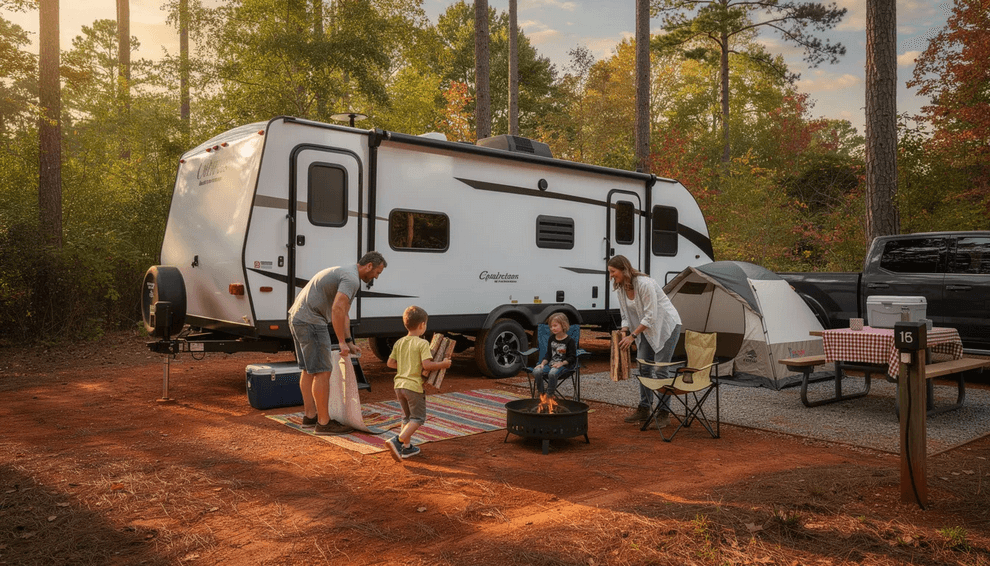
Georgia’s location between major RV manufacturing corridors and Florida’s snowbird traffic creates strong inventories of both new and used units. Understanding the trade-offs helps you make a smarter purchase.
Advantages of Buying New
A new RV comes with a factory warranty, the latest features (solar prep, modern interiors, upgraded appliances), and peace of mind about the unit’s history. Financing through local lenders and credit unions tends to be more straightforward on new purchases, often with competitive rates.
New RVs also let you choose exactly the floorplan and features you want rather than compromising on someone else’s configuration.
Advantages of Buying Used
Used RVs offer a lower purchase price and slower depreciation—someone else has already absorbed that initial value drop. In Georgia, you’ll find well-maintained used units from owners who camped regionally at places like Fort Yargo State Park, Cloudland Canyon, and Tybee Island.
Many Georgia sellers operated their RVs only seasonally, meaning lower mileage and less wear than units from full-time travelers.
Inspection Considerations
If you’re shopping used, plan for a professional inspection before finalizing any deal. Georgia’s humidity and summer thunderstorms can cause roof damage and water intrusion that isn’t always visible. Check seals, examine the roof carefully, and use a moisture meter to detect hidden problems.
New vs. used at a glance:
| Factor | New RV | Used RV |
|---|---|---|
| Price | Higher | Lower |
| Warranty | Full factory coverage | Limited or none |
| Depreciation | Steeper initially | Already absorbed |
| Customization | Choose your specs | Accept existing layout |
| Risk | Lower | Requires thorough inspection |
Price Ranges and Financing for Georgia RV Buyers
RV prices in Georgia generally track national trends but can vary based on season, regional demand, and whether you’re shopping at a metro or rural location. Pricing for RVs in Georgia varies widely based on model and features.
Realistic 2024 Price Ranges
- Entry-level used travel trailers: $10,000–$20,000
- New travel trailers: $25,000–$45,000
- Used Class C motorhomes: $50,000–$90,000
- New Class C motorhomes: $80,000–$140,000
- Fifth wheels: $30,000–$100,000
- Class A motorhomes: $80,000–$500,000+ depending on age and features
Financing Terms
Georgia buyers typically encounter down payment requirements of 10–20% for RV loans. Loan terms can extend up to 15–20 years on higher-value units, which keeps monthly payments manageable but increases total interest paid.
RV financing options in Georgia include traditional bank loans and credit unions. Many lenders offer RV loans with flexible terms and competitive interest rates. Some financing options allow for low down payments, and credit scores can significantly impact the interest rates offered. Pre-approval for RV financing can help buyers understand their budget before shopping.
Local credit unions often offer competitive rates for members, so it’s worth checking with institutions in your area before accepting dealer financing.
Additional Costs to Budget
Sales tax on RVs in Georgia is calculated based on your county of residence. Beyond the purchase price, factor in:
- Title and registration fees
- Insurance (liability required; comprehensive recommended)
- Annual maintenance (tires, brakes, roof resealing)
- Storage costs if you can’t park at home
- Fuel for travel to destinations across GA
Get prequalified with a lender before shopping in earnest. Knowing your budget upfront prevents falling in love with an RV you can’t afford.
Key Georgia Laws and Registration Requirements for RV Owners
Georgia treats most RVs as motor vehicles or trailers for titling, registration, and insurance purposes. Understanding these requirements today helps you avoid delays after purchase.
Titling and Registration
Motorized RVs (Class A, B, and C) must be titled and registered with the Georgia Department of Revenue. Trailers above certain weight thresholds also require titles and annual registration tags. When you buy from a dealer, they typically handle the paperwork, but private sales require you to complete the title transfer yourself.
Driver’s License Requirements
Good news: a standard Class C driver’s license is sufficient to operate most personal-use RVs in Georgia. No CDL is required for typical recreational motorhomes, regardless of size, as long as you’re not using the vehicle commercially.
Safety Inspections
Georgia doesn’t mandate statewide safety inspections for RVs. However, this doesn’t mean you should skip your own checks. Before hitting I-20, I-75, or I-16, verify that lighting, brakes, and tires meet safe operating standards.
Insurance Requirements
Liability coverage is mandatory on motorized RVs registered in Georgia. Given the state’s severe weather risks—including hail, high winds, and flooding—comprehensive and collision coverage is strongly recommended.
Must-do steps after purchasing an RV in Georgia:
- Transfer title at your local county tag office
- Register the vehicle and obtain plates
- Secure liability insurance (minimum) before driving
- Consider comprehensive coverage for weather-related damage
- Verify your page is displayed correctly on the Georgia DOR website when checking registration status
Best Times and Strategies to Shop for RVs in Georgia
Timing your purchase can influence both the price you pay and the selection available to you.
Seasonal Considerations
Late fall and winter (November through February) often bring motivated sellers. Dealerships adjust inventory after peak camping season, and private sellers who didn’t sell during summer may be more flexible on price. You’re not waiting in line with every other buyer during these months.
Spring RV shows in Atlanta and other major cities frequently feature manufacturer incentives, show-only pricing, and package deals. If you’re shopping for a new RV, these events can offer meaningful savings.
In-Person Shopping Strategies
- Inspect in daylight to catch exterior damage, fading, or repair work
- Check seals after heavy rain to see if any water intrusion is visible
- Test drive on varied roads—highways and local streets reveal different handling characteristics
- Bring a checklist covering appliances, slides, leveling systems, and electrical
Online Research Tips
When browsing dealer websites, you may encounter a page that’s displayed while the website verifies you’re not a bot. This is common—many RV dealer sites use a security service to protect against malicious bots and ensure legitimate shoppers can access inventory. If you see a message about performing security verification, just wait briefly until verification successful appears. Some sites may respond with a ray id for troubleshooting if issues persist.
Look for listings showing email contact info and location details. A Georgia RV outlet or dealership should clearly display their rd address in cities like Cartersville, Augusta, or other GA hubs.
Quick shopping action list:
- Compare offers from multiple Georgia dealers
- Review online listings with in-state titles
- Factor in travel distance for warranty service
- Check dealer reviews for customer service history
- Verify any website uses a security service before entering personal info
- Watch for performance and security features that protect your data

Top Destinations to Enjoy Your RV in Georgia
Once you’ve made your purchase, Georgia delivers no shortage of places to explore. Here’s some inspiration for your first—or next—trip.
Georgia offers a variety of RV parks and camping locations for outdoor enthusiasts. Many RV parks in Georgia provide amenities such as full hookups, Wi-Fi, and recreational activities, allowing visitors to explore beautiful landscapes and natural attractions.
North Georgia Mountains
Blue Ridge, Helen, and Vogel State Park offer cooler summer temperatures and some of the Southeast’s best fall foliage. Campgrounds fill quickly during October, so book early if leaf-peeping is on your agenda.
Coastal Georgia
Skidaway Island State Park near Savannah puts you close to historic downtown while still surrounded by maritime forest. Jekyll Island Campground provides direct beach access, and sites near St. Simons Island offer a quieter alternative to Florida’s crowded coasts.
Central and Metro Options
Stone Mountain Park, just outside Atlanta, offers full-hookup sites and easy access to the park’s attractions. Lake Lanier campgrounds serve water sports enthusiasts, and sites along the Ocmulgee River near Macon provide a more secluded experience.
Planning Tips
Popular holiday weekends and major events (like fall football weekends in Athens) book up fast. Reserve early, especially for state park campgrounds that offer the best value.
Must-visit Georgia RV destinations:
- Vogel State Park (Blairsville)
- Cloudland Canyon State Park (Rising Fawn)
- Jekyll Island Campground
- Skidaway Island State Park (Savannah)
- Stone Mountain Park (Stone Mountain)
- Lake Lanier Islands
- Fort Yargo State Park (Winder)
Tips for First-Time RV Buyers in Georgia
Many Georgia buyers are transitioning from tent camping or cabin rentals to their first RV. These practical tips help you avoid common mistakes.
- Rent before you buy: Spend a weekend in a rented RV at a Georgia state park to test different layouts. What looks good in a showroom may not work for your family’s actual camping style.
- Measure your storage space: Check driveway dimensions and any HOA restrictions about parking RVs at home. Some Georgia subdivisions have strict rules about RV visibility or storage duration.
- Create a realistic total ownership budget: Factor in fuel costs for trips to destinations like Tybee Island or Cloudland Canyon, plus maintenance, insurance, and potential storage fees.
- Get a professional inspection on used units: Georgia thunderstorms can cause hidden roof leaks and water damage. A $300–$500 inspection can save you thousands in surprise repairs.
- Start with shorter trips: Build your confidence with weekend trips to nearby campgrounds before attempting a multi-week adventure. Learning your RV’s systems takes time.
- Join RV communities: Online forums and local RV clubs can provide Georgia-specific advice on campgrounds, dealers, and maintenance providers.
Conclusion: Planning Your RV Purchase in Georgia
Georgia’s combination of mild climate, diverse destinations—from mountain ridges to coastal islands—and robust dealer inventory makes it one of the Southeast’s most appealing states for RV ownership. Whether you’re a family looking for weekend adventures or a retiree planning extended travels, the state verifies its reputation as an RV-friendly environment.
The key takeaways: choose an RV type that matches your travel style, carefully weigh new versus used options, understand Georgia’s registration and insurance requirements, and plan for the full cost of ownership beyond just the purchase price.
Your next step is straightforward. Define how you want to use your RV, set a budget you’re comfortable with, explore financing options with local lenders, and visit dealerships to walk through different floorplans in person. There’s no substitute for sitting in an RV, testing the bed, and imagining your family around that dinette.
Georgia’s campgrounds, mountains, and coastline are waiting. Start planning your RV purchase today, and you’ll be on the road before you know it.