
If you need a small room makeover, trust me, I know the struggle of living in a shoebox. My first apartment was so tiny that if I dropped a pen, it hit the wall before it hit the floor. But living small doesn’t mean you have to give up on style or comfort. In fact, fixing up a cramped space is actually kind of fun once you get past the “where do I put my socks?” phase. You just need to be smart about it.
Here is the thing about small spaces: they force you to be honest about what you own. You can’t hide junk in a closet when the closet is also your bedroom. I learned pretty quick that a good layout beats square footage any day. So, let’s talk about how to fix up your space without losing your mind or your wallet.
TL;DR Summary
- Go Up: Use your walls for storage, not just art.
- Light It Up: Mirrors and good lamps make a room feel huge.
- Double Duty: Only buy furniture that does two jobs.
- Clear The Deck: If you don’t use it, get rid of it.
- Zone It: Use rugs to separate living areas.
Look Up, Not Out
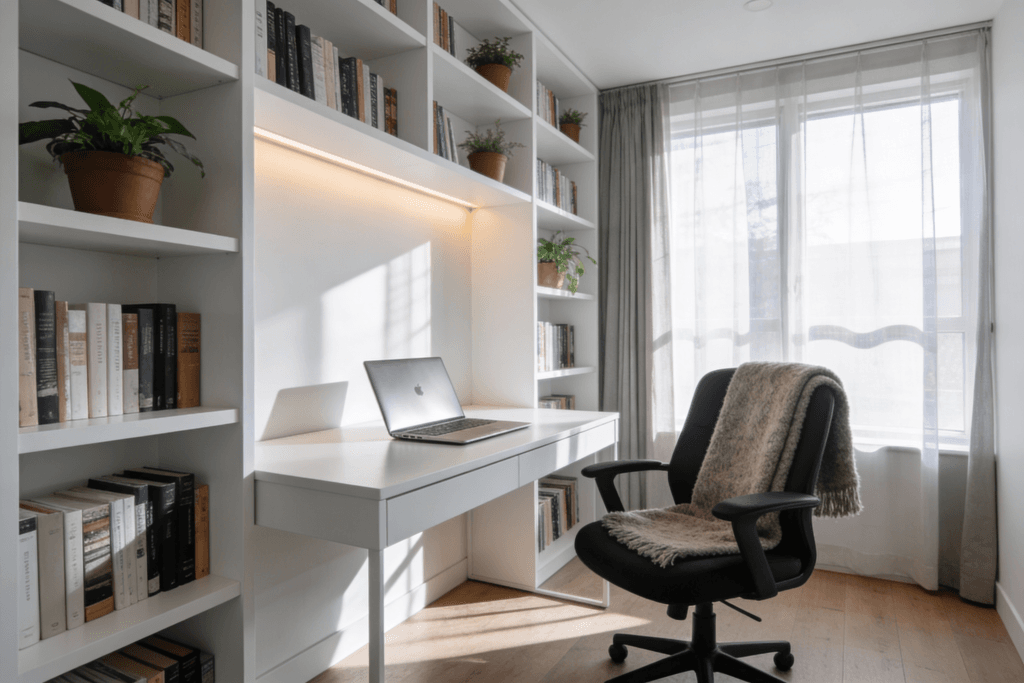
When I first moved into my tiny place, I kept trying to shove dressers and tables onto the floor. It was a disaster. I was tripping over everything. Then a buddy of mine came over, looked at my blank walls, and laughed. “Man, you have all this space right here,” he said, pointing up.
He was right.
Stop looking at your floor plan and start looking at your walls. Install shelves high up near the ceiling. It draws the eye up, which makes the room feel taller. Plus, it’s a great spot for books or boxes of stuff you don’t need every day.
“Vertical space is the most wasted real estate in a small home. If you aren’t using your walls, you are living in half a house.”
I put a shelf over my door frame. Yes, really. It holds my winter boots. It looks cool, and it cleared up space in my tiny entryway.
The Magic of Mirrors
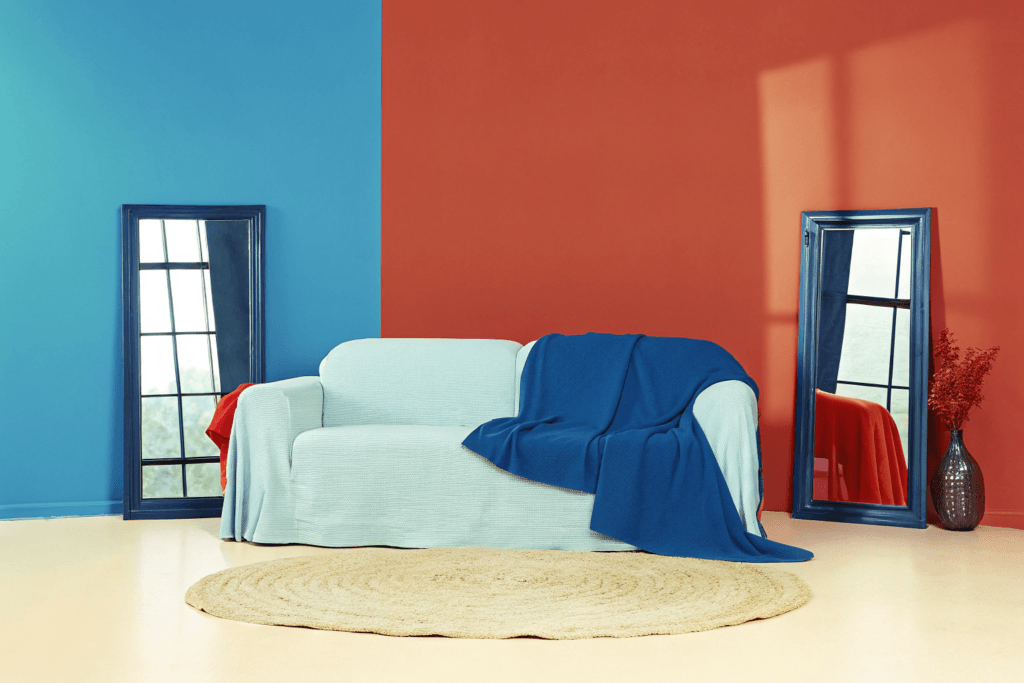
Okay, this sounds like an old trick, but it works. Mirrors bounce light around. They act like a fake window.
I bought a giant cheap mirror at a thrift store and leaned it against the wall opposite my only window. Suddenly, my dark living room felt bright. It was like I knocked down a wall without swinging a hammer.
Try to place mirrors where they can catch natural light. If you have a dark corner, put a lamp in front of a mirror there. It doubles the brightness.
Lighting Comparison
Here is a quick look at how different lights change a small room:
| Type of Light | Effect on Room | Best For |
|---|---|---|
| Warm White | Makes it cozy and soft | Bedrooms |
| Cool White | Makes it feel open and airy | Kitchens/Bathrooms |
| Floor Lamps | Draws eye up, saves table space | Corners |
| Wall Sconces | Saves floor space completely | Bedside/Hallways |
Furniture That Works Hard
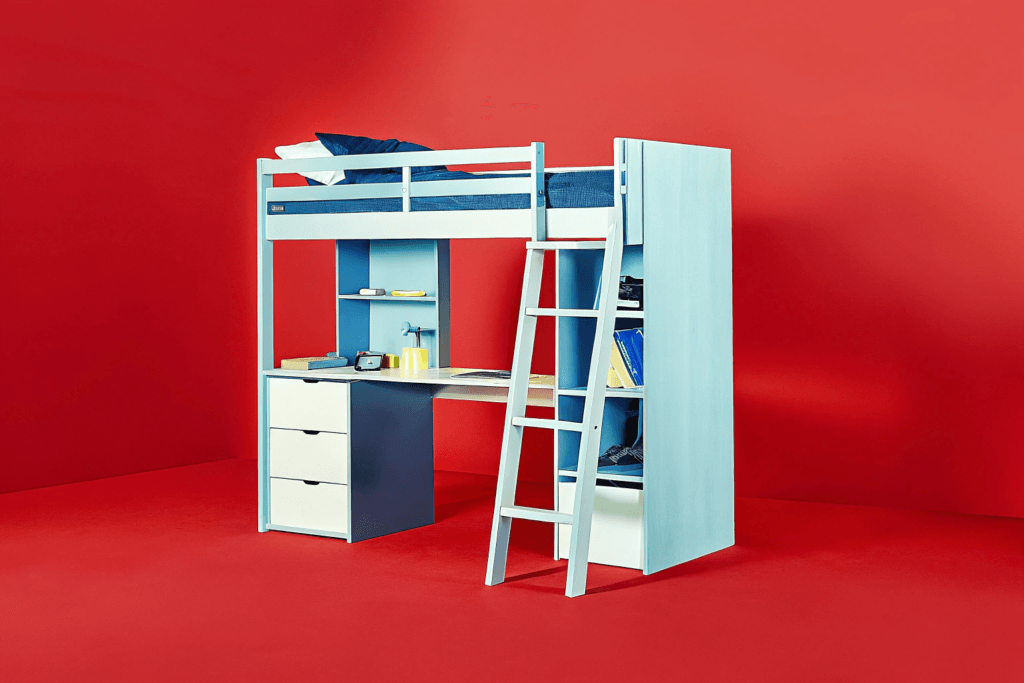
In a small room, lazy furniture is not allowed. If a chair just sits there and doesn’t open up to store blankets, it has to go.
I swapped my bulky coffee table for a storage ottoman. Now I have a place to put my feet, a spot to set a tray of drinks, and a hidden box for my gaming controllers.
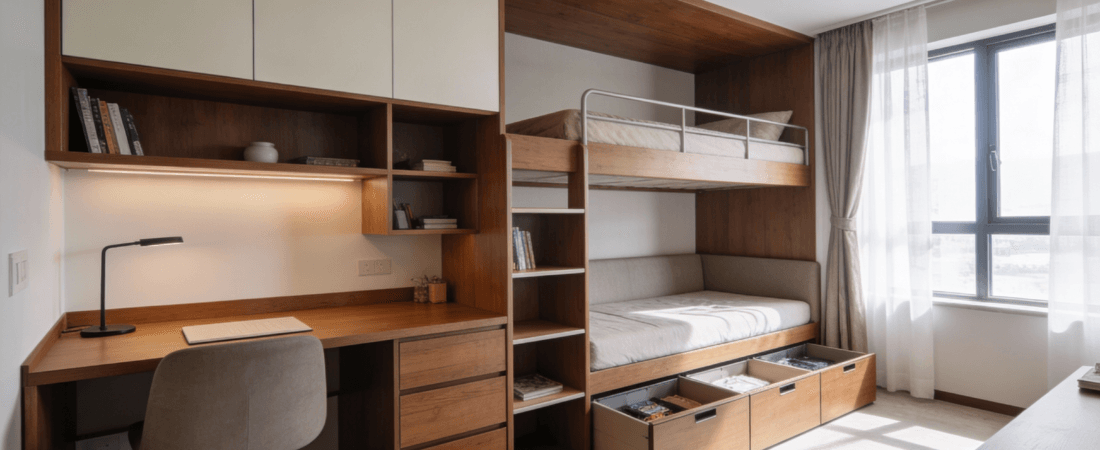
Think about a Murphy bed or a loft bed if you are in a studio. I built a simple loft bed for my guest room (okay, it’s actually just a corner of my office). Underneath, I put a desk. It saved me about 20 square feet. That is huge when your whole room is only 100 square feet.
Paint and Color Tricks
People always say, “Paint it white, it makes it look bigger.” Sure, white is safe. But it can also feel a bit like a hospital.
I painted one wall in my bedroom a deep navy blue. It sounds crazy for a small room, right? But it actually added depth. It made the walls feel like they were disappearing rather than closing in.
If you are scared of dark paint, stick to light colors but paint your trim the same color as the walls. It blurs the lines and makes the ceiling feel higher.
The “One In, One Out” Rule
This is the hardest part for me. I love collecting tools and gadgets. But in a tiny room, clutter is the enemy.
Every time I buy something new, something old has to leave. Did I buy a new jacket? An old hoodie gets donated. It keeps the closet from exploding.
Keep your surfaces clear. A messy table makes a small room look chaotic instantly. I have a basket near the door. Mail, keys, and receipts go in there. Once a week, I empty it. It keeps the mess contained.
Creating Zones
If your living room is also your dining room and your office, you need zones. You don’t need walls to do this.
Use rugs. A rug under your sofa marks the “living” spot. A bare floor or a different rug marks the “dining” spot.
I used a tall bookshelf to split my room in half. It lets light through so it doesn’t block the view, but it gives me a sense of privacy when I’m working at my desk.
Final Thoughts
Making a small room work is all about being clever. You have to see potential where others see a blank wall or a weird corner.
Don’t rush it. I lived with a mattress on the floor for three weeks while I figured out my layout. It was worth the wait. Take your time, measure everything twice, and don’t be afraid to try something weird. If it works for you, it’s the right choice.
Now, go grab a tape measure and see what you can do with that empty wall space. You got this.