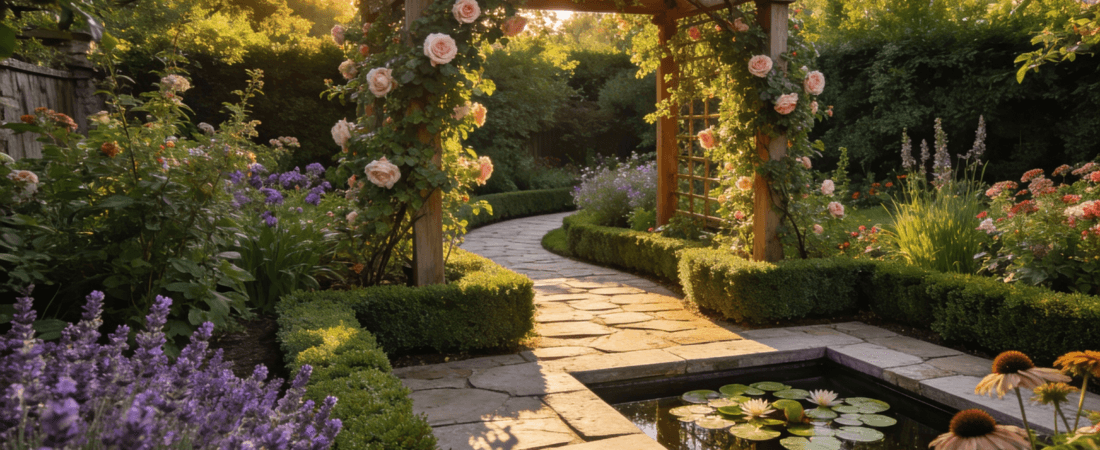
Discover the incredible potential of small garden ideas to transform your outdoor space into a beautiful oasis. Even with limited space, clever design and thoughtful plant choices can create a stunning and functional garden that enhances your lifestyle. This guide is perfect for homeowners, renters, and anyone with a small outdoor space looking for creative and practical garden design ideas. Whether you have a backyard, balcony, or courtyard, these top 20 small garden design ideas will inspire you to make the most of your small outdoor space. Small garden design is important because it allows you to maximize limited space, increase your home’s value, and create a personal retreat regardless of your garden’s size.
Assessing Your Own Garden
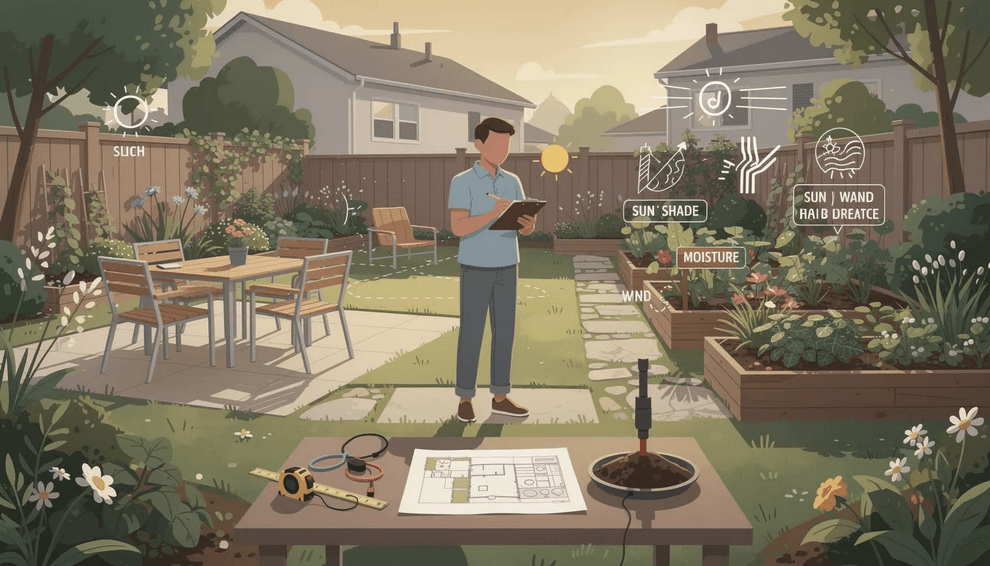
Before diving into design, it’s essential to assess your garden’s unique conditions and requirements. This foundational step ensures your garden can accommodate your intended activities, the number of people, and the types of plants you want.
Evaluate Sunlight and Soil
- Observe how much sunlight your garden receives throughout the day.
- You would need to know the kind and quality of the soil you have in your yard to determine how suitable it is for growing plants.
- It is important to know the climate zone for your area so you can pick the kind of plants that will thrive and survive through the seasons.
Consider Garden Use
- Think about how you want to use your small outdoor space—whether it’s for morning coffee, entertaining guests, or growing vegetables.
- Make sure there is enough space for movement, pathways, and key features to keep the garden functional and visually appealing.
Assess Existing Features
- Take note of existing features like trees, fences, and flower beds.
- Plan how to incorporate or enhance them so that each element can serve multiple purposes and maximize efficiency.
Budget and Maintenance
- Assess your budget for garden improvements.
- Consider how much time you can dedicate to maintenance and choose ideas that fit your lifestyle.
Once you have a clear understanding of your garden’s conditions and your goals, you can begin designing a space that maximizes every inch.
Designing Small Gardens
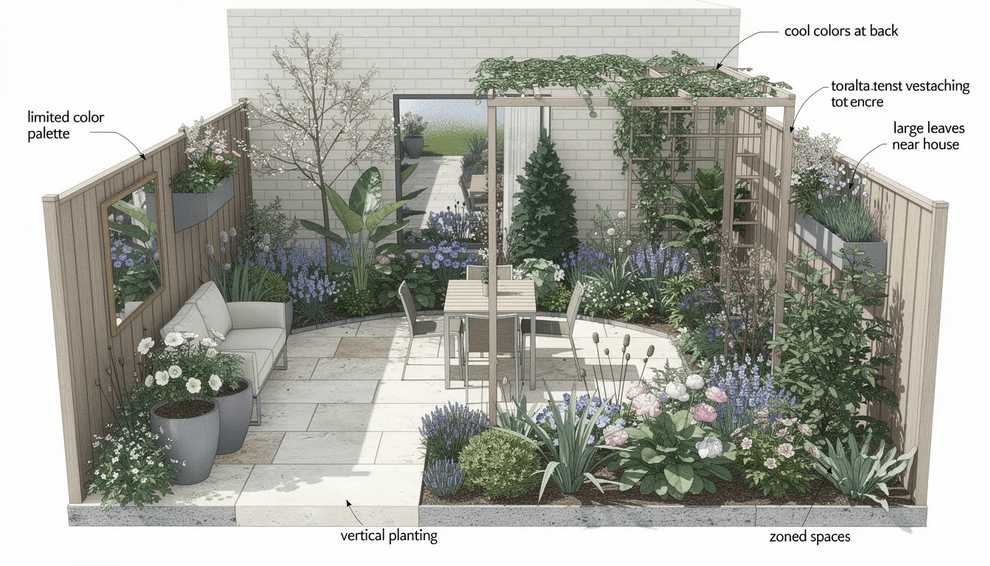
When planning your top 20 small garden design, focus on prioritizing key elements that will maximize your small space. Use garden design ideas that create a specific feeling—whether it’s serenity, mystery, or spaciousness—to enhance the atmosphere of your small area. Clever design can make a small garden feel like a larger space by using visual tricks and thoughtful arrangements.
Key Design Principles
- Stick to a limited color scheme of 2–3 colors plus green to avoid a cluttered look.
- Use cool colors like blue and purple at the back of borders to make boundaries seem further away.
- Place plants with large leaves near the house and smaller leaves further away to create an illusion of depth.
- Balance evergreens for structure, deciduous plants for winter interest, and seasonal flowers for year-round color.
- Choose good paving materials that weather well for longevity and appearance.
- Use mirrors to create the illusion of more space.
- Use large containers to add structure, create zones, and bring intentionality to your small garden.
- Divide the garden into distinct compartments for different uses, following the “Botanical Bento Box” approach.
- Maximize your small garden with vertical thinking, intentional zoning, and a simplified plant palette.
- Maximizing a small garden requires vertical thinking, intentional zoning, and a simplified plant palette.
- Utilizing vertical space is essential for maximizing small garden areas.
Vertical Gardens and Plant Choices
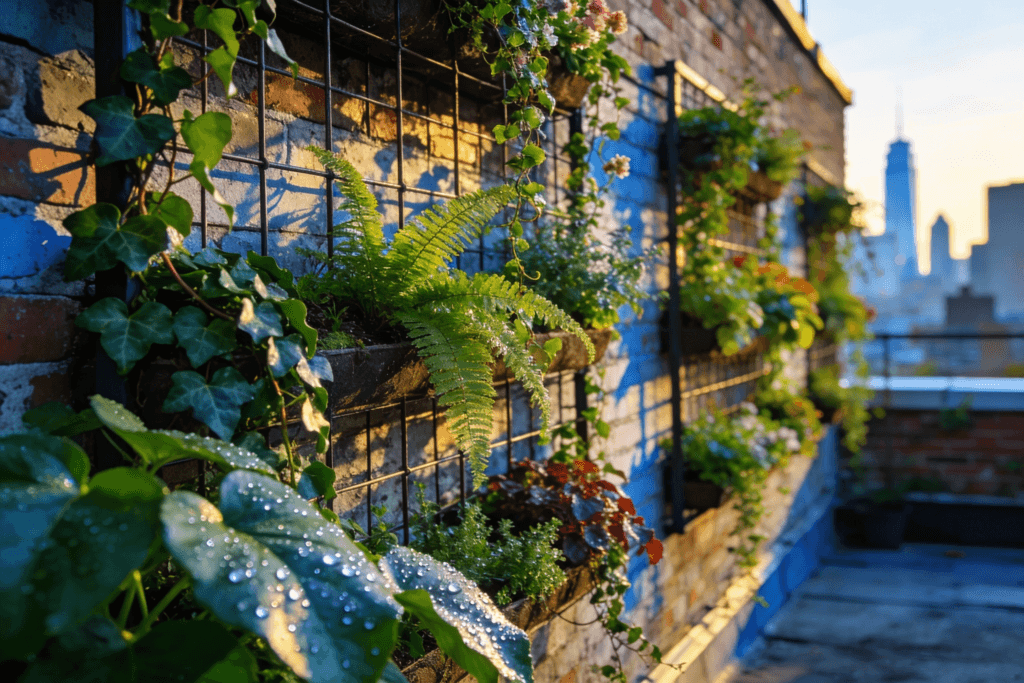
- Vertical gardens can maximize limited space by utilizing walls or fences for planting.
- Choose compact, dwarf, or columnar varieties of plants that won’t outgrow their space.
Creating Functional Areas
- Divide the space into functional areas and use curved paths to create a sense of journey, encouraging visitors to explore different zones.
- Tall plants or screens can add depth and a sense of discovery.
- Tropical gardens use bright colors and lush foliage to create an inviting atmosphere.
- Incorporate intentional LED lighting and strategic lighting to add ambiance and a calming sensory experience.
Plant Selection and Water Features
- Choose plants suitable for small gardens that thrive in containers or raised beds.
- Incorporate water features like fountains or bird baths to attract birds and add tranquility.
- Mix small plants, shrubs, and trees to build layers and texture.
Don’t hesitate to explore new ideas and arrangements to find what works best for your small space. Next, let’s look at how container gardens can further enhance your design.
Utilizing Container Gardens
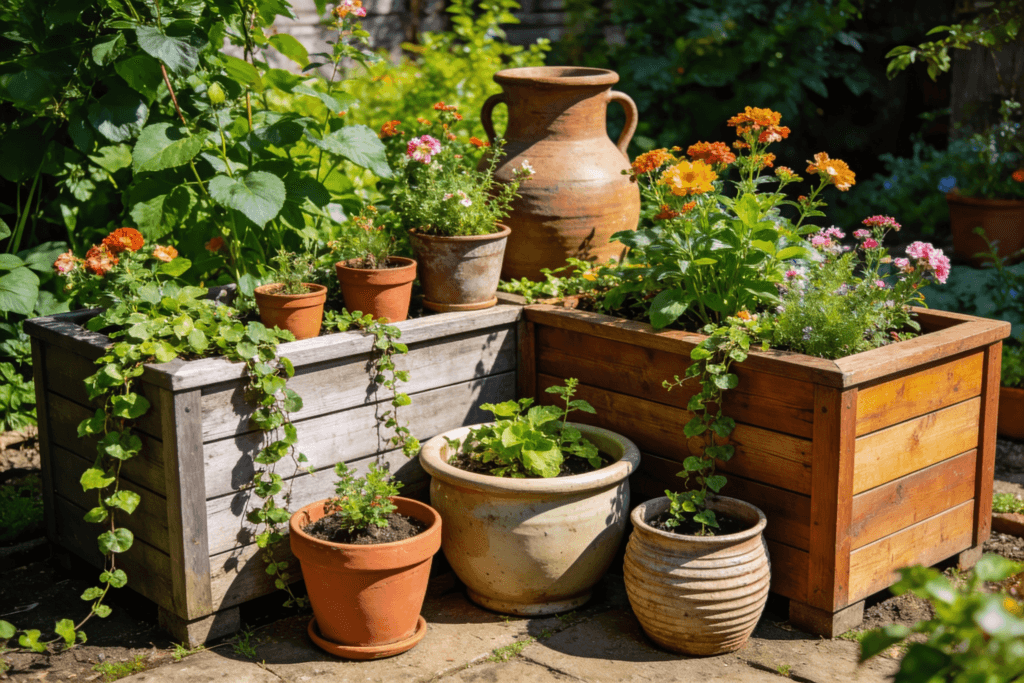
Container gardens are a fantastic solution for anyone looking to add greenery and life to a small garden or outdoor space. By arranging pots, planters, and containers in different sizes and heights, you can create layers of visual interest and texture that make your garden feel larger and more dynamic.
- Choose plants that thrive in containers, such as aromatic herbs, colorful flowering varieties, or even small shrubs, to ensure your garden stays healthy and vibrant.
- Adding a water feature, like a petite fountain or birdbath, not only attracts birds but also brings a soothing ambiance to your space.
- When selecting planters, consider materials and colors that complement your overall garden design, and don’t be afraid to mix and match for a playful, personalized look.
- With container gardens, you can easily rearrange your plants to suit the season or your mood, making it a flexible and creative way to enhance your small garden.
Now that you know how to use containers, let’s explore how flower beds can add even more color and life to your garden.
Making the Most of Flower Beds
Flower beds are a wonderful way to infuse your small garden with color, fragrance, and life. By thoughtfully combining annuals and perennials, you can enjoy a constantly evolving display that attracts birds and other pollinators throughout the growing season.
- Raised beds or container gardens can help define your flower beds, adding structure and texture while making the most of your available space.
- For a lush, layered effect, choose a mix of tall and short plants, and incorporate greenery like shrubs or small trees to provide shade and a sense of depth.
- The right combination of flowering plants, greenery, and structural elements will create a vibrant focal point in your small garden, making it a delightful spot for relaxation and enjoyment.
With your flower beds planned, let’s move on to the benefits of raised beds in small garden design.
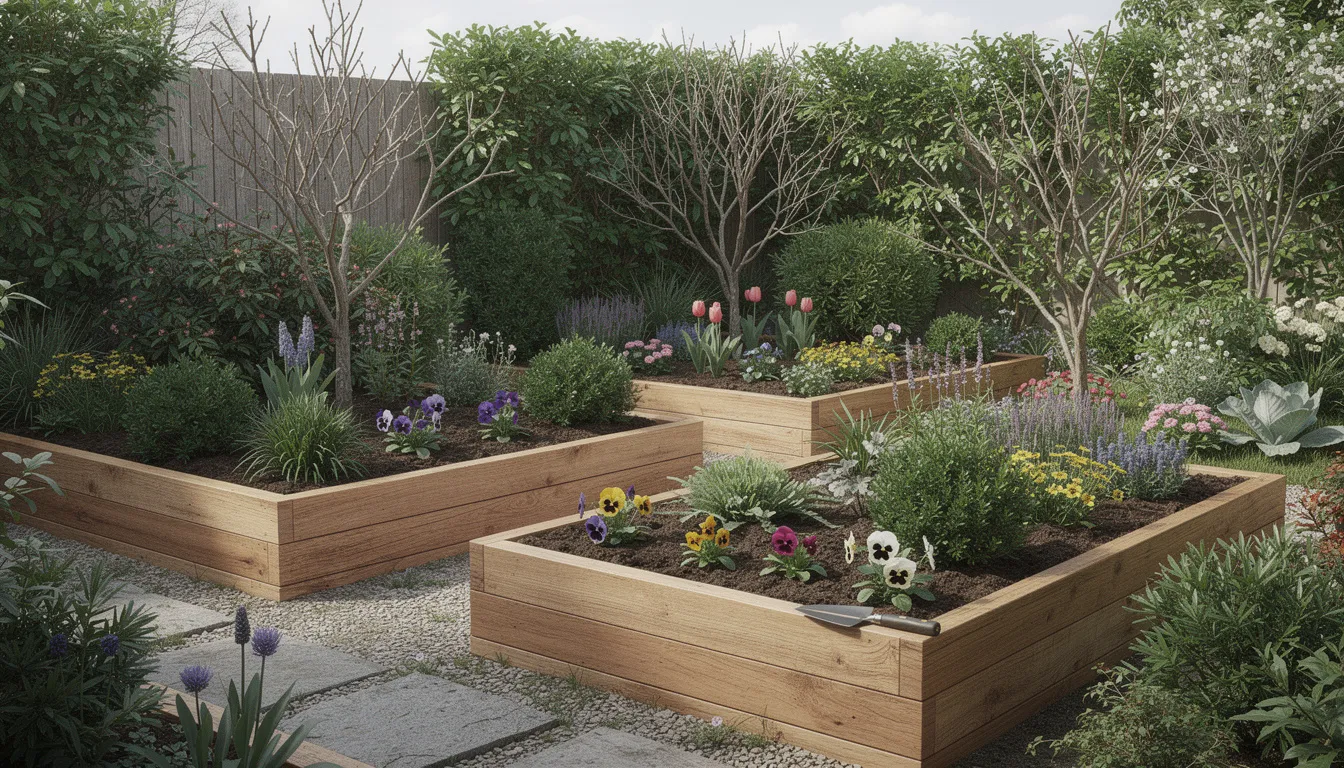
Building Raised Beds
Raised beds are an excellent choice for small gardens, offering both practical and aesthetic benefits.
- They improve drainage, warm up quickly in spring, and can be customized to fit any shape or size, making them ideal for maximizing limited space.
- Using reclaimed wood or sustainable materials adds a rustic, eco-friendly touch to your garden design.
- Fill your raised beds with a mix of vegetables, herbs, and flowering plants that thrive in these conditions.
- Consider adding vertical elements like trellises or arbors to introduce height and visual interest.
With raised beds in place, you can create a productive, beautiful garden that not only yields a bountiful harvest but also serves as a peaceful retreat in your outdoor space. Next, let’s see how a water feature can elevate your garden’s ambiance.
Incorporating a Water Feature
A water feature can elevate the atmosphere of any small garden, turning it into a tranquil oasis that delights the senses.
- Even in a limited space, options like compact fountains, birdbaths, or small ponds can add movement, sound, and a touch of luxury to your garden design.
- When planning your water feature, think about how the sound and sight of water will enhance your outdoor experience.
- Choose plants that thrive in moist conditions, such as water lilies or irises, to complement the feature.
- Adding a comfortable seating area nearby allows you to fully enjoy the calming effects and watch as birds and other wildlife are drawn to your garden.
With the right water feature, your small garden will become a serene and inviting escape, perfect for unwinding at any time of day. Now, let’s dive into the top 20 small garden design ideas to inspire your own space.
20 Small Garden Design Ideas
- Raised Garden Beds
- Vertical Gardens
- Vertical gardens can maximize limited space by utilizing walls or fences for planting. Utilize walls, fences, or trellises to grow plants vertically, maximizing space and adding greenery without taking up precious ground area. Explore different arrangements to invite curiosity and keep the design engaging.
- Container Gardens
- Use pots and planters of various shapes and sizes to add dimension and color. Containers can be moved and arranged to suit your needs and style. Using large containers can help create zones, add structure, and bring intentionality to your space—they can even double as natural barriers within the garden.
- Green Columns
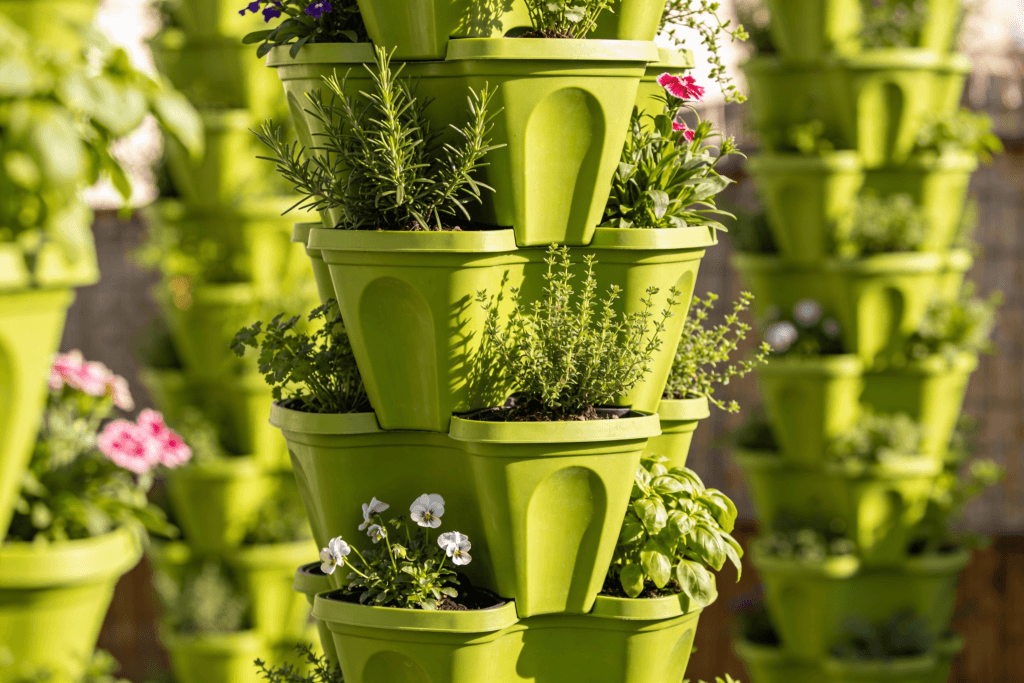
- Stackable pots can form vertical columns, perfect for growing herbs or flowers in a compact footprint. Use vertical thinking to maximize small areas and make the most of limited space.
- Garden on Steps or Stairs
- Place potted plants along steps or stairways to transform otherwise unused space into a lush, layered garden feature. Use a corner to create a green focal point and enhance visual interest.
- Trellis for Climbing Plants
- Plant vines or climbing plants to soften fences or walls and add height without crowding the ground. Use tall plants or screens to create depth and a sense of journey through your garden.
- Garden on Shelves
- Repurpose shelves, crates, or ladders to create multi-tiered displays of potted plants, adding structure and interest. Choose compact, dwarf, or columnar varieties of plants that won’t outgrow their space.
- Mini Landscapes
- Design miniature landscapes with stepping stones, rocks, and plants to create a charming, well-organized garden scene. For example, a tiny rock garden with moss and a small water feature can bring a sense of tranquility to a limited area.
- Bonsai Garden
- Grow miniature trees in bonsai pots to enjoy the beauty of trees even in a very small garden space. Bonsai can serve as a focal point and bring a feeling of serenity to your garden.
- Balcony Gardens
- Transform balconies into green retreats with compact pots, vertical planters, and small seating areas. Add chairs to create a comfortable spot for relaxing and enjoying your outdoor space.
- Hanging Plants
- Use hanging baskets to add greenery overhead, freeing up floor space and creating a canopy effect. Incorporate edible plants with ornamental borders through a method called “Foodscaping”.
- Topiaries
- Incorporate sculpted shrubs or bushes to add texture and formal structure to your garden. Use large containers for topiaries to keep surfaces clean and provide additional structure.
- Water Features
- Add small ponds, fountains, or bird baths to create a soothing atmosphere and attract wildlife. Incorporate mirrors to double the perceived size of your garden and reflect greenery for a more spacious feel.
- Fun, Unique, and Quirky Gardens
- Add personality with garden accessories like birdhouses, wind chimes, colorful lanterns, or garden gnomes. Avoid a boring garden by using bold plants, quirky accessories, and varied foliage to create a lively and interesting space.
- Minimalist Garden
- Keep it simple with clean lines, limited plant varieties, and uncluttered spaces for a calm and modern look. Stick to a limited color scheme and use cool colors like blue and lavender to add depth and make the space feel larger.
- Zen Garden
- Create a peaceful Japanese-inspired garden with rocks, moss, sand, and carefully arranged plants. A meandering path can add interest and intrigue to your Zen garden.
- Rockscape
- Use boulders, pebbles, and gravel combined with drought-tolerant plants for a natural, low-maintenance garden. Incorporate rich jewel tones such as deep plums, fiery reds, and emerald greens for a trendy 2026 look.
- Rooftop Garden
- Turn a rooftop into a garden oasis with containers, raised beds, and lightweight soil mixes. Pay attention to sun exposure and choose plants that will thrive in the available sunlight.
- Succulent Garden
- Perfect for sunny, dry areas, succulent gardens require minimal water and add interesting textures and shapes. Know your climate zone to select the best succulents for your garden.
- Lounge Garden
- Combine seating and greenery to create an inviting outdoor living area for relaxation and socializing. Ensure there is enough space for movement and use chairs for added comfort.
With these ideas in mind, let’s discuss how to keep your small garden looking its best with regular maintenance.
Maintaining Your Garden
Regular maintenance keeps your small garden thriving and beautiful.
Watering and Fertilizing
- Water plants appropriately, avoiding overwatering to prevent disease.
- Fertilize to encourage healthy growth.
Pruning and Cleaning
- Prune to maintain shape and vigor.
- Remove debris and clutter to preserve a tranquil atmosphere.
By staying on top of these tasks, your garden will remain a beautiful and enjoyable space. Now, let’s add the finishing touches to personalize your garden.
Final Touches
Add decorative elements such as garden lighting, sculptures, or colorful pots to personalize your space.
- Maintain your garden regularly to keep it looking its best.
- Share your garden with friends and family, enjoying the outdoors together.
- Take pride in your unique garden and the many benefits it brings.
With these top 20 small garden design ideas and expert tips, you can create a lovely, functional, and inspiring outdoor space no matter how small your garden area may be. For more inspiration on how to maximize space in small living environments, check out these clever tiny house interiors.