

A septic system is an essential part of many homes, particularly in rural or suburban areas where centralized sewer systems are not available. It typically consists of two main components: the septic tank and the drain field (also known as the leach field). The septic tank receives wastewater flows from the household plumbing and serves as the primary treatment area. Within the tank, solids settle to the bottom forming sludge, while lighter materials such as grease and oils float to the top forming a scum layer. The liquid in the middle, called septic tank effluent, flows out to the drain field for further treatment through soil filtration. Septic systems also rely on various types of septic tank filters to ensure that solids do not reach and clog the drain field.
This article will cover the types of septic tank filters, who should read it (homeowners with septic systems), and why understanding filter types matters for maintenance and system longevity. By learning about the different filter options, homeowners can make informed decisions to protect their investment and extend the life of their septic system.
Proper functioning of the septic system is critical to prevent groundwater contamination and avoid costly system failure. Contaminated groundwater can pose serious health risks, including exposure to pathogens and pollutants. Therefore, regular maintenance, including periodic pumping of the tank and inspections, is necessary to ensure the system operates efficiently and protects both the environment and public health.
Types of Septic Systems
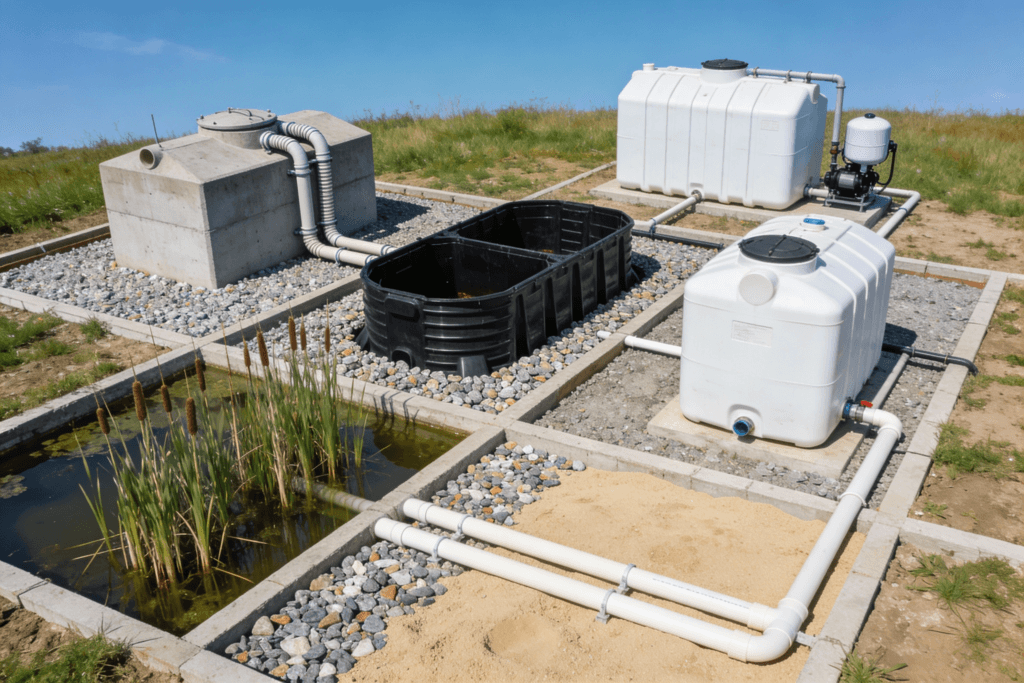
There are various types of septic systems designed to suit different soil conditions, household sizes, and local regulations. The most common types include:
- Conventional Systems: These systems use a septic tank followed by a gravel or stone drain field where effluent filters through the soil, which acts as a biological filter to remove pathogens and nutrients.
- Chamber Systems: A gravelless alternative to conventional systems, chamber systems use open-bottom chambers to disperse effluent into the soil. They are easier to install and suitable for areas with high groundwater.
- Aerobic Systems: These systems introduce oxygen into the treatment tank to enhance bacterial activity. Aerobic systems provide a higher level of treatment and are suitable for homes with limited space or poor soil conditions.
- Alternative Septic Systems: These include sand filters, mound systems, recirculating sand filters, and constructed wetlands. They are designed for challenging sites such as those with shallow bedrock, high water tables, or limited space. In constructed wetlands, plants play a crucial role in removing pathogens and nutrients from wastewater, as they are able to survive in perpetually saturated environments and contribute to the purification process.
The choice of system depends on factors such as household size, soil conditions, the water table level, and compliance with local codes. In areas with high water tables, advanced systems use filters for additional purification beyond the primary tank. Understanding the common types of septic systems helps homeowners select the most suitable option for their property.
Next, we’ll look at the different types of filters used in these systems.
Common Types of Septic Tank Filters
To directly address the search intent, here is a table listing and briefly describing all common types of septic tank filters:
| Filter Type | Description |
|---|---|
| Effluent Screen Filters | Use a fine mesh or screen to capture solid waste particles before they enter the drain field. |
| Bristle Filters | Consist of a dense brush-like filter that traps suspended solids while allowing liquids to flow through. |
| Cloth Fiber Filters | Use cloth tubes to provide extensive surface area for filtering and aeration. |
| Sand Filters | Use layers of sand as a biological filter to remove pollutants from the septic tank effluent. |
| Gravity Effluent Filters | Rely on gravity to filter solids and are commonly used in conventional septic tanks. |
| Pump-Assisted Filters | Used in alternative septic systems with pump chambers, these filters assist in managing wastewater flows. |
Common types of septic tank filters include effluent screen filters, bristle filters, and sand filters.
Septic Tank Filters
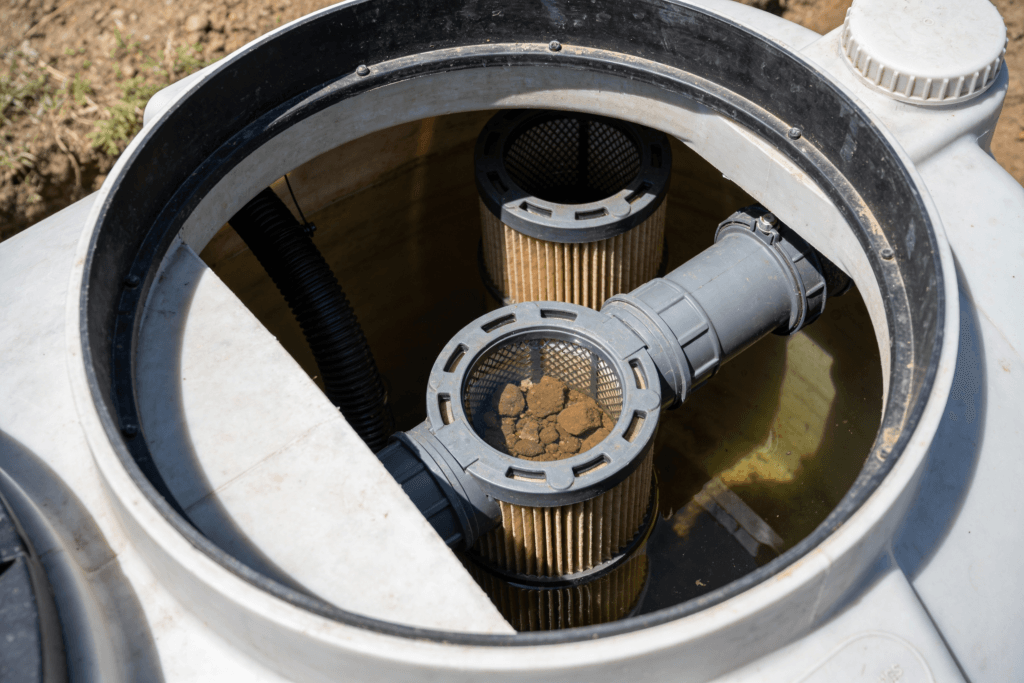
Septic tank filters, also called effluent filters, are a crucial component in protecting the septic system’s drain field. Installed typically at the outlet baffle inside the septic tank, these filters prevent solids and suspended waste from leaving the tank and clogging the drain field. By capturing solids before they enter the leach field, septic tank effluent filters significantly extend the life of the system and reduce the risk of a failing system.
Main Types of Septic Tank Filters
Common types of septic tank filters include:
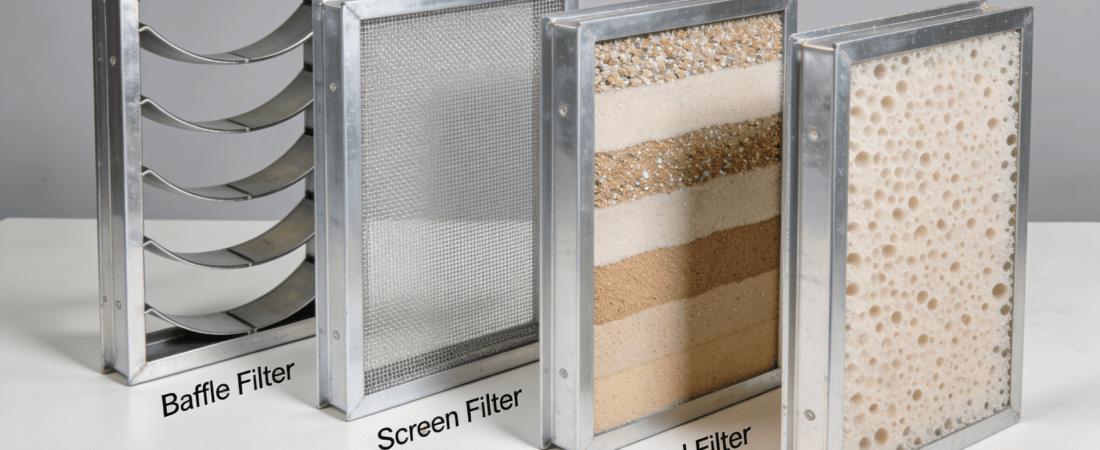
- Effluent Screen Filters: Use a fine mesh to capture solid waste particles before they enter the drain field.
- Bristle Filters: Consist of a dense brush-like filter that traps suspended solids while allowing liquids to flow through.
- Cloth Fiber Filters: Use cloth tubes to provide extensive surface area for filtering and aeration.
- Sand Filters: Use layers of sand as a biological filter to remove pollutants from the septic tank effluent.
- Gravity Effluent Filters: Rely on gravity to filter solids and are commonly used in conventional septic tanks.
- Pump-Assisted Filters: Used in alternative septic systems with pump chambers, these filters assist in managing wastewater flows.
Gravity Effluent Filters
Gravity effluent filters are commonly used in conventional septic tanks. They rely on gravity to filter out solids from the wastewater before it leaves the tank, helping to protect the drain field from clogging.
Pump-Assisted Filters
Pump-assisted filters are used in alternative septic systems that include pump chambers. These filters help manage wastewater flows and provide additional filtration, especially in systems where gravity flow is not possible.
Effluent Screen Filters
Effluent screen filters use a fine mesh to capture solid waste particles before they enter the drain field. This type of filter is effective at preventing small solids from escaping the tank and causing blockages.
Bristle Filters
Bristle filters consist of a dense brush-like filter that traps suspended solids while allowing liquids to flow through. The bristles provide a large surface area for capturing debris and are easy to clean during maintenance.
Cloth Fiber Filters
Cloth fiber filters use cloth tubes to provide extensive surface area for filtering and aeration. These filters are designed to trap fine particles and promote the breakdown of organic matter.
Next, we’ll take a closer look at sand filters, a specific type of filter used in alternative septic systems.
Sand Filter
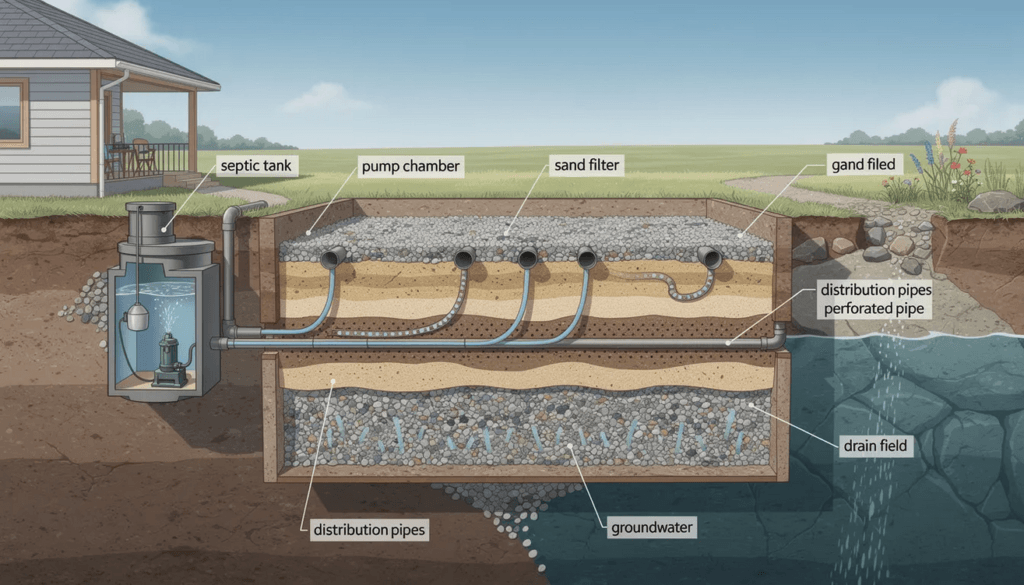
A sand filter is a type of alternative septic system designed to provide a high level of treatment for wastewater. It uses layers of sand as a biological filter to remove pollutants from the septic tank effluent before it reaches the drain field.
Sand filters are particularly suitable for sites with high groundwater tables or shallow bedrock where conventional drain fields are not feasible. The system typically includes a pump chamber to dose the filter with effluent at controlled intervals.
Maintenance of sand filters is crucial and includes periodic inspection, cleaning, and ensuring the distribution pipes and perforated pipe within the filter are functioning properly. Failure to maintain the sand filter can result in clogs and costly repairs.
Effluent Filters
Effluent filters serve as a barrier to capture suspended solids in the wastewater before it reaches the drain field. They are typically installed inside the septic tank’s outlet pipe or baffle and require periodic maintenance, including cleaning or replacement, depending on the manufacturer’s recommendations.
Benefits of Effluent Filters
- Reducing the risk of drain field clogs and premature failure.
- Protecting the environment by minimizing groundwater contamination.
- Enhancing the overall efficiency and lifespan of the septic system.
Homeowners should schedule regular inspections and cleaning of effluent filters, ideally every 6 to 12 months or as advised by a septic professional. Using a garden hose to rinse the filter during cleaning is a common practice to remove trapped solids.
Effluent Filters Role
Why Effluent Filters Matter
Effluent filters are a crucial component in ensuring the proper functioning of any septic system. By acting as a final barrier at the outlet of the septic tank, these filters prevent suspended solids from escaping into the drain field. This is especially important because solids that reach the distribution pipes can cause blockages, leading to system failure and the need for costly repairs. Effluent filters are not only vital for conventional septic systems but are also an integral part of alternative septic systems, such as aerobic systems and sand filters, where maintaining the quality of septic tank effluent is essential for system performance.
By filtering out solids and allowing only liquid effluent to pass through, effluent filters help to greatly extend the life of the entire system. This protective measure reduces the risk of groundwater contamination, as fewer solids reach the soil, and helps maintain the effectiveness of the drain field.
How to Maintain Your Effluent Filter
Regular maintenance of the filter ensures that it continues to function as intended, safeguarding both the septic system and the surrounding environment. Homeowners who invest in effluent filters and keep them in good condition can enjoy peace of mind, knowing they are taking proactive steps to prevent system failure and protect their property’s value.
Septic Tank Effluent
The septic tank effluent is the liquid portion of wastewater that flows from the septic tank into the drain field. It contains organic matter, nutrients, and some suspended solids that must be treated by the soil to prevent pollution.
The quality of septic tank effluent is critical for the proper functioning of the septic system. If solids are not adequately removed by the septic tank and effluent filter, they can clog the soil pores in the drain field, leading to system failure.
Proper system maintenance, including regular pumping and filter cleaning, ensures that the effluent remains suitable for soil absorption and prevents groundwater contamination.
System Maintenance
Regular system maintenance is vital to ensure the septic system operates efficiently and lasts for many years. Key maintenance tasks include:
- Regular Pumping: Septic tanks should be pumped every 2 to 5 years depending on household size and tank capacity to remove accumulated sludge and scum.
- Effluent Filter Cleaning: Cleaning the septic tank effluent filters every 6 to 12 months prevents clogs and protects the drain field.
- Inspections: Periodic inspections help detect early signs of a failing system, such as slow drains or sewage odors.
- Monitoring Water Usage: Reducing excessive water flows helps prevent overloading the system.
- Avoiding Harmful Chemicals: Do not dispose of hazardous chemicals or non-biodegradable materials into the septic system.
Homeowners should seek professional help for system maintenance and repairs to ensure compliance with local codes and to protect health and the environment.
Effluent Filter Maintenance
How to Maintain Your Effluent Filter
Maintaining the effluent filter is essential for the long-term health of your septic system. Over time, solids and debris can accumulate on the filter, restricting the flow of wastewater and increasing the risk of system failure. To keep your filter working efficiently, it should be cleaned every 6 to 12 months, depending on the volume of wastewater and the specific filter design. Cleaning typically involves removing the filter from the tank and rinsing it thoroughly with a garden hose to dislodge any trapped solids.
During each cleaning, it’s important to inspect the filter for signs of damage or excessive wear. If the filter appears cracked, clogged beyond cleaning, or otherwise compromised, it should be replaced promptly to maintain proper system functioning. Homeowners should also monitor the water level in the septic tank and watch for warning signs such as slow drains, backups, or unusual odors, which may indicate a clogged or failing filter. By making effluent filter maintenance a regular part of your septic system care routine, you can help prevent costly repairs, extend the life of your system, and ensure that your septic tank continues to process wastewater safely and effectively.
Septic Tanks
Septic tanks are watertight containers, usually made of concrete, fiberglass, or plastic, designed to receive and partially treat household wastewater. They separate solids from liquids, allowing the liquid effluent to flow to the drain field.
Septic tanks come in various sizes and configurations, often with one or two compartments separated by an inlet baffle and outlet baffle. The inlet baffle directs incoming wastewater downward to prevent disturbance of settled solids, while the outlet baffle prevents solids from leaving the tank.
Proper installation according to local codes and regular maintenance, including pumping and inspection of baffles and filters, are essential to prevent groundwater contamination and system failure.
By understanding the types of septic tank filters, their role in preventing solids from entering the drain field, and the importance of regular maintenance, homeowners can effectively protect their septic systems, extend their lifespan, and avoid costly repairs. Proper care ensures a healthy environment, protects groundwater, and maintains the functionality of your single family home’s wastewater treatment system.
Conclusion on Septic Systems
In summary, a well-maintained septic system is vital for protecting your home, your investment, and the environment. Septic systems, especially in areas without access to municipal sewage, require regular maintenance to prevent system failure and avoid costly repairs. One of the most important steps homeowners can take is to install and properly maintain an effluent filter, which plays a key role in keeping solids out of the drain field and preventing groundwater contamination.
Understanding the different types of septic systems, including alternative systems like aerobic systems and sand filters, allows homeowners to choose the best solution for their property and soil conditions. Adhering to local regulations, scheduling regular pumping, and performing routine maintenance on filters and other system components are all essential practices for ensuring the proper functioning and longevity of your septic system.
By staying proactive with maintenance and filter care, you can greatly extend the life of your septic system, protect your groundwater, and avoid the risks associated with sewage leaks and environmental damage. Taking these steps not only safeguards your property but also contributes to a healthier environment for your community.