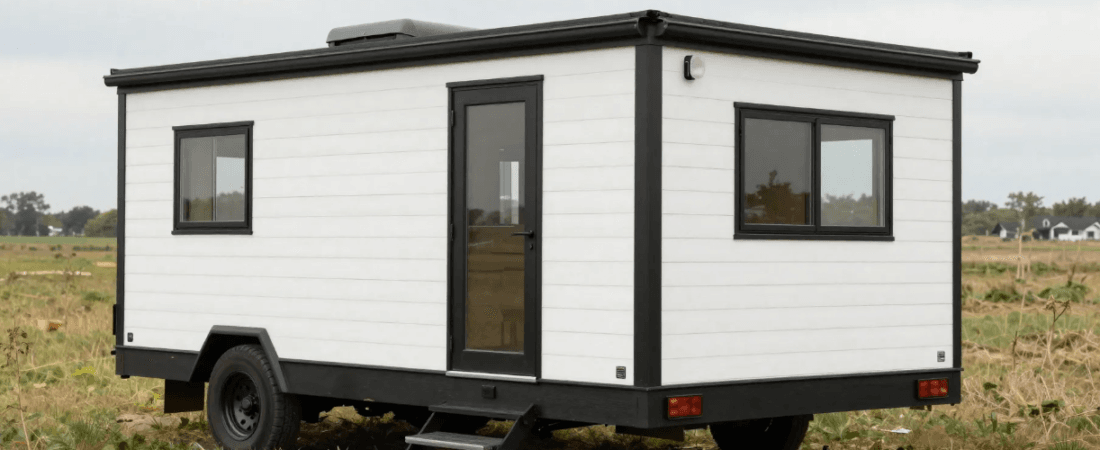
The tiny house movement has transformed from a niche lifestyle choice into a mainstream housing solution, driven by rising home prices and a growing desire for simple living. If you’re looking to own your own tiny home without the hassle of building it yourself, fully built options from established tiny house builders offer a turnkey path to downsizing.
These companies deliver complete, move-in-ready tiny homes typically ranging from 100 to 400 square feet, with all the essentials already installed and tested. Below, you’ll find the standout US-focused builders worth your consideration.
- Quick Answer: Top Fully Built Tiny House Companies in the US
- How to Choose the Best Fully Built Tiny House Company for You
- Tumbleweed Tiny House Company (Sonoma, California)
- Tiny Heirloom (Portland, Oregon)
- Mustard Seed Tiny Homes (Atlanta, Georgia)
- Custom Container Living (Archie, Missouri)
- Mint Tiny House Company (Serving the US from Vancouver, BC)
- Other Notable Fully Built Tiny House Builders in the US
- What Counts as a “Fully Built” Tiny House?
- Key Considerations Before You Order a Turnkey Tiny Home
- Summary: Finding the Right Fully Built Tiny House Company in the US
Quick Answer: Top Fully Built Tiny House Companies in the US
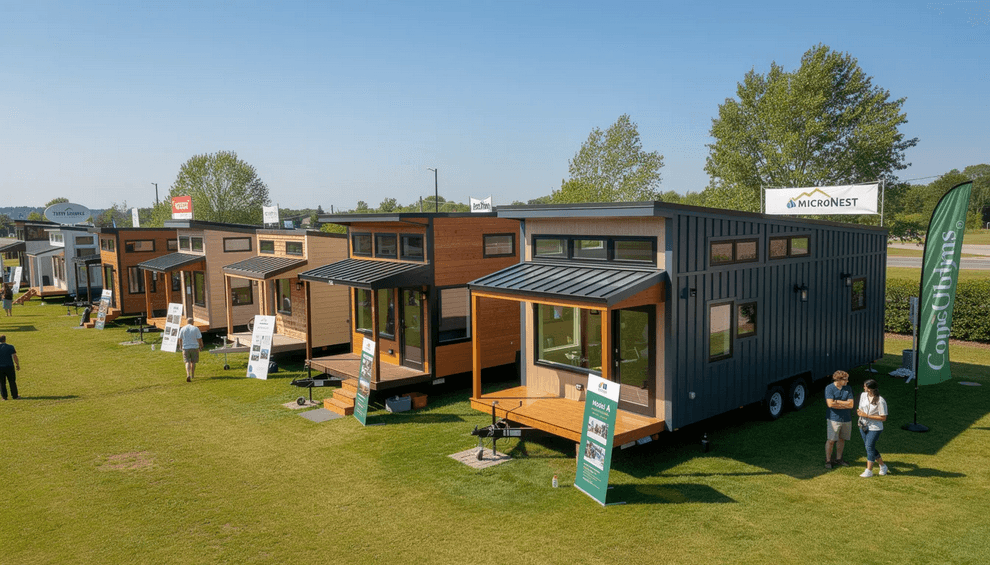
For buyers seeking a turnkey tiny home ready for immediate living, several companies have built strong reputations for quality craftsmanship, reliable delivery, and comprehensive support. These tiny house manufacturers handle everything from structural engineering to interior finishes, eliminating the risks of DIY construction like code violations or structural failures.
Here are the best tiny house manufacturers serving the US market:
- Tumbleweed Tiny House Company (Sonoma, CA) – The pioneer of the modern tiny home movement since 1999, offering certified green, road-legal tiny houses on wheels with proven longevity.
- Tiny Heirloom (Portland, OR) – High-end, fully custom luxury tiny homes featured on HGTV, known for showpiece designs and premium finishes.
- Mustard Seed Tiny Homes (Atlanta, GA) – Move-in-ready tiny houses on wheels and park models with modern and farmhouse aesthetics at mid-range pricing.
- Custom Container Living (Archie, MO) – Turnkey tiny homes built from recycled shipping containers, delivered fully finished at budget-friendly prices.
- Mint Tiny House Company (serving US from Vancouver, BC) – RV-style tiny homes on wheels shipped throughout much of the US, with contemporary styling and gooseneck hitch options.
- ESCAPE Homes (Rice Lake, WI) – Award-winning, modern park models and tiny homes featuring big windows and open layouts starting as low as $37,500.
- New Frontier Design (Nashville, TN) – Design-driven, luxury tiny homes on wheels like the Alpha and Escher models for architecturally-minded buyers.
- Wheelhaus (Salt Lake City, UT) – High-end, cabin-style park models popular for resorts and mountain retreats with rustic-modern aesthetics.
- Modern Tiny Living (Columbus, OH) – RVIA-certified, fully built tiny homes known for quality interiors and extensive customization options.
- Tiny Mountain Houses (Salem, OR) – Turnkey, road-legal RV tiny houses with 18+ floorplans and quick delivery options.
All highlighted companies provide fully built, turnkey units (not just shells) and either deliver across the US or to large regions of it. Many tiny house builders also offer financing options through RV loans or lending partnerships.
Before ordering, verify current delivery zones, lead times, and certification status (RVIA, NOAH, or park model standards) with your chosen builder, as these factors affect financing, insurance, and legal placement.
How to Choose the Best Fully Built Tiny House Company for You
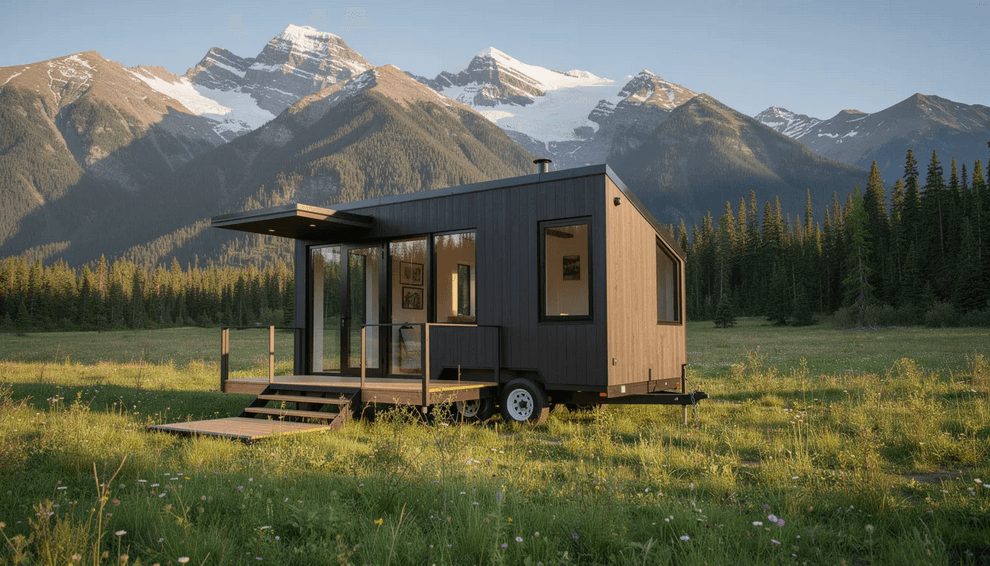
The “best” tiny home builder depends entirely on your specific situation—your budget, mobility needs, design preferences, and whether the home will serve as a primary residence, vacation retreat, or rental property. Taking time to clarify these factors before contacting builders will save you significant time and frustration.
Consider these key decision factors when evaluating your options:
- Type of tiny home: Tiny houses on wheels (THOW) typically range from 20-30 feet and offer full mobility for travel or relocation. Park models (often under 400 square feet) are designed for semi-permanent placement in RV parks or private land, and exploring tiny house park model homes can clarify whether this more stationary option fits your plans. Container homes provide durability and an industrial aesthetic but are generally intended for foundation placement, making it essential to choose the best foundation for a tiny house that matches your site conditions and mobility needs.
- Budget range: Entry-level fully built tiny homes start around $40,000, while mid-range options fall between $60,000-$100,000. Luxury custom builds can exceed $150,000+. In 2024, expect most turnkey tiny homes to start around $50,000 for basic models with standard features, while affordable tiny house designs can help budget-conscious buyers stretch their dollars further.
- Intended use: Full-time living requires different features than an Airbnb rental or guest house. Consider whether you need a home designed for daily life, occasional vacation use, an accessory dwelling unit (ADU), or frequent travel.
- Certification and codes: RVIA certification makes financing through RV loans easier and ensures campground access. NOAH certification focuses on safety standards for tiny homes on wheels. ANSI A119.5 covers park model RVs. Your intended placement location determines which certification matters most.
- Climate and insulation: A tiny home destined for Minnesota winters needs different specifications than one heading to Arizona. Look for R-values (R-30 insulation is excellent), four-season packages, and appropriate heating/cooling systems for your region.
- Custom vs. production models: Custom builds let you specify every detail but cost more and take longer (often 6-12+ months). Custom tiny homes for small-space living maximize personalization and clever space planning, while production models offer lower costs and faster delivery (sometimes just weeks for inventory units) but less personalization.
- Timeline: Lead times range from a few weeks for in-stock inventory units to over a year for high-end custom builds. Know your deadline before committing.
Before contacting any tiny home builder, take time to define your priorities clearly. Determine your maximum budget including delivery costs, decide on the size range that works for your life, choose between mobile and stationary placement, identify your climate requirements, and establish a realistic timeline for when you need to move in.
Tumbleweed Tiny House Company (Sonoma, California)
Tumbleweed Tiny House Company stands as the original pioneer of the modern tiny house movement, having operated since 1999. This company established many of the quality standards and production processes that other tiny house builders now follow, earning them recognition as a trusted name for certified green tiny homes on wheels.
Their core offering includes fully built, road-legal tiny houses on wheels in 26-foot and 30-foot models. Popular lines like the Cypress and Elm feature turnkey interiors with full bathrooms, complete kitchens, and sleeping lofts—delivered ready to connect to utilities and start living. The Cypress model, for example, offers approximately 400 square feet of lofted living space with large windows designed to maximize natural light.
What sets Tumbleweed apart includes:
- Certified green construction emphasizing energy efficiency and sustainable materials, with top green certifications in the industry
- Optional off-grid upgrades including solar prep packages and composting toilets for buyers seeking independence from traditional utilities
- Special pricing programs for military members, teachers, and first responders, reflecting their community-focused values
- An online 3D configurator allowing buyers to visualize layouts and finishes before committing
Pricing for fully finished Tumbleweed units typically falls in the $90,000-$130,000 range, depending on model size and selected options. They offer financing avenues through RV loan partnerships, though approval depends on individual credit circumstances.
Tumbleweed delivers nationwide across the US, building homes to meet RV standards that facilitate registration and campground access in most states. Customer reviews consistently highlight the durability of their builds, with many homes maintaining 70-80% resale value after five years and documented longevity exceeding 20 years.
This tiny house company is best for buyers who want a proven, road-legal, green-certified tiny house from a true pioneer in the movement—particularly those who value long-term durability and established brand recognition.
Tiny Heirloom (Portland, Oregon)
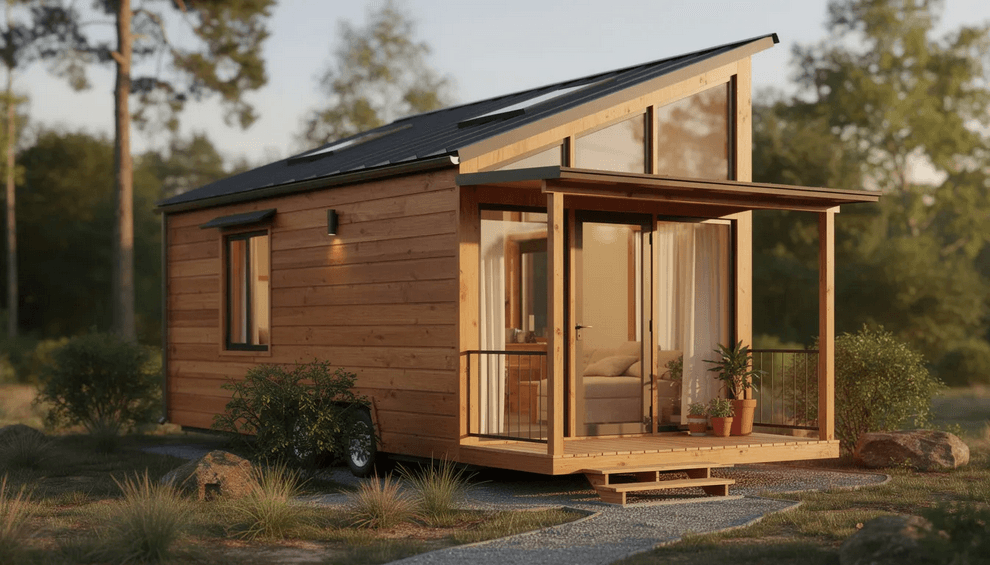
Tiny Heirloom has built its reputation as a premium, design-heavy builder known from TV features and extensive media coverage. Based in Portland, Oregon, this company specializes in fully custom tiny homes where aesthetics and craftsmanship take center stage.
Their main services include:
- Fully custom, turnkey tiny homes designed from scratch with a dedicated design team collaborating on every detail
- Production models and park models for buyers preferring preset floorplans at lower price points than one-off customs
- Modular builds that can serve as park ready homes, ADUs, or primary residences
The customization process at Tiny Heirloom is completely customizable—you can tailor layout, finishes, storage solutions, appliances, off-grid systems, and unique features like rooftop decks or high-end fixtures. Their collaborative one-on-one design process moves from concept through construction, including 3D renderings so you can see your home before it’s built.
Custom homes from Tiny Heirloom tend to start around $120,000 and climb from there depending on specifications. This reflects the investment in design expertise and quality craftsmanship that defines their work. They’ve earned ratings of 4.8 out of 5 stars from customers who appreciate the sophistication and attention to detail.
The company builds fully finished homes on wheels and park models delivered across much of the US. However, expect longer lead times due to the level of customization involved—rushing this process defeats the purpose of choosing a custom builder.
Tiny Heirloom is best for buyers who value unique, high-end design over lowest cost or fastest delivery. If you’re creating a showpiece tiny home, luxury vacation rental, or brandable short-term rental unit, their experienced team delivers results that justify the premium pricing.
Mustard Seed Tiny Homes (Atlanta, Georgia)
Mustard Seed Tiny Homes operates from the Atlanta area as a respected US builder known for modern, farmhouse, and traditional-style tiny homes on wheels and park models. Their combination of quality materials and mid-range pricing has made them a popular choice for Southeast buyers.
Their product range includes:
- Fully built tiny houses on wheels (NOAH-certified) with several standard tiny home models to choose from
- Park model RVs and modular foundation-ready small homes suitable for primary residences or ADUs
- Shell options exist for DIY enthusiasts, but their turnkey, move-in-ready builds serve most buyers best
Mustard Seed’s pricing structure offers genuine value. Many finished tiny homes fall in the $56,000 to mid-$90,000 range, with park models sometimes running higher depending on size and features. They offer financing options to help buyers manage costs, and prices scale with size, finishes, and off-grid packages.
The company’s mission extends beyond business. They emphasize quality craftsmanship and livable layouts while supporting housing nonprofits—a stewardship approach that resonates with buyers seeking purpose-driven companies. Aesthetic options include contemporary and farmhouse exteriors paired with residential-grade interiors that feel like a traditional home rather than a cramped RV.
Mustard Seed fits buyers in the Southeast or East Coast wanting a permanent-feeling tiny home or ADU with foundation options, or a park-ready tiny house on wheels. Families or couples needing more livable, residential-style living space rather than ultra-minimalist builds find their designs particularly appealing, with features like high ceilings and thoughtful storage solutions.
Custom Container Living (Archie, Missouri)
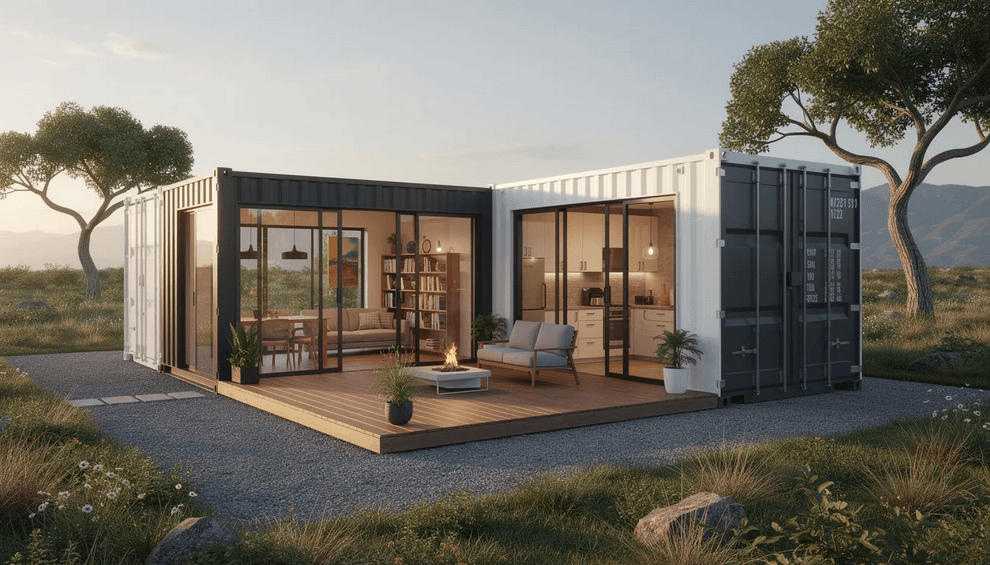
Custom Container Living takes a distinctive approach, focusing on fully built, turnkey tiny homes made from repurposed shipping containers. These generally function as semi-permanent or permanent units rather than frequently moved travel homes.
The construction concept centers on:
- Single or multiple steel containers (typically 20-foot or 40-foot units) transformed into compact homes, studios, or multi-container floor plans
- Durability from steel construction with low-maintenance exteriors
- A modern industrial aesthetic that appeals to buyers wanting something different from traditional tiny home styles
Their fully finished interiors include proper insulation, complete plumbing and electrical systems, full bathrooms, kitchens, and dedicated sleeping areas. Floor plans range from efficient one-bedroom layouts to small family configurations using multi-container designs for additional square footage.
Container homes typically offer more budget-friendly pricing than many luxury THOW builders, with some of the most affordable fully built tiny homes on the market. Their website provides upfront, clear pricing with various floor plans and optional upgrades—refreshing transparency in an industry where base price can quickly balloon with additions, much like the appeal of comparatively low-cost Amazon tiny house packages for budget-focused buyers.
Unlike rv style tiny homes, container builds are delivered ready to place on piers, blocks, or a simple foundation rather than being moved frequently. This makes them a strong fit for buyers wanting a compact, permanent dwelling, studio, rental property, or accessory unit while using eco-friendly upcycled materials that reduce carbon footprint, especially when you compare them with other shipping container tiny house designs on the market.
Important note: container homes face varying zoning regulations across different jurisdictions. Buyers must check local zoning and foundation requirements before purchasing, as codes differ significantly by city and county.
Mint Tiny House Company (Serving the US from Vancouver, BC)
Mint Tiny House Company operates from Canada but has built a strong presence serving US buyers, focusing on towable tiny homes and park models with contemporary design sensibilities. Their gooseneck hitch options and varied sizing make them a versatile choice for American customers.
Their product lineup includes:
- Turnkey tiny houses on wheels ranging from approximately 22 to 44 feet, including gooseneck models and units with slide-outs for expanded living space
- Park model homes under 400 square feet designed for long-term parking in RV resorts, tiny home communities, or private land
- Multiple base models with extensive customization options to match different lifestyles
Key features across Mint Tiny models include RVIA-style build processes emphasizing road-worthiness for THOWs, modern interiors with residential-style kitchens and bathrooms, and clever storage solutions that maximize livability. Insulation levels like R21 wall insulation suit many climates, though buyers in extremely cold regions should consider additional heating options.
Typical turnkey models often fall in the $70,000-$100,000+ range depending on size and options. Their online instant estimate tools allow buyers to price out models and see upgrade costs before committing—helpful for budget planning.
Mint Tiny regularly ships into the US, particularly the West Coast and other accessible regions, with delivery fees calculated based on distance and site access. The company is accustomed to serving US customers and can guide buyers through any border or import considerations.
This tiny home builder suits buyers looking for a road-ready or park-model tiny home with contemporary styling and a streamlined, catalog-driven ordering process that doesn’t sacrifice quality, especially if you’re comparing options with small homes in Washington State or other regional builders.
Other Notable Fully Built Tiny House Builders in the US
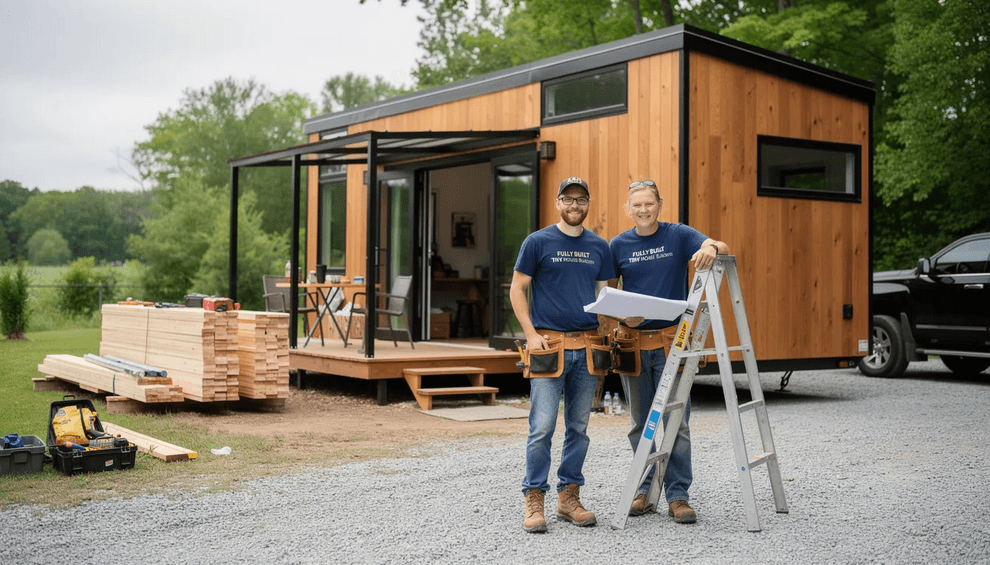
Beyond the most widely recognized brands, several other US companies consistently deliver turnkey tiny homes with strong reputations and loyal customer bases. Not all builders fit every buyer’s needs, so exploring these alternatives may reveal your perfect match and can complement broader tiny house inspiration and resources if you’re still refining your vision for minimalist tiny houses focused on sustainable living.
ESCAPE Homes (Rice Lake, WI): Award-winning modern tiny homes and park models under approximately 400 square feet featuring prairie-style designs with expansive windows, full kitchens, and optional off-grid packages. Their e-Vista model starts at just $37,500, making them one of the most accessible entry points into tiny home living. Ships across much of the US with customer satisfaction rates exceeding 95%. Budget to mid-range pricing, primarily park models and foundation-ready builds.
New Frontier Design (Nashville, TN): High-end, architecturally striking THOWs including the Alpha, Escher, and Luna models. Strong emphasis on glass walls, premium finishes, and innovative layouts that feel more like modern designs from an architectural firm than typical tiny homes. Higher price points reflect the design-forward approach. Luxury segment, primarily tiny homes on wheels serving buyers who view their home as a design statement.
Wheelhaus (Salt Lake City, UT): Luxury, cabin-inspired park models and modular tiny homes featuring high ceilings, large windows, and rustic-modern aesthetics. Pricing ranges from $100,000 to $200,000, positioning them in the premium market. Popular for resorts and high-end vacation rentals in mountain and resort towns, with builds designed to withstand harsh weather conditions. Luxury segment, primarily park models and modular units for stationary placement.
Modern Tiny Living (Columbus, OH): RVIA-certified tiny houses with strong focus on interior craftsmanship and custom cabinetry. Offers both standard models and fully custom designs, often used as primary homes or rentals. Known for quality craftsmanship and attention to interior details. Mid-range to higher pricing, tiny homes on wheels serving Midwest and Eastern US regions.
Rocky Mountain Tiny Houses (Durango, CO): Colorado’s most established tiny home builder, crafting mountain-suited customs from $80,000. Their minimalist philosophy includes optional fancy details, and builds perform well in seismic zones. Mid-range pricing, custom builds serving mountain region buyers.
Forever Tiny Homes (Anderson, CA): Standards that exceed many competitors, with RVIA certifications and 24-foot models at approximately $85,000 featuring downstairs bedrooms, deep sinks, and instant water heaters. Mid-range pricing, tiny homes on wheels serving Western US.
Wind River Tiny Homes (Montana): Custom builds emphasizing sustainable construction from $60,000-$110,000 with cathedral ceilings, full kitchens, and clever storage in 200-500 square feet. Case studies show homes withstanding 50 mph winds via reinforced chassis. Mid-range pricing without sacrificing quality, custom builds serving Northern US regions.
Oregon Cottage Company: Pacific Northwest builder offering small homes and cottages with traditional craftsmanship and attention to detail, suitable for ADU and backyard cottage applications.
Buyers should shortlist three to five companies matching their style, budget, and location, then request quotes and timelines from each before making a final decision.
What Counts as a “Fully Built” Tiny House?
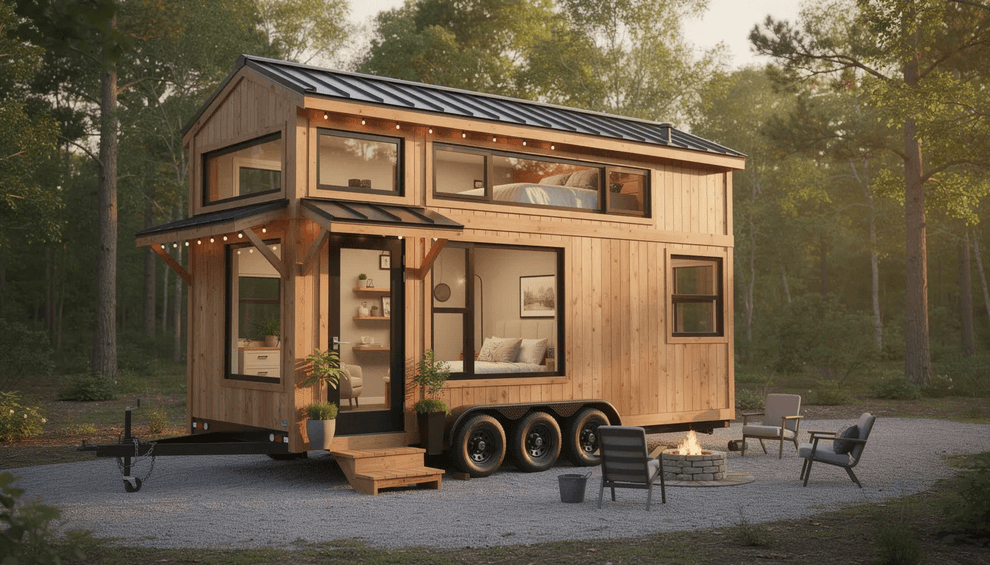
Understanding terminology matters when shopping for tiny homes. The difference between “fully built,” “shell,” and “DIY kit” represents tens of thousands of dollars and hundreds of hours of work—critical distinctions for buyers who don’t want to finish construction themselves.
A turnkey or “fully built” tiny house typically includes the same core elements you’ll evaluate when deciding whether a tiny house for sale is right for you:
- Finished exterior: Complete shell with roofing, siding (including options like metal siding or wood), insulation, windows, and doors installed and weatherproofed
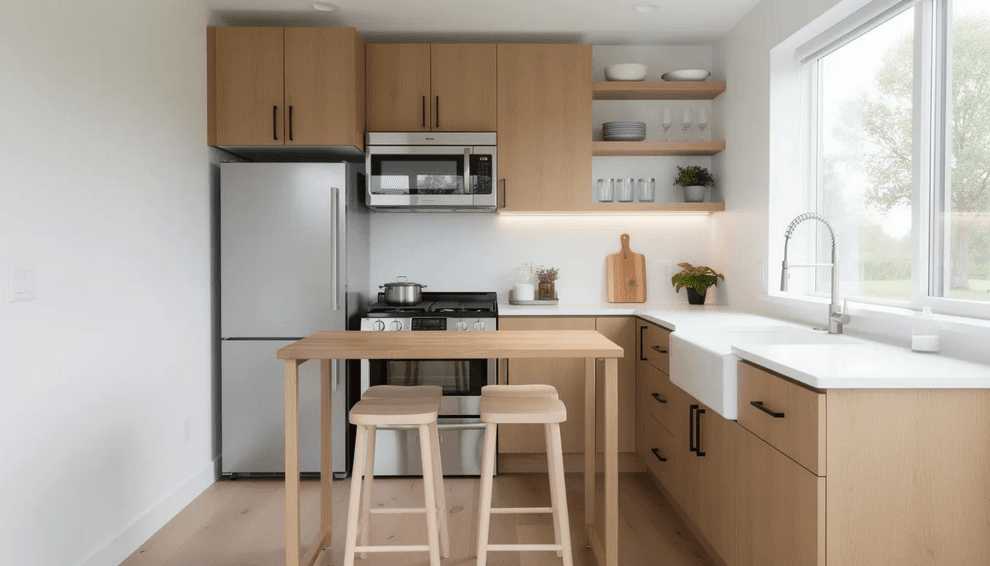
- Completed interior: Finished walls, flooring, cabinetry, trim, and paint—ready for furniture
- Installed plumbing: Kitchen and bathroom plumbing, water heater, fixtures, and connections tested before delivery
- Electrical system: Complete wiring, outlets, lighting, and breaker panel ready for hookup
- Climate control: Heating and cooling solutions such as mini-splits, instant heaters, or central HVAC depending on the builder and model
- Appliances: Stove, refrigerator, and often washer/dryer hookups or combination units
Variations exist among companies. Some builders include appliances and basic furniture in their base price, while others list these as options. Off-grid systems like solar panels, battery banks, and composting toilets are typically upgrades rather than standard features. A master craftsman approach to finishing may cost more but delivers superior results.
Reading detailed specifications and contracts before signing anything is essential. The difference between what one company calls “fully built” and another’s definition can be substantial. Ask builders for sample contracts, spec sheets, materials lists, and photos or videos of recently finished homes to verify the level of completion you’re actually purchasing.
Key Considerations Before You Order a Turnkey Tiny Home
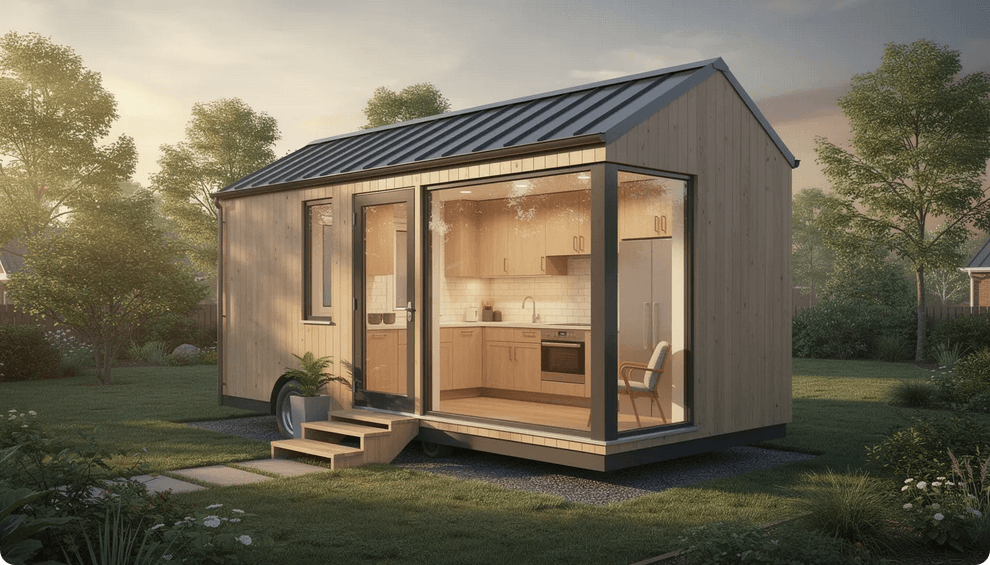
Purchasing a fully built tiny house remains a major home purchase with legal, logistical, and financial implications that extend well beyond the initial transaction. Taking time to address these considerations prevents costly surprises.
Zoning and placement: Local rules on tiny homes, THOWs, park models, and container homes vary dramatically. Confirm minimum square footage requirements, RV usage regulations, and ADU ordinances in your intended location. Some counties ban dwellings under 400 square feet entirely—affecting roughly 40% of US counties—while others have embraced tiny home movement principles with updated codes.
Utilities and hookups: Plan for water supply, sewer or septic connections, electrical service (typically 30 or 50 amp for RV-style hookups), and possible propane for cooking or heating. Many turnkey tiny homes are designed for RV-style utility connections, which simplifies setup but requires appropriate infrastructure at your site.
Climate suitability: Ensure insulation R-values, window specifications, and heating/cooling capacity match your state’s conditions. A tiny home built for Pacific Northwest mild weather may struggle in Maine winters without modifications. Four-season packages and energy efficiency ratings matter significantly for long term savings on utility costs.
Financing and insurance: Traditional mortgages rarely apply to tiny homes. Most buyers finance through RV loans (requiring RVIA certification), personal loans, or cash. Certification status directly affects insurability and loan availability. RV loans typically run 6-9% APR with terms based on the home’s value and certification.
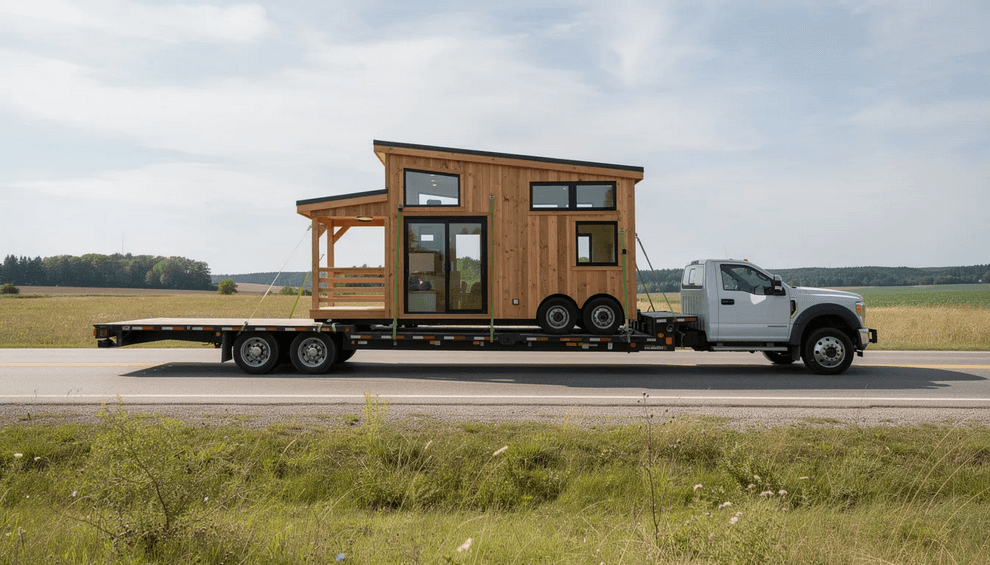
Delivery and site access: Confirm delivery fees (often $2-5 per mile), lead times, escort vehicle or permit requirements for oversized loads, and whether cranes or special equipment are needed to place the home on your property. Narrow driveways, low bridges, and rural locations can complicate delivery significantly.
Resale and long-term value: Recognizable brands and certified builds generally resell more easily than DIY or uncertified homes. Established companies like Tumbleweed report homes retaining 70-80% of value after five years. The tiny home market remains smaller than traditional housing (roughly 20% of standard home market activity), so brand recognition and build quality matter for future flexibility.
Create a written checklist covering each consideration and consult both local officials and multiple builders before signing any contract. This preparation protects your investment and ensures your tiny home actually works where you plan to place it.
Summary: Finding the Right Fully Built Tiny House Company in the US
US buyers have many reputable options for turnkey tiny homes, from pioneers like Tumbleweed Tiny House Company and Mustard Seed Tiny Homes to design-forward builders like Tiny Heirloom, ESCAPE, New Frontier, and Wheelhaus. The growing market—projected to reach $5 billion by 2028—has attracted quality builders across every price point and style preference, giving tiny home owners genuine choices without compromising standards.
Your decision ultimately comes down to matching a company’s strengths with your priorities. Consider whether you need a custom home on wheels for mobility, a park model for semi-permanent placement, or a container home for foundation living. Factor in your realistic budget (including delivery and site prep costs), your desired level of customization, your climate requirements, and how often the home might need to move.
Narrow your list to a few companies whose tiny home plans and aesthetic align with your vision. Request detailed quotes comparing specifications, warranties, delivery timelines, and included features. Ask about their shipping area, current lead times, and what exactly comes standard versus optional. The company offers you choose should demonstrate quality materials, transparent communication, and a track record of customer satisfaction.
With the right fully built tiny house and builder, downsizing delivers more than just lower costs—averaging 50-70% reduction in utility bills and the potential for mortgage-free ownership within 2-5 years. Tiny living opens doors to simpler daily life, reduced environmental impact, and housing flexibility that traditional home ownership rarely provides. Whether you’re joining the prefabricated homes trend as a millennial buyer, downsizing into retirement, or creating an income-producing rental, the space awaits.