Building your own cottage used to mean hiring architects, coordinating dozens of subcontractors, and watching costs spiral beyond your original budget. Today, a cottage kit offers a different path—one where the design, engineering, and materials arrive as a complete package, ready for you to assemble on your own property. Whether you’re planning a lakeside retreat, a backyard guest house, or a downsized primary residence, understanding what these kits include (and what they don’t) is the first step toward making your vision a reality.
- What Is a Cottage Kit?
- Why Choose a Cottage Kit Over Conventional Construction?
- Popular Cottage Kit Types and Sizes
- Example Cottage Kit Layouts and Styles
- What’s Included in a Typical Cottage Kit (and What’s Not)
- DIY Assembly: How Hard Is It to Build a Cottage Kit?
- Planning, Permits, and Site Considerations
- Cost Breakdown and Budgeting for a Cottage Kit Project
- Frequently Asked Questions About Cottage Kits
What Is a Cottage Kit?
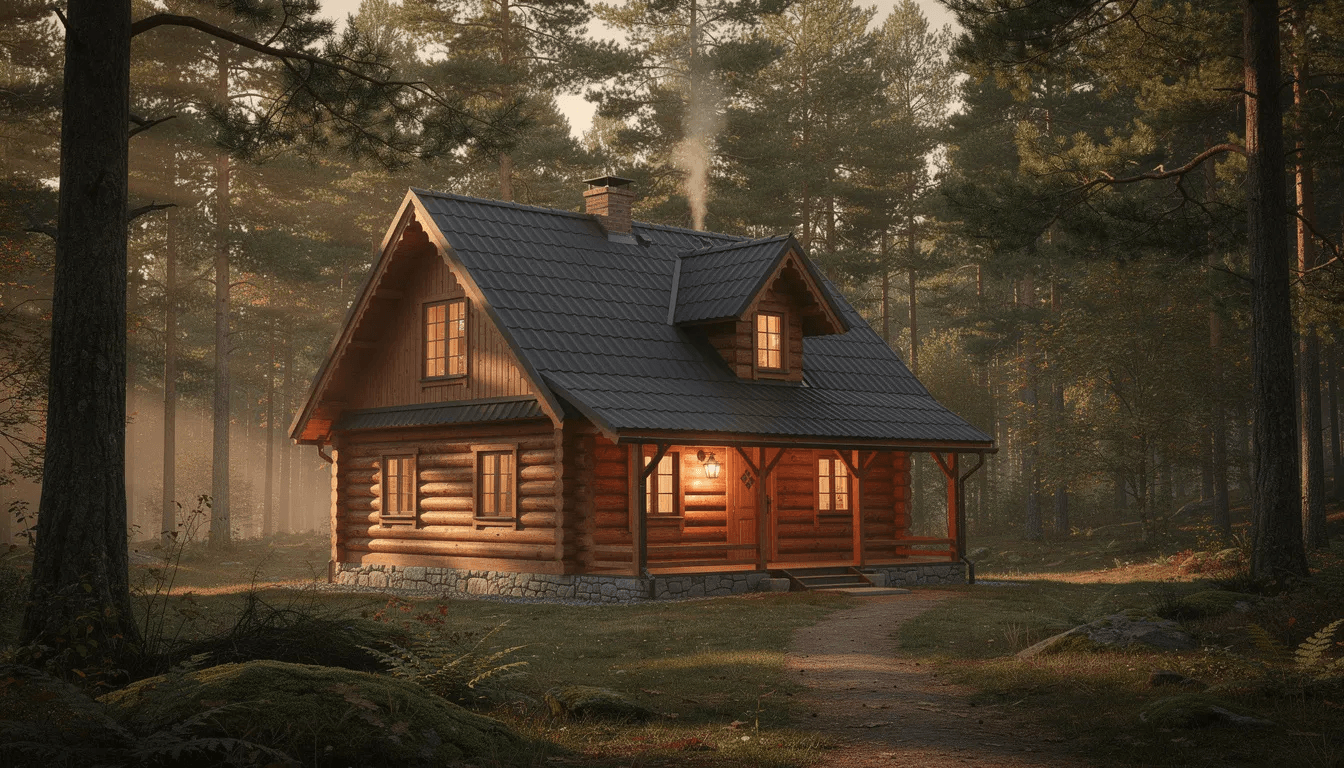
A cottage kit is a pre-designed package of structural materials, plans, and hardware for building a small house or retreat. Think of it as a comprehensive building system: you receive pre-cut lumber or wall panels, roof components, doors and windows, fasteners, and detailed assembly instructions—all engineered to fit together like a large-scale puzzle.
We’re talking about timber, frame, and panel cottage kits here, not decorative accessories. These are structures suitable for backyard cottages, lakeside vacation homes, small primary homes, and accessory dwelling units (ADUs). The appeal lies in their accessibility: many models can be assembled with standard hand and power tools, without heavy machinery or specialized equipment.
Typical cottage kits range from around 200 to 1,600 sq ft, though you’ll find options on both ends of that spectrum. Most kits include:
- Pre-cut structural lumber or wall panels
- Roof framing and decking materials
- Exterior sheathing and siding options
- Doors, windows, and trim packages
- Fasteners, brackets, and hardware
- Step-by-step assembly plans and instructions
The goal is simple: provide everything you need to erect a weathertight shell, giving you the flexibility to finish the interior at your own pace.
Why Choose a Cottage Kit Over Conventional Construction?
If you’ve priced out a custom-built cottage in North America recently, you know the numbers can be sobering. Between architect fees, contractor markups, and unpredictable material costs, budgets often balloon 20-30% beyond initial estimates. A cottage kit offers a different way to work.
Here’s why many owner-builders choose this path:
- Predictable material costs. Kit packages come with a set price. You know exactly what you’re paying for the structure before you order, which means no surprise lumber invoices halfway through the project.
- Faster project start. Plans, engineering, and materials are pre-done. You skip months of design back-and-forth and waiting for custom material orders.
- Reduced need for specialized trades. The structural stage—often the most expensive part of hiring out—becomes manageable for a small team with basic carpentry skills. You can hire help for plumbing, electrical, and finishes later.
- Flexibility to finish at your own pace. Once the shell is up and weatherproof, you can complete the interior over weeks, months, or even years as budget allows.
- Protection against supply volatility. Remember the post-2020 lumber price spikes? Cottage kits help you avoid the headache of sourcing materials during market chaos—everything arrives in one delivery.
- Code-ready designs. Many cottage kits are engineered to meet standard building codes when properly assembled on a compliant foundation. That said, you’ll still need permits and inspections from your local building department.
- Quality control. Components are precision-cut in a controlled factory environment, reducing waste by up to 90% compared to traditional stick-built construction.
The process puts you in control. You choose the design, order the kit, and build on your timeline—not a contractor’s.
Popular Cottage Kit Types and Sizes
Cottage kits come in different footprints, from compact bunkies perfect for extra space to multi-room structures that can house a family comfortably. Before you start browsing floor plans, think about how you want to use the space year-round. A summer-only retreat has different requirements than a four-season dwelling with full insulation and mechanical systems.
Micro Bunkies (100–250 sq ft) These compact structures work well as guest sleeping quarters, home offices, or artist studios. Many fall under permit-light or permit-free thresholds in certain jurisdictions, though you should always verify with local rules. A typical footprint might be 10’×12’ or 12’×16’.
Studio and One-Room Cottages (200–400 sq ft) Ideal for backyard ADUs, tiny home living with modern designs, or weekend retreats. These often include a small kitchenette area and bathroom space within an open floor plan. Think of them as the modern equivalent of a classic cabin.
One-Bedroom Plus Loft Layouts (400–800 sq ft) The loft design maximizes vertical space, keeping the footprint modest while adding sleeping or storage area above the main floor. A 12’×24’ structure with a sleeping loft is a popular choice for couples or solo owners who want room to move.
Family-Sized Two-Bedroom Cottages (800–1,600 sq ft) These larger kits offer dedicated bedrooms, full bathrooms, living areas, and kitchens. They work as primary residences for downsizers, rental properties, or multi-season vacation homes. Expect more complex assembly and longer build timelines at this size.
Example Cottage Kit Layouts and Styles
This section showcases sample layouts and styles inspired by real-world cottage kits to help you visualize possibilities. Each example represents a different approach to space, design, and intended use.
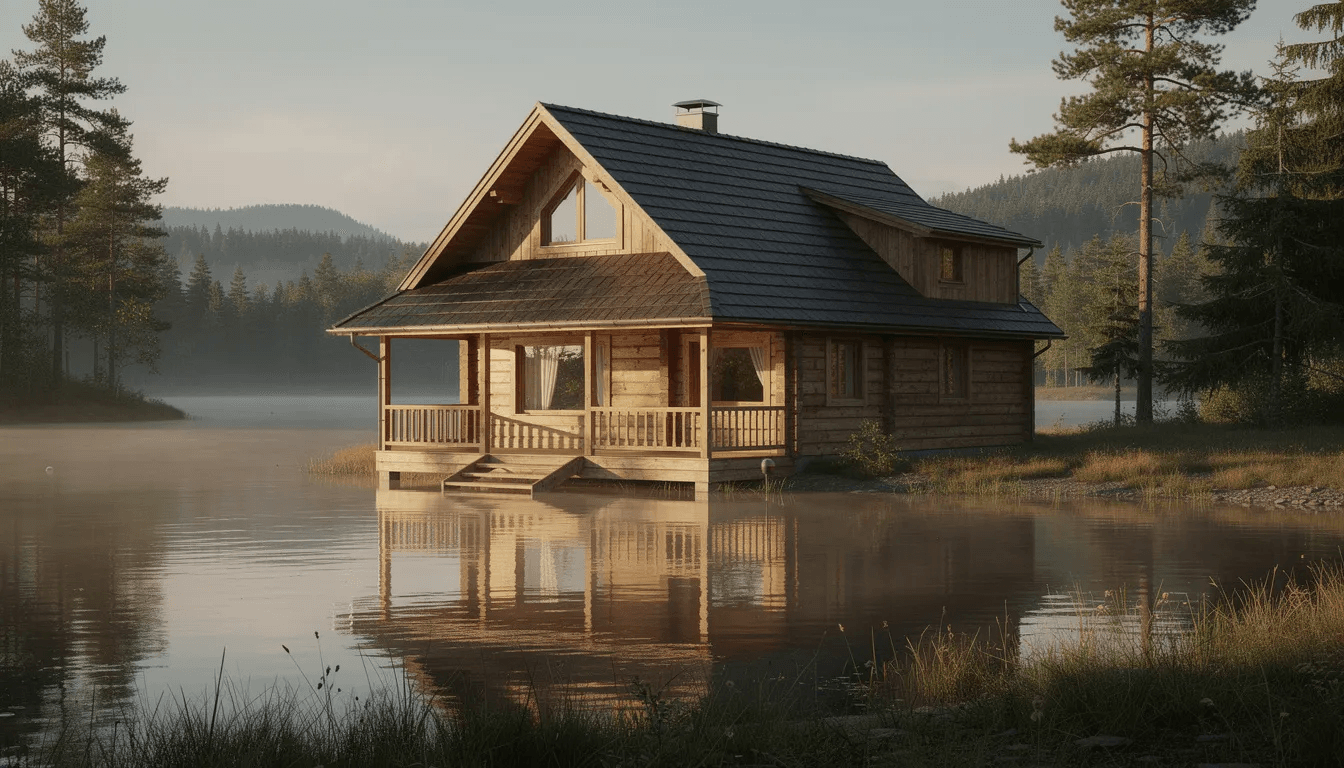
Harbor View 320 A 320 sq ft single-room cottage designed for waterfront property. Features include large modern windows on the lakeside wall, a covered entry porch, and an open interior that accommodates a sleeping area, sitting space, and compact kitchen. Ideal as a weekend getaway or Airbnb rental.
Pine Ridge 640 At 640 sq ft, this one-bedroom plus loft layout fits a small family or couple who need room for guests. The steep gable roof creates a generous sleeping loft accessible by a compact, safe loft ladder, while the main floor holds a bedroom, bathroom, and combined living-kitchen area. Popular for ski cabin use or four-season retreats.
Summit Bunkie 108 A no-permit-friendly 108 sq ft structure (in many jurisdictions—always confirm locally). This simple 9’×12’ cabin with a pitched roof serves as a guest sleeping quarters, writing studio, or meditation space, similar in scale to many big-box tiny house kits. Easy to assemble over a long weekend with 2-3 helpers.
Maple Creek 1,080 A wide single-story plan suited for aging in place, this 1,080 sq ft cottage eliminates stairs entirely. It features two bedrooms, a full bathroom with step-in shower, open living and dining area, and a covered wraparound porch. The accessible design makes it work as a retirement downsizing option or accessible guest house, much like many pre-built log cabin homes designed for comfort and simplicity.
Timberline 480 This 480 sq ft design emphasizes vertical space with a full-height loft spanning half the footprint. Modern shed-style roof, clerestory windows for natural light, and a compact but functional main floor. Perfect as a home office plus guest suite combination.
Lakeside Modern 860 Contemporary styling meets cottage functionality in this 860 sq ft two-bedroom layout. Large windows, metal roof options, and clean lines appeal to buyers wanting a premium feel without traditional cabin aesthetics, especially if you’re dreaming of a tiny house by the lake. Works well as a rental property or secondary residence.
What’s Included in a Typical Cottage Kit (and What’s Not)
Cottage kits generally include the structure—not every single component of a finished home. Understanding this distinction upfront prevents budget surprises and helps you plan the full project scope.
Before comparing what’s typically included across brands, it helps to understand the broader landscape of affordable tiny house buildings and designs.
Typically Included:
- Pre-cut structural lumber or panels for walls, floors, and roof framing
- Fastening hardware, brackets, lag bolts, and framing connectors
- Exterior sheathing, roof decking, and siding packages (varies by kit)
- Doors, windows, and exterior trim
- Assembly drawings with step-by-step instructions and numbered components
- Support materials like sealants, weatherstripping, and flashing
Commonly Excluded:
- Foundation or piers (must be built locally to meet code requirements)
- Insulation for walls, floor, and roof
- Interior wiring, plumbing, and HVAC systems
- Interior finishes including drywall, flooring, cabinets, and fixtures
- Roofing shingles or metal roofing (some kits include, many don’t)
- Permits, engineering stamps specific to your municipality, and inspections
- Appliances, lighting fixtures, and plumbing fixtures
Before buying any kit, request a detailed materials list from the provider. Compare what’s included across different companies—the base price means little without understanding exactly what you’re getting. Some kit home providers offer add-on packages for insulation, interior finish materials, or upgraded window options that simplify sourcing.
DIY Assembly: How Hard Is It to Build a Cottage Kit?
Many cottage kits are designed for owner-builders with moderate DIY skills and a small crew of helpers. That doesn’t mean it’s easy—it means it’s achievable for people willing to learn, prepare, and work methodically.
Main Build Phases:
- Site prep and foundation work – Often done with a local contractor who understands your soil conditions and frost depth. Foundation options include concrete piers, crawlspace, or slab depending on your design and local codes.
- Kit delivery and inventory check – When the kit arrives, verify all components against the materials list before the truck leaves. This is your chance to catch any issues.
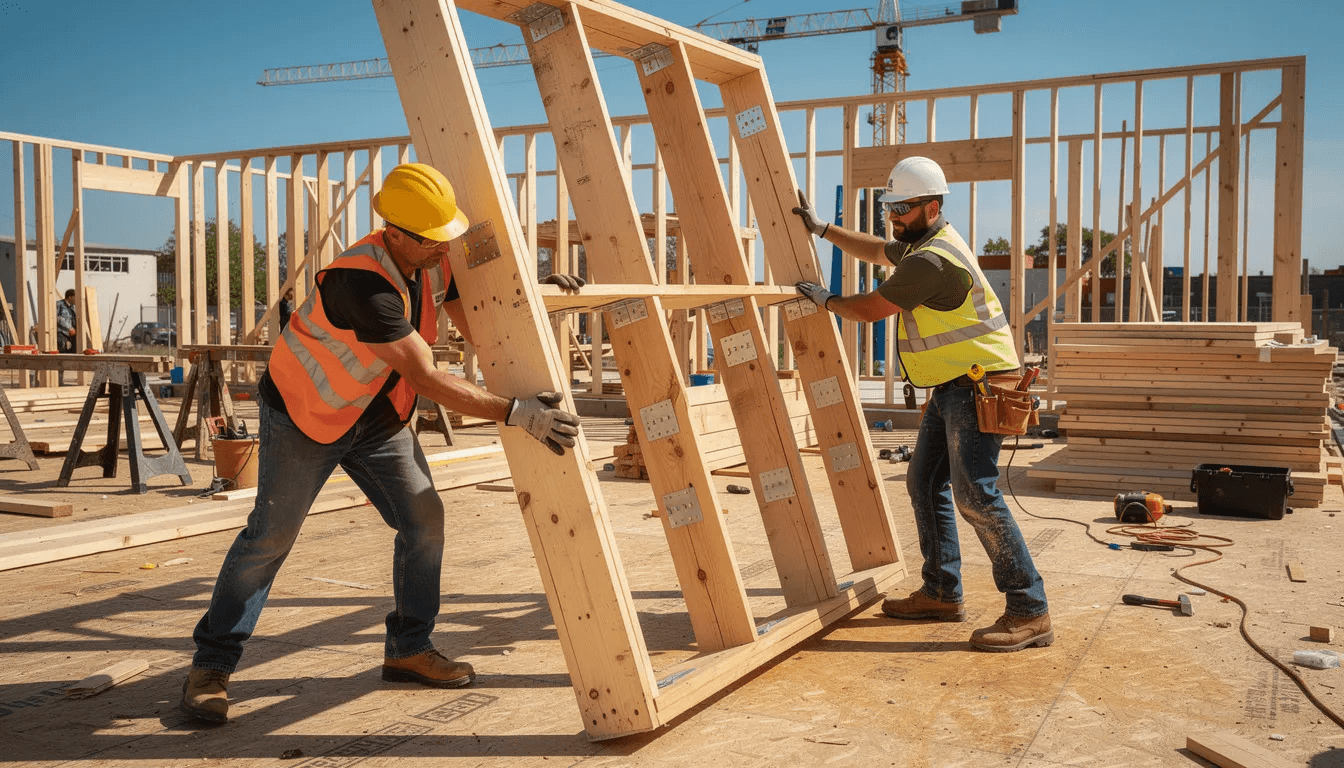
- Framing and structural shell assembly – The core DIY phase. Following numbered components and instructions, you’ll erect walls, set roof trusses, and sheath the structure.
- Roofing and exterior weatherproofing – Getting the building “dried in” protects it from weather and lets interior work proceed regardless of rain or snow.
- Interior build-out – Insulation, electrical, plumbing, drywall, flooring, and finishes. Many owners tackle this over time or hire licensed trades for mechanical systems.
Realistic Timeline Expectations:
Smaller kits under 300 sq ft can often be assembled over a few long weekends by 2-3 people with basic tools. Larger cottages in the 800–1,200+ sq ft range may stretch across an entire building season, especially if you’re handling the project part-time, making it worth comparing this route to commissioning custom tiny homes tailored to your needs.
Safety and Code Considerations:
- Always follow local building codes—no exceptions
- Verify span tables and snow/wind load requirements for your region
- Schedule inspections at required milestones (foundation, framing, electrical, final)
- Use appropriate safety equipment when working at heights
Be honest about your skill level. You should be comfortable with basic carpentry, reading plans, and using power tools—or be ready to hire help for key steps like roof framing or electrical rough-in. There’s no shame in bringing in a professional for the work that’s beyond your experience.
Planning, Permits, and Site Considerations
Planning and permitting often take longer than the actual assembly, especially in stricter jurisdictions. Starting this process early saves frustration later, particularly if you’re also researching retail tiny house kits from major stores and how they fit local rules.
Zoning and Permit Checklist:
- Check zoning rules for accessory dwelling units (ADUs), maximum square footage, and height limits in your city or county as they apply to different types of tiny homes you might consider
- Confirm setback distances from property lines, lakes, streams, and septic systems
- Ask local authorities whether your intended use (guest house, rental, primary residence, or chalet-style tiny house) is allowed on your property
- Determine if your cottage kit plans meet local building codes or if you need an engineer’s stamp
- Find out permit fees and typical review timelines in your area
Site Selection Considerations:
- Orient the cottage for natural light and views—south-facing windows maximize passive solar gain in cold climates
- Consider prevailing winds and potential snow loads on the roof
- Plan access for delivery trucks and material staging—large flatbed trucks need room to maneuver
- Evaluate drainage patterns to ensure water flows away from your foundation
- Think about utility connections: distance to existing electrical service, water, and septic
A Note on Regulations:
Some municipalities in the U.S. and Canada updated small-home and ADU rules between 2018–2024, making it easier to add accessory structures on residential land. Look for current local regulations rather than relying on older advice or assumptions. Contact your building department directly before ordering a kit—they can tell you exactly what’s required and help you avoid costly mistakes.
Cost Breakdown and Budgeting for a Cottage Kit Project
The kit purchase price is only one portion of total project costs. Understanding the full budget picture prevents the unpleasant surprise of running out of money before your cottage is livable.
Main Cost Categories:
- Kit purchase price: Ranges widely based on size and features. Expect under $20,000 for simple bunkies, $40,000–$80,000 for mid-size cottages, and $120,000+ for larger, well-appointed shells with premium finishes.
- Foundation and site prep: Often a significant chunk of budget—$10,000–$30,000 depending on foundation type, site conditions, and local labor costs. Don’t underestimate this category.
- Interior finishes and mechanical systems: Insulation, electrical, plumbing, HVAC, drywall, flooring, cabinets, and fixtures. This can equal or exceed the kit price for a fully finished interior.
- Permits, engineering, and inspections: Fees vary dramatically by location—a few hundred dollars in rural areas to several thousand in cities with complex review processes.
- Optional hired labor: Budget for professional help with foundation work, electrical, plumbing, or roofing if you don’t want to DIY those portions.
Budgeting Tips:
- Build a simple spreadsheet estimating each category
- Add a contingency line of 10–20% for unforeseen costs (there are always some)
- Compare the per-square-foot cost of your cottage kit plus finishes to local contractor-built quotes for a realistic value comparison
- Get at least three quotes for foundation work before committing
Many buyers find that a cottage kit plus all finishes runs 25–50% less than equivalent conventional construction, but only if they’re realistic about the full scope of work required.
Frequently Asked Questions About Cottage Kits
This section answers the most common questions buyers ask when researching cottage kits.
Can a cottage kit be used as a full-time, year-round home if properly insulated? Yes, many cottage kits are designed for four-season use when you add appropriate insulation, heating, and weatherproofing. Check that the wall and roof systems can accommodate R-values suitable for your climate zone.
How long does shipping typically take after ordering in 2024–2025? Lead times vary by manufacturer and current demand. Expect 4–12 weeks from order to delivery for most providers. Custom modifications or peak-season orders may extend this timeline.
Do I need to hire an engineer or architect in addition to the kit plans? It depends on your jurisdiction. Some areas accept manufacturer-provided plans directly; others require a local engineer’s stamp to verify snow loads, wind loads, and seismic requirements for your exact location.
Can I customize the floor plan, window placements, or roof style? Most kit providers offer some level of customization—additional windows, door relocations, or porch additions. Major structural changes typically cost extra and extend lead times. Ask about customization options before you order.
Do cottage kits meet local energy codes and snow-load requirements? Quality kit manufacturers engineer their structures to meet common building codes, but local requirements vary. Verify that the kit’s specifications match or exceed your area’s requirements, or be prepared to upgrade insulation and structural components.
What tools and equipment will I need for assembly? Standard tools include circular saw, drill/driver, impact driver, framing nailer, levels, tape measures, ladders, and scaffolding for roof work. Larger kits may benefit from equipment rental like a skid steer or small crane for lifting heavy components.
Can I finance a cottage kit with a construction loan or home equity line? Yes, though financing varies by lender. Construction loans, home equity lines of credit, and personal loans are common funding sources. Some kit manufacturers have relationships with lenders experienced in kit home projects.
What kind of warranty or support do kit companies usually provide? Warranties typically cover material defects for 1–5 years. Support during assembly varies—some companies offer phone and email support, while others provide video tutorials or even on-site consultation for an additional fee. Ask about support options before buying.
Building your dream cabin starts with choosing the right cottage kit for your needs, budget, and skill level. Take time to compare what different kit providers offer, review detailed materials lists, and speak with your local building department before placing an order. With proper planning and realistic expectations about the work involved, you can enjoy the satisfaction of building something lasting on your own land—a structure you’ll love for years to come.