
Thinking about tiny house living?
The lifestyle looks great.
But what happens when you sell?
Let’s dig into the real numbers.
Key Takeaways
- Most tiny homes depreciate, especially tiny homes on wheels, which lose 40–60% of value over five years like recreational vehicles.
- Many tiny homeowners recover only 50–70% of their total build cost when selling in the current housing market.
- Tiny homes on foundations with owned land hold value best because land appreciates while structures depreciate.
- Buying land first, choosing quality tiny home builders, and limiting extreme customization are the main ways to protect resale value.
- Tiny homes often make more financial sense as lifestyle choices or rental property investments than as assets expected to appreciate.
Do Tiny Homes Hold Their Value?
Here’s the direct answer:
Most tiny houses do not hold value like a traditional single family home.
They usually depreciate.
Tiny homes generally do not appreciate in value like traditional homes, especially if they are built on wheels, which tend to depreciate similarly to RVs, so anyone considering a tiny house for sale should weigh lifestyle benefits more heavily than potential equity growth.
There’s an important difference between “sale price” and “resale value.” The resale value is what you actually walk away with after:
- Transport costs
- Repairs before sale
- Commissions and fees
- Loan payoff
Typical outcomes? Used tiny homes often list 10–30% below original build cost. Final sales frequently land 30–50% below the owner’s total investment.
Why? Many tiny houses are treated as personal property rather than real estate. They follow RV depreciation patterns, not home appreciation patterns.
Anyone living in a tiny home mainly hoping for long-term appreciation will likely be disappointed. The real benefit is lower ongoing costs and lifestyle freedom.
- Why Many Tiny Homes Depreciate
- Tiny House Market Reality in 2025–2026
- Tiny Houses on Wheels vs Foundations
- How Land Ownership and Location Shape Resale Value
- Build Quality, Customization, and Condition
- How Long Do Tiny Homes Take to Sell?
- Real-World Resale Outcomes and Hidden Costs
- When a Tiny Home Makes Financial Sense
- How to Protect Tiny House Resale Value
- Tiny House Resale Value: Bottom Line
- FAQ
Why Many Tiny Homes Depreciate
The resale value of tiny homes can be unpredictable, often not appreciating like conventional real estate due to factors such as local zoning laws and market demand.
Here’s why many tiny houses depreciate:
Small buyer pool. Most tiny home buyers are:
- Singles and couples without kids
- Retirees downsizing
- Remote workers
- Minimalist and off grid enthusiasts
Limited financing options. Banks often treat tiny homes like RVs or movable assets. Buyers face:
- Cash purchases only
- RV loan requirements
- Personal loan with higher interest rates
- Shorter terms (10–15 years vs. 30-year traditional mortgages)
Customization risk. Built-ins sized for one owner, unusual loft access, niche systems, or bold finishes turn off potential buyers and depress the tiny house value.
Families and traditional buyers usually want more square feet. This shrinks demand further.
Tiny House Market Reality in 2025–2026
The tiny house movement emerged after the 2007-08 financial crisis, responding to the need for affordable housing options and appealing to those seeking simpler lifestyles amidst rising housing costs.
It’s now over 15 years old.
But it’s still a niche market.
The scale tells the story:
Housing Type | Estimated Units |
|---|---|
Tiny homes in U.S. | 10,000–20,000 |
Total U.S. housing units | 140+ million |
That’s roughly 0.01% of all housing. |
The median price of a tiny home is around $45,000, while traditional homes average over $392,000, making tiny homes a more affordable option. Using a detailed tiny home cost calculator can help you model whether the build price plus land and utilities still makes sense if resale value ends up lower than expected. Building a tiny home can cost between $10,000 and $30,000 for DIY projects, while professionally built homes can range from $30,000 to over $100,000 depending on customization and materials.
Social media and TV shows keep interest high. This increases new builds—which puts pricing pressure on used units.
Buyers often compare a used 2017–2020 tiny house to a brand-new 2025–2026 model. They usually prefer new.
Regional demand varies. The West Coast, Colorado, parts of Texas, and the Southeast support stronger resale prices than areas with strict zoning restrictions and lower housing costs.
Tiny Houses on Wheels vs Foundations
This matters more than most people realize.
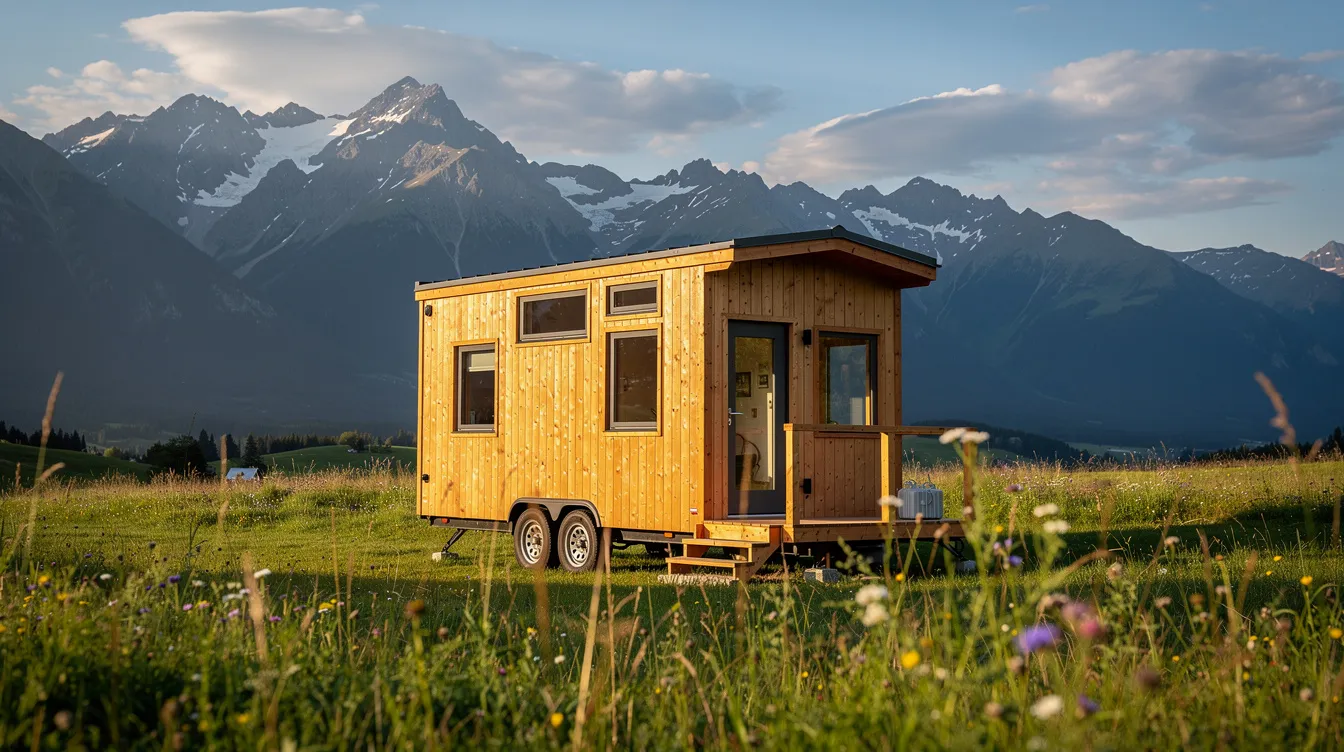
A tiny house on wheels (THOW) behaves differently than one on a permanent foundation, and choosing the best foundation for a tiny house has a major impact on both financing and long-term resale value.
- THOWs are classified more like RVs or trailers
- Foundation tiny homes may be treated as real property when tied to land and permitted
- Both work for full-time tiny living
- Only some foundation builds qualify for traditional mortgages and standard homeowner’s insurance
Tiny House on Wheels: Depreciation Patterns
Tiny homes on wheels generally depreciate in value similar to RVs.
Typical depreciation:
- Year 1: 10–20% loss
- Year 5: 40–60% total loss
The trailer, axles, and running gear age even when parked. This mechanical wear weighs heavily in buyer pricing.
THOWs are often financed with an RV loan or personal loan. Resale buyers know this limits how much they can pay, whether it’s a fully custom build or a pre-packaged option like an Amazon tiny house.
Off grid features like solar and composting toilets can help resale if done professionally. But they don’t reverse overall depreciation.
Owners who keep mileage low, store the home under cover, and maintain detailed service records achieve better outcomes.
Tiny House on a Foundation: Value and Equity
Tiny homes on foundations may retain some value, particularly if they are used as accessory dwelling units, but those on wheels are likely to depreciate over time, even when they start as relatively affordable tiny house buildings.
When a tiny home is legally permitted, connected to utility hookups, and built to local building codes, it may be appraised like a small cottage or accessory dwelling unit.
Here’s the key insight:
In many sales, most of the resale price comes from the land, utilities, and permitted use. The structure itself is often valued at replacement cost minus wear.
Tiny homes on foundations can potentially appreciate in value if they are used as accessory dwelling units, as their value is tied to the land they occupy.
In high-cost markets like California, the Colorado Front Range, and the Pacific Northwest, well-located tiny houses on foundations sometimes keep pace with local land appreciation.
But if a foundation tiny home isn’t permitted or sits on unclear zoning? Buyers and lenders treat it as an “improvement with problems.” This kills resale value.
How Land Ownership and Location Shape Resale Value
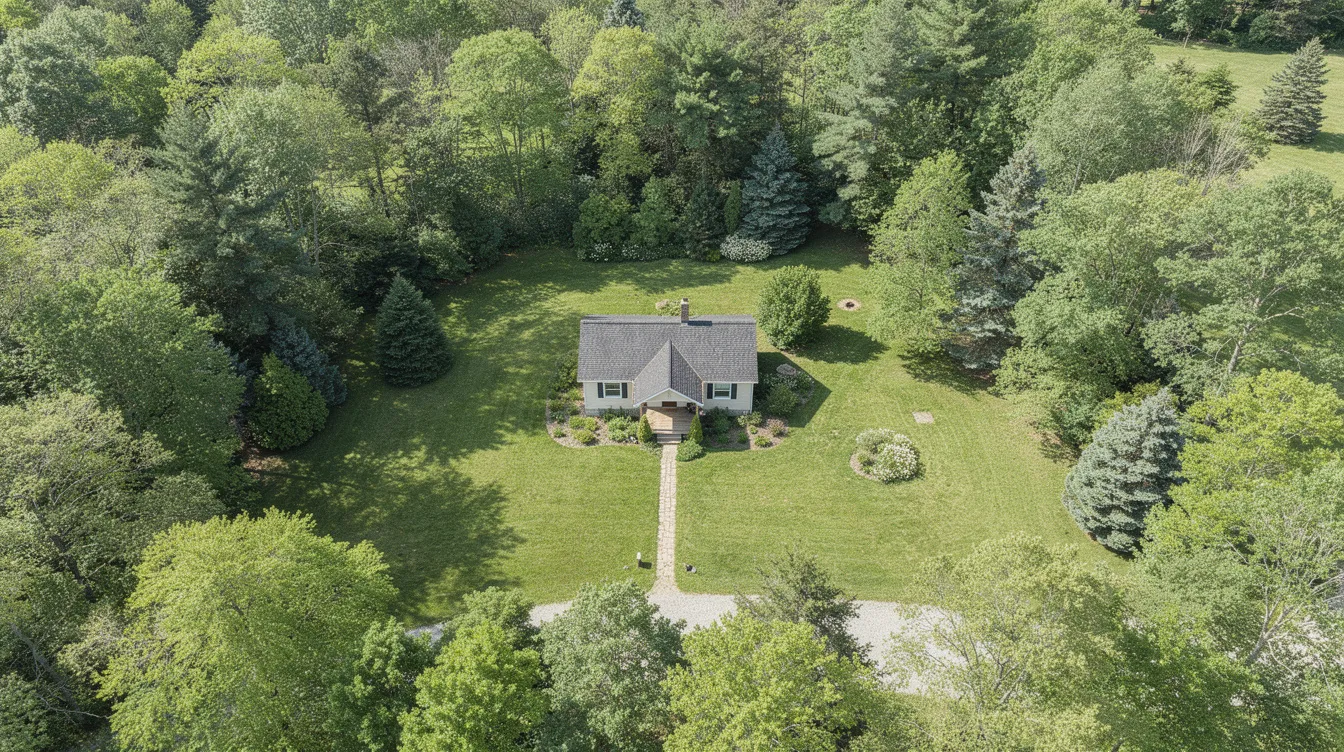
Land ownership is usually more important to resale value than the tiny home itself.
Especially over 5–10 years.
Buying land, getting utilities in place, and securing legal permission adds value that grows with the local market. The land appreciates while the structure depreciates.
Tiny homes often incur additional costs for land, permits, and utility connections, which can significantly affect the overall cost of ownership, so it’s wise to start with well-thought-out tiny house plans that fit your life and budget before you buy or build.
Compare this with tiny homes parked:
- On rented lots
- In someone’s backyard informally
- In an RV park
When leases or rules change, the structure must move. This adds cost and risk for buyers.
Permitted tiny homes or ADUs in areas with high rents and limited housing supply—coastal cities, resort towns, college towns—often have the strongest resale prospects.
Before buying, research:
- County zoning laws
- Minimum square footage rules
- Whether living in a tiny is allowed as a permanent residence
Location, Zoning, and Legal Status
Zoning categories determine whether a tiny home is legal as a primary home, accessory dwelling unit, or only temporary housing.
States and cities with tiny-home-friendly ordinances offer better environments:
- California
- Oregon
- Washington
- Texas
- Colorado
- Florida
The resale value of tiny homes is often unpredictable, as they do not appreciate like traditional real estate, and their value can be influenced by local zoning laws and market demand.
Unclear legality, lack of certificates of occupancy, or non-permitted utility hookups immediately reduce value and scare off potential buyers.
Sellers should gather permits, inspection records, and utility documentation in advance.
Tiny homes in established tiny house communities, eco-villages, or planned RV resorts often resell more easily because they come with predictable parking and rules.
Build Quality, Customization, and Condition
In small spaces, every construction decision stands out, as you can see in many great tiny homes that redefine small-space living where thoughtful design directly affects livability and future buyer appeal.
Buyers scrutinize tiny homes intensely.
Certified or professionally built tiny homes with inspections (NOAH, RVIA, local code sign-offs) sell faster and closer to asking price than undocumented DIY builds.
Provide detailed build specs:
- Framing and insulation
- Roofing and windows
- Electrical and plumbing
- Receipts and certifications
Extreme customization—odd loft access, built-in pet areas, quirky color schemes—limits the buyer pool.
Current condition usually matters more than calendar age.
Age, Maintenance, and Off-Grid Systems
A well-maintained five- to seven-year-old tiny home with no water damage can be worth more than a newer home with leaks or amateur repairs.
Red flags that destroy resale value:
- Roof leaks
- Rot around windows and doors
- Sagging trailers
- Amateur electrical work
- Frozen or cracked plumbing
Off grid features like properly designed solar arrays, lithium battery banks, composting toilets, and rainwater systems add appeal—if installed to code and documented—and they pair naturally with minimalist tiny houses for sustainable living that attract eco-minded buyers.
Keep a maintenance log with dates of inspections, resealing, and appliance service.
Fix obvious issues before listing. Small repairs can preserve thousands in perceived value.
How Long Do Tiny Homes Take to Sell?
Tiny homes generally take longer to sell than a traditional house in the same region.
General timelines:
- Active markets: 3–6 months
- Average/rural markets: 6–12 months or more
Mispricing is common. Listing too close to original tiny house cost leads to sitting unsold with price cuts after 30–60 days.
Zoning uncertainty adds friction. Buyers hesitate if they don’t know where they can legally live.
Plan for a longer selling period. Factor in storage, RV insurance, and loan payments when calculating net proceeds.
Real-World Resale Outcomes and Hidden Costs
When people talk about tiny houses hold their value, what matters is net financial outcome.
Common patterns:
- Owners list 10–20% below build cost
- Reduce another 10–20% if unsold after months
- Final prices often 30–50% below total investment
Hidden transaction costs include:
- Listing fees on tiny-house marketplaces
- Real estate commissions if land is involved
- Towing or delivery charges
- Back-owed lot rent or utilities
Model realistic exit scenarios. Assume structure depreciation but possible land appreciation to understand if a tiny house depends on your financial goals.
When a Tiny Home Makes Financial Sense
Reframe your thinking.
Tiny homes are tools for lowering housing costs and increasing flexibility. Not everyone should expect fast equity growth.
Living in a tiny home can greatly reduce your expenses, as these affordable homes often cost considerably less than a new single-family home, with DIY options costing as little as $4,000 and even some tiny homes under $20K for sale offering an accessible entry point.
When do they work financially?
- Replacing high city rent
- Providing a low-cost ADU on owned land
- Serving as short-term housing during life changes
- Working as nightly rental property in desirable locations
Tiny homes offer an environmentally friendly option, as smaller spaces typically consume less energy and resources, leading to a reduced carbon footprint, especially in designs inspired by tiny house nature retreats that emphasize connection to the outdoors.
The “return” often comes from reduced monthly expenses or rental income—not appreciation.
Compare total 5–10 year costs of tiny home living (loan, utilities, land, maintenance, depreciation) with renting or owning a traditional home in your area.
How to Protect Tiny House Resale Value
Here’s a practical checklist:
- Prioritize land ownership in a legally supportive area before buying the tiny home. Land is what typically appreciates.
- Choose neutral, widely appealing layouts. Simple finishes, standard bed sizes, usable stairs, flexible storage.
- Use quality materials and reputable builders. Secure certifications when possible. Keep all documentation.
- Plan an exit strategy from day one. Could this work as a rental property, guest house, or ADU if circumstances change?
Don’t expect to build equity like a regular house. But you can limit losses with smart choices.
Tiny House Resale Value: Bottom Line
Most tiny houses—especially those on wheels—do not hold value like traditional homeownership.
They shouldn’t be bought primarily as growth investments.
Land ownership, legal placement, build quality, and condition drive whatever resale value can be preserved.
Tiny homes can still be a smart choice. They offer a cheaper way to live on land, lower monthly costs, and support off grid or minimalist lifestyles.
Embracing a tiny home lifestyle allows you to adapt your living situation to fit your needs, fostering a simplified and flexible lifestyle.
Set realistic expectations. Budget for structure depreciation. View land appreciation separately.
With careful planning and clear goals, a tiny home can be a good fit.
Even if it’s not a traditional good investment.
The choice is yours.
FAQ
Are tiny homes ever a good investment purely for resale?
Buying a tiny home solely to resell at a profit is rarely wise. The market is too small, financing options are limited, and depreciation is common. The closest thing to an “investment” play is adding a permitted tiny home or ADU to land you already own in a high-demand area and using it for rent or family housing. Even then, most appreciation comes from the land and permitted use, not the small structure itself. Viewing it as a bad investment for pure appreciation is realistic.
Can I move my tiny house to improve resale value?
Relocating a tiny home from a weak market to a tiny-friendly region can improve prospects. But moving costs add up quickly. Professional towing, permits, and escort fees for longer moves can run into thousands of dollars. If the tiny home is older or already heavily depreciated, moving it long distances just to sell may not make financial sense. Weigh potential price gains against moving expenses carefully.
Does living off-grid hurt or help resale value?
Off grid systems like solar, batteries, composting toilets, and rainwater collection appeal to a specific subset of buyers. They may intimidate others who prefer plug-and-play utilities in limited space. Professionally designed, documented systems can be selling points in rural or high-electricity-cost areas. But they rarely offset overall structural depreciation. Keep manuals, wiring diagrams, and maintenance records for all off-grid components to build buyer confidence.
What’s the safest way to finance a tiny home given resale risks?
Keep loan terms as short as realistically possible. Avoid borrowing up to the full purchase price so you’re not underwater if you need to sell. Paying cash or making a large down payment reduces interest costs and risk. Consider whether the tiny home could be repurposed as a guest house, office, or rental property if resale proves difficult. This creates a backup plan for recovering value through use rather than sale. Check financing options carefully before committing.
Do brand-name or builder-certified tiny homes hold value better?
Tiny homes built by well-known, code-compliant builders with certifications (such as NOAH or RVIA) typically command higher resale prices than undocumented DIY builds. Buyers and lenders place a premium on proven safety and standardized construction. Brand recognition doesn’t eliminate depreciation—but it narrows the loss and shortens time on market compared with unknown one-off builds. If you want to save money on the build, understand the tradeoff in resale value.