
Tiny houses are making waves in Connecticut, with many residents inspired by cute tiny house designs for their dream home.
More people are seeking affordable alternatives to traditional housing. The appeal is clear: lower costs, simpler life, smaller environmental footprint.
Connecticut has become one of the more welcoming states for tiny house communities, despite not having many large-scale dedicated developments. The cost of building a tiny home in Connecticut typically ranges from $30,000 to $100,000, depending on various factors such as size and construction quality.
But here’s the challenging part. Finding an actual community to join isn’t straightforward.
This guide breaks down the best options for tiny living in Connecticut right now. Whether you’re interested in collaborative cohousing, RV parks accepting tiny homes, or ADU-friendly neighborhoods, we’ve got you covered.
How We Chose the Best Tiny House Communities
Let’s be honest about the landscape.
Connecticut currently does not have any noteworthy tiny home communities, but there are many RV communities that might allow the temporary placement of park model homes. This makes our selection process different from states like Oregon or Texas.
Our evaluation criteria focused on:
- Legal status – Can you live there permanently or temporarily?
- Community amenities – Shared spaces, utilities, recreational facilities
- Affordability – Monthly costs, lot rents, overall value
- Location – Access to services, commute options, quality of life
- Resident support – Management responsiveness, social programming
Tiny homes are legal in Connecticut as long as they comply with local zoning ordinances and building codes, which vary significantly by municipality. Understanding the smallest legal house size and IRC standards can help you design a compliant structure, and Connecticut has adopted the International Residential Code (IRC) with Appendix Q, allowing tiny homes up to 400 square feet and requiring a minimum ceiling height of 6 feet 8 inches.
Most counties in Connecticut permit tiny houses as accessory dwelling units or primary residences, provided they meet IRC Appendix Q standards and local requirements. Building codes and zoning regulations in Connecticut vary significantly by town, so checking local municipal regulations is essential before constructing tiny homes.
The challenge? Only about 1-2% of U.S. tiny communities exist in Connecticut, according to the Tiny Home Industry Association. The state faces a 45,000-unit housing deficit, which is driving interest in smaller dwellings and inspiring people to research modern tiny house designs for contemporary living.
Tiny house communities in Connecticut typically promote affordability, sustainability, and social living alternatives through smaller footprints, reducing utility bills and fostering neighbor connections, much like the models showcased by leading micro house builders for modern living.
We included planned developments, RV communities accepting tiny houses, and ADU-friendly zones because that’s the reality here. Creative options are necessary.
Top 5 Tiny House Communities in Connecticut
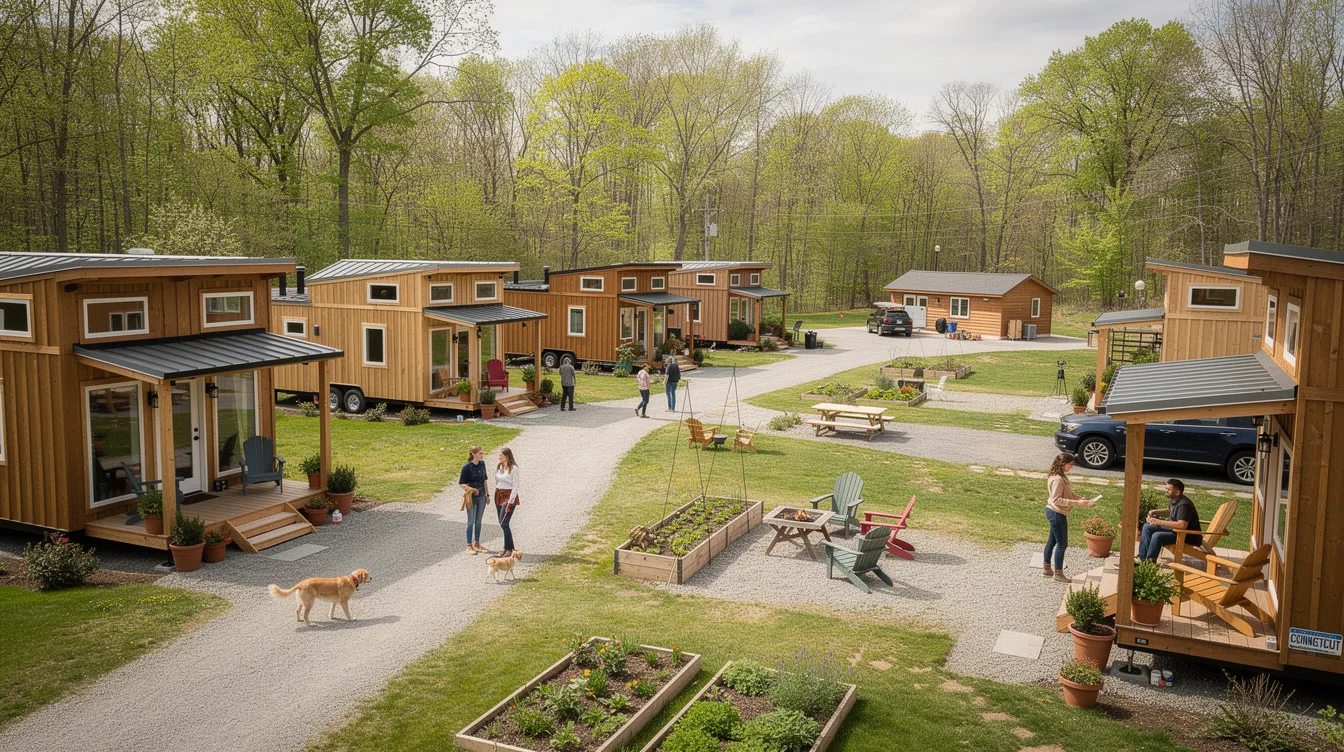
Here are the best places to pursue tiny house living in the state right now, especially if you already understand tiny houses as a complete small-scale living, design, and community solution.
1. Rocky Corner Cohousing (New Haven)
Rocky Corner Cohousing in New Haven exemplifies intentional community living with a focus on sustainability, where residents own distinct homes but share neighborhood upkeep and resources.
This multigenerational community brings together people who want more than just a place to live. They want connection and a chance to fully embrace tiny living with tips and ideas for the journey.
Why It Stands Out:
Rocky Corner represents an established collaborative living model. Residents manage the property together, share common spaces, and build genuine relationships with neighbors.
Best For:
People seeking community-oriented sustainable living. Those who value shared decision-making and environmental practices.
Key Strengths:
- Shared gardens and outdoor spaces
- Collaborative property management
- Strong environmental focus
- Built-in social connections
- Multigenerational residents
Many tiny house communities offer collective resources, including community gardens and shared laundry facilities, and these shared spaces can create opportunities for residents to create community gardens together. Rocky Corner embodies this philosophy.
Possible Limitations:
- Limited availability for new residents
- Cohousing lifestyle requires active participation
- May not suit those preferring privacy
- Not exclusively tiny homes
The haven area offers access to museums, dining, and employment while maintaining community feel.
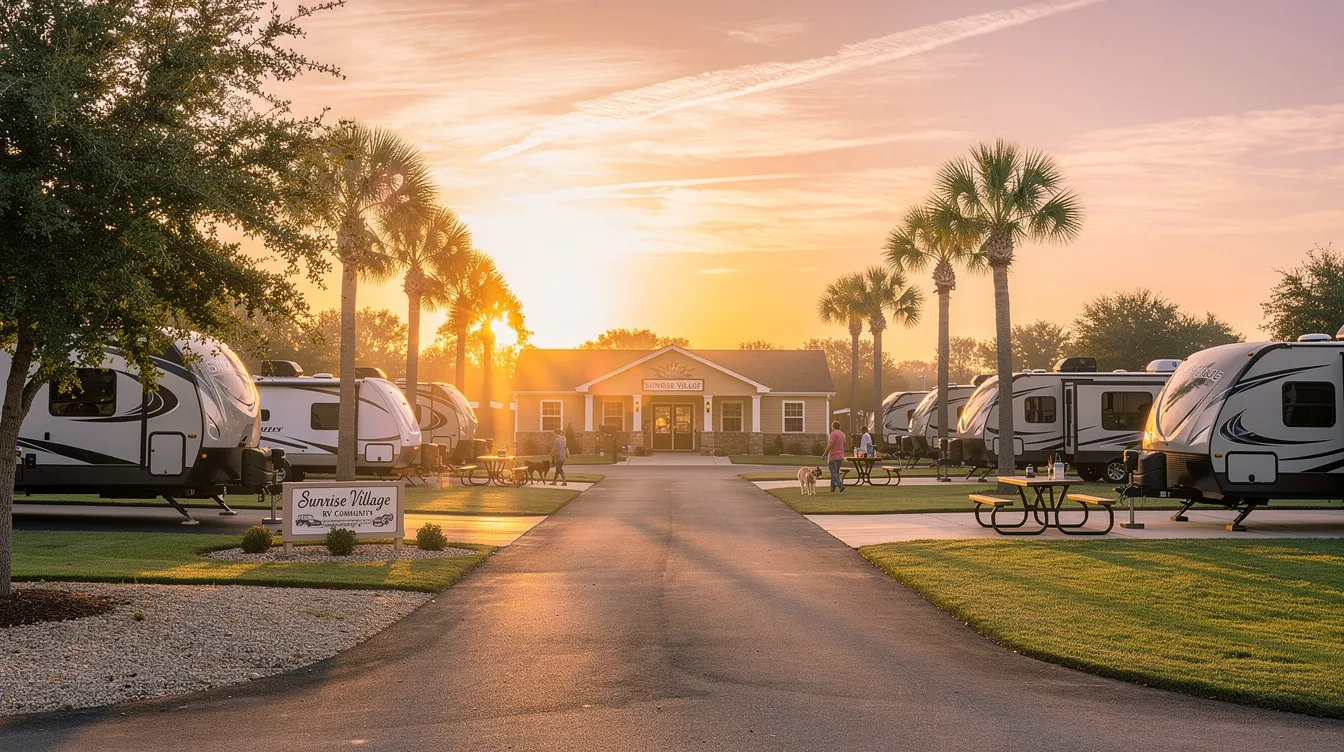
2. Sunrise Village RV Community (Litchfield County)
Litchfield County offers rural beauty with rolling hills and hiking trails, making it ideal for those drawn to tiny house nature retreats and outdoor-focused living. RV communities in this region have become practical options for tiny home owners.
Aces High RV Park allows tiny homes in East Lyme, CT, on long-term stays similar to park model RV setups. Totoket Valley RV Park welcomes tiny homes in North Branford, CT. Rates generally run around $200 per night or discounted monthly equivalents.
Why It Stands Out:
Established infrastructure welcoming to certified tiny homes. You don’t have to build anything – just arrive with your home.
Best For:
Owners of RVIA-certified tiny homes or park model homes. Those comfortable with recreational vehicles classification.
Key Strengths:
- Existing utility connections (electricity, water, sewer)
- Community amenities (Wi-Fi, BBQ areas, showers)
- Recreational facilities and lake access
- Pet-friendly policies
- Proximity to stores and services
Possible Limitations:
- RV classification restrictions apply
- Seasonal limitations (winter may require special insulation)
- THOWs must meet RVIA standards (8-10 feet wide, up to 400 square feet)
- Lot rents can vary depending on location
Connecticut’s climate presents challenges. Average January temperatures drop to 20°F, risking pipe freezes without proper winterization upgrades, making efficient, minimalist tiny houses for sustainable living especially appealing for energy savings.
3. Green Valley Tiny Home Development (Planned – New Haven County)
New Haven County is considered the most accommodating region for tiny home developments in Connecticut. This has attracted developers planning purpose-built tiny communities, where move‑in‑ready options such as turnkey tiny homes for every lifestyle and tools like a detailed tiny home cost calculator can help buyers understand total project budgets.
Why It Stands Out:
Unlike RV parks or converted campgrounds, planned developments like this are designed specifically for tiny homes from the ground up.
Best For:
Buyers seeking new construction in a planned community. Those who want permanent foundation options or are interested in custom tiny homes for small-space living.
Key Strengths:
- Custom tiny home lots designed for the lifestyle
- Shared amenities planned from inception
- Environmental design with solar integration potential and energy efficiency
- Support from builders like CTiny.homes in the county
Tiny homes that are built on foundations generally incur higher costs due to site preparation and permanent utility connections, with professional builds often ranging from $100,000 to $150,000; choosing the best foundation for a tiny house is a major factor in both budget and long-term stability.
Possible Limitations:
- Still in planning phase as of 2026
- Limited availability when complete
- Higher costs than DIY or RV park options
- Zoning approvals still being finalized
Progressive areas are allowing clustered tiny homes under 2025 zoning reforms. The project represents where Connecticut is heading, especially for residents who start with well-planned tiny house plans that fit your life.
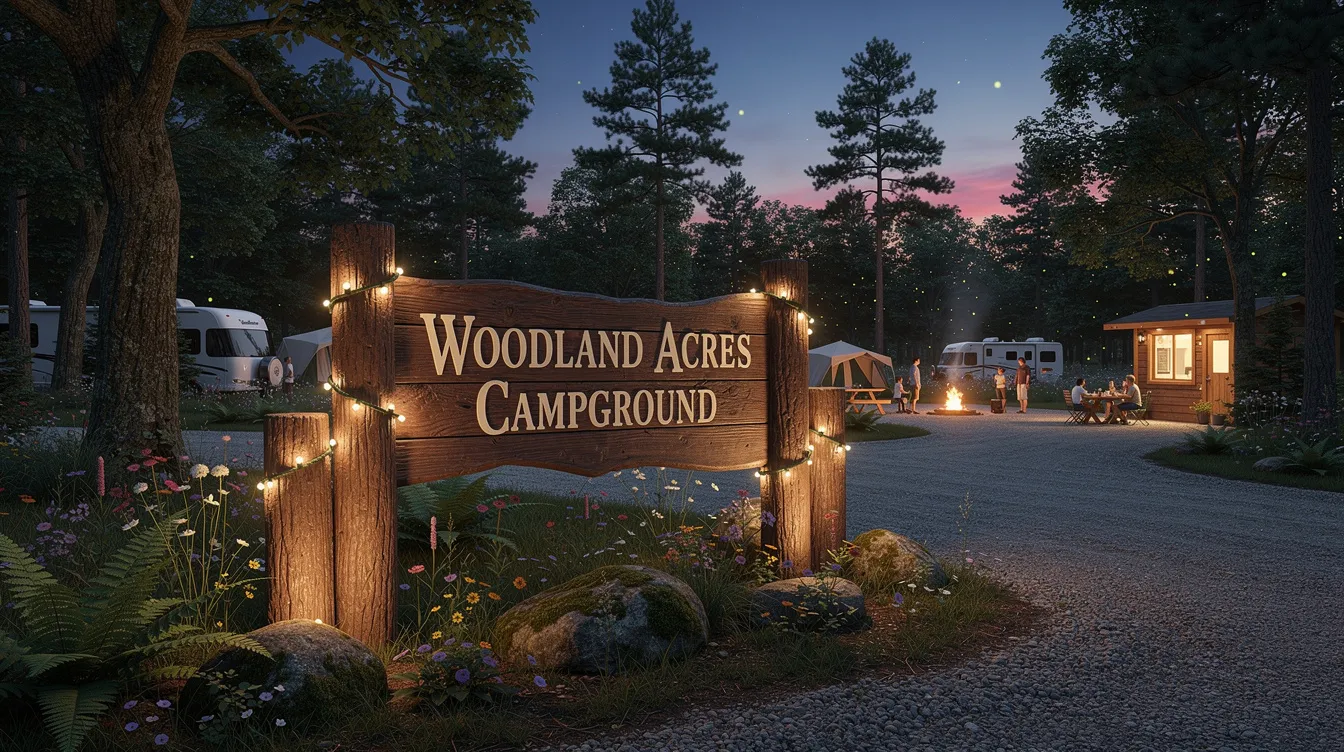
4. Woodland Acres Campground (Fairfield County)
Campgrounds throughout Connecticut offer temporary housing solutions for tiny home owners exploring the lifestyle, for example as a practical way to try tiny living before committing, especially those drawn to affordable tiny house buildings and designs.
Fairfield County provides access to both rural settings and urban amenities. Commutes to major cities remain manageable.
Why It Stands Out:
Flexible arrangements for various tiny home types. Lower commitment than purchasing land or joining permanent communities.
Best For:
Those wanting trial tiny living before committing. People needing temporary placement while searching for permanent options.
Key Strengths:
- Flexible lease terms (weekly, monthly, seasonal)
- Natural settings with trees and outdoor access
- Recreational activities available
- Lower upfront investment
- Opportunity to test tiny living
Possible Limitations:
- Temporary arrangements only
- Limited winterization support
- May not meet permanent residency needs
- Restrictions on modifications
For those still deciding if tiny living fits their life, campground placements offer low-risk entry points and time to explore whether a tiny house for sale is right for you.
5. ADU-Friendly Neighborhoods (West Hartford)
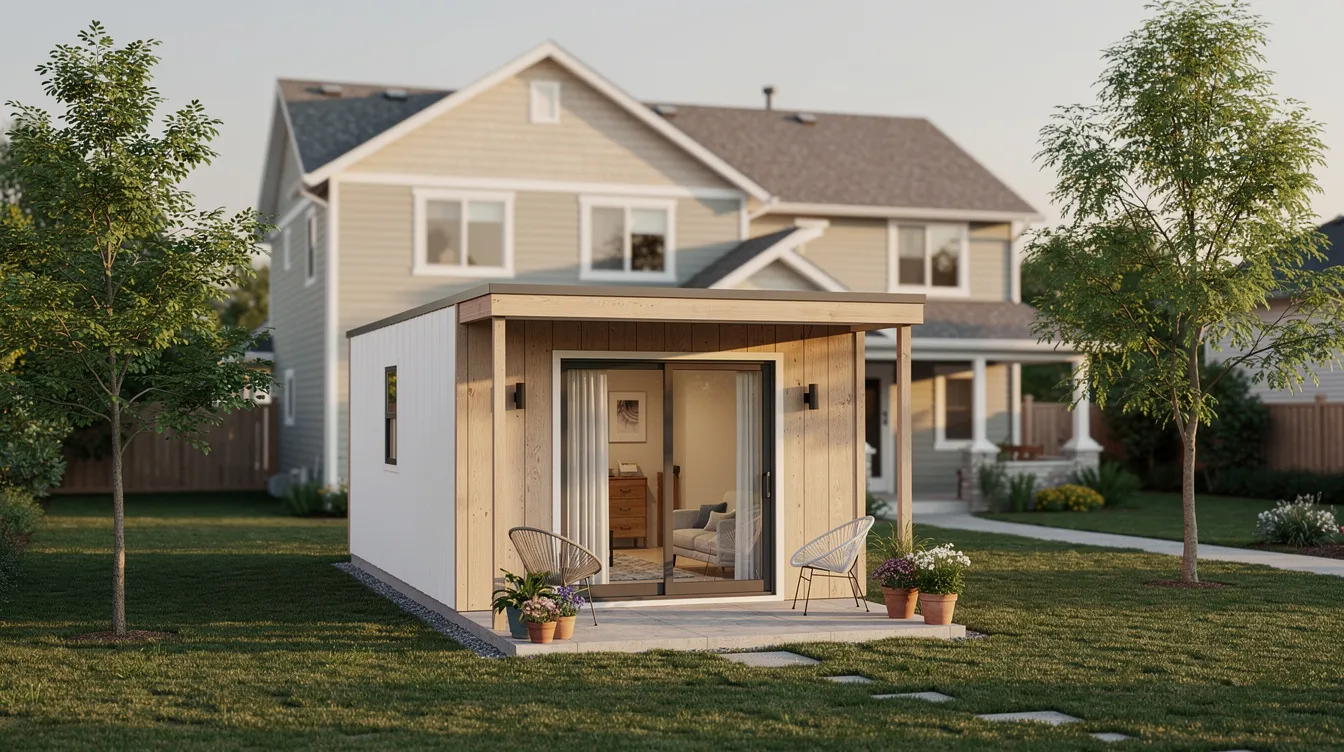
West Hartford exemplifies progressive policy toward tiny homes. The city permits tiny homes as ADUs on family properties under IRC with municipal backing.
Why It Stands Out:
Progressive zoning laws supporting tiny home integration into established neighborhoods. Legal pathways already exist.
Best For:
Those wanting tiny homes as ADUs on family property. People with existing land who want to add smaller dwellings.
Tiny homes in Connecticut can be designed as standalone structures or movable homes on wheels and are appealing for downsized retirement or as ADUs.
Key Strengths:
- Legal support from local planning department
- Established neighborhoods with services
- Municipal backing reduces red tape
- 2026 updates streamlined permits to 60 days (from 120)
- No need to find separate land
Possible Limitations:
- Requires existing property connection
- Zoning restrictions still apply
- Setback requirements must be met
- Not a traditional community experience
The local building department in West Hartford has become a model for other towns considering similar reforms.
Quick Comparison of Connecticut Tiny House Communities
Community | Best For | Monthly Cost Range | Legal Status | Winterization |
|---|---|---|---|---|
Rocky Corner Cohousing | Collaborative sustainable living | Varies by unit | Permanent | Yes |
Sunrise Village RV | RVIA-certified tiny homes | $500-800/month | Seasonal/Long-term | Limited |
Green Valley Development | New planned community | TBD | Permanent (planned) | Yes |
Woodland Acres | Flexible/temporary arrangements | $400-600/month | Temporary | No |
ADU Neighborhoods | Family property integration | $0 (lot rent) | Permanent | Yes |
Utility costs for tiny homes are significantly lower than traditional homes, with many tiny home owners reporting monthly utility bills around $50 due to energy-efficient designs. | ||||
Quick picks: |
- Rocky Corner Cohousing – Best for collaborative sustainable living
- Sunrise Village RV Community – Best for RVIA-certified tiny homes
- Green Valley Development – Best for new construction in planned community
- Woodland Acres Campground – Best for flexible or temporary arrangements
- ADU-Friendly Neighborhoods – Best for family property integration
How to Choose the Right Tiny House Community
Finding your fit requires matching your needs to available options.
Local rules directly affect where a tiny home can legally be placed.
In Connecticut, all tiny houses require building permits before construction can begin, which includes a plan review and inspection process to ensure compliance with local building codes. Additionally, once a tiny home is constructed in Connecticut, it must pass all required inspections and be approved for occupancy to obtain a certificate of occupancy, ensuring it meets safety and livability standards.
Zoning regulations in Connecticut vary by municipality, with a number of local factors affecting placement decisions, including whether towns allow tiny homes as accessory dwelling units or apply more restrictive policies; comparing tiny house communities in Florida and their legal landscape can highlight how different states handle these rules.
Key questions to ask:
- Do you need permanent or temporary living?
- Is your tiny home on wheels or a permanent foundation?
- Have you checked with your local zoning offices?
- Do you have an account of local permit and inspection requirements?
- Can you secure the necessary permits?
Many towns in Connecticut have specific zoning regulations that dictate the minimum lot size and other requirements for building tiny homes, which can change based on municipality, and homes must stay in line with local requirements. Looking at how tiny house communities in Maine navigate affordability, regulation, and sustainability can offer useful comparisons. Connecticut adheres to IRC standards, but local interpretation varies.
It’s a great idea to contact your local building department ahead of any project and confirm current requirements. They know what’s allowed in your specific town. Note: local interpretations and requirements can vary from one town to the next.
Choose Based on Community Amenities
What do you actually need from a community?
Shared facilities comparison:
Amenity | RV Parks | Cohousing | ADU Zones | Planned Developments |
|---|---|---|---|---|
Shared gardens | Sometimes | Yes | Rarely | Often |
Laundry facilities | Yes | Yes | No | Planned |
Community events | Sometimes | Frequent | No | Planned |
Recreation areas | Yes | Limited | No | Yes |
Wi-Fi | Usually | Often | No | Planned |
Consider your preferences: |
- Social living with regular interaction? Try cohousing.
- Privacy with occasional community? RV parks work.
- Complete independence? ADU zones or private land.
The difference between parks and permanent communities often comes down to walls – both literal and social.
Choose Based on Location and Lifestyle
Location shapes daily life more than most realize.
Rural options (Litchfield County):
- Peaceful settings with foliage views
- Lower density, more privacy, though there is still plenty to plan for when choosing a rural setup
- Longer commutes to services
- Better land affordability
Urban-adjacent options (Hartford area, New Haven):
- 20-minute commutes to jobs
- Museums, dining, health services nearby
- Higher lot costs
- More zoning restrictions
Think about your actual daily needs. Where do you work? Shop? See doctors? Access matters.
London County and other rural areas offer space but require planning ahead for basic services, plus the rest of the utilities, permits, road access, and delivery logistics residents should map out before choosing a site. For broader context on where to build a tiny house and the best locations for comfort, Greenwich is another Connecticut location worth researching for local tiny home policies and lifestyle fit.
Which Tiny House Community Is Best for You?
Match your situation to the right option:
Choose Rocky Corner Cohousing if:
- You want established collaborative living
- Community participation appeals to you
- Sustainability matters deeply
- You’re flexible on home size
- You do not need two bedrooms
Choose Sunrise Village if:
- You have an RVIA-certified tiny home
- You’re comfortable with RV park life, including park models
- Seasonal living works for you
- You want existing amenities
Choose Green Valley Development if:
- You prefer new planned communities
- Waiting for construction is acceptable
- Permanent foundation is important
- Higher budgets available ($100k+)
Choose Woodland Acres if:
- You need flexible arrangements
- Trial periods appeal to you
- Temporary housing suits your timeline
- Lower upfront costs matter
Choose ADU neighborhoods if:
- You have family property connections
- West Hartford or similar towns interest you
- Integration into existing neighborhoods works
- You can navigate building permits and inspection processes
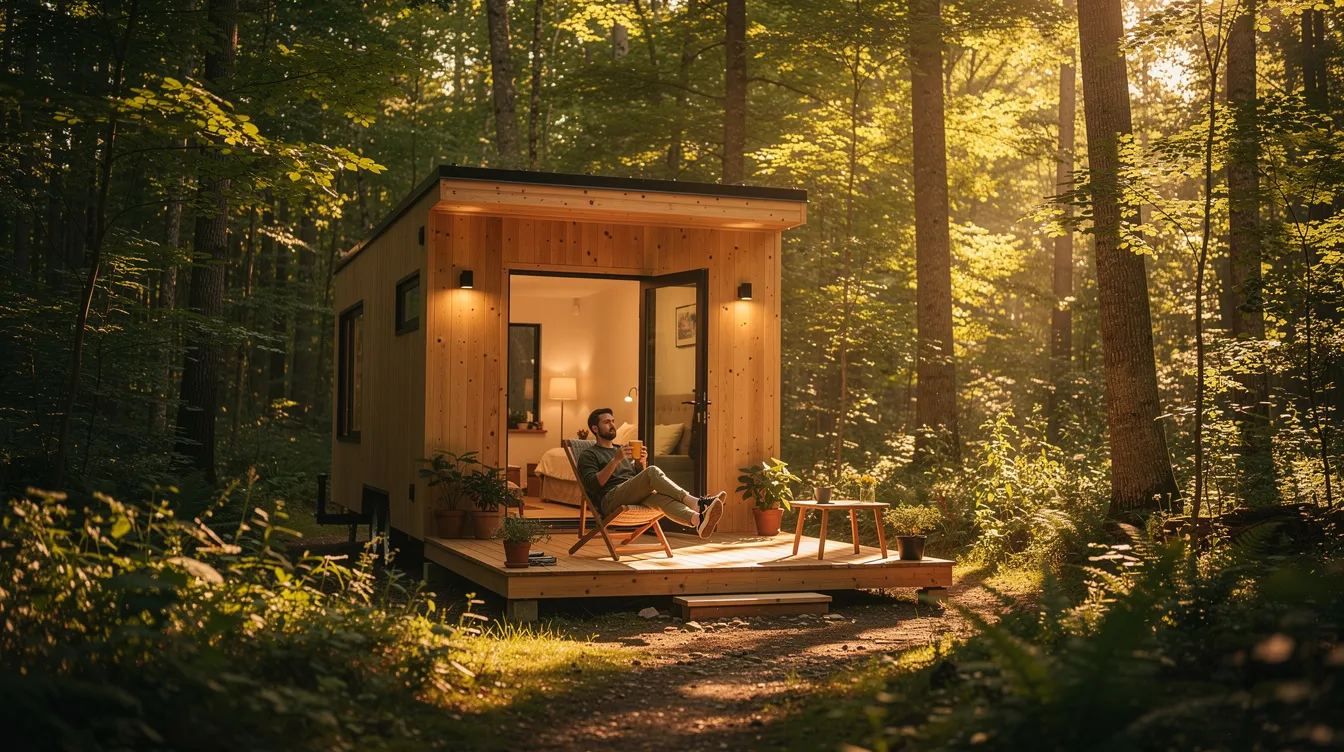
Each path requires different resources and a ton of practical tradeoffs to weigh before deciding. Be honest about what you bring to the table.
Final Thoughts
The tiny house scene in Connecticut is evolving.
Options remain limited compared to other states. But interest is growing. Emerging tiny house communities in Connecticut are navigating zoning regulations to promote sustainable, communal living through shared resources and eco-practices.
The state’s housing shortage (45,000 units) is pushing conversations forward, alongside concern for people who are homeless or unstably housed. Predictions suggest 5-10 new pocket neighborhoods could emerge by 2028.
Before you commit:
- Verify 2026 regulations with your local zoning offices
- Secure proper certifications for THOWs
- Visit communities in person when possible
- Connect with residents about real experiences
- Budget for both building and ongoing costs
Some sites may have big concrete pads or other setup features, but verify fit and compliance before moving forward.
Tiny house living isn’t just about smaller spaces. It’s about intentional choices. The community you choose shapes that experience.
Whether you’re drawn to the social bonds of cohousing, the flexibility of RV parks, or the independence of ADU living, Connecticut offers pathways forward. Exploring tiny house communities in New Jersey for 2026 can further expand your sense of what’s possible nearby. They just require creativity and research.
Start with your local planning department. Ask questions. Connect with builders already working in your county, and if you’re curious about international trends, explore how tiny house living in the UK supports affordable, sustainable lifestyles.
The world of tiny living awaits. Your perfect community might already be taking shape.
Learn More About Tiny Home Regulations in Connecticut
For detailed information on building codes and regulations for tiny homes in Connecticut, visit the following official resources:
- Connecticut Department of Consumer Protection – Building Permits and Codes – Guidance on permits, inspections, and zoning requirements.
- International Residential Code (IRC) Appendix Q – Official standards for tiny home construction.
- Tiny Home Industry Association – Industry news and resources for tiny home enthusiasts.
- CTiny.homes – Local Connecticut tiny home builders specializing in custom designs.
- U.S. Department of Housing and Urban Development (HUD) – Information on affordable housing initiatives and regulations.
These links offer authoritative information to help you plan and build your tiny home in compliance with Connecticut laws.