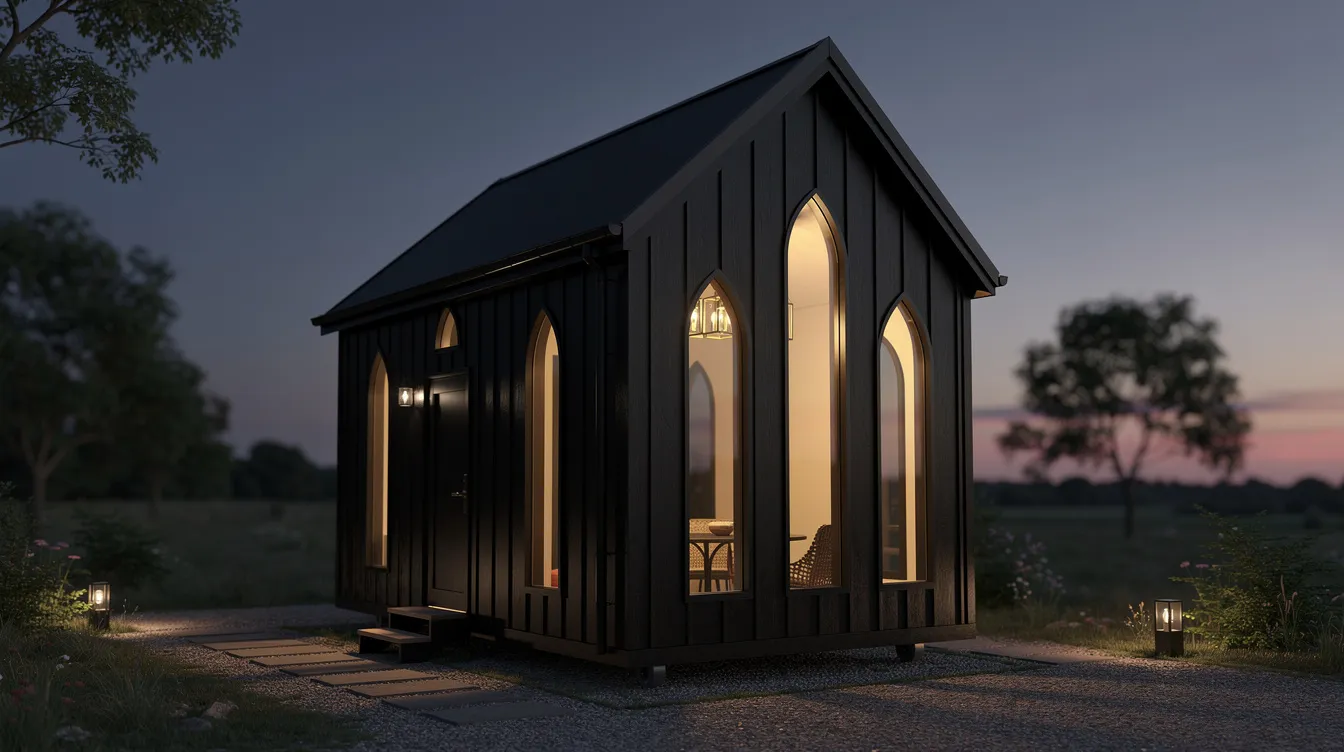
The gothic tiny home blends pointed arches, steep gables, and dark wood details with efficient living spaces under 400 square feet. Unlike the previous era dominated by large, over-the-top homes like McMansions, today’s trend favors smaller, cozier cottages that are easier to maintain and offer more charm and versatility. Cottages, with their aesthetic appeal and energy efficiency, make ideal guest houses, rental units, or personal retreats. If you’ve always wanted the perfect cottage or gothic tiny home, now is the time to create the unique space that fits your dreams. Adding a gothic tiny home or cottage can enhance your property’s value and provide a functional, distinctive living area. Interest has surged in 2025–2026 as more people search for tiny house designs with genuine architectural character. This guide focuses on real, buildable concepts—providing concrete information for your own project rather than abstract inspiration.
- What Makes a Tiny Home “Gothic”?
- Planning Your Gothic Tiny Home: Size, Layout & Budget
- Exterior Design: From Gothic Windows to Steep Roofs
- Interior Style: Gothic Cottage Meets Modern Minimalism
- Practical Considerations: Mobility, Climate & Energy Efficiency
- Inspiration & Next Steps for Your Gothic Tiny Home
What Makes a Tiny Home “Gothic”?
Gothic architecture adapted for small spaces requires deliberate choices in both exterior and interior elements. The style draws from 12th-century European design principles, scaled to fit modern tiny home dimensions. Recently, there’s a growing trend of blending Gothic design elements with tiny house principles, connecting historical aesthetics with minimalist living.
Exterior Elements:
- Steep rooflines around 12:12 pitch (great for snow and water runoff)
- Pointed or lancet windows as the signature feature. Large, narrow windows in Gothic design allow for abundant natural light, which adds to the feeling of spaciousness in a tiny home and enhances its functionality.
- Dramatic front-facing gable
- Dark palettes: charcoal, black, or deep forest green
Traditional Gothic architecture emphasizes verticality, with tall, narrow windows and rib-vaulted ceilings that add a sense of height and grandeur to compact spaces.
Interior Signatures:
- Ribbed or faux-vaulted ceilings in 10–12 ft main rooms
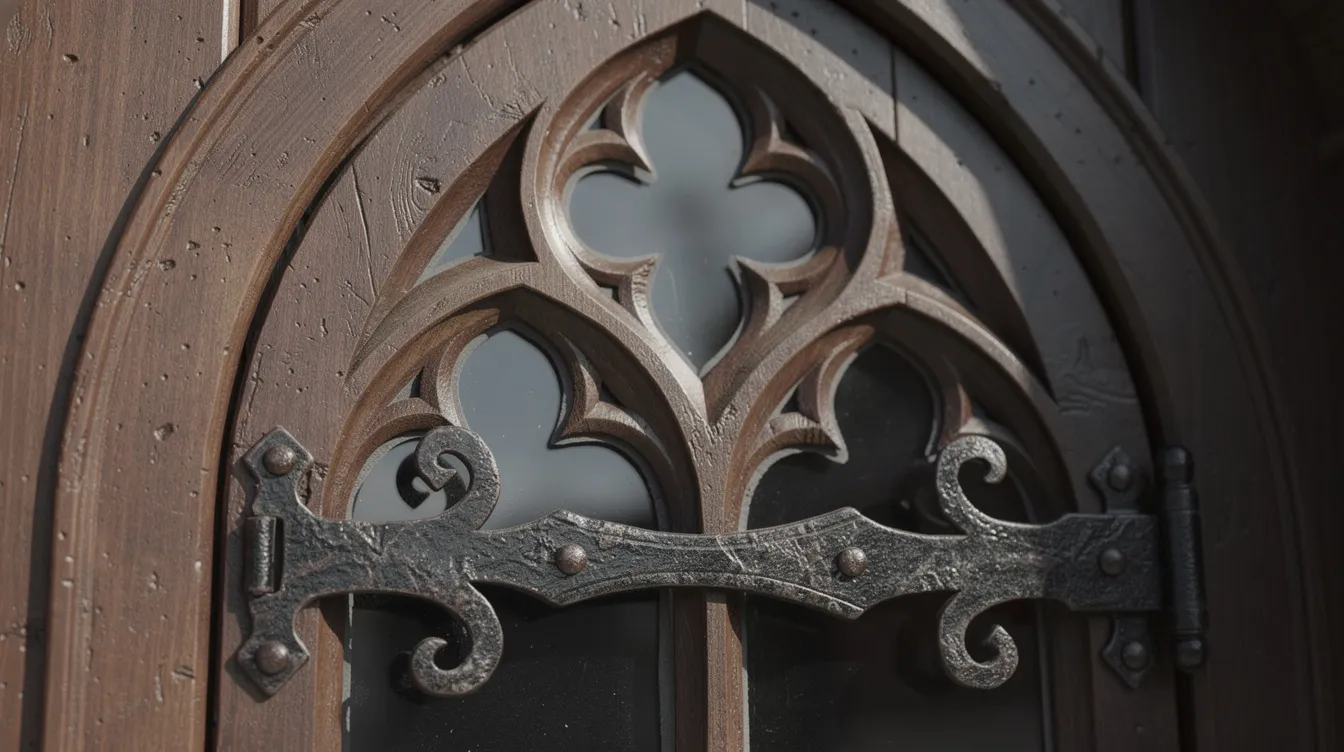
- Heavy wood beams and wrought-iron hardware
- Candle-style lighting and stone-look accents
You can select from several subcategories: Gothic cottage (refined details), farmhouse goth (rustic-meets-dark), or Victorian Gothic (elaborate trim featuring gingerbread patterns). Each scales effectively to a 200–400 sq ft footprint and these features add both aesthetic appeal and practical value to your gothic tiny home.
Planning Your Gothic Tiny Home: Size, Layout & Budget
Every square foot matters in tiny living, so careful planning becomes essential, and choosing tiny house floor plans that work for you will determine how comfortable your daily life feels. Here are three size tiers to account for different experiences, and you can refine these numbers further using a tiny home cost calculator to match your specific materials and region.
Size (sq ft) | Use Case | Budget Range (2025–2026) |
|---|---|---|
180–220 | Solo traveler on wheels | $40,000–$60,000 (DIY shell) |
260–300 | Small family layout | $90,000–$120,000 (custom) |
350–400 | Park model with elaborate façade | $110,000–$140,000+ |
The Tumbleweed Elm, designed in 1999 and still built today, demonstrates the value of thoughtful Gothic layouts—offering 217–390 sq ft configurations that can sleep up to six people and illustrating how tiny house plans that fit your life can make even very small footprints feel generous.
Recommended layout for a 24’ x 8.5’ trailer:
- Main room with 12 ft vaulted ceiling and Gothic window wall
- Sleeping loft with 36” minimum headroom
- Compact galley or L-shaped kitchen
- 3-piece bathroom with pocket door
Exterior Design: From Gothic Windows to Steep Roofs
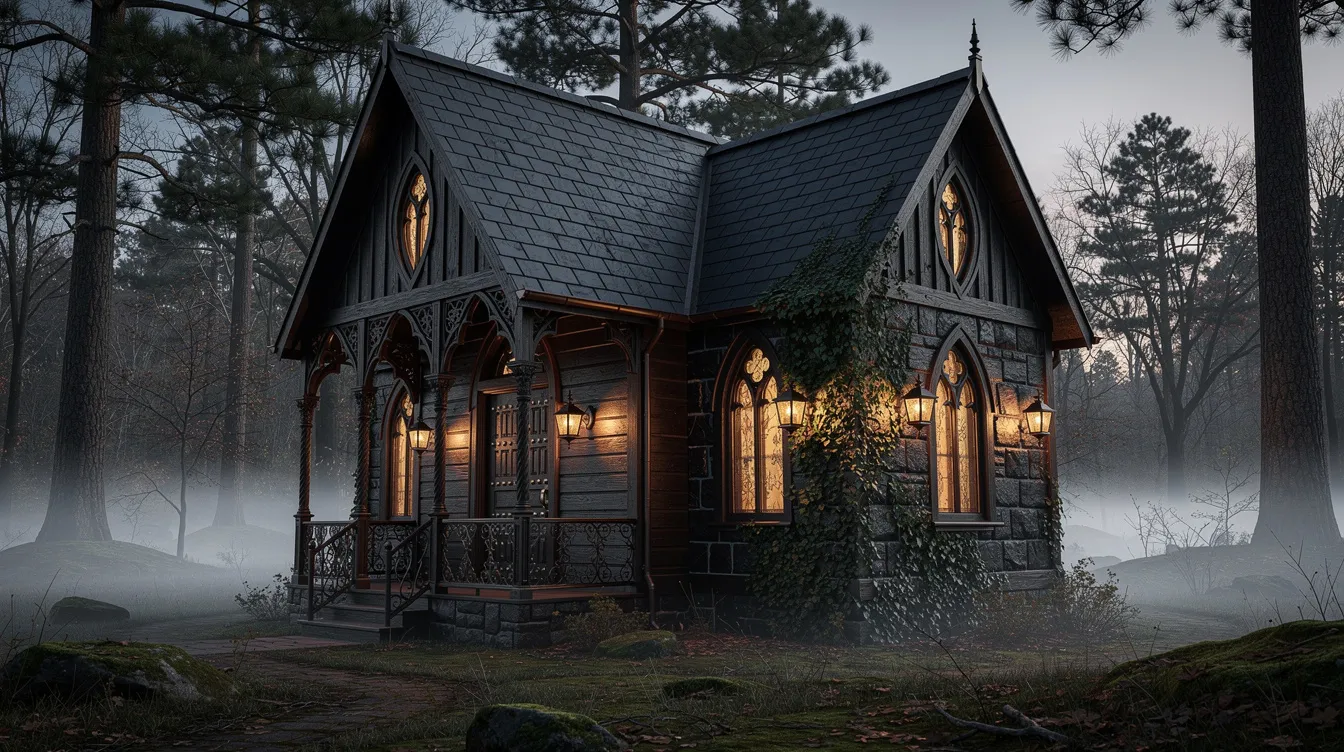
Classic Gothic exteriors translate surprisingly well to trailer-based or skid-mounted tiny homes. The steep roofline that defines the style actually serves practical purposes while creating a dramatic silhouette, making the home a unique and inspiring place, especially when you work with top custom tiny homes for small-space living that can tailor the façade to your exact vision.
Sourcing Statement Pieces: Plan a visit to architectural salvage yards—places like those in Asheville, NC or similar regions often yield reclaimed Gothic windows at a fraction of custom costs. Incorporating Gothic windows into tiny home designs can enhance the aesthetic appeal, provide a unique focal point, and allow natural light to enter the space while still following principles from affordable tiny house buildings and designs. Many builders create their signature look this way.
Façade Specifications:
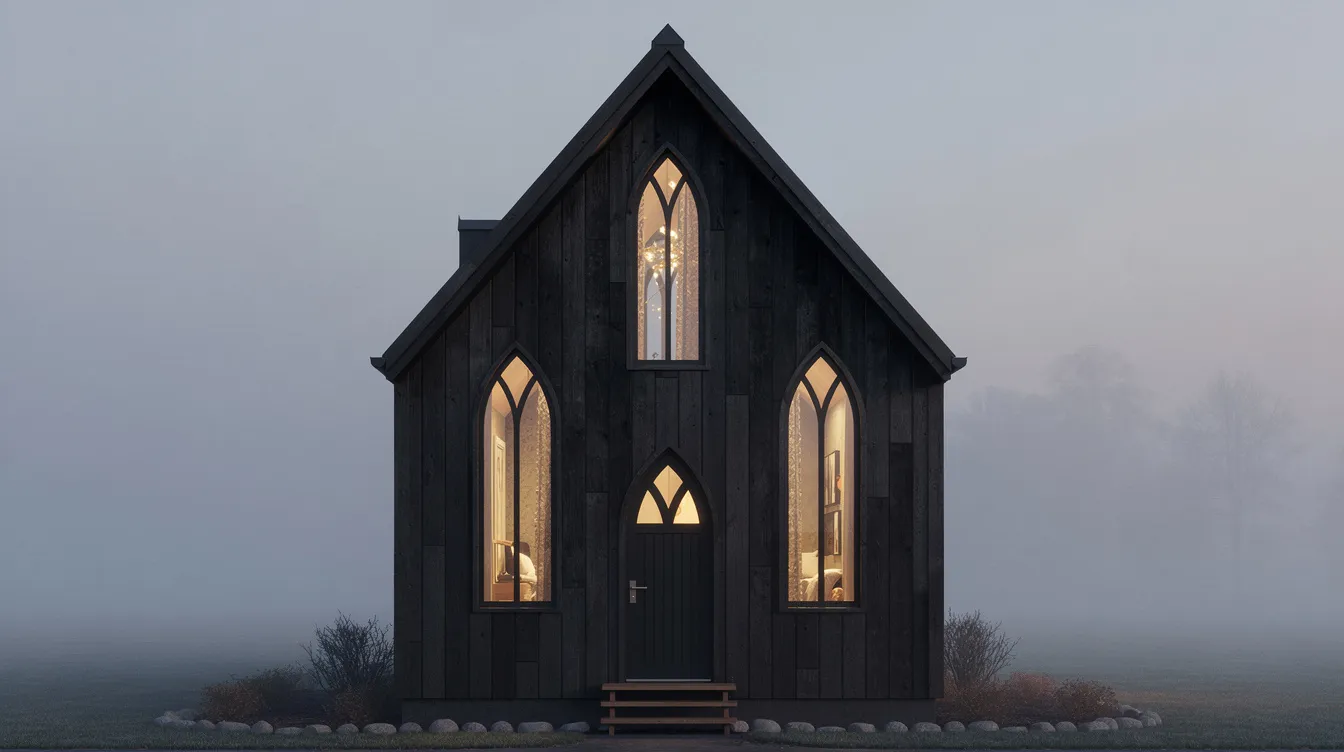
- 12:12 roof pitch with decorative bargeboards
- Dark standing seam metal roof
- Vertical board-and-batten siding stained black or deep brown
- Pointed-arch door with false buttress corner trim
- Finial at roof peak and 2–3 lantern-style sconces on porch
Gothic tiny homes can also be designed to blend with natural surroundings, often featuring dark color palettes and lush landscaping that complement the Gothic aesthetic.
Interior Style: Gothic Cottage Meets Modern Minimalism
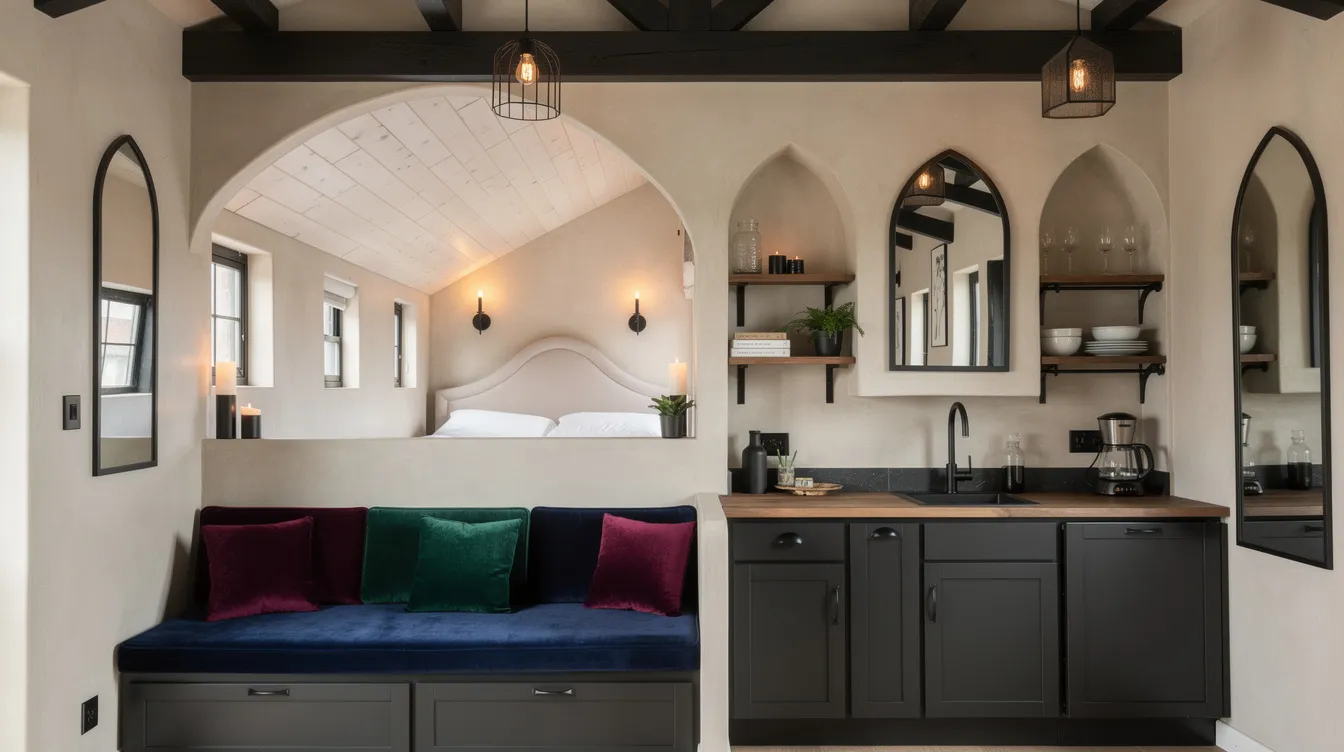
The challenge inside a gothic tiny home is balancing dramatic elements with light-reflective surfaces to avoid a cramped feel, similar to how elegant tiny homes that redefine modern living use contrast, texture, and natural light to stay airy. Dark ceiling beams paired with light limewash walls create depth without heaviness.
Living Area:
- Dark-stained ceiling beams against light plaster walls
- Deep jewel-toned textiles: burgundy, emerald, midnight blue
- Built-in bench with under-seat storage inspired by top tiny house designs for modern living that prioritize hidden storage and flexible seating
Kitchen Choices:
- Matte black or oil-rubbed bronze hardware
- Arched cabinet doors with open shelves on iron brackets
- Butcher block or soapstone-look counters that echo details from cute tiny house designs for your dream home, bringing a touch of charm to a dark, dramatic palette
Loft Configuration:
- Sloped ceiling with tongue-and-groove boards reminiscent of chalet tiny house models for modern living
- Arched headboard and wall-mounted candle-style sconces
- Built-in niches replacing bulky furniture, drawing from the efficient layouts seen in colonial tiny house designs for cozy living spaces
For decor, check mass-market retailers for black metal lighting, faux-candle LEDs, and Gothic-inspired mirrors sized for sub-8 ft wall sections.
Practical Considerations: Mobility, Climate & Energy Efficiency
Romantic aesthetics must sit alongside practical realities like towing weight and building codes.
Weight-Conscious Design:
- Faux-stone panels instead of masonry
- Engineered wood beams instead of solid oak
- Lightweight composite roofing maintaining Gothic silhouette
Climate Adaptations:
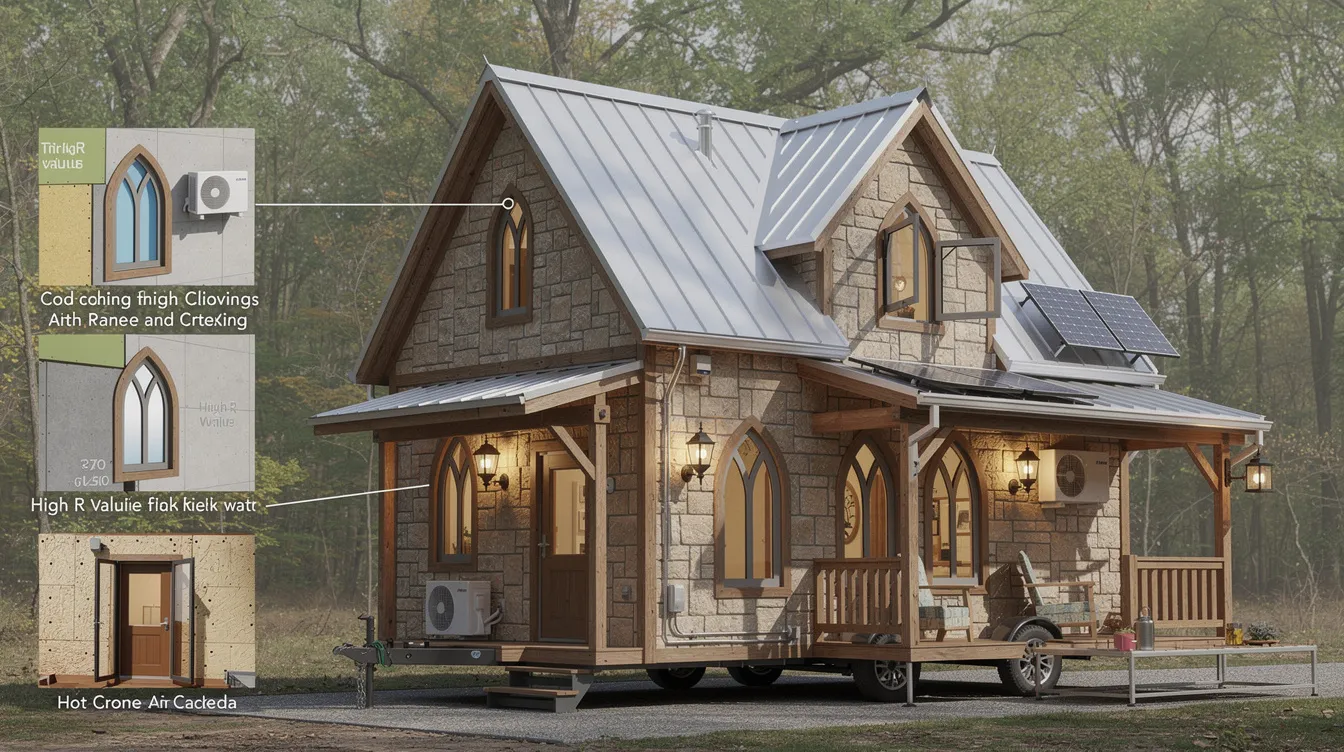
- Cold climates (Minnesota, Canada): High R-value insulation, triple-pane pointed windows, vestibule-style entry
- Hot climates (Texas, the South): Cool roof coatings, large operable Gothic windows for cross-ventilation, covered porch for shade
Energy Features:
- Mini-split heat pump sized for 250–350 sq ft
- LED lighting disguised as candle fixtures
- Optional 2–4 panel solar array for off-grid cabins
Inspiration & Next Steps for Your Gothic Tiny Home
A gothic tiny home is achievable whether you build DIY or work with a custom builder in 2026. Your next actions should be concrete:
- Sketch a rough floor plan this week
- Visit a local salvage yard this month
- Price materials at regional lumber yards
- Create a focused inspiration folder with 10–15 specific things: roofline ideas, window options, door styles, interior vignettes
Whether you’re planning a backyard guest cottage, artist studio with Gothic windows for natural light, rental cabin, or full-time tiny house, the process continues with each informed choice you make.
Imagine lantern light spilling from the pointed windows of your own Gothic tiny home—then take the first step to build it.