
Finding the right housing solution for aging parents is one of the most important decisions California families face today. With assisted living costs soaring past $5,000 monthly in most metros and waitlists growing longer, more homeowners are discovering granny pods for sale in California as a practical alternative that keeps loved ones close while preserving everyone’s independence.
- Introduction: Scope, Audience, and Importance
- Quick Overview: Granny Pods for Sale in California
- What Are Granny Pods in California?
- Types of Granny Pods for Sale in California
- Inside a Modern California Granny Pod: Features & Design
- Benefits of Granny Pods for California Families
- Legal & Zoning Considerations for Granny Pods in California
- Cost of Buying & Installing a Granny Pod in California
- Granny Pod Installation Process in California
- Design Considerations for California Granny Pods
- How to Choose the Right Granny Pod for Sale
- Frequently Asked Questions About Granny Pods for Sale in California
- Conclusion: Creating a Supportive Home in California
Introduction: Scope, Audience, and Importance
This comprehensive guide covers everything California families need to know about granny pods for sale in California—including the different types available, costs, legal and zoning considerations, and the step-by-step buying and installation process. It is specifically designed for California families considering housing for aging parents or relatives who want to maintain independence while staying close to loved ones. The topic is increasingly important due to rising elder care costs, the need for independent living solutions, and the desire to keep family members safe and comfortable at home.
Quick Overview: Granny Pods for Sale in California
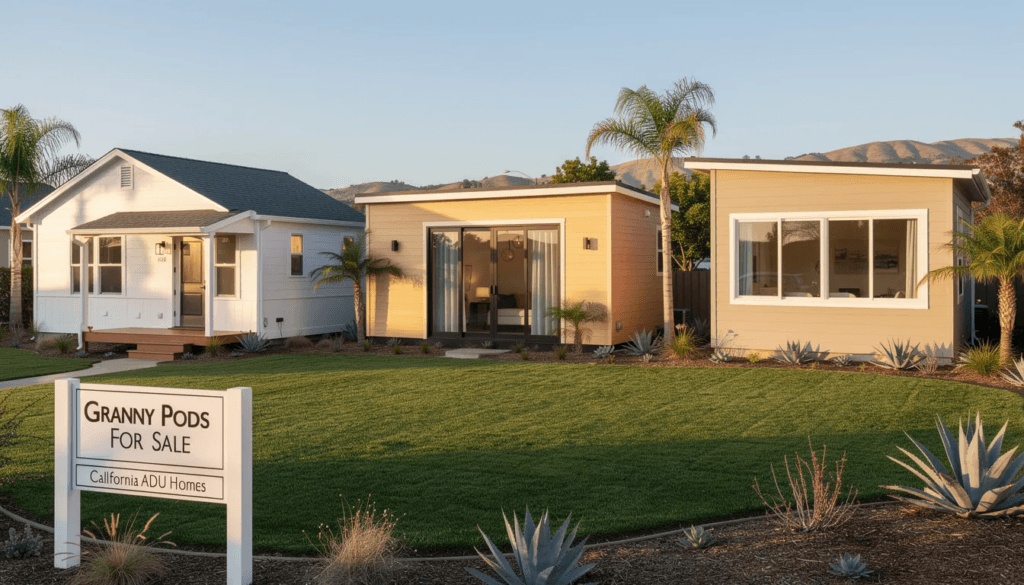
If you’re actively searching for granny pods for sale in California, here’s what you need to know right now. The market offers prefab, kit, and custom options across the state, with more choices than ever before.
Key options currently available:
- Pre-built prefab units ready for delivery within 8-16 weeks after ordering
- ADU kits under $50,000 that homeowners or contractors can assemble on-site, similar to big-box tiny house kits that provide pre-packaged materials and plans
- Fully custom pods designed by architects for specific property requirements
- Shell-only models where you finish the interior to reduce cost
Typical specifications:
- Size range from approximately 150 square footage micro-studios up to 800 sq.ft. one-bedroom cottages
- Most are built as code-compliant backyard accessory dwelling units, not RVs or mobile homes
- Standard features include full bathroom, kitchenette or full kitchen, sleeping area, and separate entrance
Major California cities including Los Angeles, San Diego, San Jose, and Sacramento actively support ADU development through streamlined permitting. This makes buying and installing a granny pod significantly easier than it was a decade ago, when each of California’s 543 jurisdictions maintained different restrictive ordinances.
What Are Granny Pods in California?
Granny pods—also known as accessory dwelling units (ADUs), elder cottages, or MEDCottages—are self-contained dwelling units typically ranging from 300 to 800 square feet, installed on the same property as a primary residence. These units are specifically designed for aging parents, in-laws, or other relatives who want to maintain independence while staying close to family caregivers.
Key features of granny pods in California:
- Granny pods are self-contained dwelling units typically ranging from 300 to 800 square feet, installed on the same property as a primary residence.
- Modern granny pods are designed with elderly residents’ specific needs in mind, incorporating features that promote safety, comfort, and accessibility.
- Typical granny pods include essential amenities such as a bedroom area, full bathroom, kitchenette or full kitchen, and living space.
- Accessibility features include zero-step entries, wider doorways, lever-style handles, and non-slip flooring.
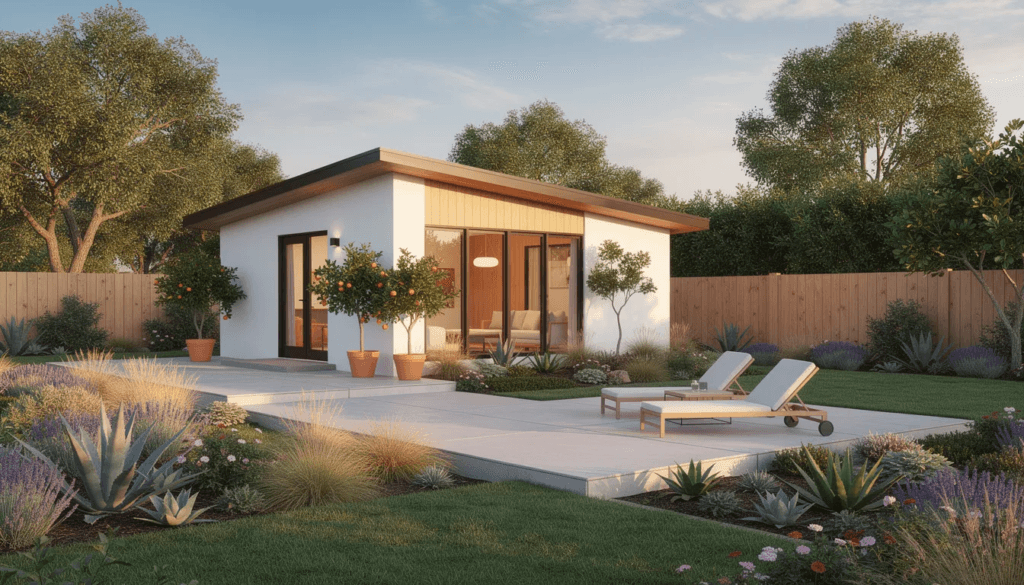
Additional characteristics of California granny pods:
- Permanent, foundation-based structures built to residential building code—not movable tiny house or RV-type units
- Self-contained with private entrance, kitchen facilities, full bathroom, and dedicated sleeping area, similar in concept to self-contained tiny homes used for off-grid living
- Connected to main house utilities for water, electricity, and sewer/septic
- Designed to support independent senior living with accessibility features
Common size configurations:
- 240 sq.ft. studios with combined living/sleeping space similar in scale to many micro houses
- 400 sq.ft. one-bedroom, one-bathroom layouts comparable in size to many affordable tiny house designs
- 600-800 sq.ft. small cottages with separate bedroom, living room, and full kitchen
California’s demographic pressures drive much of the demand for these units. By 2030, over 20% of state residents will be 65 or older. Meanwhile, assisted living facilities in major metros charge $60,000-$90,000 annually—costs that quickly exceed the one-time investment of building a granny pod.
While this guide focuses on elder care applications, many owners also use these spaces for adult children, live-in caregivers, or future rental income, similar to how mini mansion mobile homes can serve multiple generations or investment purposes. The flexibility to repurpose the space later adds to the appeal for California property owners thinking long-term.
Types of Granny Pods for Sale in California
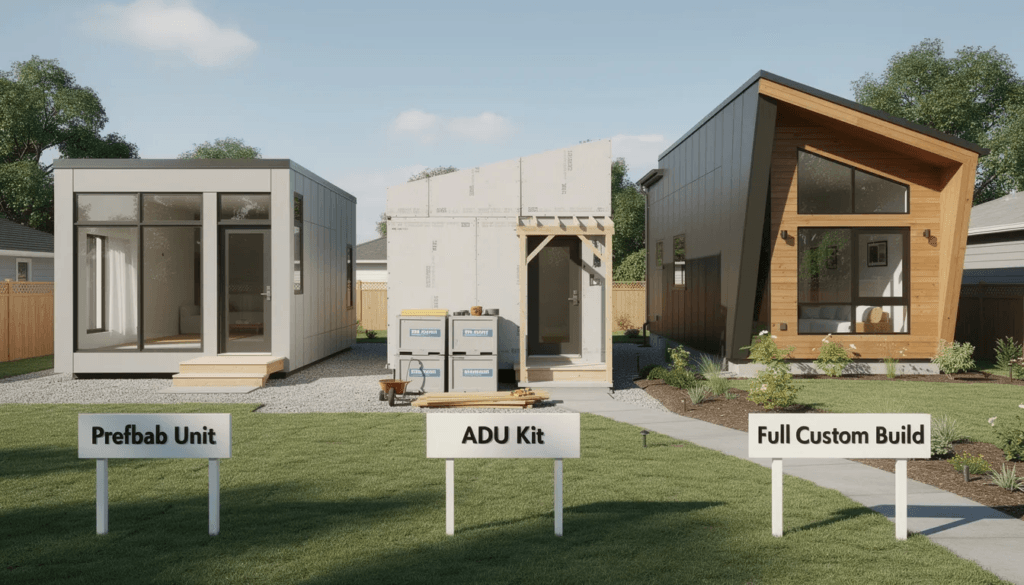
Buyers can choose among prefab units, ADU kits, and full custom builds. Each type offers different price points, timelines, and levels of customization to accommodate varying needs and budgets.
Prefab Granny Pods
- Factory-built modules ranging from 280-600 sq.ft.
- Delivered complete and craned onto a prepared slab or pier foundation
- Benefits include quicker installation (often 4-8 weeks on-site), predictable pricing, and quality control from factory construction
- Many come with finishes already installed—flooring, cabinets, fixtures
- Ideal for families wanting a turnkey solution with minimal site disruption
Kit-Based Pods
- Pre-engineered plans and materials packages assembled on-site
- Often the most affordable option, with model packages ranging from $40,000-$90,000 before labor
- Homeowners can hire local contractors or, in some cases, do partial assembly themselves
- More flexibility to customize layouts and finishes during construction
- Requires more project management than prefab delivery
Custom On-Site Builds
- Architect-designed ADUs tailored to specific property conditions
- Popular in locations like San Francisco, Los Angeles, and San Diego where lot constraints or design aesthetics matter
- Higher budgets (often $200,000+) but maximum flexibility in size, layout, and features
- Can match existing home architecture precisely
- Best for complex sites with slopes, limited access, or unique requirements
Other Options to Consider
- Park-model and tiny house-on-wheels units are sometimes marketed as granny pods, but many California cities prefer permanent, code-built ADUs for long-term elder housing
- Shell-only pods where the exterior is complete but interior finishes (drywall, flooring, cabinetry) are completed by the homeowner or assembled from tiny house kits offer cost savings for hands-on families
- Conversion of existing structures (garages, pool houses) can sometimes be more affordable than new construction
Inside a Modern California Granny Pod: Features & Design
A well-designed 400-600 sq.ft. California granny pod creates a comfortable, safe own space where seniors can live independently while family remains just steps away. Modern pods prioritize accessibility without sacrificing aesthetics.
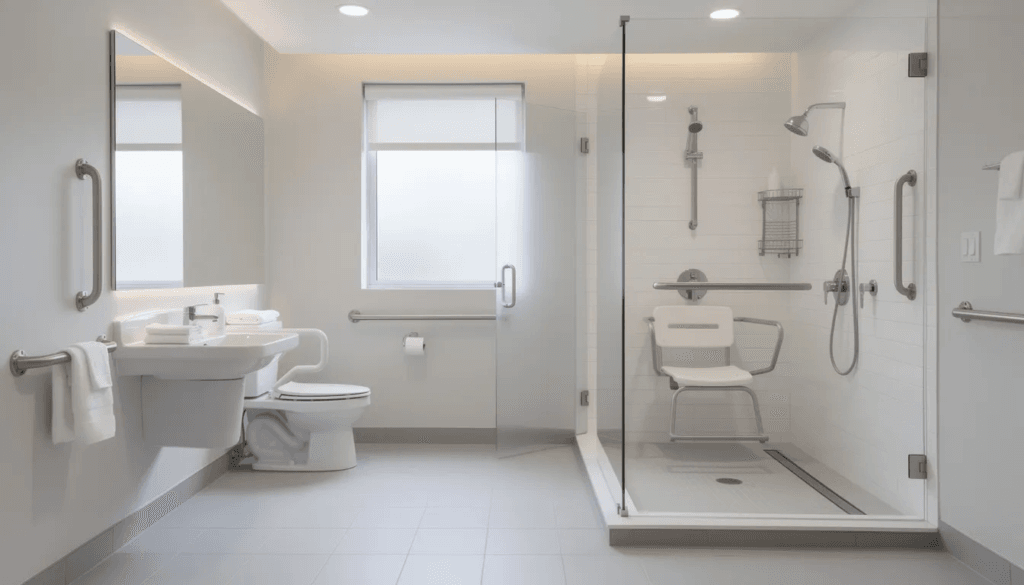
Core Living Spaces
- Separate bedroom (typically 100-150 sq.ft. minimum)
- Full bathroom with accessibility features
- Compact living room or sitting area
- Kitchenette or full kitchen with cooking facilities
- Small porch or patio for outdoor spaces and fresh air
Senior-Friendly Design Features
- Zero-step entries eliminating fall hazards
- Single-level layouts with no stairs or transitions
- 36-inch-wide doorways to accommodate walkers and wheelchairs
- Lever handles throughout (easier than round knobs)
- Grab bars in bathroom and strategic locations
- Non-slip flooring appropriate for mobility aids
Accessible Kitchen Details
- Lowered or adjustable countertops for seated use
- Pull-out drawers instead of lower cabinets
- D-shaped cabinet pulls for easy gripping
- Under-cabinet lighting reducing shadows
- Induction cooktops for safety (no open flame, auto-shutoff)
Bathroom Specifics
- Curbless walk-in or roll-in shower with built-in bench
- Handheld showerhead on adjustable slide bar
- Elevated comfort-height toilet
- Reinforced walls for future grab-bar placement
- Good lighting with anti-glare fixtures
- Anti-scald faucets preventing burns
Climate-Appropriate California Design
- Energy-efficient windows with low-E glass
- Good insulation for temperature regulation
- Shading solutions for hot inland areas
- Moisture control systems for coastal zones
Smart-Home and Health Technology
- Fall-detection sensors
- Emergency call buttons
- Smart locks for keyless entry
- Camera-free motion monitoring
- Remote temperature control for family peace of mind
Benefits of Granny Pods for California Families
The decision to add a granny pod touches every aspect of family life—finances, daily routines, relationships, and long-term planning. Understanding these benefits helps families make confident decisions about this significant investment.
Financial Benefits
Cost Comparison | Granny Pod | California Assisted Living |
|---|---|---|
Upfront Investment | $100,000-$200,000 | First/last month + deposits |
Monthly Ongoing | Utilities only ($100-200) | $5,000-$9,000/month |
3-Year Total | ~$107,000-$207,000 | $180,000-$324,000 |
5-Year Total | ~$112,000-$212,000 | $300,000-$540,000 |
A granny pod can reduce expenses dramatically compared to facility care. The initial investment often pays for itself within two to three years while the property retains the asset value. |
Care and Convenience
- Daily proximity for medication reminders and health monitoring
- Shared meals without the logistics of driving across town
- Easy transportation to medical appointments
- Immediate emergency response—help is steps away, not miles
- Professional caregivers can assist in the pod while family stays in main house
Emotional and Social Benefits
- Reduced isolation that many seniors experience in facilities
- More frequent interaction with grandchildren and family
- Stronger multigenerational living bonds
- Familiar neighborhood and community connections maintained
- Dignity of independent living with safety net nearby
Property Value Advantages
- Well-designed ADUs typically increase resale value
- High demand for homes with ADUs in San Diego, Los Angeles, Oakland, and Sacramento markets
- Realtors consistently note ADUs as excellent selling points
- Creates future rental income potential
Future Flexibility
- Guest suite after elder care needs change
- Home office or creative studio
- Long-term rental income (where legal)
- Housing for live-in caregiver
- Adult child returning home temporarily
Legal & Zoning Considerations for Granny Pods in California
California has passed several ADU-friendly laws since 2017, making legal granny pods more accessible statewide. However, understanding both state mandates and local requirements is essential before purchasing.
Statewide Legislation
Law | Year | Key Impact |
|---|---|---|
Government Code 65852.2 | 2017 | Overrode local restrictions; mandated ADU allowance |
AB 68 | 2019 | Limited local restrictions; allowed multiple ADUs |
AB 881 | 2019 | Streamlined approval process |
SB 13 | 2019 | Reduced fees; limited owner-occupancy requirements |
These laws transformed adu regulations across the state. Where 543 jurisdictions once imposed varying restrictive ordinances, the state now requires consistent baseline allowances. |
Ministerial Approval Process
- Compliant ADU applications must be reviewed without public hearings
- Approval required within 60 days for most projects
- Denials permitted only for non-compliance with objective standards
- No discretionary review for projects meeting code
- Significantly faster than traditional planning processes
Building Code Requirements
- Must meet same building, electrical, plumbing, fire, and energy (Title 24) codes as primary homes
- Permanent foundation required (slab, piers, or stem wall)
- Full insulation and utility connections
- Separate entrance from main dwelling
Common Local Requirements
- Setbacks from property lines (often 4 feet for rear and sides)
- Maximum height limits (typically 16 feet for detached)
- Lot coverage rules (varies by city)
- Design standards in some historic districts
- Parking requirements often reduced or waived near transit
Major City Resources
Los Angeles, San Diego, San Jose, and Oakland maintain detailed ADU guideline pages. Many offer pre-approved plan sets to simplify the permits process and reduce design costs.
Important Steps
- Check with your city or county planning department early
- Confirm eligibility and maximum size allowed (up to 800 sq.ft. detached in most areas)
- Verify any special constraints like coastal zone regulations
- Review HOA rules if applicable—deed restrictions may limit use
- Contact your team at the planning counter before purchasing any pod
Cost of Buying & Installing a Granny Pod in California
Total project costs typically range from $75,000 to $250,000+ in California, depending on size, finish level, site conditions, and location. Understanding each cost category helps families set a realistic budget.
Structure Costs
Pod Type | Typical Size | Price Range |
|---|---|---|
Basic prefab/kit | 200-350 sq.ft. | $45,000-$80,000 |
Mid-range prefab | 400-600 sq.ft. | $90,000-$150,000 |
High-end custom | 600-800 sq.ft. | $200,000-$300,000+ |
Site Preparation
- Grading and leveling: $2,000-$10,000
- Foundation (slab or piers): $5,000-$15,000
- Driveway or path work: $1,000-$5,000
- Tree removal or landscaping: Variable
- Total site prep typically: $5,000-$30,000 depending on slope and access
Utility Connections
- Water line extension: $2,000-$8,000
- Sewer connection or septic: $3,000-$15,000
- Electrical service: $2,000-$8,000
- Gas line (if applicable): $1,500-$5,000
- Total utility connections typically: $10,000-$30,000
Permitting and Professional Fees
- Plan check fees: $500-$2,000
- Building permits: $1,000-$5,000
- Impact fees (where applicable): $0-$10,000
- Design or engineering services: $2,000-$10,000
- Combined professional fees: $5,000-$20,000 in major metros
Real-World Cost Examples
Sacramento 400 sq.ft. prefab pod:
- Structure: $95,000
- Site prep (flat lot): $8,000
- Utilities: $15,000
- Permits/fees: $6,000
- Total: ~$124,000
San Diego 600 sq.ft. custom pod:
- Structure: $175,000
- Site prep (sloped lot): $22,000
- Utilities: $25,000
- Permits/fees: $12,000
- Total: ~$234,000
Financing Options
- Home equity loans or HELOCs (often best rates)
- Cash-out refinancing
- Construction loans
- ADU-specific programs in San Jose and Los Angeles
- Personal loans (higher rates, faster approval)
Granny Pod Installation Process in California
Installing a granny pod involves multiple phases: feasibility assessment, design selection, permitting, site work, delivery or construction, and inspections. Understanding the entire process helps families plan realistic timelines.
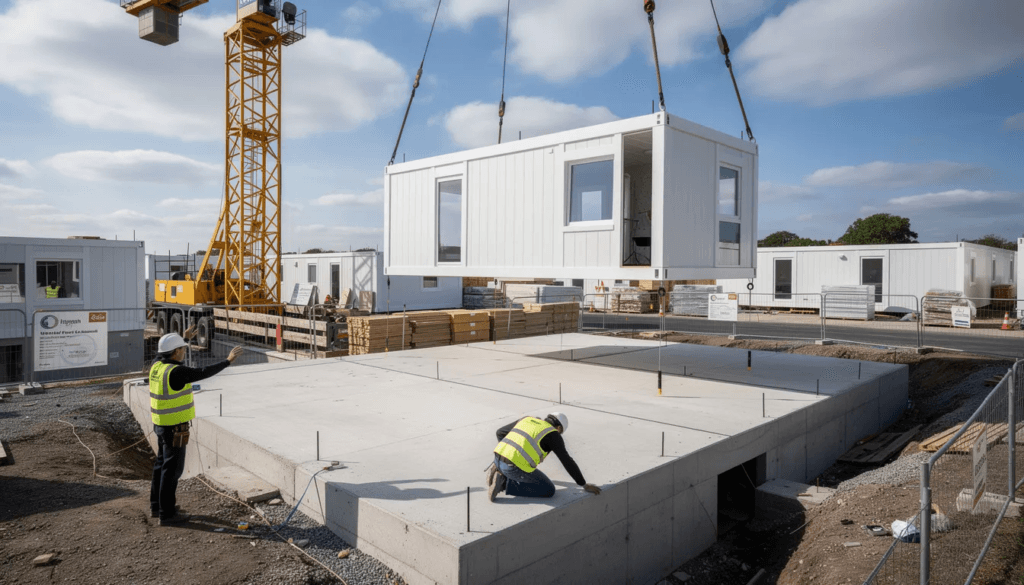
Phase 1: Feasibility and Planning (2-4 weeks)
- Verify zoning allows ADUs on your property
- Check setback requirements from property lines
- Confirm utility access points
- Assess lot for constraints (easements, protected trees, steep slopes)
- Evaluate access for delivery trucks or construction equipment
- Determine optimal location considering sun exposure, views, and privacy
Phase 2: Design and Selection (2-8 weeks)
- Decide between prefab model, kit, or custom design
- Choose size based on needs (320 vs. 600 sq.ft.)
- Select number of rooms and layouts
- Specify accessibility features required now and future
- Finalize finishes, fixtures, and equipment
- Obtain preliminary cost estimates from vendors
Phase 3: Permitting (4-12 weeks)
- Submit complete plans to local building department
- Pay applicable fees
- Respond to any plan check corrections
- Typical review timelines: 4-8 weeks in ADU-friendly cities
- Obtain approved permits before any site work begins
Phase 4: Site Preparation (2-4 weeks)
- Grading and leveling the building pad
- Foundation installation (slab, piers, or stem wall)
- Trenching for utility connections
- Creating accessible paths from main house
- Installing underground utilities
Phase 5: Delivery or Construction (2-16 weeks)
For prefab pods:
- Coordinate delivery date with manufacturer
- Crane or truck delivery to site
- Set unit on prepared foundation
- Connect utilities
- Install final touches (skirting, steps, landscaping)
For on-site builds or kits:
- Framing and exterior shell
- Roofing and weatherproofing
- Rough-in plumbing, electrical, HVAC
- Insulation and drywall
- Interior finishes, flooring, cabinetry
Phase 6: Inspections and Final Sign-Off (1-3 weeks)
- Required building inspections at each phase
- Electrical inspection
- Plumbing inspection
- Energy compliance verification
- Final inspection and certificate of occupancy
Typical Total Timeline:
- Prefab installation: 4-9 months from initial planning
- Custom on-site build: 6-12 months or longer
Design Considerations for California Granny Pods
Good design balances accessibility, comfort, climate performance, and aesthetic harmony with the existing home. Thoughtful planning now prevents costly modifications later.
Accessibility Planning
- Design for current needs AND anticipated future mobility changes
- Plan wider circulation spaces (42” preferred in hallways)
- Block walls for future grab-bar installation
- Allow room for caregivers to assist with transfers
- Consider ceiling track systems for lift installations
- Ensure bathroom accommodates wheelchair turning radius
Climate-Responsive Design by Region
California Region | Key Considerations |
|---|---|
Coastal | Moisture control, corrosion-resistant materials, marine air |
Inland Valley | Heat mitigation, shade structures, cooling systems |
Desert | Intense cooling needs, solar gain management, durable finishes |
Mountain | Heavy insulation, snow load on roof, heating capacity |
- Title 24 compliance mandatory for all new ADUs
- High-R insulation in walls, floor, and ceiling
- Dual or triple-pane windows with low-E coating
- Efficient HVAC systems or heat pumps
- Solar-ready electrical panel
- Optional solar integration for net-zero operation
Privacy and Orientation
- Position windows to maximize natural light while maintaining privacy
- Consider sight lines from main house and neighbors
- Use landscape screening (hedges, fencing) appropriately
- Orient living spaces toward pleasant views when possible
- Create separation between main house activity areas and pod
Interior Finish Recommendations
- Non-slip flooring: textured vinyl, matte tile, or low-pile carpet
- Soft but ample lighting with multiple switches
- Color contrast between walls and floors for visibility
- Low-VOC materials for better indoor air quality
- Easy-clean surfaces in kitchen and bathroom
- Rounded corners on countertops and furniture
Exterior Aesthetics
- Match or complement main home’s architectural style
- Coordinate materials: stucco and tile in Southern California, craftsman details in older Bay Area neighborhoods
- Consistent color palette with primary residence
- Proportional scale that doesn’t overwhelm the lot
- Landscaping that integrates pod naturally into the property
How to Choose the Right Granny Pod for Sale
With numerous granny pods for sale across California, having a decision framework helps families compare options systematically and find the perfect home for their situation.
Needs Assessment
- Evaluate the senior’s current health status honestly
- Consider likely changes over the next 5-10 years
- Determine if space is needed for mobility equipment (wheelchair, hospital bed)
- Assess whether caregivers will need to stay overnight
- Identify must-have features versus nice-to-have amenities
- Consider cognitive needs (memory care features, simple layouts)
Property Assessment
- Measure lot dimensions and identify buildable area
- Evaluate access for delivery trucks or cranes
- Note slopes, drainage patterns, and soil conditions
- Identify existing trees that may require protection or removal
- Consider how the pod relates to main house and neighbors
- Assess sun exposure and prevailing breezes
Budget and Priorities
- Define realistic all-in budget (structure + site work + permits)
- Decide where to invest most (accessibility, finishes, technology)
- Identify areas where savings are acceptable
- Include contingency for unexpected costs (typically 10-15%)
- Factor in ongoing utility and maintenance expenses
Vendor Evaluation Checklist
- Valid California contractor’s license
- Adequate insurance coverage
- Experience specifically with ADU projects
- References from recent California customers
- Portfolio of completed projects similar to yours
- Clear communication and responsive team
- Transparent pricing without hidden fees
- Warranty coverage on structure and systems
Timeline and Disruption Considerations
- Establish desired move-in date and work backward
- Assess how long property can handle construction activity
- Evaluate whether faster prefab is worth higher unit cost
- Consider temporary housing needs during installation
- Plan for inspection delays and weather interruptions
Future Flexibility
- Choose layouts that can transition easily to guest suite or rental
- Select universal design features that serve multiple users
- Avoid overly specialized medical features if not needed
- Ensure building meets rental-quality standards
- Consider resale appeal if property is sold later
Frequently Asked Questions About Granny Pods for Sale in California
Are granny pods legal in my California city? Yes, ADUs are legal statewide under California law. However, you must still verify local zoning requirements, setbacks, and any HOA restrictions before purchasing. Contact your city planning department to confirm specific rules for your property.
How much does a granny pod typically cost in California? Total installed costs typically range from $75,000 for basic prefab units to $250,000+ for high-end custom builds. Factors pushing costs up include larger size, premium finishes, difficult site conditions, and high-cost coastal locations.
How long does it take from purchase to move-in? Prefab installations typically take 4-9 months including planning, permitting, and installation. Fully custom projects often require 6-12 months or longer. The permits phase often determines overall timeline.
How do utilities work for a granny pod? Most pods connect to the main house’s water, sewer, and electrical lines through underground extensions. Some jurisdictions require separate meters for rental units. Homeowners are responsible for installation costs and ongoing utility bills.
Can I rent out the granny pod later? Many California cities allow ADUs to be rented as long-term housing. However, short-term vacation rentals are often restricted or prohibited. Check local ordinances and any HOA rules before planning rental income into your budget.
Will a granny pod increase my property taxes and insurance? Yes, your assessed property value will likely increase, resulting in higher property taxes. Contact your county assessor for estimates. You should also inform your homeowner’s insurance company about the new dwelling to ensure adequate coverage.
How is a granny pod different from a regular tiny home? Granny pods are specifically designed for senior accessibility with features like zero-step entries, wider doors, and grab bars. They’re built on permanent foundations to residential building code, whereas many tiny homes are on wheels and classified as RVs.
Do I need expert guidance for this project? While not required, working with experienced ADU professionals can provide amazing service throughout the process. They navigate adu applications, coordinate with the city, and manage the project from planning through final touches—saving families considerable stress.
Conclusion: Creating a Supportive Home in California
Imagine keeping your aging parents close—near enough for daily visits and shared dinners, yet independent enough to maintain their dignity and personal space. That’s the promise of granny pods, and for California families facing difficult decisions about elder care, it’s becoming an increasingly popular reality.
The landscape of granny pods for sale in California now spans a wide spectrum. Whether your budget allows for a professionally installed high-end cottage or a more affordable kit-based solution, there’s an option that can work for your family. The key is matching your loved ones’ needs with your property’s possibilities and your financial resources.
Taking the next step means several concurrent actions: explore local ADU regulations through your city planning department, decide on a realistic budget that includes all costs, and have honest conversations with family members about expectations and lifestyle changes. If you’re interested in moving forward, connect with experienced California ADU builders who can provide guidance tailored to your specific situation and location.
The beauty of this approach lies in its simplicity: create a safe, comfortable space that lets seniors age in place with the peace of mind that comes from family nearby. Thoughtful planning today—attention to accessibility, quality construction, and proper legal compliance—delivers benefits that support your loved ones for years to come.