
Key Takeaways
- A realistic DIY budget for building a tiny house in 2026 starts around $15,000–$25,000 if you use recycled materials, do most labor yourself, and keep the design simple—though comfortable builds typically run $25,000–$40,000.
- Check local zoning and building codes before buying a trailer or your own land, because legality issues cause 40% of tiny house projects to be abandoned entirely.
- The cheapest way to build a tiny: simple rectangular layout, standard 4×8’ building materials, phased DIY construction, and aggressive sourcing of salvaged materials from places like Habitat ReStores.
- Smart tiny house design (multi-purpose furniture, vertical space optimization, and outdoor living areas) makes an affordable tiny home cheaper to live in long-term, not just to build.
- This guide walks through planning, budgeting, sourcing materials, DIY vs professional help, and financing options so you can actually start your own tiny house project this year.
Introduction: Turn Your Tiny House Dream Home into Reality on a Realistic Budget
The tiny house movement is surging. With rent averaging $1,500+ monthly in most U.S. cities and housing prices still climbing in 2026, more people are choosing to build a tiny house to save money, escape the rent trap, and simplify life. On average, building or buying a tiny house costs between $30,000 and $80,000, but the final price depends on how it’s made and what features you include.
When we talk about building a tiny house on a budget in this guide, we mean aiming for an affordable tiny home in the $15,000–$40,000 range through careful planning, DIY labor, and smart material choices—not luxury builds with premium finishes.
Here’s a concrete example: a couple built their own tiny house on wheels in 10 months for roughly $28,000. They used a $3,500 used trailer, free barn wood siding from a demolished structure, and worked weekends consistently. Their 200 square foot dream tiny home now sits on rented land where they pay $200 monthly versus $1,600 in apartment rent.
This guide is written from the perspective of someone actually planning to build a tiny, not just comparing tiny house prices. By the end, you’ll know how to plan, cost out, and start building a tiny house without blowing your budget.
- Step 1: Define Your Vision and Check the Rules Before You Spend a Dollar
- Step 2: Create a Realistic Budget for Building a Tiny (and Stick to It)
- Step 3: Choose the Right Build Type to Save Money
- Step 4: Design a Simple, Space-Smart Layout That Saves Money
- Step 5: Source Affordable and Recycled Building Materials
- Step 6: Decide Where to Splurge and Where to Save
- Step 7: Be the Labor (and Use Your Community) to Save Money
- Step 8: Consider Simple Financing Options Without Losing Control of Your Budget
- Conclusion: Start Building Your Own Tiny House Without Breaking the Bank
- FAQs About Building a Tiny House on a Budget
- How long does it really take to build a tiny house if I’m working weekends?
- Is it cheaper to buy a used RV or camper instead of building a tiny?
- Do I need insurance for a tiny house, and how much does it cost?
- Can I really live in a tiny house year-round in a cold or hot climate on a budget?
- Will building a tiny house actually save me money long-term compared to renting?
Step 1: Define Your Vision and Check the Rules Before You Spend a Dollar
The first money-saving move is planning and legality, not buying materials. Skip this step, and you risk $10,000+ mistakes.
Tiny House on Wheels vs. Foundation
Your first decision affects everything:
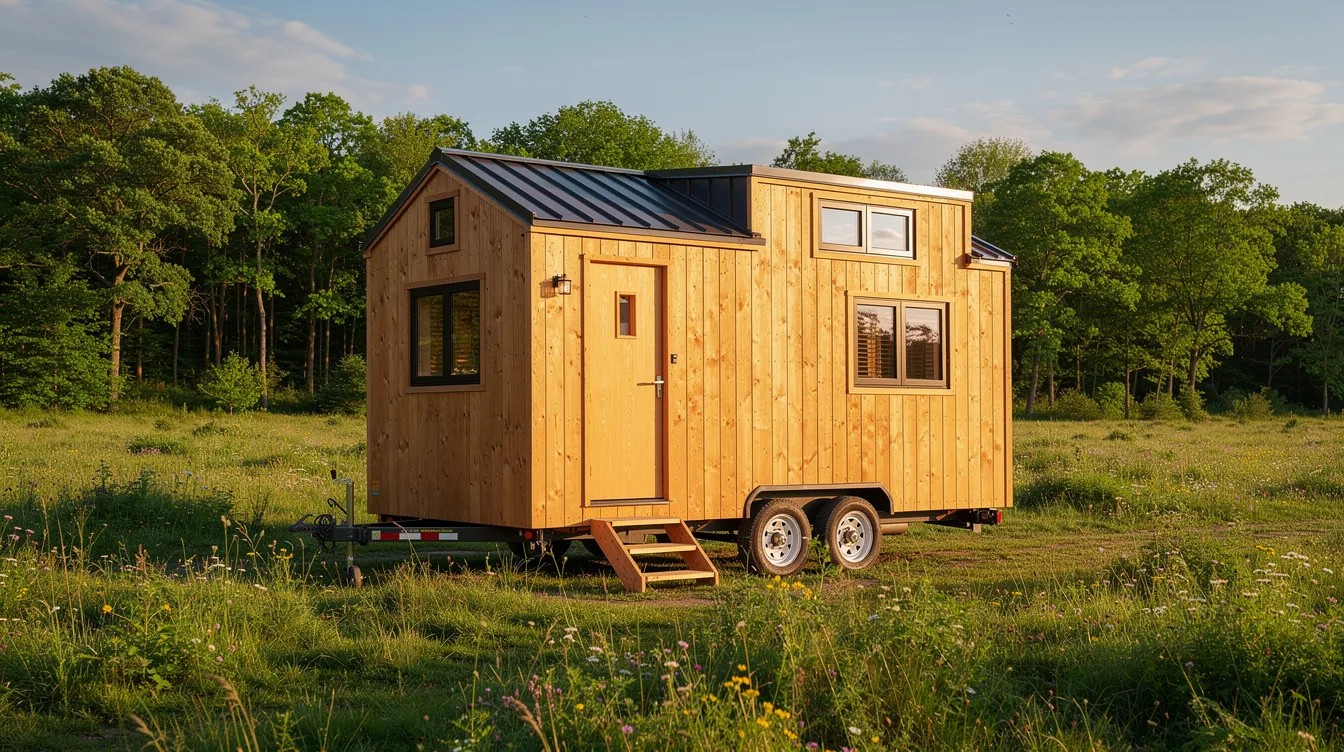
- Tiny House on Wheels (THOW): Typically 8.5 feet wide by 20-28 feet long, built on a flatbed trailer. Costs $150-$300 per square foot but offers mobility. Trailer costs range $4,500-$11,000.
- Tiny House on Foundation: Built on concrete slabs or piers. Costs $100-$200 per square foot with better longevity, but you’re locked to one location and face stricter building codes.
The legality of tiny homes varies significantly by location, with some areas prohibiting them entirely while others have specific zoning laws that dictate where they can be built and lived in. Many municipalities have specific building codes and zoning regulations that must be adhered to when constructing a tiny house, which can include restrictions on size, foundation type, and intended use.
What to Ask Your Local Planning Department
Contact your local planning/zoning department and ask:
- Are tiny homes allowed as permanent dwellings in this zone?
- Do THOWs classify as RVs or accessory dwelling units?
- What minimum square footage applies?
- What permits and inspection fees are required?
Tiny houses on wheels may be classified as recreational vehicles (RVs) in some jurisdictions, which can affect where they can be parked and lived in, as well as the regulations that apply to them. Currently, 28 U.S. states have relaxed zoning to allow ADUs up to 800 square feet.
Where Will Your Tiny Live?
- Your own land: Best long-term, but requires code compliance
- Rented backyard: Growing trend, often $200-$400/month
- RV park: Works for THOWs classified as RVs (allowed 6-12 months in 90% of counties)
- Tiny house community: Shared amenities, supportive environment
Knowing the legal path early prevents expensive mistakes like buying the wrong trailer or land you can’t legally use for housing.
Step 2: Create a Realistic Budget for Building a Tiny (and Stick to It)
A detailed budget is the backbone of saving money. Most cost overruns happen because people skip this step and wing it.
Creating a detailed budget for a tiny house project can help identify potential savings and avoid overspending, with costs typically broken down into categories such as design, materials, labor, and other expenses. Using a tiny home cost calculator alongside your own spreadsheet can clarify the full scope of costs, including land, materials, labor, permits, and utility setups, to prevent financial surprises during the build.
2026 DIY Cost Bands
- Bare-bones ($15,000-$25,000): 160-240 square feet, 70-80% recycled materials, minimal finishes
- Comfortable ($25,000-$40,000): Basic appliances, proper insulation, standard finishes
- Upgraded ($40,000+): Quality insulation, custom storage, upgraded electrical systems
Tiny homes typically cost more per square foot than traditional homes, ranging from $300 to $400 per square foot compared to $150 to $200 for standard homes. This is why keeping the footprint small matters so much.
Budget Categories to Track
Category | Percentage | Dollar Range |
|---|---|---|
Trailer/Foundation | 15-25% | $3,000-$10,000 |
Shell/Framing | 25-35% | $5,000-$12,000 |
Insulation/Roofing/Windows | 15-20% | $3,000-$7,000 |
Systems (plumbing, electrical, cooling systems) | 15-20% | $4,000-$8,000 |
Interior Finishes | 10-15% | $2,000-$5,000 |
Permits/Tools | 5-10% | $1,000-$3,000 |
It’s recommended to include a contingency amount in your budget to cover unexpected expenses that may arise during the building process, as these are common in construction projects. Plan for 10-15% extra—lumber prices rose 12.7% in early 2026. |
Cash-Flow Strategy
Save $800-$1,000 monthly for 12-24 months to fund your build without high-interest debt. If you’d rather buy than build, you can compare that savings target with tiny homes under $20K for sale to see whether an ultra-budget purchase makes more sense. Check prices at home improvement stores like Home Depot and local lumber yards. OSB sheathing runs about $18/sheet, asphalt shingles $1.20 per square foot in spring sales.
Step 3: Choose the Right Build Type to Save Money
How you build affects both total cost and timeline more than almost anything else. Building a tiny house takes time, and how long it takes depends on the type of build chosen, with some people finishing in a few months while others may take a year or more.
Custom-built tiny houses typically start around $80,000 and can reach over $150,000 with premium materials and designs, allowing for a fully personalized space. Researching top micro house builders helps you understand what’s possible at higher budgets and why most budget builders go DIY or hybrid.
DIY Tiny House: Maximum Control, Minimum Cost
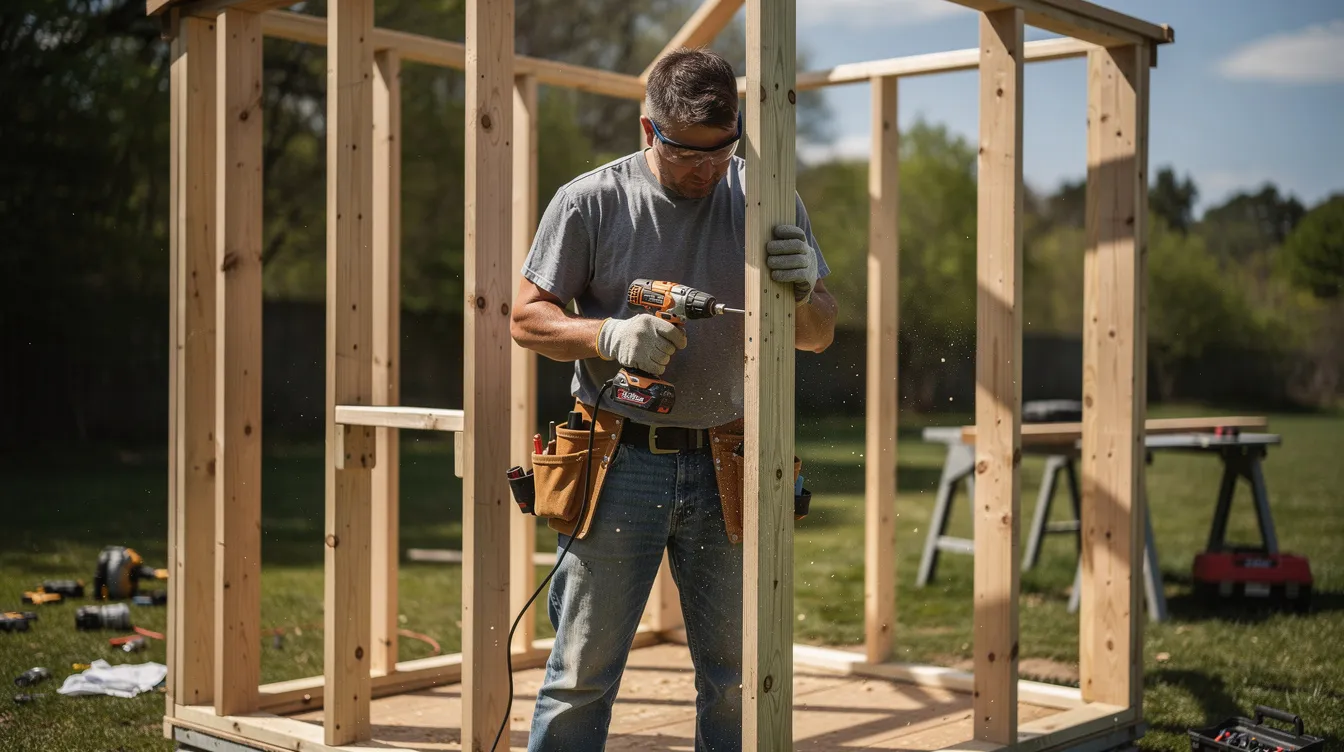
Building a tiny house yourself can cost between $15,000 and $40,000, depending on materials and tools, and it requires time, skill, and patience.
Cost-saving moves for DIY:
- Use a used but roadworthy trailer ($2,500 inspected versus $8,000 new)
- Choose a single-slope shed roof (saves $2,000 in roofing complexity)
- Design around standard 4×8’ sheets to minimize waste
- Buy framing lumber during late winter clearances (20% savings)
DIY projects can save thousands of dollars compared to hiring professionals, but they require significant time and effort. A solo builder completed a 200 square foot tiny in about 12 months of evenings and weekends for under $25,000.
Even as a DIYer, pay licensed professionals for final electrical connections and gas lines. For a broader overview of the entire process from planning to finishing, study a step-by-step guide on how to build a tiny house. The non-monetary benefits are real too: learning new skills, full control over every detail, and pride in building your own tiny dream home.
Tiny House Kits and Prefab Shells: Saving Time Without Blowing the Budget
A tiny house kit or prefab shell is pre-cut framing, pre-built panels, or a weather-tight shell delivered ready for interior build-out.
Prefab or kit models usually cost around $35,000 to $75,000, depending on size and features, and they are partly built in a factory, making them quicker to finish.
Why kits can save money:
- Avoid framing mistakes that waste building materials
- Reduce overall build timeline significantly
- Shells often include windows, doors, and roofing already installed
Compare kit pricing against a detailed DIY materials list. Sometimes the time savings are worth the extra cost—especially if your limited space for building means you’d otherwise take 18+ months.
Hybrid Builds: DIY With Targeted Professional Help
The hybrid approach: you handle framing, insulation, and finishes while hiring licensed trades for electrical, plumbing, and possibly HVAC.
This approach can save 20-40% compared to a full custom tiny house while maintaining safety and code compliance. For some people, however, exploring tiny houses for sale and whether they’re right for you reveals that buying a finished unit is a better fit. Labor typically runs 30-50% of a professional build, so doing half yourself cuts costs dramatically.
Hiring professionals can prevent costly mistakes and save time, as they bring expertise and access to specialized tools. While DIY can seem cheaper upfront, hidden costs from mistakes or delays can add up, making professional help potentially more cost-effective in the long run.
Get at least one consultation from a structural engineer if building on your own land. A $300 review can prevent $5,000 foundation problems.
Step 4: Design a Simple, Space-Smart Layout That Saves Money
Every corner, extra roof angle, or custom window increases both cost and complexity. Budget builds prioritize simple geometry.
A typical affordable layout: 8.5’ x 24’ THOW (approximately 200 square feet main floor plus 60-80 square feet loft). Maximizing vertical space is crucial in tiny homes; using tall ceilings, lofted sleeping areas, and floor-to-ceiling shelving can significantly enhance storage and livability without increasing the footprint.
Design Principles That Cut Costs
- Design within standard lumber dimensions (multiples of 2’ and 4’)
- Use off-the-shelf windows and doors (30×48 windows at $200 versus custom at $400+)
- Rectangular footprint only—L-shapes add $3,000+ in complexity
- Gable or shed roofs for simplicity and loft legality
A smaller footprint is the single easiest way to cut costs on building materials and future heating and cooling bills. Choosing tiny house plans that fit your life helps you right-size your layout so each extra square foot, which can add $150-$400 to your total cost, truly earns its keep.
Maximizing Space With Multi-Use Areas and Furniture
Smart, multi-use design makes a tiny house live larger so you don’t feel pressure to build bigger, and many people draw ideas from tiny house inspiration and resources that showcase clever layouts and storage.
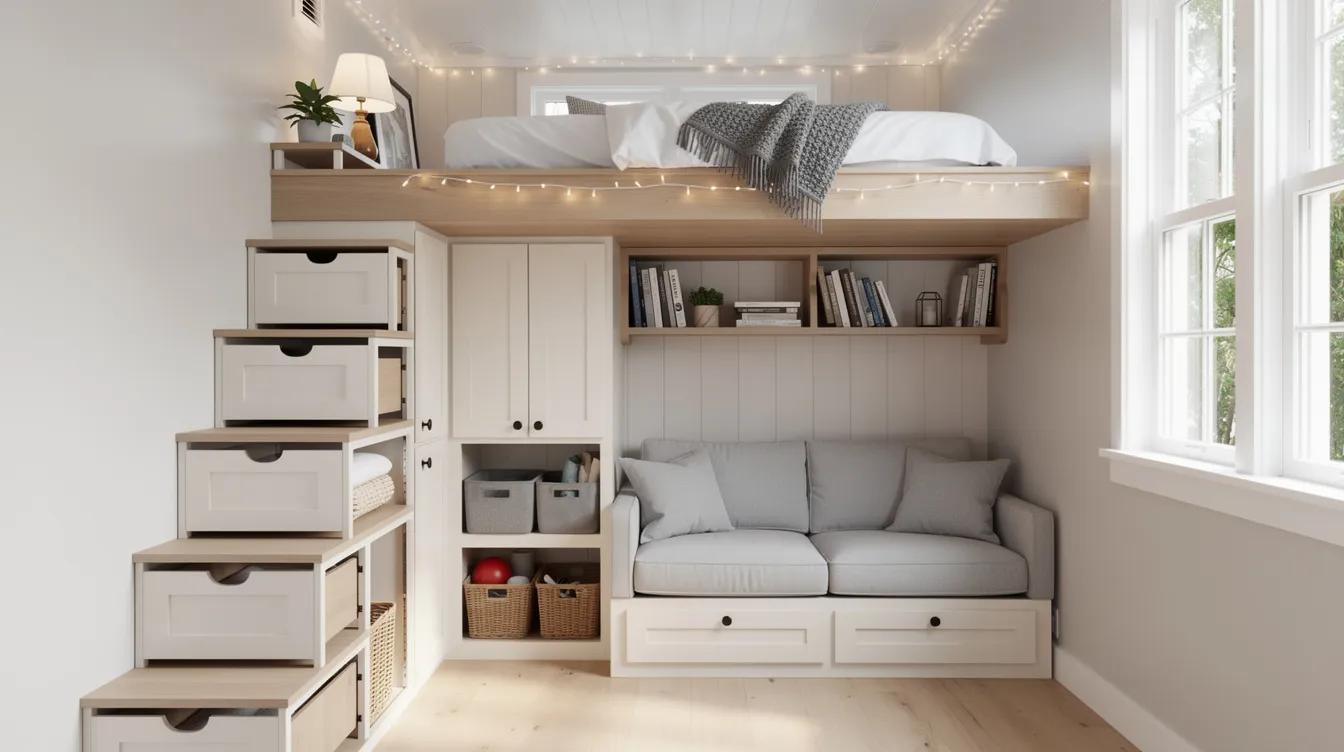
To maximize space in a tiny home, consider innovative furniture that serves multiple purposes, such as convertible beds and foldable tables, which provide flexibility in living areas. Designing multi-function spaces in your tiny home allows for flexibility and transformation, such as a dining table that doubles as a workspace or a bed that can be tucked away to create more space.
Multi-use solutions:
- Murphy beds ($1,200) or sofa-beds
- Storage stairs with drawers underneath ($800 DIY)
- Lift-top coffee tables with storage underneath
- Fold-down wall desks that disappear when not in use
- Built-in seating with under-bench storage
- Hanging organizers and toe-kick drawers in kitchen
Smart storage solutions, such as hidden compartments in furniture and wall-mounted storage, can transform every nook and cranny into functional space, maximizing the usability of a tiny home.
Sample 24’ THOW layout: Enter to a 6×8 galley kitchen with fold-down table/desk, 4×6 wet bath, 8×10 living area with sofa-bed, rear loft accessed via storage stairs. This layout maximizes usable space while keeping floor space efficient.
Designing for Outdoor Living to Keep the Interior Small
Adding a simple deck or covered porch can effectively double usable living space at a fraction of the cost per square foot.
A 6’ x 10’ DIY deck with basic pressure-treated lumber costs $500-$800 in 2026 prices—roughly $8-13 per square foot versus $150+ for interior space.
Outdoor living strategies:
- Large windows or bifold doors ($1,500) to maximize natural light and connect spaces visually
- Simple gravel patio areas for additional living space
- Outdoor cooking areas in mild climates reduce interior kitchen needs
- Covered workspaces for hobbies or remote work
This approach lets you keep the building project smaller while your total living area stays comfortable. Natural light through strategic window placement makes small spaces feel more spacious without adding square footage.
Step 5: Source Affordable and Recycled Building Materials
Building material costs can make up about 40% of your overall tiny house project costs, and sourcing used materials can significantly reduce expenses. This is where creative sourcing delivers massive savings.
Create a detailed materials list from your plans, then mark which items can be safely bought used versus what should be new:
Safe to buy used:
- Interior doors, cabinets, some windows
- Decorative elements, light fixtures
- Hardwood flooring, trim materials
- Sinks, faucets (inspect carefully)
Buy new:
- Structural lumber, roofing materials
- Electrical systems components
- Critical plumbing parts
- Quality insulation
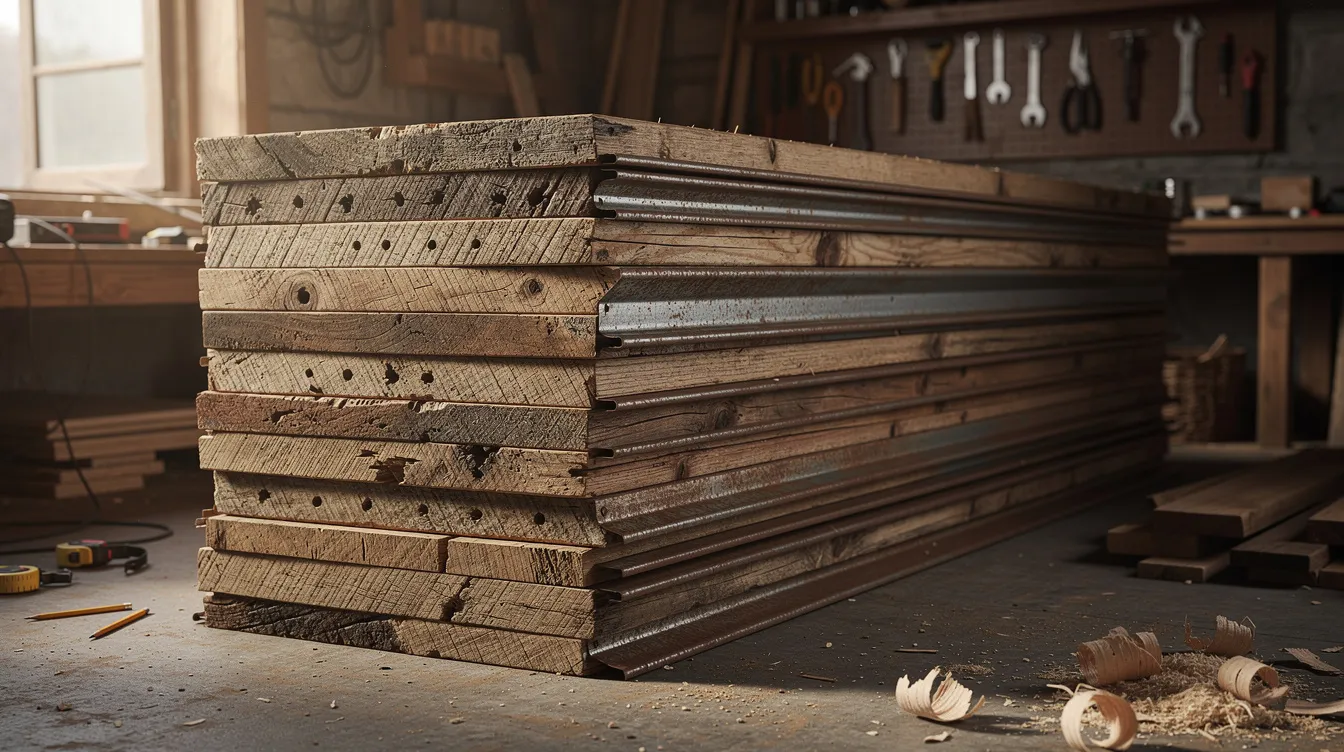
Using recycled materials, such as timber, metal, and glass, can significantly reduce costs while adding unique character to a tiny home. Looking at affordable tiny house designs and tips can spark ideas for where to incorporate salvaged elements. Salvaged materials like old barn wood ($1 per square foot) add patina that new materials can’t match.
Where to Find Cheap Materials
Sourcing used building materials can save substantial money, with options like Habitat ReStores offering items at 50-90% below retail prices.
Best sources:
- Habitat for Humanity ReStores (windows $50 vs $300 new)
- Facebook Marketplace (cabinets $400/set)
- Craigslist (inspect trailers for rust before buying)
- Local salvage yards and demolition sales
- Builder scraps and leftover materials (roofing at $0.80 per square foot)
Always inspect recycled materials carefully for rot, pests, lead paint, or structural damage. Check moisture content—under 15% prevents warping.
Smart Ways to Save on New Materials
Purchasing materials during the off-season can lead to significant savings, as many suppliers offer discounts before peak building season. February clearances typically see lumber down 20%.
New material strategies:
- Design around standard 8’, 10’, and 12’ lumber lengths
- Use standard window sizes to avoid special-order premiums
- Ask contractors for leftover materials after large projects
- Compare local stores with online suppliers (factor in delivery fees)
- Choose durable mid-range products over luxury finishes
Mid-tier vinyl windows perform nearly as well as premium options at half the cost. Focus quality materials where they matter most: structure and weatherproofing.
Step 6: Decide Where to Splurge and Where to Save
Smart spending—not just cheap spending—keeps an affordable tiny home comfortable and durable for decades.
Prioritizing spending on essential elements like insulation, foundation, and roofing can lead to long-term savings, while areas like interior finishes can be more flexible for budget cuts.
Where to Splurge
- Foundation/Trailer: Pressure-treated 2×6 floors ($6/foot) last 40+ years
- Roofing: Proper flashing and quality shingles prevent expensive water damage
- Windows: Triple-pane windows (U-factor 0.15) save $40/year on energy costs
- Insulation: Spray foam (R-6/inch at $1.50 per square foot) pays back in 3-5 years
Where to Save (Without Sacrificing Quality)
- Shiplap walls ($2 per square foot) instead of drywall ($1 per square foot) for easier DIY installation
- Open shelving instead of custom cabinets
- Basic but efficient appliances
- Simple fixtures upgradeable later
- Standard decorative elements over custom options
Focus splurges on items difficult to upgrade later. Replacing windows in a finished tiny house involves significant cost and structural integrity concerns.
Planning for Long-Term Savings (Utilities and Maintenance)
Paying slightly more upfront for energy-efficient windows, LED lighting, and mini-split heat pumps ($2,500 unit, $20/month electric vs $60 propane) lowers monthly bills dramatically and supports a minimalist, sustainable tiny house lifestyle.
Smart tech can enhance those savings too, with tiny smart home setups automating lighting, climate control, and monitoring to keep energy use low.
Long-term saving options:
- Solar panels (5kW kits at $8,000 with 7-year ROI for off grid systems)
- Composting toilets ($1,200) save $3,000 in septic costs
- Tankless water heaters reduce energy costs
- R-30 roof insulation ($3,000 upgrade) enables comfortable year-round tiny living
Calculate simple payback periods: extra $2,000 for better insulation saving $30-$40 monthly pays back in 4-5 years. After payoff, it’s pure savings.
An energy efficient, low-maintenance tiny home remains affordable to live in for decades—not just cheap to build once.
Step 7: Be the Labor (and Use Your Community) to Save Money
Labor costs typically run 30-50% of professional builds. Doing as much as safely possible yourself is one of the biggest ways to cut costs.
DIY projects can save thousands of dollars compared to hiring professionals, but they require significant time and effort. Be honest about your skills and time availability.
Good DIY Tasks for Beginners
- Demolition work
- Framing (with guidance from YouTube tutorials and building project resources)
- Painting and finishing
- Flooring installation
- Interior trim and shelving
- Basic landscaping
Community Resources
- Tool libraries: Borrow saws, drills, and specialty tools for free
- MakerSpaces: Access equipment and learn new skills
- Local DIY workshops: Carpentry and basic wiring theory classes
- Volunteer labor: Friends and family for big build days (offer food and future help)
For complex tasks—electrical service, gas lines, structural engineering—hiring licensed pros remains the safest and most cost-effective choice. A $1,200 plumbing pod installation prevents $5,000 water damage from amateur mistakes.
Step 8: Consider Simple Financing Options Without Losing Control of Your Budget
While many aim to pay cash, limited financing can help get your building project started sooner if handled carefully.
Financing Options for Tiny Houses
Option | Typical APR | Best For |
|---|---|---|
Personal loans | 10-15% | Quick approval, smaller amounts |
Credit union loans | 8-12% | Better rates for members |
RV loans | 6-9% | RVIA-certified THOWs |
Home equity loans | 5-8% | If you own existing property |
Many traditional mortgages don’t apply to tiny homes, especially those on wheels. Compare rates and terms carefully. |
Smart financing rules:
- Create a strict repayment plan before borrowing
- Keep loans under $20,000 over 3-5 years if possible
- Avoid high-interest credit cards for large portions of the build
- Prioritize savings and staged building over heavy debt
A $15,000 loan at 10% APR over 4 years means roughly $380 monthly payments. Factor this into your realistic budget before construction begins.
Conclusion: Start Building Your Own Tiny House Without Breaking the Bank
Building a tiny house on a budget is absolutely achievable in 2026. The formula is straightforward: careful planning, a realistic budget, simple tiny house design, aggressive sourcing of recycled materials, and maximizing DIY labor. Together, these elements make your dream home possible without financial stress.
This isn’t about extreme deprivation or sacrificing quality. It’s about intentional choices and smart trade-offs. A smaller footprint built with quality materials and thoughtful design beats a larger space built cheaply that requires constant repairs.
The final cost of your tiny house involves decisions you make at every step. Each smart choice compounds—save $500 on salvaged materials, $2,000 on DIY labor, $1,500 on standard windows, and suddenly you’ve cut $4,000+ from your build.
Choose one concrete next step:
- Call your local planning office tomorrow
- Sketch a 20’ layout tonight
- Price materials at your local home improvement stores this weekend
Long-term, tiny living can reduce housing costs to $200-400 monthly after your build is paid off. That’s financial freedom, lower energy costs, and the satisfaction of living in a well-designed small house you built yourself.
Your affordable tiny home is waiting. Start this week.
FAQs About Building a Tiny House on a Budget
How long does it really take to build a tiny house if I’m working weekends?
Expect 9-18 months for a solo DIYer working evenings and weekends, depending on design complexity and your experience level. A simple 160 square foot build with a shed roof takes less space to frame than a 240 square foot design with multiple lofts.
Weather delays can add 20% to your timeline. Planning thoroughly, having materials ready before each weekend, and recruiting help for big tasks (framing, roofing) can save time significantly. Build in buffer time so you don’t rush and make expensive mistakes.
Is it cheaper to buy a used RV or camper instead of building a tiny?
Used RVs run $5,000-$25,000 upfront—often cheaper than building. However, RVs are designed for occasional use, not full-time living. Expect $2,000+ annually in maintenance versus roughly $500 for a well-built tiny.
RVs also lack the quality insulation needed for year-round comfort and depreciate faster. A custom-built tiny can hold 70-90% of its value if properly certified. If you want a true dream tiny home that functions as a permanent residence, building usually wins long-term.
Do I need insurance for a tiny house, and how much does it cost?
Yes, insurance is strongly recommended—especially for a THOW that travels on public roads. Options include:
- RV-style policies for certified THOWs
- Specialty tiny house insurers
- Homeowners add-ons for stationary units on your own land
Typical costs range from $300-$1,000 per year depending on build type, location, and coverage level. Get quotes from multiple providers based on your specific situation.
Can I really live in a tiny house year-round in a cold or hot climate on a budget?
Year-round tiny living is absolutely possible but requires proper insulation, airtight construction, and appropriate heating and cooling systems. For cold climates, prioritize R-30 roof insulation, triple-pane windows, proper vapor barriers, and a reliable heat source like a mini-split.
These upgrades add $3,000-$5,000 to your initial budget but are essential for comfort. Skimping here means higher energy costs forever. In extreme climates, off grid systems with backup heating become important considerations.
Will building a tiny house actually save me money long-term compared to renting?
Compare the numbers: $1,500 monthly rent equals $18,000 annually. A $30,000 tiny house paid off over 3 years at $900/month, then drops to $200-$400 monthly for land, utilities, and maintenance.
Over 5 years, renting costs $90,000. A paid-off tiny costs roughly $30,000 build plus $12,000-$24,000 in ongoing costs—total $42,000-$54,000. That’s $36,000-$48,000 in savings. Tiny homes still have costs (permits, utility connections, land), but careful planning dramatically reduces total housing expenses over time.