
A light tiny house is a compact dwelling designed to feel far larger than its footprint through abundant natural light, pale interiors, and strategic window placement. A 24-ft house can feel like a 1-bedroom apartment if you get the light right. Between 2020 and 2026, interest in light filled tiny homes has surged across North America, Europe, Australia, and New Zealand—driven by remote work shifts and housing affordability challenges. This article covers practical design ideas, real examples, and tips for maximizing sunlight, comfort, and energy efficiency in your own tiny home. Note that “light” here refers to both natural daylight and a visually uncluttered aesthetic, not physical weight.
- What Makes a Tiny House Feel Light and Spacious?
- Design Principles for a Light Tiny House
- Natural Lighting Strategies Inside a Tiny House
- Artificial Lighting: Making Evenings Feel Warm and Open
- Case Studies: Real Light Tiny Houses Around the World
- Layout Ideas for a Bright, Functional Tiny Interior
- Materials and Color Palette for a Light Tiny House
- Energy Efficiency, Solar, and Climate Control
- Budgeting and Sourcing a Light Tiny House
- Living Day-to-Day in a Light Tiny House
- Conclusion: Is a Light Tiny House Right for You?
What Makes a Tiny House Feel Light and Spacious?
Light changes the perception of space more effectively than added square footage. A well-lit 25 square meter interior can feel as open as a 40 square meter studio apartment when the design prioritizes brightness over cramped functionality.
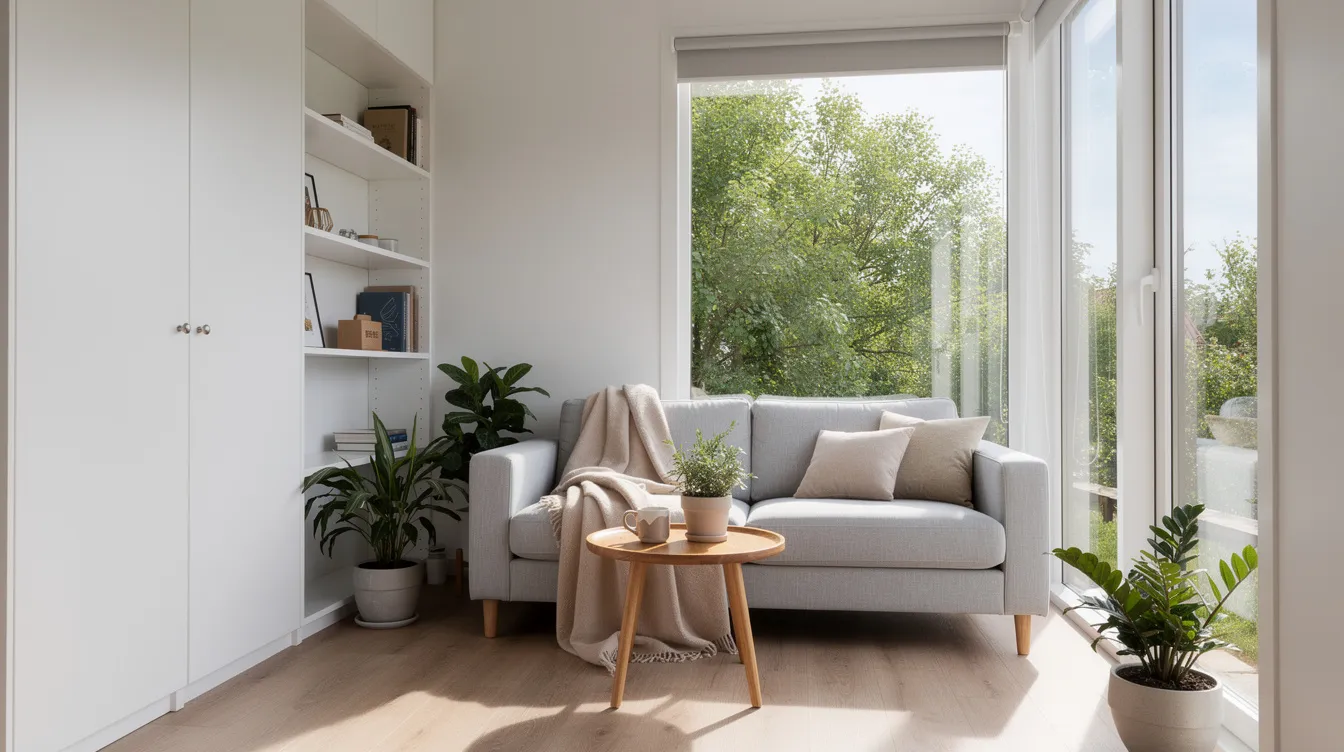
Core design elements include large windows, high ceilings reaching 10-11 feet, white or pale walls, simple lines, and minimal visual clutter. Floor-to-ceiling glazing on the long side of a 7.2 m trailer, a fully windowed A-frame front, or a skylight above the loft bed all create dramatic light effects. Combining natural light with warm accent lighting—2700K LEDs, dimmers, and sconces—prevents the space from feeling clinical while maintaining that airy, open atmosphere.
Design Principles for a Light Tiny House
Think of this section as your design checklist for planning or renovating a light tiny house.
Window placement: Position large picture windows on your view side. Consider corner glazing to wrap light around the room. Include at least one operable window in every zone—kitchen, living area, loft, and bathroom—for ventilation and cross-breeze.
Orientation: Place main glazing toward south in the northern hemisphere (or north in the southern hemisphere) to capture consistent daylight without summer overheating.
Ceiling height and volume: Use 10-11 ft ceilings in the main living space when possible. Keep built-ins low to preserve sightlines and maintain that sense of vertical openness.
Interior finishes: Choose matte white or soft off-white walls, light-toned wood like pine, poplar, or birch, and limit dark accents to hardware and frames.
Minimalism: Built-in storage hides clutter, integrated appliances reduce visual noise, and limited decorative objects keep the interior calm and bright, echoing many principles found in minimalist tiny houses for sustainable living.
Glazing performance: Double-glazed, low-E windows with thermally broken frames prevent cold drafts and condensation—non-negotiables for any glass-heavy tiny house design.
Natural Lighting Strategies Inside a Tiny House
Natural light directly impacts well-being, regulating circadian rhythm and boosting mood while reducing dependence on artificial lighting during daylight hours.
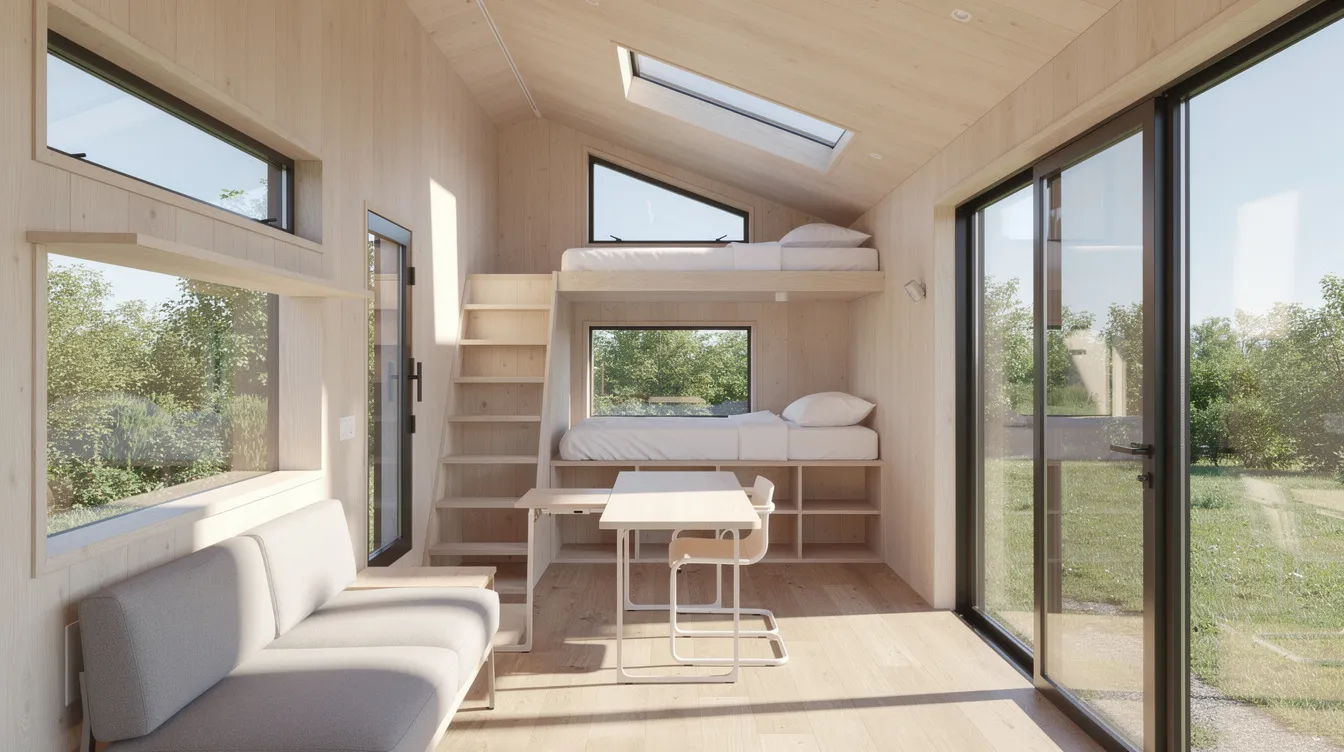
Use multiple window types: picture windows in the living area for views, awning or casement windows for cross-breeze, clerestory windows above eye level for ambient light, and skylights over lofts for morning brightness, all of which are common in tiny house interiors that maximize every square foot. Cross-ventilation requires windows on at least two walls, ideally opposite or adjacent, to move air and light through a 7-8 m tiny home.
For privacy solutions that still pass light, choose sheer curtains, frosted glass in the bathroom, and cellular shades instead of heavy drapes. Reflective surfaces amplify daylight—light-colored ceilings, pale countertops, and light floor finishes bounce daylight deeper into the house.
Example: A 24-ft trailer with a 2.4 m wide sliding glass door on one side and a high horizontal clerestory window on the opposite wall creates dynamic light flow throughout the day, making the compact interior feel remarkably spacious.
Artificial Lighting: Making Evenings Feel Warm and Open
In a tiny house, lighting layout matters as much as furniture placement. Poor evening lighting can undo the spacious feel you worked to create during daylight hours.
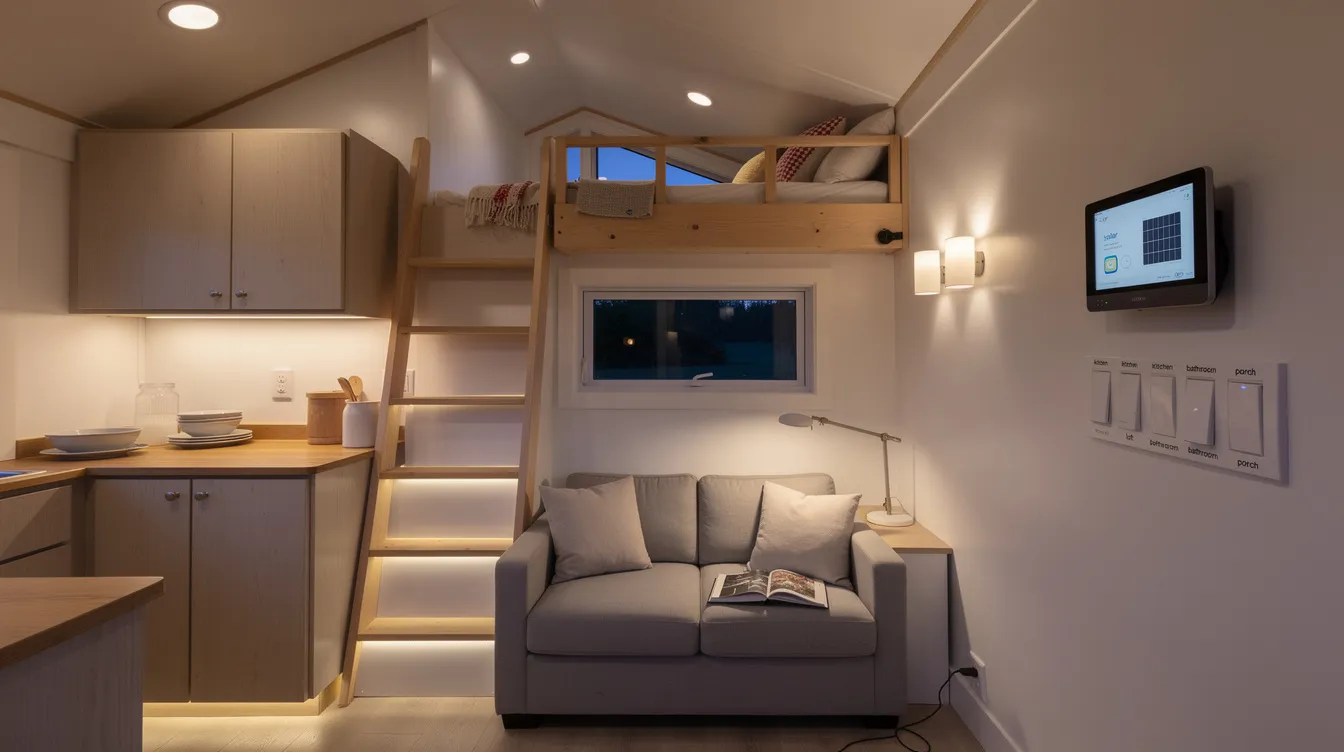
Layered lighting includes ambient ceiling LEDs, task lighting like under-cabinet strips and reading lamps, and accent features such as wall sconces and toe-kick lights on stairs. Aim for warm white color temperatures around 2700K-3000K throughout main living spaces to maintain a cozy atmosphere.
Avoid exposed, glarey bulbs and oversized fixtures that dominate small ceiling areas. Low-profile LED disks and compact pendants work better in tight vertical space. Zone your lights with separate switches for kitchen, loft, bathroom, and exterior porch to avoid over-lighting.
For off-grid living, LED strips and recessed puck lights powered by a modest 1.5-3 kW solar array with a lithium battery bank provide efficient, reliable illumination.
Quick tips:
- Install dimmers on all ambient circuits
- Use CRI 90+ LEDs for accurate color rendering
- Cluster puck lights for even wash distribution
- Choose FCC-compliant LEDs with integrated drivers to avoid interference
Case Studies: Real Light Tiny Houses Around the World
The Currumbin-Inspired Trailer Home
A 7.2 m (23.7 ft) triple-axle trailer home in Queensland, Australia, packs 25 square meters of living space with full-height picture windows, white walls, a skylight over the loft, and a central kitchen featuring an indoor-outdoor breakfast bar. Owners note it feels larger than many traditional apartments. The design solves privacy concerns with sheer screens while maximizing storage through custom built-ins beneath the stairs.
Pacific Northwest A-Frame
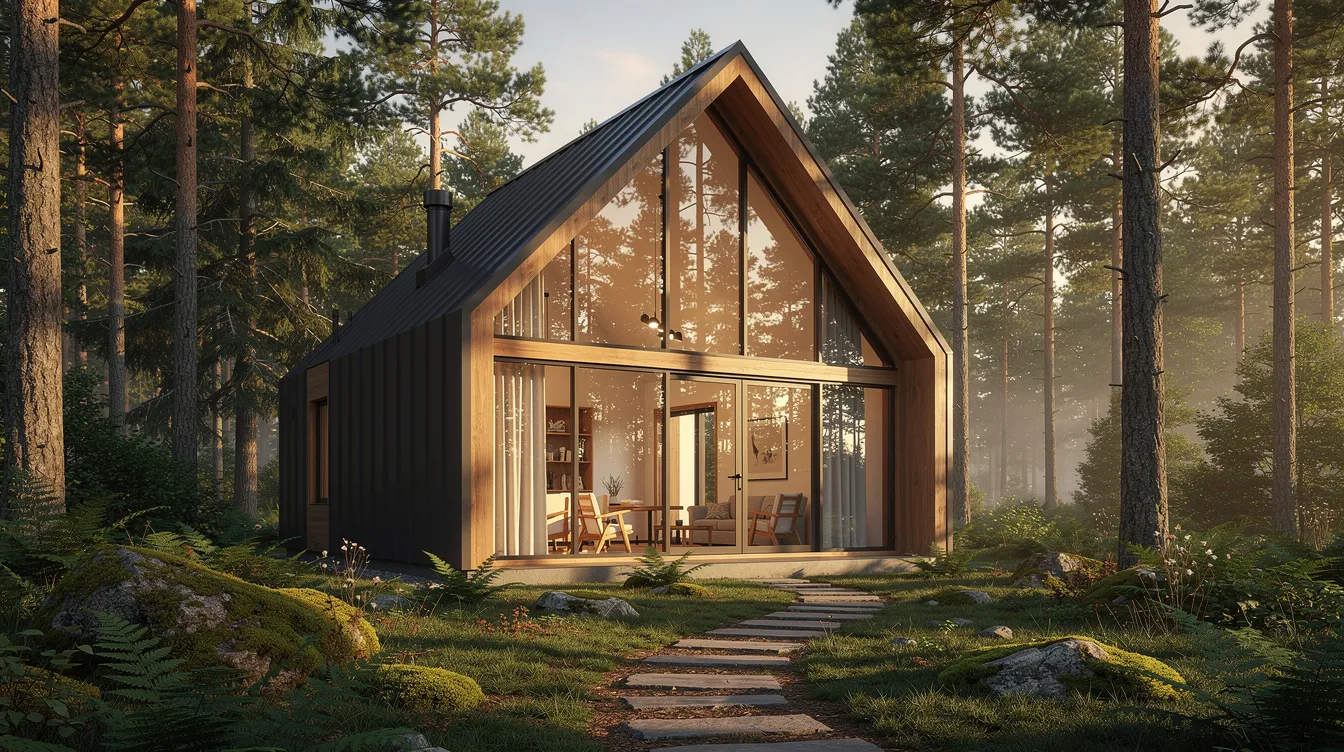
This compact A-frame cabin features a nearly fully glazed facade, white-painted tongue-and-groove interior, and a blue sectional sofa as the room’s focal point, similar in spirit to many of the top A-frame cabins ideal for nature escapes. Situated at the end of a stone path in a forested area, the shingled roof and expansive windows create a cheery, light filled interior that counters the typical A-frame’s tendency toward dimness. A small wood stove provides winter warmth.
Scandinavian Lake Cabin
A 20 square meter Scandinavian-inspired cabin uses light pine cladding, a huge corner window facing a lake, a charcoal metal roof, and minimal black fixtures contrasting the pale interior. Operable vents address summer overheating.
Prefab Modular Option
Factory-built 6-8 m modules with floor-to-ceiling glass on one end are shipping to sites across the country in 2024-2026, offering fast installation and integrated solar-ready roofs—cutting on-site construction time by 70%.
Layout Ideas for a Bright, Functional Tiny Interior
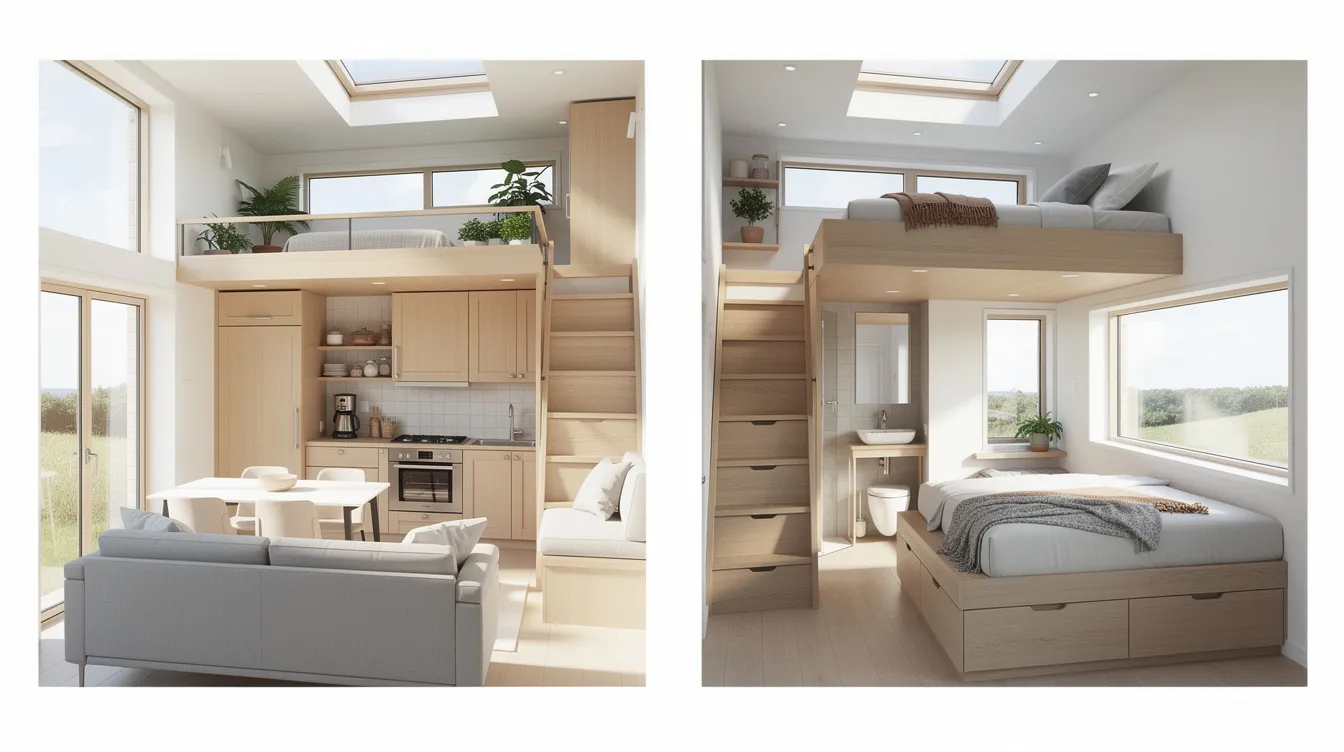
Layout determines how well light travels through your home during the day, and many of the best tiny house designs for modern living use open plans to push daylight deep into the interior.
Position an open-plan living-kitchen zone at the “glass wall” end of the house, with a sofa oriented toward the view and a fold-down or peninsula table. Place the loft on the darker end, adding a skylight above the bed. A partial loft allows light to penetrate to the ground floor below.
The bathroom works best on the least naturally lit side, but give it at least one small window or high clerestory for daylight and ventilation. A composting toilet and compact shower maximize floor space.
For full-time living in a 24-26 ft model, include stairs with integrated storage, a galley kitchen under the loft with efficient cabinets and counter space, a small oven, sink, and food prep area, plus a bright reading nook by a tall window.
Single-level “no loft” layouts work well too: a raised platform bed with storage below and large windows at bed height keeps the room feeling open, similar to many cute tiny house designs for your dream home.
Materials and Color Palette for a Light Tiny House
The right combination of materials and colors amplifies natural light and simplifies maintenance in a small place.
Recommended materials: Lightweight poplar plywood for walls and ceilings, engineered timber flooring in pale oak, and durable exterior siding like light-grey corrugated steel with warm timber accents—choices often seen in elegant tiny homes that redefine modern living.
Interior colors: Crisp white, soft cream, or very pale greige on walls. Limit dark colors to accents—window frames, hardware, a single feature wall.
Managing glare: Use matte or eggshell finishes on walls and low-sheen on cabinetry to prevent reflections near big windows.
Durable surfaces: Quartz or compact laminate countertops in light tones, moisture-resistant finishes in the bathroom.
Sample palette: Off-white walls (LRV 90+), birch cabinets, pale oak flooring, black metal accents.
Energy Efficiency, Solar, and Climate Control
Well-designed light tiny houses pair large windows with smart energy strategies for longevity and comfort.
Typical insulation for a 7 m tiny house includes insulated floor construction, high-performance wall and roof insulation (R-20+), and careful air sealing around windows and doors. Passive solar design uses overhangs to block high summer sun while allowing low winter sun through large glass walls.
Off-grid options include rooftop solar panels (2-4 kW), lithium batteries (200Ah capacity), a propane cooktop, and a small wood-burning stove. Double or triple glazing with low-E coatings is essential for climates with cold winters—triple-pane options reduce heat loss by 40% compared to single-pane.
Address condensation with mechanical ventilation: a small HRV/ERV unit or efficient extractor fans keeps glass clear and controls moisture.
Budgeting and Sourcing a Light Tiny House
Bright, window-heavy designs can cost more, but they add significant value and comfort to daily living, so it’s worth running numbers through a tiny home cost calculator early in the planning process.
2024-2026 price ranges:
- DIY builds: $30,000-$60,000 (one couple built an airy tiny house with Murphy bed for $35,000)
- Professional shells: $50,000-$80,000
- Fully finished custom builds: $80,000-$130,000+
Cost drivers:
- Large high-performance windows and glass doors (often 20-30% of budget)
- Solar system and batteries ($15,000 for full off-grid)
- Custom cabinetry and furniture
Source windows from reputable manufacturers, specifying double glazing, correct safety glass near floors and doors, and appropriate thermal ratings. Prefab builders specializing in light-filled designs can deliver ready models—verify lead times, transport limits (8.5-13.7 ft width restrictions for wheels-based trailers), and local code compliance, especially if you plan to build a tiny house yourself.
Allocate budget for lighting design: dimmers, layered circuits, and high-quality LEDs shouldn’t be an afterthought.
Living Day-to-Day in a Light Tiny House
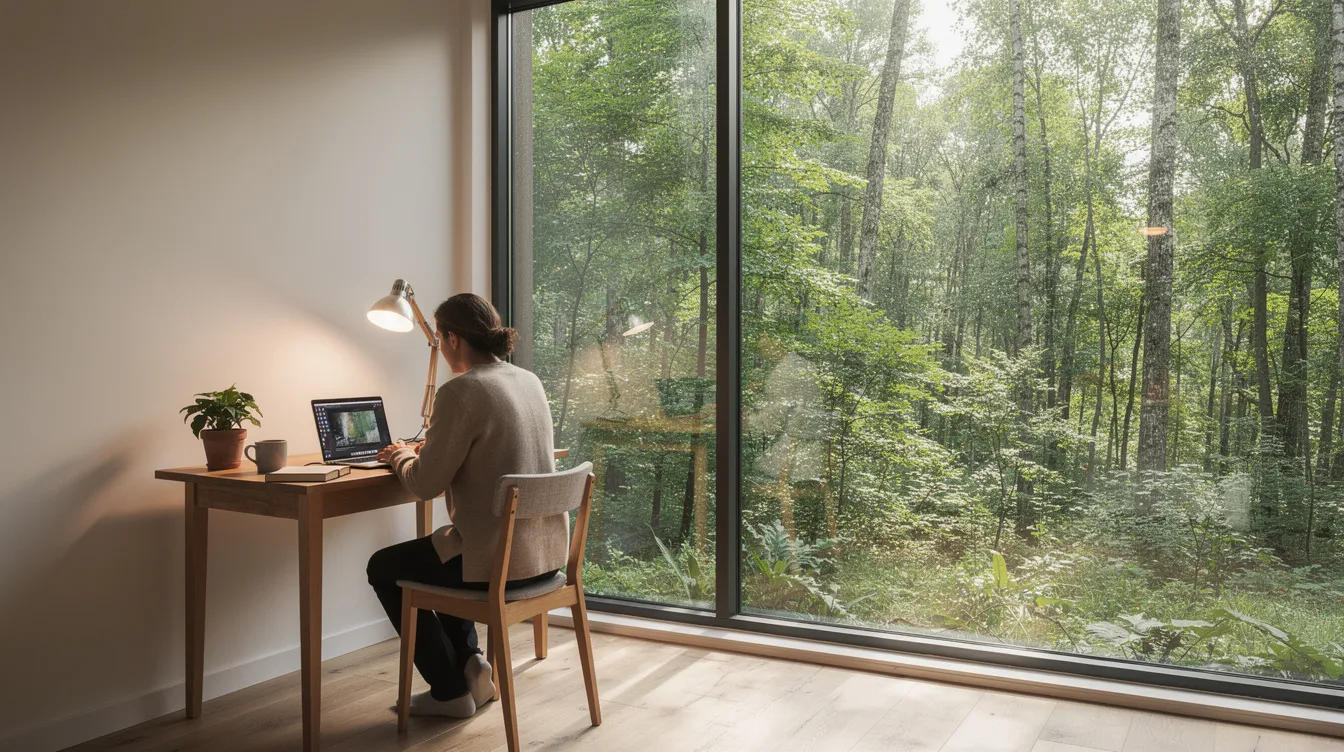
Tiny living in a light tiny house means waking with sun streaming through a skylight, working at a compact desk beside a large window, and feeling connected to nature throughout the day.
Practical habits matter: manage heat gain with blinds and shades, keep windows clean to maximize light transmission, and choose multipurpose furniture that doesn’t block glazing. For remote work, position your desk facing or perpendicular to the window to avoid screen glare, using adjustable task lighting in the evening; these day-to-day choices build on broader principles of exploring the world of tiny houses.
One couple in their 24-ft light tiny house describes reading in the window seat during winter sun, then hosting friends on the deck during cool summer evenings, enjoying a space that feels almost like an enchanting magic tiny home. Privacy solutions like sheer curtains, exterior screens, or landscaping buffer views without sacrificing brightness inside.
Conclusion: Is a Light Tiny House Right for You?
A well-designed light tiny house proves that comfort doesn’t require plenty of square footage—it requires smart glazing, thoughtful layout, and bright materials. The key pillars are generous windows, functional interior design, pale finishes, layered artificial lighting, and good insulation.
Before committing to a build, visit or stay in at least one real light tiny house through rentals or open houses. The idea of tiny living transforms into clear inspiration once you experience how daylight makes a compact structure feel expansive.
Start by sketching a simple floor plan with window locations, collecting photos of bright tiny homes for inspiration, and noting your must-have features. Your future light tiny house is ready to take shape.