
Metal frame homes kits have become a practical choice for U.S. homeowners building primary residences, barndominiums, and cabins in 2026. These pre-engineered steel building packages arrive with structural components cut, labeled, and ready for assembly on your property.
This guide covers how kits work, what’s included, realistic costs, timelines, and key decisions before ordering. Compared to traditional wood framing, metal frame construction offers superior durability—with a lifespan exceeding 50 years—and significantly lower maintenance requirements over time. Metal frame kits are also lighter in weight than wood, making them easier to handle and speeding up construction, while still maintaining strength and durability.
Typical kit sizes range from compact 30×40 footprints to expansive 50×80 configurations, accommodating everything from 800 square foot cabins to 3,000+ square foot family homes. The information here reflects the perspective of a kit supplier focused on DIY-friendly, customizable steel frame packages delivered across the U.S.
- Why Choose a Metal Frame Home Kit?
- The Budget and Cost Advantage
- Popular Metal Frame Home Kit Sizes and Layout Options
- What’s Included in a Metal Frame Home Kit?
- Planning Your Metal Frame Home Project
- Kit Customization: Tailoring Your Metal Frame Home
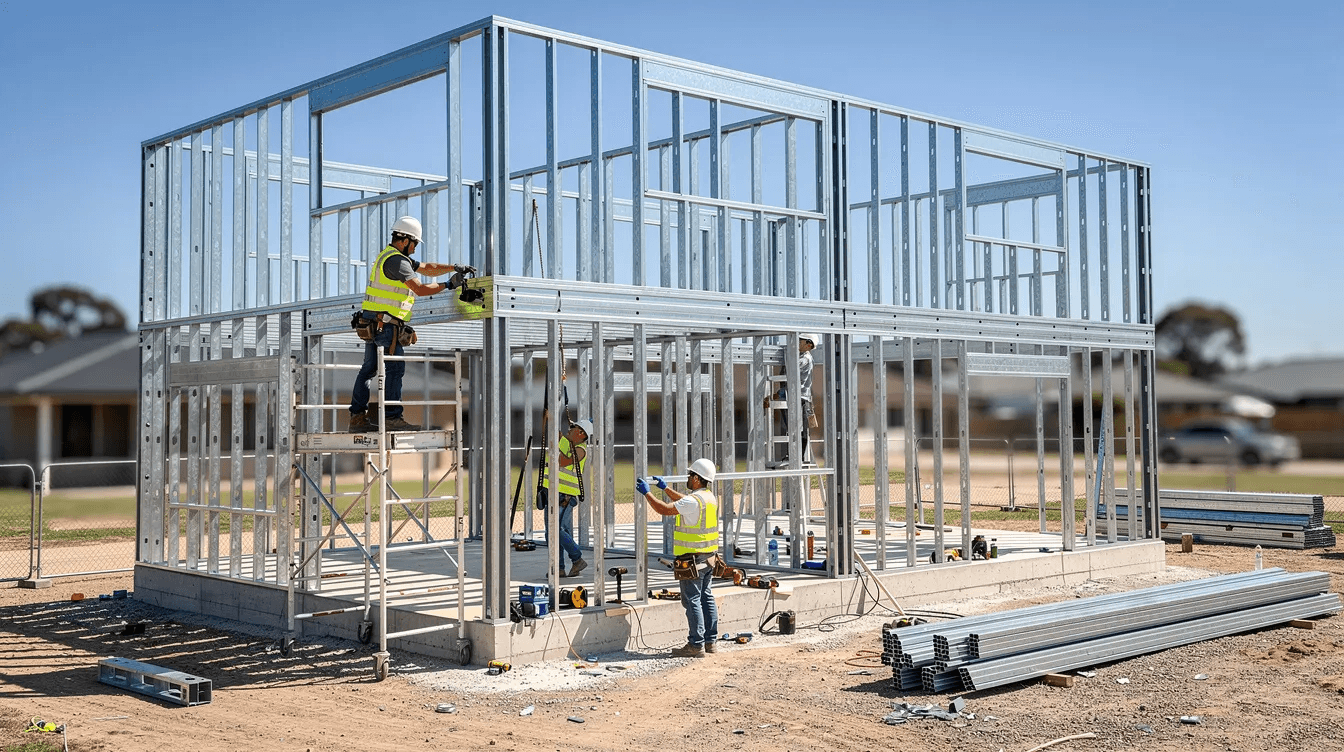
- DIY vs Professional Assembly
- Energy Efficiency and Comfort in Metal Frame Homes
- Comparing Metal Frame Kits to Traditional Wood Construction
- Maintenance and Durability of Metal Frame Homes
- Navigating Building Codes and Local Regulations
- Manufacturer Comparison: Choosing the Right Supplier
- How to Order a Metal Frame Home Kit
- Financing Options for Metal Frame Home Kits
- Real-World Examples and Customer Outcomes
- Frequently Asked Questions About Metal Frame Home Kits
- Conclusion and Next Steps
Why Choose a Metal Frame Home Kit?
Steel framing delivers advantages that directly impact your project’s long-term value and livability. Here’s what drives buyers toward metal frame construction:
Durability and resistance stand out immediately. Steel framing resists rot, termites, mold, and fire damage. Most kits are engineered for 115–140 mph wind loads and designed to meet local snow loads per code specifications in certain areas.
Long-term value compounds over 10–20 years. Unlike dimensional lumber, steel doesn’t warp, twist, or settle. Your walls stay straighter, reducing future needs for drywall repairs and door adjustments.
Energy efficiency potential depends on your insulation strategy. Metal frame combined with spray foam or insulated panels achieves competitive R-values that meet or exceed current building codes.
Sustainability credentials matter to many buyers. Steel frames typically contain 25–90% recycled content and are 100% recyclable at end of life.
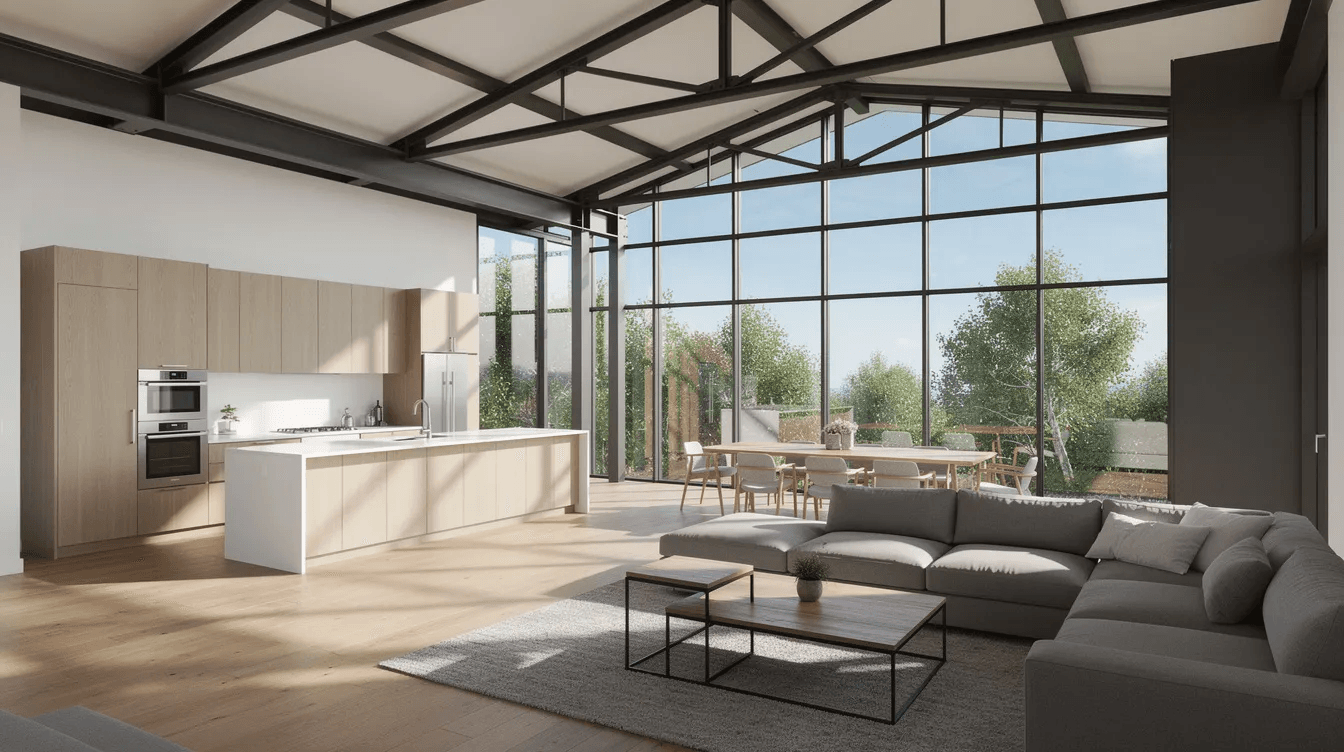
Design flexibility enables large clear-span interiors without interior load bearing walls interrupting your floor plan. This creates open living spaces and allows easy future remodeling.
Insurance and safety benefits may apply since the structure uses non-combustible material. Contact your insurer about potential premium reductions.
The Budget and Cost Advantage
Budget is typically the first concern buyers raise. The critical distinction is between kit price and turn-key finished home cost—these are different figures that require separate planning.
2026 kit price ranges:
Kit Type | Square Footage | Typical Kit Cost |
|---|---|---|
Small cabin/ADU | 600–1,000 sq ft | $25,000–$55,000 |
Mid-size family home | 1,200–2,000 sq ft | $45,000–$90,000 |
Large barndominium | 2,400+ sq ft | $80,000–$150,000+ |
Several factors drive price variation: building footprint, roof style, wind and snow load requirements, insulation packages, doors, windows, and exterior finish choices like siding or stone accents. |
Full build costs—including foundation, trades, interior finishes, and permits—typically run 2–4× the kit price depending on DIY involvement. A 30×50 metal building home shell in the Midwest might total $95,000 finished with significant owner labor, while the same kit in a coastal high-wind zone could reach $140,000 with professional assembly and upgraded specifications.
Lock in steel pricing with a deposit since material markets can fluctuate within 30–90 days. Include a 10–15% contingency in your overall budget to handle code-driven changes or finish upgrades discovered during the process.
Popular Metal Frame Home Kit Sizes and Layout Options
Most buyers start by choosing a footprint and general layout—one-story, two-story, or shop-house barndominium configuration.
Common residential footprints include: Metal frame kits appeal to many of the same buyers considering contemporary prefab home designs for modern living, since both prioritize efficient construction, customization, and long-term performance.
- 30×30 and 30×40: Compact 1–2 bedroom cottages or starter homes
- 30×50 and 40×40: 2–3 bedroom family homes with open living areas
- 40×60 and 40×80: Barndominiums combining shop and living space
- 50×80+: Custom home estates or multi-generational layouts
Layouts accommodate non-load-bearing interior walls, meaning you can position bedrooms, offices, or storage without affecting the structure. Options include wraparound porches, attached garages, RV bays, and loft space.
A practical example: a 2,000 square foot 3-bed/2-bath ranch with 10-foot ceilings, or a 40×60 shop-house with 30×40 shop area and 30×40 two-story living quarters. Buyers exploring more compact or entry-level options sometimes compare these shells with Home Depot tiny house kits for small, functional spaces. While some kits use stock plans, structural engineering can adapt to match custom interior layouts you request.
What’s Included in a Metal Frame Home Kit?
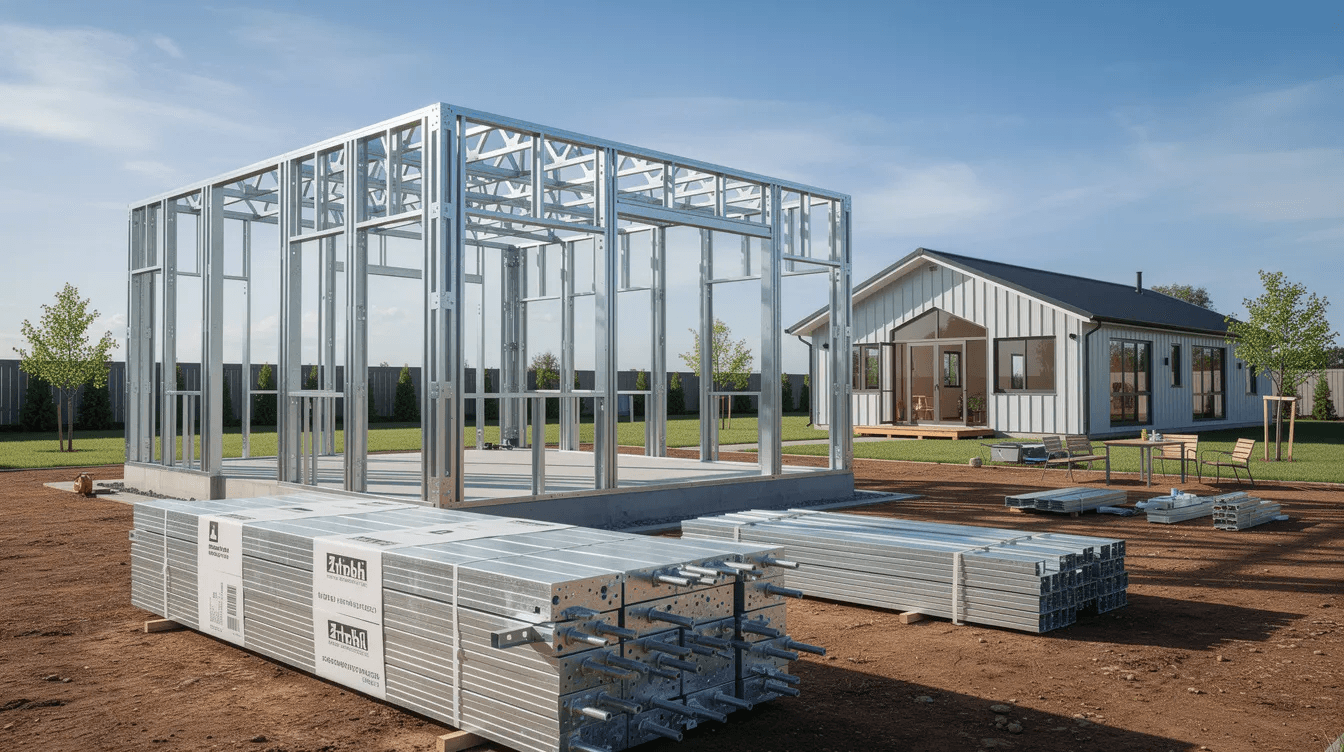
Inclusions vary by supplier and company, but a complete structural shell package typically contains:
Primary structural components:
- Pre-engineered steel columns, rafters, and trusses
- Wall girts and roof purlins
- All structural bracing, cut to length and labeled
Wall and roof systems:
- Cold-formed steel framing members with pre-punched studs
- 26–29 gauge painted steel roof and wall panels in multiple colors
- Ridge caps and trim profiles
Connection hardware: Structural bolts, clips, screws, and fasteners tested for the system, packaged with assembly plans.
Common optional upgrades:
- Insulation packages (vinyl-backed fiberglass, rigid board, spray-foam-ready)
- Pre-framed openings for doors and windows
- Gutters, snow guards, and venting components
- Steel roof upgrades like standing seam panels
Typical exclusions: Foundation and slab, site work, utilities, interior framing if non-steel, drywall, flooring, cabinetry, fixtures, equipment, and appliances. Detailed assembly drawings, engineered specifications, and material schedules arrive with the kit.
Planning Your Metal Frame Home Project
Successful kit projects require planning across zoning, design, financing, and scheduling before placing any order.
Site selection and zoning research:
- Verify that residential or mixed-use metal structures are allowed at your location
- Check setbacks, height limitations, and any exterior appearance regulations or HOA restrictions
Permitting and code compliance:
- Most jurisdictions require stamped structural drawings meeting IBC or IRC plus local requirements
- Snow loads, wind speeds, and seismic design categories affect kit configuration
- Traditional construction loans or barndominium-friendly lenders and credit unions
- Lenders require stamped plans, itemized material lists, and a general contractor proposal
Timeline expectations:
- 2–8 weeks for design and engineering
- 4–10 weeks from approval to fabrication and delivery (current demand shows approximately 18-week production times at some suppliers)
Assemble your project team early: a contractor or build manager, concrete contractor, licensed electrician, plumber, and HVAC professional. Create a preliminary finish schedule covering flooring, cabinets, and mechanical systems to budget realistically beyond the shell.
Kit Customization: Tailoring Your Metal Frame Home
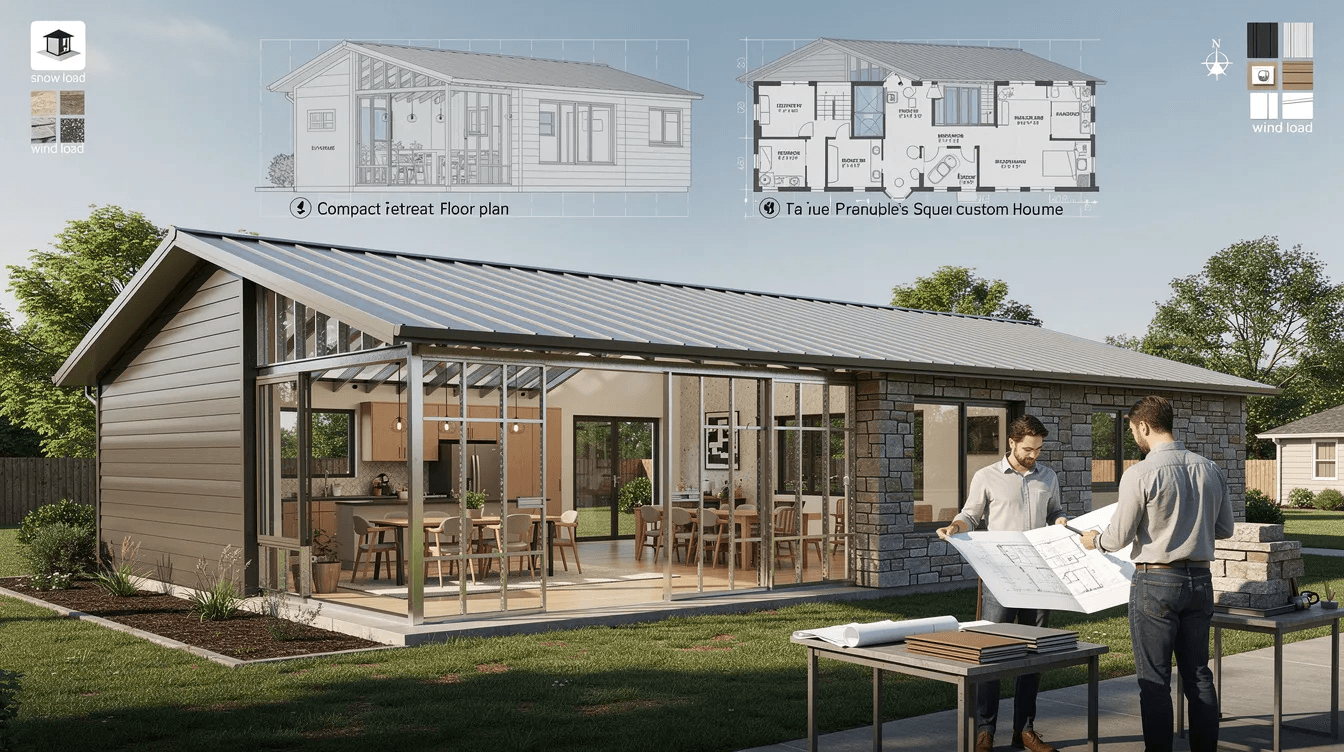
One of the standout benefits of metal building homes is the ability to customize nearly every aspect of your project. Steel framing kits are engineered to minimize or eliminate interior load bearing walls, giving you the freedom to design open, flexible interior spaces that suit your lifestyle. Whether you’re envisioning a compact retreat or a sprawling custom home, kits can be tailored to your desired square footage and specific needs, much like the variety found in top tiny house designs for modern living.
Customization options extend to both the structure and the aesthetics. You can select wall panels and steel roof profiles that match your preferred building style, and choose exterior finishes such as modern siding or classic stone to create the look you want. Kits can be engineered to handle the snow loads and wind loads required in your area, ensuring your home is both beautiful and resilient.
Working with a manufacturer or general contractor, you can create a home that fits your budget and vision. From the frame to the final finishes, every detail can be adjusted—whether you need extra windows for natural light, a unique floor plan, or specialized features for your family’s needs, similar to how custom tiny homes for small-space living are tailored around specific lifestyles. This level of customization makes it easy to design a metal frame home that’s truly your own.
DIY vs Professional Assembly
Metal frame home kits are marketed as DIY-friendly, but real-world assembly depends on your skill, tools, and available time, just as micro house projects often hinge on selecting top micro house builders focused on quality and affordability.
Typical DIY-friendly tasks:
- Unloading and staging materials at the job site
- Bolting together primary frame members with family help
- Installing wall panels and roofing using supplied fasteners
When to hire professionals:
- Structural erection for multi-story homes or large clear spans
- Crane work for setting heavy rafters or assembled sections
- Critical envelope details like flashing, door installation, and roof penetrations
Safety matters when working at height with steel components. Proper training and protective gear are essential. Many owners succeed with a hybrid approach: hire professional crews for framing and shell assembly, then handle interior finishes like painting and trim themselves.
Review warranty terms before starting—some require professional installation or adherence to specific guidelines in the documentation.
Energy Efficiency and Comfort in Metal Frame Homes
Energy performance depends less on steel itself and more on insulation, air sealing, and mechanical systems you select, echoing the priorities seen in modernist tiny house designs that emphasize efficiency.
Common insulation strategies:
- Blanket insulation with thermal break spacers
- Spray foam directly under roof and wall panels for high R-values
- Insulated sheathing systems reducing thermal bridging
Quality windows and doors matter significantly. Double- or triple-pane units with low-E coatings are standard in energy-conscious designs. Proper detail around openings prevents condensation and air leaks.
HVAC considerations include right-sizing systems for metal building homes, with attention to dehumidification in humid climates. Mini-split heat pumps, in-floor radiant systems, and high-efficiency furnaces all work well. Consider orienting glazing to capture passive solar gain or provide shading based on your region.
Comparing Metal Frame Kits to Traditional Wood Construction
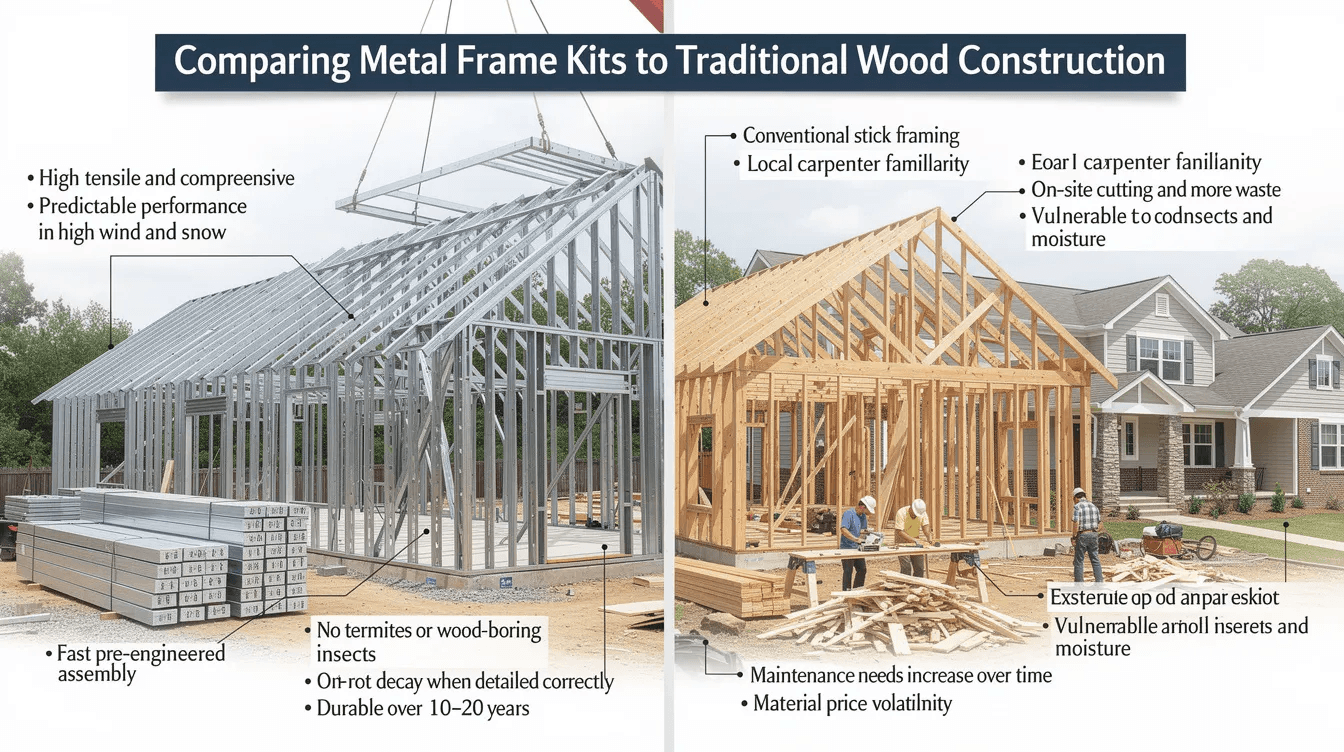
Both systems can produce comfortable, long-lasting homes, but they differ in structure, speed, and maintenance profiles.
Structural performance: Steel delivers superior tensile and compressive strength compared to dimensional lumber, with more predictable engineered performance in high wind or heavy snow regions.
Construction speed: Pre-engineered metal kits reduce framing time because components arrive pre-cut and labeled. Less on-site material waste compared to stick-framing from raw wood.
Maintenance comparison: Steel isn’t vulnerable to termites or wood-boring insects. No rot or decay from moisture in framing members when properly detailed. The durability difference compounds over 10–20 years.
Cost and availability: Wood prices remain volatile; steel prices fluctuate but benefit from factory-level optimization. Local carpenter familiarity with stick framing versus learning curves for metal assembly varies by market.
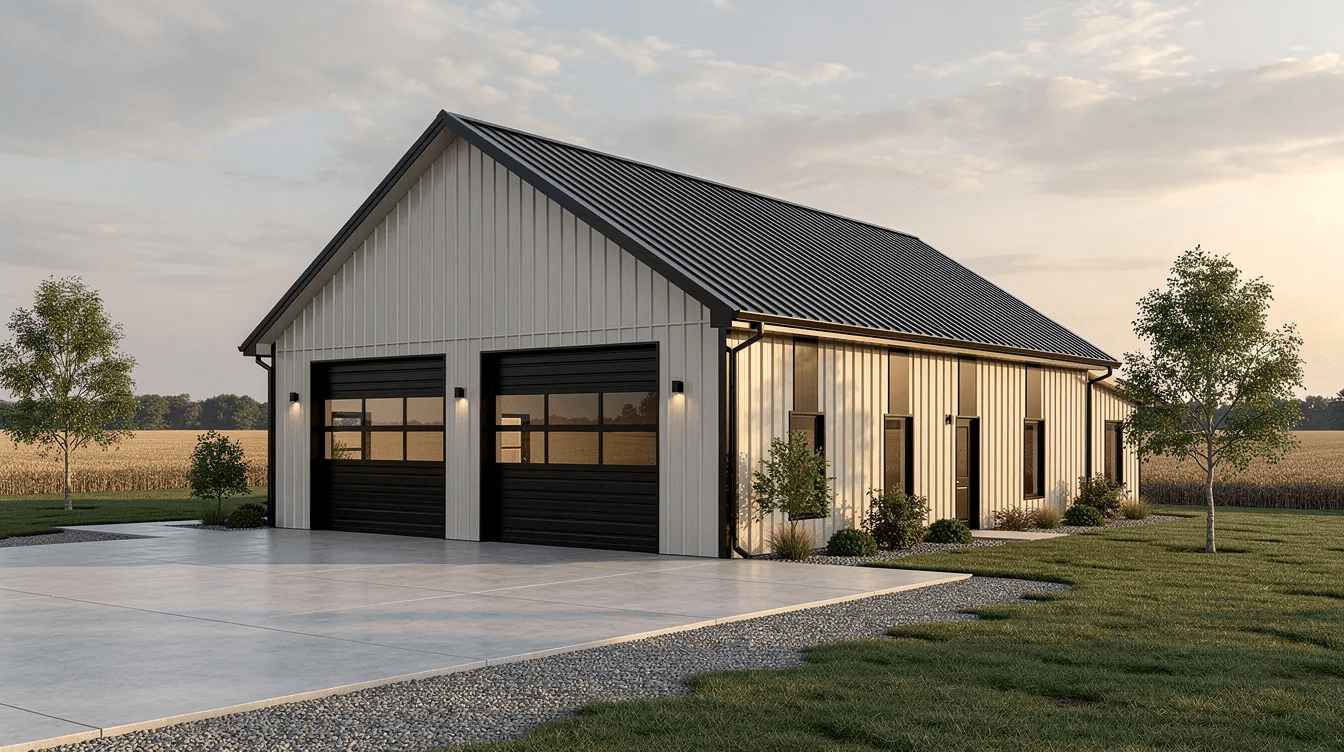
Design and aesthetics: Metal frame homes accept traditional materials—fiber cement siding, brick, stucco, stone accents—so they don’t have to look like industrial metal buildings. The building style can match any neighborhood and, like many elegant tiny homes that redefine modern living, can balance compact footprints with high-end finishes.
Maintenance and Durability of Metal Frame Homes
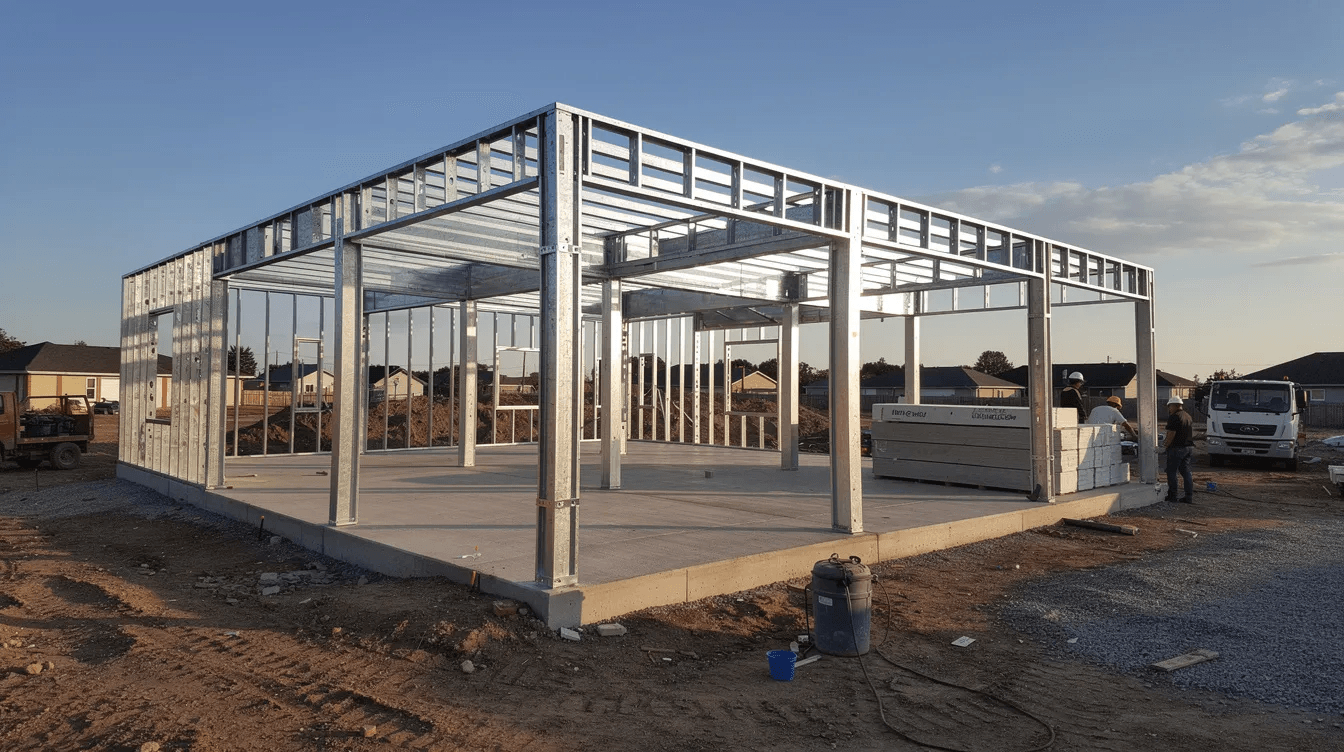
Metal frame homes are renowned for their exceptional durability and low maintenance demands. The steel framing system is inherently resistant to rot, termites, and mold, which means you won’t face the costly repairs or ongoing treatments often required with traditional wood construction. The steel roof and wall panels are designed to withstand severe weather, providing a robust barrier against leaks and storm damage.
Routine maintenance for a metal frame home is straightforward—regular inspections of the structure, frame, and wall panels help catch minor issues before they become major concerns, much like owners of tiny house park model homes used as compact residences or retreats perform simple periodic checks to protect their investment. With proper construction and assembly, these homes can last for generations with minimal upkeep. Energy efficiency is another key advantage; by incorporating high-quality insulation and energy-efficient windows, you can reduce heating and cooling costs while maintaining a comfortable interior environment.
Overall, the combination of steel’s natural durability and thoughtful design choices ensures that your metal frame home remains strong, efficient, and low-maintenance for years to come.
Navigating Building Codes and Local Regulations
Successfully constructing a metal frame home starts with understanding and complying with building codes and local requirements. Every location has its own set of regulations regarding snow loads, wind loads, and sometimes seismic considerations, all of which influence how your steel framing and roofing are engineered. Local requirements may also specify acceptable siding materials or dictate certain aspects of the construction process.
It’s essential to research these factors early and work with a general contractor or manufacturer who is experienced in your area. They can help ensure your plans meet all necessary standards, from the job site conditions to the final inspection. Site-specific factors—such as soil type, drainage, and environmental impact—also play a role in how your frame and foundation are designed.
By addressing these requirements up front, you can avoid costly delays and ensure your metal frame home is safe, compliant, and built to last in your specific location, whether you’re building in regions with robust small-home markets like those highlighted among the best small homes in Washington State and their builders.
Manufacturer Comparison: Choosing the Right Supplier
Selecting the right manufacturer for your metal frame home kit is a crucial step that can impact every aspect of your project. Not all suppliers offer the same level of quality, customization options, or support, so it’s important to do thorough research before making a decision. Compare factors such as the quality of steel framing, the range of customization options, and the ability to accommodate your future needs.
Price is always a consideration, but it should be weighed alongside other factors like warranty coverage, customer service, and the manufacturer’s reputation for delivering on time and to specification. Some companies offer comprehensive packages that include engineering, construction, and even assembly, while others focus solely on providing the frame and materials.
Look for a supplier that aligns with your budget and project goals, and don’t hesitate to ask for references or examples of completed homes. By carefully evaluating your options, you can choose a manufacturer that will help you create a high-quality, durable metal frame home tailored to your needs—now and in the future.
How to Order a Metal Frame Home Kit
The ordering process moves through inquiry, design, engineering, contract, and delivery.
Step-by-step overview:
- Initial conversation: Discuss site, size, budget, and layout requirements
- Preliminary design and quote: Confirm footprint, roof style, and finish levels
- Engineering and permitting package: Structural calculations and stamped drawings produced
- Final contract and deposit: Lock pricing and production slot with payment milestones
- Fabrication and delivery: Coordinate truck access and offloading at your ground site
Review all drawings carefully, confirming door and window locations, roof pitches, and attached porches before final sign-off. Lead times typically run 6–12 weeks from deposit to delivery, though demand can extend this. Align delivery with foundation completion.
Ask about customer support during and after assembly—phone support, site visits if available, and documentation quality.
Financing Options for Metal Frame Home Kits
Financing your metal frame home kit is an important part of bringing your project to life. Options may include traditional loans from banks or credit unions, as well as specialized financing programs offered by some manufacturers or their partners. The best choice for you will depend on your location, budget, and personal financial situation.
When researching financing, consider factors such as interest rates, repayment terms, and any associated fees. Your credit score, income, and debt-to-income ratio will also influence your eligibility and the rates you’re offered. Some manufacturers can connect you with lenders familiar with steel frame construction, which can streamline the approval process.
Take the time to compare different financing solutions and understand how each one fits your project’s needs and your long-term budget. With the right financing in place, you’ll be well-positioned to move forward confidently with your metal frame home build.
Real-World Examples and Customer Outcomes
Seeing actual projects helps buyers understand what’s possible with specific needs and budgets.
Example 1: A 30×50 single-story family home in the Midwest completed in 2025 with 3-bed/2-bath layout and attached front porch, assembled through a mix of DIY and hired trades. Total project cost came in under $120,000.
Example 2: A 40×60 shop-house in Texas combining 30×40 insulated shop with 30×40 two-story living area. The open end of the shop accommodates a work vehicle, while the living space includes a loft. Owners report efficient work-live use with minimal maintenance.
Example 3: A 24×36 mountain cabin in Colorado engineered for heavy snow loads, finished with rustic wood-look siding over the steel frame, offering a cozy aesthetic similar to many cute tiny house designs for dream small homes. Strong weather performance through multiple winters confirmed the corners and connections held without concern.
Customers consistently mention faster shell completion than expected and lower maintenance needs in early years. Common advice: start foundation work before kit delivery to avoid delays.
Frequently Asked Questions About Metal Frame Home Kits
Can I get a metal frame home kit approved by my local building department? Yes. Kits include engineer-stamped drawings meeting IBC/IRC standards. Verify local requirements before ordering to ensure specifications match your jurisdiction.
How long does it take from ordering to moving in? Typically 6–18 months depending on project size, labor availability, and other factors like permitting timelines.
Can I finish the exterior so it doesn’t look like a metal building? Absolutely. Customization options include stone, brick, stucco, fiber cement, and mixed-material facades over the metal frame.
Are metal frame homes noisy in the rain? Proper roof assembly with insulation and ceiling finishes controls sound effectively. Most owners report no significant noise limitations.
Will a metal frame home rust? Steel components feature galvanization and protective coatings. Proper drainage and detailing prevent corrosion when assembled correctly.
Can I add onto a metal frame home later? Yes. Expansions require structural review, but the frame system accommodates additions better than many traditional approaches.
Conclusion and Next Steps
Metal frame homes kits deliver strength, design flexibility, and potential cost advantages when you plan your project carefully from the start.
Before ordering, confirm zoning requirements at your property, define a realistic budget covering kit plus finishes plus contingency, choose a size and layout accommodating future family needs, and decide on your DIY versus professional assembly strategy.
Gather your site information—address, approximate elevations, and local load requirements—then contact a kit supplier for a customized preliminary design and price estimate based on your specific goals.