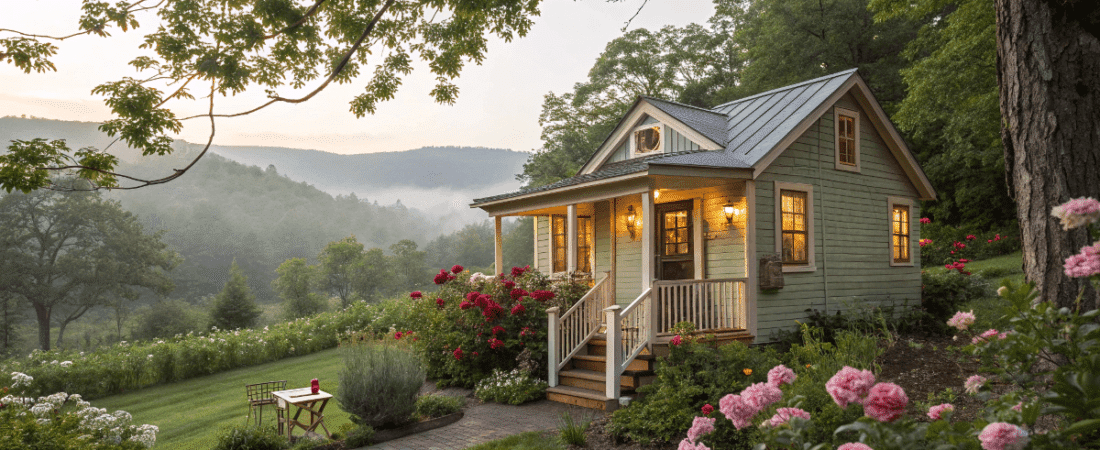
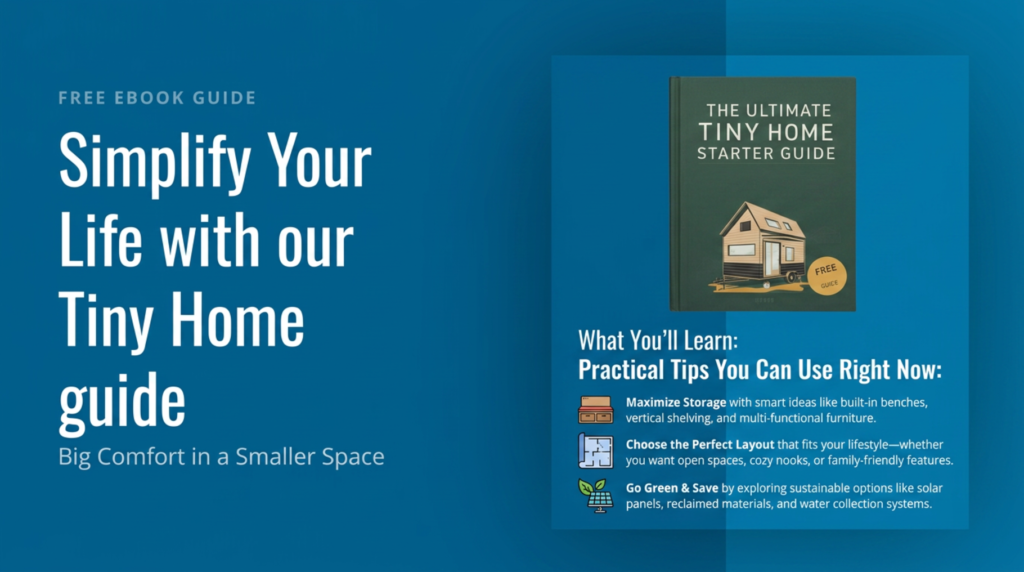
You can build a tiny house in several tiny-home-friendly states, including California, Texas, Florida, Colorado, Vermont, Arkansas, and Minnesota, with options ranging from rural land to established tiny house communities and cities with more flexible zoning. If you’re downsizing, planning your first tiny home, or looking for a more affordable, sustainable way to live, this guide will help you compare the best places to build, understand the zoning laws and building codes that shape your options, and navigate practical next steps like financing, insurance, communities, and even renting. Where you build affects what you can legally place, what it will cost, and how easily tiny house living will fit your lifestyle.
Why Choose a Tiny House?
Tiny houses are all the rage.
They are small.
They are simple.
They are affordable, and many people are drawn to tiny house living for its lower costs and minimalist lifestyle.
But why do people love them?
Here’s why:
- Less Space, Less Stuff: You don’t need much.
- Save Money: Lower bills and costs.
- Eco-Friendly: Smaller footprint on the earth.
- Freedom to Move: Take your home anywhere.
The growing popularity of tiny houses is part of the larger tiny home movement, which promotes affordable, sustainable living and is influencing zoning laws across various states in the U.S., and reflects a broader shift toward tiny houses as a versatile, eco-friendly, and cost-effective housing option.
What is a Tiny Home?
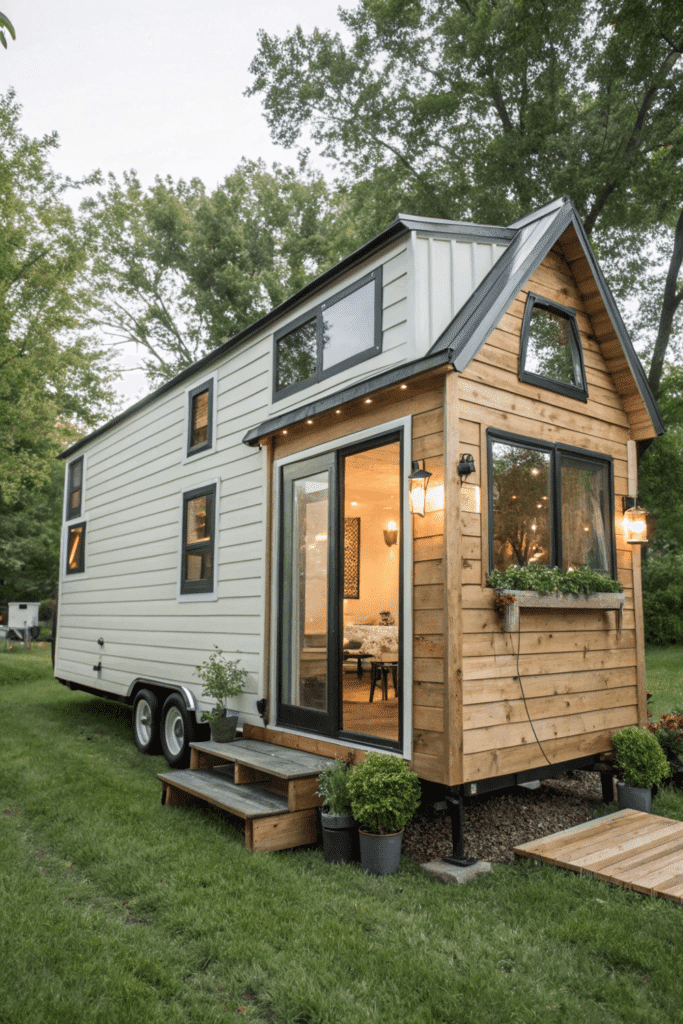
A tiny home is a small, compact dwelling that typically measures between 100 and 400 square feet and may also be described by trailer length, usually about 22 to 44 feet. The average size of a tiny home is about 225 square feet, making it roughly 10 times smaller than the average home in the U.S. Tiny homes can be built on permanent foundations or trailers, allowing for mobility and flexibility in living arrangements. According to the International Residence Code, a tiny home is defined as a dwelling with 400 square feet or less in floor area, excluding lofts. The tiny house lifestyle is often chosen by those who want a simpler life and are downsizing from a large house with an unaffordable mortgage, high utility bills, and endless upkeep and maintenance, and many are customized to reflect the owner’s unique style.
Where Can You Build a Tiny House?
Finding the right spot is key.
Not everywhere welcomes tiny houses.
Here are some good places:
- California: Friendly to tiny homes. ADU laws help by allowing accessory dwelling units, making it easier to build secondary residential units on the same property as a primary home.
- Texas: Lots of space. Fewer rules in rural areas.
- Florida: Many cities allow them in single-family zones.
- Colorado: Good for tiny living. Some rules, but doable.
Best States for Tiny House Living:
- Vermont, Arkansas, and Minnesota: These states are performers that boast ample land, making them ideal for tiny house living. They offer sufficient space and favorable conditions for constructing tiny homes, whether in densely populated areas or more secluded environments.
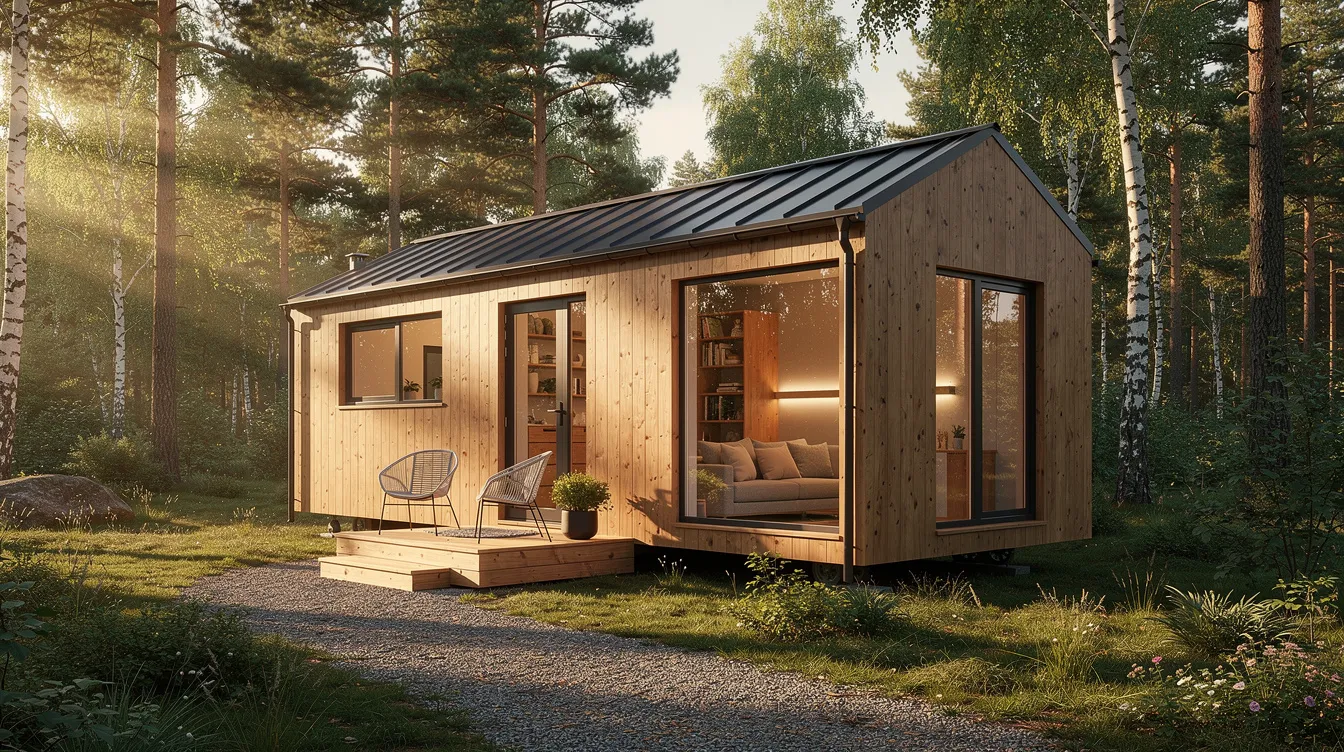
Top Locations for Tiny Houses: Living in a tiny home community offers shared amenities and supportive environments, making it easier to connect with like-minded individuals and enjoy affordable housing options.
Top Locations for Tiny Houses
When it comes to finding the perfect location for a tiny house, there are several factors to consider. Some of the top locations for tiny houses include:
- Rural Areas: These often have lax zoning regulations, making it easier to build tiny houses.
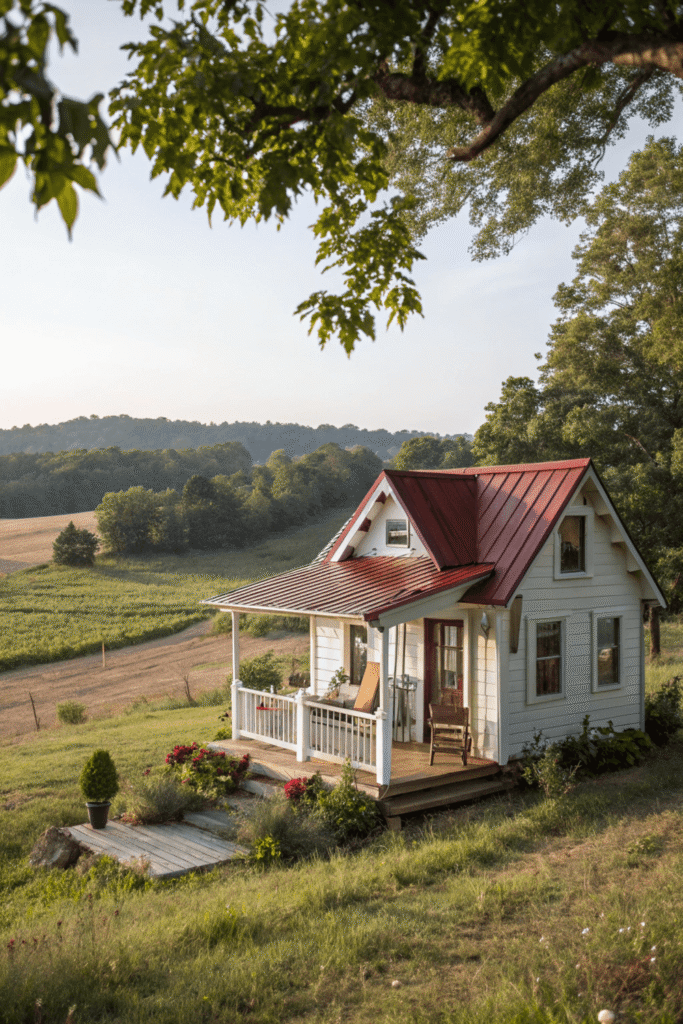
- Tiny House** Communities and Villages**: These offer a supportive environment and shared amenities.
- Cities with Tiny House-Friendly Laws: Some urban areas have adapted their regulations to accommodate tiny homes.
- Mild Climates and Picturesque Landscapes: Areas with pleasant weather and beautiful scenery enhance the tiny house living experience.
Best States for Tiny House Living
Some of the best states for tiny house living include:
- California: Known for its tiny house-friendly laws and regulations, California is a popular destination for tiny house enthusiasts.
- Texas: With its lax zoning regulations and affordable land prices, Texas is an attractive option for those looking to build a tiny house.
- Florida: With its warm climate and beautiful landscapes, Florida is a popular destination for tiny house dwellers.
- Colorado: With its stunning natural beauty and outdoor recreational opportunities, Colorado is a great place to build a tiny house.
- North Carolina: With its mild climate and picturesque landscapes, North Carolina is a popular destination for tiny house enthusiasts.
What About Zoning Laws?
Zoning laws can be tricky.
Each state has its own rules, and tiny house legality varies significantly, affecting where you can build.
Here’s what to check:
- Local Planning Department: They know the rules and can provide detailed information on tiny house regulations, including local municipal codes and square footage limitations.
- Building Codes: Make sure your tiny house fits.
- Permanent or Mobile: This affects the rules.
Building Codes and Permits
Before building a tiny house, it’s essential to research and understand the local building codes and permits required. Some things to keep in mind include:
- Zoning Regulations: Check with your local government to see if there are any zoning restrictions on tiny houses in your area.
- Building Codes: Familiarize yourself with the local building codes and regulations, including those related to electrical, plumbing, and HVAC systems.
- Permits: Obtain the necessary permits before starting construction on your tiny house.
- Inspections: Be prepared for inspections by local building officials to ensure your tiny house meets all safety and building codes.
- Safety Purchases: While some materials can be sourced creatively, trailers and appliances are usually best bought new for safety.
It’s also important to note that some states have specific regulations and laws regarding tiny houses, so be sure to research and understand the laws in your state before building or purchasing a tiny house.
Finding Tiny House Communities
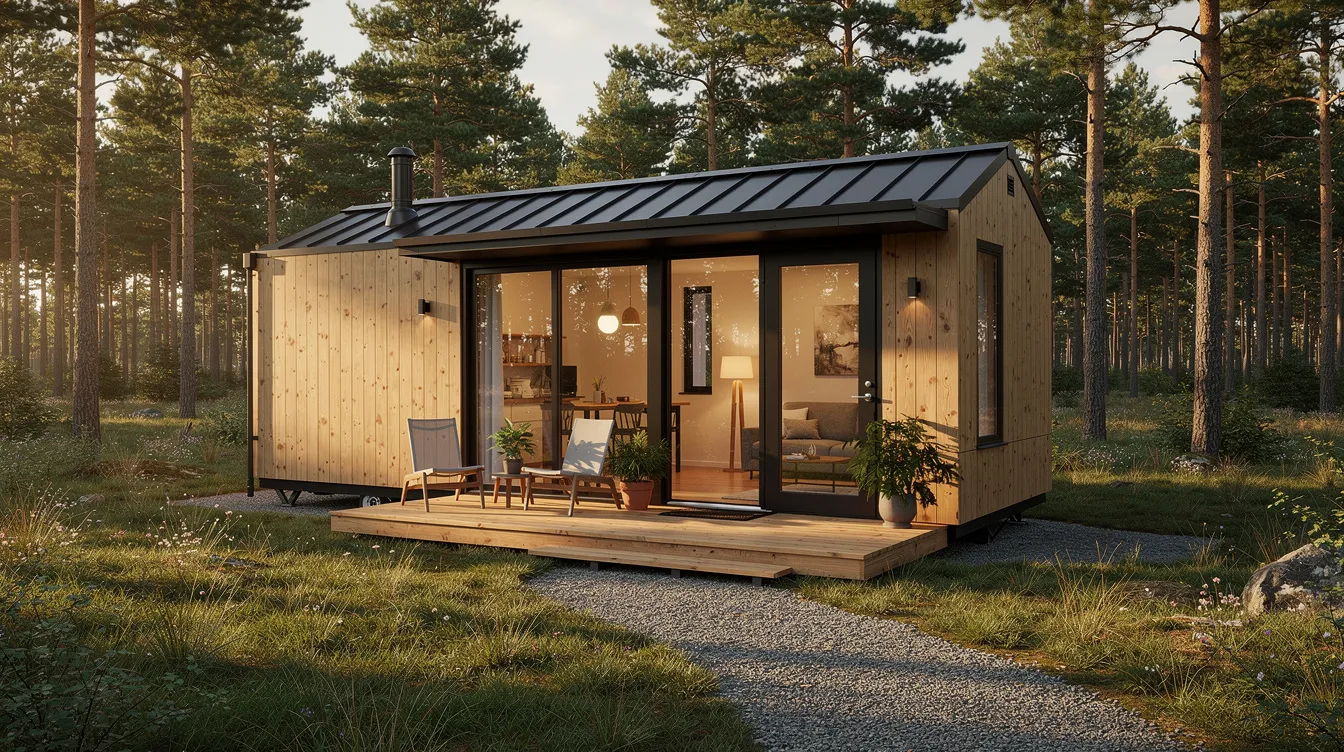
Tiny home communities are popping up and growing in popularity as structured areas where individuals can reside in tiny houses, fostering a sense of community among like-minded residents.
Resources like Tumbleweed can help you find tiny home communities across the U.S. through its website.
They offer more than just a place to park.
They offer:
- Community Feel: Like-minded neighbors.
- Shared Spaces: Gardens and walking trails.
- Support: Help from other tiny house dwellers.
- Communal Benefits: Living in a tiny home village provides shared communal spaces and amenities, such as communal gardens and social areas, attracting those interested in a minimalist lifestyle or specific communal living arrangements.
Building Your Tiny House with Tiny House Builders
Ready to build?
The creating process can vary a lot depending on whether you start from scratch, use salvaged materials, or hire a builder.
Here’s a simple plan:
- Research Local Rules: Check zoning and building codes.
- Design Your Home: Plan the layout and size, and gather great ideas before getting too involved in details.
- Get Permits: You’ll need these to build.
- Build or Hire: Do it yourself or find a pro, keeping in mind that custom builds and other personalized options usually cost more than a basic DIY approach.
Custom tiny homes can range from $30K to over $100K, and a 40ft gooseneck tiny home can cost upwards of $100K, with many top tiny house designs balancing cost, efficiency, and style.
Macy Miller built her tiny house for $11,416.16, using mostly recycled and donated materials.
Ethan and Amy built a tiny house for $489, and a used trailer can significantly reduce building costs.
Financing Your Tiny House
Money matters.
But tiny homes can be affordable.
Consider these tips:
- Lenders for Tiny Homes: Some offer special loans.
- Check Your Credit: This affects your loan.
- Budget Wisely: Plan for materials and labor.
Insuring Your Tiny House
Insurance is smart.
Even for tiny homes.
Here’s why:
- Protect Your Investment: Covers damage and loss.
- Peace of Mind: Feel secure in your tiny home.
Renting Out Your Tiny House
Want extra cash?
Rent your tiny house.
Here’s how:
- List Online: Use rental platforms.
- Know Local Rules: Check if renting is allowed.
- Set a Fair Price: Look at other rentals in your area.
Final Thoughts on Your Tiny House Journey
Tiny houses aren’t just small.
They’re a lifestyle.
They offer freedom and simplicity.
And they can be built in many places.
So, where to build tiny house?
The choice is yours.