
Key Takeaways
- Minimalist cottage style combines the “less is more” philosophy with cozy, rustic charm for a balanced aesthetic that feels both serene and inviting
- Natural materials like wood, linen, and stone create warmth while maintaining clean, uncluttered spaces perfect for modern living
- Neutral color palettes with soft pastels and earthy accents provide a serene foundation that makes any space feel larger and more relaxing
- Functional furniture and strategic storage solutions maximize space without sacrificing comfort, making this style ideal for small space living
- Textural elements and natural light are essential for creating inviting minimalist cottage interiors that avoid feeling cold or sterile
- What Is Minimalist Cottage Style?
- Design Inspiration for Minimalist Cottage Living
- Core Design Principles of Minimalist Cottage
- Minimalist Cottage Color Palette
- Essential Furniture for Minimalist Cottage Homes
- Room-by-Room Minimalist Cottage Design
- Open Concept Living in Minimalist Cottage Homes
- Incorporating Natural Elements
- Textiles and Textures in Minimalist Cottage Style
- Storage Solutions for Minimalist Cottage Living
- Lighting and Ambiance in Minimalist Cottage Spaces
- Overcoming Design Challenges
- Shopping Guide for Minimalist Cottage Decor
- Common Mistakes to Avoid
- FAQ
What Is Minimalist Cottage Style?
Minimalist cottage represents a thoughtful fusion of two seemingly opposing design philosophies that have captivated homeowners seeking balance in their living spaces. This emerging style combines minimalism’s clean lines and “less is more” approach with cottage’s inherently cozy, rustic elements to create homes that feel both serene and inviting. Unlike traditional cottage decor that often embraces collections and abundant ornamentation, minimalist cottage decor focuses on carefully curated pieces that serve both functional and aesthetic purposes.
The philosophy behind this style emerged from a growing desire among homeowners to create spaces that feel warm and welcoming without the visual overwhelm that can come with traditional cottage aesthetics. Drawing inspiration from Scandinavian design influences and modern farmhouse trends, minimalist cottage style has gained significant popularity since the 2020s as people search for homes that promote both mental clarity and emotional comfort.
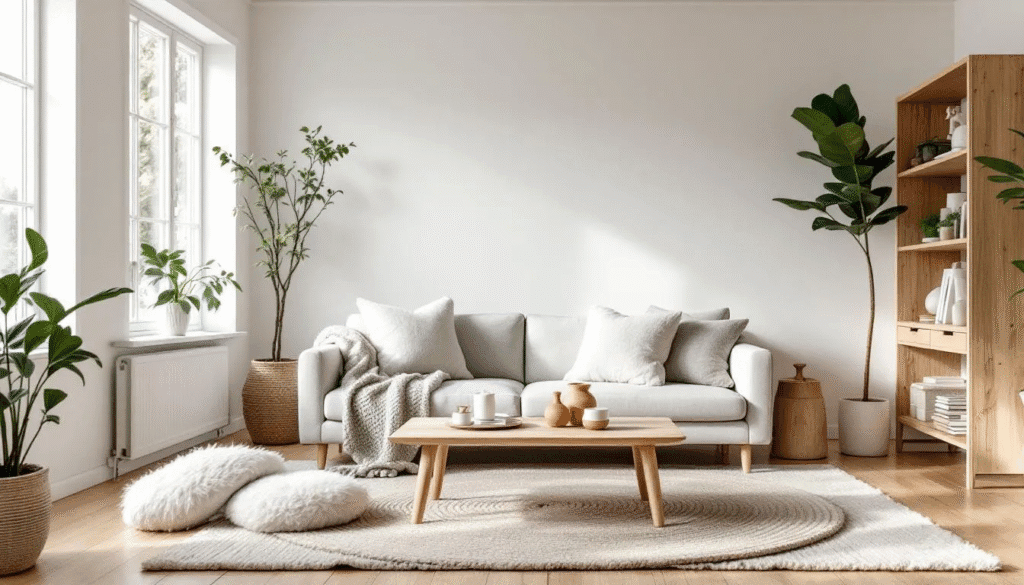
What sets minimalist cottage apart from pure minimalism is its intentional embrace of warmth and personality. While traditional minimalism can sometimes feel cold or institutional, minimalist cottage maintains the clean, uncluttered aesthetic while incorporating natural textures, soft color palettes, and carefully selected cottage-inspired elements. This creates living spaces that absolutely love to showcase both simplicity and comfort, making it an ideal choice for families who want their house to feel like a true home. The involvement of parents in shaping the family’s heritage and the unique vision of each person contribute greatly to the character and design of a minimalist cottage, ensuring every home reflects both family history and individual preferences. Carefully selected vintage and antique pieces enhance the rustic charm of the home, adding a sense of history and authenticity to the space.
The style also differs significantly from maximalist cottage approaches that layer patterns, colors, and collections throughout each room. Instead, minimalist cottage practitioners focus on quality over quantity, selecting fewer pieces that genuinely enhance their daily lives while creating a sense of calm and order throughout their home’s style.
Design Inspiration for Minimalist Cottage Living
Getting some proper inspiration for your minimalist cottage decor is a dead simple way to blend simplicity with warmth and a bit of personality. Scandinavian design is a cracking starting point, as its all about uncluttered spaces, functional interior bits, and chucking in natural materials like wood tones and stone. To knock up a cozy and inviting atmosphere, have a look for ways to pop in these elements—think exposed wood beams, stone accents, or a collection of soft, colourful throw pillows that add a proper pop of personality to your favourite room.
If you’re stuck with a small space, minimalist cottage ideas can help you make the most of every inch. Hunt out some clever storage space solutions, like built-in shelves or under-seat storage, to keep your rooms feeling open and uncluttered. White walls are a top choice, bouncing light around and making even the tiniest cottage feel airy and serene. For inspiration, Pinterest is a proper treasure trove—get some boards going to collect your favourite styles, from modern minimalist to classic cottage, and jot down the bits that really click with your desired look.
When you’re hunting for new ideas, pay attention to the little details that really define the style you absolutely love—whether that’s a small cozy boho bedroom, the simplicity of a single wooden table, the inviting texture of a chunky knit pillow, or the serene beauty of a stone accent wall. Let these bits guide your design choices. Remember, the goal is to knock up a space that feels both relaxing and personal, with each piece thoughtfully chosen to reflect your home’s style and your own sense of comfort.
Core Design Principles of Minimalist Cottage
The foundation of successful minimalist cottage design rests on several key principles that guide every decorating decision. Functionality over ornamentation serves as the primary principle, ensuring that every item in your space serves a genuine purpose beyond mere decoration. This doesn’t mean eliminating beauty entirely, but rather choosing pieces that combine both form and function to create spaces that work efficiently for daily life. Sustainable construction practices aim for high-performance energy use, aligning with the eco-conscious values often associated with minimalist cottage design.
Quality over quantity becomes especially important when creating minimalist cottage interiors. Rather than filling rooms with numerous smaller items, this approach emphasizes investing in fewer, higher-quality pieces that will stand the test of time. Thoughtful construction and craftsmanship are essential for creating durable, functional spaces in minimalist cottage homes. A single, well-crafted wooden table that serves multiple purposes proves more valuable than several cheaply made furniture pieces that clutter the space and require frequent replacement.
Natural light and open spaces form another cornerstone of this design philosophy. Maximizing light through strategic window treatments, light-colored walls, and open floor plans creates the airy, relaxed atmosphere essential to minimalist cottage style. This principle transforms even small spaces into areas that feel larger and more peaceful, contributing to the overall sense of tranquility that defines this aesthetic.
The delicate balance between warmth and simplicity requires careful attention to avoid creating spaces that feel either too sterile or too cluttered. This balance comes through thoughtful material choices, strategic use of texture, and maintaining enough visual interest to feel cozy without overwhelming the senses. The goal is creating spaces where inhabitants can truly rest and recharge.
Sustainable and natural materials take precedence in minimalist cottage design, both for environmental reasons and because they naturally contribute to the warm, organic feeling that makes this style so appealing. Wood, stone, natural fibers, and plants not only look beautiful but also connect inhabitants to nature in meaningful ways that support overall wellbeing. Incorporate an abundance of natural materials such as wood, stone, linen, cotton, wool, and jute to enhance warmth and texture in the space, ensuring a cohesive and inviting atmosphere.
Minimalist Cottage Color Palette
The color foundation of minimalist cottage style relies heavily on neutral bases that create calm, cohesive spaces throughout the home. Whites, creams, soft grays, and beiges form the backbone of this palette, providing a serene foundation that makes rooms feel larger and more open. These neutral walls allow natural light to bounce throughout the space while providing the perfect backdrop for carefully selected accent pieces.
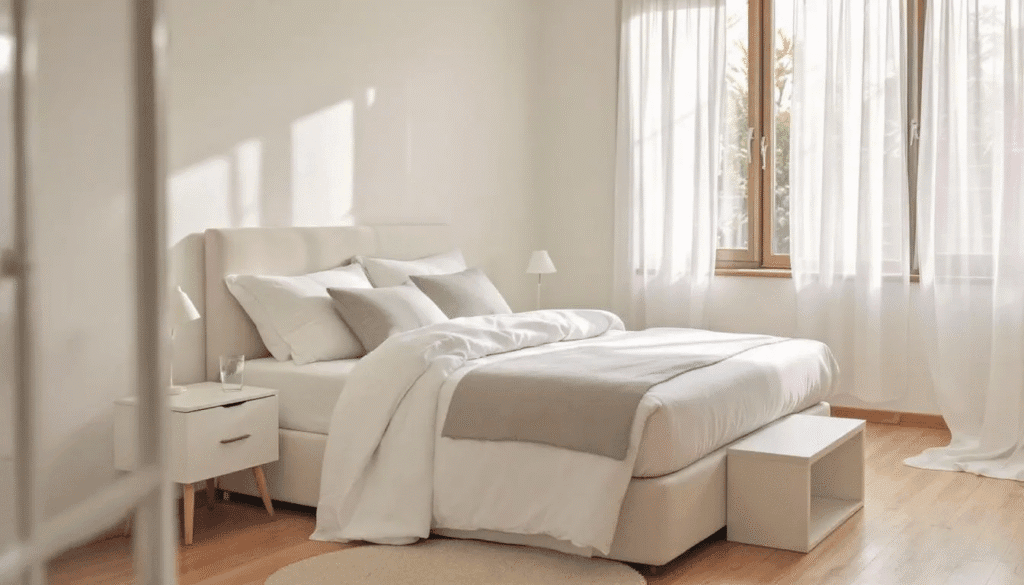
Soft pastels serve as ideal accent colors within the minimalist cottage framework. Sage green brings a connection to nature while maintaining the calming atmosphere, dusty pink adds subtle warmth without overwhelming the space, and muted blue creates a sense of tranquility reminiscent of clear skies. These colors work best when used sparingly – perhaps on one wall, in throw pillows, or through carefully chosen artwork. Colorful accessories or artwork can also bring vibrancy and liveliness to the neutral foundation, striking a balance between serenity and energy.
Earthy tones provide essential grounding elements that prevent minimalist cottage spaces from feeling too ethereal or disconnected from nature. These colors help ground the space and provide stability. Warm browns through natural wood tones, soft taupes, and gentle beiges create depth and richness while maintaining the overall sense of simplicity. These colors often appear naturally through furniture choices, flooring, and architectural elements.
For specific paint color recommendations, consider Sherwin-Williams’ “Pure White” or “Creamy” for walls, Benjamin Moore’s “Cloud White” for trim work, and Farrow & Ball’s “Pointing” for a slightly warmer white option. These colors provide the perfect neutral backdrop while maintaining enough warmth to avoid feeling stark or cold.
Maintaining cohesion throughout the home becomes easier when you establish a consistent color story that flows from room to room. Choose one primary neutral for most walls, select two to three accent colors that appear in different rooms, and ensure that wood tones remain consistent throughout the space. This creates a harmonious flow that makes the entire house feel connected and peaceful.
Essential Furniture for Minimalist Cottage Homes
Multi-functional pieces form the backbone of successful minimalist cottage furniture selection. Storage ottomans provide comfortable seating while hiding blankets, books, or children’s toys—ideal for family visits and keeping stuff organized. Convertible furniture like expandable dining tables or day beds that double as seating maximize functionality without requiring additional storage space. These pieces embody the core principle of choosing items that serve multiple purposes while maintaining the clean aesthetic.
Natural wood furniture in light to medium tones brings essential warmth to minimalist cottage spaces. Oak, maple, and pine provide beautiful wood tones that complement the neutral color palette while adding organic texture. Avoid dark, heavy woods that can make spaces feel smaller or overly formal. Instead, opt for pieces with clean lines and simple silhouettes that maintain the uncluttered feel.
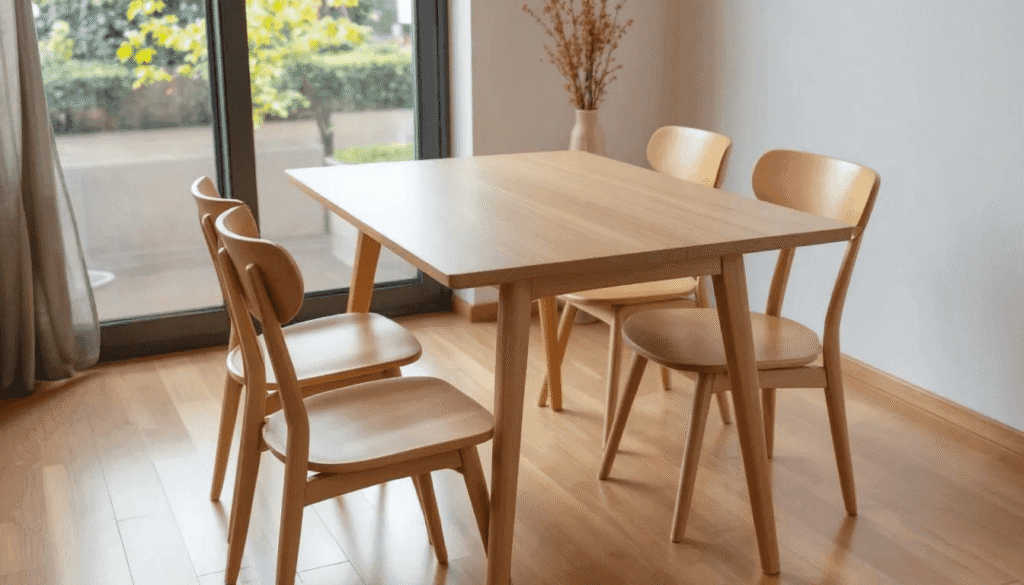
Comfortable seating options that maintain clean lines prove essential for creating inviting spaces that don’t sacrifice style for comfort. Linen-upholstered sofas in neutral tones provide softness while maintaining the minimalist aesthetic. Wicker chairs add cottage charm while keeping visual weight light. Choose pieces with simple, geometric shapes rather than ornate detailing that could overwhelm the space.
Storage solutions that double as decor help maintain the clutter-free environment essential to this style. Vintage trunks serve as coffee tables while providing hidden storage for seasonal items. Wicker baskets offer attractive organization for everything from throw pillows to children’s toys. Open shelving displays carefully curated collections while providing functional storage space. Reducing unnecessary stuff helps maintain a calm, inviting space that is both family-friendly and welcoming for children to visit and build memories.
Vintage and antique piece integration adds personality and history to minimalist cottage spaces without creating visual chaos. A single antique piece – perhaps a weathered farmhouse table or vintage cabinet – can anchor a room and provide character. The key lies in selecting pieces that genuinely resonate with your family’s story rather than accumulating items simply because they fit the aesthetic.
Room-by-Room Minimalist Cottage Design
Minimalist Cottage Living Room
The living room serves as the heart of minimalist cottage design, where natural light takes center stage in creating the warm, welcoming atmosphere that defines this style. Large windows should remain as unobstructed as possible, with simple white or cream curtains that blend seamlessly with the walls. If privacy is needed, consider sheer fabrics that filter light while maintaining the airy feeling essential to the space.
Neutral furniture provides the foundation for a successful minimalist cottage living room, with textural throw pillows and soft blankets adding layers of comfort without creating visual clutter. A simple linen sofa in cream or soft gray becomes more inviting with the addition of different textures – perhaps a chunky knit throw, linen pillows, and a single accent pillow in a muted color that ties to other elements in the room. A well-chosen rug can ground the furniture arrangement, providing stability and a sense of comfort to the space.
Minimal decor arrangement around focal points prevents the space from feeling too stark while maintaining the clean aesthetic. Choose one or two meaningful pieces – perhaps a large piece of art featuring natural landscapes or a beautiful piece of pottery – and allow them to shine without competition from multiple smaller items. Greenery or decorative items can be laid out on a simple table runner for a natural touch. This approach creates visual interest while supporting the simplified lifestyle that minimalist cottage promotes.
Open floor plan styling benefits from careful furniture placement that encourages conversation while maintaining clear pathways through the space. Float furniture away from walls when possible to create intimate seating areas, and ensure that each piece of furniture serves a specific purpose in your family’s daily routine.
Minimalist Cottage Kitchen
Open shelving provides an opportunity to display carefully curated items that combine beauty with function in the minimalist cottage kitchen. Choose a few beautiful dishes, simple glassware, and perhaps one or two pieces of pottery to create visual interest without overwhelming the space. Avoid filling every inch of shelf space – negative space is just as important as the items you choose to display.
White or light wood cabinetry with minimal hardware creates the clean, uncluttered look essential to this style. Simple cabinet doors without raised panels or decorative elements maintain the minimalist aesthetic while warm wood tones add the cottage charm. Painting cabinets in soft hues can further enhance the minimalist cottage aesthetic, providing a subtle and flexible backdrop for your decor. Consider removing upper cabinet doors entirely to create open shelving, or choose glass-front cabinets to display beautiful dishes while keeping them dust-free.
Natural materials for countertops bring organic beauty to the kitchen while maintaining the connection to nature that defines cottage style. Butcher block provides warmth and functionality, while natural stone offers durability with unique character. Avoid busy patterns or colors that could overwhelm the simple aesthetic.
Organization becomes crucial for maintaining clutter-free surfaces that support both the minimalist philosophy and practical cooking needs. Designate specific homes for frequently used items, invest in attractive containers for pantry staples, and establish daily routines for keeping counters clear of unnecessary items.
Minimalist Cottage Bedroom
Layered neutral bedding with varying textures creates the cozy, inviting atmosphere that makes minimalist cottage bedrooms feel like peaceful retreats. Start with crisp white sheets, add a soft linen duvet in cream or pale gray, and layer different textures through throw pillows and blankets. Mix smooth and textured fabrics to create visual interest without relying on bold colors or patterns.
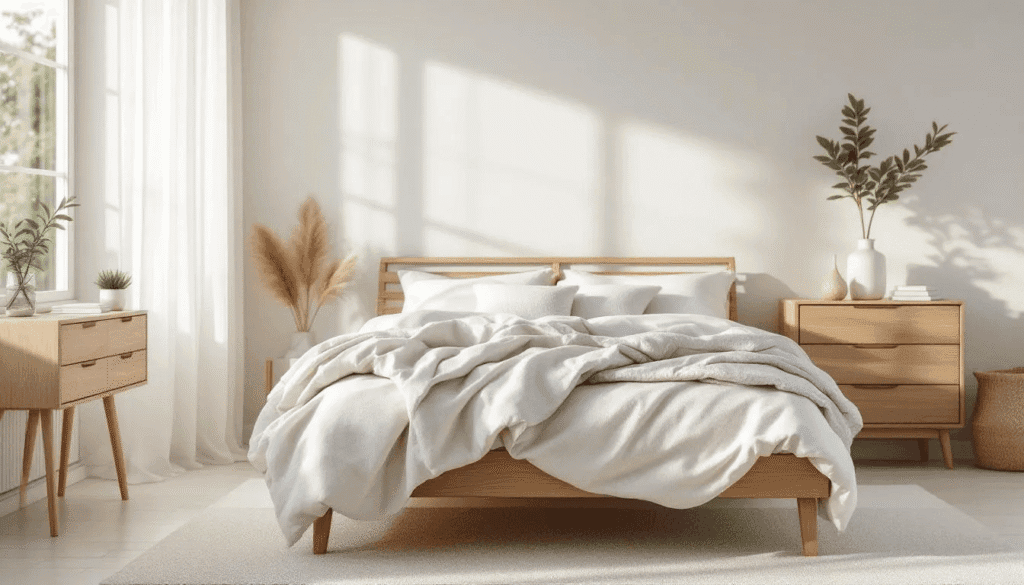
Minimal bedside styling with functional pieces maintains the clean aesthetic while ensuring everything you need remains within reach. Choose bedside tables with built-in storage, limit surface items to essentials like a lamp and perhaps one meaningful object, and avoid accumulating items that don’t actively support your rest and relaxation.
Built-in or hidden storage solutions help maintain the uncluttered appearance while providing necessary organization for clothing and personal items. Under-bed storage drawers, closet systems that maximize space efficiency, and furniture pieces that combine seating with storage all support the minimalist cottage lifestyle without sacrificing functionality.
Creating a cozy atmosphere without clutter requires attention to lighting, texture, and personal touches that genuinely enhance your daily routine. Soft, warm lighting from table lamps or wall sconces creates ambiance, while carefully chosen artwork or a single beautiful plant adds personality without overwhelming the serene atmosphere. We hope to maintain a balance between practicality and style as the needs of the space evolve.
Minimalist Cottage Bathroom
Natural materials and a spa-like atmosphere transform the bathroom into a peaceful retreat that supports the minimalist cottage aesthetic. Tasteful decor choices, such as carefully selected accessories and harmonious color palettes, further enhance the serene environment. Natural stone tiles, wood vanities, and organic cotton towels create warmth while maintaining the clean, simplified approach. Choose materials that age beautifully and require minimal maintenance to support the sustainable lifestyle that often accompanies this design philosophy.
Minimal toiletries display and hidden storage solutions keep surfaces clear while ensuring everything you need remains easily accessible. Invest in attractive containers for frequently used items, utilize medicine cabinet space efficiently, and establish routines for keeping counters free of unnecessary products.
Plants and natural light bring freshness and vitality to bathroom spaces while connecting to the nature-inspired elements central to cottage style. Choose low-maintenance plants that thrive in bathroom humidity, and maximize natural light through sheer window treatments or strategically placed mirrors.
Maintaining clean, uncluttered surfaces requires intentional organization systems and regular decluttering routines. Choose quality over quantity when selecting bathroom products, establish designated homes for all items, and regularly evaluate whether each product genuinely serves your needs or simply occupies valuable space.
Open Concept Living in Minimalist Cottage Homes
Open concept living is a cracking feature of modern minimalist cottage homes, giving you a dead simple flow between the dining room, living space, and kitchen. This setup not only makes your home feel loads bigger and brighter, but also brings a proper sense of togetherness for family and mates. By knocking together multiple rooms into one open area, you create a flexible space thats perfect for entertaining, having a relax, or just getting on with daily life.
To make the most of an open concept room, go for minimalist furniture that does more than one job. A dining table with built-in storage or a storage ottoman can help keep the space nice and tidy while giving you all the functionality you need. Pop in some throw pillows and cozy blankets to add a bit of texture and warmth, making the space feel dead welcoming without messing up the clean lines of your decor.
Keep your colour palette simple and let the natural beauty of the space do its thing. Use neutral tones for the bigger pieces and walls, then chuck in some subtle pops of colour and texture through accessories. The trick is to create a proper sense of harmony—each area should feel different but connected, with decor choices that flow naturally from one zone to the next. By focusing on simplicity and thoughtful design, your open concept cottage will feel both beautiful and effortlessly livable.
Incorporating Natural Elements
Houseplant selection for low-maintenance greenery brings life and freshness to minimalist cottage spaces without requiring extensive care routines. Snake plants, pothos, and rubber trees provide beautiful greenery while tolerating varying light conditions and irregular watering schedules. Choose plants that complement your lifestyle rather than creating additional stress or maintenance requirements.
Natural wood accents and furniture pieces provide essential warmth and organic beauty throughout minimalist cottage homes. Exposed beams, wooden picture frames, cutting boards displayed as art, and furniture with visible wood grain all contribute to the connection with nature that defines this style. Mix different wood tones thoughtfully to create depth without overwhelming the space.
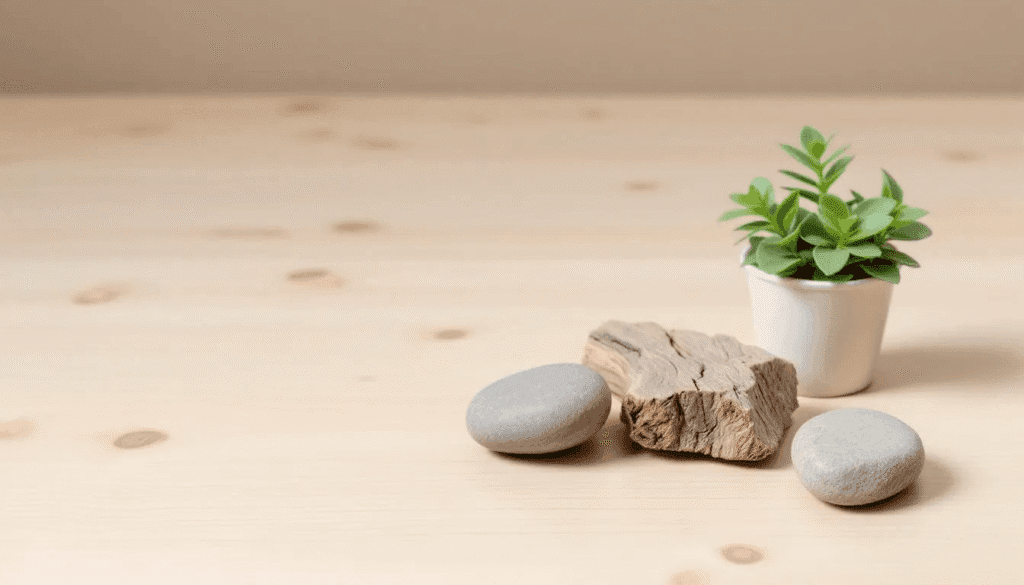
Stone and ceramic decorative elements add texture and visual interest while maintaining the natural aesthetic. A single beautiful ceramic vase, stone bookends, or a pottery piece with interesting texture can serve as focal points without creating clutter. Choose pieces that genuinely speak to you rather than accumulating items simply to fill space.
Bringing outdoor views inside through window treatments maximizes the connection to nature while supporting the light, airy feeling essential to minimalist cottage design. Avoid heavy curtains or blinds that block natural light, instead choosing sheer fabrics or simple Roman shades that provide privacy while maintaining the view of trees, gardens, or sky.
Fresh flower arrangements in simple vessels add natural beauty and seasonal variety to minimalist cottage spaces. Choose single-variety arrangements in simple glass or ceramic vases rather than complex bouquets that could overwhelm the simplified aesthetic. Even a single branch or stem can provide beautiful natural decoration.
Textiles and Textures in Minimalist Cottage Style
Linen, cotton, and wool serve as the primary textiles in minimalist cottage design, providing natural beauty and comfortable functionality. These materials age beautifully, feel good against the skin, and support the sustainable lifestyle often associated with simplified living. Choose quality pieces in neutral colors that will coordinate with changing decor over time.
Layering techniques for throws and pillows create the cozy atmosphere essential to cottage style while maintaining the clean aesthetic of minimalism. Start with a foundation of neutral pieces, then add texture through different weaves, knits, and materials. A smooth linen sofa becomes more inviting with the addition of a chunky knit throw and textured pillows in complementary neutral tones.
Wicker and rattan provide natural texture that connects to cottage traditions while maintaining the light, airy feeling important to minimalist design. These materials work beautifully for baskets, furniture accents, and decorative pieces that add visual interest without overwhelming the space. Choose pieces with simple, clean lines rather than ornate weaving patterns. A painted piece of furniture or a painted accent can also add a subtle touch of character to the space, bringing in handcrafted charm without disrupting the minimalist look.
Mixing textures without creating visual chaos requires restraint and intentionality. Choose three to four different textures per room – perhaps smooth linen, chunky knit, natural wood, and wicker – and repeat these textures throughout the space for cohesion. Avoid introducing too many different materials that could fragment the peaceful atmosphere.
Seasonal textile rotation keeps minimalist cottage spaces feeling fresh while supporting the simplified lifestyle. Store off-season items to reduce visual clutter, and choose versatile pieces that work across multiple seasons. A beautiful wool throw provides warmth in winter and can be stored away during warmer months when lighter cotton pieces take its place.
Storage Solutions for Minimalist Cottage Living
Hidden storage options like under-bed drawers maximize functionality while maintaining the clean appearance essential to minimalist cottage design. Choose beds with built-in storage, utilize the space under staircases, and consider furniture pieces that combine seating or surface area with internal storage. These solutions allow you to maintain the simplified aesthetic while accommodating the practical needs of daily life.
Decorative storage pieces such as vintage suitcases and wooden crates provide functional organization while adding character to minimalist cottage spaces. These pieces serve dual purposes – storing seasonal items or linens while contributing to the cottage aesthetic. Choose pieces that genuinely fit your style rather than accumulating decorative storage simply because it’s available.
Built-in solutions for small spaces make the most of every square foot while maintaining the clean lines essential to this style. Custom shelving, window seats with storage, and built-in banquettes maximize functionality without requiring additional floor space. These solutions often prove more cost-effective long-term than purchasing multiple furniture pieces.
Regular decluttering and organization routines support the minimalist cottage lifestyle by preventing the accumulation of items that don’t actively serve your needs. Establish monthly reviews of different areas, donate items that no longer bring joy or serve a purpose, and resist the temptation to fill empty spaces simply because they exist.
Multi-purpose furniture provides space efficiency while maintaining the functional beauty essential to minimalist cottage design. Ottoman storage, expandable tables, and modular seating all support changing needs while minimizing the number of pieces required to furnish your home.
Lighting and Ambiance in Minimalist Cottage Spaces
Lighting is dead essential for getting that cozy, welcoming feel that makes minimalist cottage spaces so cracking. Start by making the most of natural light—keep your window treatments nice and airy so the sunlight can flood right in, showing off the warmth of those wood tones and all the lovely textures youve got going on. For evenings or when its a bit cloudy, pop in some soft lighting with table lamps or floor lamps that have got warm, neutral shades. This approach adds both warmth and texture, making the whole space feel dead relaxing and inviting.
You might want to think about chucking in some string lights or fairy lights for a bit of whimsy, especially in living rooms or bedrooms where you want to create that sense of comfort and wonder. The way light plays with natural elements—like wood, stone, and plants—brings loads of depth and visual interest to your rooms. Soft, neutral colours on the walls and floors help bounce light around and keep the space feeling nice and open, while throw pillows and blankets in gentle hues add those cozy, colourful touches that make all the difference.
Remember, the whole point is to create a sense of calm and relaxation. Keep your lighting and decor simple and uncluttered, letting each bit contribute to the overall warmth and beauty of your cottage. By thoughtfully mixing together soft lighting, natural textures, and inviting colours, youll knock up a minimalist space that feels both serene and absolutely full of life.
Overcoming Design Challenges
Designing a minimalist cottage home comes with its own set of challenges, especially when you’re working with a small space or trying to balance the desire for lovely decor with the need for keeping things simple. To make the most of your limited square footage, you’ll want to go for multi-functional furniture—think a storage ottoman that doubles as extra seating, or a desk with built-in shelves. These pieces help you create a cracking sense of flow and functionality without cluttering up the room.
It’s dead easy to be tempted by beautiful decor, but too many bits and bobs can quickly overwhelm your space and take away from that minimalist look you’re after. The key is to curate your collection carefully, showcasing only your favourite pieces that truly reflect your style and bring you proper joy. Edit regularly, and don’t be afraid to let go of items that no longer serve your home’s style or your family’s needs.
If you ever feel stuck, seek inspiration from design blogs, magazines, or even mates and family who’ve created spaces you really admire. Sometimes a fresh perspective or a bit of advice can spark new ideas and help you get past those tricky obstacles. With patience, creativity, and a commitment to keeping your space uncluttered and inviting, you can transform any cottage—or even discover how tiny homes redefine small space living—into a beautiful, minimalist retreat that you’ll absolutely love to call home.
Shopping Guide for Minimalist Cottage Decor
Affordable retailers make minimalist cottage style accessible to a wide range of budgets and decorating needs. Target’s Hearth & Hand with Magnolia line offers beautiful pieces that capture the cottage aesthetic while maintaining clean, simple lines. IKEA provides excellent basic furniture that can be customized to fit the minimalist cottage style, while HomeGoods offers unique accent pieces at reasonable prices.
Vintage and thrift shopping provides opportunities to find unique pieces with character and history that enhance the cottage aesthetic. There’s a special charm in discovering items that have been previously owned and loved, adding authenticity and a sense of story to your space. Look for simple wooden furniture, vintage linens, and ceramic pieces that add personality without overwhelming the space. These shopping trips also support sustainable consumption practices that align with the minimalist cottage philosophy.
H&M Home offers affordable textiles and decorative pieces that complement the minimalist cottage aesthetic. Their linen bedding, simple ceramics, and natural material accessories provide quality options without requiring significant investment. These pieces work well for testing new ideas before committing to more expensive versions.
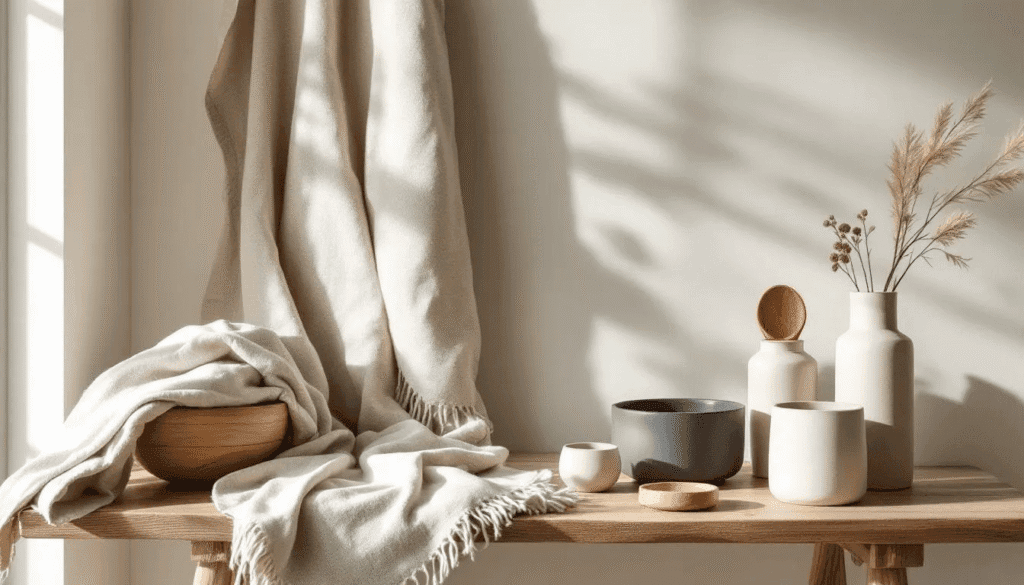
Online shopping provides access to specialty retailers and handmade pieces that perfectly capture the minimalist cottage aesthetic. Research companies that specialize in natural materials, sustainable production, and simple design. Read reviews carefully and understand return policies, especially when purchasing larger pieces sight unseen.
Investment pieces versus budget-friendly accents require strategic thinking to create beautiful spaces without overspending. Invest in quality furniture pieces that will last for years – sofas, dining tables, and storage pieces – while experimenting with less expensive accessories like throw pillows, artwork, and plants that can be changed as your tastes evolve.
Common Mistakes to Avoid
Making spaces too sterile or cold represents one of the most common challenges when implementing minimalist cottage style. The minimalist aspect can overwhelm the cottage warmth if not balanced carefully. Combat this by ensuring adequate texture, warm lighting, and carefully selected personal touches that make the space feel lived-in and loved.
Over-accessorizing with too many cottage elements can quickly overwhelm the minimalist foundation and create visual chaos. Choose one or two cottage-inspired pieces per room rather than incorporating every possible rustic element. Remember that the power of this style lies in restraint and careful curation rather than abundance.
Color palette confusion often occurs when introducing too many accent colors that compete for attention. Stick to your established neutral foundation with one or two carefully chosen accent colors that appear throughout the home. Avoid the temptation to add “just one more” color that could fragment the peaceful atmosphere.
Maintaining warmth while staying minimal requires ongoing attention to the balance between simplicity and comfort. Regularly evaluate your spaces to ensure they feel inviting and personal while maintaining the clean, uncluttered aesthetic. Add warmth through texture, lighting, and natural elements rather than additional decorative objects.
The balance between personal touches and simplicity becomes crucial for creating spaces that feel authentic rather than staged. Include meaningful items that genuinely reflect your family’s personality and history, but resist the urge to display everything you own. Choose pieces that spark joy and contribute to the peaceful atmosphere you’re creating.
FAQ
How do I make a minimalist cottage feel cozy rather than cold?
Focus on layering textures through natural materials like wool throws, linen pillows, and wooden accents. Warm lighting from table lamps and candles creates ambiance, while houseplants and fresh flowers add life to the space. The key is incorporating enough textural variety and warm elements to prevent the minimalist aesthetic from feeling stark or unwelcoming.
What’s the difference between minimalist cottage and modern farmhouse style?
While both styles embrace natural materials and neutral colors, modern farmhouse tends to incorporate more decorative elements, bold accent colors, and statement pieces like large signs or industrial lighting. Minimalist cottage maintains stricter adherence to the “less is more” philosophy, focusing on essential pieces and subtle textures rather than eye-catching decorative elements.
How much does it cost to achieve a minimalist cottage look?
The beauty of minimalist cottage style lies in its emphasis on quality over quantity, which can actually reduce costs compared to styles requiring numerous decorative pieces. You can start with basic neutral paint colors ($50-200), add natural textiles gradually ($100-500), and invest in key furniture pieces over time ($500-2000). Thrift shopping and DIY projects can significantly reduce costs while adding authentic character.
Can minimalist cottage style work in small apartments or urban spaces?
Absolutely! The emphasis on light colors, natural light maximization, and clutter-free surfaces actually makes small spaces feel larger and more open. Focus on multi-functional furniture, utilize vertical storage solutions, and bring in nature through houseplants and natural materials. The simplified aesthetic prevents small spaces from feeling cramped or overwhelming.
How do I maintain a minimalist cottage aesthetic with kids and pets?
Choose durable, washable fabrics in slightly darker neutral tones that hide wear better than pure white. Invest in attractive storage solutions for toys and pet supplies, establish daily routines for tidying common areas, and select furniture pieces that can withstand family life while maintaining the aesthetic. Focus on creating designated spaces for children’s belongings rather than trying to eliminate them entirely.
This article was originally published on [date] and has been updated for accuracy and comprehensiveness.