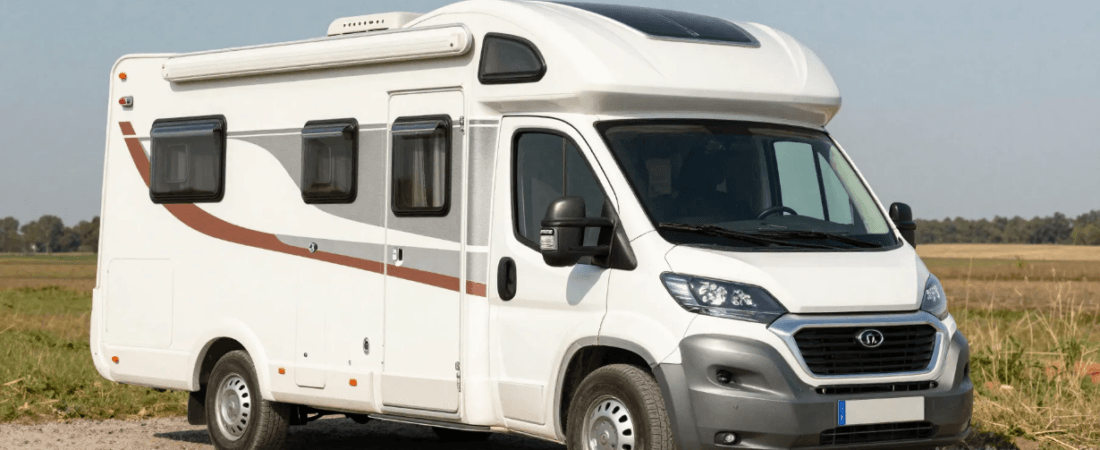
Motorhome camping combines the freedom of a road trip with the comfort of having your bed, kitchen, and bathroom travel with you wherever you go. This guide is for first-time and experienced travelers interested in exploring the USA and Canada by motorhome. Motorhome camping offers unmatched flexibility, comfort, and access to unique destinations, making it an ideal way to see North America’s most beautiful places on your own terms.
Whether you’re planning a summer loop from Yellowstone to Zion or a winter escape down the Florida Keys in a Class C motorhome, this style of travel lets you explore the country at your own pace while skipping the hassle of hotel bookings and restaurant meals.
In this guide, you’ll learn everything you need to plan your first motorhome adventure across the USA and Canada in 2024–2025:
- Why motorhome camping beats hotels and tent camping for flexibility and comfort
- How to choose the right rig for your trip style and destination
- Where to stay: rv parks, national and state parks, and public lands
- Free and low-cost boondocking options on BLM land and in national forests (Boondocking means camping without hookups, often on public lands like those managed by the Bureau of Land Management (BLM), which are typically free and offer a peaceful, natural experience.)
- Unique experience stays through harvest hosts farms, wineries, and more, as well as eco yurt designs for sustainable and comfortable living, plus alternative nature stays like yurt hut adventures
- Safe overnight parking at retail stores, truck stops, and urban locations
- How to plan, book, and save money on your motorhome trip
- Traveling with pets and other animals
- Safety, etiquette, and seasonal considerations
- Sample itineraries and a first-trip checklist to get you started
- Why Choose Motorhome Camping?
- Types of Motorhomes and Choosing the Right Rig
- Where to Stay: Campgrounds, RV Parks, and Public Lands
- Overnight Parking on the Road: Safe, Legal, and Practical Options
- Planning and Booking Your Motorhome Trip
- Sample Motorhome Camping Itineraries
- Motorhome Camping with Pets
- Motorhome Camping Safety, Etiquette, and Best Practices
- Getting Started: Your First Motorhome Trip Checklist
- Quick Summary: Balancing Preparation and Relaxation
Why Choose Motorhome Camping?
The appeal of motorhome camping comes down to one word: freedom. Unlike flying to a destination and renting hotel rooms, you control your schedule, your route, and your living space. Your camp moves with you, which means no nightly packing and unpacking, no searching for restaurants in unfamiliar towns, and no worrying whether strangers have cleaned your room properly.
Comfort and Flexibility
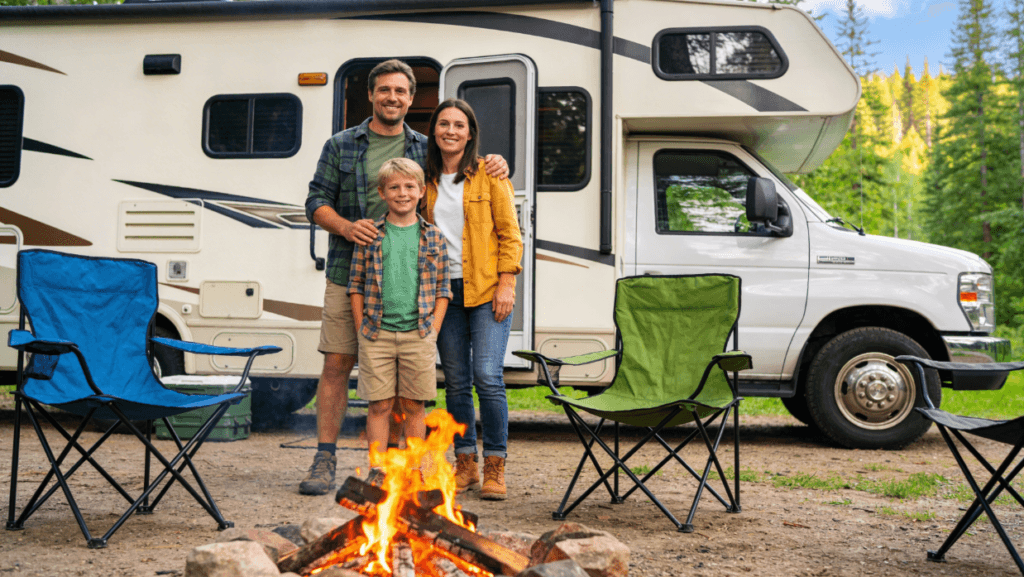
- Your bed and kitchen travel with you. Wake up in Rocky Mountain National Park, make breakfast with a view, and spend the night at a vineyard in Colorado wine country—all without switching accommodations.
- Ideal for families, couples, and retirees. Snowbirds drive from Michigan to Florida each January to escape winter. Families spend July exploring Utah’s national parks. Couples discover hidden gems along the Pacific Coast Highway at their own pace.
Cost Savings
- Cost control is built in. Cook onboard instead of eating out three meals a day. Stay at low-cost public campgrounds or free boondocking sites rather than paying $200+ per night for hotels.
Comfort Beats Traditional Tent Camping
- Comfort beats traditional tent camping. Climate control keeps you comfortable in April shoulder season or mixed October weather. A fixed bathroom means no midnight walks to the campground restrooms.
Access to Unique Locations
- Access to remote and unique locations. Pull into spots that hotels simply can’t reach—forest clearings, desert overlooks, and waterfront sites where you fall asleep to the sound of waves.
Real-world examples make this tangible. A retired couple might spend three months driving from Texas to Canada, staying at state parks and boondocking on BLM land for under $30 per night on average. A family of four might rent a Class C for two weeks, hitting Yellowstone, Grand Teton, and Glacier National Park while cooking most meals in their motorhome kitchen.
Once you understand the benefits, the next step is choosing the right motorhome for your adventure.
Types of Motorhomes and Choosing the Right Rig
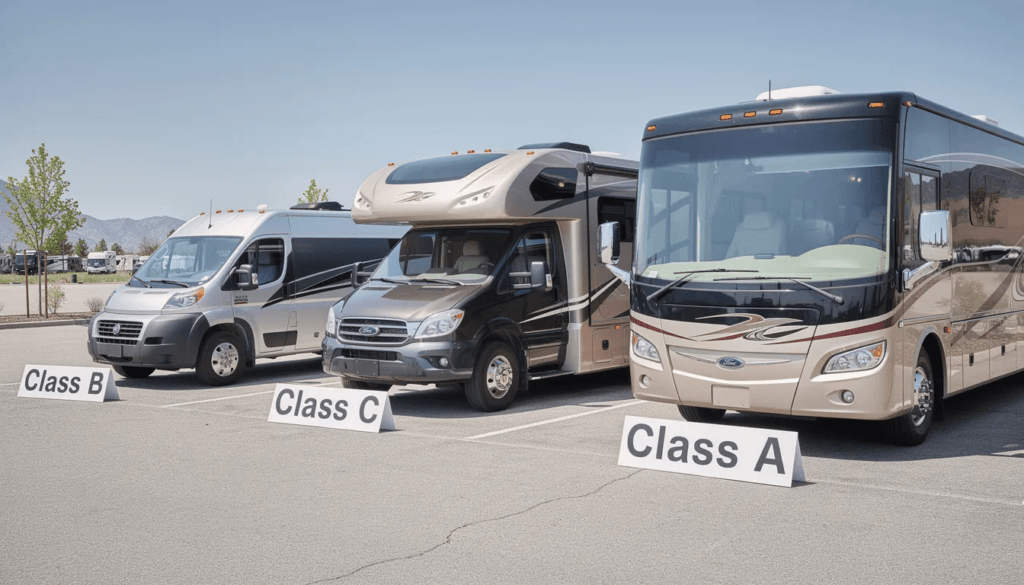
Choosing the right motorhome matters more than most first-timers expect. Your rig size affects which campgrounds you can access, how easy it is to park in cities, and how much you’ll spend on fuel. Here’s a breakdown of the three main classes and what trip styles they support best.
Class A Motorhomes
Class A rigs are the largest option, built on bus or commercial truck chassis and typically ranging from 30 to 45 feet. They offer residential-style features like full-size refrigerators (10–18 cubic feet), king beds, and multiple slide-outs (slide-outs are sections of the RV that extend outward to increase living space when parked) that expand living space significantly.
Best for:
- Long-term stays at RV resorts in places like Mesa, Arizona or Tampa, Florida
- Retirees or full-timers who want maximum comfort
- Trips focused on amenities-rich rv parks rather than tight national park campgrounds
Considerations:
- Fuel economy runs 6–10 MPG, which adds up on long drives
- Some national park sites cap length at 25–30 feet, limiting your options
- Towing a small car (dinghy) helps for day trips and grocery runs
Class C Motorhomes
Class C motorhomes range from 22 to 32 feet, built on truck chassis with a distinctive cab-over sleeping area. They’re the most popular choice for rentals and family trips.
Best for:
- First-time motorhome campers who want balance between space and drivability
- Family road trips to Yellowstone, Yosemite, Acadia, and similar destinations
- Travelers who want to explore both rv parks and smaller public campgrounds
Considerations:
- Easier to drive and park than Class A
- Overhead bunk provides extra sleeping space for kids or guests
- Good towing capacity (5,000–15,000 lbs) if you need to bring toys
Class B Campervans
Class B rigs are compact van conversions, typically 18–22 feet. They sacrifice interior space for superior maneuverability and stealth.
Best for:
- Solo travelers or couples
- Urban overnighting in cities like Seattle, Denver, or Vancouver
- Tight forest roads and remote boondocking where size matters
- Travelers who prioritize fuel efficiency (18–24 MPG)
Considerations:
- Limited storage and living space
- No slide-outs, so interior footprint is fixed
- Often lacks separate bathroom or shower in smaller models
When choosing your rig, consider power needs (solar panels, generator capacity), bed layout for your travel party, and whether you’ll need to book sites with specific length limits. A 25-foot Class C fits almost anywhere, while a 40-foot Class A requires advance research on every campground along your route.
Once you’ve chosen your ideal motorhome, the next step is deciding where to stay during your journey.
Where to Stay: Campgrounds, RV Parks, and Public Lands
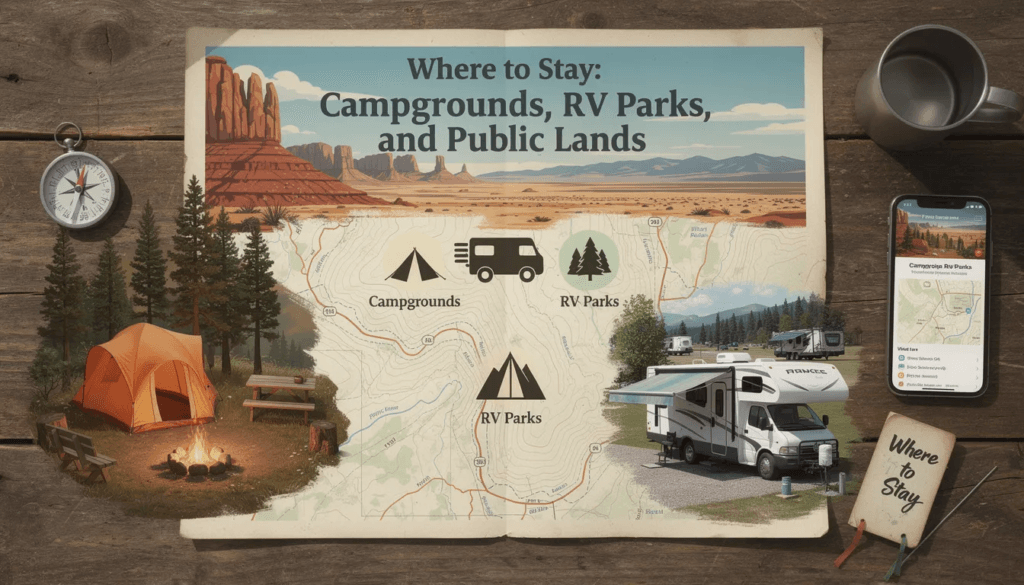
One of the best parts of motorhome camping is the variety of places you can legally park overnight. Options range from full-hookup resorts with swimming pools and WiFi to primitive forest sites where you won’t see another person for days.
Private RV Parks and Resorts
Private rv parks offer the most amenities and are often the best choice for travelers who want electricity, water hookups, and services like laundry and showers. RV resorts usually offer full hookups, including 30/50 amp electric, water, and sewer connections. Many function more like outdoor resorts than traditional campgrounds.
Examples to consider:
- Camp Margaritaville Auburndale Resort in Florida
- Verde Ranch RV Resort in Arizona
- Waterfront parks near Puget Sound in Washington
Typical amenities:
- Electric hookups (30/50-amp)
- Water and sewer connections
- Bathhouses with showers
- Laundry facilities
- WiFi and cable TV
- Swimming pools, playgrounds, and dog parks
Public Campgrounds in National and State Parks
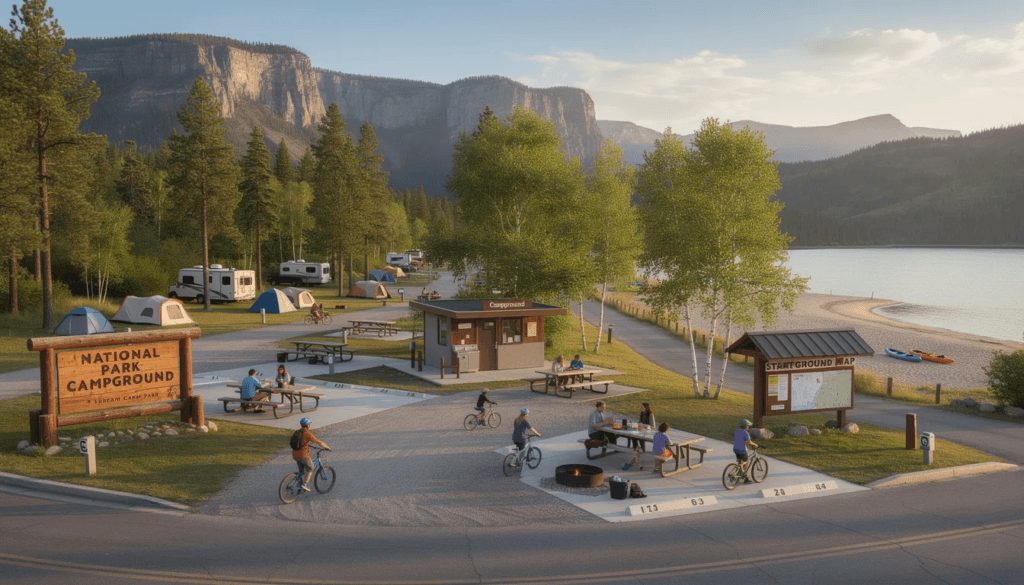
Public campgrounds offer access to some of the most spectacular scenery in North America. Sites are often more rustic than private parks but cost significantly less.
Examples:
- Madison Campground in Yellowstone National Park
- Watchman Campground in Zion National Park
- Fort De Soto Park near St. Petersburg, Florida
Booking tips:
- Summer weekends at popular parks sell out months ahead
- Recreation.gov handles reservations for US federal sites
- ReserveAmerica manages many state parks
- Provincial park systems handle bookings in Canada
- Weekday openings in May or September are often available last-minute
Plan around peak dates like Memorial Day and Labor Day, when campgrounds across the country hit capacity.
Free and Low-Cost Boondocking on Public Land
Boondocking—also called dispersed camping—means camping without hookups on Bureau of Land Management (BLM) land or in national forests. BLM land refers to public lands managed by the Bureau of Land Management, often found in the western US and open for free or low-cost camping. It’s free or costs a small fee, and it puts you in locations that feel completely wild.
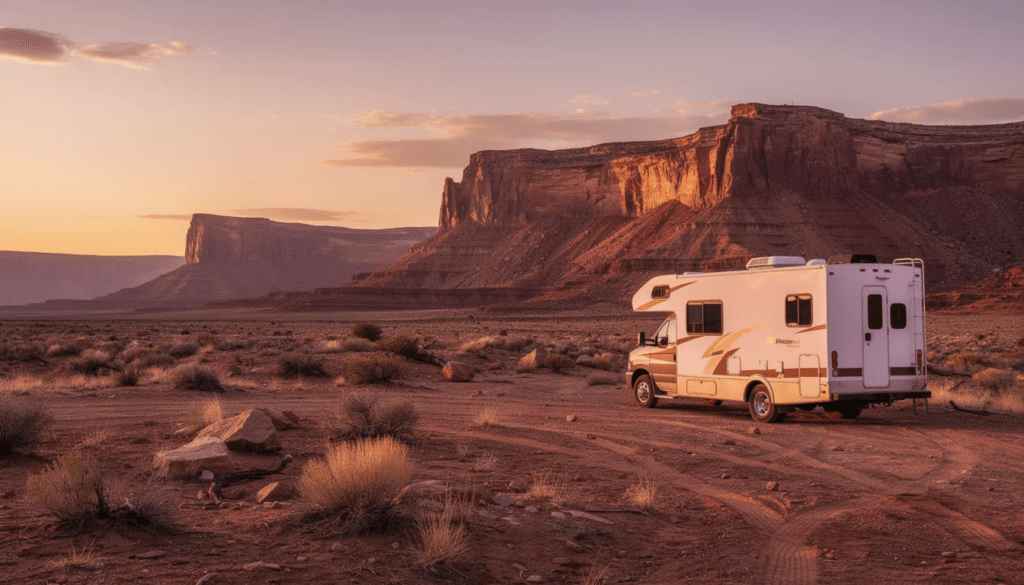
Popular boondocking regions:
- BLM land outside Moab, Utah
- Forest roads near Flagstaff, Arizona
- National forest sites around Mount Hood, Oregon
What to know:
- Most spots have 14-day stay limits
- First-come, first-served with no reservations
- You need self-sufficiency: full water tank, charged batteries, waste tank capacity
- No campground restrooms or showers available
- Follow Leave No Trace principles and respect fire restrictions during wildfire season
- Avoid muddy roads during spring thaw
Boondocking works best for travelers with solar panels, adequate battery banks, and a plan for managing water and waste over multiple days.
Unique Stays: Farms, Wineries, Prefab Yurts, and More
Beyond traditional campgrounds, networks like harvest hosts connect motorhome travelers with farms, wineries, breweries, and other small businesses that offer overnight parking.
What to expect:
- Parking beside a vineyard in California’s Sonoma County
- An apple orchard stay in upstate New York during October harvest
- A family farm in Iowa with fresh eggs available for purchase
How it works:
- Most stays are one night only
- Usually no hookups available—self-contained rigs work best
- Support the host by buying wine, produce, cheese, or other products rather than paying a traditional campsite fee
- Membership fees typically apply to access the network and its directory
Seasonal experiences make these stays memorable. Fall harvest visits (September–October) offer apple picking and wine tasting. Spring flower farm visits (April–May) bring color and photo opportunities.
In addition to traditional campgrounds, there are also unique overnight parking options for motorhome travelers.
Overnight Parking on the Road: Safe, Legal, and Practical Options
Long-distance motorhome travel often includes nights when you’re simply too tired to reach your planned campground, or you need a quick stop between destinations. Several options exist for safe, legal overnight parking.
Big-Box Stores and Restaurants
Many Walmart, Cabela’s, and Cracker Barrel locations have historically allowed overnight RV parking. Some travelers even refer to a walmart parking lot as an RV-friendly option for a quick rest stop.
Important guidelines:
- Policies vary by city and store—always call ahead
- Speak to the manager and confirm permission
- Some California coastal towns and other municipalities prohibit overnight parking regardless of store policy
- Don’t set up camp—no chairs, grills, or slideouts
- Shop at the store as a courtesy
- Leave by morning
Travel Plazas and Truck Stops
Flying J, Pilot, and Love’s travel plazas often have designated RV parking areas with additional services.
What you might find:
- Dump stations for waste management (Learn how to monitor and dump black and gray water tanks properly to maintain cleanliness.)
- Potable water fill-ups
- Propane refills
- Overnight parking for a small fee or free with fuel purchase
Look for these along major corridors like I-40 across New Mexico or I-90 through Montana.
Casino Parking
Casinos across Nevada and tribal casinos nationwide often offer free or low-cost RV parking.
Benefits:
- Security patrols provide peace of mind
- Shuttle access to the casino for entertainment
- Sometimes includes dump stations and hookups for a fee
Other Options
Churches, community centers, and similar organizations occasionally allow overnight parking with permission. The key in all cases: ask first, be discreet, and respect local rules.
Urban Motorhome Parking and “Stealth” Nights
Sometimes you need to overnight in a city like Los Angeles, Vancouver, or Boston for appointments, sightseeing, or route logistics.
Tips for urban overnighting:
- Choose quiet mixed-use or light industrial areas where overnight parking isn’t explicitly prohibited
- Avoid parking near schools, playgrounds, or busy nightlife streets
- Look for signs—“No Overnight Parking” means find another spot
- Keep blinds down, interior lights low, and noise minimal
- Arrive late, leave early
- Never set up chairs, grills, or deploy slideouts in urban areas
- Complete showers and dishwashing before pulling into your urban spot
If security or police knock, stay calm, be polite, and be willing to move immediately. Most interactions are routine, and cooperation avoids problems.
Next, let’s look at how to plan and book your motorhome trip for a smooth and enjoyable experience.
Planning and Booking Your Motorhome Trip
Good planning separates relaxing adventures from stressful experiences. Align your route, dates, and campground bookings with realistic driving expectations and seasonal demand.
Driving Pace
- 200–300 miles per day is comfortable for most motorhome travelers
- Reduce mileage on winding mountain roads in Colorado or British Columbia
- The 330 rule suggests driving no more than 330 miles or arriving by 3:30 PM—this leaves 2–3 hours for setup and relaxation before dark
Booking Strategy
- Reserve key stays early, especially July weekends in Yellowstone or Labor Day at coastal parks in Oregon or Maine
- Mix reserved nights with flexible nights for boondocking or last-minute public campgrounds
- Check rig length limits—some national park sites cap at 25–30 feet
- Verify slide clearance, pet policies, and generator hours before booking
Sample Itinerary Ideas
- 10-day Utah “Mighty 5” route hitting Zion, Bryce Canyon, Capitol Reef, Arches, and Canyonlands
- 7-day Pacific Coast Highway trip between San Francisco and Los Angeles
- 14-day Rocky Mountain loop from Denver through Yellowstone and Grand Teton
Saving Money on Motorhome Camping
Nightly fees vary dramatically depending on where you stay and when.
Stay Type | Typical Cost Per Night |
|---|---|
Basic public campground | $15–25 |
National park campground | $20–35 |
Private RV park | $40–70 |
Premium waterfront resort | $80–150+ |
Boondocking/dispersed | Free |
Money-saving strategies:
- Combine a few RV resort nights with stretches of national forest camping
- Add free nights at permitted parking lots to lower your average cost
- Cook onboard and shop at regular grocery stores instead of tourist town markets
- Use weekly or monthly rates when staying longer in one location
- Take advantage of off-peak pricing: Arizona summer rates drop significantly, ski-town campgrounds cost less in September than July
Sample itineraries can help you visualize and plan your route, balancing adventure with comfort.
Sample Motorhome Camping Itineraries
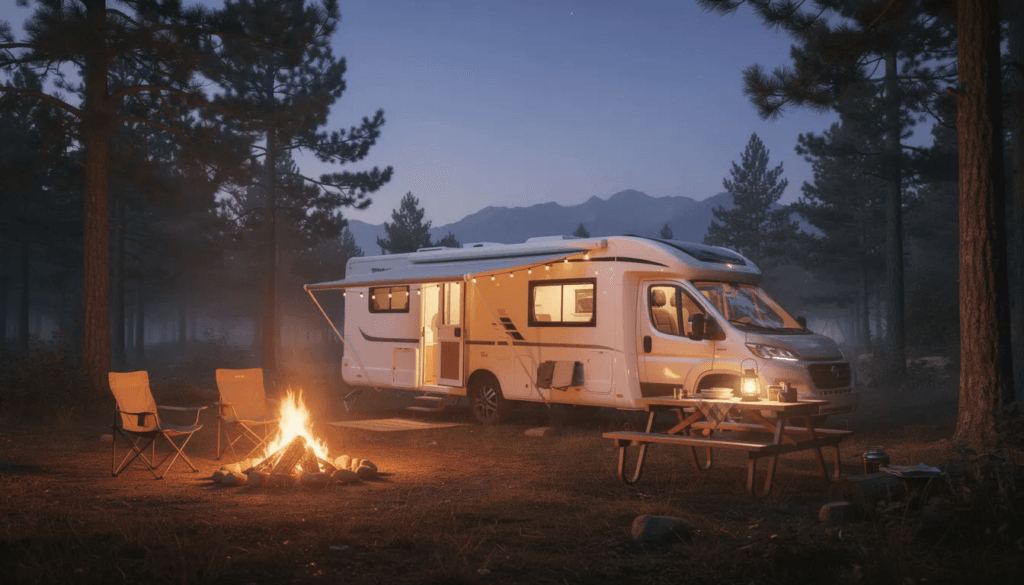
Sample itineraries are useful for providing structure to your trip, helping you balance driving distances, sightseeing, and relaxation. They offer a starting point for planning, which you can customize based on your interests and available time.
7-Day California Coast Route
- Route: San Francisco to Los Angeles via Highway 1
- Key stops: Big Sur, Pismo Beach, Malibu area rv parks
- Campsite mix: Private RV parks with ocean views, state park campgrounds
- Distance: Approximately 450 miles total, averaging 65 miles per driving day
7–10 Day Florida Keys Trip
- Route: Tampa or Orlando south to Key Largo and Key West
- Key stops: Everglades National Park, Key Largo, Islamorada, Key West
- Campsite example: Kings Kamp RV Park in Key Largo
- Note: Book well ahead for winter season (December–March)
10-Day Pacific Northwest Loop
- Route: Seattle to Olympic National Park, down the Oregon coast
- Key stops: Port Angeles area for Olympic, Astoria, Cannon Beach, Newport
- Campsite mix: State parks along the Oregon coast, national forest sites, urban RV park near Seattle
10–14 Day Rocky Mountain Loop
- Route: Denver to Rocky Mountain National Park, Grand Teton, Yellowstone, return via Utah or Wyoming
- Key stops: Estes Park, Jackson Hole, West Yellowstone, Moab (optional extension)
- Campsite mix: National park campgrounds, forest service sites, one or two private rv parks for laundry and restocking
- Distance: 1,200–1,500 miles depending on routing
Each itinerary works best with a mix of full-hookup stays for comfort nights, public park campgrounds for nature immersion, and one or two boondocking nights for adventure and savings.
Now that you have itinerary ideas, let’s explore how to travel with pets and ensure everyone enjoys the journey.
Motorhome Camping with Pets
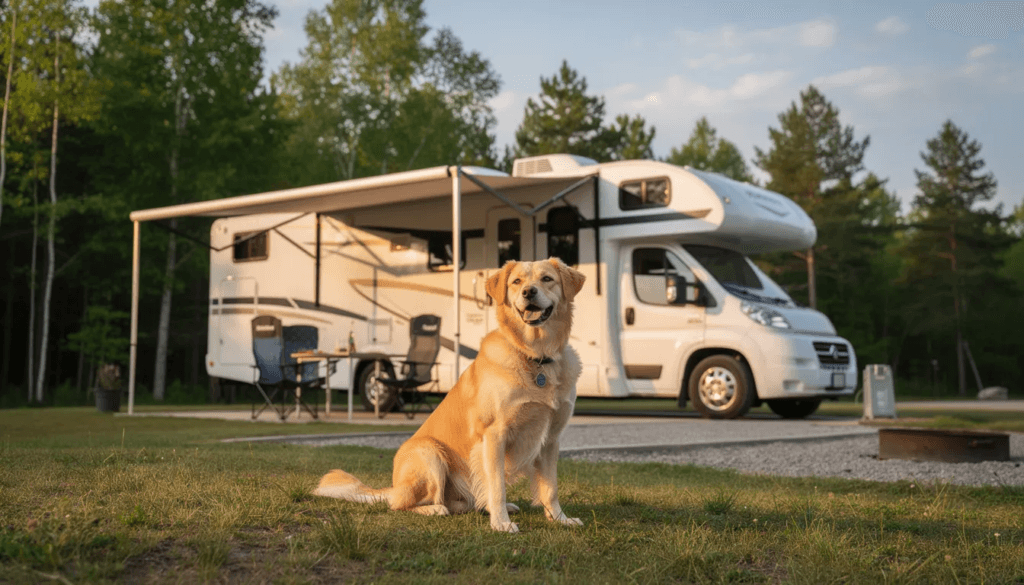
Dogs are among the most common motorhome companions, and the RV industry estimates that 50 million pets travel with rvers annually. Many campgrounds now cater specifically to four-legged family members.
Pet Amenities
- Fenced dog runs and off-leash areas
- Walking trails through the property
- Waste stations with bags and disposal
- Pet wash areas for muddy paws
Pet-Friendly Destinations
- Riverside campgrounds along the Suwannee River in Florida
- Forested parks in North Carolina’s Blue Ridge Mountains
- Wide-open desert RV parks in Texas
Rules to Check
- Leash requirements (typically 6-foot maximum)
- Breed restrictions at some private parks
- Pet fees ($5–15 per night is common)
- National park limitations—dogs often allowed only on roads and in campgrounds, not on trails
Travel Tips for Pets
- Bring vaccination records and vet contact information
- Ensure microchips and ID tags show current contact details
- Plan for hot weather—never leave pets in the motorhome without safe climate control
- Consider the search for shaded sites during summer months
Traveling with Other Animals (Horses, Cats, etc.)
Specialty campgrounds accommodate horses and other animals. Florida and Colorado both offer equestrian parks where you can stable horses and camp with your motorhome nearby.
For cat travelers:
- Harness training before the trip helps with safe outdoor time
- Secure carriers during driving
- Dedicated litter box location within the motorhome
Check local regulations for livestock transport and trail access before planning horse-related adventures.
Next, let’s review essential safety, etiquette, and best practices for a smooth and enjoyable trip.
Motorhome Camping Safety, Etiquette, and Best Practices
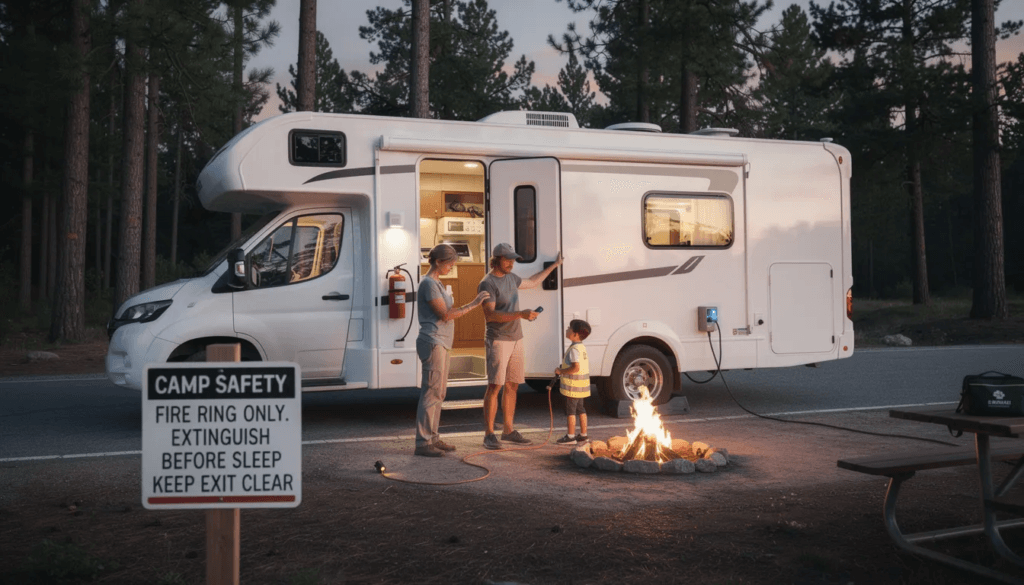
Good etiquette keeps campgrounds welcoming for everyone and reduces complaints that lead to stricter rules. Following best practices also keeps you and your rig safe.
Campground Etiquette
- Respect quiet hours (typically 10 PM–7 AM)
- Keep music at conversational levels
- Supervise children, especially around other campers’ sites
- Manage campfire smoke direction
- Leave your site cleaner than you found it
- Respect campground etiquette by adhering to quiet hours, using designated paths, and cleaning up after pets.
Generator Etiquette
- Follow posted generator hours
- Run generators during acceptable times only (usually 8 AM–8 PM)
- Position exhaust away from neighbors
- Rely on battery and solar when possible to maintain peace
Driving Safety
- Adjust speed for high winds, especially in West Texas, Wyoming, and other open areas
- Use lower speeds on mountain passes
- Do a walk-around check before driving off: slides retracted, jacks up, cords and hoses disconnected
Waste Management
- Use dump stations correctly at campgrounds or travel plazas (Learn how to monitor and dump black and gray water tanks properly to maintain cleanliness.)
- Never dump gray or black water illegally
- Plan dump stops based on your tank sizes (typically every 3–5 days with normal use)
- Use RV-safe toilet paper to prevent clogs in the black tank and wear gloves when handling sewer hoses.
Security Basics
- Lock doors and close windows when away from the motorhome
- Don’t broadcast your campsite number on social media while still there
- Be cautious about sharing exact locations in real-time with strangers online
Weather and Seasonal Considerations
Winter and shoulder-season travel:
- Risk of freezing temperatures in Colorado, Montana, and Alberta from late October through March
- De-winterize systems in spring; winterize in fall if storing in cold climates
Summer heat:
- Arizona, Nevada, and Texas require shade and reliable air conditioning
- Campsite electric hookups become essential rather than optional
Storm awareness:
- Watch forecasts for hurricanes along the Gulf Coast (June–November)
- Monitor thunderstorm and tornado activity in the Midwest
- Have flexible routing plans and consider trip insurance for extended trips
With safety and etiquette in mind, you’re ready to prepare for your first trip.
Getting Started: Your First Motorhome Trip Checklist
Before you hit the road, make sure you have the essentials covered.
Must-have equipment:
- Sewer hose with fittings (10–20 feet)
- Drinking-water-safe hose
- Leveling blocks
- Surge protector for electrical hookups
- Wheel chocks
- Basic tool kit
Safety items:
- Fire extinguisher
- First-aid kit
- Tire pressure gauge
- Roadside assistance membership
- Reflective triangles
Pre-trip preparation:
- Do a weekend shakedown trip within 2–3 hours of home before any long journey
- Practice backing up in an empty parking lot
- Connect to hookups and use the dump station at a quiet local campground
- Learn your rig’s systems before heading into remote areas
Documentation:
- Make digital and paper copies of insurance documents
- Keep registration accessible
- Store roadside assistance membership details where you can find them
- Save campground confirmations and contact numbers
Your first trip doesn’t need to be ambitious. Start with a weekend at a nearby campground, learn your systems, and build confidence. By the time you’re ready for a cross-country adventure, setup will take 15 minutes instead of an hour, and you’ll understand exactly what makes motorhome camping such a compelling way to travel.
Quick Summary: Balancing Preparation and Relaxation
To enjoy a motorhome camping trip, focus on thorough planning, safe driving, efficient setup, and campground etiquette. Enjoying a motorhome camping trip relies on balancing careful technical preparation with a relaxed travel pace. With the right mindset and preparation, you’ll discover why this style of travel keeps growing decade after decade—offering the freedom to explore any destination while bringing your home along for the ride.