The tiny home movement has officially merged with the shed industry, and the results are surprisingly livable. If you’ve been exploring affordable housing options or dreaming of a weekend cabin, sheds turned into homes for sale might be exactly what you’re looking for—and they’re more accessible than you’d think.
This guide walks you through everything from real pricing examples to zoning pitfalls, so you can make a confident decision about whether a shed home fits your life and budget.
- Quick Answer: Can You Really Buy a Shed Turned Into a Home?
- What Is a Shed Home? (And How It Differs From a Regular Shed)
- Real-World Examples of Sheds Turned Into Homes For Sale
- Popular Ways People Use Finished Shed Houses
- Finished vs. Unfinished Shed Homes: Which Should You Buy?
- Key Features To Look For in Shed Homes For Sale
- Financing & Rent-To-Own Options for Shed Homes
- Legal & Zoning Considerations Before You Buy
- Costs Beyond the Purchase Price: Foundations, Utilities & Delivery
- How To Choose the Right Shed Home Layout
- ADU vs. Tiny Home: How Shed Houses Fit In
- Steps To Buy a Shed Turned Into a Home
- Is a Shed Home Right For You?
Quick Answer: Can You Really Buy a Shed Turned Into a Home?
Yes, fully finished shed homes are actively sold across many U.S. states in 2024. The tiny home trend, combined with rising interest in off-grid living and rural property development, has pushed dozens of manufacturers to offer move-in ready portable buildings that function as legitimate small houses.
- Many manufacturers now sell pre-finished shed cabins that meet residential code (or can be upgraded to do so) and are delivered ready to occupy. These aren’t flimsy storage structures—they’re built with residential-grade framing, insulation, plumbing, and electrical systems.
- Price range examples for 2024: A basic finished 14×32 shed home often starts around $35,000–$45,000 for the structure. Fully finished 16×50 models with kitchen and bathroom commonly run $75,000–$120,000 depending on your state, utility hookups, and finish level.
- Buyers can purchase in three formats:
- Finished shed homes ready to live in upon delivery
- Insulated “shells” to finish yourself with DIY labor
- Custom builds on-site similar to small modular homes
- Before you get too interested, you must check local zoning, building codes, and utility hookup rules. Even if the structure itself is for sale and delivered complete, your county or city may restrict its use as a full-time dwelling.
What Is a Shed Home? (And How It Differs From a Regular Shed)
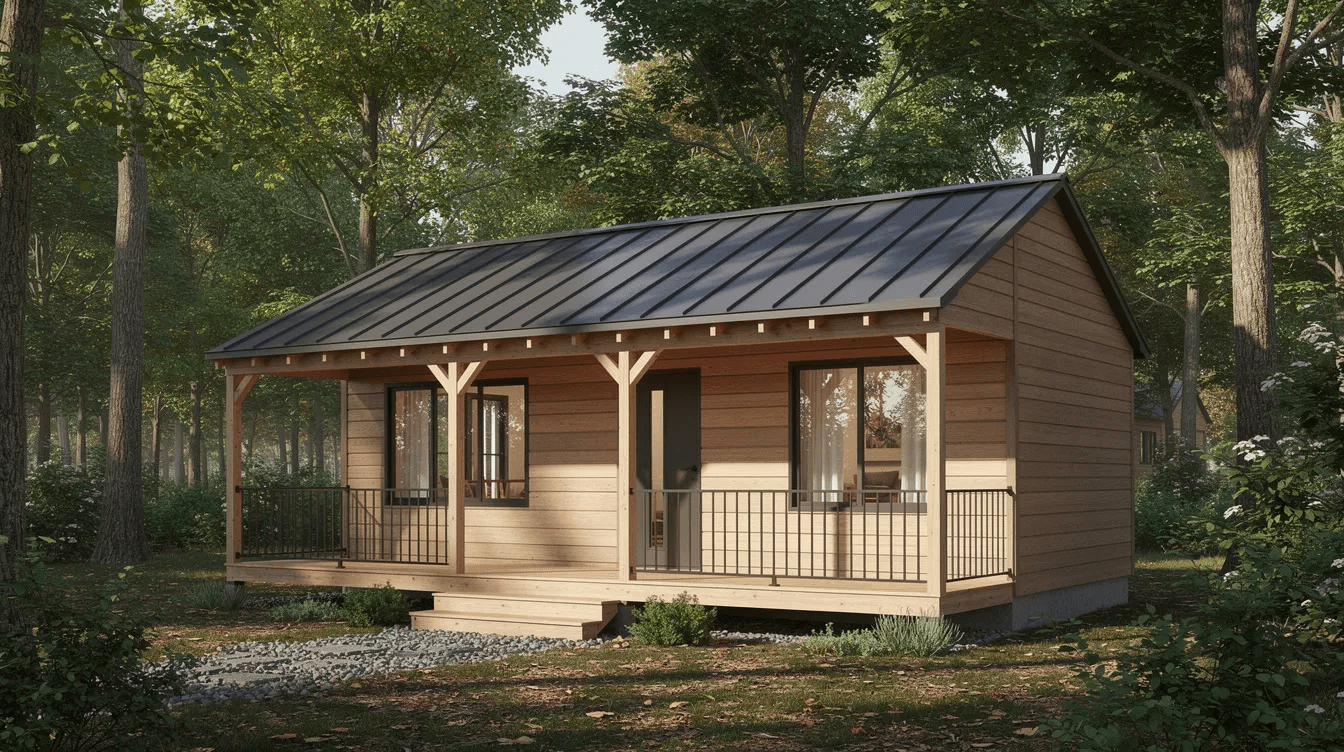
A shed home is a portable or semi-permanent building originally based on storage shed construction, upgraded with insulation, windows, plumbing, and electrical so it can be used as a tiny house, guest house, or accessory dwelling unit.
Key structural differences from a garden shed:
Feature | Standard Storage Shed | Shed Home |
|---|---|---|
Wall framing | 2×3 or widely spaced 2×4 studs | 2×4 or 2×6 studs at 16” on center |
Roof system | Basic trusses | Engineered trusses rated for local wind/snow loads |
Sheathing | Minimal or none | Full OSB/plywood with house wrap |
Insulation | None | Spray foam or fiberglass (R-13 to R-30+) |
Windows/doors | Small utility openings | Residential-grade, insulated, standard sizes |
Floor | Light joists on basic skids | 2×6 to 2×10 joists, pressure-treated skids or permanent foundation |
Sizes typically range from about 12×24 (small studio or hunting cabin) up to 16×54 (one- or two-bedroom layouts). Two-story shed homes with interior stairs and sleeping lofts are increasingly common, effectively doubling usable space on the same footprint. |
While some shed homes are built on pressure-treated skids as movable structures, others are set on permanent concrete slabs or piers and permitted as full-time residences or ADUs.
External appearance can mimic log cabins, cottages, or modern farmhouses, using LP Smart Siding, metal or shingle roofs, and residential-style doors and windows that wouldn’t look out of place in any neighborhood.
Real-World Examples of Sheds Turned Into Homes For Sale
To give you a realistic picture of what’s available in 2024, here are typical market examples. These aren’t specific listings (inventory changes monthly), but they represent what you’ll commonly find when shopping.
Example 1: 16×50 Finished Shed Home with Front Porch
- One bedroom, one bathroom, open living/kitchen area
- Spray foam insulated floor, double dormers, oversized insulated windows
- Full kitchen with cabinets, range space, and refrigerator area
- Mini-split HVAC system for year-round comfort
- Typical pricing: $95,000–$135,000 fully finished with utilities and permits
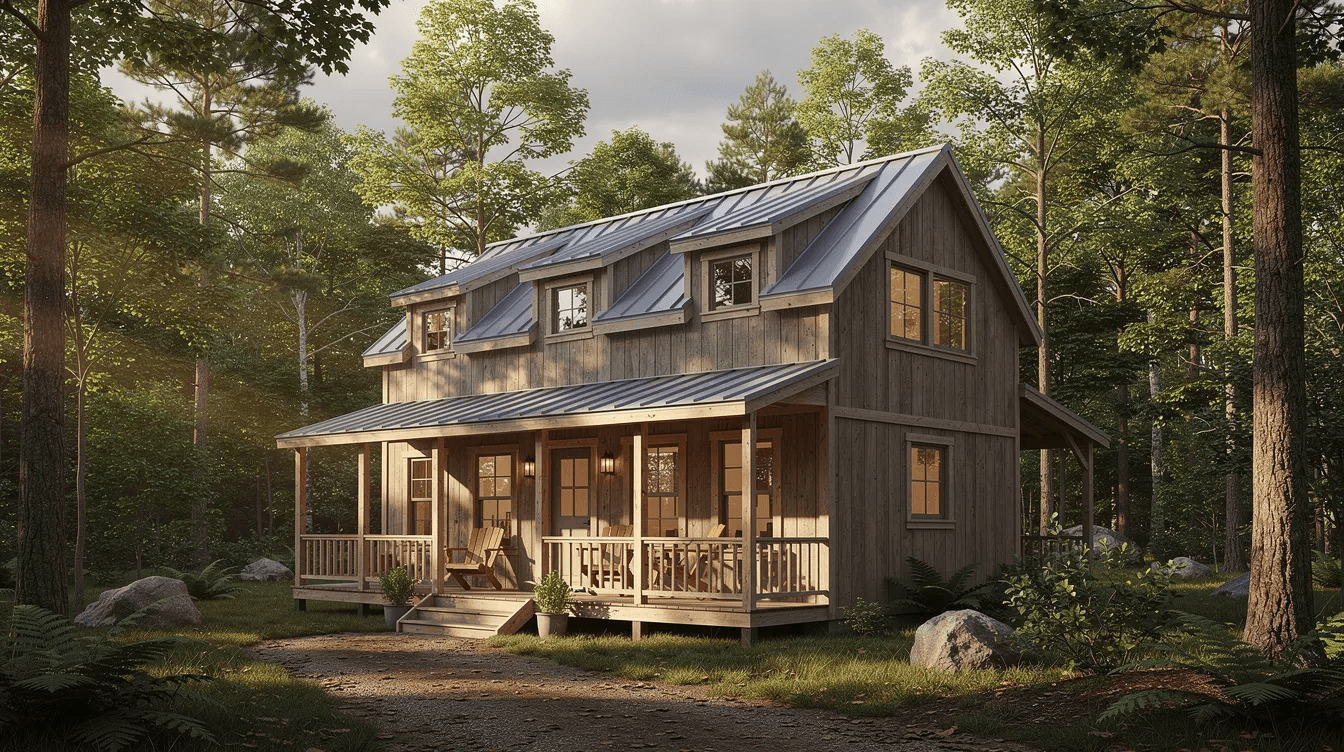
Example 2: 16×24 Two-Story “Weekender” Shed-Style Home
- 8-foot deep covered porch, 7–8 windows for natural light
- Interior loft accessed by stairs, approximately 768 sq ft total
- Popular as mountain cabins, lake houses, or compact starter homes
- Shell-only prices: $28,000–$40,000
- Fully finished with bathroom and kitchen: $65,000–$90,000
Example 3: 14×40 Unfinished Cabin Shell
- Engineered roof trusses, treated skids, tall sidewalls
- Exterior complete with siding, roofing, doors, and windows
- Buyers commonly convert these into hunting cabins or lake houses
- Shell prices in Texas/Southeast: $18,000–$30,000
Example 4: 12×32 Single-Loft Shed Cabin
- Marketed as a “granny flat” or guest house
- Pre-wired with rough plumbing and basic insulation
- Intended for final finishing by the owner on family property
- Many sold specifically as ADU-style backyard cottages
- Typical shell price: $18,000–$25,000
Inventory and pricing change monthly. Always ask for a current price sheet and lead times—commonly 30–60 days from order to completion in 2024.
Popular Ways People Use Finished Shed Houses
Finished shed homes serve wildly different purposes depending on local regulations and owner needs. The same 14×40 structure might be someone’s primary residence in rural Texas or a detached office in suburban Georgia.
Common use cases include:
- Tiny houses or starter homes for singles or couples wanting to keep housing costs under control while owning their own land and building equity
- Guest houses or granny flats placed behind an existing main home, especially when connected to the main house’s electrical, water, and sewer systems
- Hunting cabins, fishing cabins, and weekend lake retreats where buyers place a 12×32 or 16×40 cabin shell on rural or recreational property
- Detached home offices, therapy studios, or creative spaces that are heated, cooled, and comfortable year-round but legally classified as outbuildings in some jurisdictions
- “Boomerang kid” apartments for adult children moving back home who need privacy but proximity
- Caregiver suites for aging parents or hired caregivers who need a private but nearby dwelling, similar to how many buyers use tiny homes for sale as flexible, minimalist living spaces
The key is matching your intended use with what local codes actually allow—more on that in the legal section below.
Finished vs. Unfinished Shed Homes: Which Should You Buy?
Both finished (turnkey) shed homes and shell-only models are widely sold. Your choice depends on budget, timeline, and how handy you are with tools.
Finished shed homes include:
- Insulation (often closed-cell spray foam or fiberglass) in floor, walls, and roof
- Interior walls and finished ceilings
- Flooring (vinyl plank, laminate, or tile)
- Full bathroom with shower, toilet, and vanity
- Kitchen with cabinets, countertops, and sink
- Electrical panel with lighting and receptacles
- HVAC (typically mini-split heat pumps)
- Exterior trim and paint complete
Unfinished cabin shells include:
- Framed structure with exterior siding and roofing
- Doors and windows installed
- Subfloor in place
- Interior left open for owner to finish
- Wiring, plumbing, and insulation typically not included
Pros of finished homes:
- Faster move-in (sometimes within 30–45 days of order)
- Predictable cost with professional workmanship
- Better odds of passing inspections and meeting residential codes
- Less coordination stress for buyers
Pros of shells: If you’re excited about doing more of the work yourself, there are plenty of shed tiny house ideas to inspire a DIY conversion.
- Lower upfront cost (often 30–50% less than turnkey)
- Ability to customize finishes to personal taste
- Potential savings for skilled homeowners willing to work nights and weekends
Ask builders exactly what is and isn’t included. Items like bathroom fixtures, water heater, mini-split heat pump, and kitchen cabinets might be base price or costly upgrades.
Key Features To Look For in Shed Homes For Sale
Not all shed homes are built equally. You should evaluate structural quality, comfort, and long-lasting durability rather than only size and price.
Structure and framing:
- Look for 2×4 or 2×6 wall framing at 16” on center spacing
- Engineered roof trusses with stamped drawings for local wind/snow loads
- Framed openings for standard-size residential doors and windows
- Floor joists sized appropriately for the span (2×6 or 2×8 minimum with 16” on-center spacing)
Insulation and comfort:
- Spray foam in floors and roof for best air sealing
- Insulated windows with low-E glass
- House wrap and properly sealed seams
- Critical in hot states like Texas, Florida, and Georgia, or in cold northern climates
Exterior materials:
- LP Smart Siding or similar engineered wood with factory finishes
- 26-gauge metal roofing with 30-year warranties
- Asphalt shingles rated for local wind speeds (130–155 MPH in hurricane-prone areas)
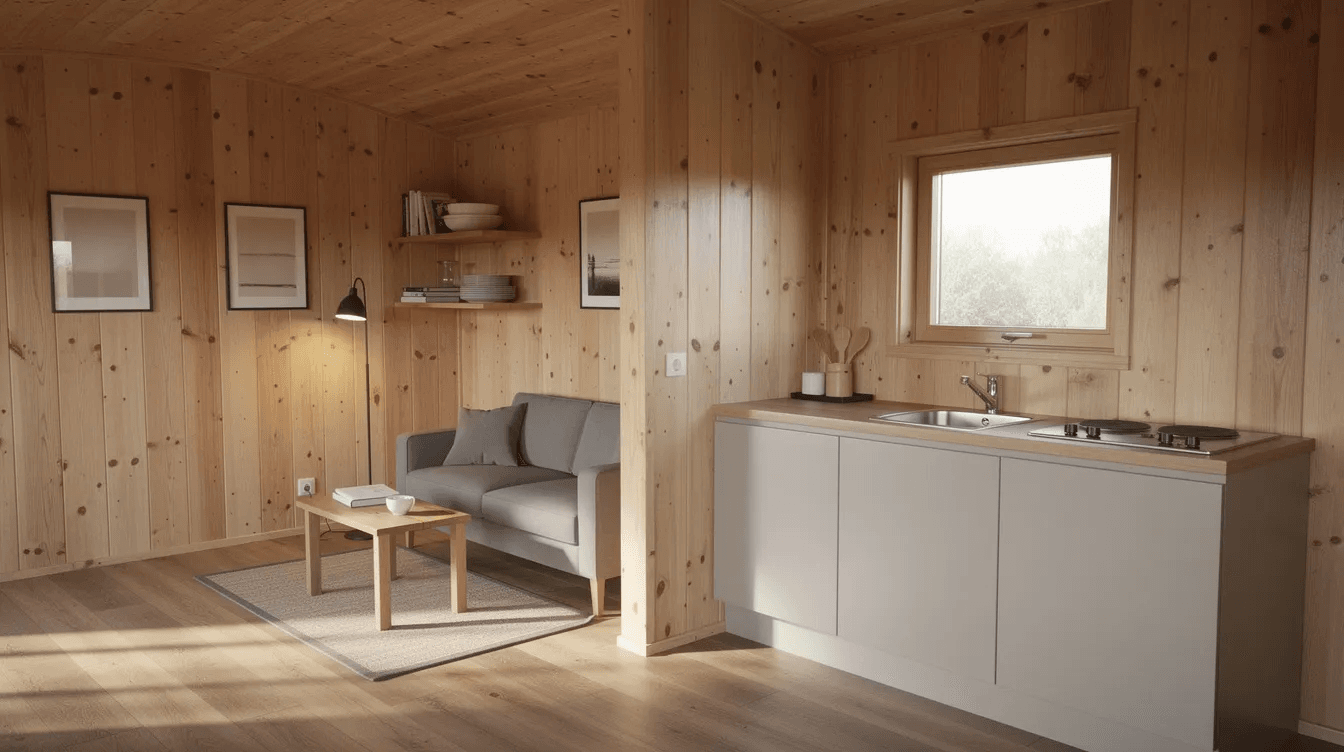
Interior livability: Thoughtful layouts and tiny house interiors that maximize every square foot can make even smaller shed homes feel open and functional.
- Full bathroom with shower, venting, and space for water heater
- Kitchen with room for 24–30 inch appliances
- Storage options like lofts and under-stair cabinets, paired with safe, space-saving choices such as a ladder designed specifically for tiny house lofts
Customization options:
- Extra windows, dormers, and porch overhang additions
- Upgraded flooring and interior paneling choices
- Ability to choose style elements that suit your intended use
Financing & Rent-To-Own Options for Shed Homes
Financing for sheds turned into homes is more complex than standard storage sheds because finished structures often exceed common rent-to-own limits.
- Rent-to-own limitations: Many portable building companies cap RTO programs around $10,000–$15,000, which may work for small shells but not fully finished dwellings. Payment plans for larger structures require different arrangements.
- Personal loans: Many buyers use unsecured personal loans up to around $50,000–$100,000 from banks, credit unions, or specialized lenders. Interest rates depend heavily on credit scores, and some shoppers compare this route with tiny homes under $20K for sale to keep borrowing needs lower.
- In-house financing: Some larger shed/cabin companies partner with third-party finance firms offering $0-down, long-term payment plans (60–120 months) when credit and income qualify.
- Classification matters: Ask each seller whether the shed home can be financed as an accessory dwelling unit, a modular home, or a personal property structure. This affects interest rates and loan terms significantly.
- Calculate total cost: Include site prep, utility hookups, permits, and concrete foundations—not just the sticker price—when determining how much money to finance.
Legal & Zoning Considerations Before You Buy
Even if a shed home is advertised for sale, local zoning, building codes, and HOA rules ultimately decide whether it can be lived in full-time or used only as an accessory structure.
What you need to verify:
Consideration | What to Ask |
|---|---|
Zoning classification | Is this lot zoned for ADUs, tiny homes, or only single-family? |
Minimum dwelling size | Does your county require 400–600+ sq ft for full-time homes? |
Foundation requirements | Must habitable structures sit on permanent foundations? |
Permitting | Are building permits and inspections required? |
HOA rules | Are detached dwellings allowed in your subdivision? |
Setbacks | How far must structures be from property lines? |
Some jurisdictions allow finished portable cabins as tiny houses or ADUs, while others restrict them to non-habitable uses unless installed on a permanent foundation. |
Contact the local building department before signing a purchase agreement. Get confirmation in writing that the specific size and style of shed home is acceptable on your lot.
Costs Beyond the Purchase Price: Foundations, Utilities & Delivery
The advertised price of a shed home rarely includes all the additional work required to make it fully livable, especially on raw land.
Foundation options:
- Pressure-treated skids on concrete blocks (cheapest, may not satisfy code)
- Concrete piers (mid-range, often acceptable for small dwellings)
- Full concrete slab (most house-like, typically $2,500–$3,500 for a 16×24 footprint in 2024)
Delivery and setup:
- Many manufacturers offer free delivery within 50–100 miles
- Per-mile charges ($3–$6/mile) apply beyond that radius
- Difficult access or crane placement adds $500–$2,000+
Utility connections:
- Trenching and installing water, sewer/septic, and electrical service: $5,000–$15,000+
- Rural acreage with long runs from the road costs more
- Septic system installation alone can run $5,000–$15,000
HVAC:
- Mini-split heat pumps are common and may be included or priced as an upgrade
- Installation costs $2,000–$5,000 per unit if not in the base package
Ask for a written, line-item estimate that includes the structure, options, delivery, setup, and any on-site work the seller will handle.
How To Choose the Right Shed Home Layout
Choosing the right size and floor plan is as important as picking a reputable builder, especially if the shed home will serve as a primary residence or long-term living space.
Key considerations: When you’re comparing shed layouts, it helps to study tiny house floor plans that actually work so you can visualize how daily life will feel.
- Start with occupancy: Decide whether the home is for one person, a couple, or a small family, and whether it will host guests regularly
- Layout elements: Consider separate bedroom vs. studio open plan, bathroom placement away from main entry, and whether a loft bedroom with stairs is practical for all occupants
- Porches and decks: These extend living space significantly on smaller 12×24 or 14×32 footprints and add curb appeal if used as a guest house or rental
- Storage strategies: Include lofts, built-in closets, and under-stair cabinets in two-story models to offset limited square footage and keep rooms uncluttered
- Visualization: Request or sketch scaled floor plan drawings with furniture placements before ordering—confirm that real beds, sofas, and dining tables will actually fit
Walk through model homes at dealer locations if possible. What looks spacious in photos may feel cramped when you’re standing in the center of the room.
ADU vs. Tiny Home: How Shed Houses Fit In
Understanding classification helps you navigate regulations and financing more effectively.
ADU (Accessory Dwelling Unit): A small second home on a lot with an existing primary residence. It has independent living facilities but is legally tied to the main house, and many homeowners rely on an ultimate guide to accessory dwelling units to understand the rules.
Tiny Home: A compact, often stand-alone dwelling that can sit on its own lot or in tiny home communities, with countless innovative tiny homes redefining small-space living.
How shed homes fit each category:
- As ADUs: Shed homes usually tie into the main house’s utilities and must meet local ADU size limits, parking rules, and architectural guidelines
- On empty land: Shed homes function more like tiny houses or small modular homes, requiring separate meters, septic systems, and stricter code compliance
- Factory-built acceptance: Some regions explicitly allow factory-built shed-style structures as ADUs if installed on a permanent foundation and inspected like any small house
- Classification impacts: Ask whether your shed home will be classified as an ADU, manufactured building, or outbuilding—this affects taxes, resale value, and financing options
- Rental considerations: Check whether local regulations allow ADUs to be rented short-term (vacation rentals) or only as long-term housing if you’re interested in generating income
Steps To Buy a Shed Turned Into a Home
Here’s your action plan from initial research to move-in, designed for first-time buyers ready to explore this housing option.
- Research local zoning and building codes – Confirm that a shed-based dwelling of your desired size is legal on your property or target area before you fall in love with a specific model
- Set a realistic 2024 budget – Include the building, options, delivery, site work, utilities, and permits. A rough starting budget of $60,000–$150,000 covers most fully finished shed homes with site prep
- Compare builders and dealers – Focus on build quality, structural specs, warranty terms, and whether they have experience delivering habitable units rather than just storage sheds. Visit their website, watch videos, and read customer reviews
- Choose layout and specifications – Decide on bedrooms, bathroom, porch, roof style, and siding type. Request a detailed written quote with projected build time (commonly 30–60 days plus permitting). Don’t be afraid to customize details to suit your needs
- Secure financing – Confirm cash funds or loan approval, then place your order with a signed contract that spells out payment schedule, change order rules, and what happens if there are permitting delays
- Prepare your site – Clear the land, install foundation, coordinate utilities, and schedule inspections so the shed home can be delivered and set quickly once built
Throughout this process, strive for clear communication with your builder and local officials. Create a realistic schedule and stick to it.
Is a Shed Home Right For You?
Sheds turned into homes for sale work best for budget-conscious buyers, rural landowners, families needing guest space, or homeowners adding ADUs. They offer a practical path to property ownership from scratch without the cost and complexity of conventional construction.
Trade-offs to consider:
- Limited square footage requires careful planning
- Dependence on local code approval can create delays
- Storage and multi-use rooms need intentional design
Benefits that make it worthwhile:
- Faster build times than conventional construction (often stock to delivered in 60 days)
- Lower materials cost and smaller environmental footprint
- Flexibility to create cabins, granny flats, boomerang kid suites, or detached offices
Whether you’re in the country or a suburban lot that allows ADUs, shed homes represent one of the most accessible entry points into homeownership in 2024.
Your next step: Gather local code information, clarify your budget, then contact shed-to-home specialists to explore specific models and get a custom quote. Sign up for dealer newsletters to stay updated on new inventory and pricing across your region—the industry moves fast, and the right building might be in stock today.