If you’re a Florida homeowner searching for small house builders, you’ve landed in the right place. This guide covers everything you need to know about building backyard ADUs, tiny homes on foundations, tiny homes on wheels, guest houses, and pool houses in the Sunshine State.
Small houses in Florida include a wide range of structures—from detached accessory dwelling units built to Florida Building Code standards to wheeled RVs certified for mobility. Reputable small house builders regularly work across major metros including Orlando, Tampa Bay, Jacksonville, Miami–Fort Lauderdale, Sarasota, and Gainesville.
Florida’s climate makes it ideal for small home construction. Year-round outdoor living extends usable space beyond your floor plan. High housing prices create demand for affordable housing alternatives. Strong short-term rental and long-term rental markets make ADUs financially attractive. The rest of this article compares builder types, costs, timelines, and use cases so you can choose the right Florida small house builder for your project.
- Why Small Houses Work So Well in Florida
- Types of Small Houses You Can Build in Florida
- Typical Costs & Sizes for Small Houses in Florida (2024–2025)
- How to Choose a Small House Builder in Florida
- Popular Uses for Small Houses in Florida Backyards
- Florida-Specific Design & Construction Considerations
- Timeline & Process When Working with a Small House Builder in Florida
- Regulations, Zoning & Permits for Small Houses in Florida
- Financing Options for Small Houses & ADUs in Florida
- Real-World Examples of Small House Projects in Florida
- FAQs About Small House Builders in Florida
- Next Steps: Planning Your Small House Project in Florida
Why Small Houses Work So Well in Florida
Small house living in Florida typically means structures between 250 and 1,000 square feet, optimized for the state’s subtropical climate. These compact homes maximize efficiency while embracing Florida’s greatest asset: outdoor space you can use twelve months a year.
Lifestyle benefits drive many Floridians toward smaller footprints:
- Less maintenance means more time to enjoy life on the water, at the beach, or by the pool
- Lower utility bills thanks to reduced square footage and efficient mini-split HVAC systems
- More outdoor time with porches, lanais, and pool decks that extend your living area
- Flexibility to build closer to desirable coastal or urban locations
Financial advantages make the numbers work:
- Lower property taxes compared to larger primary homes
- Smaller insurance premiums (though hurricane coverage remains essential)
- Potential rental income of $1,200–$2,500 per month for ADUs in cities like Orlando, Tampa, and Fort Lauderdale (these are example ranges that vary by location, condition, and market timing)
- Reduced upfront construction costs compared to traditional homes
Small homes can be built in several configurations: detached ADUs in your backyard, primary small homes on legal lots, or tiny homes on wheels registered as RVs and parked in compliant parks or on private land where codes allow.
Florida-specific construction factors matter more here than in most states. Hurricane-resistant construction using concrete block, proper strapping, and impact windows isn’t optional—it’s essential. Ventilation, shade structures, and mold-resistant materials address the humidity that defines Florida living.
Types of Small Houses You Can Build in Florida
Florida tiny house builders typically specialize in one or more construction formats. Your choice affects permitting complexity, total cost, and how you can legally use the space. Understanding these distinctions early saves time and prevents expensive surprises.
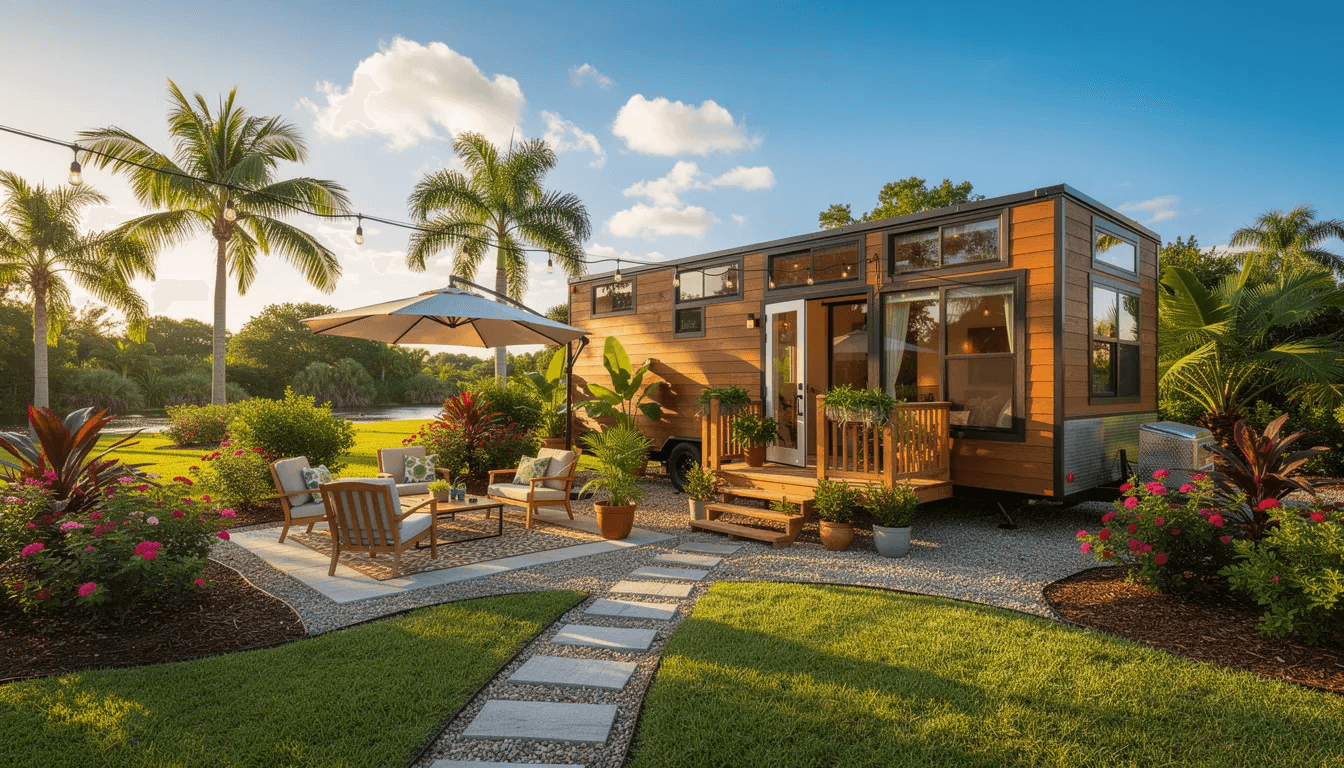
Tiny homes on wheels (THOWs) range from 200 to 400 square feet and are constructed on trailers. These units are often RVIA-certified (Recreational Vehicle Industry Association) or NOAH-certified, which matters for financing and placement. While movable, they’re regulated like RVs rather than permanent dwellings in most Florida counties. Builders like Craftsman Tiny Homes in Gainesville specialize in these RVIA-certified custom tiny houses.
Small houses on permanent foundations typically span 400 to 1,000 square feet. These are built to Florida Building Code, can serve as primary homes or ADUs, appreciate more reliably, and qualify for traditional financing. Cornerstone Tiny Homes in Longwood emphasizes this code-compliant construction process, working on both permanent foundations and wheeled RVs with equal expertise.
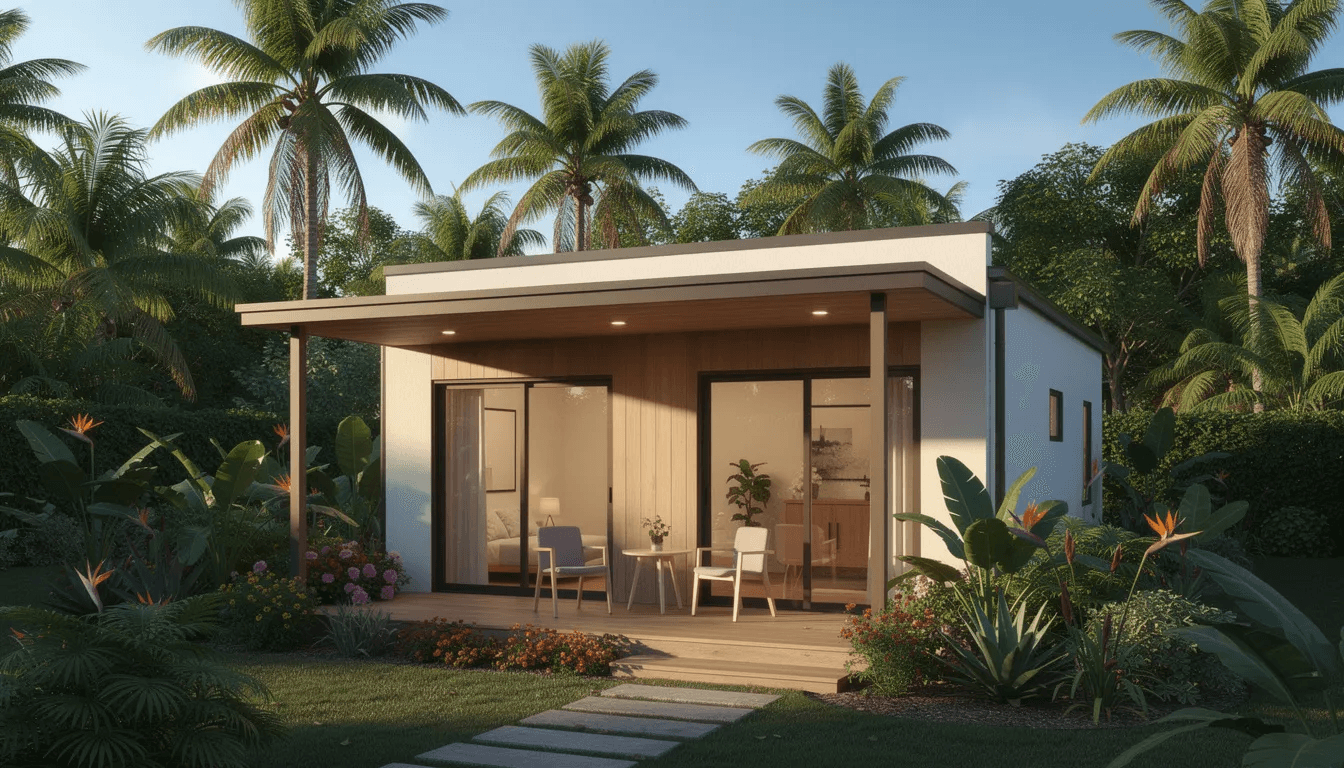
Detached ADUs and backyard cottages (also called in-law suites, granny flats, or casitas) occupy the 300 to 800 square foot range. These structures include full kitchens and bathrooms, making them complete living spaces. Updated local zoning in cities like Orlando, St. Petersburg, and Miami has fueled their popularity from 2023 through 2025.
Specialty small structures fill specific needs:
- Pool houses with changing areas and outdoor showers
- Guest suites built above garages
- Office and studio units that may not require full kitchens depending on local zoning
Each type serves different goals. Aging parents benefit from single-level ADUs with accessible features. Adult children gain independence without leaving family support networks. Rental income seekers need code-compliant construction that passes inspection. Downsizing owners want quality craftsmanship in a compact package.
Typical Costs & Sizes for Small Houses in Florida (2024–2025)
Actual construction bids vary significantly by county, foundation type (slab versus piers), framing material (concrete versus wood), and finish level. However, realistic cost ranges help you plan your budget and evaluate quotes from Florida tiny house builders.
Cost per square foot for small homes on foundations in Florida currently runs approximately $220 to $350 or more per square foot for turnkey, code-compliant ADUs and small homes. This range excludes land costs and certain city impact fees that vary by jurisdiction.
Concrete example packages help illustrate these ranges:
- A 400 square foot studio ADU in Orlando or Tampa: starting around $88,000 to $140,000 for basic to mid-range finishes
- A 600 to 800 square foot one- or two-bedroom small home: approximately $132,000 to $280,000 depending on finishes and site complexity
- These figures are illustrative starting points, not formal quotes
Tiny homes on wheels follow different pricing structures. Fixed-model units measuring 28 to 34 feet typically start in the mid-$80,000s and climb to $120,000 or higher depending on finishes, off-grid systems, customization, and the cost factors highlighted in tiny home cost calculators. Movable Roots in Melbourne offers flagship homes, custom tiny houses, shells, and trailers across various price points.
Key cost drivers include:
- Concrete block versus wood framing (block adds hurricane resistance and cost)
- Metal versus shingle roofing
- Impact-rated windows and doors (required in many coastal counties)
- Hurricane tie-downs and engineered connections
- Septic versus sewer connections
- Complex site work involving tree removal, tight alleys, or narrow lots
Ongoing costs require budgeting beyond construction:
- Windstorm and hurricane insurance premiums
- Property taxes on permanent units (ADUs typically increase your property’s assessed value)
- Utilities (though smaller spaces mean lower bills)
- HOA fees where applicable
- City impact fees that may be due at permitting
How to Choose a Small House Builder in Florida
Building tiny or small homes in Florida involves more complexity than purchasing a prefab shed. The tiny house movement has attracted builders of varying experience levels, making careful vetting essential for protecting your budget and timeline.
Verify Florida licensing first. For foundation-built small homes and ADUs, your builder needs a state Certified or Registered Residential Contractor license. You can verify this through the Florida Department of Business & Professional Regulation database online. This step alone eliminates many unqualified operators.
Confirm code compliance expertise. Your builder should work regularly with Florida Building Code requirements and understand wind-load engineering for your specific county. Miami-Dade, Broward, Monroe, and other coastal counties enforce stricter standards than inland areas. Experience with local ADU ordinances matters equally.
Ask pointed questions during consultations:
- How many small homes or ADUs have you completed in Florida since 2020?
- Do you manage the entire permitting process?
- What is your typical timeline from permit approval to keys?
- What specific items are included—and excluded—in your price per square foot?
Demand transparent pricing in writing. Understand whether you’re signing a fixed-price or cost-plus contract. Review change-order policies before signing anything. Confirm that allowances for cabinets, tile, fixtures, and appliances reflect realistic market costs rather than artificially low numbers that trigger upgrades.
Evaluate communication practices. Quality small house builders provide dedicated project management, weekly progress updates, and clear expectations around inspections, walk-throughs, and warranty service. Florida Tiny House Builders highlights third-party certified construction as a quality marker—look for builders who welcome outside verification of their work.
Popular Uses for Small Houses in Florida Backyards
Most Florida homeowners approaching small house builders have one of three primary goals: housing family members, generating rental income, or upgrading their lifestyle through additional functional space.
Aging parents and in-law suites represent a growing segment of the market. Detached ADUs sized between 350 and 750 square feet work well for this purpose. Single-level layouts, wide doorways (minimum 36 inches), grab bars, and walk-in showers make these spaces accessible for decades of use. Building a backyard cottage for aging parents in Tampa or Fort Lauderdale can delay or avoid assisted-living costs while keeping family close. Many families find this arrangement provides the perfect balance of proximity and independence.
Adult children benefit from backyard independence in high-cost markets like Miami, Naples, and the Florida Keys. A small footprint home gives twenty- and thirty-somethings their own space while staying near family support systems. Parents gain peace of mind; adult children save on housing costs that would otherwise consume their income.
Rental units offer income potential when properly permitted. ADUs in cities like Orlando, St. Pete, and Jacksonville can house long-term tenants, providing steady monthly income. Some jurisdictions also allow mid-term rentals. Before planning short-term rentals through Airbnb or VRBO, check your specific city’s rules—regulations vary significantly and change frequently.
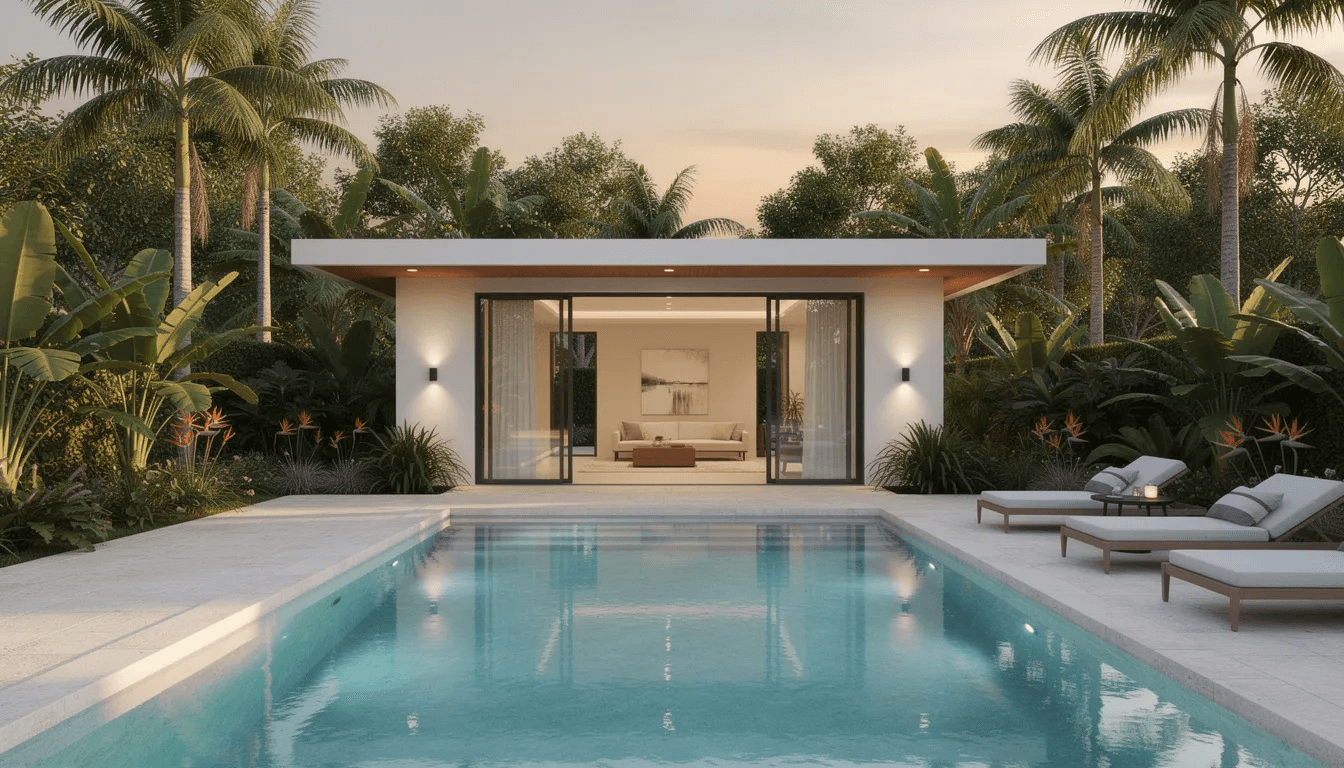
Guest houses and pool houses serve multiple functions. A 300 to 400 square foot structure with a kitchenette, full bath, and large sliding doors opening to your pool deck works as a guest suite during holidays, a home office year-round, or a cabana for poolside ambiance. This flexibility maximizes your property’s potential across different life stages.
Personal downsizing attracts empty nesters and retirees. Some Floridians sell larger homes and build custom small primary residences of 500 to 900 square feet on their existing lots or new land. This approach reduces maintenance demands while freeing equity for travel, healthcare, or retirement enjoyment. A simpler life in less space appeals to those ready to live large with less stuff.
Florida-Specific Design & Construction Considerations
Florida’s climate, soil conditions, and storm exposure make small house design here fundamentally different from building in northern or inland states. Experienced Florida tiny house builders account for these factors from the earliest design stages.
Hurricanes and wind loads demand engineering attention. Code requires engineered foundations, proper strapping connecting roof to walls to foundation, and roof shapes designed for high winds. Impact-rated windows and doors are mandatory in Miami-Dade, Monroe, Collier, and most coastal counties. Skimping here risks catastrophic failure—and insurance claim denials. High quality tiny homes in Florida are built structurally sound to withstand what the Atlantic delivers.
Heat, humidity, and mold require proactive design. High-efficiency mini-split HVAC systems handle both cooling and dehumidification in compact spaces, similar to the strategies used in tropical tiny homes for warm climates. Continuous insulation reduces thermal bridging. Proper vapor barriers prevent moisture intrusion. Dehumidification systems may be necessary in especially humid locations. Interior finishes should resist moisture—tile, vinyl, and mold-resistant drywall outperform materials that absorb water.
Flood zones and elevation affect foundation decisions. Small houses near coasts, rivers, or in designated flood zones may require raised slabs, piers, or pilings to meet FEMA and local floodplain requirements. Elevated construction affects stair design, ramp requirements, and accessibility planning. Your tiny home builder should evaluate these requirements during their free property analysis before design begins.
Site constraints test builder capabilities. Many established Florida neighborhoods feature narrow side yards, mature oak trees with protected root zones, or tight alley access. Builders who construct on-site rather than delivering fully built units often navigate these limitations more successfully. Florida Tiny House Builders notes their centrally located Fellsmere facility provides access to approximately 80% of Florida’s population within a couple hours’ travel, making on-site construction practical across most of the state.
Outdoor-indoor living maximizes perceived space. Covered porches protect from afternoon rains and intense sun. Screened lanais extend usable outdoor space free from mosquitoes. Outdoor showers rinse off salt and sand. Built-in storage handles beach chairs, kayaks, and fishing gear. These features make a 500 square foot home feel substantially larger by connecting interior comfort to Florida’s outdoor lifestyle.
Timeline & Process When Working with a Small House Builder in Florida
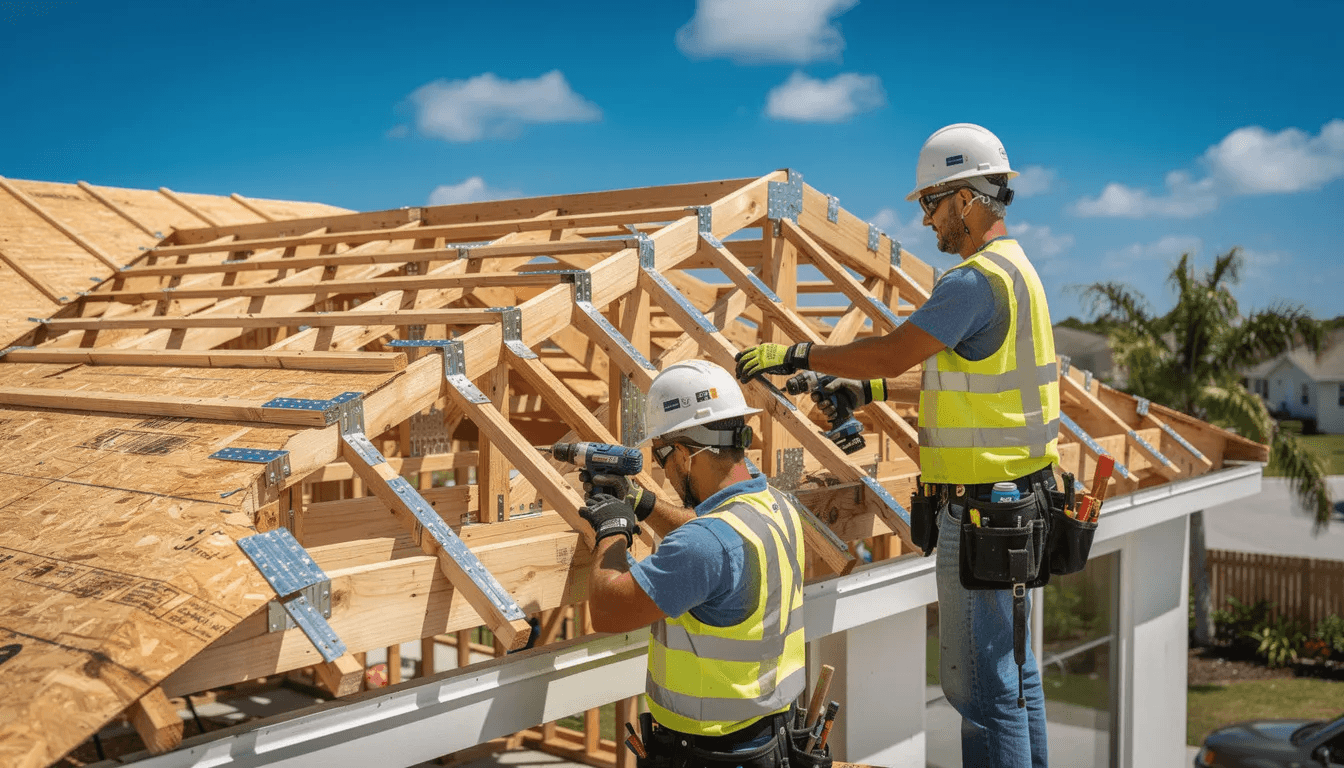
From initial consultation to move-in ready status, most Florida small house projects take 8 to 18 months, especially if you’re following a step-by-step tiny house building process. Permitting backlogs, design complexity, and site conditions create the variation within this range. Understanding the whole process helps you plan realistically.
Pre-design and property analysis (2–6 weeks): The project begins with a site visit or virtual review. Your builder checks zoning compliance, utility access (water, sewer or septic, electrical), and identifies potential obstacles. A preliminary budget emerges from this analysis. Builders like Cornerstone Tiny Homes operate as family run businesses with construction and engineering backgrounds, bringing experienced team members to these early assessments.
Design and engineering (1–3 months): Concept plans develop based on your specific needs. You’ll select or customize a floor plan, choose exterior aesthetics, and finalize interior layouts. Structural engineering addresses Florida’s wind-load requirements. Skilled architects and designers translate your new space requirements into buildable tiny house plans.
Permitting (6–16 weeks in 2024–2025): Your builder submits applications to the local building department. Review periods vary dramatically—some Florida cities process ADU permits in six weeks while others take four months or longer. Plan revisions and additional documentation requests extend timelines. Experienced builders anticipate common revision requests and submit complete packages initially.
Construction (3–8 months): Field work progresses through foundation or slab, framing, rough-ins (electrical, plumbing, HVAC), insulation, drywall, and finishes. A 350 square foot studio moves faster than a 900 square foot two-bedroom. Weather delays happen—Florida’s summer afternoon storms and occasional hurricane threats affect outdoor work. Exceptional craftsmanship takes time; rushing this phase creates problems you’ll live with for years.
Final walkthrough and handover: Punch list items get addressed. Your builder orients you to systems including HVAC operation, tankless water heater settings, and electrical panel locations. Warranty documentation transfers to you. At this point, your custom built tiny homes project transforms from construction site to comfortable living experience.
Regulations, Zoning & Permits for Small Houses in Florida
ADU and tiny home regulations are actively evolving across Florida. Before making significant financial commitments, confirm current rules with your city or county planning department. Rules that applied in 2023 may have changed, and what works in Orlando may not apply in Jacksonville.
Legal distinctions matter. Code-built small houses and ADUs on permanent foundations are regulated as residential structures under Florida Building Code. Tiny homes on wheels are typically classified as recreational vehicles, regardless of their residential features. Many counties do not permit THOWs as permanent dwellings—only as RVs in approved locations. This distinction affects where you can place your home, how you can use it, and whether you can finance it traditionally.
ADU ordinances have expanded significantly. Orlando, Tampa, St. Petersburg, Gainesville, and other cities adopted or updated ADU ordinances between 2019 and 2024. These regulations allow backyard cottages on certain single-family lots meeting size, setback, and parking requirements. The tiny house lifestyle has become more accessible as municipalities recognize ADUs as part of the affordable housing solution.
Typical ADU limitations include:
- Maximum square footage (often 600 to 1,000 square feet, or a percentage of the main house)
- Height restrictions (usually limited to one story or matching the primary home)
- Design compatibility requirements with the existing structure
- Standard setbacks from property lines
- Parking requirements (often one additional space)
- Owner-occupancy requirements in some jurisdictions
Permitting requirements vary but commonly include:
- Site plan showing ADU placement relative to existing structures
- Floor plans with dimensions
- Structural engineering stamped by a Florida-licensed engineer
- Energy calculations demonstrating code compliance
- HOA approval for planned communities (where applicable)
Experienced Florida small house builders typically include zoning review and permit coordination in their proven system of services. This reduces homeowner stress and minimizes delays from incomplete or incorrect submissions.
Financing Options for Small Houses & ADUs in Florida
Traditional 30-year mortgages don’t always apply directly to backyard ADUs or tiny homes on wheels. However, Florida homeowners have multiple realistic paths to finance small house projects.
Home equity loans and HELOCs work well for owners with sufficient equity in their primary Florida residence. These secured loans typically offer lower interest rates than personal loans. You borrow against accumulated equity and repay over time, making them suitable for construction projects with defined budgets.
Renovation and construction loans provide another avenue. FHA 203(k) loans and conventional renovation loans treat qualifying projects as major home improvements. Some lenders will include code-built ADUs as part of a renovation scope, financing the new home construction along with any updates to your primary residence.
Cash-out refinancing has become attractive following recent home value increases in markets like Miami, Tampa, and Orlando. If your home has appreciated significantly, refinancing at a higher loan amount lets you pull equity to fund small house construction. Compare rates and closing costs carefully against HELOC options.
Personal loans and RV loans serve different niches. Tiny homes on wheels may qualify for RV financing through specialty lenders—rates and terms vary significantly, particularly for park model tiny homes. Personal loans provide faster funding for smaller projects or shell builds, though interest rates run higher than secured options.
Speak with lenders familiar with ADUs and small homes in Florida. Underwriting approaches vary widely in how different institutions treat backyard units and projected rental income. A lender experienced with custom tiny homes may recognize value that a conventional mortgage officer misses.
Real-World Examples of Small House Projects in Florida
Concrete examples help you visualize what small houses in Florida look like and how they function for real families. These scenarios represent common project types across the state and can complement inspirational tiny house design ideas.
A 425 square foot detached ADU in Orlando houses a young professional as a long-term rental. The design features vaulted ceilings that create spaciousness despite the compact footprint. A full kitchen with apartment-sized appliances, a bedroom alcove, and a private patio make this space fully functional for independent living. The owner collects $1,400 monthly while maintaining a separate structure from their primary home.
A 675 square foot one-bedroom in-law suite in St. Petersburg provides aging parents with dignified independence. No steps throughout, wide hallways accommodating walkers, an accessible roll-in shower, and lever-style door handles make the space practical for limited mobility. A small screened porch connects to the backyard, where grandchildren play within view. The family avoided assisted-living costs while keeping parents close enough for daily visits.
A 325 square foot pool house in Sarasota serves as flexible multi-use space. A kitchenette with mini-fridge and microwave supports entertaining. A full bath with outdoor shower access makes it functional as a guest house for visiting family. Large sliding glass doors open the interior to the pool deck, creating poolside ambiance for gatherings. The owner uses the space as a home office during quiet months.
A tiny home on wheels near the Space Coast operates as a part-time residence at a licensed RV resort. The owners spend winters in Florida and summers elsewhere, towing their custom home between locations. Local rules specifically allow this arrangement at the resort—the owners verified zoning before purchasing their wheeled home.
FAQs About Small House Builders in Florida
Homeowners often ask similar questions before contacting a builder. These answers address the most common concerns about building little houses in Florida.
What is the smallest house I can legally build in my Florida backyard? Minimum size limits vary by jurisdiction. Many Florida cities set minimums between 150 and 400 square feet for ADUs, though these numbers differ significantly. Some areas calculate minimums as percentages of the primary home’s size. Check your specific city or county ADU ordinance for exact requirements—these rules have changed frequently since 2020.
Can I put a tiny house on wheels in my yard and rent it out? In most Florida jurisdictions, no. THOWs are classified as recreational vehicles, not permanent dwelling units. Most cities prohibit RVs as rental housing outside licensed RV parks. Some rural counties have fewer restrictions, but this arrangement rarely works in suburban areas. If wheeled flexibility matters to you, research RV parks and communities that permit full-time residence.
How long does it take to build a small house in Florida? Total timeline from initial consultation to move-in typically runs 8 to 18 months. Design and engineering take 1 to 3 months. Permitting currently requires 6 to 16 weeks in most jurisdictions. Construction ranges from 3 to 8 months depending on size and complexity. Weather, permit backlogs, and material availability create variation within these ranges.
Do small houses in Florida need to meet hurricane codes? Absolutely. Permanent small homes and ADUs built to Florida Building Code must meet the same wind-load, impact protection, and structural requirements as larger houses. There are no size-based exemptions for hurricane standards. This is why working with an experienced adu builder familiar with Florida requirements matters—code compliance isn’t optional.
Will a small house or ADU increase my property value? Generally yes, though appraiser treatment varies. Permitted, code-built ADUs add livable square footage that appraisers typically recognize. Rental income potential may factor into valuations. The key requirements: proper permitting, code-compliant construction, and finishes that match neighborhood standards. Unpermitted structures or THOWs parked in backyards don’t add comparable value.
Next Steps: Planning Your Small House Project in Florida
A carefully planned small house provides family housing, rental income, or a simpler life suited to Florida’s unique climate and lifestyle. Whether you’re creating space for aging parents, adult children, rental tenants, or yourself, the tiny house lifestyle offers practical benefits that full-size homes can’t match.
Take these concrete steps to move forward:
- Check your city or county zoning map online to confirm ADU eligibility for your property
- Measure your backyard and note existing structures, setbacks, trees, and utility locations
- Clarify your primary goal—family use, rental income, downsizing, or flexible guest space
Prepare for productive builder consultations:
- Establish a realistic budget range based on the cost guidance in this article
- Define your desired move-in timeframe
- Schedule consultations with 2 to 3 Florida small house builders to compare approaches, pricing, and communication styles
Gather inspiration and priorities:
- Collect photos of tiny houses and ADUs that appeal to you
- List must-haves versus nice-to-haves (bedroom count, porch size, storage needs, accessibility features)
- Consider whether you want a dream design tailored to your needs or prefer selecting from established models
With the right Florida builder and a clear plan, a small house or ADU project started in 2024 or 2025 can become a finished, livable new home within roughly twelve to eighteen months. The construction process takes time, but the result—whether that’s housing family close by, generating monthly rental income, or creating your ideal solution for comfortable Florida living—delivers value for years to come.