

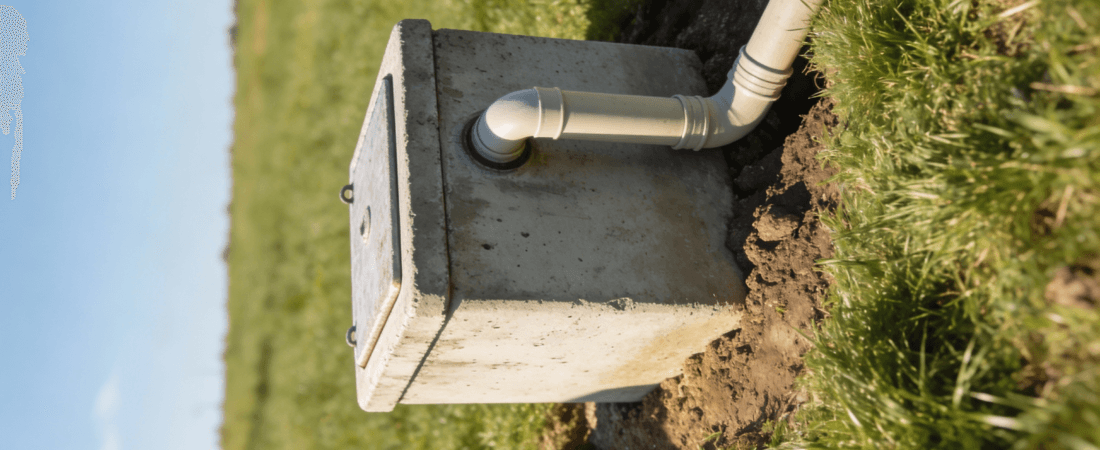
Are you a homeowner, cabin owner, or someone planning a small home or off-grid retreat with just one bathroom? Choosing the right small septic tank for one bathroom is essential for reliable, sanitary waste management in small homes, cabins, pole barns, or outhouses. This guide is designed for anyone seeking to understand the key considerations for selecting, installing, and maintaining a small septic system for a single bathroom. We’ll cover everything you need to know about size, materials, installation, and ongoing maintenance. Selecting the right septic system is crucial for reliable, sanitary waste management in small homes or off-grid locations, helping you avoid costly repairs and protect your property and the environment.
- Introduction to Septic Systems
- Septic Tank Size Considerations
- Materials for Septic Tanks
- Factors Affecting Small Septic Systems
- Location and Installation of Small Septic Systems
- One Toilet Septic Solutions
- Maintenance and Pumping Requirements for a Small Septic Tank
- Alternatives to Traditional Septic Tanks in Small Systems
- Cost and Budget Considerations for Septic Tank Size
- Small Septic Considerations for Homeowners
- Environmental Impact of Septic Systems on One Toilet
- Conclusion and Final Considerations for a Small Septic Tank System
Introduction to Septic Systems
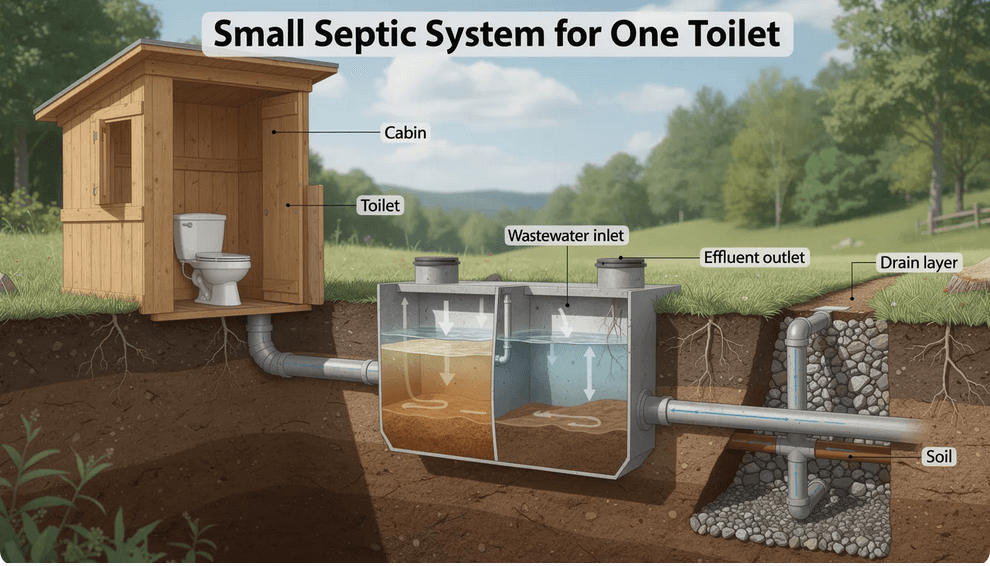
A septic system is a self-contained wastewater treatment solution designed to manage and treat wastewater from a single toilet, making it ideal for small homes, cabins, pole barns, or outhouses. Small septic systems are especially versatile for cabins and hunting cabins, providing reliable waste management in remote or off-grid locations where traditional services may not be accessible.
A small septic system for one toilet typically consists of a septic tank and a drain field. These systems rely on natural biological processes, including the action of aerobic bacteria, to break down human waste efficiently and safely. Most people choose these systems for their simplicity and effectiveness in managing waste and other materials in areas where traditional sewer connections are not available.
Understanding how septic systems work is essential for maintaining a healthy and functioning system that protects both your property and the environment. Septic tanks play a crucial role in this setup by collecting and treating wastewater before it disperses into the drain fields. Selecting the right size and type of septic tank ensures effective treatment of wastewater and helps prevent environmental pollution.
A DIY septic system is a low-cost and easy-to-build solution for waste management, making it accessible for homeowners and those with cabins or outhouses. Regular maintenance, including pumping and inspections, is necessary to keep the system operating smoothly and to avoid costly repairs.
Next, let’s explore why choosing the right septic tank size is so important for your one-bathroom setup.
Septic Tank Size Considerations
Why Size Matters
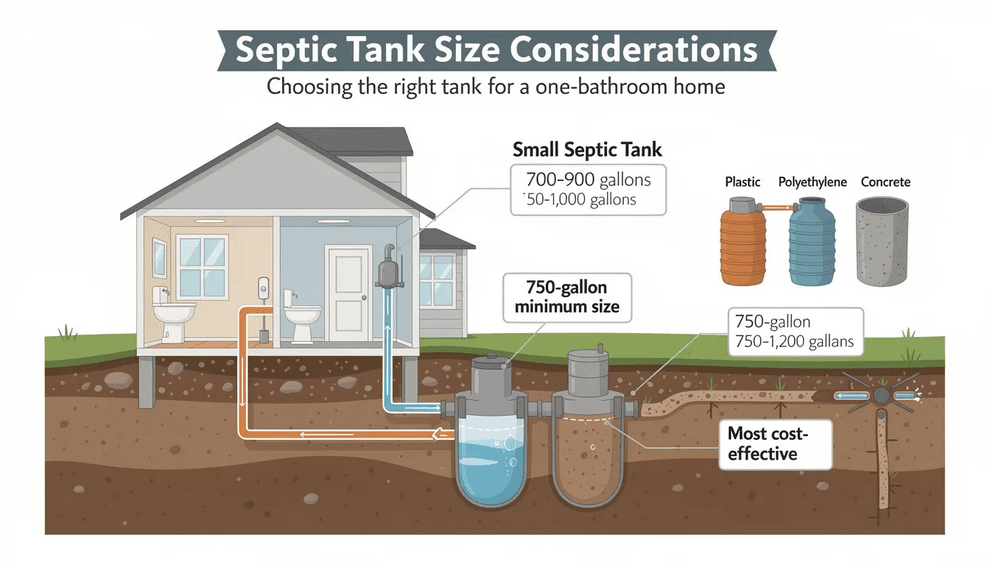
Choosing the appropriate septic tank size is vital for a one-bathroom home or small system. The right size ensures your system can handle the daily wastewater load without risk of overflow, malfunction, or environmental contamination. Undersized tanks can lead to frequent maintenance issues, while oversized tanks may be unnecessarily expensive.
Typical Size Range
The smallest septic tank size available on the market is a 750-gallon tank, and the size for a small system typically ranges from 700 to 900 gallons for adequate storage and treatment. Typically, a small septic tank system for one bathroom ranges from 750 to 1,200 gallons, depending on factors such as the number of occupants, water usage, and the number of rooms (often two rooms or fewer). The septic tank size should be carefully determined based on occupancy and plumbing load to ensure the system can handle the wastewater load effectively without risk of overflow or malfunction.
Material Options
When considering material options for small septic tanks, plastic septic tanks—especially those made from polyethylene—are popular due to their cost-effectiveness, ease of installation, and resistance to corrosion. Polyethylene is the most budget-friendly option for homeowners looking to save on the cost of their septic tanks.
Cost Overview
Small septic tanks cost between $2,900 and $18,600 on average. It’s important to factor in not just the initial purchase price, but also installation, maintenance, and potential repair costs over the system’s lifespan.
Local regulations and permits are necessary for installing a small septic system for one bathroom, and most states require a percolation test to assess soil suitability for a septic system installation.
With the right size and material selected, the next step is to understand the different materials available for septic tanks and how they impact your system’s performance.
Materials for Septic Tanks
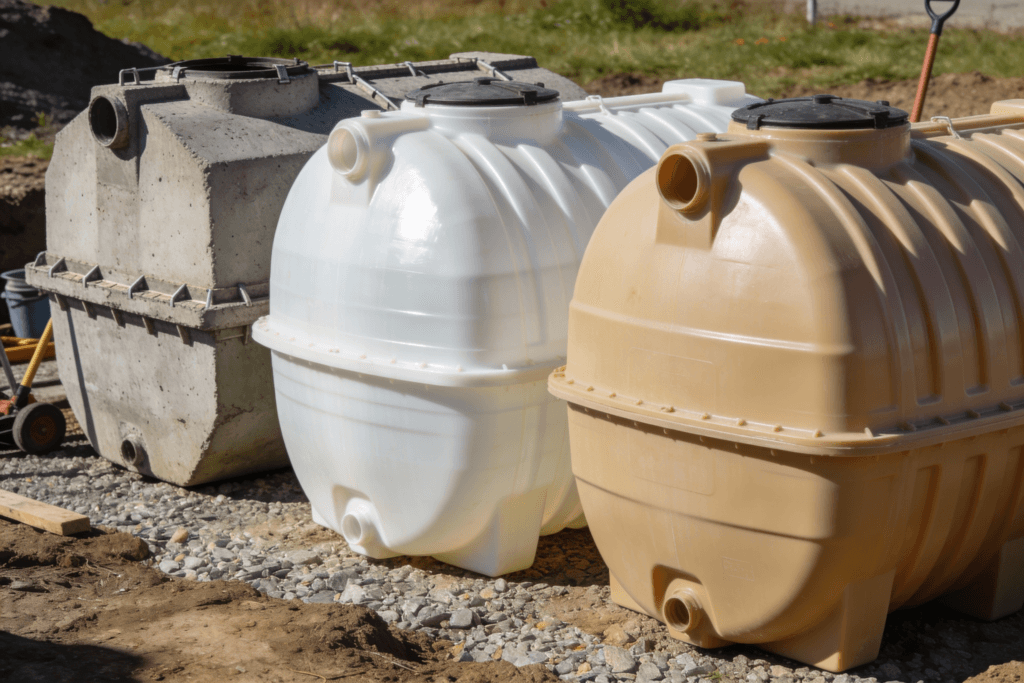
Septic tanks are available in various materials, each with its advantages and considerations:
- Concrete Tanks: Known for their durability and resistance to corrosion, concrete tanks are a popular choice for small septic systems. They provide a sturdy, long-lasting solution but are heavy and require specialized equipment for installation. Concrete tanks are suitable for most soil types and offer excellent longevity.
- Fiberglass Tanks: These tanks are lightweight and corrosion-resistant, making them ideal for off-grid installations or locations where ease of installation is a priority. Fiberglass tanks are durable but can be more expensive than plastic options. They are also less prone to cracking compared to concrete.
- Plastic Septic Tanks: Plastic tanks are cost-effective and easy to install due to their lightweight nature. They are corrosion resistant but may be less durable than concrete or fiberglass tanks. Plastic tanks are suitable for small septic systems but can be susceptible to damage from heavy rain, shifting ground, or heavy vehicles.
The choice of material will depend on your budget, site conditions, and local regulations. It’s important to choose a tank that meets construction standards and is appropriate for your soil and environmental conditions.
Next, let’s look at the key factors that affect the performance and longevity of small septic systems.
Factors Affecting Small Septic Systems
Key Considerations
When planning a small septic system for a single toilet, several important factors can influence the system’s effectiveness and longevity. The septic tank size is a primary consideration—choosing the right capacity ensures the system can handle daily wastewater from your household without overloading.
Material and Durability
The material of the septic tank also plays a significant role in the system’s durability and maintenance needs. Concrete tanks are known for their strength but can be susceptible to cracking over time, especially in areas with shifting soil. Plastic septic tanks and fiberglass tanks, on the other hand, are lightweight and corrosion resistant, making them easier to install and less prone to certain types of damage. However, they may require additional support in areas with high groundwater or heavy soil loads.
System Design and Maintenance
The design of the system, including the layout of drain fields and leach lines, is crucial for effective wastewater treatment and environmental protection. Properly designed drain fields help filter and disperse treated wastewater safely into the ground, reducing the risk of contamination. Regular maintenance, such as pumping and inspections, is essential to keep the system running smoothly and to prevent costly repairs or environmental issues.
By considering these factors—tank size, material, system design, and ongoing care—homeowners can ensure their small septic system remains reliable and environmentally responsible.
Now, let’s move on to the best practices for locating and installing your small septic system.
Location and Installation of Small Septic Systems
Site Selection
The location of your septic tank and leach line (drain field) is critical to the system’s effectiveness and environmental safety. The septic tank should be installed on well-drained ground, away from the house, water sources, and areas prone to flooding or heavy rain. Proper placement ensures sanitary treatment of wastewater and prevents contamination of groundwater. Septic systems should be located away from flood zones, steep slopes, and areas that are difficult to excavate.
Installation Steps
When installing a small septic system, follow these key steps:
- Site Assessment: Evaluate the area for soil type, slope, groundwater level, and access for maintenance.
- Percolation Test: Most states require a percolation test to assess soil suitability before installation.
- Excavation: Excavate the area for the tank and drain field.
- Tank Placement: Place the tank in the middle of the designated site.
- Pipe Connections: Connect the pipes from the house to the tank and from the tank to the drain field.
- Drain Field Setup: Install gravel-filled trenches with perforated pipes to allow treated wastewater to percolate safely into the soil.
- Final Inspection: Ensure all connections are secure and the system meets local codes.
For setups like pole barns, hunting cabins, or small houses, ensure there is adequate space for both the tank and the drain field. Planning for access to the system for pumping and inspections is also essential to maintain functionality over time.
Septic systems for one toilet typically consist of a septic tank and a drain field.
Next, let’s review the best septic solutions for homes with just one toilet.
One Toilet Septic Solutions
For homes with just one toilet, there are several septic system solutions that balance efficiency, cost, and environmental impact. A small septic tank system, sometimes called a mini septic system, is a popular choice. This setup typically includes a septic tank and a drain field, working together to treat wastewater and safely dispose of human waste. The tank allows solids to settle while liquids move on to the drain field for further treatment.
Composting toilets offer an alternative, especially for those seeking an inexpensive septic system or living off grid. These toilets use aerobic bacteria to break down waste, turning it into compost that can be safely managed. Composting toilets require little to no water and can be a practical solution where installing a traditional septic system is not feasible. However, it’s important to check local regulations before choosing this option, as not all areas permit composting toilets as a sole waste management solution.
For a truly sanitary and effective setup, a complete system—including a properly sized tank, drain field, and plumbing—is essential. This ensures that all wastewater, not just toilet waste, is treated and disposed of safely. Whether you choose a traditional small septic system, a mini septic, or a composting toilet, make sure the solution fits your household’s needs and complies with local codes for a safe and reliable outcome.
Next, we’ll discuss how to keep your small septic tank system running smoothly with proper maintenance and pumping.
Maintenance and Pumping Requirements for a Small Septic Tank
Regular maintenance is crucial to extend the life of your septic system and prevent backups or environmental contamination. For a small septic tank system, it is important to regularly pump the tank—typically every 3 to 5 years, depending on usage and tank size. Regular pumping removes accumulated solids (sludge) and scum, which are layers of waste that do not break down easily and can clog the system if left unchecked.
Routine inspections should check for leaks, cracks, or blockages in the tank and drain field. Maintaining records of pumping and inspections helps track the system’s health and schedule future maintenance. Avoid flushing non-biodegradable items or harsh chemicals that can disrupt the aerobic bacteria responsible for breaking down waste.
Users of DIY septic systems often report satisfaction with their performance and ease of installation.
Now, let’s explore some alternatives to traditional septic tanks for small systems.
Alternatives to Traditional Septic Tanks in Small Systems
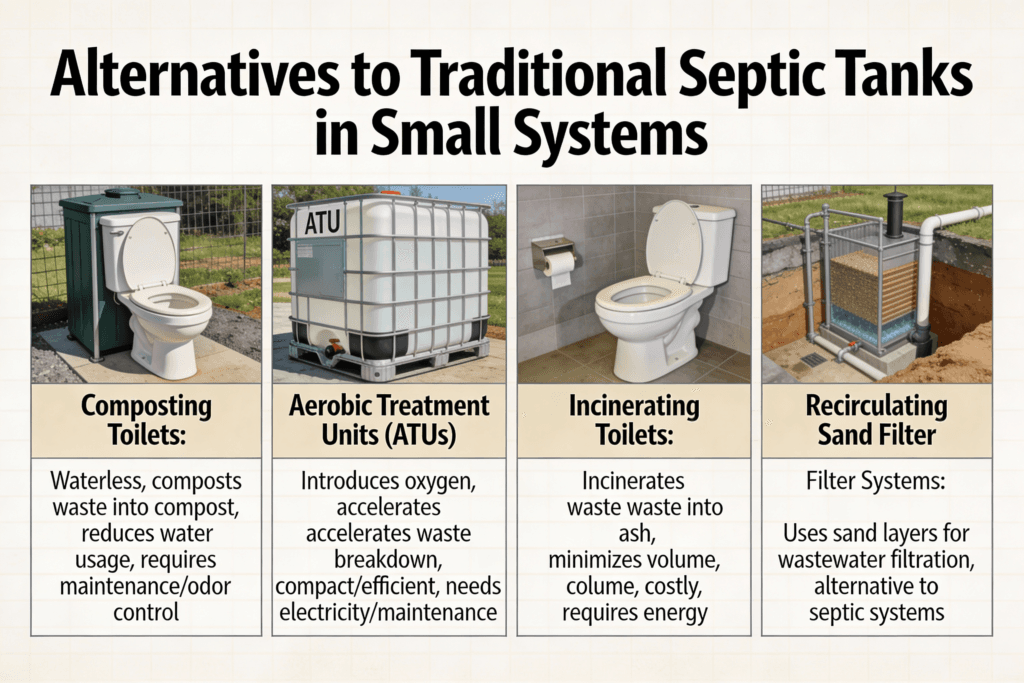
For small homes or off-grid locations, there are alternatives to traditional septic tanks:
- Composting Toilets: Waterless toilets that compost human waste into compost, reducing water usage and eliminating the need for a septic tank. They are sanitary and eco-friendly but may require regular maintenance and odor control.
- Aerobic Treatment Units (ATUs): Systems that introduce oxygen into the treatment process, accelerating the breakdown of waste and producing cleaner effluent. They are compact and efficient but may require electricity and more maintenance.
- Incinerating Toilets: Toilets that use gas or electricity to incinerate waste into ash, minimizing waste volume. However, they may be more costly and require energy sources.
- Recirculating Sand Filter Systems: Systems that use layers of sand for wastewater filtration and are an alternative to traditional septic systems.
- Constructed Wetlands: Systems that mimic natural filtration processes and can be used as an alternative to traditional septic systems.
- Drip Irrigation Systems: Systems that combine wastewater treatment with irrigation, providing an efficient and eco-friendly alternative to traditional septic systems.
- HomeBiogas Bio-Toilet Kit: A modern alternative that includes a biodigester for waste management.
The HomeBiogas system produces biogas for cooking and nutrient-rich fertilizer from waste, making it an eco-friendly option.
Each alternative offers unique benefits and considerations, depending on your setup, budget, and environmental goals.
Next, let’s look at the cost and budget considerations for choosing the right septic tank size.
Cost and Budget Considerations for Septic Tank Size
The cost of installing a septic tank system varies widely based on tank size, material, installation complexity, and local regulations. Small septic tank systems are generally more affordable and can be an inexpensive septic system solution for small homes or cabins.
However, it’s important to consider the total cost of ownership, including installation, maintenance, pumping, and potential repairs. Inexpensive systems may require more frequent maintenance or have shorter lifespans, leading to higher long-term costs. Investing in a quality tank and professional installation can save money and trouble down the road.
Let’s now review the most important considerations for homeowners evaluating a small septic system.
Small Septic Considerations for Homeowners
Homeowners evaluating a small septic system for a single toilet should weigh several key considerations to ensure a successful installation and long-term performance.
- Cost: The price of a small septic tank system can vary widely, typically ranging from $2,900 to $18,600 depending on the septic tank size, materials used, and the complexity of the installation. Don’t forget to factor in expenses for building permits, site preparation, and any required inspections.
- Maintenance: Regular pumping and inspections are necessary to keep the system functioning properly and to prevent issues like leaks, soil contamination, or system failure.
- Environmental Impact: Properly maintained systems protect groundwater and soil, while neglected systems can pose serious sanitary and environmental risks.
- Alternative Solutions: For off grid properties, such as hunting cabins or pole barns, alternative solutions like composting toilets or gray water systems may be more practical. These options can help manage human waste and wastewater effectively when traditional septic systems are not feasible.
Always check local building permits and regulations before installation to ensure your system meets all requirements and operates safely.
By carefully considering cost, installation, maintenance, and environmental factors, homeowners can select a small septic system that provides reliable, sanitary wastewater treatment for years to come.
Next, let’s examine the environmental impact of septic systems for one toilet.
Environmental Impact of Septic Systems on One Toilet
Improperly maintained septic systems can lead to environmental pollution, including contamination of groundwater, soil, and nearby water bodies. A well-designed small septic system uses natural processes and aerobic bacteria to treat wastewater safely, minimizing environmental impact.
Regular maintenance and proper system design help prevent leaks, backups, and overflow during heavy rain or flooding. Selecting the right location and adhering to construction guidelines ensures that the system remains sanitary and environmentally responsible.
Finally, let’s summarize the key points and final considerations for choosing a small septic tank system.
Conclusion and Final Considerations for a Small Septic Tank System
Choosing the right small septic tank for a one-bathroom home involves careful consideration of size, material, location, and maintenance needs. A small septic tank system can provide a reliable, sanitary, and cost-effective solution for wastewater treatment in small homes, hunting cabins, pole barns, or off-grid setups.
Regular maintenance, including pumping and inspections, is essential to keep the system functioning properly and to protect the environment. Considering alternatives like composting toilets or aerobic treatment units may also be beneficial depending on your specific needs.
By understanding these key factors and planning accordingly, homeowners can ensure their septic system provides years of trouble-free service, maintaining a sanitary and healthy environment for their household and property.