
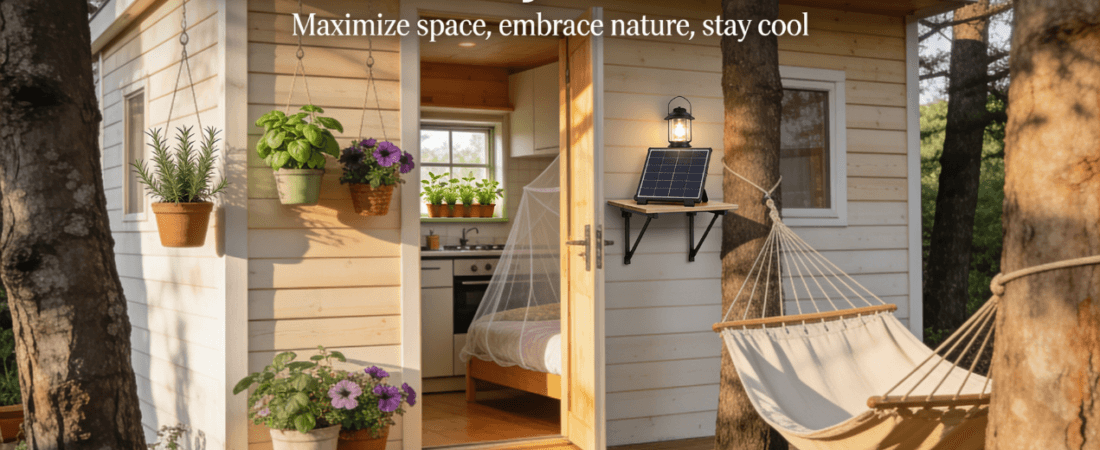
Summer is the perfect season to refresh your tiny home with smart summer tiny home hacks and embrace efficient ways to make the most of your limited space. Tiny homes, much like apartments, are small, efficient living spaces where space optimization, multifunctional furniture, and clever storage solutions are essential. Many summer tiny home hacks are inspired by professional designers and creative inspiration from other small-space dwellers, ensuring both functionality and style. Whether you live in a tiny house year-round or use it as a seasonal retreat, these summer tiny home hacks will help you stay cool, organized, and comfortable while maximizing every inch of your cozy living area. By making seasonal adjustments tailored to the warmer months, you can enhance your tiny home living experience with style and function.
This guide is for tiny home owners and enthusiasts looking to stay cool, organized, and comfortable during the summer months.
Below are ten clever ideas to help you optimize your tiny home this summer, focusing on maximizing natural light, improving ventilation, creating functional dining spaces, and expanding your living area both indoors and out.
- Introduction to Tiny Living
- Summer Hacks
- Maximize Natural Light In Your Tiny Home
- Cool Your Tiny House Without AC
- Dining Table Hacks For Tiny Homes
- Built-Ins And Storage Solutions For Small Spaces
- Built-Ins: Bench And Loft Details
- Furniture Selection For Tiny Homes
- Use Ceiling Height To Expand Living Areas
- Kitchen Solutions For Small Spaces
- Bedroom Solutions For Tiny Homes
- Entryway And Mudroom Hacks For Tiny Homes
- Fabrics, Shades, And Natural Light Control For Tiny Homes
- Outdoor Extensions For Summer Tiny Homes
- Seasonal Upgrades And Maintenance Tips For Tiny Home Owners
- Quick Summer Tiny Home Checklist
Introduction to Tiny Living
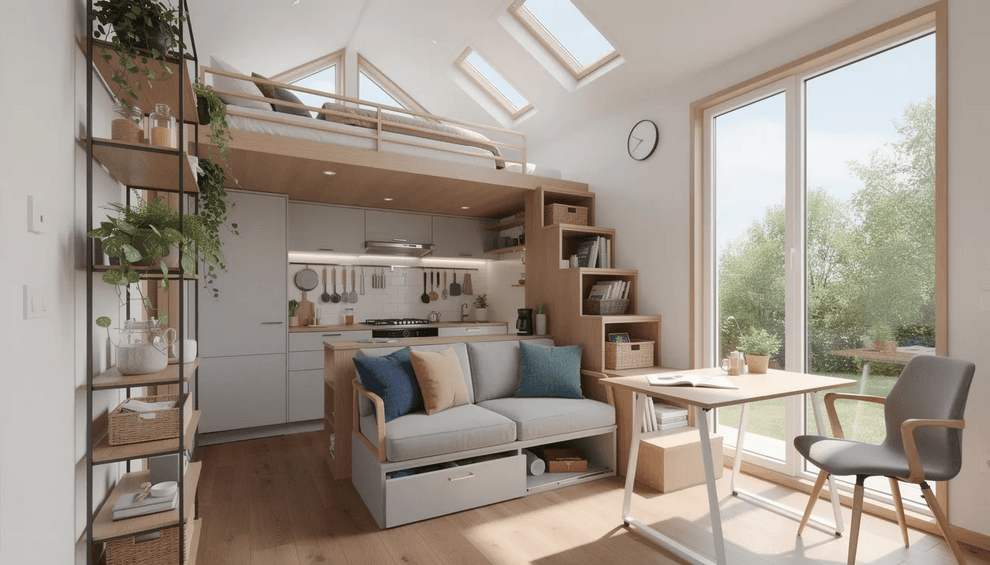
Tiny living is more than a trend. It’s a lifestyle choice. Tiny homes are small, efficient living spaces that appeal to those seeking simplicity and a minimalist lifestyle. It’s all about making the most of every inch. Every inch of your own home. Are you drawn to a tiny house? Maybe it’s the simplicity. Maybe it’s the sustainability. Or maybe it’s the freedom it offers. The key to successful tiny home living is simple. Maximize space. Create openness. Large windows are essential. Skylights too. They bring in natural light. This makes your living area feel brighter. It makes it feel more expansive. Vertical space is your secret weapon. Think tall shelving. Think hanging storage. Think built-in storage solutions. These keep your essentials organized. They don’t clutter up your floor. Choose functional furniture. Use smart layouts. You can create a tiny home that feels spacious. You can make it feel inviting. This proves something important. Less square footage doesn’t mean less comfort. It doesn’t mean less style.
Summer Hacks
Maximize Natural Light In Your Tiny Home
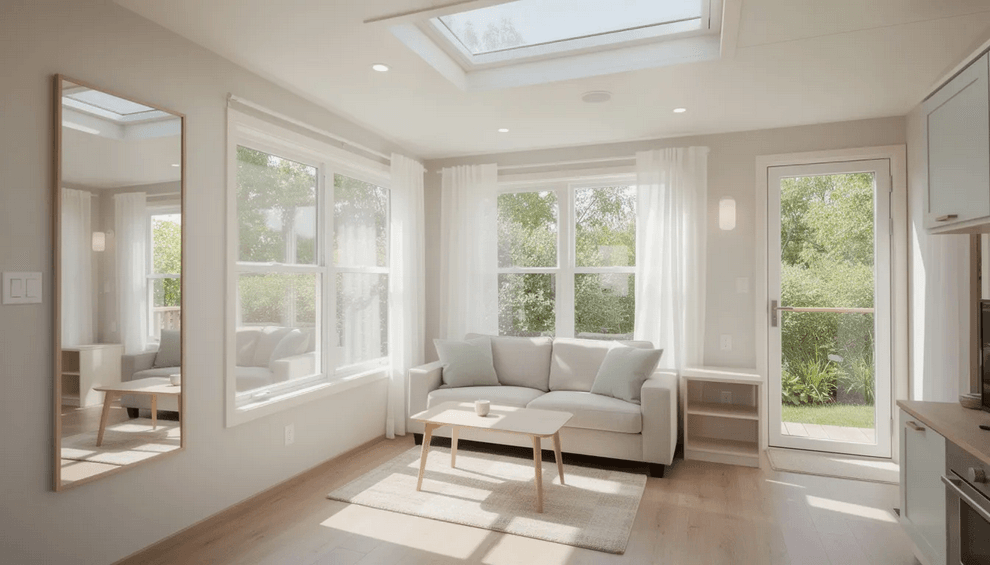
One of the simplest ways to brighten your tiny home and make it feel more spacious is to maximize natural light. Start by removing heavy drapes or curtains that block sunlight. If possible, consider installing skylights to bring in additional daylight from above. Strategically placing mirrors opposite windows can reflect light deeper into rooms, enhancing brightness. Incorporating large windows or glass doors can also create a seamless flow between indoor and outdoor living, making the space feel more open and connected. Choosing light-reflective paint colors on walls and ceilings also helps to amplify the natural light, creating an airy and inviting interior. Using light and neutral color palettes can further transform tiny homes into beautiful, light-filled retreats.
Cool Your Tiny House Without AC
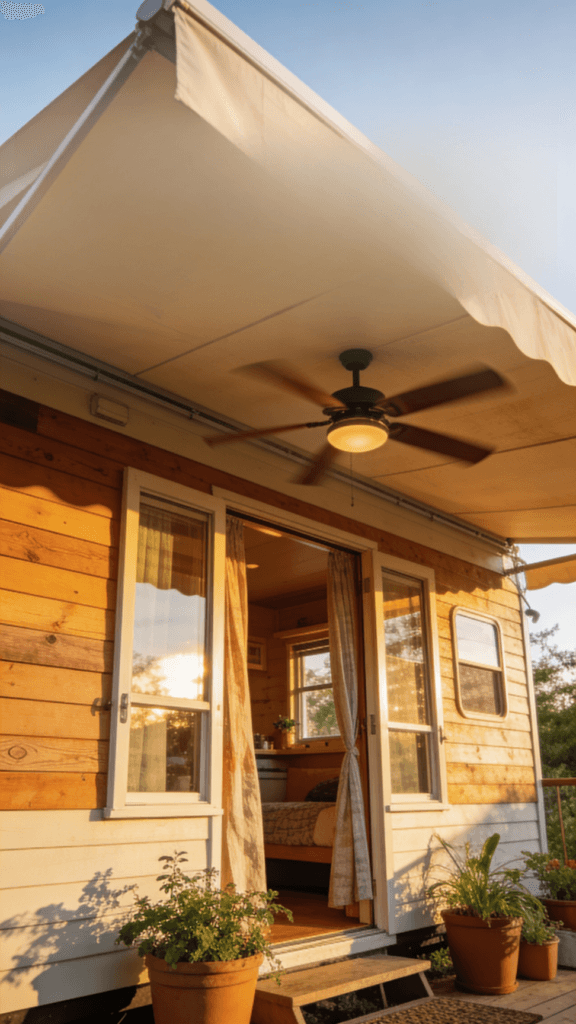
Keeping your tiny home cool during summer doesn’t always require air conditioning. Utilize passive cooling techniques such as parking under shade and maximizing cross-ventilation to keep your space comfortable.
Passive Cooling Techniques
Create cross-ventilation by opening windows or doors on opposite sides of the house to allow fresh air to flow through. Open windows on opposite sides in the early morning and late evening to flush out hot air and refresh the interior. Installing ceiling fans near seating and sleeping areas can help circulate air and provide a refreshing breeze.
Run ceiling fans counter-clockwise at low speeds to create a wind-chill effect that allows for higher thermostat settings without losing comfort. Using a small dehumidifier can make the air feel less oppressive. Unplug electronics and appliances when not in use to eliminate silent background heat.
Smart Cooling Upgrades
For portable AC units, use hose-in-hose designs to prevent hot air from leaking back into the room. In rooms without windows, utilize the two-fan trick to exhaust hot air and circulate it. Mini-split HVAC systems are energy efficient and provide zonal temperature control in tiny homes. Replace incandescent bulbs with LEDs to reduce internal heat generation.
Outdoor Cooking Solutions
Cook outdoors with a grill or slow cooker to keep indoor temperatures from rising. Applying reflective window film on sun-facing windows reduces heat gain by reflecting sunlight away, lowering indoor temperatures naturally.
All these strategies help maintain a comfortable temperature in your tiny home.
- Park your tiny home under shade to reduce heat gain.
- Maximize cross-ventilation by opening windows or doors on opposite sides.
- Use ceiling fans set to run counter-clockwise for a cooling breeze.
- Install a small dehumidifier to reduce humidity and discomfort.
- Unplug unused electronics and appliances to minimize background heat.
- Use hose-in-hose portable AC units to prevent hot air leaks.
- Try the two-fan trick in windowless rooms to exhaust hot air.
- Install mini-split HVAC systems for efficient, zonal cooling.
- Replace incandescent bulbs with LEDs to lower internal heat.
- Install phase-change materials (PCM) in the ceiling to absorb heat.
- Apply a white silicone coating to the roof to reflect sunlight.
- Add a bell tower style cap on the roof to vent hot air.
- Position your home so the shortest walls face east and west.
- Hang a wet sheet in front of an open window for evaporative cooling.
- Cook outdoors with a grill or slow cooker to keep the interior cool.
- Apply reflective window film to sun-facing windows.
Dining Table Hacks For Tiny Homes
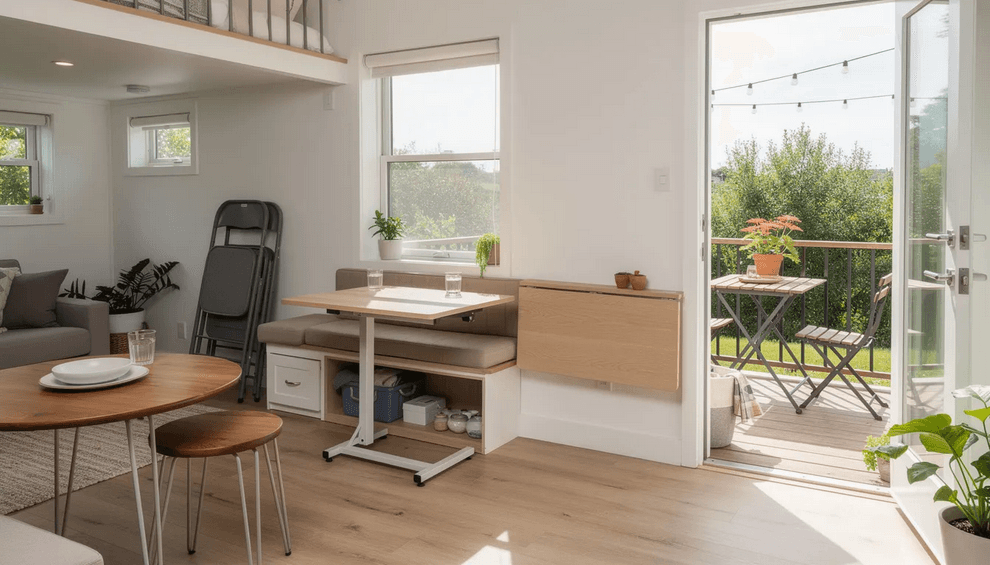
Dining in a small space calls for smart furniture choices. Wall-mounted drop-leaf tables are excellent for saving space when not in use but can be easily extended for meals. Round nesting tables offer versatile seating options and can be tucked away as needed. Bench seating with concealed storage underneath provides extra seating and a place to stow away items. Choosing space-saving or multifunctional chairs, such as folding or stackable chairs, maximizes seating and efficiency in small dining areas. For summer, consider portable outdoor dining setups that allow you to enjoy meals in your outdoor space, freeing up interior room. Creating distinct zones for living, sleeping, and dining—including a dedicated dining area—helps tiny homes feel cohesive and efficient.
Built-Ins And Storage Solutions For Small Spaces
Built-in cabinetry can be a great way to outfit awkward spaces in a tiny home.
Smart Storage Ideas
Efficient storage is key in tiny homes. Toe-kick drawers beneath kitchen cabinets make use of otherwise wasted space. Staircases can be used for built-in or hidden storage, such as converting steps into pull-out drawers to store kitchen supplies or linens. Built-in banquette seating with lift-up storage compartments offers cozy seating while hiding clutter.
Using ottomans, coffee tables, and nightstands with built-in storage can help keep a tiny home organized. Built-in cabinetry or multifunctional furniture can also be used to discreetly store art supplies and other creative materials. Installing high shelves near the ceiling is perfect for storing infrequently used items, keeping your living space tidy and functional.
Built-Ins: Bench And Loft Details
Lift-up bench seats can be constructed using lightweight materials, providing comfortable seating with hidden storage beneath. These built-in benches are standout features that enhance both functionality and comfort in a tiny home. Loft ladders designed with integrated storage compartments maximize vertical space and help keep essentials organized.
Incorporating a lofted bedroom is a smart way to maximize vertical space and add extra storage, making the most of every inch available. Using lightweight materials for loft platforms ensures safety without adding unnecessary weight, making lofted bedrooms or sleeping lofts an excellent way to free up floor space in your tiny home. For inspiration, check out some of our favorite homes that showcase innovative lofted bedroom designs and built-in features to elevate your summer tiny home experience.
Furniture Selection For Tiny Homes
Furniture matters. Small spaces need smart choices. Every piece should work hard. Think sofa beds. Think folding tables. One piece. Two jobs. That’s smart. Look for storage. Ottomans hide things. Beds have drawers. Keep things tidy. Keep things working. Clean lines work best. Compact designs too. They make space feel bigger. They make flow happen. Don’t forget walls. Mount shelves up high. Try lofted beds. Use vertical space. Get creative. Smart furniture makes tiny homes work. Comfort? Check. Style? Check. Function? Double check. Every square foot counts. Make it count.
Use Ceiling Height To Expand Living Areas
Taking advantage of ceiling height can dramatically increase your tiny home’s usable space. The structure of your tiny home is crucial for supporting high ceilings and lofts, allowing you to maximize vertical space safely and effectively. Lofted beds, especially when placed at the center of the layout, can free up floor space for other functions, such as an office or seating area, and help balance the overall design.
Using engineered wood for loft platforms or high shelves ensures durability and strength while maintaining a lightweight and sustainable build. Tall windows accentuate the height of rooms and bring in more natural light. High-mounted shelving near the ceiling is ideal for storing seasonal or rarely used items, keeping them out of the way but easily accessible when needed. Additionally, incorporating outdoor spaces, such as patios or decks, can extend your living area and create a seamless flow between indoor and outdoor living.
Kitchen Solutions For Small Spaces
Want a tiny kitchen that works? You can have both beauty and efficiency. How? With a few smart moves. Start with compact appliances. You need them small. Mini fridges work great. Slim stoves too. Under-counter microwaves? Perfect choice. They fit your needs. They don’t hog space.
What about counter space? Maximize it. Install wall-mounted shelves. Add kitchen cabinets. Keep daily items close. But off the counters. Need more prep space? Get a rolling kitchen cart. Or a small island. Extra storage too. Move them when you don’t need them. Smart, right?
Want a cozy dining spot? Built-in banquettes work. Breakfast nooks too. They don’t crowd your kitchen. Plan it right. Your tiny kitchen can be functional. And inviting. Perfect for cooking. Great for dining. Ideal for gathering.
Bedroom Solutions For Tiny Homes
Designing a bedroom in a tiny home? It’s all about maximizing comfort. Keep the space open. Keep it uncluttered. A sleeping loft is popular. Really popular. It frees up valuable floor space. Use that space for other things. Creates a cozy retreat. An elevated one too.
Look for beds with built-in storage underneath. Smart choice. Or opt for wall-mounted nightstands. Keep essentials close. Don’t take up extra room. Use vertical space. Go up, not out. Shelving works. Hanging organizers work too. Let in natural light. As much as possible. Use sheer curtains. Use blinds. Makes the bedroom feel larger. Makes it more inviting. Combine smart storage with compact furniture. Add plenty of light. You can create a restful bedroom. A stylish one. One that makes the most of your tiny home’s square footage.
Entryway And Mudroom Hacks For Tiny Homes
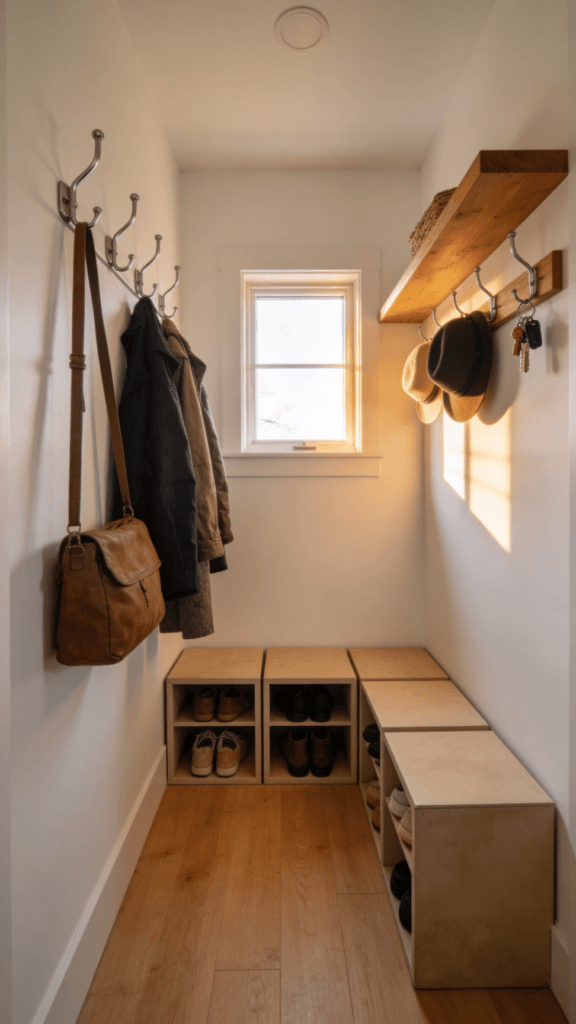
The entryway is the first thing you see. The mudroom too. They matter a lot in your tiny home. Keep them clean. Keep them useful. Use hooks on the wall. Put up some shelves. Get some cubbies. These hold your shoes. They hold your coats. They hold your bags. Everything stays neat.
A small bench works great. You can sit on it. You can put on your shoes. A storage ottoman is good too. It gives you a place to sit. It also stores your stuff. Seasonal gear fits inside. Got some space? Add a small closet. Or get some baskets. They catch the mess. They keep things tidy. Put down a mat. Natural fiber works. A small rug is good too. This makes the space feel real. It adds warmth. It adds texture. Your entrance looks better. You can make it work. Even if your tiny home is really small. Just use smart ideas. Make it welcoming. Make it useful. It’s that simple.
Fabrics, Shades, And Natural Light Control For Tiny Homes
Woven shades are a stylish way to filter sunlight while maintaining privacy and airflow. Removable curtain panels can be taken down to improve ventilation during hot days and put back up as needed. Using light-reflective textiles for cushions, rugs, and upholstery helps bounce light around the space, enhancing the bright and warm summer atmosphere.
Consider using reclaimed wood for window frames or shade structures to add warmth, durability, and sustainability to your tiny home. Covered porches not only provide essential shade but also serve as a transition space during inclement weather, helping to control light and heat entering your home.
Outdoor Extensions For Summer Tiny Homes
Expanding your living space outdoors is a great way to enjoy summer. Folding decks can enlarge your dining or lounging areas when extended and fold away to save space. Shade sails provide protection from the sun while adding a modern aesthetic to your patio or porch. Outdoor storage benches offer seating and a convenient place to store bulky equipment like gardening tools or outdoor cushions.
Consider adding outdoor amenities such as an outdoor shower, hot tub, fire pit, or yoga deck to enhance your outdoor living experience. Installing a fireplace—whether wood-burning or gas—can create a cozy gathering spot for cool summer evenings. French doors are a stylish way to connect indoor and outdoor spaces, maximize natural light, and make your tiny home feel more open and inviting. Opting for a metal roof ensures durability and weather resistance, making it ideal for tiny homes in various climates.
Tiny homes are increasingly popular as vacation rentals and getaway options, and they can be built on wheels or foundations for added flexibility. Many tiny homes incorporate outdoor spaces to extend living areas and enhance the overall getaway experience.
Seasonal Upgrades And Maintenance Tips For Tiny Home Owners
Regular maintenance keeps your tiny home in top shape for summer. Inspect and maintain your front door for security and energy efficiency, ensuring it closes tightly and the hardware is in good condition. Check weatherstripping on windows and doors to ensure they seal properly and keep out hot air and insects.
Examine your sink and bathroom fixtures for leaks or maintenance needs to prevent water damage and maintain functionality in these essential spaces. Clean gutters and roof vents to prevent clogs and improve ventilation. Installing removable insect screens on windows allows you to keep fresh air flowing without inviting bugs inside.
By staying on top of these tasks, you not only keep your tiny home comfortable but also support financial freedom by reducing costly repairs and utility bills. Plus, efficient living and regular upkeep in a tiny home are often more environmentally friendly due to the smaller footprint and reduced resource consumption.
Quick Summer Tiny Home Checklist
Before fully settling into summer, run through a quick checklist: inspect vents and seals for efficiency, prepare portable fans and sunshades, clear clutter to keep your space airy, inspect and maintain wood features for durability and appearance, and ensure the bathroom—especially the shower—remains spacious and comfortable for summer use. These simple steps help maintain a comfortable and functional tiny home environment during the warmer months.
By implementing these summer tiny home hacks, you can create a cool, organized, and inviting small home that perfectly suits the season while maximizing your limited square footage. Enjoy your summer living space to the fullest with these smart and stylish tips!