You want a tiny home without draining your savings. The good news: affordable tiny homes are still possible in 2024, but the path requires knowing exactly where to look and what corners you can actually cut without sacrificing quality or safety.
This post breaks down the real options—from ultra-budget shed conversions to used tiny houses on wheels—so you can find the route that fits your money, your skills, and your life.
- Fast answers: how to get a tiny home cheap in 2024
- What “cheap tiny home” really means today
- Cheapest tiny home routes: from sheds to Amazon kits
- DIY tiny homes: saving money with sweat equity
- Finding cheap tiny homes for sale (not just to build)
- Hidden costs that make “cheap” tiny homes expensive
- Tips to keep your tiny home budget truly low
- Legal, zoning, and safety checks before you buy or build
- Planning your own cheap tiny home: next steps
Fast answers: how to get a tiny home cheap in 2024
If you’re searching for concrete cheap options right now—under $10k, $20k, or $40k—here are the direct answers before we jump into the deeper detail.
The cheapest paths to a tiny home in 2024:
- DIY shed conversion from a big-box store shell: Often $6,000–$18,000 total in materials and basic fixtures when you do the labor yourself
- Basic prefab cabin shells from Amazon or similar: Starting around $4,000–$8,000 before interior build-out, electrical, or plumbing
- Used tiny homes on wheels: Typically $25,000–$60,000 depending on age, condition, and features—often cheaper than a new custom build
- Canvas yurts or basic structures for warm climates: Starting around $2,500–$5,000, though year-round living requires climate considerations
- Plans-only approach with reclaimed materials: Buy professional plans ($200–$800) and source salvaged lumber, windows, and fixtures to keep costs under $15,000 for the structure
- Converted steel sheds: Under $1,000 for the shell, but requires significant work to make habitable
Truly getting a tiny house cheap under about $5,000 usually means bare-bones construction, an off grid retreat setup, or a phased build where you complete the shell first and finish the rest as money allows.
The sections below break down each option with realistic cost expectations and the trade-offs involved, but using a dedicated tiny home cost calculator can help you map these numbers to your exact situation.
What “cheap tiny home” really means today
Building material inflation since 2020 has fundamentally changed what “cheap” means for tiny construction. Those viral YouTube videos from 2015 showing $8,000 complete builds? The same materials and fixtures now cost two to three times more.
Three realistic budget tiers for 2024:
- Ultra-budget (under $15k): Requires significant DIY labor, basic finishes, and often means an unfinished interior or off-grid setup. You’re likely working with a shed conversion, reclaimed materials, or a phased build. Square footage typically stays under 200 sq ft.
- Mid-budget ($15k–$40k): Gets you a weathertight, insulated structure with basic plumbing, electrical, and functional finishes. Most DIY builders land here. Expect 150–300 sq ft with a loft, a functional kitchen, and a small bathroom.
- Comfort-budget ($40k–$80k): Allows for premium materials, professional help on key systems, better insulation, and quality craftsmanship throughout. This tier approaches the $67,000 average tiny home price—still 87% less than the median traditional house at $428,700.
What drives costs up:
- Trailer purchase (for mobile tiny homes): $4,000–$8,000 for a quality flatbed
- Insulation level: Spray foam vs. fiberglass can add $2,000–$5,000
- Windows and doors: Standard sizes save thousands over custom
- Professional labor: Even partial contractor work doubles many budgets
- Utility hookups and permits: Often $2,000–$10,000 depending on location
Understanding these tiers helps you set realistic expectations before you spend your first dollar.
Cheapest tiny home routes: from sheds to Amazon kits
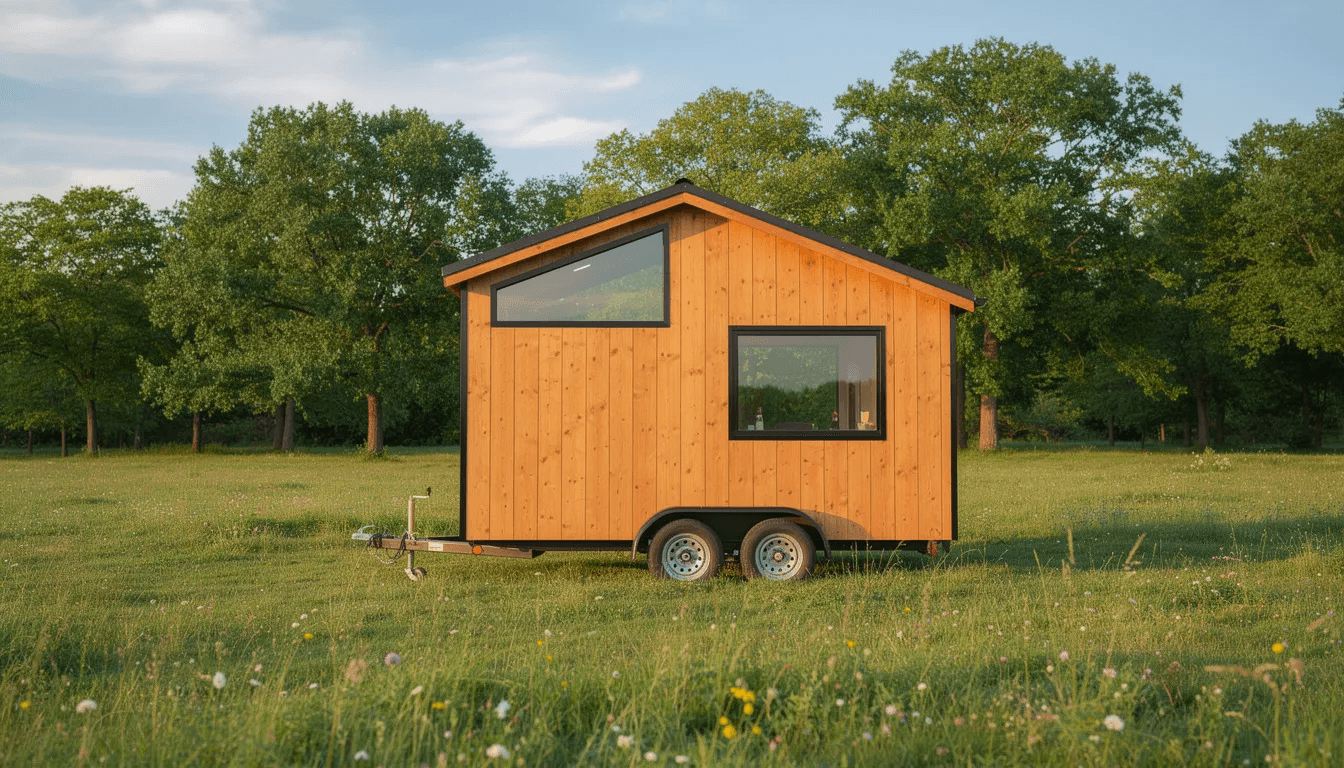
Repurposed sheds, cabin kits, and online prefab shells consistently offer the lowest cash-out options for anyone wanting to create an affordable tiny house living space.
- Big-box store sheds (12×24 wood shed from Home Depot or Lowe’s): The structure itself runs $5,000–$12,000 delivered. With DIY insulation, basic electrical, simple plumbing, and interior finishing, total costs typically land between $15,000–$30,000 depending on your finish level and climate needs.
- Amazon/e-commerce tiny structures: 10×12 or 12×20 cabin kits in the $3,000–$10,000 range provide a shell and sometimes windows and a front door, but need complete interior build-out. These require easy assembly skills and additional investment for anything beyond four walls and a roof.
- Canvas yurts: Starting around $2,500 for quality options, yurts work well for warm climates or seasonal use. Year-round living in cold regions requires significant investment in insulation and heating solutions.
- Hardtop gazebos: In the $3,500–$5,000 range, these can serve as the starting point for a small cabin in mild climates, though they lack proper wall structure for true four-season living.
- Steel sheds: Available under $1,000, but the construction required to make them habitable (insulation, moisture control, framing for walls) often costs more than the shed itself.
Critical note: Before treating any shed or kit as a home, you must check local zoning and building codes. Plan for added costs including insulation, electrical work, plumbing, upgraded windows, and any required permits.
DIY tiny homes: saving money with sweat equity
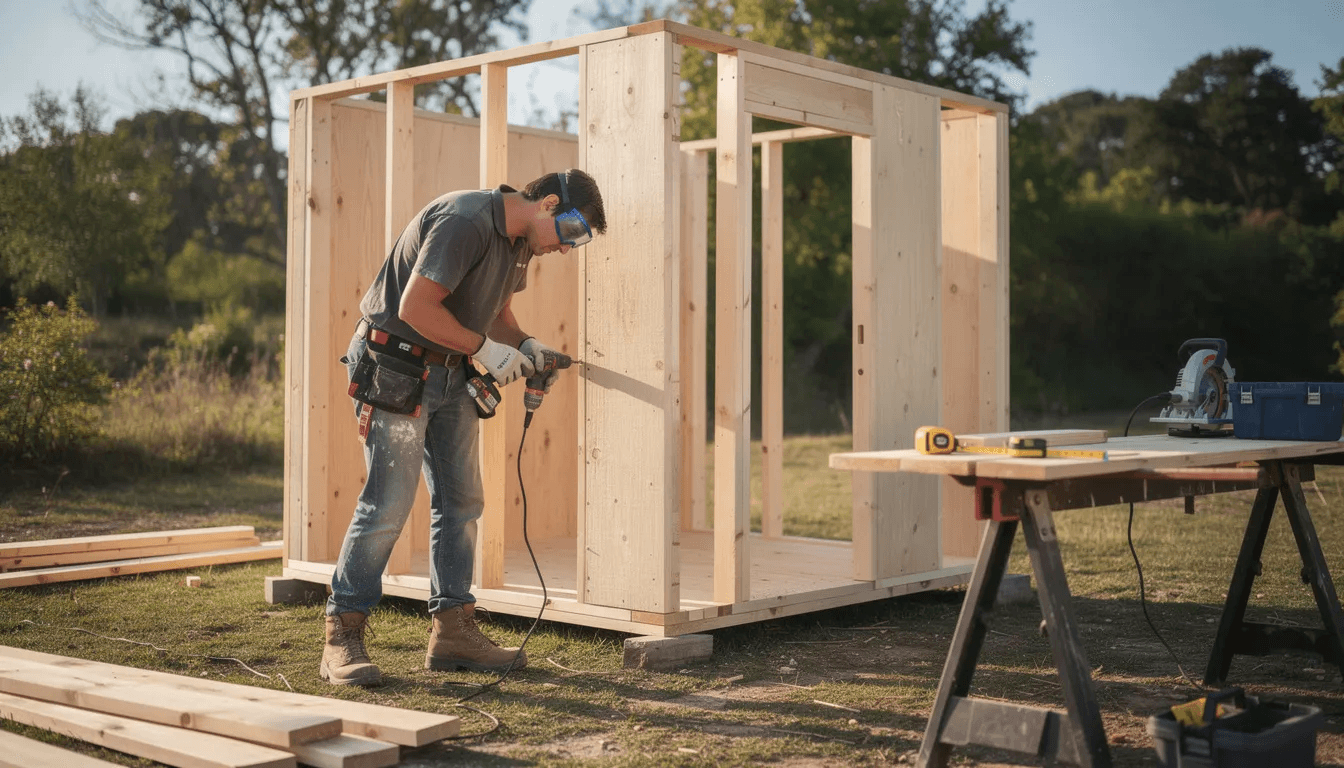
DIY remains the single best way to get a truly cheap tiny home in 2024 if you have time, basic tools, and willingness to learn. No other approach delivers the same cost control.
DIY builds can cut total costs roughly in half versus hiring a full builder. Common DIY budgets run $20,000–$50,000 in materials for 150–300 sq ft builds under current 2024 pricing. Your sweat equity effectively doubles your buying power.
Major cost-control levers for DIY builds:
- Sourcing reclaimed lumber and windows from demolition sites, Habitat ReStores, and salvage yards
- Buying second-hand fixtures (sinks, toilets, light fixtures) from estate sales and Facebook Marketplace
- Minimizing plumbing runs by placing the bathroom adjacent to the kitchen
- Using simple rectangular designs without complex rooflines—a basic gable roof costs far less than dormers or shed-to-gable combinations
- Choosing high quality materials strategically on things that matter (subfloor, roofing, galvanized steel fasteners) while saving on cosmetic elements
What should still go to professionals:
- Final electrical hookup and panel installation
- Gas lines for propane appliances
- Structural engineering for unusual spans or cantilevers
- Trailer welding and axle work for mobile builds
Many DIYers phase their build over 6–18 months, finishing essentials first—a weathertight shell, insulation, and basic electrical—then adding trim, built-ins, and a porch later as budget allows. This approach spreads costs and lets you live in the space while completing finish work, especially if you start from tiny house plans that fit your life.
For actual construction guidance, look for reputable tiny house plans, including step-by-step resources on how to build a tiny house, and consider workshops offered by experienced builders in the tiny house communities.
Finding cheap tiny homes for sale (not just to build)
Not everyone wants to build. Many shoppers are searching for already-built tiny homes cheap, including second-hand units and basic models from small builders across the country, and exploring whether a tiny house for sale is right for you.
Where to look in 2024: If you’re working with a strict budget, it’s worth specifically hunting for tiny homes under $20k for sale alongside the options below.
- Facebook Marketplace (search “tiny house,” “tiny home,” and “THOW” for tiny house on wheels)
- Craigslist RV and housing sections
- Dedicated sites like Tiny House Marketplace and Tiny House Listings
- Local classifieds and regional tiny-home-focused Facebook groups
- Estate sales and auctions, especially in areas with active tiny home communities
Used tiny homes on wheels from the mid-2010s sometimes sell in the $25,000–$60,000 range depending on size, condition, and features. This is often cheaper than commissioning a new custom build, which can easily run $80,000–$150,000 for a turnkey unit.
What to check on any cheap listing:
- Year built and original builder (if known)
- Trailer condition: rust, VIN documentation, weight rating, axle and tire condition
- Insulation type and R-value for your climate
- Electrical and plumbing photos—request detailed images of the panel, connections, and any water damage
- Any proof of inspections or certifications (RVIA, NOAH, or local permits)
Factor in transportation costs (often $2–$5 per mile for professional hauling), possible repairs, and any upgrades needed for your specific environment. A cheap tiny home built for mild California weather may need significant insulation upgrades to handle Minnesota winters.
Hidden costs that make “cheap” tiny homes expensive
Many buyers underestimate non-construction expenses that can double the apparent bargain price of an affordable tiny home. The shell is rarely the complete cost.
Common “surprise” costs:
- Land or monthly pad rent: Buying rural land runs $5,000–$50,000+ depending on location. Renting space in a tiny home community or RV park typically costs $300–$800 monthly.
- Permits and impact fees: Varies wildly by municipality, from $500 in rural areas to $10,000+ in strict jurisdictions.
- Utility hookups: Septic installation ($3,000–$15,000), well drilling ($3,000–$15,000), and electric meter installation ($1,000–$5,000) add up fast in remote locations.
- Delivery and transport: Moving a tiny home on wheels can cost $1,000–$5,000 depending on distance and permits required.
- Insurance: Specialized tiny home insurance runs $500–$1,500 annually, and not all providers cover non-certified structures.
2024 realities to plan for:
- Higher utility-connection fees in many municipalities post-pandemic
- Stricter code enforcement in popular tiny home regions as the movement grows
- Rising trailer prices and fuel costs affecting both new builds and transport
Cutting too many corners on insulation, windows, or moisture control—especially in cold or humid climates—leads to high utility bills and repair costs within a few years. Research by Maria Saxton found that well-built tiny homes reduce energy consumption by 45% on average, but poorly insulated ones can actually cost more to heat and cool per square foot than traditional construction.
Recommendation: Create a simple total-project budget worksheet covering structure + site + utilities + furnishings, not just the house shell price. This prevents the painful discovery that your $20,000 bargain actually requires $45,000 to make livable.
Tips to keep your tiny home budget truly low
This checklist focuses on real-world money-saving tactics that work in the current environment for building homes small.
Design choices that save money:
- Keep the footprint smaller: An 8.5×20 build costs significantly less than 10×30 in materials, trailer size, and interior finishing
- One loft instead of two reduces framing complexity and materials
- Simple gable roof eliminates expensive flashing, valleys, and custom cuts
- Standard-size windows and doors (from big-box stores) instead of custom shapes—this alone can save $2,000–$5,000
- Tall ceilings and high ceilings in main areas create an open feel and spacious interior without adding square footage
Energy efficiency investments that pay back:
- Decent insulation (R-19 walls minimum, R-30+ ceiling) prevents years of high utility costs
- Air sealing around windows, doors, and penetrations—cheap to do during construction, expensive to fix later
- One efficient mini-split instead of multiple space heaters or window units
- Large windows on the south side maximize natural light and passive solar heating in winter
Material sourcing strategies:
- Shop salvage yards, Habitat ReStores, and demolition sales for doors, cabinetry, flooring, and fixtures—can cut interior costs by thousands
- Time major purchases around seasonal sales at big-box stores: spring for sheds and decks, late fall for windows and appliances
- Join local buy-nothing groups and construction surplus Facebook groups
- Consider slightly imperfect or discontinued paint colors at steep discounts
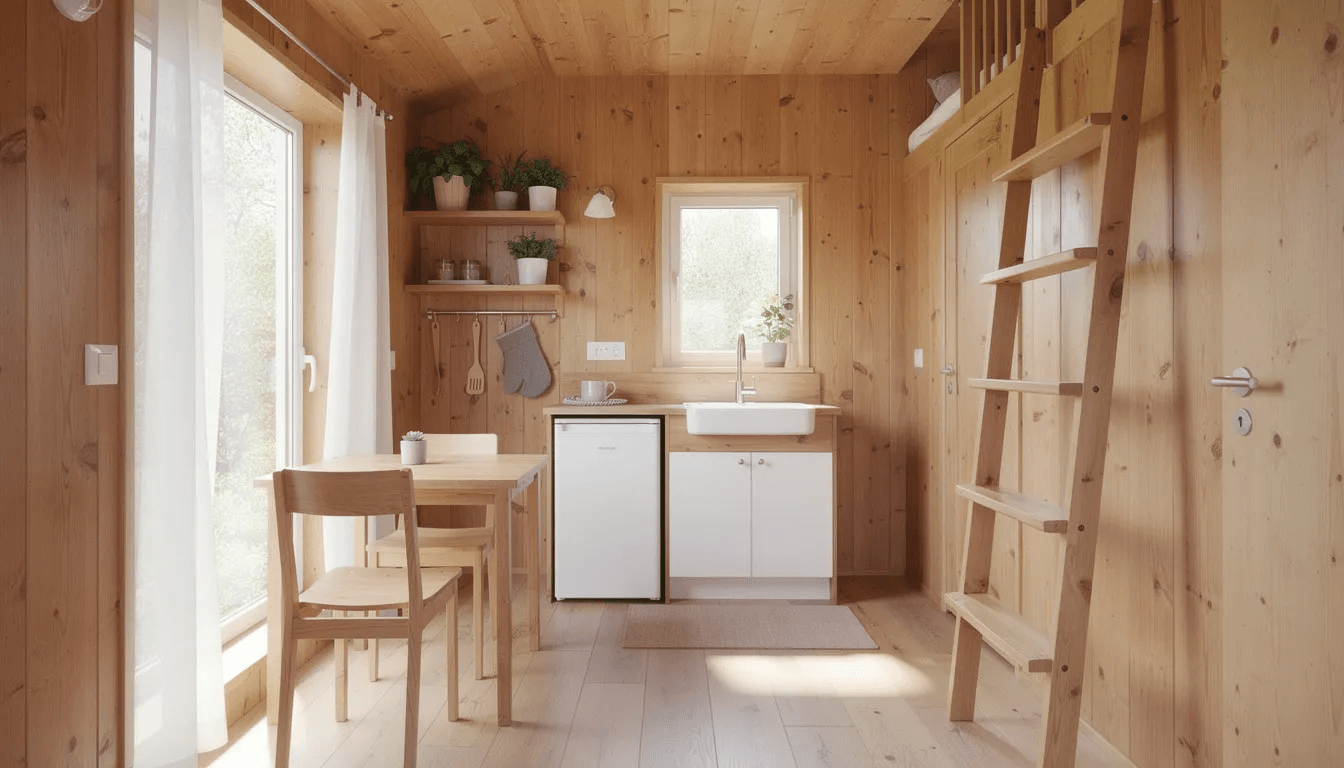
The cheapest tiny homes are often the simplest—fewer built-ins, fewer high-end finishes, but thoughtfully planned layout for daily life, often inspired by tiny house interiors that maximize every square foot. You can always add a cute custom bookshelf or dream kitchen upgrade later when budget allows.
Legal, zoning, and safety checks before you buy or build
No matter how cheap a tiny home is, it’s only a good deal if it’s legal and safe where you plan to put it. Skipping this step leads to expensive mistakes and potential forced relocation.
Before you spend money, call local planning/zoning offices and ask specifically about:
- Minimum dwelling square footage requirements
- ADU (Accessory Dwelling Unit) regulations and whether tiny homes qualify
- Rules for tiny houses on wheels—some jurisdictions treat them as RVs, others as structures
- Long-term RV or mobile home living rules, especially in residential zones
- Required foundation types and whether you can live in a structure on wheels
Understanding the certification differences:
- RVIA-certified units: Built to RV standards, can park in most RV parks, but may not qualify as permanent housing
- Park model RVs: Under 400 sq ft, built on a single chassis, often allowed in specific communities
- IRC-compliant small houses: Built to residential building code, require permits and inspections, qualify as real property
This distinction affects where you can legally live, what insurance you can get, and whether you can finance the structure.
Basic safety requirements even on ultra-budget builds:
- Smoke and CO detectors (required by code almost everywhere)
- Egress windows in loft sleeping areas—typically 5.7 sq ft minimum opening
- Proper electrical breakers and GFCI outlets in kitchen and bathroom areas
- Ventilation for any propane appliances to prevent carbon monoxide buildup
- Secure structure to foundation or trailer to prevent wind damage
Good news: Some U.S. cities and counties have updated ADU and tiny home ordinances between 2020–2024, sometimes creating legal tiny home communities with modest pad rents that support minimalist tiny houses for sustainable living. Research your specific city or county—the rules may be more favorable than you expect.
Planning your own cheap tiny home: next steps
Cheap tiny homes in 2024 are absolutely possible with realistic budgets, DIY effort, and careful planning of land, utilities, and longevity.
Your 3-step action plan:
- Define your total budget and climate needs: Include site costs, not just construction. Be honest about your environment—proper insulation isn’t optional in cold regions, even if it adds to your cost.
- Choose your route: DIY build from plans, shed/kit conversion, or used tiny home. Each path has different skill requirements, timelines, and total costs. Pick based on your abilities and patience, not just the lowest advertised price.
- Confirm local rules before spending: One phone call to your county planning office can save you thousands in wasted materials or a complete site relocation.
Start a written cost breakdown that includes both the structure and all “invisible” costs like permits, transport, and utility hookups, especially if you’re considering a tech-forward tiny smart home. Use the sections above as your checklist.
A smaller, well-planned, and budget-conscious tiny home can deliver genuinely low monthly costs and more freedom—the American Tiny House Association reports owners saving 36-59% on energy compared to traditional homeowners. Even with 2024 material prices, thoughtful design and realistic expectations make the dream of owning a complete, affordable home without a crushing mortgage absolutely achievable.
The rest is just deciding to start.