Yes, there are tiny houses in Brazil—and they’re more diverse than you might expect. From architect-designed retreats in the Atlantic Forest to shipping container studios in urban São Paulo, compact homes under 100 square meters are gaining traction across the country. But this isn’t just about lifestyle choices. Tiny homes are also being deployed to tackle homelessness through programs like Vila Reencontro, which opened its first village in December 2022, with new facilities planned for August in São Paulo.
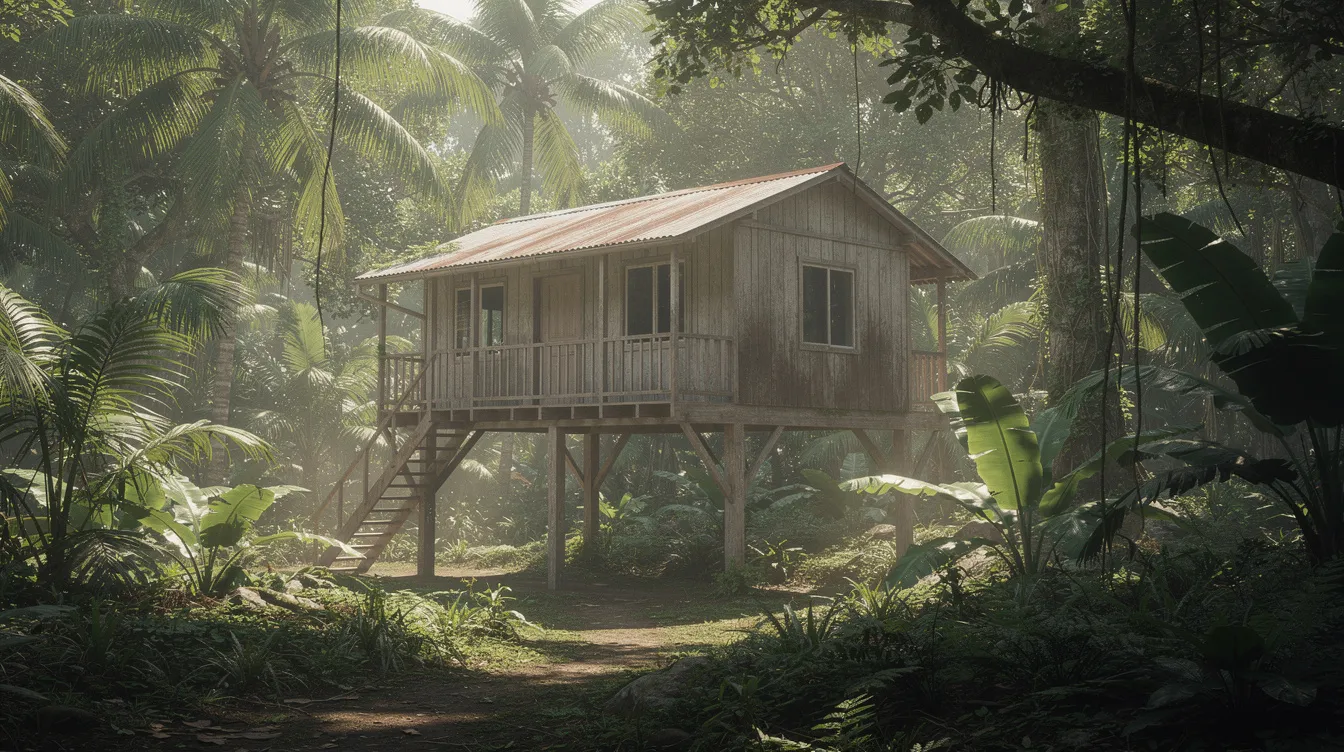
Brazil’s vast geography—spanning over 8,500 kilometers east to west—creates unique conditions for tiny house development. You’ll find elevated wooden cabins in Rio Grande do Sul’s lake districts, modular units in the Cerrado highlands, and container conversions overlooking Serra da Mantiqueira. Construction systems like Light Steel Frame are increasingly used in other countries such as the United States, Canada, and Europe, showing the global adoption of these methods. Interest accelerated during COVID-19 as families sought affordable, flexible housing closer to nature. The adoption of tiny houses and related construction systems is a growing trend around the world. Still, tiny houses remain niche, shaped by municipal zoning laws that often mandate minimum floor areas of 30 square meters or more for primary residences.
This article covers real built examples, regulations, climate challenges, and how to actually get a tiny home in Brazil.
- Brazilian Tiny House Landscape: From Design Icons to Social Housing
- 5 Remarkable Tiny Houses in Brazil Under 100 m²
- Tiny Houses Tackling Homelessness: Vila Reencontro & Beyond
- Regulations: Are Tiny Houses Legal in Brazil?
- Climate, Materials, and Design Challenges in Brazilian Tiny Houses
- Costs, Construction Methods, and How to Get a Tiny House in Brazil
- Future of Tiny House Living in Brazil
Brazilian Tiny House Landscape: From Design Icons to Social Housing
The tiny house scene in Brazil breaks into three distinct segments, each serving different needs and budgets.
Design-driven architectural projects dominate the high end. Firms like Coplanar Arquitetura have produced bespoke prototypes between 15 and 96 square meters, often showcased at events like Casacor from 2018 to 2023. Many of these projects are inspired by works of art, design philosophies, or personal stories, prioritizing sustainable materials, open-plan layouts, and integration with the environment.
Industrial modular manufacturers offer a faster, more accessible path. Companies across the country build light steel frame units, galvanized steel structures, or container adaptations for nationwide delivery. These modular units are easy to assemble and transport, making them accessible for a wide range of users. Many are designed to be handled or operated easily by hand, emphasizing user-friendly features. Manufacturers provide guidance to help clients install their tiny homes and connect utilities, ensuring a smooth installation process. A factory-built cabin can be ready in 60 to 90 days and trucked to rural sites.
Government-backed social housing represents the most impactful application. São Paulo’s Vila Reencontro program launched with capacity for 160 people across 37 families in units of 18-20 square meters—each with a kitchenette, bathroom, and living space. The turnkey tiny home package includes bedding, fixtures, and finishing touches as standard.
Size brackets in Brazil typically fall into three categories:
- Ultra-compact studios: 15–20 sqm
- Standard tiny homes: 30–60 sqm
- Compact retreats: 80–100 sqm (still considered tiny by local standards where urban apartments average over 70 sqm)
5 Remarkable Tiny Houses in Brazil Under 100 m²
Real built examples across Brazilian states show the range of what’s possible when architects, builders, and homeowners adapt tiny living to local conditions, similar to other great tiny homes that redefine small space living.
Two-Container Minimalist Conversion (~50-65 sqm) – This project reuses two 40-foot shipping containers to create an open-plan home emphasizing modern minimalism, echoing many of the principles found in the best shipping container tiny house designs for modern living, with the integration of a small, functional kitchen area that maximizes efficiency within the living space. External insulation and interior lining prevent the condensation problems common with container construction in humid climates. The design proves that reused materials can deliver both sustainability and style.
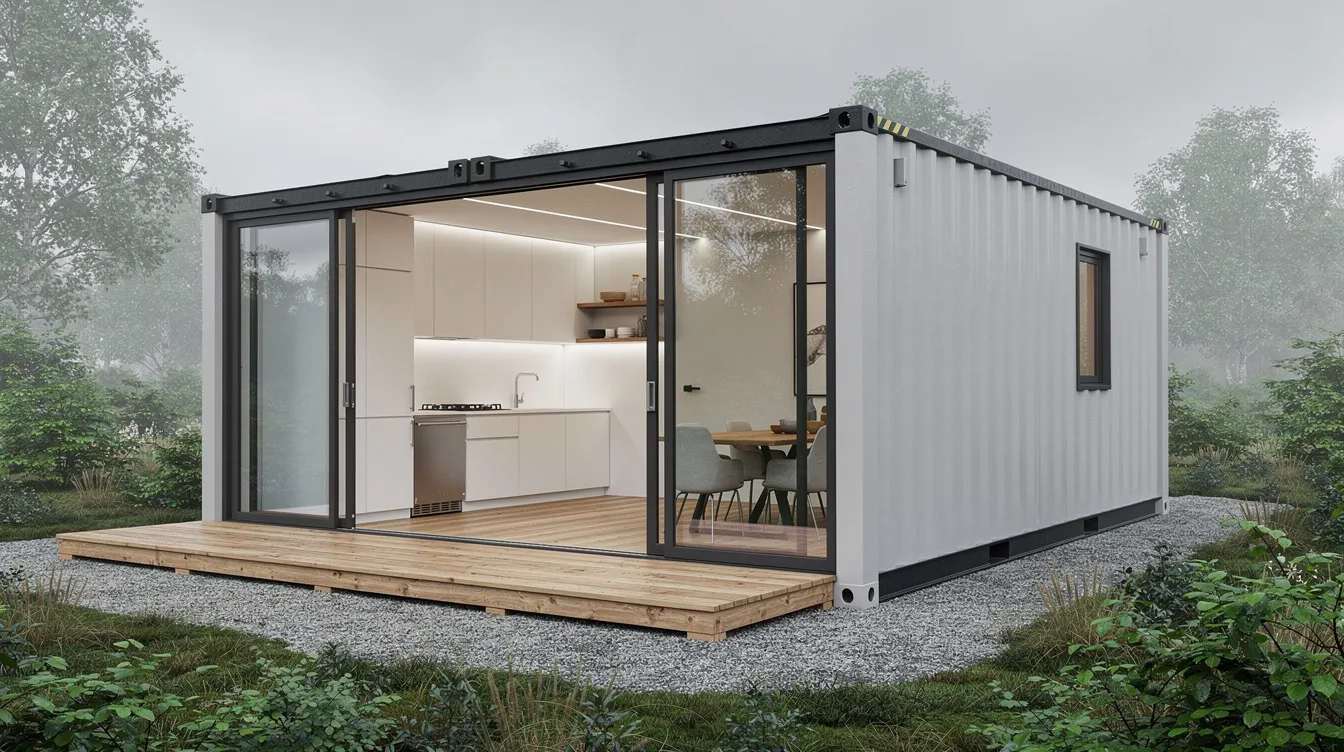
Factory-Built Modular Cabin (~35-45 sqm) – Built in approximately 60 days using light steel frames with OSB and cement boards, this cabin was designed for truck delivery to rural lots, where property size and zoning regulations play a crucial role in feasibility. The fast construction timeline and flexible installation make it ideal for weekend retreats or Airbnb rental projects.
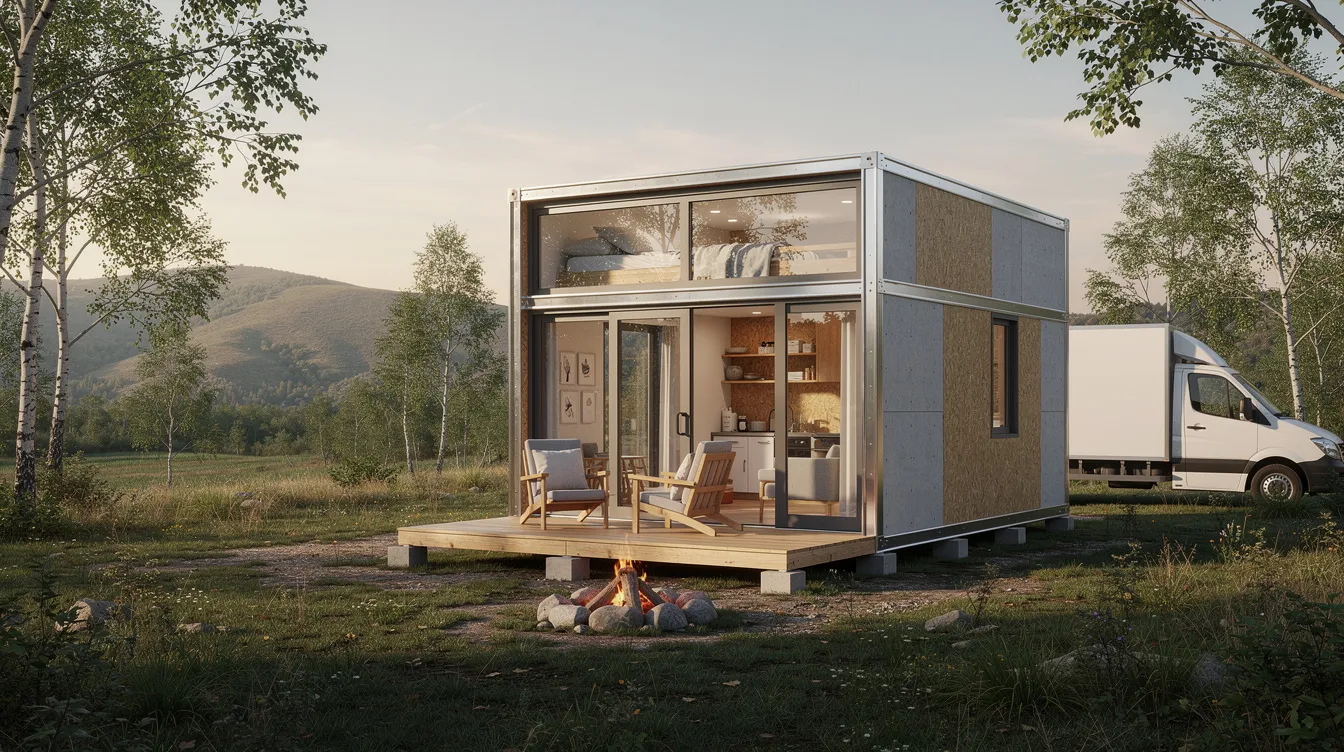
Elevated Forest Retreat (~80-90 sqm) – Engaging with forest canopy in a coastal mountain setting, this elevated structure uses certified timber and cross-ventilation design. Strategic window placement captures prevailing breezes while framing views of the Atlantic Forest. Technology like double-glazed glass keeps interior temperatures comfortable despite night and day temperature swings.
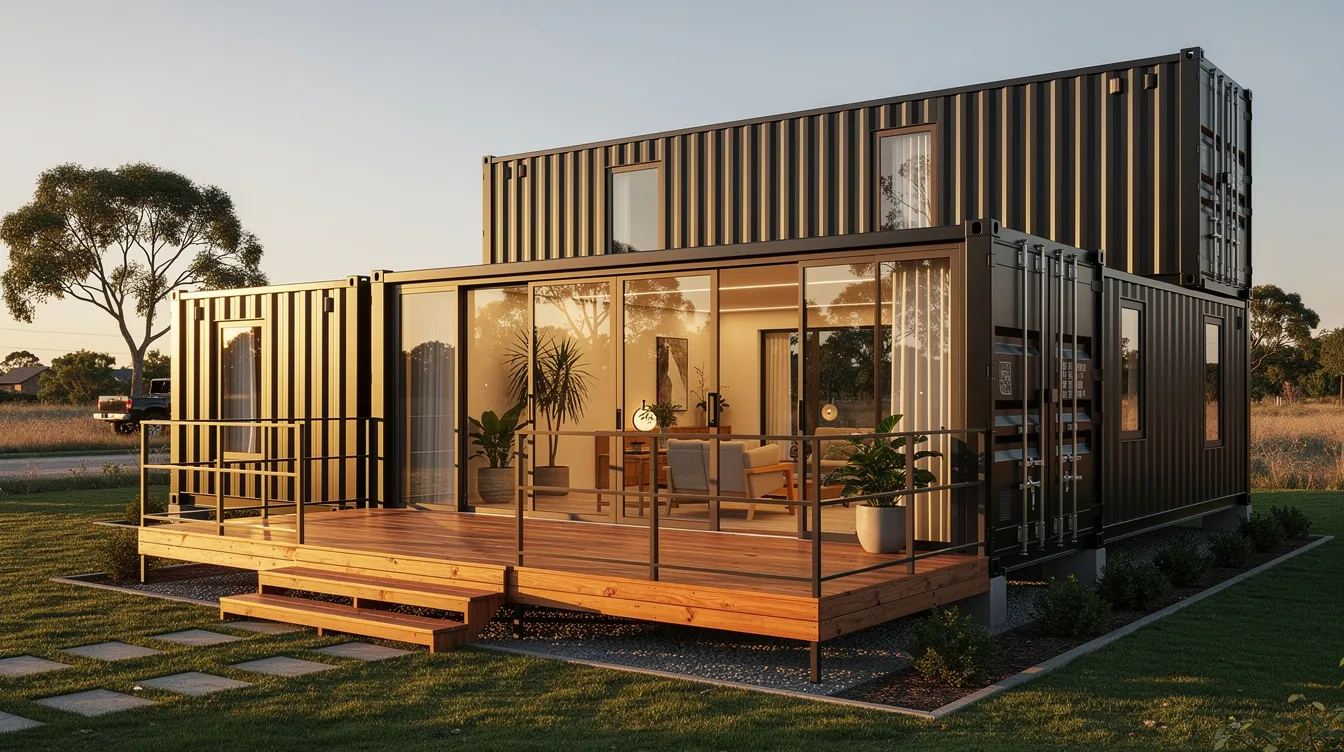
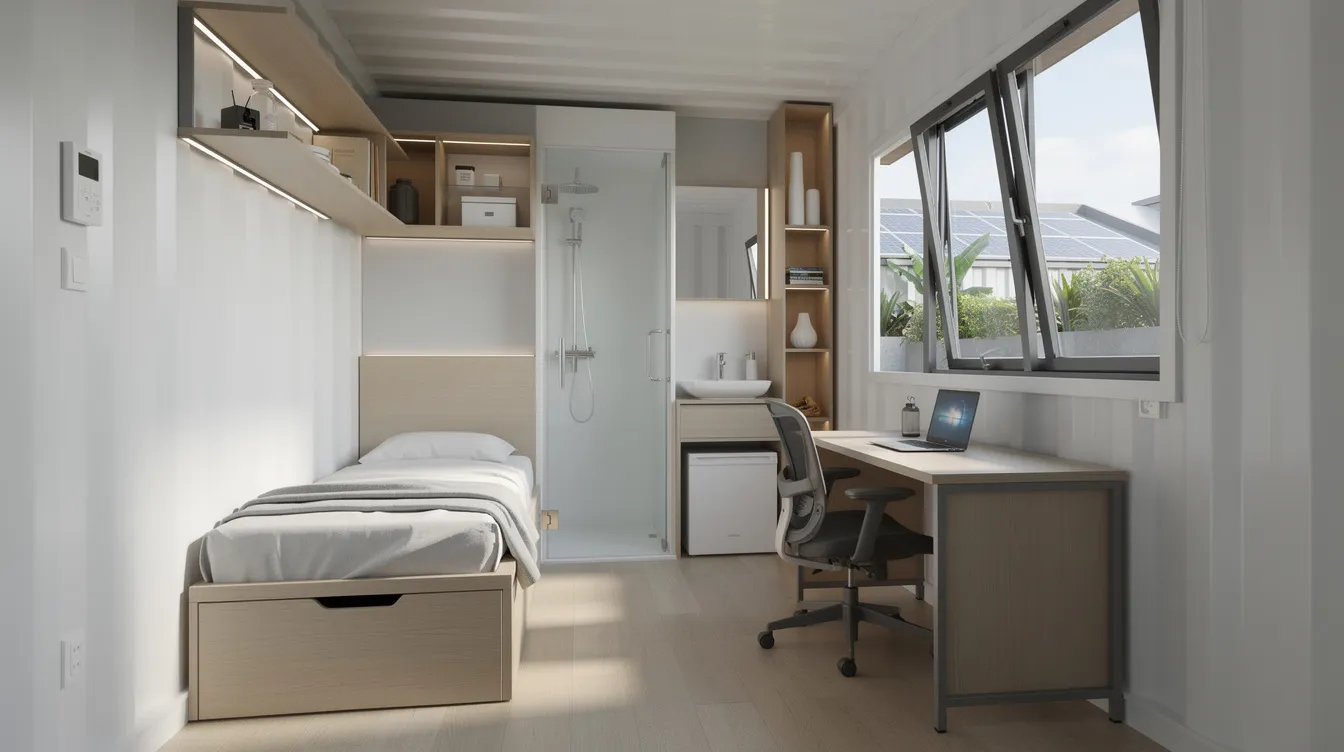
Urban Micro-Studio (~15-20 sqm) – A post-pandemic experiment in city living, this container-based unit offers a bedroom, bathroom, and work space in a footprint smaller than many parking spaces, aligning closely with minimalist tiny houses for sustainable living. It’s meant for those willing to adjust their lifestyle in exchange for fewer possessions and a cleaner financial situation.
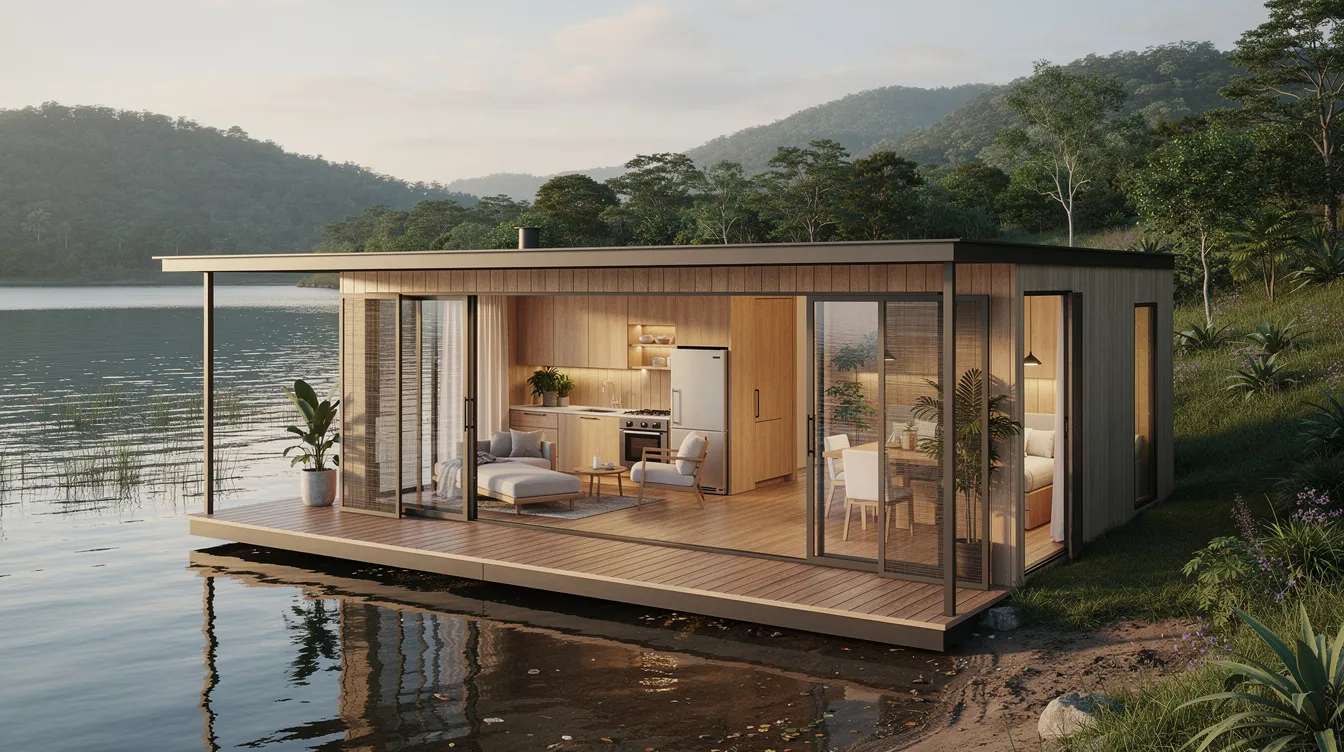
Lakeside Flexible Refuge (~90-100 sqm) – Located in Rio Grande do Sul, this retreat uses an open tiny house floor plan that maximizes views across the water. The design allows walls to expand or contract the living space seasonally, with the addition of features that enhance both functionality and aesthetics. Bamboo flooring and light woods keep the interior bright and airy.
Tiny Houses Tackling Homelessness: Vila Reencontro & Beyond
Tiny houses in Brazil aren’t limited to lifestyle projects—they’re also tools addressing the country’s homelessness problem. In São Paulo alone, over 200,000 people sleep rough.
The Vila Reencontro program represents the city’s first tiny house village, launching in December 2022. Each unit measures roughly 18-20 square meters (about 190-215 sq ft), offering a combined living and bedroom area, a kitchenette with sink and stove, and a private bathroom with hot shower. Families can stay up to 36 months, receiving four daily meals during initial phases plus social support to regain autonomy.
One anonymized account told the story of a family transitioning from sleeping at a bus terminal to having their own place—regaining an address, safety, and routine. The program’s goal is helping families earn stability before moving to permanent housing.
Complementary initiatives like Morar Primeiro use Housing First models with small apartments rather than village-style tiny homes. Debates continue on whether tiny houses should be temporary solutions or permanent dwellings, with funding and scalability remaining key challenges for the future. The reasons tiny houses face obstacles in Brazil include restrictive building codes, municipal plans, high costs, and complex regulations that affect their adoption and design.
Regulations: Are Tiny Houses Legal in Brazil?
Tiny houses are legal in Brazil, but you must navigate municipal building codes (Código de Obras), city master plans (Plano Diretor), and national ABNT technical standards.
Key legal hurdles include:
- Many cities impose minimum floor areas exceeding 30 sqm for primary residences, making 15-20 sqm units difficult to approve
- Urban areas typically require mandatory connections to public electricity, water, and sewage—true off-grid living isn’t legally allowed in most cities. Clients are responsible for providing access to essential services like sewage, water, and electricity, but support is offered to ensure smooth connections.
- Wheels and trailers lack standardization; most approved tiny homes use fixed foundations rather than mobile setups
Urban vs. rural differences matter:
Location | Typical Requirements |
|---|---|
State capitals | Permits, structural calculations, fire safety, infrastructure connections |
Rural/peri-urban | More flexible; tiny structures often registered as secondary dwellings, pousadas, or Airbnb chalés |
Before buying or building, check with your local prefeitura. Hire an architect or engineer to ensure your design meets Brazilian standards for construction, fire safety, and sanitation. The first legalized tiny house on wheels—built by Robson Lunardi and Bel at 8.2 meters long—required rigorous certification to achieve approval. |
Climate, Materials, and Design Challenges in Brazilian Tiny Houses
Brazil’s varied climates demand tailored approaches. Tropical humidity in Rio de Janeiro, Salvador, or Manaus can turn a sealed tiny box into an oven without proper ventilation. Heavy rains require elevated structures and leak-proof detailing.
Common materials include:
- Galvanized light steel frame with OSB and cement boards (60-90 day builds)
- Shipping containers with added external insulation to prevent condensation
- Certified or engineered timber for elevated cabins in forest or lake regions
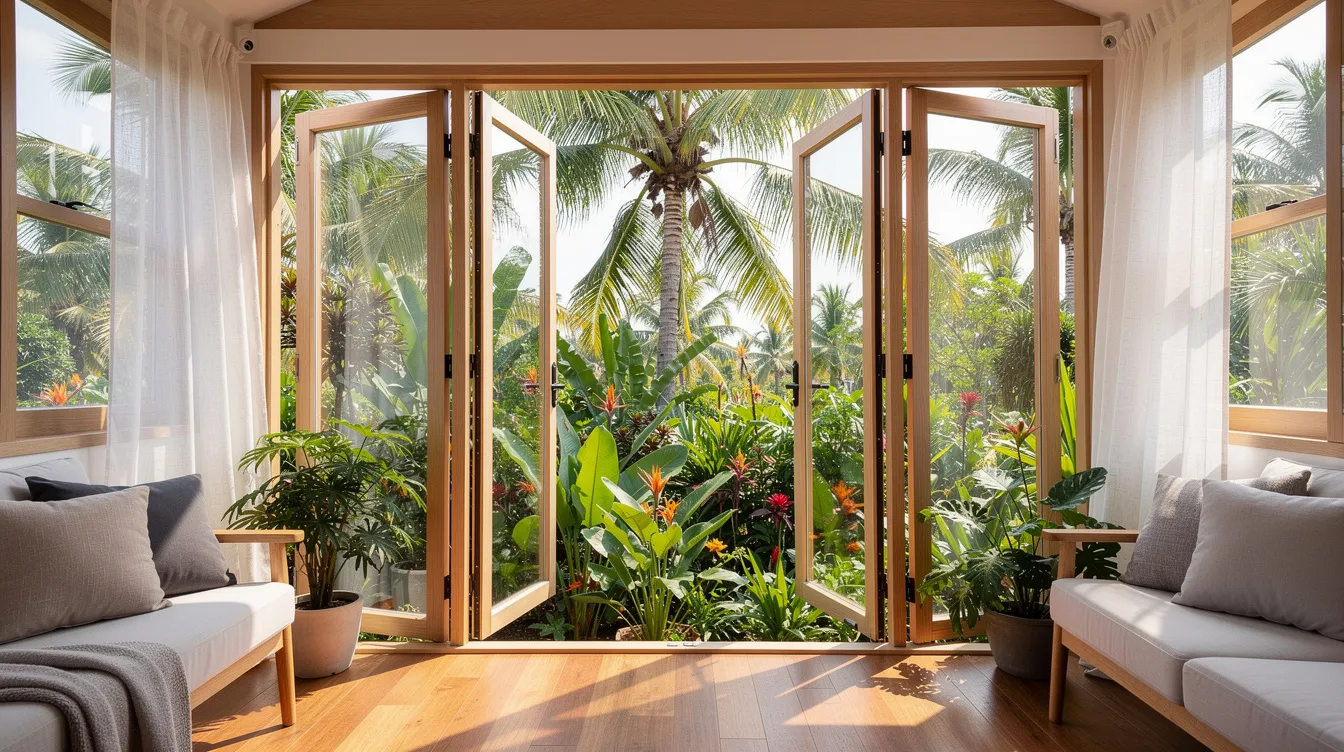
Design lessons from existing projects emphasize open-plan interiors that merge bedroom and living areas, allowing perceived spaciousness in even 15-25 sqm homes and illustrating how thoughtful tiny house plans that fit your life can dramatically improve comfort. Strategic window placement captures breezes and frames views of forests or city skylines.
DIY is possible but risks mold, leaks, and extreme temperatures if materials are misused, so anyone considering self-construction should study how to build a tiny house before starting. Professional design isn’t optional in Brazil’s climate—it’s responsible practice.
Costs, Construction Methods, and How to Get a Tiny House in Brazil
A fully furnished 18-20 sqm modular tiny home starts around USD 50,000-60,000 equivalent in reais, including structure, finishes, and built-in furniture, which places many Brazilian projects in the same price band as affordable tiny house buildings and designs. Prices vary by region, with southern Brazil often running higher. Turnkey units cost 20-30% more than shells.
Main construction methods: Drawing from many of the best tiny house designs for modern living, Brazilian builders typically rely on three core construction systems:
- Factory-built modular units (light steel frame, 60-90 days production, truck delivery)
- Reused shipping containers with plumbing and insulation upgrades
- Hybrid masonry structures for those wanting traditional aesthetics
Step-by-step path:
- Define purpose: primary residence, weekend house, or rental—similar to how guides on tiny houses for sale and whether they’re right for you frame the decision
- Confirm zoning and minimum size rules with local prefeitura
- Choose approach: architect + builder or modular construction company
- Plan utilities—tiny doesn’t mean infrastructure-free in Brazilian cities
- Budget for transport, foundation, and permits (add 20-50% over base cost)
Videos from channels like Movimento Tiny Houses Brasil document the process from production to installation, offering inspiration much like curated showcases of elegant tiny homes that redefine modern living for those ready to work through the details.
Future of Tiny House Living in Brazil
Tiny houses in Brazil remain niche but visibility continues growing through architecture shows, tourism chalets, and social housing pilots. Modular manufacturers are exploring exports to Uruguay and Argentina, while municipalities consider expanding Housing First-style programs.
Challenges persist: outdated codes resist sub-30 sqm dwellings, and sustainability must move beyond aesthetics to include energy-efficient technology and responsible material sourcing.
Tiny houses aren’t a magic solution. But when well-designed and integrated with policy, they offer a concrete path to more flexible, sustainable, and inclusive housing. Before committing, understand whether a tiny home suits your life, budget, and local regulations—that homework will determine whether your project succeeds.