Indiana’s tiny house movement is booming. The growing popularity of compact living has transformed how Hoosiers think about home. Tiny house communities in Indiana range from sustainable ecovillages to transitional housing for those experiencing homelessness—and everything in between. Many of these neighborhoods appeal to people drawn to tiny house living inspiration and resources, from space‑saving layouts to minimalist lifestyle tips.
Why choose tiny? Reduced living space in tiny homes often results in lower utility bills and smaller environmental footprints. Monthly expenses for utilities and maintenance can be as low as $300–$800. Plus, tiny homes typically cost between $50,000 and $80,000 all-in, compared to traditional home medians of $230,000 or more.
Living in a tiny home can lead to a simpler lifestyle, allowing residents to focus on experiences rather than material possessions, especially when you embrace minimalist tiny houses for sustainable living.
We evaluated Indiana communities based on key factors:
- : Proximity to major cities and job markets
- : Shared facilities like community gardens and fitness areas
- Zoning compliance: Legal status matters—zoning regulations for tiny houses in Indiana can vary significantly by county
- Cost: Lot fees and utilities
- : Resident satisfaction and inclusivity
- Infrastructure: Utility hookups and internet access
Most Indiana counties allow Accessory Dwelling Units and tiny homes, typically requiring them to be between 220 and 800 square feet in size. Many areas require tiny homes to be on a permanent foundation, adhering to the Indiana Residential Code.
Top 7 Tiny House Communities in Indiana
The Heritage Tiny Home Community in Indianapolis showcases architecturally diverse compact homes and, like many communities set up for long-term occupancy, offers shared amenities like community gardens and fitness areas while supporting a minimalist lifestyle in an urban setting that pairs well with modern tiny house designs.
: Urban access with $600-900 monthly lot fees reflecting capital city living : Young professionals seeking job opportunities : Community garden, walkable design, stylish homes, permanent electric, water, and sewage hookups : Higher costs, urban noise levels
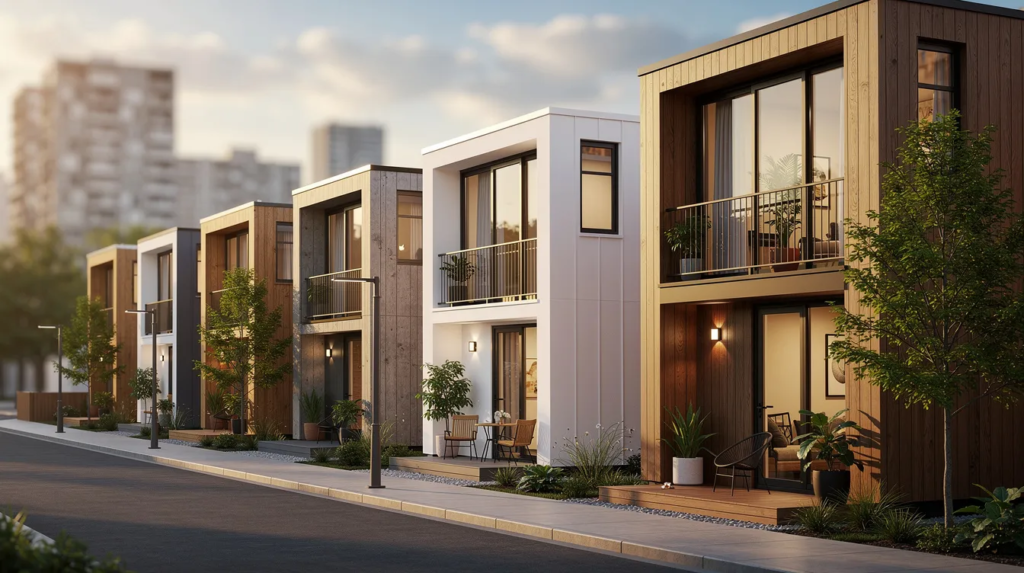
The Lakefront Tiny House Community in Syracuse, Indiana, offers waterfront living with eco-friendly amenities and communal spaces like a lakeside gathering area and nature trails, ideal for fans of tiny house nature retreats.
: Located on Lake Wawasee, Indiana’s largest natural lake : Retirees and vacation home seekers : Boat slips, private docks, serene escape : Seasonal pricing spikes up to 20% in summer, $500-700 monthly fees
3. Tiny House Village – South Bend
South Bend’s Tiny House Village features compact homes with innovative designs and promotes community through shared gardens and picnic areas, appealing to residents who want to fully embrace tiny living with practical tips and ideas.
: Near Notre Dame with cultural access and low unemployment (3.2%) : Families and urban lifestyle seekers : 20+ units on 5 acres, 4.5/5 resident satisfaction, open green spaces : $450 lot rents, urban noise
4. Sage Valley Ecovillage – Worthington
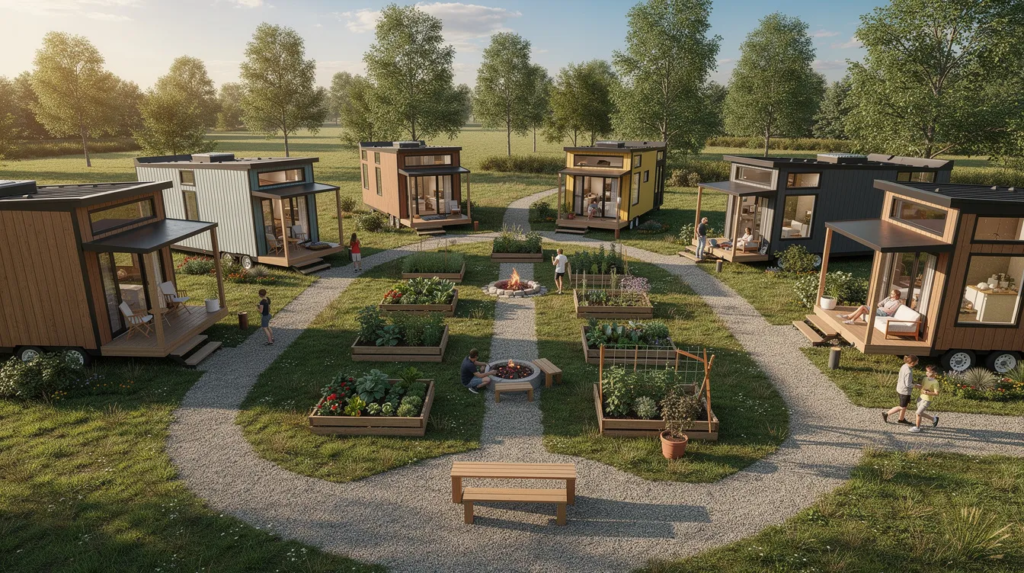
This nonprofit intentional community spans 100+ acres in southern Indiana with permaculture gardens and solar arrays achieving 80% energy self-sufficiency, showcasing principles similar to many affordable tiny house designs and tips.
: Zero-waste goals and nature school : Environmentally conscious residents ready for sustainable living : Solar power, organic gardens, luxury in simplicity : Communal governance requirements—many Indiana communities require active participation in communal tasks, weekly meetings, or shared meals
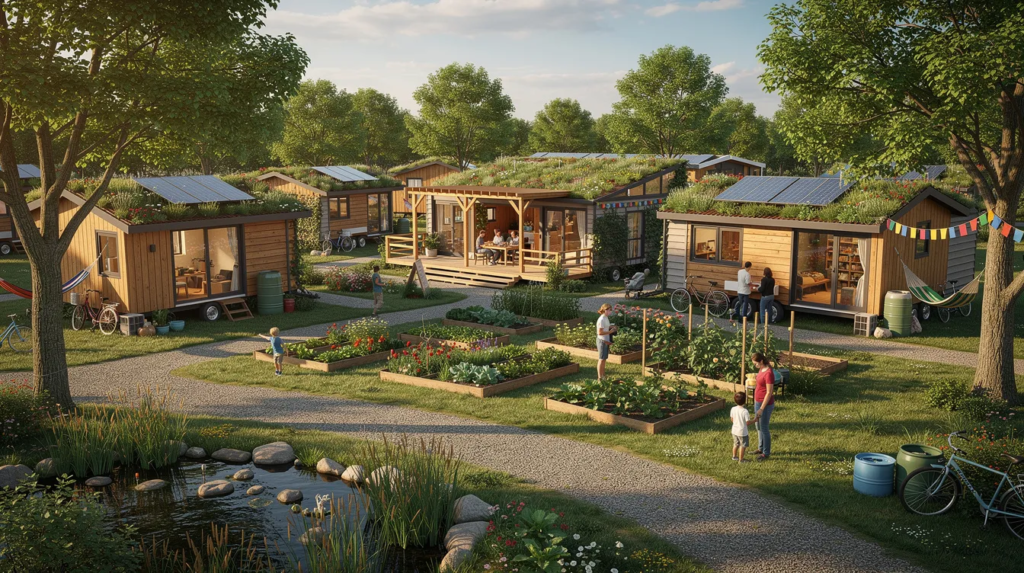
5. Circle City Village – Indianapolis
Communities like Circle City Village offer tailored support services to residents transitioning out of homelessness. This site provides 20+ tiny homes via Lynhurst Baptist Church.
: 70% transition success rate with life-skills programs : Those needing supportive environments : Free/subsidized lots, communal meals, job training : Need-based entry prioritizes housing-insecure individuals
6. The Retreat at Hickory Hills – Albion
This newer community offers wooded lots with trails, ponds, and full ADA compliance, functioning like a year-round version of many tiny house cabin retreats.
: Wheelchair accessibility and inclusive design throughout : Residents with mobility needs and diverse family demographics : ADA paths, pet-friendly (no breed restrictions), $450 monthly fees : Limited track record as a post-2020 development
This 34-acre gated field features 20,000+ hand-planted trees and rural privacy two hours from Chicago, perfect for anyone dreaming about cute tiny house designs.
: Wildlife immersion with off-grid options : Remote workers and nature lovers seeking comfort in seclusion : Security, composting toilets, $400-600 lot fees : Distance from public transit and healthcare
Quick Comparison of Indiana’s Best Tiny Homes and Tiny House Communities
Monthly Cost Range | ||
|---|---|---|
Heritage | Urban professionals | $600-900 |
Lakefront Syracuse | Lakefront lifestyle | $500-700 |
South Bend Village | Families | ~$450 |
Sage Valley | Sustainable living | $350 + labor |
Circle City | Transitional support | Free/subsidized |
Hickory Hills | Accessible living | ~$450 |
Lomax | Rural retreat | $400-600 |
Location Preferences Areas like southern Indiana and rural locations offer more flexibility for land purchases. Urban spots deliver job access but cost more, similar to how neighboring states like Illinois balance urban access and scenic retreats in their best tiny house communities. Consider proximity to healthcare—rural communities may require 30+ minute drives. |
Budget and Fees Indiana generally has a lower cost of living compared to the national average, making it an attractive option for individuals and families seeking affordable housing, especially those browsing tiny houses for sale or comparing options with top tiny house communities in Iowa. Building permits and inspections typically range from $100 to $500 depending on the jurisdiction, so it helps to start with the right planning and learn the number of financing options available, including cash-out refinance and HELOC.
Community Amenities Many tiny house communities feature central “hubs” that include shared kitchens, laundry facilities, community gardens, and gathering spaces. Match your priorities—picnic areas for families, fitness centers for professionals, or walking paths for nature lovers. Custom homes may also include high-end finishes and amenities, such as a full kitchen with upgraded countertops.
- Choose Heritage if you want urban access and professional networking
- Choose Lakefront Syracuse if you prioritize recreation and waterfront living
- Choose South Bend if you need family amenities with city convenience
- Choose Sage Valley if sustainability matters most
- Choose Circle City if you need transitional support services
Efficient tiny house designs often use space-saving furniture and vertical storage to keep the living space comfortable.
Indiana is a welcoming state for tiny house living because of relatively relaxed regulations, including the “Log Cabin Rule,” which allows permanent, full-time residency in small dwellings. A tiny house is generally defined as 400 square feet or less in Indiana, offering livable space that feels roomy when designed properly. They’re increasingly seen as a sustainable alternative to traditional RVs, providing better construction, weatherproofing, and permanent utility services, and stick-built models are often more durable than prefabricated options.
Tiny living encourages a strong sense of community, as residents often share communal spaces and engage in activities together. Living in close proximity fosters stronger neighborly bonds—particularly beneficial for seniors and those in transitional housing, and similar dynamics are found in Ohio tiny house communities focused on affordable living.
Communities in Indiana are increasingly open to tiny houses, with many local zoning offices being receptive to inquiries. Explore your options. Step inside. Live smaller. Find what works.
The choice is yours.