
If you’ve spent any time researching sanitation options for a tiny house, you’ve probably discovered that traditional plumbing isn’t always an option. Between the cost of septic systems, the complexity of sewer connections, and the mobility requirements of tiny homes on wheels, most people find themselves searching for alternatives.
Enter the tiny house incinerator toilet—a self-contained unit that burns human waste to sterile ash instead of flushing it into a tank or municipal system. This guide covers everything you need to know about choosing, installing, and living with an incinerating toilet in spaces under 400 square feet.
- What is a Tiny House Incinerator Toilet?
- Why Tiny Houses Use Incinerator Toilets Instead of Septic
- How a Tiny House Incinerator Toilet Works (Step by Step)
- Benefits of an Incinerator Toilet in a Tiny House
- Drawbacks and Real-World Challenges in Tiny Homes
- Choosing the Right Incinerator Toilet for Your Tiny House
- Installation Considerations for Tiny Houses
- Operating Costs: Fuel, Power, and Liners
- Daily Use, Noise, and Living With an Incinerator Toilet
- Maintenance Schedule and Troubleshooting
- Backup Plans: What Happens When the Toilet Is Down?
- Is an Incinerator Toilet Right for Your Tiny House?
What is a Tiny House Incinerator Toilet?
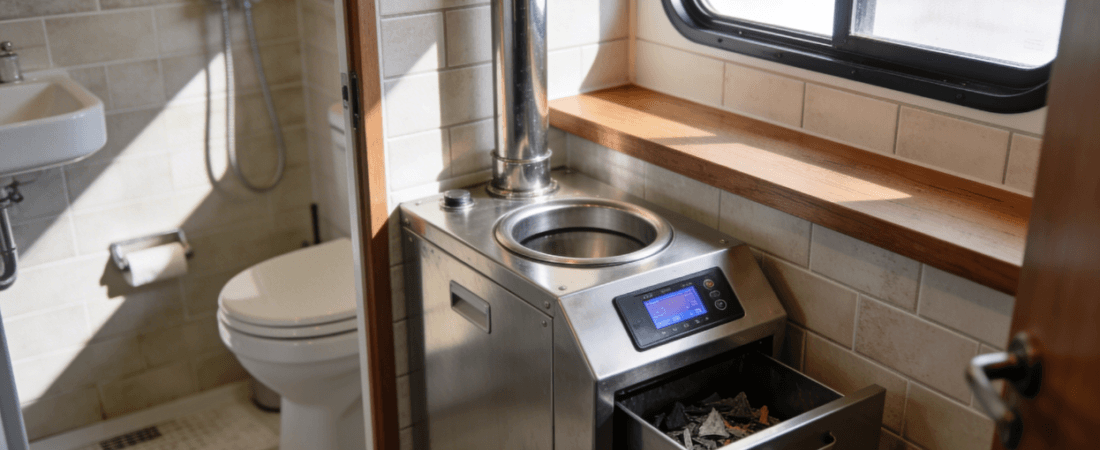
An incinerator toilet is a specialized dry toilet that uses high-temperature combustion to reduce human waste to a small amount of ash. Instead of relying on water to flush waste into a septic tank or sewer line, these units burn everything at temperatures exceeding 1,000°F, leaving behind only a fine, pathogen-free residue.
For tiny homes in 2025–2026, the two most common types are propane powered units (ideal for off grid cabin setups and mobile tiny houses) and 120V electric models (better suited for grid-tied tiny houses with reliable power access). If you’re still at the research stage, you may want broader tiny house living inspiration and resources alongside this toilet-specific guide. Both types work on the same basic principle but differ in their energy source and installation requirements.
How Does an Incinerator Toilet Work?
Here’s how a typical use cycle works:
- Insert Liner: You insert a paper bowl liner before each visit.
- Use Toilet: Use the toilet normally.
- Close Lid: Close the lid, and press a button to initiate the burn process.
- Waste Collection: The waste collects in a chamber until you run an incineration cycle—either after several uses or on a set schedule.
- Incineration: The system handles the rest, evaporating liquids and burning solids until only ash remains.
This guide focuses specifically on tiny homes on wheels and small cabins under approximately 400 square feet, not large residential houses where conventional plumbing is usually feasible. Many of these builds fall into the category of self-contained tiny homes for modern off-grid living, where integrated power, water, and waste systems are essential.
Quick Summary of Incinerating Toilets
- No water required for operation
- No septic or sewer connection needed
- Reduces waste to a small volume of ash
- Requires power (electric or propane) plus external venting
Why Tiny Houses Use Incinerator Toilets Instead of Septic
Tiny house owners face a unique set of challenges when it comes to sanitation. Limited space, the desire for mobility, and difficulty obtaining permits for traditional systems push many builders toward waterless alternatives. An incinerator toilet addresses all three concerns in a single, engineered solution.
Cost and Permitting Challenges
- In many U.S. states and Canadian provinces, installing a conventional septic system for a 200–300 square foot tiny house can cost anywhere from $12,000 to $25,000.
- Most septic permits require a permanent foundation, which defeats the purpose if you’re planning to move your tiny house or park it temporarily on family property.
Lack of Sewer Access
- For tiny house owners on rural land, seasonal sites, or backyard lots, access to municipal sewer connections simply doesn’t exist.
- You can’t hook up to pipes that aren’t there, making a waterless system incredibly attractive.
Self-Contained Simplicity
- Incinerating toilets are fully self-contained except for a small vent or flue and a power or fuel connection.
- This simplifies compliance with many building and RV codes, since you’re not creating blackwater that needs to be pumped or treated.
Comparison Table: Toilet Options for Tiny Houses
Toilet Type | Water Needed | Waste Handling | Maintenance/Disposal | Installation Cost | Mobility Suitability |
|---|---|---|---|---|---|
Incinerator Toilet | No | Reduces to ash | Empty ash, replace liners | $3,500–$5,500 | Excellent |
Composting Toilet | No | Compost management | Empty solids, add bulking | $1,000–$2,000 | Good |
Cassette Toilet | No | Portable tank | Dump at station | $100–$300 | Excellent |
Full Septic System | Yes | Traditional plumbing | Pumping, maintenance | $12,000–$25,000 | Poor |
Outhouse | No | Pit | Periodic relocation/cleaning | $500–$2,000 | Poor |
For many buyers in 2026, the main reason to choose incineration is straightforward: you get a flush-like experience with no black water tank to empty and no compost to manage. The waste simply disappears.
How a Tiny House Incinerator Toilet Works (Step by Step)
Step-by-Step Use Cycle
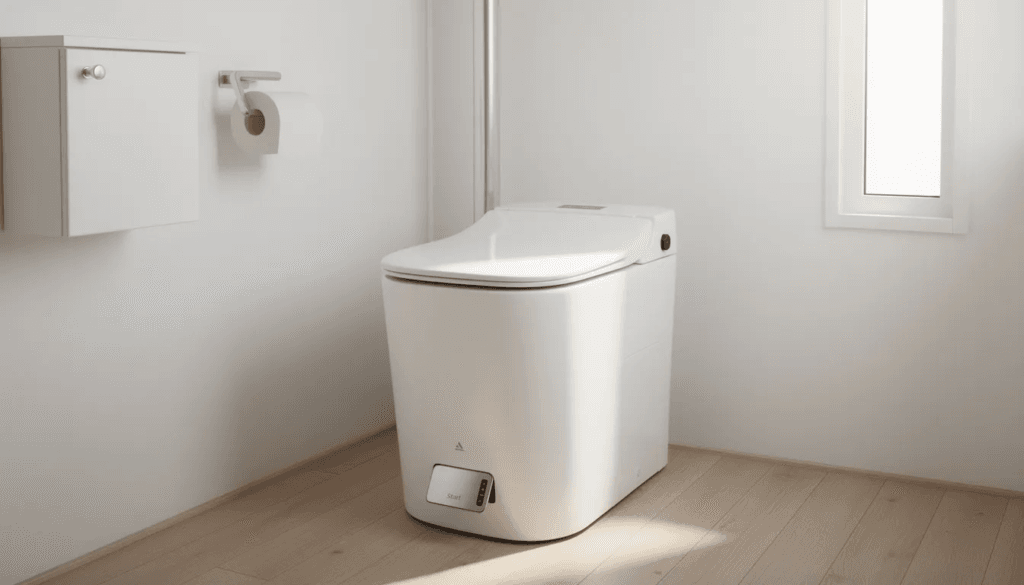
- Preparation: Place a disposable paper liner in the bowl before each use. These liners are engineered to burn cleanly and prevent waste from sticking to the chamber.
- Use: Use the toilet as you normally would. Both solid and liquid waste go into the liner.
- Close and Store: Close the lid completely. The waste drops into a holding chamber below, where it waits until you initiate a burn cycle.
- Initiate Incineration: Press the start button (or foot pedal, depending on your model). The unit begins its burn cycle, either immediately or after accumulating several uses.
- Combustion: An electric heating element or propane burner heats the chamber to several hundred degrees Celsius. The cycle first evaporates all liquids, then burns the remaining solids to fine ash.
- Exhaust: A small burner fan—typically running on 12V or 120V—pulls air through the combustion chamber and exhausts gases outside via a vertical flue pipe through your wall or roof. A catalytic converter or platinum-coated element neutralizes odors before the exhaust exits.
- Cool Down: The system cools, and the toilet becomes ready for the next use.
Ash Disposal Process
- For ash management in a tiny house with one or two full-time residents, you’ll typically need to empty the ash container every one to two weeks.
- The amount of ash produced is remarkably small—often described as about a tablespoon per use or a teacup’s worth for a family of four over a week.
Benefits of an Incinerator Toilet in a Tiny House
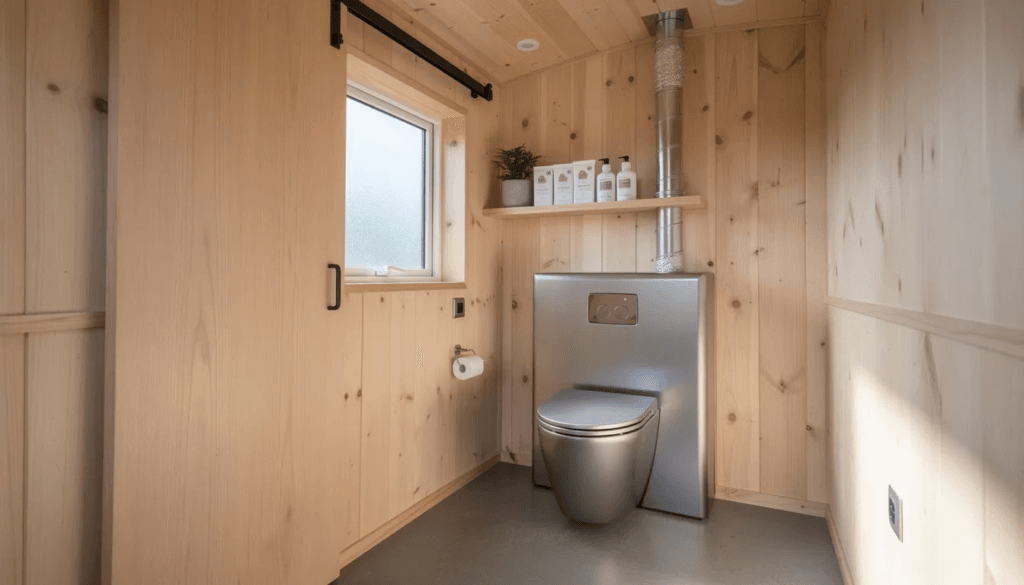
No Black Water Tank
- You never need to find a dump station or deal with sewage holding tanks.
No Septic Field Required
- Skip the $12,000+ installation and permitting headaches.
Minimal Water Use
- Zero gallons per flush versus 1.6 to 7 gallons for traditional toilets.
Minimal Odors
- When properly vented, modern units with catalytic converters produce virtually no indoor smells.
Tiny Waste Volume
- Final output is just dry, sterile ash that fits in a small container.
Hygiene and Safety
- Waste is thermally sterilized during the burn cycle, destroying all pathogens.
- The resulting ash can usually be disposed of with household trash according to local regulations, or in some cases used as a soil amendment.
- You won’t be handling raw sewage or managing an active compost pile.
Code Compliance and Insurance
- For building code and insurance purposes, UL/NSF certified equipment is recognized by many inspectors across the U.S. and Canada.
- Models like the Cinderella Freedom incineration toilet have established track records, which can smooth the approval process when parking your tiny house on someone else’s property or seeking permanent placement.
Financial Comparison
- Quality incinerator toilets in 2026 typically cost between $3,500 and $5,500—significant money, but far less than engineering and installing a septic system that might not even be permitted on your property.
Convenience for Mobile and Seasonal Homes
- No risk of frozen tanks in winter.
- No need to move your house to pump a septic or RV black tank.
- Winterization is straightforward.
- You can park your tiny house in a new location without worrying about wastewater infrastructure.
Drawbacks and Real-World Challenges in Tiny Homes
Incinerating toilets aren’t perfect, and tiny house owners should understand the trade-offs before making a purchase. Being prepared for these challenges makes the experience much smoother.
Power and Fuel Needs
- Power or propane consumption: Electric models draw significant energy during burn cycles; gas models require fuel supply and proper ventilation.
Noise and Scheduling
- Noise: The burner fan and combustion process create sound comparable to a bathroom exhaust fan or small space heater.
- Scheduling burns: You may need to time incineration cycles when occupants can tolerate the heat output and sound.
- Cycle time: Burns take 30 to 90 minutes, and high-traffic households may hit capacity limits.
Maintenance
- Maintenance is real, though not excessive: You’ll empty the ash pan weekly or bi-weekly, perform periodic internal cleaning (approximately every 400 to 600 uses), and occasionally replace wear items like fans, igniters, or catalytic units.
- For two adults using the toilet full-time, that deeper cleaning might come every two to three months.
Odor and Exhaust Issues
- Odor and exhaust issues can arise from improper installation. Short chimneys, missing catalytic converters, or vents positioned too close to windows can cause smells around your deck or neighboring tiny houses.
- Proper installation solves this, but it requires attention to detail.
Off-Grid Power Limitations
- For total off-grid solar setups, electric models may draw too much power during winter months when solar production is lowest.
- This pushes many tiny house owners toward propane-fired units paired with a 12V battery bank for controls.
Liner Management
- Liners are a recurring consumable cost that you can’t ignore.
- You must keep them dry and stocked—running out of liners temporarily takes the system out of service.
Choosing the Right Incinerator Toilet for Your Tiny House
The “best” model depends entirely on your specific situation: whether your tiny house is grid-tied, partially off-grid, or fully off-grid and mobile.
Main Categories of Incinerator Toilets
Category | Best For | Power Requirements | Considerations |
|---|---|---|---|
120V Electric Models | Tiny homes plugged into 30A or 50A service | Dedicated 120V circuit | Higher energy draw, but no fuel to store |
Propane/LPG Units | Off-grid cabins and tiny houses on wheels | 12V for controls + propane supply | Requires fuel management and gas venting |
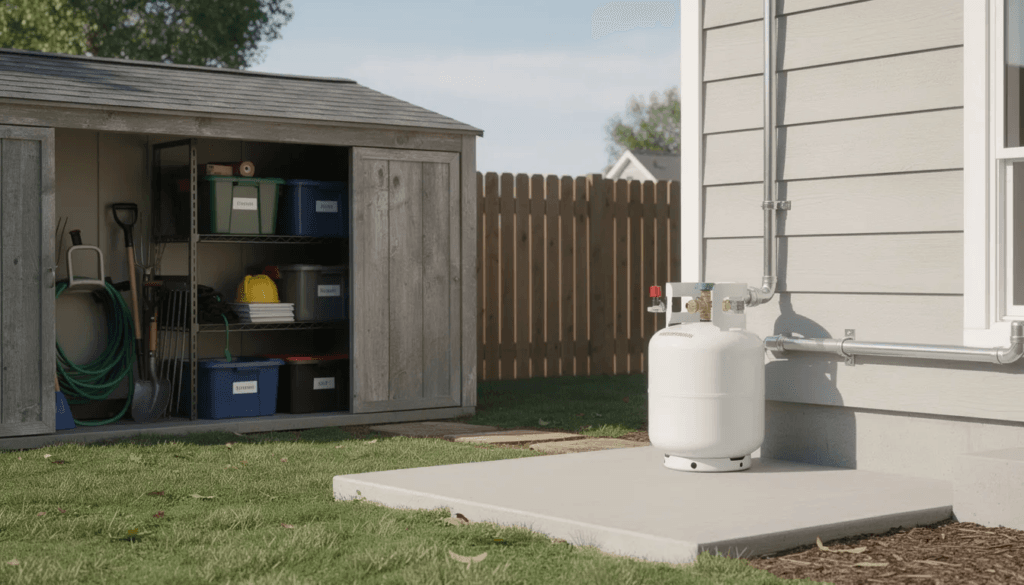
- Check for certification labels such as UL and NSF before purchasing. These certifications satisfy most local building departments and insurers, which becomes especially important when parking your tiny house permanently on someone else’s property. The Cinderella Freedom, for example, is a well-documented propane toilet option that many inspectors recognize.
Occupant Load and Capacity
- Consider your occupant load carefully. A couple living full-time puts different demands on the system than a solo weekend user.
- Many modern units accommodate around three to four uses per hour, so a household with more people may need to plan burn schedules more carefully.
Installation Constraints
- Flue path through wall or roof (vertical runs are typically required)
- Minimum clearances from windows and combustible materials
- Roof pitch limitations for certain venting configurations
- Location of propane tanks or power inlets relative to bathroom placement
Total Cost of Ownership
- Factor in total cost of ownership, not just the purchase price. This includes installation materials (flue kits, wall vents, adapters), annual fuel or electricity costs, and consumables like 500-piece liner boxes.
- A cheaper unit with expensive liners or high energy consumption may cost more over five years than a premium model with better efficiency.
Installation Considerations for Tiny Houses
Even though tiny homes are small, an incinerator toilet still needs careful planning for venting, power, and clearances. Cutting corners here leads to problems down the road.
Venting Requirements
- Typical installations require a 4-inch (or 110mm) metal flue with a vertical run above the roofline.
- You’ll need a rain cap at the top and a proper roof or wall feed-through with certified components to keep your tiny house weather-tight.
- The quality of this installation directly affects both performance and air quality inside your home.
Power Requirements for Electric Models
- For electric models, plan on a dedicated circuit—these units draw substantial current during burn cycles.
Propane Supply and Venting
- For propane units, you’ll need 12V DC at several amps for control electronics plus a propane feed line from your external tank.
- Many tiny houses run a dedicated fused line to avoid tripping breakers or interfering with other appliances.
Location Planning
- Toilets are typically placed on an exterior wall to simplify the venting run.
- Keep the unit away from loft ladders and sleeping areas to minimize noise and warm exhaust near your bed.
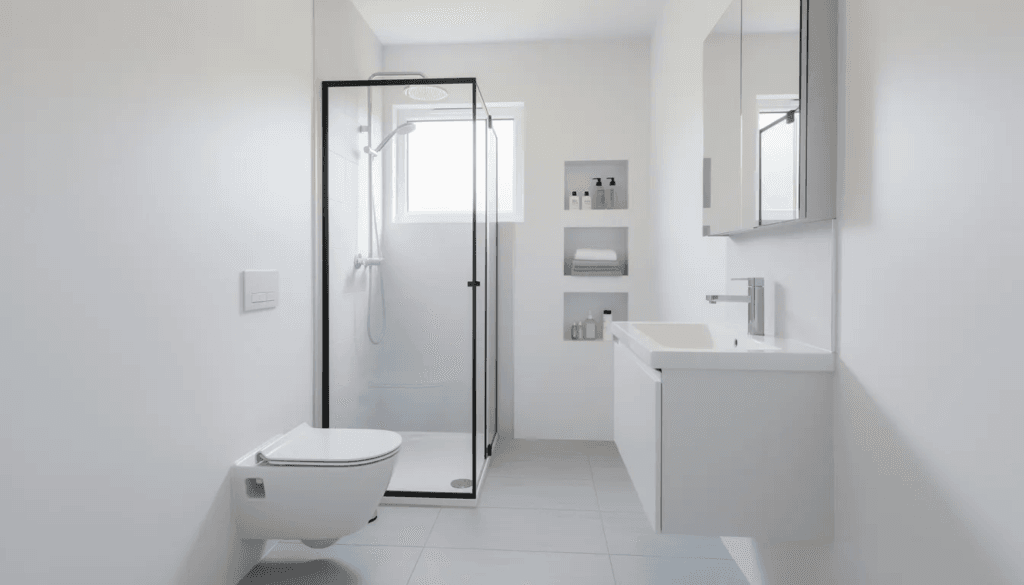
- In a common tiny house bathroom footprint of approximately 3 feet by 5 feet, ensure clearance around the unit for removing the ash drawer and accessing service panels.
Critical Installation Rules
- Follow the manufacturer’s installation manual exactly
- Respect specified flue lengths and limits on the number of elbows
- Maintain minimum distances from combustible materials
- Use only approved venting components
- Test all connections before first use
The screws holding your vent components should be appropriate for your wall and roof materials. Don’t guess—use the hardware specified by the manufacturer or your installer.
Operating Costs: Fuel, Power, and Liners
While incinerator toilets cost more upfront than a standard RV toilet, they can be cheaper long-term than septic for many tiny house owners. Understanding ongoing costs helps you budget accurately.
Liner Consumption
- Plan on roughly one liner per toilet visit.
- A 500-piece box commonly lasts six to nine months for a couple, depending on how often you’re home and using the toilet.
Cost Breakdown Table (2025–2026)
Cost Item | Typical Range | Notes |
|---|---|---|
500-pack liners | $60–$80 | Approximately $0.12–$0.16 per use |
Propane per cycle | 160–200g | Varies by model and ambient temperature |
Electric per cycle | 1.5–2.5 kWh | Depends on model and cycle length |
- For propane consumption, a gas model burning 180g per cycle translates to roughly 1–2 pounds of propane per week for two adults using the toilet full-time. At current average propane prices, that’s approximately $15–$30 monthly for fuel, though costs vary by region and season.
- Electric consumption for 120V units runs approximately 1.5 to 2.5 kWh per cycle. At average U.S. residential rates of $0.14 to $0.20 per kWh, that’s roughly $0.25 to $0.50 per burn cycle. If you’re running one cycle daily, expect $8–$15 monthly in electricity costs—though real numbers depend heavily on climate, usage patterns, and your local utility rates.
Cost Comparison Note
- Running an incinerator toilet costs more than a basic composting toilet, but you avoid labor-intensive compost handling and never need to pay for black water service visits or septic pumping.
Daily Use, Noise, and Living With an Incinerator Toilet
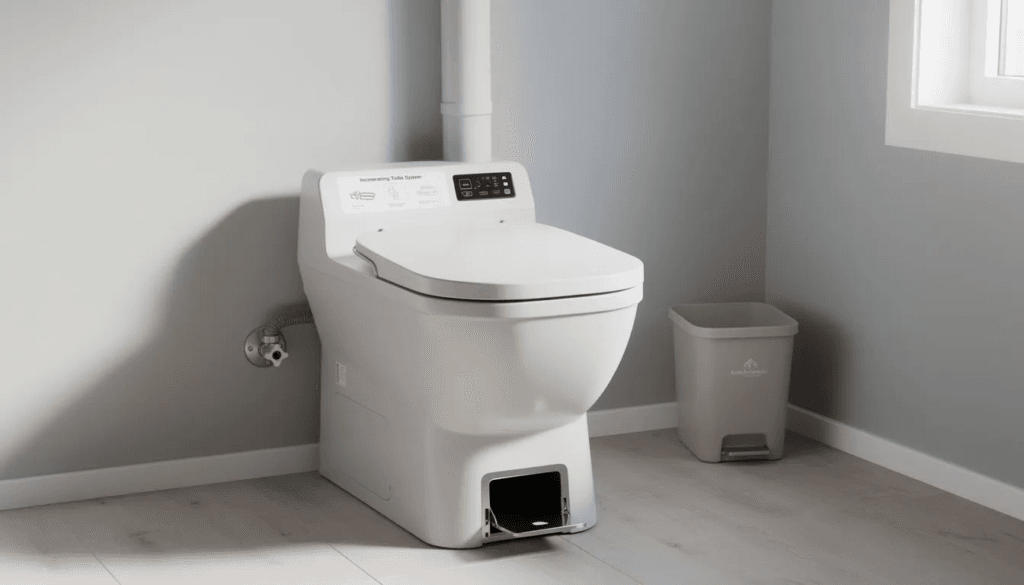
Noise Levels
- The noise level from the burner fan during incineration is comparable to a bathroom exhaust fan or small space heater.
- It’s noticeable but not overwhelming. Many tiny house dwellers prefer to run burns during the day while they’re working or out for a walk, rather than during quiet morning or evening hours.
Scheduling and Efficiency
- Short, frequent burns tend to be less efficient than fewer, larger burns.
- Most owners find a rhythm of running incineration after a cluster of uses—perhaps once in the morning after both residents have used the bathroom, or once in the evening before bed.
Heat and Ventilation
- In very small, airtight tiny houses, the toilet seat and surrounding area can get noticeably warm during long burn cycles, especially in summer.
- This isn’t dangerous, but extra ventilation through a window or roof vent can make the space more comfortable.
Odor Management
- Properly installed units should produce no odor inside.
- There can be a brief, faint exhaust smell downwind outside the tiny house during incineration.
- Position your vent outlet away from windows, decks, and areas where you spend time outdoors.
Practical User Tips
- Always use the correct liners—substitutes can cause incomplete burns and residue buildup.
- Keep a small ash brush and metal bucket on hand for emptying and light cleaning.
- Place a reminder on the wall to check the ash container weekly during heavy use periods.
- Stock at least two boxes of liners so you never run out unexpectedly.
- Run test burns when you first install to understand your unit’s sounds and timing.
Maintenance Schedule and Troubleshooting
Regular, light maintenance prevents many of the more serious issues tiny house owners report in forums and online communities. A little attention goes a long way.
Simple Maintenance Schedule
Task | Frequency | Notes |
|---|---|---|
Empty ash pan | Weekly or bi-weekly | More often during heavy use |
Wipe seat and surfaces | As needed | Use appropriate non-abrasive cleaners |
Deeper chamber cleaning | Every 400–600 uses | Roughly every 2–3 months for two adults |
Inspect flue and roof cap | Seasonally | Check for debris, bird nests, or damage |
Replace wear items | As needed | Fans, igniters, catalytic filters per manufacturer schedule |
Common Issues and Solutions
- Incomplete burns leaving char: Often caused by overloading the chamber or running cycles before previous ash is emptied.
- Error codes (ignition or temperature sensors): May indicate dirty sensors, weak igniter, or fuel supply issues.
- Fan noise: Dust buildup on fan blades causes vibration and increased sound.
- Condensation in cold climates: Moisture in the flue can restrict airflow or cause icing.
Tiny houses in northern states or Canadian cabins may benefit from insulation kits or heat tape on exposed vent sections to prevent icing and exhaust restrictions during winter.
Safety Checks
- Periodic visual inspection for exhaust leaks at all flue connections.
- Ensure propane connections are tight and tested (use soapy water to check for bubbles).
- Respond immediately to unusual smoke, smells, or repeated error codes.
- Verify the ash container is properly seated before running burn cycles.
Keep your original installation and service manuals onboard in the tiny house. Note warranty periods and which parts are considered wear items. Having this information accessible when you need it saves time and frustration.
Backup Plans: What Happens When the Toilet Is Down?
Technical systems can fail, and tiny house residents should always have a backup toilet solution prepared. This isn’t pessimism—it’s practical planning that reduces stress when something unexpected happens.
Practical Backup Options
- Portable cassette toilet: Store a small unit under a bench or in an exterior storage box for emergencies.
- Main house or campground restroom: If you’re parked on family property or at an RV park, know where you can access facilities.
- Outhouse or composting setup: On rural property where permitted, a simple backup can solve short-term needs.
For tiny house owners traveling on the road, locate nearby public facilities, gyms, or coworking spaces before you need them. Having options mapped out makes troubleshooting or waiting for parts deliveries much less stressful.
Contingency Kit to Keep on Hand
- Sealed waste bags (for emergency use)
- Chemical toilet or emergency bucket with lid
- Extra liners (at least one backup box)
- Printed list of support contacts for the manufacturer or installer
- Basic tools for minor repairs
Having a backup reduces anxiety and provides flexibility during long winter nights, extended power outages, or when shipping times for spare parts stretch longer than expected. Most people find that simply knowing they have options makes the experience of relying on an incinerator toilet much more comfortable.
Is an Incinerator Toilet Right for Your Tiny House?
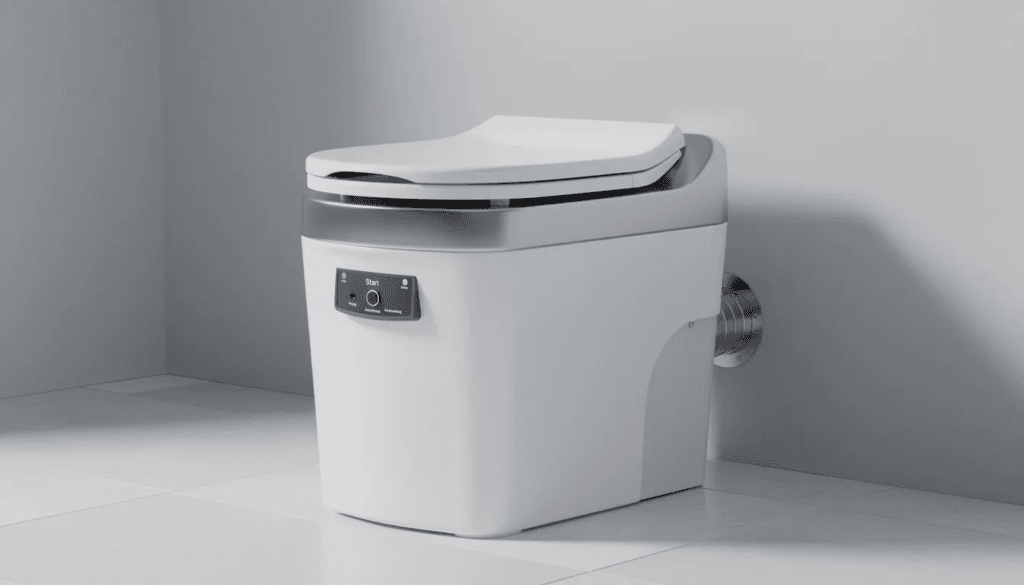
An incinerator toilet makes the most sense for specific situations: full-time off-grid tiny house residents, seasonal cabin users, and backyard tiny houses where septic is impossible or prohibitively costly. If you’re still designing your layout, reviewing top tiny house designs for modern living can help you plan bathroom placement and utilities early.
Ideal Fit Scenarios
- Remote rural land with no water lines or sewer access
- Cold climates where composting toilets struggle with temperature regulation
- Situations where black water dumping is logistically complex or impossible
- Tiny houses that move between locations and can’t rely on fixed infrastructure
- Properties where septic permits are denied or prohibitively expensive
Maybe Not Ideal Scenarios
- Extremely tight solar budgets where every watt counts
- Ultra-low-noise requirements (recording studios, meditation spaces)
- Jurisdictions where local codes still prohibit incineration systems
- High-traffic households that exceed typical capacity limits
Before making a purchase, check 2026 local regulations, zoning rules, and RV park policies. Acceptance of incinerating toilets varies by jurisdiction, and what’s permitted in one county may require special approval in another. A quick conversation with your local building department or code enforcement office can save significant headaches later.
An incinerator toilet isn’t the only solution for tiny house sanitation, but for the right situation, it can transform your bathroom from a constant headache into a simple, low-maintenance system.
Take time to weigh the pros and cons carefully. Consider your power situation, your climate, your budget for both upfront costs and ongoing consumables, and your comfort level with the maintenance requirements. As you dial in these decisions, you might also explore custom tiny homes for personalized small-space living, browse cute tiny house designs for your dream home, look at great tiny homes that redefine small space living, study tiny house interiors that maximize every square foot, and get inspired by tiny house nature retreats to see how others integrate utilities like incinerator toilets into real-world spaces. Plan your bathroom system as thoughtfully as you would any other critical component of your tiny home build—because that’s exactly what it is.