Key Takeaways
Tiny houses come in various forms including custom builds, prefab kits, converted vehicles, and alternative structures like yurts and shipping containers
- Prices range from $10,000 for basic DIY kits to over $200,000 for luxury custom builds with premium finishes
- Popular builders like Tumbleweed, Mint Tiny Homes, and Liberation Tiny Homes offer RVIA-certified homes with nationwide delivery
- Alternative options like converted vans, skoolies, and backyard ADUs provide budget-friendly entry points into tiny living
- Most reputable builders offer customization options, financing, and build times averaging 6-12 months for custom orders
The American dream of owning your own home feels increasingly out of reach for millions, with median house prices soaring beyond $400,000 in many markets. Traditional house ownership has become a distant reality for many families, creating a growing interest in alternative living space solutions. Enter the tiny house movement—a lifestyle revolution that’s transforming how we think about our living space, money, and what it truly means to create a dream home.
Tiny houses, typically under 400 square feet, offer several options for those looking to downsize their carbon footprint while maximizing their quality of life. These homes generally require less energy for heating and cooling, making them an eco-friendly choice. From completely customizable luxury tiny home models built by trusted tiny home builders to budget-friendly DIY kits you can build from scratch, the world of tiny living has evolved far beyond simple sheds on wheels.
Whether you’re interested in a mobile tiny house that lets you explore nature across the USA and Canada, or a permanent backyard unit that serves as an affordable starter home, this comprehensive guide will walk you through every aspect of tiny house options available today. We’ll explore everything from high-end custom builds featuring hand crafted details and high quality materials, to alternative solutions that can deliver your tiny home dream without breaking your budget.
Traditional Tiny House Builders
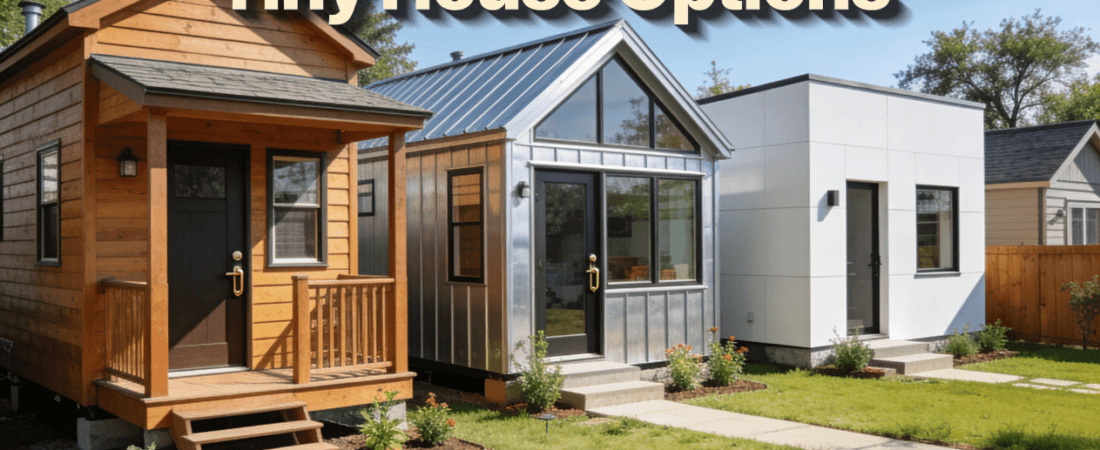
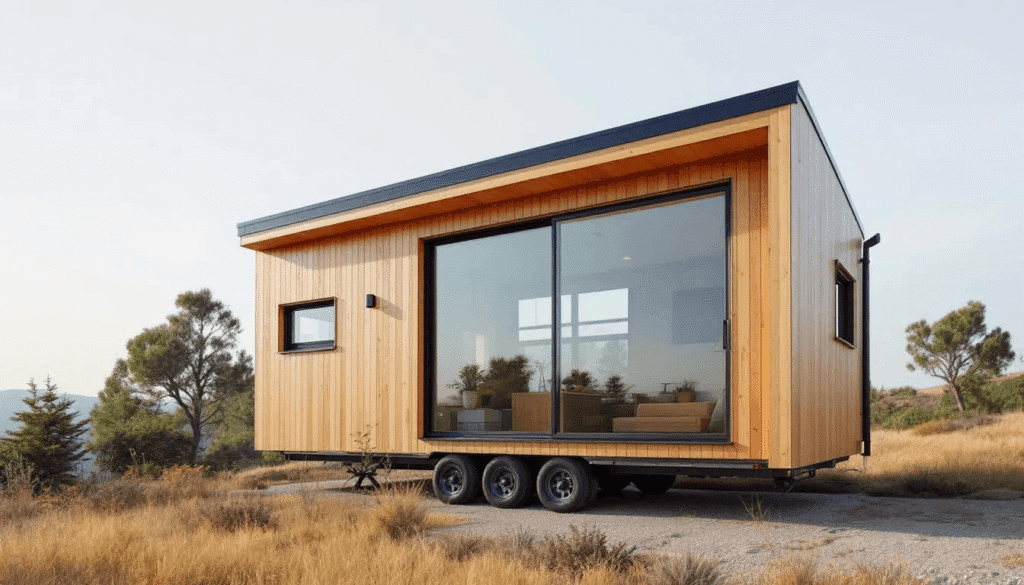
When it comes to building your dream tiny home, working with established tiny house builders offers the highest standard of craftsmanship and reliability. These companies have built hundreds of tiny homes, perfecting their process while maintaining strict quality control over materials and construction techniques. Design styles for tiny homes can range from modern and minimalist to rustic and traditional, allowing homeowners to create a space that reflects their personal taste.
Traditional builders typically offer several options ranging from basic shell models to completely customizable luxury units. Most reputable companies provide RVIA (Recreational Vehicle Industry Association) or NOAH (National Organization of Alternative Housing) certification, ensuring your tiny house meets safety standards and can be legally placed in various locations across the country. Fixed tiny houses, or Tiny Homes on Foundations (THOFs), are installed on permanent foundations and must comply with standard building codes.
The build process with traditional builders usually involves an initial consultation where you discuss your lifestyle needs, budget constraints, and design preferences. From there, you’ll work with dedicated craftsmen to create a custom build that reflects your personal style while maximizing the functionality of your limited living space. Tiny homes utilize multi-functional furniture, built-in seating, and clever layouts to make the most of every square foot.
Premium Custom Builders
At the top of the tiny house market, premium builders focus on creating homes that rival traditional house quality while embracing the minimalist tiny living philosophy. These companies use high quality materials, employ skilled craftsmen, and often incorporate sustainable building practices that reduce your carbon footprint.
Tumbleweed Tiny Homes stands as the pioneer in the industry, operating since 1999 and maintaining the title of largest green-certified manufacturer in North America. What sets Tumbleweed apart is their unique approach to customer experience—they operate over 20 hotel locations where potential clients can actually test different tiny home models before making a purchase decision. This “try before you buy” philosophy has helped countless families determine which style and layout best suits their lifestyle needs.
Their custom builds range from $65,000 to $120,000, with build times typically running 8-12 months for fully customized units. Each Tumbleweed home features hand crafted details, premium insulation, and sustainable materials sourced from responsible suppliers. The company offers nationwide delivery across the USA and parts of Canada, with white-glove setup services that ensure your new home is move-in ready upon arrival.
Tru Form Tiny represents the cutting edge of sustainable tiny house construction, specializing in passive house certification and eco-friendly building practices. Their homes achieve remarkable energy efficiency through advanced insulation techniques, high-performance windows, and integrated solar systems that can significantly reduce ongoing utility costs.
Based in Oregon, Tru Form focuses on creating homes that feel spacious despite their compact footprint. Their signature feature is the use of locally-sourced, sustainable materials combined with modern design principles that maximize natural light and create an open, airy feeling throughout the living space. Build times average 6-10 months, with prices ranging from $85,000 to $150,000 depending on customization level and sustainable features selected.
Mint Tiny Homes, headquartered in Vancouver, brings over a decade of experience with more than 100 completed builds since 2014. They specialize in larger tiny home models ranging from 22 to 44 feet, with some featuring innovative slide-out sections that dramatically expand interior space when parked.
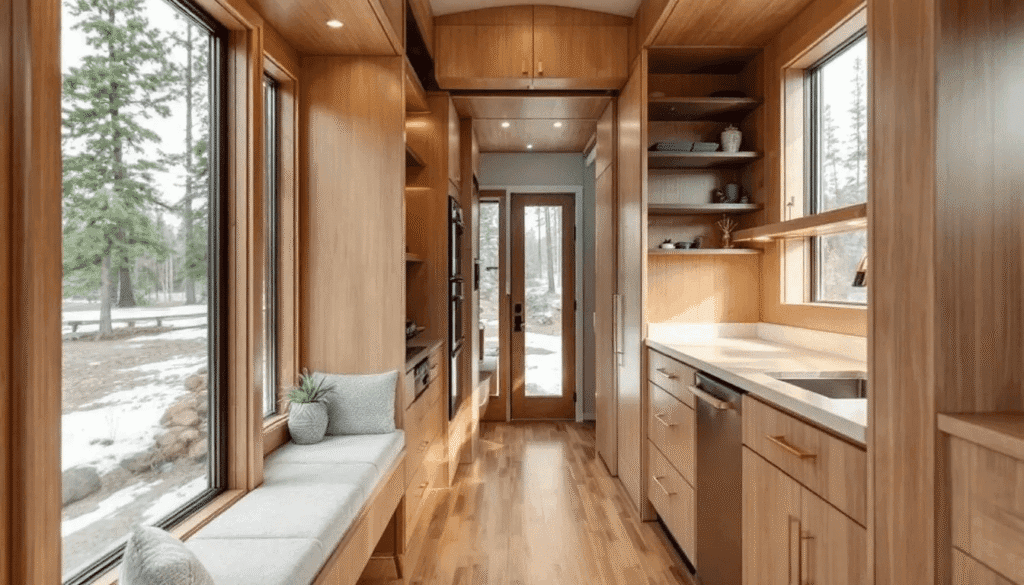
What makes Mint particularly appealing to families is their focus on creating functional family-friendly layouts without sacrificing style. Their homes often feature dedicated office spaces for remote work, extra storage solutions, and clever furnishing arrangements that adapt to different daily needs. The company offers extensive customization options, allowing clients to choose everything from cabinet hardware to flooring materials, creating a truly personalized living environment.
Mid-Range Quality Builders
For those seeking high-quality construction at more accessible price points, several mid-range builders offer excellent value while maintaining professional standards and reliable delivery timelines.
Liberation Tiny Homes, based in Pennsylvania, has developed an innovative approach that appeals to both DIY enthusiasts and those preferring turnkey solutions. They offer three distinct shell stages: rough shell ($45,000), dried-in shell ($55,000), and finished shell ($75,000), allowing customers to complete various aspects of the build themselves while saving money on labor costs.
This flexible process lets clients invest their own time and energy into creating their dream space while still benefiting from professional foundation work and structural expertise. Liberation’s homes are RVIA-certified, ensuring they can be legally placed as RVs in most jurisdictions. The company also offers financing options and has built a strong reputation for transparent communication throughout the building process.
Wind River Tiny Homes operates from Tennessee and has earned recognition for their completely customizable approach to tiny house construction. Unlike companies that work from standard models, Wind River treats each project as a unique custom build, working closely with clients to create homes that perfectly match their vision and functional requirements.
Their pricing structure is refreshingly transparent, with base models starting around $45,000 for basic shells and extending beyond $100,000 for luxury finishes and complex custom features. Wind River particularly excels at incorporating client-requested modifications, whether that’s specialized storage for musical instruments, dedicated workspace areas, or pet-friendly design elements.
Mustard Seed Tiny Homes, based in Atlanta, combines quality construction with a strong focus on social stewardship and community impact. All their homes achieve NOAH certification, and the company actively participates in initiatives to address housing affordability in their local community.
Their model range emphasizes practical layouts that work well for long-term living, with careful attention to ventilation, moisture control, and thermal performance—crucial factors for year-round comfort in a tiny space. Mustard Seed offers both wheeled and foundation models, with prices ranging from $55,000 to $95,000 depending on size and features selected.
Rocky Mountain Tiny Houses brings a distinctive Colorado aesthetic to their builds, incorporating natural materials and design elements that reflect mountain living. The company has built a reputation for unique exterior treatments and creative use of windows that blur the lines between indoor and outdoor living spaces.
Their transparent pricing model includes detailed breakdowns of all costs, helping clients understand exactly where their investment goes. Rocky Mountain particularly excels at off-grid capabilities, integrating solar systems, composting toilets, and rainwater collection systems for clients interested in sustainable, self-sufficient living.
Prefab and Kit Options
For those with construction skills or a desire to be hands-on in creating their tiny home, prefab and kit options offer significant cost savings while still providing professional design and quality materials. These tiny house options typically cost 30-50% less than fully built homes, making tiny living accessible to a broader range of budgets.
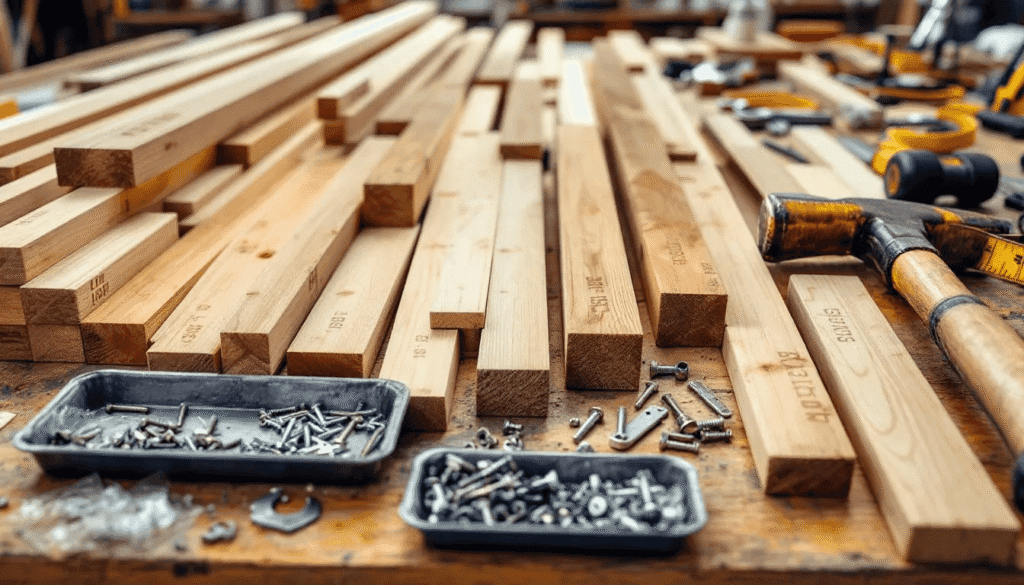
Most kit manufacturers provide comprehensive material lists, detailed construction plans, and step-by-step assembly instructions. The quality of these packages has improved dramatically in recent years, with many featuring pre-cut components, specialized hardware, and even video tutorials to guide the build process.
The time investment for kit assembly varies considerably based on complexity and your construction experience. Simple models can be assembled in 2-7 days with a small team, while more complex designs might require several weeks of part-time work. However, the satisfaction of building your own home from scratch, combined with the substantial money savings, makes this an attractive option for many tiny house enthusiasts.
Retail Chain Options
Major retailers have recognized the growing demand for small-scale living solutions, offering various kit options that bring tiny house dreams within reach of mainstream consumers. These companies leverage their existing supply chains and retail infrastructure to offer competitive pricing and convenient delivery options.
Home Depot has expanded beyond traditional building supplies to offer complete backyard office kits and insulated storage structures that can serve as starter tiny homes. Their product line includes units ranging from simple 8×12 foot structures to more complex 16×20 foot buildings with electrical packages and insulation included.
What makes Home Depot’s offerings particularly appealing is their nationwide availability and standardized pricing. You can visit a local store to see sample structures, get advice from knowledgeable staff, and arrange delivery to your location. Their kits typically include all framing materials, siding, roofing, windows, and doors, with clear assembly instructions suitable for intermediate DIY skill levels.
Jamaica Cottage Shop operates from Vermont and has built a strong reputation for high-quality pre-cut kits that can be assembled relatively quickly. They offer free delivery within 300 miles of their headquarters and reasonable shipping rates for locations across the USA and eastern Canada.
Their cottage kits range from simple single-room structures to complex multi-room designs that can serve as full-time residences. All lumber is pre-cut to exact specifications, and the company provides detailed assembly manuals with step-by-step photographs. Many customers report successful assembly with just basic carpentry skills and common tools.
Studio Shed specializes in customizable backyard buildings that can serve as offices, studios, or tiny homes. Their products emphasize sustainable construction using FSC-certified materials and energy-efficient design principles. The company offers an impressive online customization tool that lets you design your ideal space and see real-time pricing updates as you add features.
Studio Shed’s kits are designed for relatively quick assembly, with most models going up in 2-5 days depending on size and complexity. They offer both DIY kits and professional installation services, giving customers flexibility based on their comfort level and available time. Their buildings can be equipped with full electrical, plumbing, and HVAC systems, making them suitable for year-round use as primary residences.
Alternative Tiny Living Options
Not everyone needs or wants a traditional tiny house structure. Alternative tiny living options offer creative solutions for those seeking affordable small-scale living with different priorities around mobility, cost, or lifestyle. These options often provide the fastest path to tiny living, with some solutions available for immediate occupancy.
Alternative options also tend to be more budget-friendly, with many choices available for less than half the cost of custom-built tiny homes. This makes them ideal for people who want to test the tiny living lifestyle before committing to a larger investment, or those whose budget simply doesn’t accommodate traditional tiny house pricing.
Mobile Alternatives
For those who prioritize mobility and adventure, several mobile alternatives offer the freedom to explore while maintaining a comfortable home base. These options are particularly popular among remote workers, retirees, and anyone seeking to explore nature while maintaining modern amenities.
Converted Vans represent the most affordable entry point into mobile tiny living. With a starting budget as low as $15,000 for a basic conversion, or up to $40,000 for a professionally converted unit with high-end amenities, van life offers exceptional value for money. Modern van conversions can include full kitchens, comfortable sleeping areas, solar power systems, and even compact bathrooms.
The key advantage of van living is ultimate mobility—you can legally park in most locations where RVs are welcome, and the compact size allows access to camping spots that larger vehicles cannot reach. Many van owners rent out their traditional homes and use the income to fund their mobile lifestyle while exploring national parks, visiting family across the country, or simply experiencing different communities.
Skoolies (converted school buses) offer more space than vans while maintaining reasonable costs, typically ranging from $20,000 to $60,000 for a complete conversion. Retired school buses can be purchased for $3,000-$8,000, providing a solid foundation for creating a unique mobile home. Skoolies are tiny homes that utilize converted school buses for customizable living spaces. The larger space allows for more traditional home amenities, including full-size appliances, comfortable seating areas, and even dedicated workspace zones.
School bus conversions have gained popularity among families with children, as the space can accommodate multiple sleeping areas and storage for toys, school supplies, and outdoor gear. Many skoolie families homeschool their children while traveling, creating educational opportunities through hands-on exploration of different regions and cultures.
RVs offer the quickest path to mobile tiny living, with new and used options available for immediate purchase and occupancy. Unlike DIY conversions, RVs come with all systems installed and tested, including plumbing, electrical, heating, and air conditioning. This makes them ideal for people who want to start tiny living immediately without construction projects or learning new skills.
The RV market offers tremendous variety, from compact travel trailers that can be towed by most vehicles, to large motorhomes with all the amenities of traditional homes. Many RV manufacturers now offer models specifically designed for full-time living, with improved insulation, larger storage capacity, and more durable construction suitable for year-round use.
Houseboats provide a unique mobile living experience that combines the adventure of water-based living with the stability of a permanent address. Marina fees typically range from $200-800 per month, often including utilities and access to shore facilities like laundry and showers.
Modern houseboats can be surprisingly spacious and comfortable, with many featuring full kitchens, multiple bedrooms, and outdoor deck space for entertaining. The boating community tends to be welcoming and social, offering built-in neighbors and support systems. However, houseboat living requires some maritime knowledge and comfort with water-based systems and weather conditions.
Stationary Alternatives
For those preferring a permanent location but seeking alternatives to traditional tiny house construction, several stationary options offer unique living experiences at various price points.
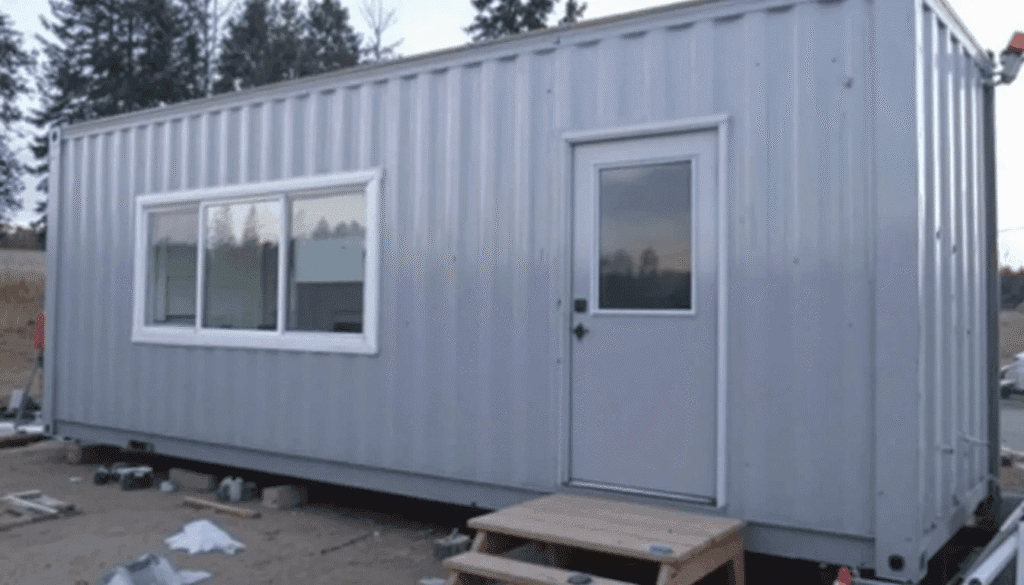
Shipping Container Homes have gained significant popularity due to their durability, industrial aesthetic, and relatively quick construction timeline. These homes are made from repurposed steel containers, providing a modern aesthetic and exceptional durability. Standard 20-foot containers cost $25,000-$40,000 when converted into basic living spaces, while larger 40-foot units with luxury finishes can reach $70,000 or more.
The steel construction of shipping containers provides exceptional durability, with properly maintained units lasting 15-25 years even in harsh weather conditions. Containers can be stacked or joined to create larger living spaces, and their modular nature allows for future expansion as needs change. Many container home builders offer turnkey solutions, handling all aspects from foundation preparation through final finishing.
Yurts offer a completely different aesthetic inspired by traditional nomadic architecture. These circular structures feature fabric walls stretched over a wooden frame, creating surprisingly spacious interiors with a unique connection to the surrounding environment. Modern yurts can include insulation, electrical systems, and even plumbing, making them suitable for year-round living in most climates.
The portable nature of yurts makes them an excellent choice for people who own land but may want to relocate their home in the future. Setup typically requires 1-3 days with a small crew, and the structures can be disassembled and moved if necessary. Costs range from $15,000 for basic models to $50,000 for luxury versions with premium materials and integrated systems.
Dome Homes represent one of the most energy-efficient housing options available, using geodesic principles to create structures that are remarkably resistant to natural disasters while minimizing heating and cooling costs. The curved surfaces distribute wind loads effectively, making dome homes particularly suitable for areas prone to hurricanes or earthquakes.
Modern dome home kits include precisely cut components and detailed assembly instructions, allowing construction by teams with moderate building experience. The unique interior spaces created by dome architecture challenge traditional furnishing approaches but offer exciting opportunities for creative interior design. Costs typically range from $30,000-$80,000 depending on size and finishing level.
Cob Houses appeal to environmentally conscious builders interested in using natural, locally-sourced materials. Cob construction combines clay, sand, and straw to create thick walls with excellent thermal mass properties. These homes stay cool in summer and warm in winter with minimal energy input, making them ideal for off-grid living situations.
The building process for cob homes is labor-intensive but can be very social, with many builders organizing “cob parties” where friends and community members help with construction in exchange for learning the techniques. Material costs are minimal—often under $10,000 for a complete structure—but the time investment is substantial, typically requiring 6-18 months of part-time work.
Pricing and Financing
Understanding the true cost of tiny house ownership extends far beyond the initial purchase price. While tiny homes offer significant savings compared to traditional house ownership, several factors impact your total investment and ongoing expenses. Smart budgeting requires accounting for land costs, utilities setup, permits, insurance, and maintenance over time.
The tiny house market has matured considerably, with financing options now available through specialized lenders who understand the unique aspects of tiny home ownership. Traditional mortgages remain difficult to obtain for tiny houses on wheels, but alternative financing solutions have emerged to serve this growing market.
When evaluating costs, consider your long-term plans and lifestyle goals. A higher upfront investment in quality construction and sustainable systems often pays dividends through lower operating costs and reduced maintenance needs over time.
Budget Breakdown by Category
Entry Level ($15,000-$45,000) options include DIY kits, converted vehicles, and basic shell structures that you complete yourself. At this price point, you’re typically investing significant personal time and labor to achieve your tiny living goals. Van conversions and skoolies fall into this category, as do basic tiny house shells that require finish work.
This budget level requires realistic expectations about amenities and finishes. You’ll likely be using budget materials, basic appliances, and simpler systems. However, many people find tremendous satisfaction in creating their own space from scratch, and the money saved can be applied to land purchase or future upgrades.
Mid-Range ($45,000-$85,000) encompasses semi-custom builds, quality prefab models, and certified homes from established builders. This price range typically includes professional construction, RVIA or NOAH certification, and standard appliances and fixtures. You’ll have some customization options while benefiting from proven designs and reliable construction quality.
Most buyers in this range can expect move-in ready homes with basic utilities, adequate storage, and comfortable living spaces suitable for long-term occupation. The higher investment usually includes warranties and builder support, providing peace of mind during the transition to tiny living.
Premium ($85,000-$120,000+) represents luxury tiny homes with high-end finishes, passive house certification, or complex custom designs. These homes often feature premium appliances, custom cabinetry, advanced sustainable systems, and unique architectural elements. The craftsmanship rivals traditional luxury homes while maintaining the benefits of tiny living.
Premium builds often incorporate cutting-edge technology, superior insulation, and custom solutions for maximizing space efficiency. These homes typically appreciate in value and offer the most comfortable tiny living experience possible.
Additional Costs often surprise new tiny house owners. Land rental ranges from $200-$800 monthly depending on location and amenities included. Utility setup costs $2,000-$8,000 for electrical, water, and sewer connections. Permits vary widely but typically cost $500-$3,000 depending on local requirements and whether you’re placing the home permanently or temporarily.
Insurance costs depend heavily on certification and placement. RVIA-certified homes can often be insured as recreational vehicles at lower rates, while permanent installations may require homeowner’s insurance. Budget $500-$2,000 annually for insurance coverage.
Don’t forget ongoing costs like property taxes (for foundation homes), registration fees (for wheels), maintenance, and potential HOA or community fees if you’re joining an established tiny house community. Tiny houses often face challenges like limited storage, the upkeep of composting systems, and navigating building codes, which can add complexity to ownership.
Delivery and Setup Options
The logistics of getting your tiny house from the builder to your chosen location involve careful planning and coordination. Most established builders offer delivery services, but understanding the process helps ensure a smooth transition to your new lifestyle.
Delivery costs vary significantly based on distance, with most builders charging $1-3 per mile for transport. Cross-country delivery can easily add $3,000-$8,000 to your total project cost. Some builders include delivery within a certain radius, while others charge separately for all transport services.
Setup requirements depend on your tiny house type and planned location. Tiny houses on wheels need level parking with adequate clearance for delivery trucks and future access. Foundation homes require site preparation, utility connections, and often permit inspections before occupancy.
Most reputable builders provide detailed site preparation requirements and can recommend local contractors for foundation work, utility connections, and other setup needs. Some offer complete turnkey services, handling everything from permits through final utility connections.
Timeline expectations should account for potential delays. Weather, permitting issues, or utility scheduling can extend the setup process. Plan for 2-4 weeks between delivery and move-in readiness, especially if you’re connecting to municipal utilities or need inspection approvals.
Many builders provide post-delivery support including warranty service, maintenance guidance, and troubleshooting assistance. This support proves invaluable during your first year of tiny house ownership as you learn the systems and optimize your living space.
Legal Considerations and Zoning
The legal landscape for tiny houses varies dramatically across different jurisdictions, making research essential before committing to any purchase or placement decision. Understanding local zoning laws, building codes, and permit requirements can prevent costly mistakes and legal complications.
RVIA certification provides significant advantages for mobility and legal placement options. RVIA-certified tiny houses are legally classified as recreational vehicles, allowing placement in RV parks and many private properties without building permits. However, most jurisdictions limit RV dwelling to 30-120 days annually, making permanent residence challenging.
ADU (Accessory Dwelling Unit) regulations in major metropolitan areas increasingly recognize tiny houses as legitimate housing options. Cities like Portland, Seattle, and Austin have updated zoning codes to explicitly allow tiny houses as ADUs, provided they meet specific requirements for size, utilities, and placement.
Many tiny house communities have emerged to address legal placement challenges, creating dedicated developments where tiny houses are specifically welcomed and legal. These communities often share amenities like clubhouses, gardens, and recreational facilities while providing residents with legal addresses and utility connections.
Building codes compliance varies between permanent and temporary installations. Foundation-based tiny houses typically must meet all local building codes, including minimum room sizes, ceiling heights, and egress requirements. Tiny houses on wheels face fewer restrictions but may be prohibited from permanent placement in residential zones.
Before purchasing any tiny house, research your intended placement location thoroughly. Contact local building departments, zoning offices, and code enforcement to understand current regulations and any planned changes. Many jurisdictions are actively updating their codes to accommodate tiny houses, but the process is ongoing and varies by location.
Frequently Asked Questions
How long does it take to build a custom tiny house? Most custom builders require 6-12 months for completion, with some taking up to 18 months during peak seasons or for complex designs. Factors affecting timeline include customization level, weather conditions, permit requirements, and builder workload. Inventory models may be available for immediate purchase, while fully custom designs typically require the longest build times. Planning ahead and placing orders during slower seasons can help reduce wait times.
Do I need special permits for a tiny house on wheels? RVIA-certified tiny houses are treated as RVs and typically don’t require building permits for placement. However, local zoning laws vary significantly regarding long-term occupancy. Some areas allow RV living year-round, while others restrict it to 30-120 days annually. Always check with local authorities before placement, as violations can result in fines or forced relocation. Some jurisdictions are developing specific tiny house ordinances that may offer more favorable regulations.
What’s the difference between RVIA and NOAH certification? RVIA certification treats the home as a recreational vehicle for legal purposes, focusing on road safety and basic habitability standards. This certification allows placement in RV parks and simplified insurance options. NOAH (National Organization of Alternative Housing) certification focuses on safety standards for permanent tiny house installations, emphasizing structural integrity and long-term habitability. NOAH certification is often preferred for foundation installations and tiny house communities.
Can I get a mortgage for a tiny house? Traditional mortgages are difficult for tiny houses on wheels since they’re classified as personal property rather than real estate. However, many builders offer financing through specialized lenders, with terms typically ranging from 5-15 years. Personal loans, RV loans, and credit lines are common alternatives. Foundation-based tiny houses may qualify for traditional mortgages if they meet local building codes and are placed on owned land.
What utilities can I connect to a tiny house? Most tiny houses can connect to standard electrical, water, and sewer systems through RV-style hookups or permanent connections. Many also offer off-grid options including solar panels for electricity, composting toilets to eliminate sewer needs, and rainwater collection systems for water independence. Internet connectivity is typically available through cellular, satellite, or local broadband providers. Propane is commonly used for heating, cooking, and hot water in both grid-connected and off-grid installations.