
Building your own tiny house sounds simple.
Small space. Fewer materials. Lower costs.
But here’s the truth: tiny house mistakes hit harder than traditional home building errors.
A 1-inch framing mistake in a 200 square foot home eats up 1-2% of your total livable space. The same error in a 2,000 square foot house? Barely noticeable.
Proper planning from mapping out every step of the process to knowing how much material and equipment you will need before starting the building process is vital to avoid nasty surprises or unexpected expenses. The average American can save $8,000-10,000 a year by eliminating excess expenses, which can help fund a tiny house build, especially when they use a tiny home cost calculator to plan realistically. But cutting corners during construction can quickly drain that money and more.
This guide covers the top DIY tiny house mistakes to avoid. We’ll rank them by potential impact, cost to fix, and safety concerns. Avoiding these pitfalls can save you thousands and ensure your project actually reaches completion.
- How We Ranked These Critical Mistakes
- Top 7 DIY Tiny House Mistakes to Avoid
- 1. Building Without Proper Permits and Zoning Research
- 2. Choosing the Wrong Trailer Foundation
- 3. Inadequate Electrical Planning and DIY Wiring
- 4. Poor Insulation and Ventilation Design
- 5. Underestimating Weight and Balance
- 6. Insufficient Storage and Space Planning
- 7. Using Inappropriate Materials for Tiny House Conditions
- Quick Impact Summary of Critical Mistakes
- How to Prioritize Mistake Prevention
- Which Mistakes Are Most Critical for Your Build
- Final Thoughts
How We Ranked These Critical Mistakes
Not all mistakes are equal.
We ranked these errors based on:
- Financial impact – Cost to fix or completely redo work
- Safety risks – Danger to occupants and others on the road
- Legal and regulatory consequences – Fines, demolition orders, insurance issues
- Difficulty level to correct – Pre-framing fixes score easy; post-drywall scores nearly impossible
- Impact on functionality and livability – Will you actually want to live there?
- Time delays – Errors typically add 3-12 months to project timelines
This ranking draws from builder forums, YouTube regret videos, and industry surveys showing 78% of DIYers exceed budgets by 25% due to oversights.
Top 7 DIY Tiny House Mistakes to Avoid
1. Building Without Proper Permits and Zoning Research
Many DIYers assume “tiny” means they can skip the paperwork.
A common rule of thumb is to first check into your local building regulations regarding small dwellings and review tiny house plans that fit your life before purchasing land for a tiny home. Yet 65% of builders skip this research entirely.
Why This Stands Out
This mistake can make your entire build illegal. One violation can trigger demolition orders. In a 2019 Oregon case, a $45,000 build was razed, costing the owner an additional $20,000 in legal fees.
Most Common With
First-time builders who focus on Pinterest-worthy designs before researching legal requirements.
Consequences
- Forced demolition or costly modifications
- Inability to get insurance or utilities connected
- Legal fines ranging from $5,000 to $50,000
- Court proceedings and ongoing frustration
Local zoning laws can vary significantly, with some municipalities allowing tiny homes as accessory dwelling units while others may prohibit them altogether. Many areas have specific regulations regarding the minimum square footage for homes, which can affect the legality of tiny houses in those regions.
How to Avoid
- Research zoning regulations before purchasing land or starting design
- Contact local building departments early in your planning process
- Check building codes specific to your city or county
- Many towns allow a tiny home as an accessory building unit on land with an existing standard house, but others will not allow a tiny house to be built on the land at all
Before building a tiny house, it is crucial to check local building codes and zoning ordinances to avoid potential legal issues and costly setbacks.
2. Choosing the Wrong Trailer Foundation
Your trailer isn’t just wheels.
It’s the foundation of your entire structure, and many builders explore Home Depot tiny house kits or other prefab options without fully understanding trailer requirements. Get it wrong, and everything built on top is compromised.
Why This Stands Out
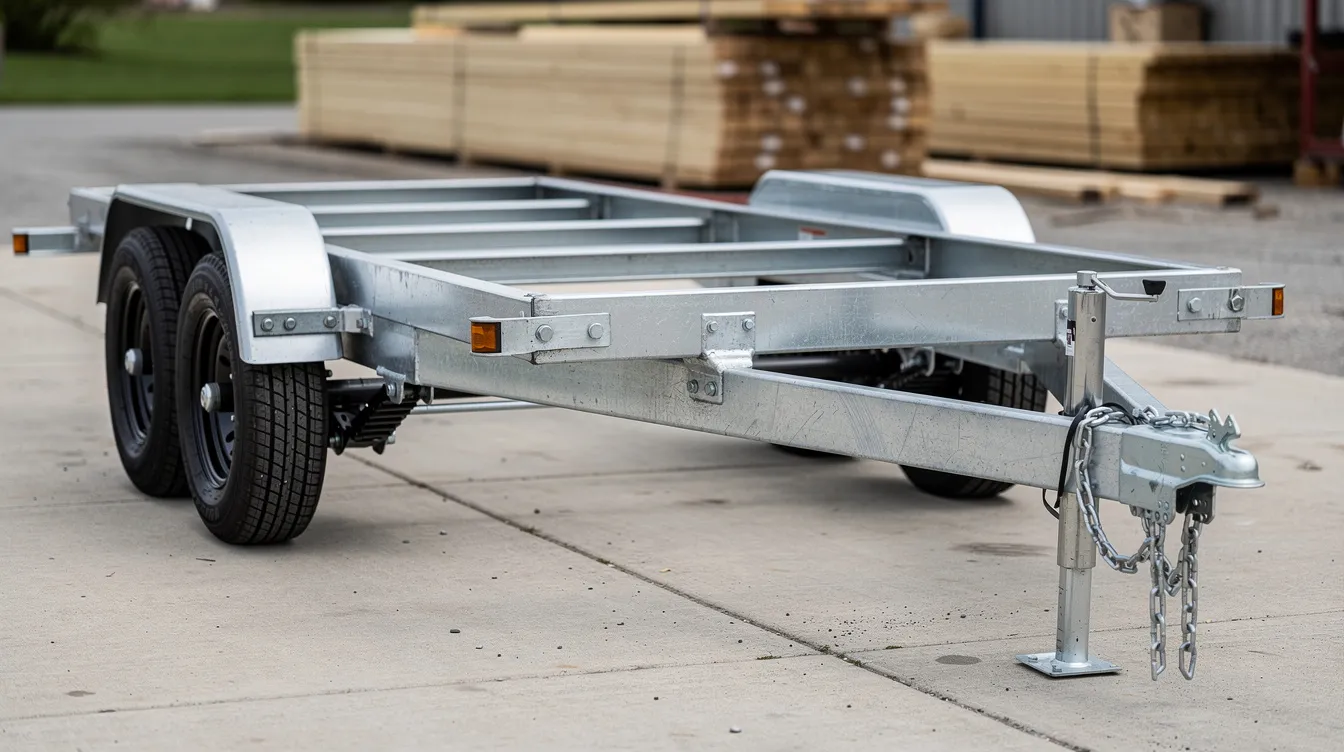
Wrong trailer choice affects safety, road legality, and structural integrity. About 40% of builders pick under-specced trailers—choosing a 7,000 lb GVWR for a 12,000 lb build.
Most Common With
Budget-focused builders who prioritize cost savings over proper weight calculations.
Consequences
- Structural failure and safety hazards while towing
- Exceeding road weight limits and legal complications
- Costly trailer replacement mid-build ($10,000-$20,000)
- A 2022 Colorado crash totaled a $60,000 tiny home due to improper axle configuration
How to Avoid
- Calculate total build weight including materials, fixtures, and belongings
- Choose appropriately rated trailer with proper axle configuration
- Aim for 20% GVWR buffer above your estimated weight
- Electric brakes are mandatory for safe towing
3. Inadequate Electrical Planning and DIY Wiring
Tiny houses need 30-50 amp RV panels, not the 200 amp systems in traditional homes.
But many builders overload their systems, ignoring proper load calculations.
Why This Stands Out
Fire hazards from improper wiring are serious. NFPA reports tiny and RV fires occur at 4x the residential rate. About 90% of DIY electrical work fails inspection.
Most Common With
Builders confident in basic electrical work who underestimate tiny house complexities—and skip following a step‑by‑step guide on how to build a tiny house.
Consequences
- Fire hazards from improper wiring and connections
- Failed inspections requiring complete rewiring ($8,000-$15,000)
- Insurance denial due to unpermitted electrical work
- Poor performance of appliances and systems
How to Avoid
- Hire licensed professionals for all electrical work
- Plan electrical loads and panel capacity before starting build
- Account for continuous load derating (AC plus microwave equals 40 amps peak)
- Budget $3,000-$6,000 for professional electrical installation
4. Poor Insulation and Ventilation Design
Small volumes amplify every insulation mistake.
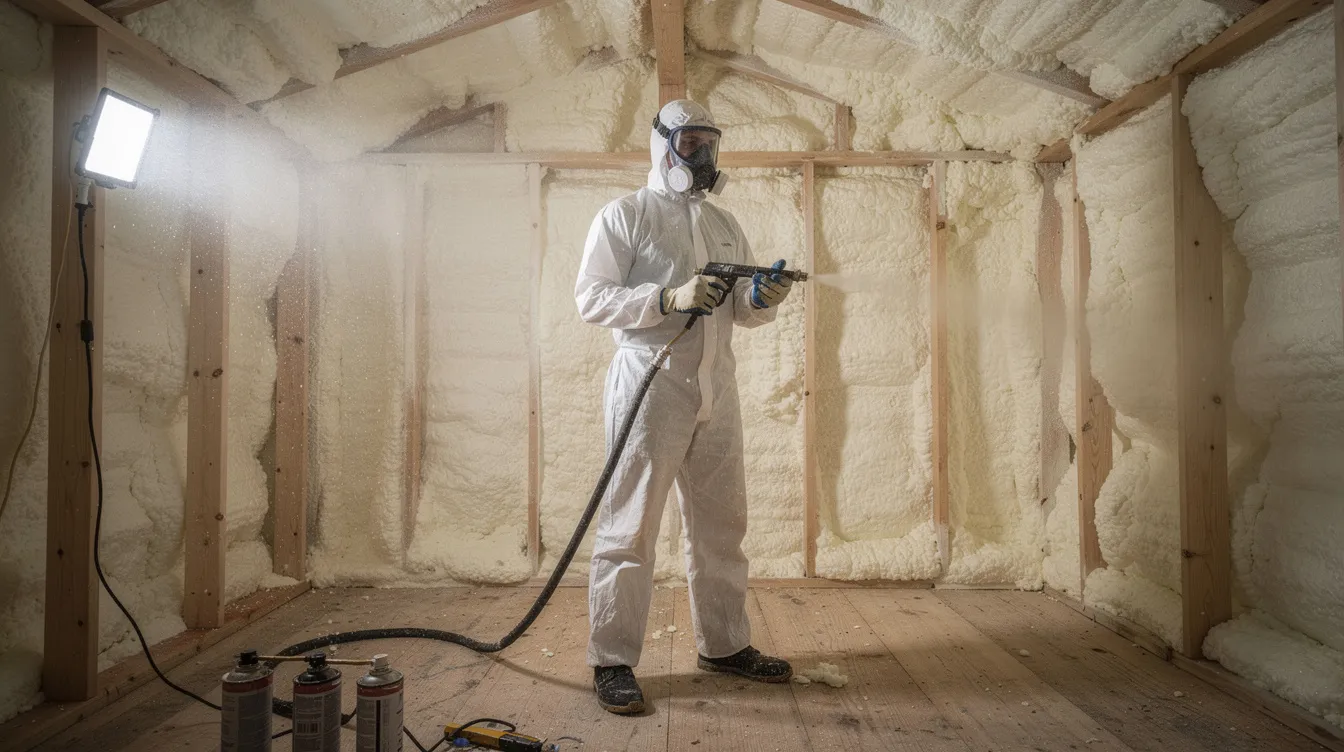
A 1-inch insulation gap equals 20% heat loss in a tiny space.
Why This Stands Out
These mistakes create ongoing comfort and health problems. About 55% of tiny house dwellers report mold issues from poor ventilation.
Most Common With
Builders who focus on visible features while overlooking thermal performance and the fundamentals of affordable tiny house buildings. Experienced builders know better.
Consequences
- Condensation, mold, and poor air quality
- Extreme temperature swings (50-70°F variations reported)
- High energy costs and ongoing frustration
- Structural damage from moisture issues in the walls and roof
How to Avoid
- Design proper vapor barriers and ventilation systems
- Use appropriate insulation R-values for your climate (R-30 walls, R-50 roof minimum)
- Install HRV systems for air quality
- Proper insulation prevents the ongoing costs that break your budget
5. Underestimating Weight and Balance
Average tiny house builds weigh 10,000-15,000 lbs, so choosing tiny house floor plans that work for you must include weight and balance considerations.
But 60% of builders exceed proper tongue weight, violating the critical 60/40 front-to-rear distribution rule.
Why This Stands Out
Weight miscalculation causes catastrophic towing accidents. At 55 mph, improper center of gravity creates rollover risk.
Most Common With
Builders who prioritize aesthetics over engineering principles. Heavy lofts add 2,000 lbs to the rear.
Consequences
- Dangerous towing conditions and potential accidents
- Trailer failure and structural damage
- Inability to move the tiny house safely
- Accidents costing $30,000 or more
How to Avoid
- Track weight throughout build process using spreadsheets
- Maintain proper 60/40 front-to-rear weight distribution
- Aim for 9-12 inch tongue hitch height
- Scale prototypes before committing to heavy design elements
- Figure out weight distribution early in the building process
6. Insufficient Storage and Space Planning
This mistake affects your daily life more than any other.
Many first-time builders make the mistake of not incorporating enough storage solutions into their design, leading to clutter and frustration, even though well‑planned tiny house interiors that maximize every square foot show how much is possible. About 70% of builders forget to plan for basic appliances.
Why This Stands Out
Poor storage space planning forces costly rebuilds or complete abandonment of tiny living. About 40% of people regret their storage decisions.
Most Common With
Builders who haven’t downsized or tested tiny house living before building. Many underestimate what tiny living actually requires.
It is essential to evaluate and research what tiny house living is actually like, including understanding what you are comfortable giving up in your day-to-day living as you decrease the space and size of your future house, and to explore broader tiny house living inspiration and resources as you plan.
Consequences
- Inability to store essential possessions
- Cramped living conditions affecting quality of life
- Need for expensive modifications or rebuilding
- Clutter that makes your tiny home feel even smaller
How to Avoid
- Downsize possessions before finalizing design
- Space is limited in a tiny home, so it’s essential to get creative when finding storage solutions, such as utilizing under stairs, under seats, and under counters for drawers or shelves
- Incorporating multi-purpose furniture can help maximize storage in a tiny house, allowing for more efficient use of space while providing necessary functionality
- Create mockups using SketchUp before building
- Plan storage in every room, including the bathroom
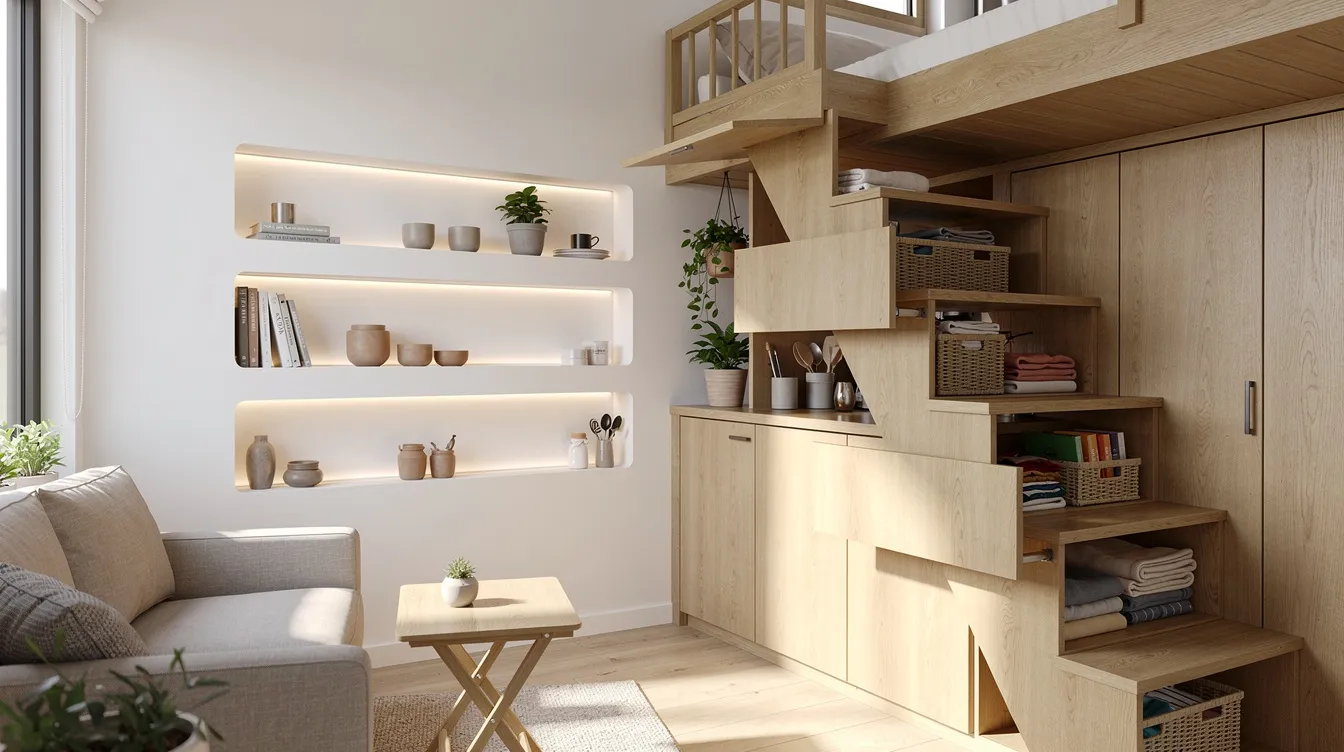
Many tiny house builders overlook the importance of adequate storage solutions, which can lead to clutter and frustration in a small living space.
7. Using Inappropriate Materials for Tiny House Conditions
Tiny houses face unique stresses.
They move. They vibrate. They experience forces traditional homes never encounter, especially in fully customized custom tiny homes for small‑space living.
Why This Stands Out
Wrong materials lead to ongoing maintenance issues and health hazards. Off-gassing VOCs hit 5x safe levels in sealed tiny spaces.
Most Common With
Budget-focused builders putting initial cost over long-term performance.
Consequences
- Toxic off-gassing in small spaces
- Premature material failure and costly replacements
- Water damage and structural problems
- Siding replacements costing $8,000 within two years
How to Avoid
- Choose lightweight materials appropriate for mobile structures
- Invest in non-toxic materials for interior spaces
- Use plywood over OSB (less warp under mobile stresses)
- Select materials with proper flex ratings for trailer movement
Underestimating costs is a common mistake in tiny house building, and running out of money halfway through can leave builders with few options for completing their project.
Quick Impact Summary of Critical Mistakes
Mistake | Primary Risk | Potential Cost |
|---|---|---|
Building without permits | Forced demolition | $20,000-$65,000 |
Wrong trailer choice | Safety hazards, structural failure | $10,000-$60,000 |
DIY electrical work | Fire hazards, inspection failures | $8,000-$15,000 |
Poor insulation/ventilation | Ongoing comfort and health problems | $5,000-$15,000 |
Weight miscalculation | Dangerous towing conditions | $30,000+ |
Insufficient storage | Impractical living conditions | $10,000+ |
Inappropriate materials | Health hazards, premature failure | $8,000+ |
How to Prioritize Mistake Prevention
Focus on Safety-Critical Issues First
Start with what could hurt someone:
- Electrical systems need professional installation
- Trailer selection determines towing safety
- Weight distribution prevents accidents
- Structure integrity protects occupants
Don’t save money where safety is concerned.
Address Legal Requirements Early
Handle permits and zoning before investing in materials:
- Research local laws in your target location or neighborhood
- Understand building codes for your area
- Get necessary permits before breaking ground
- Document everything for future insurance and resale
Plan for Long-Term Livability
Balance immediate build concerns with future comfort:
- Storage needs don’t decrease over time
- Insulation affects every day of tiny living
- Ventilation prevents health issues
- Many tiny house builders fail to account for ongoing costs after construction, which can include moving expenses, maintenance, and utility costs that vary based on design choices
Which Mistakes Are Most Critical for Your Build
Your situation determines your priorities, whether you’re still deciding if a tiny house for sale is right for you or you’re already deep into a DIY build:
- Early planning stage? Focus on permits and zoning research
- Mid-construction? Prioritize electrical and structural safety
- Haven’t downsized yet? Address space planning before finalizing your layout
- Plan to move frequently? Consider weight and materials carefully
Every build is different. Your land, your climate, your lifestyle—all factor into which mistakes pose the greatest risk to your project.
Final Thoughts
Building a tiny house isn’t like building a traditional home.
The stakes are different. Mistakes are amplified.
A wall that’s slightly off-square in a regular house? Barely noticeable. In a tiny house? It might mean your furniture doesn’t fit in the room.
Proper planning from mapping out every step of the process to knowing how much material and equipment you will need before you start the building process is vital to avoid unexpected expenses. Research comes first. Design comes second. Construction comes last.
The good news? These mistakes are preventable.
- Check zoning regulations before you fall in love with a piece of land
- Calculate weight before you pull out a saw
- Hire professionals where safety matters
- Store your stuff before you finalize your floor plan
The tiny house movement attracts people seeking freedom and simplicity. Don’t let avoidable mistakes turn your dream into a nightmare.
Plan carefully now. Build confidently later. Your future self will thank you.