Finding the perfect tiny house in 2026 means knowing exactly where to look. Whether you want a luxury custom build, a ready-to-move used unit, or an affordable kit you finish yourself, the options have expanded significantly over the past few years.
- Quick Answer: The Main Places You Can Actually Buy a Tiny House Today
- Custom Tiny House Builders (Luxury, Turn-Key & Certified Options)
- Buying a Tiny House Online (Marketplaces, Zillow Filters & Dedicated Sites)
- Big-Box Retailers & Online Kits (Amazon, Home Depot, Wayfair & Others)
- Local Builders, Sheds & Converting Existing Structures
- DIY Builds & Tiny House Plans
- How to Decide Which Tiny House Option Fits You
Quick Answer: The Main Places You Can Actually Buy a Tiny House Today
In 2026, you can buy a tiny house from specialist builders, online marketplaces, big-box retailers, and through DIY plans. Here’s where to start your journey:
- Custom tiny house builders in the US – concentrated hubs in Oregon’s Eugene-Springfield area, Fort Collins, Colorado, and Asheville, North Carolina ship nationwide
- Online listings – Tiny House Listings, Zillow and Redfin “tiny home” filters (where available), and Facebook Marketplace for local options
- Amazon and Wayfair tiny house kits – cabin shells and yurts ranging from $2,500 to $10,000+
- Prefab shed-style kits from Home Depot and Lowe’s – 12’ x 16’ to 12’ x 24’ structures in the $4,000–$10,000 range
- Local builders and contractors – for shell or finished builds, ADUs, and guest house conversions
- DIY plans and secondhand units – via Facebook Marketplace, Craigslist, and Kijiji (Canada)
The rest of this article breaks down each option with pros, cons, and rough 2025–2026 price bands so you can find the model that fits your life, budget, and lifestyle needs.
Custom Tiny House Builders (Luxury, Turn-Key & Certified Options)
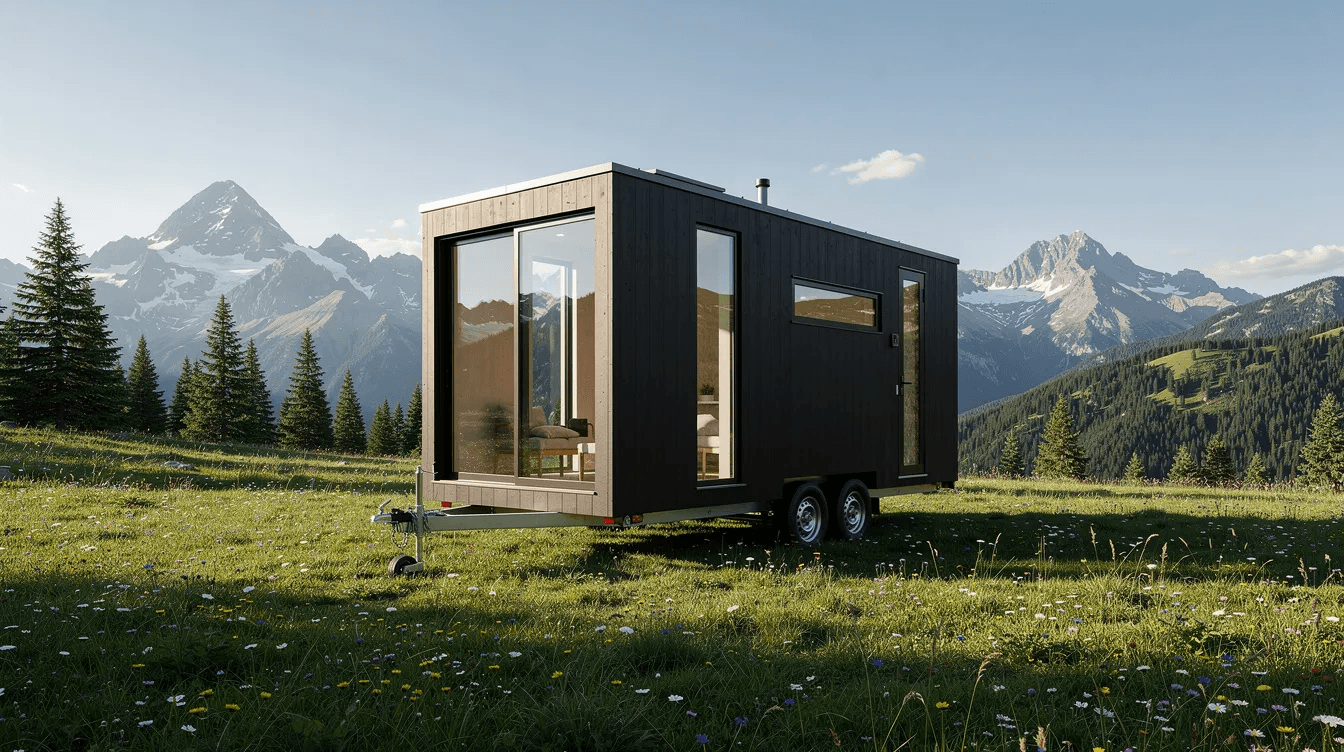
Custom builders are the ideal route for owners who need a code-compliant, RV-certified, or luxury tiny home with full support—especially for full-time tiny home living. These teams handle design, build quality, and ensuring durability from start to finish.
- Price range in 2025–2026: Expect $90,000–$220,000+ for a finished, road-legal tiny house on wheels between 24’ and 40’ in length
- What high-end builders offer: LEED-inspired practices, high R-value insulation, residential windows, off-grid packages with solar and battery storage, and financing partners
- Key builder hubs: Oregon’s Eugene–Springfield area, Fort Collins, Colorado, and Asheville, North Carolina all have multiple established builders
- Important certifications: Look for NOAH, RVIA, or ANSI A119.5 compliance—banks, insurers, and many RV parks require these for access and coverage
- Process and timelines: Design deposit, signed contract, then 3–8 month build time depending on complexity; current waitlists at popular builders can extend timelines
- Typical features: Lengths of 24’, 28’, 30’, or 40’ with lofts, main-floor bedrooms, 48” showers, washer/dryer hookups, premium materials, and flexible stair options crafted to meet specific needs
How to Choose the Right Tiny House Builder
Before sending a deposit, smart buyers vet builders thoroughly. This process protects your money and ensures you get a safe, quality home.
Key vetting steps:
- Verify portfolio with at least 5–10 completed homes since 2018 or earlier
- Read independent reviews on Google, BBB, and Facebook from the past 12–24 months
- Ask for a sample contract and itemized spec sheet (roof type, insulation values, window brands, trailer rating)
- Confirm warranty terms—typically one-year workmanship plus manufacturer warranties on roofing and windows
- Check that the trailer is rated for the designed GVWR with a VIN and title
- Ask to tour an in-progress or finished house if within driving distance
Compare 2–3 firm quotes from different builders for a similar 26’–28’ layout before committing, and spend time reviewing tiny house floor plans that actually work for your lifestyle. This simple step can save you thousands and help you discover features you hadn’t considered.
Buying a Tiny House Online (Marketplaces, Zillow Filters & Dedicated Sites)
As of 2025–2026, dozens of websites list ready-to-move tiny homes for sale across the US, UK, Canada, and Australia for anyone wondering whether a tiny house for sale is really the right fit. This is often the fastest path to start enjoying your new home.
Where to find listings:
- Tiny House Listings – established marketplace with both used and new units
- Zillow and Redfin – use “tiny home” keywords or filter to <400 sq ft where available
- Facebook Marketplace – excellent for local options you can inspect in person
- Regional classifieds – Kijiji (Canada) and Gumtree (UK/Australia) with “tiny home,” “park model,” and “static caravan” keywords
Typical price range for used tiny houses: $30,000–$120,000 depending on age, build quality, length, and certifications—but your real numbers will vary, so it helps to run them through a tiny home cost calculator.
Benefits: Immediate availability, ability to inspect before purchase, and some listings include a pre-arranged parking spot or lot lease.
Risks: Unclear builder history, missing VIN or title, unknown insulation and wiring quality, and need for independent inspection.
Questions to ask sellers:
- What year was it built, and who built it?
- Has it ever leaked around windows, skylights, or the bathroom?
- What’s the total weight and towing history?
- What utility hookups does it need (30-amp, 50-amp, water, sewer)?
- Has it been lived in during winters in cold states like Minnesota or Vermont?
Tips for Safely Buying a Used Tiny House
Due diligence on a used tiny house is similar to buying an RV or small house—don’t skip it.
Recommended checks:
- Pull a history report if it’s titled as an RV or trailer
- Inspect the underside for rust, especially in coastal states like Florida or Washington
- Look for water stains or soft spots around windows, skylights, the sink area, and shower
- Verify the electrical panel, breakers, and propane lines look professionally installed
For purchases above $40,000, bring a licensed RV tech, home inspector, or electrician for a 2–3 hour pre-purchase inspection. Use an escrow service or at least get a written bill of sale with VIN, purchase price, and “as-is” terms.
Big-Box Retailers & Online Kits (Amazon, Home Depot, Wayfair & Others)
Many “tiny houses” sold on Amazon and similar sites are actually cabin or shed shells that need substantial finishing to become legal dwellings, though there are also genuinely move-in-ready tiny homes under $20K for sale if your budget is tight. Understanding this detail upfront saves frustration.
Concrete kit examples and approximate prices:
- Canvas yurts: $2,500–$6,000
- Wood shed kits (12’ x 16’ or 12’ x 24’): $4,000–$10,000
- Small steel sheds with galvanized steel frames: under $1,000
- Gazebo-style structures: $3,500–$7,000
What’s typically included: Framing, sheathing, basic doors and windows, hardware for easy assembly.
What’s NOT included: Insulation, plumbing, wiring, interior finishes, or foundations.
Kits often ship within 1–4 weeks and require basic carpentry skills or hiring a contractor. Many jurisdictions treat these as accessory structures until fully permitted as dwellings.
Pros and cons:
Pros | Cons |
|---|---|
Lower upfront cost | Not move-in ready |
Flexible design options | Can be expensive to finish |
Fast shipping | May not qualify as legal residence |
Plenty of customization space | Requires permits and inspections |
Local Builders, Sheds & Converting Existing Structures
Many people get a tiny house by upgrading a shed, detached garage, or ADU built by a local contractor. This approach works well for creating a guest house, home office, or affordable housing on land you already own.
Local shed companies sell 10’ x 20’, 12’ x 24’, or 14’ x 40’ buildings that can be finished as studios or living spaces with plenty of room for customization, and there’s no shortage of shed tiny house ideas to inspire your conversion.
In 2024–2026, several US states (California, Oregon, Maine) and some Canadian provinces have relaxed ADU rules, making it easier to build a small detached unit in backyards—a form of freedom that wasn’t available a decade ago.
Typical process:
- Consult your planning department for zoning and ADU rules
- Choose a shed shell or small prefab unit
- Hire licensed trades for insulation, electrical, plumbing, and HVAC work
- Schedule inspections and final occupancy approvals
Cost ranges: Converting a quality shed shell into a safe living unit typically runs $25,000–$70,000+ on top of shell cost, depending on finishes, bathroom complexity, and local labor rates.
This path requires realistic expectations about complexity, but it’s an amazing option for homeowners who already own land and want to add space.
DIY Builds & Tiny House Plans
Hands-on builders can save money by creating their own tiny houses using plans, but 2025–2026 material and trailer costs remain significant. If you decide to build a tiny house yourself step by step, this route demands time, skills, and honest self-assessment.
Rough DIY cost ranges:
- $25,000–$90,000 in materials and trailer for a 20’–32’ THOW
- Plus hundreds of hours of labor and tool costs
Sources for plans: If you’re still comparing tiny house plans that fit your life and budget, start with options that match your parking and zoning realities.
- Architectural plan sites with 24’, 26’, and 28’ layouts
- Independent tiny house designers offering loft and main-floor bedroom options
- Books and courses updated after 2022 to reflect current codes
Essential skills or help needed: Framing, electrical (to code), plumbing, waterproofing, roofing, and trailer load calculations. Some jurisdictions in 2025–2026 require engineered plans or inspections, even for “temporary” RV’s parked in backyards, especially when you’re pursuing more affordable tiny house building designs.
Be honest about your skills, time, and safety knowledge. At minimum, sub-contract critical systems like electrical and propane to licensed professionals.
Where to Park a DIY or Purchased Tiny House
Finding legal, long-term parking is often harder than buying the house itself. This is one thing many new owners discover only after their build is complete.
Main parking options:
- RV parks and campgrounds that accept tiny houses on wheels (typically with 30/50-amp hookups)
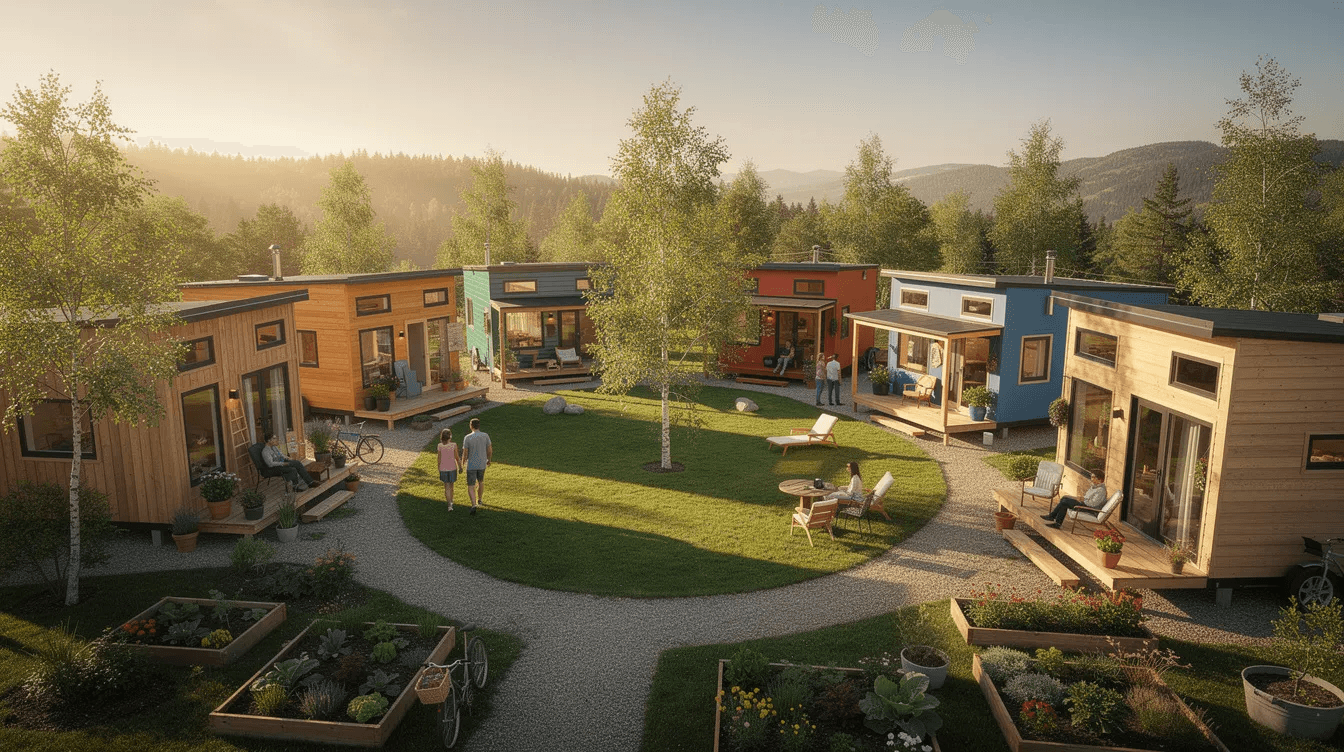
- Tiny house villages and communities in states like Colorado, Oregon, Texas, and Florida
- Mobile home or park model communities that allow small units
- Backyard ADUs where local zoning explicitly permits an additional dwelling
Some cities (Fresno, CA; Portland, OR; Denver, CO) have specific tiny house or ADU ordinances as of 2025–2026. Always check HOA rules, county zoning, and utility access before purchasing or building.
How to Decide Which Tiny House Option Fits You
Choosing the right path depends on your budget, timeline, skills, and where you plan to park, as well as which of the best tiny house designs for modern living actually matches how you live day to day. Here’s a quick guide:
If you want… | Choose this option |
|---|---|
A legal, turn-key home with full support | Custom builder |
Something move-in ready on a tighter timeline | Used tiny home from marketplace |
To customize on land you own | Kit or local shed conversion |
Maximum control at the cost of time | DIY build |
Your next steps this month: |
- Define your budget range and target length (24’ vs 30’)
- Confirm zoning and parking options in your city and county today
- Gather 2–3 quotes from builders or price out kits and materials
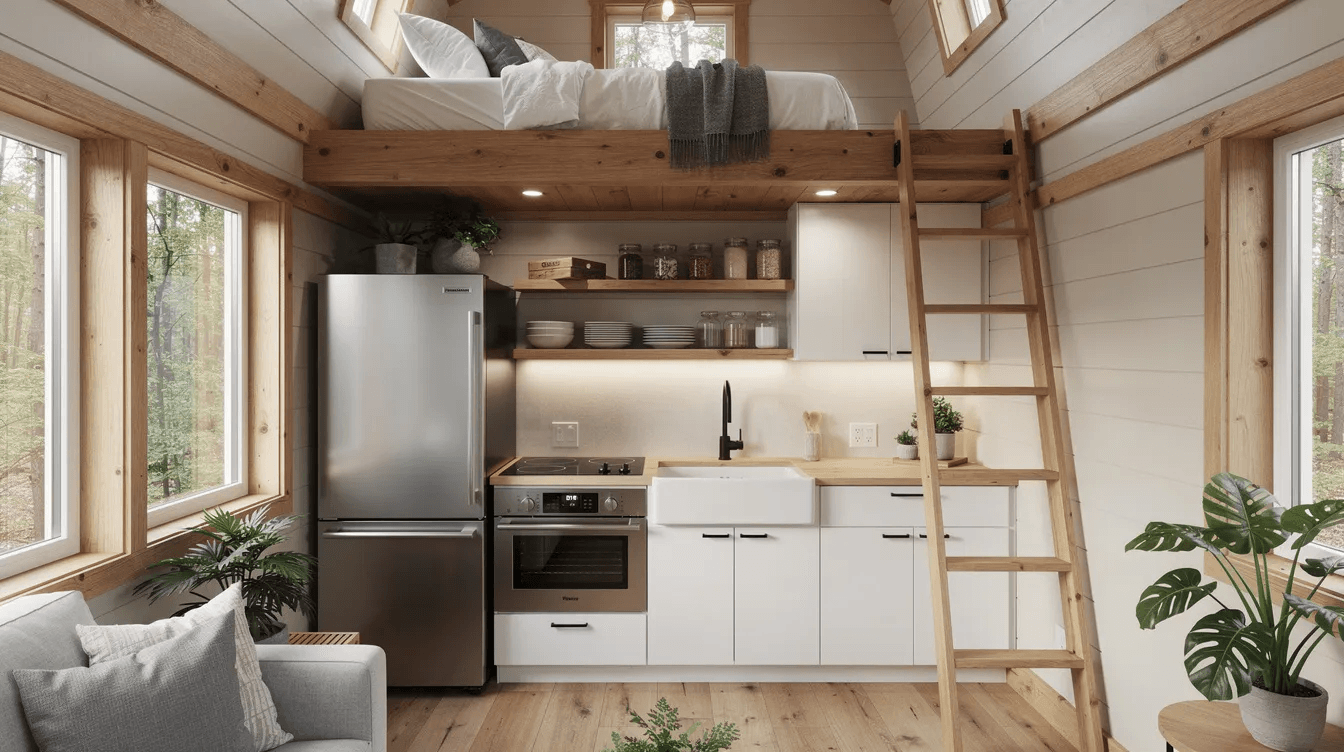
- Schedule at least one tour—an open house, RV show, or tiny house festival in 2025–2026—to walk through real units and explore the storage, kitchen, and loft configurations
Tiny houses are now more accessible than a decade ago thanks to more builders, online listings, and evolving regulations. Whether you’re ready to join the tiny home movement or just starting to explore your options, you can find something that fits your specific needs and budget.
Start your journey by defining what matters most—then take one simple, smart step this week to move closer to your perfect tiny house.
Want more tiny living tips? Join our newsletter to get updates delivered straight to your inbox.