
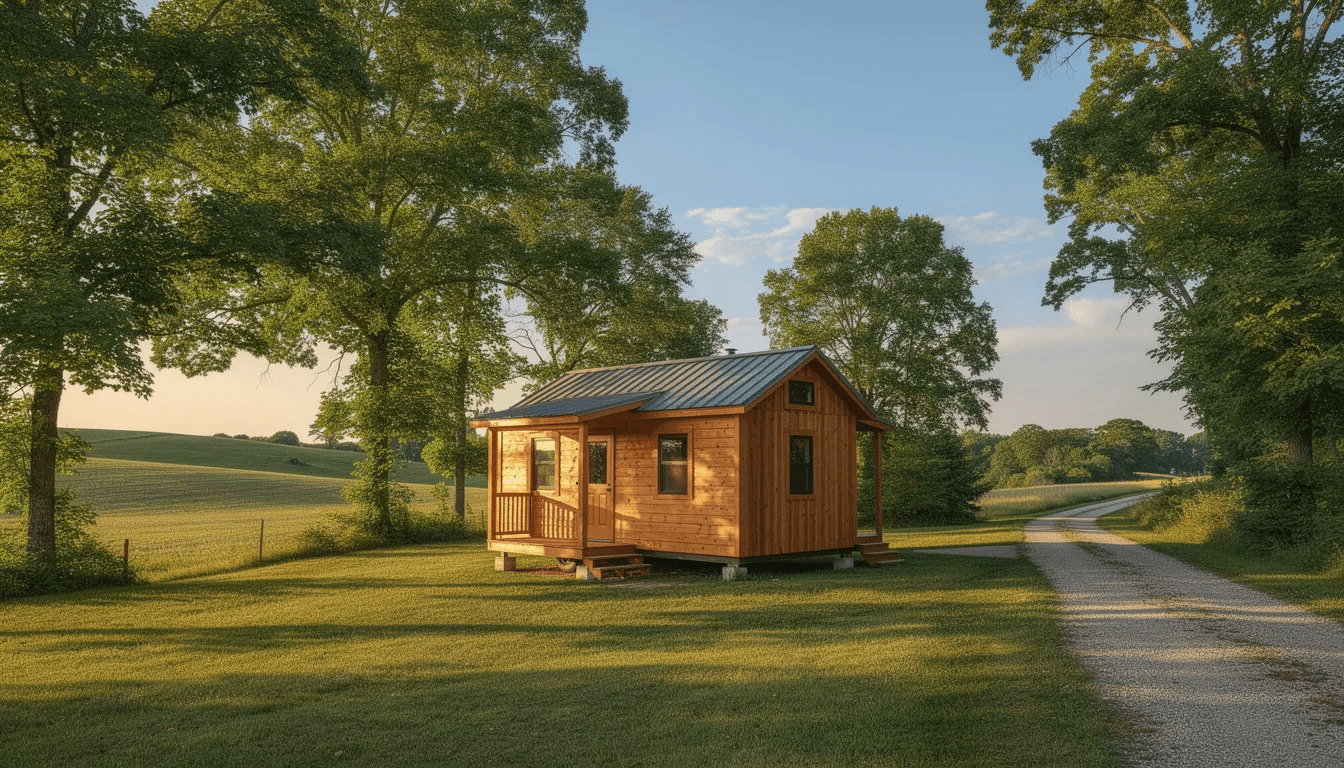
If you’re dreaming of tiny home living in the Hoosier State, you’re probably asking one critical question: where exactly can you legally park and live in a tiny house in Indiana? The answer depends on your unit type, your target location, and how much homework you’re willing to do with local authorities.
Indiana has become increasingly tiny-house-friendly in recent years, but navigating the patchwork of county and city regulations still requires careful planning. This guide breaks down everything you need to know about finding the perfect spot for your small dwelling across the state.
- Quick Answer: Where Can You Park a Tiny House in Indiana?
- Understanding Indiana Rules Before You Pick a Parking Spot
- Main Types of Places to Park a Tiny House in Indiana
- Parking a Tiny House on Private Land in Indiana
- Where to Park a Tiny House on Wheels (THOW) in Indiana
- Indiana Cities and College Towns: Examples of Tiny House Parking Options
- Indianapolis and Surrounding Marion County
- Bloomington and Monroe County
- Fort Wayne and Allen County
- Lafayette / West Lafayette and Tippecanoe County
- South Bend / Mishawaka and St. Joseph County
- Evansville and Vanderburgh County
- Terre Haute, Muncie, and Other Mid-Size Towns
- Gary, Northwest Indiana, and Lake / Porter / LaPorte Counties
- Rural Indiana Counties: More Flexible Tiny House Parking Options
- Tiny Home and RV Communities in Indiana
- Using Online Tools and Local Networks to Find Parking
- Step-by-Step: How to Secure a Legal Parking Spot for Your Tiny House in Indiana
- Step 1: Decide on Wheels or Foundation
- Step 2: Choose Your Target Region
- Step 3: Contact Local Planning/Zoning
- Step 4: Shortlist Your Options
- Step 5: Visit Sites in Person
- Step 6: Secure Written Permission
- Step 7: Apply for Permits and Hookups
- Step 8: Move and Set Up
- Realistic Timeline
- Common Pitfalls to Avoid
- Costs to Consider When Choosing a Parking Spot in Indiana
- Common Legal and Practical Mistakes to Avoid
- Conclusion: Matching Your Tiny House to the Right Indiana Parking Spot
Quick Answer: Where Can You Park a Tiny House in Indiana?
If you’re in a hurry, here’s the short version. In Indiana, you generally have three main options for parking a tiny house:
- Private land with zoning approval (either as a primary dwelling on a foundation or as an accessory dwelling unit)
- RV parks and campgrounds (primarily for tiny houses on wheels)
- A small but growing number of tiny home communities and RV-style developments
The critical distinction you need to understand is this: tiny houses on permanent foundations are treated as dwellings under the Indiana Residential Code, while tiny houses on wheels (THOWs) are typically classified as recreational vehicles and limited to RV-type locations or short-term stays.
No Indiana county has a blanket ban on tiny homes, which is good news. However, each city and county can—and often does—restrict where you can park or live in one full-time. Rural counties like Owen, Greene, and Parke tend to offer more flexibility, while suburban areas around Indianapolis and Fort Wayne often have stricter zoning rules and HOA restrictions.
What you’ll find in this guide:
- A breakdown of Indiana’s legal framework for tiny homes
- City-by-city parking options for Indianapolis, Bloomington, Fort Wayne, Lafayette, South Bend, and more
- Rural county options with more flexible zoning
- How to find and secure a legal parking spot
- Costs and common mistakes to avoid
Understanding Indiana Rules Before You Pick a Parking Spot
Before you start scouting locations, you need to understand how Indiana classifies your tiny house. Where you can legally park depends entirely on whether your unit is considered a dwelling or an RV—and that classification varies by local zoning.
The Indiana Residential Code Framework
Indiana has adopted provisions from the International Residential Code (IRC) Appendix Q, which defines a tiny home as a dwelling unit with:
- A floor area not exceeding 400 square feet (excluding lofts)
- A minimum ceiling height of 6 feet 8 inches
- Full compliance with building codes, including permits, inspections, and a certificate of occupancy for foundation-based structures
This statewide adoption—sometimes called the “Log Cabin Rule”—enables property owners to construct permanent tiny homes on their land, marking a significant shift from earlier fragmented local regulations to a more unified framework.
How THOWs Are Classified
Tiny houses on wheels and park models are a different story. If your unit meets standards like ANSI A119.5 or carries RVIA certification, it’s typically treated as an RV under Indiana law. This means:
- THOWs are subject to RV-specific rules rather than residential building codes
- Most municipalities prohibit using an RV or THOW as a permanent residence in a standard residential driveway or yard
- Parking in the same spot for extended periods (often more than two weeks per year) can trigger violations
The practical implication? Even if your THOW is fully self-contained with solar, composting toilet, and water tanks, you’ll still face restrictions on where you can legally call it home.
Why Local Zoning Matters
Here’s the reality: state-level adoption of tiny house codes doesn’t automatically mean every city lot will work for your build. Indiana operates with decentralized zoning authority, meaning cities and counties set their own rules for:
- Minimum lot sizes
- Setback requirements
- Accessory dwelling unit (ADU) permissions
- Maximum stay limits for RVs on private property
- Design standards and neighborhood compatibility
Each section that follows builds on this foundation, giving you specific examples of how these rules play out in real Indiana communities.
Main Types of Places to Park a Tiny House in Indiana
Understanding your options at a high level will help you narrow down where to focus your search. Here are the core categories:
Parking Type | Best For | Full-Time Living? | Typical Restrictions |
|---|---|---|---|
Private land with foundation | Permanent tiny homes | Yes, with permits | Building codes, setbacks, utilities |
Private rural land (THOW) | Tiny houses on wheels | Limited/seasonal | RV rules, time limits |
RV parks/campgrounds | THOWs, park models | Varies by park | Stay limits, hookup requirements |
Tiny house communities | Foundation or THOW | Yes, often | Community rules, lot fees |
Backyard/ADU placement | Secondary units | Yes, with approval | Conditional use, size limits |
Key Regional Patterns
Indiana’s flexibility varies significantly by region:
- Rural counties (Warren, Parke, Owen, Greene, Brown County) tend to be more accommodating for small structures, off-grid setups, and THOWs on private land
- Suburban/HOA-heavy areas (Carmel, Zionsville, parts of Hamilton County) often have restrictive covenants that effectively prohibit nontraditional housing
- College towns (Bloomington, Lafayette) may have progressive attitudes but tight zoning in central neighborhoods
- Older industrial cities (South Bend, Gary, Muncie) sometimes offer infill opportunities on vacant lots
The following sections dive deep into each option with specific examples and practical guidance.
Parking a Tiny House on Private Land in Indiana
For most people seeking long-term tiny home living, placing your tiny house on private land offers the most stability and independence. Choosing the best foundation for a tiny house is also critical at this stage, and it’s the most regulated option, requiring careful navigation of local laws.
Primary Dwelling vs. Accessory Dwelling Unit
There are two main approaches to placing a tiny home on private land, and understanding how to build a tiny house from the ground up will shape which route makes the most sense for you:
Option 1: Tiny home as primary dwelling
- Build or place a tiny home on a permanent foundation as the only residence on the property
- Must meet IRC Appendix Q requirements (400 sq ft max, 6’8” ceiling height, loft specifications) and be laid out using tiny house floor plans that maximize function
- Requires full building permits, inspections, and certificate of occupancy
- Property taxes apply just like any other home
Option 2: Tiny home as an ADU
- Place a tiny home as a secondary unit on a lot that already has a primary residence
- Subject to conditional use approval in many jurisdictions
- May face size caps, driveway restrictions, and parking requirements
- Indiana has no statewide ADU law, so rules vary dramatically by municipality
County-by-County Variations
Several Indiana counties have confirmed they allow tiny homes on foundations by adhering to the state’s 400-square-foot limit and code requirements:
- Carroll County
- Floyd County
- Hamilton County
- Harrison County
- Marshall County
- Parke County
- Pike County
However, even “yes” counties may have restrictions on specific townships, minimum lot sizes, or design standards that affect your project.
Concrete Examples
Rural counties with flexible zoning: In counties like Owen County and Greene County, small cabins on piers or permanent foundations are relatively common. A homeowner might purchase 2-5 acres of agricultural land, install a driveway and septic system, and place a 350-square-foot tiny home as their primary residence with standard permitting.
Urban infill challenges: In Indianapolis or Fort Wayne, you’ll face minimum floor area requirements, lot coverage limits, and potentially neighborhood design review. Building a code-compliant small house is possible, but you may need variances or creative design solutions.
Typical Requirements for Private Land Placement
Before placing a tiny home on any Indiana property, expect to address:
Requirement | Typical Cost Range | Notes |
|---|---|---|
Building permit | $200-$800 | Varies by county |
Site plan | $100-$500 | May need surveyor |
Septic permit | $400-$1,000 | Percolation testing required |
Well permit | $300-$600 | If not on municipal water |
Driveway permit | $50-$200 | County highway department |
Electrical inspection | $100-$300 | Required for certificate of occupancy |
THOWs on Private Land
What if you want to park a tiny house on wheels on your own rural property? Here’s where it gets tricky.
In most Indiana counties, a THOW is treated as an RV, which means:
- Recreational use only on private property (often limited to 180 days per year)
- No establishing it as a permanent residence or legal address
- Must be de-wheeled and permanently installed to potentially qualify as a dwelling
- Septic and utility connections may trigger reclassification and additional permits
Some rural landowners successfully park THOWs for extended periods without enforcement issues, but this approach carries legal risk. If neighbors complain or you try to register the address for mail or voting, you may face code enforcement action.
How to Research Your Target Property
Before purchasing land or signing a lease, take these steps:
- Call the county planning or zoning office and ask specifically about minimum dwelling sizes, RV parking rules, and ADU permissions
- Contact the county health department about septic requirements and whether composting toilets are approved (most Indiana counties do not permit them as primary sanitation)
- Check for HOA or deed restrictions that might prohibit small or nontraditional structures
- Verify road access and utility availability for the specific parcel
Where to Park a Tiny House on Wheels (THOW) in Indiana
If your tiny home sits on a trailer chassis, your parking options look fundamentally different from foundation-based homes. Many owners opt for tiny house camper-style setups for adventure living, but THOWs are generally regulated like RVs, which shapes everything about where you can legally live in them.
Common THOW Parking Options
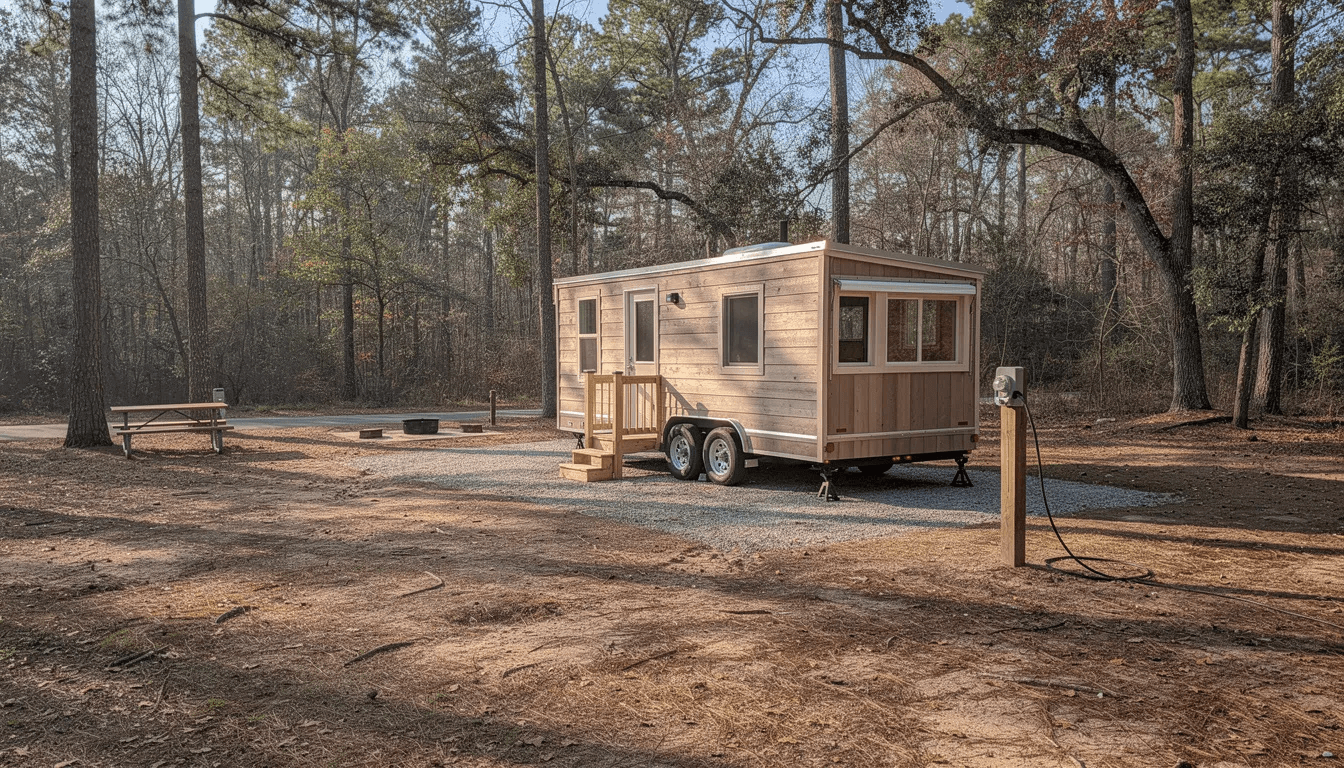
RV parks and resorts The most straightforward legal option. Many RV parks across Indiana accept THOWs, especially if your unit carries RVIA certification or meets ANSI 119.2 standards. Expect:
- Monthly rates ranging from $400-$800 depending on location and amenities
- Full hookups (water, electric, sewer) at most established parks
- Maximum stay limits (30-180 days is typical)
- Possible seasonal closures in northern counties during winter
Private campgrounds Seasonal campgrounds, especially those in southern Indiana near state parks or along major lakes, may offer longer-term spots. Some operate more like seasonal communities with returning “residents” each year.
Farm and homestead rentals A growing grassroots network of rural landowners rent space to THOW owners. These arrangements typically offer:
- Lower monthly costs ($150-$400)
- More privacy and space
- Limited or no utility hookups (bring your own solar, water storage)
- Informal agreements that may lack legal protection
Tiny house-friendly sites A small number of properties across Indiana actively market themselves to tiny house owners through platforms like My Tiny House Parking or regional Facebook groups.
RV Park Rules You’ll Encounter
Before committing to an RV park, confirm these details:
- Certification requirements: Many parks require RVIA certification or similar documentation
- Age and appearance standards: Some parks restrict units older than 10-15 years or require “well-maintained” appearance
- Stay limits: Confirm whether full-time, year-round residency is permitted or if you’ll need to rotate to different parks
- THOW-specific policies: Not all RV parks welcome tiny houses—some explicitly exclude them or limit them to specific sections
The Address Problem
One of the biggest practical challenges for THOW owners is establishing a legal address. Most Indiana county zoning codes do not allow a THOW to serve as your legal address in a standard residential zone.
Common workarounds include:
- Mail forwarding services (commercial mailbox providers)
- Using a family member’s address
- Establishing residency through an RV park that provides mail service
- Renting a PO Box while using a friend’s address for official documents
This can affect voter registration, driver’s license renewal, vehicle registration, and even banking—so plan accordingly.
How to Find THOW Parking
Online platforms to explore:
- My Tiny House Parking (interactive map of private spots and communities)
- Tiny House Hosting Facebook groups (regional networks of landowners)
- Tiny House Map by Tiny Home Builders
- Indiana Craigslist and Facebook Marketplace (search “RV lot,” “tiny house parking,” “farm rental”)
Tips for writing an effective “seeking parking” post:
- Include unit dimensions (length, width, height)
- Specify hookup needs (30/50 amp, water, septic)
- Mention certifications (RVIA, ANSI, etc.)
- State whether you’re seeking full-time or seasonal parking
- List preferred counties or maximum distance from a specific city
- Include your budget for monthly land rent
- Offer proof of liability insurance
Local networking options:
- Indiana homesteading Facebook groups
- Permaculture meetups in Bloomington or Indianapolis area
- RV owner clubs and rallies
- County-level community groups where rural landowners may post available spots
Vetting Potential Parking Spots
Before moving your THOW anywhere:
- Get written agreements (even informal arrangements should have something in writing)
- Verify zoning compliance with the county before moving your unit
- Confirm utility access (30/50-amp power, water source, septic or dump station)
- Check winter accessibility on gravel or county roads if you’ll stay year-round
- Ask about neighbor relations and whether previous THOW renters had any issues
Indiana Cities and College Towns: Examples of Tiny House Parking Options
Indiana’s mid-sized cities and college towns offer amenities, jobs, and services that attract tiny house enthusiasts who are considering custom tiny homes for small-space living. However, urban areas also mean tighter zoning. Parking a tiny home often means either working within city limits through careful permitting or finding options in nearby counties.
Indianapolis and Surrounding Marion County
As Indiana’s largest city, Indianapolis presents both opportunities and challenges for tiny house owners.
Foundation-based tiny homes: Marion County has adopted building codes that allow small-footprint homes on foundations. However, the city typically requires:
- Minimum floor areas (generally around 400 sq ft, aligning with state standards)
- Permanent foundations and full utility connections
- Compliance with neighborhood design standards in historic districts
Where to look for options:
- Converting a tiny home into a code-compliant small house on an urban infill lot
- ADU placements in certain zoning districts (requires variance in most cases)
- RV parks in outer Marion County or adjacent counties (Hancock, Hendricks, Johnson, Morgan)
Special notes: Indianapolis has explored tiny home villages for transitional housing through nonprofit projects on the Near Eastside and near downtown. These are typically managed housing programs rather than open-market parking for private owners.
Suburban cautions: If you’re eyeing suburbs like Carmel, Fishers, or Zionsville, be aware that HOA covenants and local regulations can be significantly stricter than Indianapolis proper. Always check covenant restrictions before purchasing land.
Research contacts:
- Indianapolis Metropolitan Development / Planning & Zoning
- Marion County Health Department (for septic/well on any rural parcels)
Bloomington and Monroe County
Bloomington combines progressive planning attitudes with Indiana University’s presence, creating interesting possibilities for tiny home living.
What makes Bloomington different: The city has historically supported infill development and compact housing, though actual tiny house permitting still requires navigating specific zoning districts and design standards.
Options to explore:
- Tiny homes on foundations as primary dwellings on small lots
- ADU-style builds behind existing homes in certain residential districts (conditional use required)
- THOW parking at seasonal RV parks or on rural land north and east of Lake Monroe
- Intentional communities in Monroe and neighboring Greene/Brown County focused on sustainable living
Rural Monroe County: Outside Bloomington city limits, rural Monroe County offers more flexibility for small structures. Properties with existing agricultural zoning may accommodate a small cabin or THOW with appropriate septic permits.
Nearby communities: Some small permaculture and eco-village projects in the area welcome tiny home owners, though these typically don’t advertise heavily and are found through word of mouth and local networking.
Fort Wayne and Allen County
Fort Wayne, Indiana’s second-largest city, applies the Indiana Residential Code and allows small, code-compliant homes on foundations in single-family zones.
Foundation tiny homes: While Fort Wayne doesn’t have a dedicated “tiny house zoning district,” homeowners and builders can design small houses that meet local minimum square footage while still qualifying as tiny by national standards. The city’s planning department works with applicants on a case-by-case basis.
THOW options in the region:
- Established RV parks along I-69 and U.S. 30
- County campgrounds for seasonal stays
- Private land in more agricultural townships of Allen, DeKalb, or Whitley Counties
Key contacts:
- Allen County Building Department
- Fort Wayne Planning & Policy Department
Lafayette / West Lafayette and Tippecanoe County
The presence of Purdue University creates demand for flexible, compact housing options, though regulations remain tight in central neighborhoods.
What’s possible:
- Small code-compliant houses on infill lots
- ADU-style units behind existing homes in zones that allow second units
- THOWs in RV parks and rural parts of Tippecanoe and neighboring Benton or Carroll Counties
Special considerations: West Lafayette’s student-focused neighborhoods often have stricter occupancy rules, parking minimums, and landlord registration requirements. These can indirectly affect where a tiny house can be used as a rental or student dwelling.
Rural alternative: Tippecanoe County Area Plan Commission handles zoning for rural parcels around the cities, where small structures may face fewer restrictions than within city limits.
South Bend / Mishawaka and St. Joseph County
South Bend’s ongoing neighborhood revitalization has included interest in small housing solutions, with some pilot tiny home projects for transitional housing.
Options to consider:
- Small homes on foundations targeting vacant infill lots
- Tiny units in community-led villages (primarily nonprofit transitional housing)
- THOWs in RV and mobile home parks on the edges of South Bend and Mishawaka
- Rural St. Joseph County and neighboring Elkhart County offer farmland parcels for seasonal THOW parking
Important notes:
- Check floodplain maps for areas near the St. Joseph River
- Coordinate with St. Joseph County Health Department for wells and septic on rural sites
- LaPorte County to the west also offers rural options with Great Lakes proximity
Evansville and Vanderburgh County
Evansville in the southern part of Indiana has used small houses and infill as part of its affordable housing strategies.
Parking options:
- Small houses on foundations in established neighborhoods
- Infill projects on vacant lots (sometimes coordinated with local nonprofits)
- THOWs at RV parks near the Ohio River or in rural Vanderburgh/Warrick Counties
Critical consideration: Pay careful attention to floodplain and levee regulations along the Ohio River. These can limit foundation types, require elevation certificates, and affect insurance costs for any permanent tiny home.
Contact:
- Evansville-Vanderburgh County Building Commission
- Area Plan Commission for setbacks and manufactured housing rules
Terre Haute, Muncie, and Other Mid-Size Towns
Indiana’s mid-size cities like Terre Haute (Vigo County), Muncie (Delaware County), Anderson, and Kokomo generally welcome small-footprint homes on foundations that meet local minimum sizes and design standards.
Common patterns:
- ADU rules may be more limited than in larger metros
- THOW parking often happens in nearby RV parks, fairgrounds (seasonal), or agricultural-zoned land in surrounding counties
- Local nuisance ordinances (noise, appearance, long-term RV parking limits) can affect tiny house stays even when zoning technically permits them
Examples:
- A Terre Haute resident seeking THOW parking might explore rural Vigo or Clay County
- Muncie residents could work with Delaware County zoning to locate a small cabin near farm properties east of town
Gary, Northwest Indiana, and Lake / Porter / LaPorte Counties
Northwest Indiana presents a mix of industrial legacy neighborhoods and growing interest in lakefront and dunes-adjacent living near the Great Lakes.
Urban infill potential: Small houses on foundations can work as infill projects inside Gary, Hammond, and Michigan City, but zoning and design review must be carefully followed.
THOW opportunities:
- Established RV parks and campgrounds near Indiana Dunes National Park
- Sites along I-94 and in rural areas of Porter and LaPorte Counties
- National parks and state park campgrounds are generally for recreational use and short-term stays only
Suburban restrictions: Stricter suburban municipalities like Crown Point, Munster, and Valparaiso may have HOAs and local codes that significantly restrict any nontraditional unit parked in a driveway or yard. Research before assuming you can park a THOW in these communities.
Rural Indiana Counties: More Flexible Tiny House Parking Options
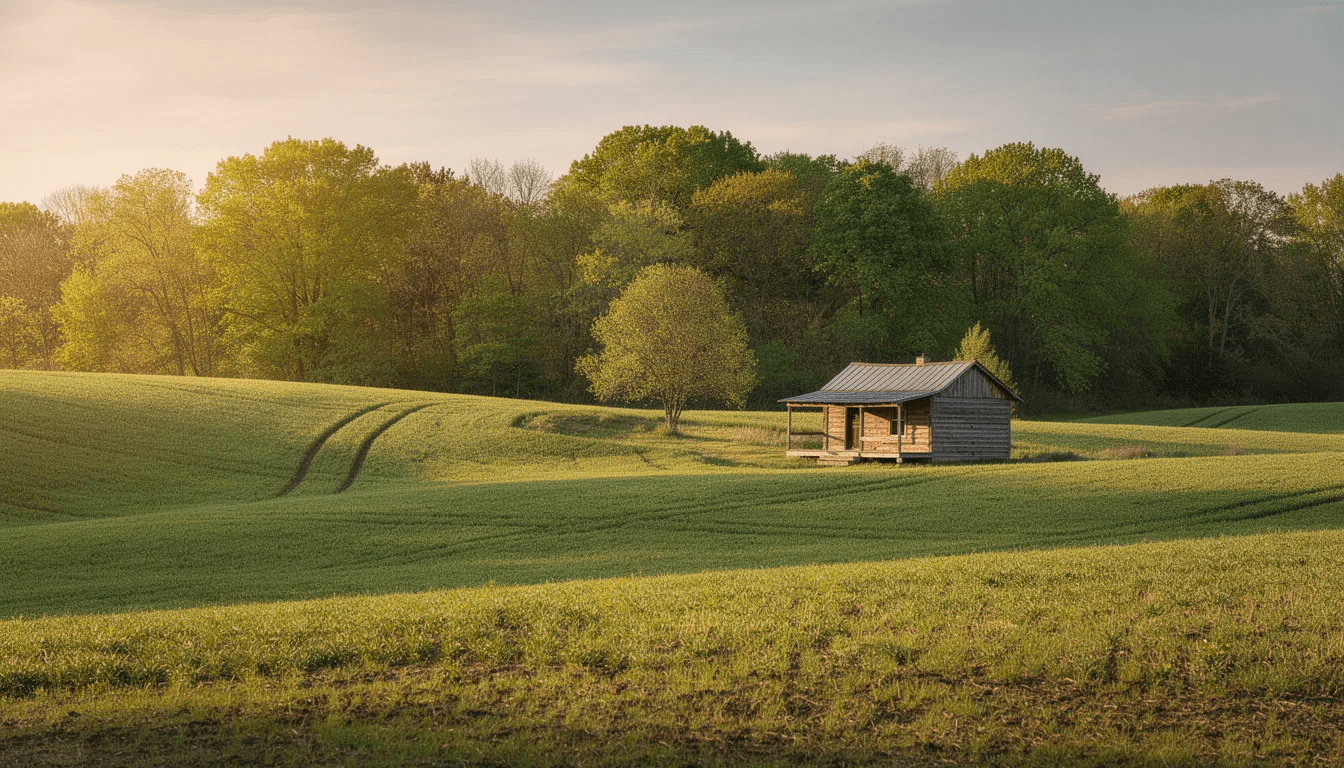
For many tiny house owners, the best long-term parking and placement options are in rural or lightly populated counties where agricultural and residential zoning is less restrictive, especially if they’re drawn to tiny house nature retreats that emphasize outdoor living.
Counties Known for Flexibility
Several rural Indiana counties have developed reputations for accommodating small structures, including tiny house park model homes designed for semi-permanent placement:
County | Region | Notes |
|---|---|---|
Owen County | South-central | Popular with off-grid and sustainable living enthusiasts |
Greene County | Southwest | Affordable land, flexible agricultural zoning |
Parke County | West-central | Known for rural character, covered bridges |
Brown County | South-central | Artistic community, vacation cabin culture |
Warren County | West | Sparse population, agricultural focus |
Crawford County | Southern part | Very rural, minimal zoning enforcement |
These aren’t “tiny house legal havens”—they still have regulations—but small cabins, park models, and off-grid homes are more common and generally accepted. |
What Rural Zoning Allows
In these counties, you may be able to:
- Place a tiny home on a permanent foundation as the primary dwelling on a 1-5 acre parcel
- Park a THOW for seasonal or even near-permanent use on private land
- Install off-grid utilities (solar, composting toilets with county health department approval, private wells)
- Build without the design review and neighborhood compatibility requirements found in suburban areas
Typical Rural Requirements
Even in flexible counties, expect to address:
- Driveway permits from the county highway department
- Septic permits with percolation testing (composting toilets often not approved as primary sanitation)
- Well drilling approvals if not connecting to municipal water
- Minimum lot sizes in agricultural zones (often 1-3 acres minimum for a dwelling)
- Building permits for any permanent structure with electrical or plumbing
Working with Rural Planning Offices
One advantage of rural counties: smaller staff sizes often mean more direct, practical guidance. A phone call to the planning office can quickly clarify what’s allowed on a specific parcel. These offices typically appreciate when people ask questions upfront rather than asking for forgiveness later.
Tiny Home and RV Communities in Indiana
Indiana’s dedicated tiny house communities are still rare, but a handful of intentional communities, RV resorts, and eco-villages already welcome small homes and park models.
Types of Communities
Eco-villages and intentional communities: Some communities operate like co-ops with shared land, gardens, and common spaces. These may allow stationary tiny homes or park models even if they were originally built as THOWs. Look in Monroe, Greene, or Brown County for permaculture-focused groups.
RV resorts with tiny house sections: A few RV parks explicitly welcome park models and tiny homes, sometimes dedicating specific areas to more permanent small structures. These blend RV park convenience with longer-term stability.
Nonprofit transitional housing: Several Indiana cities (Indianapolis, South Bend) have tiny home village projects for transitional housing. These are managed programs for specific populations rather than open-market rentals, but they indicate growing acceptance of the housing model.
How to Evaluate a Community
Before joining any tiny home community, investigate:
- Zoning compliance: Is the community legally permitted for residential use?
- Length-of-stay rules: Can you live there year-round or only seasonally?
- Costs: What are lot rents, membership fees, and utility charges?
- Amenities: Laundry, gardens, workshops, community buildings?
- Unit policies: Do they accept personally owned units or only on-site rentals?
- Community culture: Visit in person and talk with current residents
Finding Communities
Many tiny house communities don’t advertise heavily. You’ll often find them through:
- Word of mouth in tiny house and homesteading Facebook groups
- National tools like Tiny House Map or My Tiny House Parking
- Local permaculture and sustainable living meetups
- Contacting RV parks directly and asking about long-term or park model options
Using Online Tools and Local Networks to Find Parking
Once you understand the legal landscape and your preferred regions, it’s time to actively locate a spot. Pair that research with tiny house plans that fit your life, and you’ll be better prepared to choose locations that match your layout and lifestyle. Here’s a practical guide to finding tiny house parking in Indiana.
Major Online Resources
Platform | Best For | How to Use |
|---|---|---|
My Tiny House Parking | Interactive map of private spots and communities | Browse by state, filter by hookups and stay length |
Tiny House Hosting (Facebook) | Regional networks of landowners | Join group, post seeking or browse offerings |
Tiny House Map (Tiny Home Builders) | National community listings | Search Indiana for established communities |
Craigslist | Private land rentals, farm spots | Search “RV lot,” “tiny house,” “mobile home space” |
Facebook Marketplace | Local parking arrangements | Search Indiana metros for land and RV spots |
Writing an Effective Seeking Post
When posting in Facebook groups or forums, include:
- Unit description: Length, width, height, number of axles
- Hookup requirements: 30 amp, 50 amp, water, septic needs
- Certifications: RVIA, ANSI, custom build specs
- Duration: Full-time permanent, seasonal, or temporary
- Location preferences: Specific counties or distance from cities
- Budget: Monthly amount you can pay for land rent
- Insurance: Mention you carry liability insurance
Local Networking
Don’t overlook offline connections:
- Homesteading groups: Indiana has active homesteading communities on Facebook and in-person meetups
- Permaculture networks: Especially strong around Bloomington and Indianapolis
- RV clubs: Members often know of flexible parks and private spots
- County Facebook groups: Rural community groups where landowners may respond to housing seekers
Vetting Offers
Before committing to any parking arrangement:
- Require written agreements even for informal arrangements
- Verify zoning with the county before moving your unit
- Confirm utility access (power amperage, water source, septic availability)
- Check winter access on gravel or county roads
- Ask about previous renters and any issues with neighbors or code enforcement
Step-by-Step: How to Secure a Legal Parking Spot for Your Tiny House in Indiana
Here’s a practical checklist to guide you from planning to placement:
Step 1: Decide on Wheels or Foundation
Your unit type determines almost everything about where you can legally live. THOWs offer mobility but face RV restrictions. Foundation homes offer stability but require full permitting.
Step 2: Choose Your Target Region
Consider:
- Employment and income sources
- Family proximity
- Climate preferences (northern Indiana winters are harsher)
- Urban amenities vs. rural privacy
- Budget for land or lot rent
Step 3: Contact Local Planning/Zoning
Call the planning office in your target county or city and ask specifically about:
- Minimum dwelling sizes
- RV parking rules on private land
- ADU permissions
- Any specific tiny house provisions
Step 4: Shortlist Your Options
Based on zoning feedback, narrow your search to realistic options:
- Private land parcels that qualify for small dwellings
- RV parks that accept THOWs for your desired stay length
- Communities that welcome your unit type
Step 5: Visit Sites in Person
Nothing replaces boots-on-the-ground research. Talk with:
- Landowners about terms and expectations
- RV park managers about policies and neighbors
- Current tiny house residents about their experiences
Step 6: Secure Written Permission
Get agreements in writing, including:
- Monthly rent and payment terms
- Utility responsibilities
- Duration and termination notice
- Any restrictions on modifications or guests
Step 7: Apply for Permits and Hookups
If placing on a foundation:
- Submit building permit applications
- Schedule inspections
- Arrange utility connections
If parking a THOW:
- Coordinate hookup installation with landlord
- Establish mail and address arrangements
Step 8: Move and Set Up
Once permits are approved or lease is signed:
- Transport your tiny house to the site
- Complete utility connections
- Schedule final inspections if building
Realistic Timeline
- Zoning research and permitting: 4-8 weeks in most Indiana counties
- Custom builds: Several months
- Land purchase and development: 3-6 months
- RV park placement: 1-4 weeks, though timelines can vary if you’re researching options in other states such as Idaho tiny homes and parking opportunities for comparison
Common Pitfalls to Avoid
- Relying on verbal approvals without documentation
- Assuming rural = completely unregulated
- Ignoring health department septic rules
- Assuming any RV park allows year-round residency without written confirmation
Costs to Consider When Choosing a Parking Spot in Indiana
Parking and placement costs vary dramatically depending on whether you rent a pad, lease private land, or buy and develop your own parcel.
RV Park and Community Costs
Cost Type | Typical Range | Notes |
|---|---|---|
Monthly pad rent | $400-$700 | Higher near cities, lower in rural areas |
Electric | $50-$150/month | Metered or included |
Seasonal premium | +10-25% | Peak rates in summer near lakes |
One-time setup fees | $100-$500 | Park-dependent |
Private Land Rental Costs
When parking on someone else’s rural property:
- Monthly land rent: $150-$400
- Shared utilities: $50-$150/month
- Property tax contribution: Sometimes included in rent
- Minimal hookup fees if infrastructure exists
Buying and Developing Land
For those purchasing their own property:
Cost Item | Typical Range | Notes |
|---|---|---|
Land (per acre, rural) | $3,000-$15,000 | Higher near cities and lakes |
Driveway/grading | $2,000-$8,000 | Depends on length and terrain |
Well installation | $5,000-$15,000 | Depth and geology dependent |
Septic system | $4,000-$12,000 | Conventional system |
Electrical service drop | $1,500-$5,000 | Distance from road |
Permit fees | $500-$1,500 | Building, septic, electrical |
Example Budget: Rural Placement
A couple buying 2-3 acres in Owen County, installing well and septic, and placing a 350 sq ft tiny home on piers based on one of several cute tiny house designs for a dream home might expect:
- Land: $10,000-$20,000
- Site development: $15,000-$30,000
- Permits and inspections: $1,000-$2,000
- Total: $26,000-$52,000 (not including the tiny house itself)
Financing Considerations
Tiny homes on foundations can sometimes qualify for traditional mortgages or construction loans. THOWs typically require RV loans or personal financing, which often carry higher interest rates and shorter terms. This affects how much you can realistically invest in land and parking infrastructure.
Common Legal and Practical Mistakes to Avoid
Learning from others’ mistakes can save you significant time, money, and stress. Here are the most frequent errors people make when trying to park a tiny home in Indiana.
Top Mistakes
Assuming state legality means any city lot works Indiana’s adoption of IRC Appendix Q is helpful, but it doesn’t override local zoning. A parcel in a suburban HOA may still prohibit your tiny home even though it meets state building codes.
Parking a THOW in a suburban driveway for full-time living Most residential zones prohibit using an RV as a permanent residence. Neighbors will eventually complain, and code enforcement will follow.
Ignoring HOA covenants Homeowners associations can have rules far stricter than municipal zoning. Always review covenants before purchasing property in any subdivision.
Skipping building permits for foundation installation Even a simple pier or block foundation typically requires permits. Unpermitted work can prevent you from getting insurance, selling the property, or connecting utilities.
Installing unapproved sanitation systems Most Indiana counties do not approve composting toilets as primary sanitation. Installing one without approval can result in health department violations and forced removal.
Relying on informal verbal agreements Handshake deals with landowners feel friendly but offer no protection. Get parking arrangements in writing, including terms for termination.
Potential Consequences
Ignoring these issues can result in:
- Code enforcement orders requiring you to relocate your tiny house
- Daily fines until violations are corrected
- Difficulty insuring your home
- Problems selling the property or using it as loan collateral
- Forced removal of septic systems or other improvements
Real-World Cautionary Examples
A family in central Indiana parked their THOW behind a friend’s house, assuming rural location meant no oversight. After neighbor complaints, the county cited them for unpermitted RV use as a dwelling and gave them 30 days to relocate.
Another owner built a small cabin on piers without permits in a southern Indiana county. When they tried to sell, the title company required proof of permitted construction—which didn’t exist. The buyer walked away, and the owner had to either obtain retroactive permits or demolish the structure.
The Good News
Most of these problems are entirely avoidable. Early communication with local officials and written agreements with landowners prevent the majority of tiny house parking disasters. A few phone calls and some paperwork upfront are far easier than dealing with enforcement actions later.
Conclusion: Matching Your Tiny House to the Right Indiana Parking Spot
There is no single “best” place to park a tiny house in Indiana. The right spot depends on matching your specific unit—THOW or foundation—to a legally compatible location that fits your lifestyle.
Indiana is relatively tiny-house-friendly at the state code level, with IRC Appendix Q adoption providing a foundation for 400-square-foot dwellings. However, local zoning in cities and suburbs can be restrictive, pushing many long-term parking solutions into rural counties or purpose-built communities. If you’re flexible on location and willing to explore areas like Brown County, Owen County, or other rural regions, you’ll find more options than those insisting on suburban lots in Hamilton County.
Use this guide as your roadmap: start with the quick-answer overview, dive into city and rural examples relevant to your target area, then follow the step-by-step checklist to secure a legal, stable parking spot. Whether you’re seeking tiny house communities near Bloomington, an RV park slot outside Fort Wayne, or a rural parcel where you can build your dream small dwelling, Indiana has options—you just need to know where to look and what questions to ask.
Your next step: Research your target county, call the planning department this week, and start building a short list of RV parks, communities, or landowners to contact. The perfect spot for your tiny home in Indiana is out there—finding it just requires a bit of homework and persistence.