
A 500 square foot tiny home represents the sweet spot in compact living—large enough for genuine comfort, yet small enough to embrace the benefits of minimalist living. Whether you’re dreaming of a backyard ADU, a vacation retreat, or a full-time residence, this guide walks you through everything from layouts and key features to realistic costs and zoning considerations.
- What Is a 500 Square Foot Tiny Home?
- Why Choose a 500 Sq Ft Tiny House?
- Popular 500 Sq Ft Tiny Home Layouts & Plans
- Key Features to Include in a 500 Sq Ft Tiny Home
- Cost of Building a 500 Sq Ft Tiny House
- Living Tiny: Benefits Beyond the Floor Plan
- Stationary vs. Tiny Home on Wheels (THOW)
- Real-World 500 Sq Ft Tiny Home Ideas & Use Cases
- Is a 500 Square Foot Tiny Home Right for You?
What Is a 500 Square Foot Tiny Home?
A 500 sq ft tiny home sits at the upper end of what the tiny house movement considers “tiny,” offering real-home comfort in a compact footprint. Unlike ultra-small builds that feel more like campers, these homes provide separated spaces for sleeping, cooking, and relaxing—all within roughly 20 to 25 feet of length.
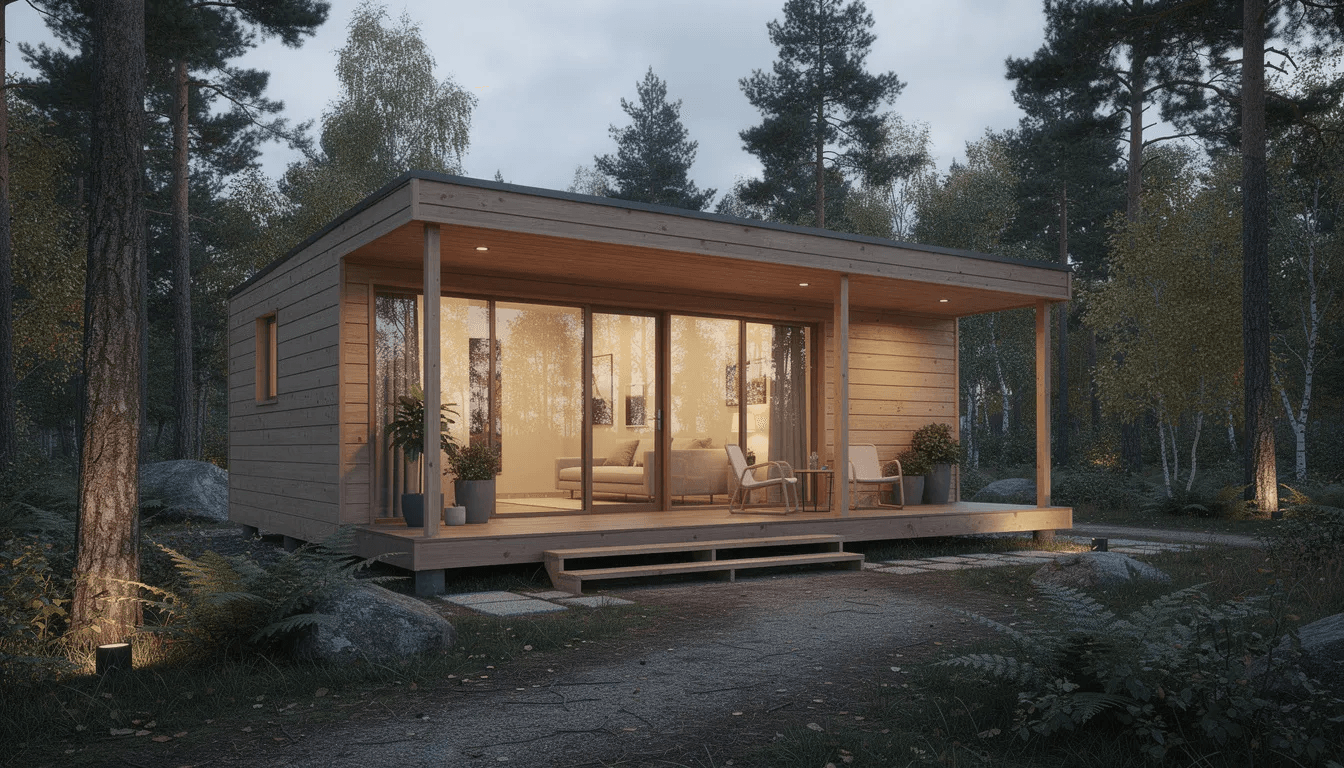
- A typical 500 square foot tiny home includes one bedroom (or sleeping loft), a full bathroom, a functional kitchen, and a small living area, all on a footprint around 20’ x 25’ or similar configurations like 24’ x 20’.
- These homes can be built on permanent foundations or on trailers for tiny homes on wheels (THOWs), depending on local regulations and your mobility preferences.
- Many designs incorporate outdoor living space through covered porches or decks, extending usable area by 80–120 additional square feet.
- Compared to smaller 200–300 sq ft models, a 500 sq ft home offers significantly more storage, dedicated rooms rather than all-in-one spaces, and the ability to accommodate guests without sacrificing comfort.
- The average trailer-based tiny house measures around 320 square feet, making 500 sq ft feel spacious by comparison while still maintaining efficiency and a minimalist footprint.
Why Choose a 500 Sq Ft Tiny House?
The appeal of a 500 sq ft tiny house lies in its balance—right-sized living that embraces minimalism without forcing you to lose the conveniences of a traditional home. It’s an ideal size for singles, couples, or small families who want to live intentionally without feeling cramped.
This size works across multiple use cases, making it one of the most versatile options in the tiny home world:
- Full-time residence: Unlike 100–200 sq ft builds, 500 sq ft provides enough room for remote workers, people with hobbies requiring storage, and those who simply need a dedicated dining area separate from their bedroom.
- Guest suite or ADU: Many homeowners build 500 sq ft cottages in their backyards for aging parents seeking independence near family or as long-term rental units generating passive income.
- Vacation rental: A pair of cozy 500 sq ft cabins near a lake or beach can produce year-round short-term rental income without the overhead of larger properties.
- Retirement downsizing: Empty-nesters moving from 2,000+ sq ft homes discover that 500 sq ft covers their needs while dramatically reducing maintenance and monthly costs.
From a regulatory standpoint, 500 sq ft often meets minimum dwelling size requirements in many U.S. cities. Places like Portland, OR and Austin, TX have ADU-friendly rules that make permitting more realistic for 500 sq ft builds than for ultra-tiny homes that fall below common minimums. Always check your local codes, but expect fewer obstacles at this size.
Popular 500 Sq Ft Tiny Home Layouts & Plans
Layout matters more than raw square footage. A well-designed 500 sq ft home can feel spacious, while a poorly planned one feels cramped despite having identical dimensions. When reviewing tiny house floor plans that work for you, pay attention to flow, natural light, and how the space separates different activities.
Classic 1-Bedroom Layout
Imagine a roughly 20’ x 25’ single-story plan with an open living and kitchen area connected to a separate bedroom with a closet. The bathroom sits between the public and private zones, accessible from a short hallway. This layout works well for couples or individuals who prioritize a defined master bedroom over flexibility.
Lofted Layout
Many tiny homes maximize floor space by placing the sleeping area in a loft above the main living zone. A 500 sq ft lofted plan might feature 360 sq ft on the main floor (kitchen, living, bath) with a 140 sq ft sleeping loft accessible via stairs or a ship’s ladder—making the choice of the best ladder for a tiny house loft an important safety and usability decision. This approach frees ground-level square feet for a larger living area or home office nook.
Split Plan
A split plan positions the kitchen and bath along one wall, opens the living room onto a deck through sliding glass doors, and places the bedroom at the opposite end for privacy. This elongated style—sometimes 40 feet long by 10–13 feet wide—creates walkable separation between rooms that combats the cramped feeling many tiny homes suffer from.
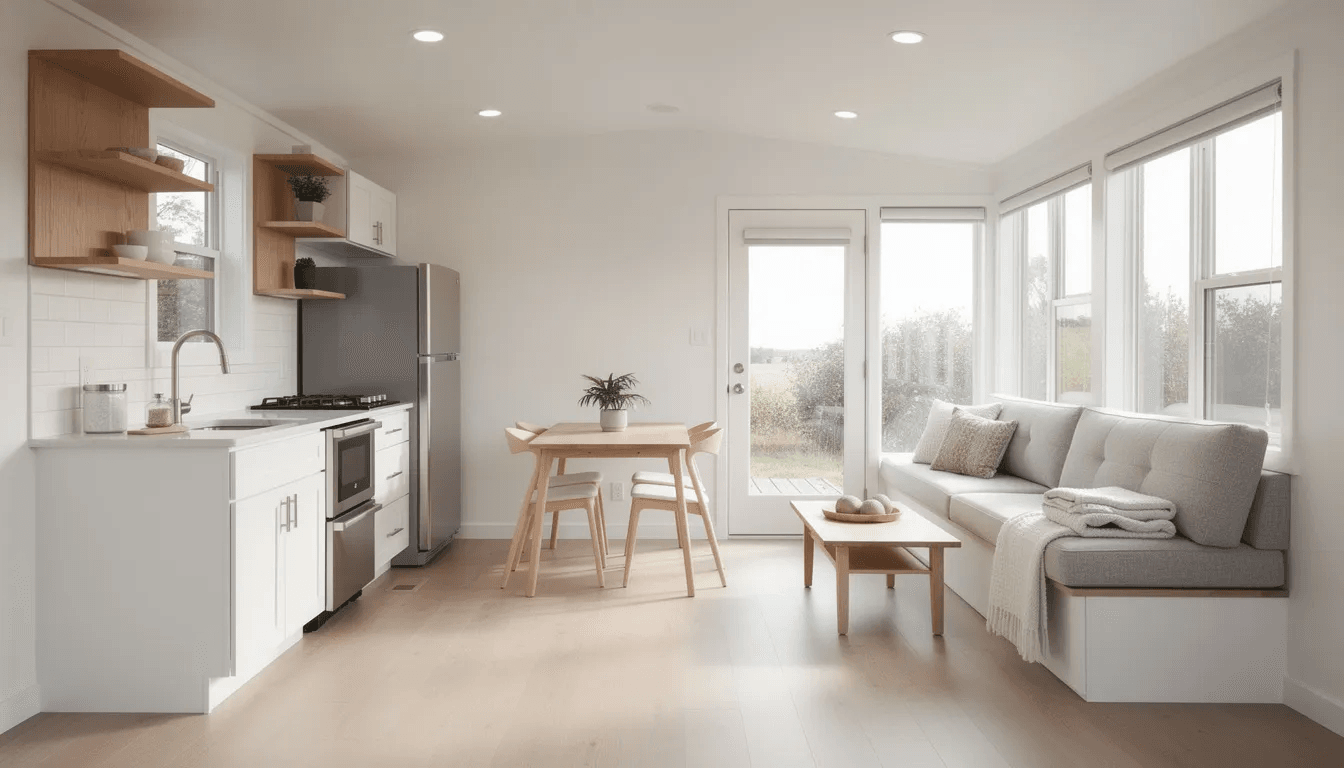
When evaluating saved plans or working with a builder, or comparing tiny house plans that fit your life, look for specific dimensions that make the space tangible:
- 9’–10’ ceilings on the main floor
- 6’ x 8’ bathroom with a 3’ x 5’ shower
- 8’ x 10’ bedroom accommodating a queen bed
- 5’ loft clearance for sleeping areas
- Peninsula or galley kitchen with 8–10 linear feet of counter space
Key Features to Include in a 500 Sq Ft Tiny Home
Smart features make a 500 sq ft home feel like a full-size house while keeping costs manageable. The goal is functionality without bloat—every fixture and fitting should earn its place, much like the ideas showcased in inspiring tiny house interiors that maximize every square foot.
Kitchen
A full kitchen in this size typically includes:
- A 24” or 30” range with a hood vent
- An apartment-size refrigerator (10–12 cubic feet)
- Under-counter microwave or microwave drawer
- At least 8–10 linear feet of counter space
- Floating shelves or upper cabinets to the ceiling
Many tiny homes feature peninsula kitchens that provide extra counter space and casual seating for two without eating into the living area, especially in custom tiny homes designed for perfect small-space living.
Bathroom
- Traditional layout: separate 3’ x 5’ shower, 24” vanity, and standard toilet
- Wet bath option: combined shower/toilet room saves a few square feet
- Pocket doors rather than swing doors to maximize usable space
- Full-size fixtures—don’t sacrifice comfort here
Built-In Storage
This is where 500 sq ft homes either succeed or fail. Prioritize built in storage solutions throughout:
- Under-stair drawers (in lofted designs)
- Wall-to-wall cabinetry in the kitchen
- Built-in seating with storage beneath
- Floor-to-ceiling shelving in living areas
- Bedroom wardrobes with organized compartments
Comfort Features
Many tiny homes sacrifice these, but 500 sq ft gives you room for:
- A full-size queen bed (not a loft mattress)
- A standard sofa (not just sofas that fold into beds)
- A real dining nook for 2–4 people
- A dedicated desk or work corner
Design Strategies for a Spacious Feel
- Ceiling height: Aim for 9’–10’ ceilings where possible to increase vertical volume and allow for clerestory windows that flood the space with natural light.
- Large windows: A 6’ wide picture window in the living area and a glass door to a deck visually expand the interior by connecting it to outdoor living spaces.
- Open floor plan: Combine kitchen, dining, and living rather than compartmentalizing with interior walls—this is how many tiny homes achieve a spacious feel despite limited square feet.
- Consistent flooring: Use the same flooring throughout (no transitions between rooms) to make the entire 500 sq ft read as a single, cohesive space.
- Light color palettes: White or light-toned walls, counters, and cabinets reflect light and create depth that darker finishes absorb.
Multi-Functional Furniture & Smart Storage
Furniture choices can effectively “add” usable square footage without changing your footprint. Think of every piece as needing to serve at least two functions, drawing inspiration from the best tiny house designs for modern living.
- A convertible sofa or daybed in the living room allows guests to stay over without requiring a second bedroom or dedicated guest room.
- Stairs that double as deep drawers or cabinets are essential in lofted 500 sq ft designs—you can fit at least 12–16 cubic feet of storage into a typical stair unit.
- Wall-mounted, fold-down tables or desks serve as both dining space and a home office area, then disappear when not in use.
- Toe-kick drawers in the kitchen exploit the 4-inch space beneath lower cabinets for storing flat items like baking sheets.
- Built-in wardrobes with overhead cabinets running to the ceiling maximize vertical storage in bedrooms, eliminating the need for standalone dressers.
- Murphy beds or wall beds in studio-style layouts saves floor space for daytime activities, though 500 sq ft typically allows for a permanent bed setup.
Cost of Building a 500 Sq Ft Tiny House
Expect to spend between $60,000 and $180,000+ for a 500 sq ft tiny house, depending on whether you’re taking the DIY route or hiring professionals, your choice of finishes, and your location; many affordable tiny house buildings with top designs and tips fall toward the lower end of that range.
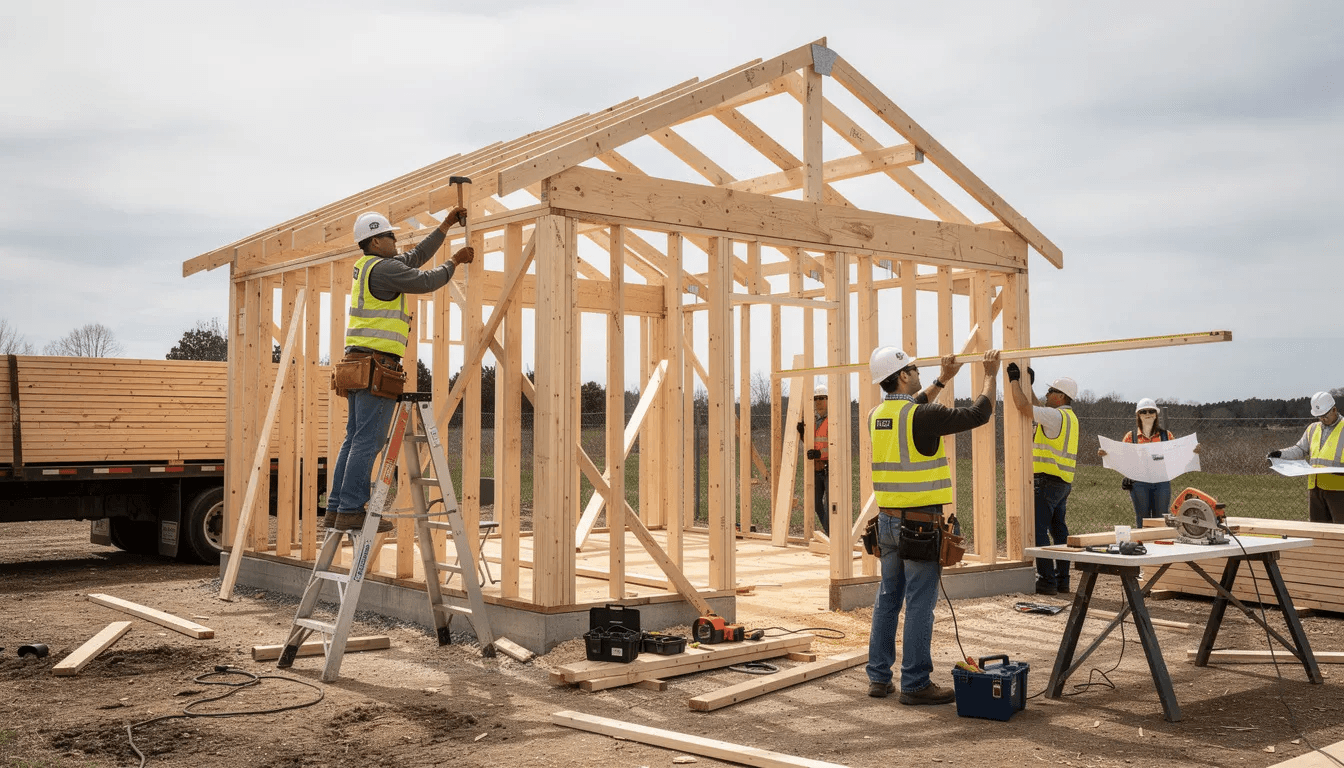
- DIY owner-builder: Using standard materials and sweat equity, you might complete a simple 500 sq ft home for $40,000–$80,000 in materials alone. This assumes you’re handling framing, finishing, and some mechanical work yourself, following a clear guide on how to build a tiny house.
- Turnkey professional build: Quality finishes, modern amenities, all permits, and professional construction typically run $100,000–$180,000 in most U.S. markets. In high-cost areas like Southern California, expect $400–$600 per square foot all-in.
- Foundation and site work: Concrete foundation, utilities (septic, well, or hookups), grading, and site prep can add $20,000–$60,000+ depending on soil conditions, access, and local fees.
- Design and permitting: Professional house plans, engineering stamps, permits, and inspections add several thousand dollars even for small homes—budget $3,000–$10,000 depending on your jurisdiction.
- San Diego example: One builder reports a 500 sq ft ADU vertical build at approximately $208,000 plus $27,000 in standard finishes, with sitework and permits additional.
Budget Planning & Hidden Costs
Many tiny home builders underestimate non-construction costs that can derail even well-planned projects.
- Land: Rural land in the Midwest might run under $10,000 per acre, while small infill lots near cities like Denver or Seattle can exceed $150,000. Don’t assume you’ll build on family property without verifying zoning.
- Impact and hookup fees: City water/sewer connections, impact fees, and utility connection charges collectively add $5,000–$25,000 in many areas.
- Sub-500 sq ft exemptions: In some jurisdictions (like San Diego County), staying under 500 sq ft eliminates the need for soils reports or stormwater mitigations, saving thousands in permitting costs.
- Recurring expenses: Property taxes, insurance (especially important if on wheels), and maintenance don’t disappear just because the home is small. Budget $1,500–$4,000 annually.
- Contingency: Set aside 10–15% of your total project cost for overruns, code changes, or material price increases. On a $100,000 project, that’s $10,000–$15,000 in reserves.
Living Tiny: Benefits Beyond the Floor Plan
A 500 sq ft lifestyle transforms more than just your address—it reshapes your finances, time, and relationship with possessions. The benefits extend well beyond the floor plan itself.
- Lower monthly costs: Heating and cooling 500 sq ft costs a fraction of what a 1,500 sq ft home demands. One couple reported cutting their utility bill by half after downsizing from 1,200 sq ft.
- Less to furnish and maintain: Fewer rooms mean less furniture to buy, fewer surfaces to clean, and reduced time spent on home maintenance. What once took a Saturday now takes an hour.
- Intentional ownership: Limited space forces decisions about what you actually need versus what you’re merely maintaining. This aligns with minimalist values and often results in a surprising sense of relaxation.
- Financial freedom: Smaller mortgage (or no mortgage), lower utilities, and reduced maintenance costs translate to more money for travel, savings, or early retirement.
- Mental clarity: Many owners report that simpler spaces lead to simpler schedules and clearer thinking—less stuff, less stress.
Environmental & Off-Grid Options
A 500 sq ft home naturally uses fewer resources and can easily adopt off-grid or eco-friendly systems that would be impractical in larger builds. Sustainability comes almost automatically at this scale.
- Solar power: A 3–5 kW rooftop or ground-mounted solar array, paired with battery storage, can cover most or all electrical needs for a 500 sq ft home—especially with energy-efficient appliances.
- Water systems: Rainwater catchment with storage tanks and filtration, combined with low-flow fixtures, can dramatically reduce or eliminate reliance on municipal water.
- Composting toilets: Composting or incinerating toilets eliminate the need for septic systems in off-grid locations, saving $10,000–$30,000 in installation costs.
- Heating and cooling: Energy-efficient mini-split heat pumps can heat and cool 500 sq ft with minimal electricity, making year-round comfort affordable.
- Sustainable materials: FSC-certified lumber, recycled metal roofing, and low-VOC finishes improve indoor air quality while reducing environmental impact. Many builds feature board and batten exteriors with cedar accents for durability.
Stationary vs. Tiny Home on Wheels (THOW)
Deciding between a permanent foundation and wheels affects everything from financing to where you can legally live. Both options work at 500 sq ft, but each carries distinct tradeoffs.
Factor | Stationary (Foundation) | Tiny Home on Wheels |
|---|---|---|
Size | True 500 sq ft interior easily achieved | Many jurisdictions limit THOW to 400 sq ft or less for highway legality |
Financing | Easier to finance as real property; may qualify for traditional mortgages | Often requires personal loans or RV financing |
Insurance | Standard homeowner’s policies available | Specialty RV or tiny home policies required |
Appreciation | May appreciate like traditional real estate | Typically depreciates like a vehicle |
Mobility | Permanent location | Can relocate seasonally (beach in winter, mountains in summer) |
Parking rules | Subject to zoning and building codes | Subject to RV park rules, campground restrictions, and local ordinances |
For 500 sq ft specifically, foundation-based builds are generally more practical. A true 500 sq ft interior on a trailer requires a trailer nearly 10 feet wide and 50+ feet long—exceeding standard highway limits in most states. |
Regulations, Zoning, and Minimum Size Rules
Legal rules can determine whether a 500 sq ft tiny home is allowed on a given property—and ignoring them leads to expensive corrections or even demolition orders.
- Minimum dwelling sizes: Some U.S. cities and counties set minimums between 150–500 sq ft. At 500 sq ft, you typically meet or exceed these thresholds, making permitting smoother.
- ADU regulations: California, Oregon, and Washington State have relaxed ADU rules significantly, making 400–800 sq ft backyard cottages common and often exempt from additional impact fees when under 500 sq ft.
- Contact planning early: Reach out to your local planning or building department before purchasing plans or land. Confirm setbacks, height limits (often 16–25 feet), lot coverage maximums, and utility requirements.
- Engineering requirements: Even small homes on permanent foundations typically require engineered plans, foundation designs, and multiple inspections. Budget time and money accordingly.
- THOW distinctions: Many jurisdictions differentiate between ADUs, park models, RVs, and permanent dwellings. Discover which category your planned build falls into before committing.
Real-World 500 Sq Ft Tiny Home Ideas & Use Cases
500 sq ft designs prove remarkably versatile across different life phases and goals, much like other great tiny homes that redefine small-space living. Here’s how real homeowners are putting this square footage to work:
Backyard ADU for Rental Income
A Carlsbad, California homeowner built a 498 sq ft one-bedroom cottage in 2023 behind their primary home. The open-concept design features a peninsula kitchen, full bath, and french doors to a small deck. It now generates rental income while keeping the option open for aging parents to move in later.
Vacation Rental Near Nature
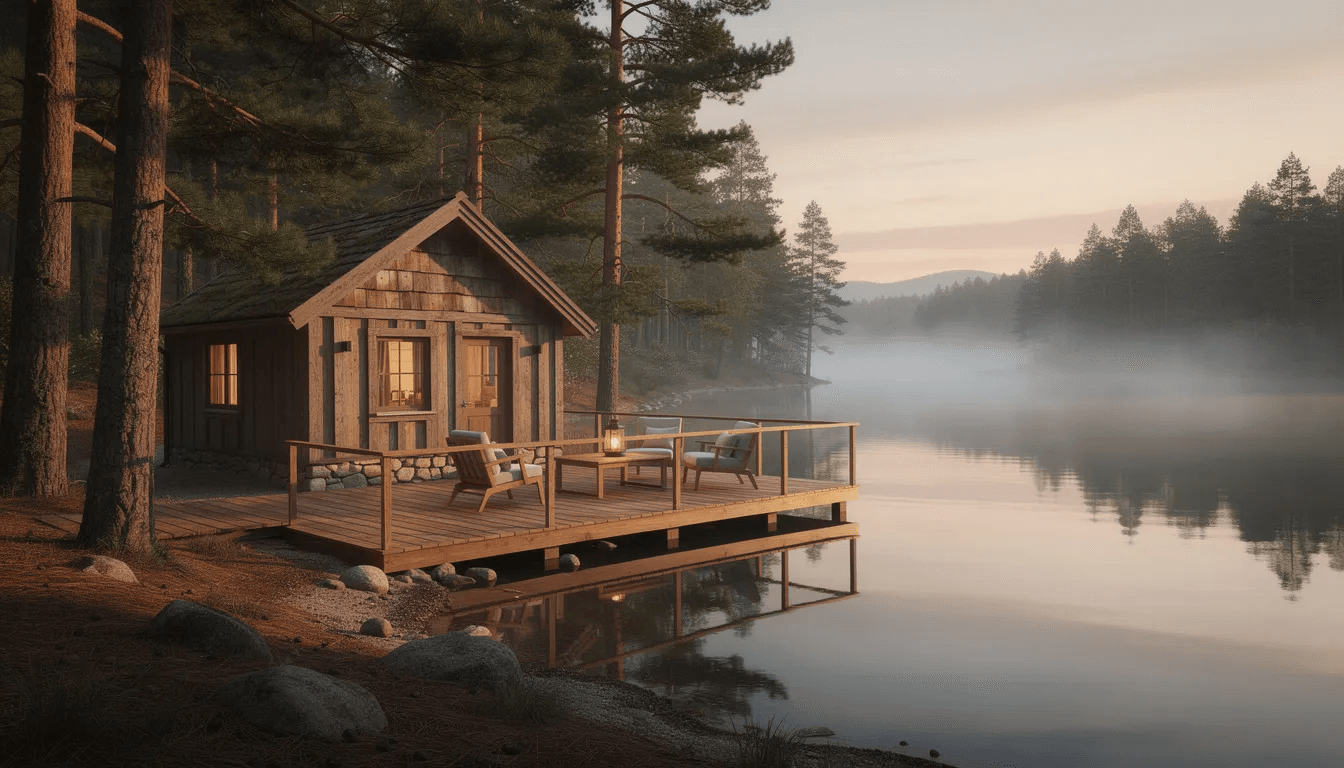
Two 500 sq ft cabins near a national park, each with a covered front porch and firepit area, function as year-round Airbnb rentals. The elongated floor plans create a spacious feel with floor-to-ceiling windows flooding natural light into the living areas. Owners report booking rates exceeding 70% annually.
Remote Work Retreat
A couple in the Pacific Northwest designed their 500 sq ft home with a dedicated 6’ x 8’ desk nook featuring sound insulation, strong internet access, and task lighting. The layout separates the workspace from the master bedroom, maintaining work-life boundaries even in a compact footprint.
Retirement Downsizing
Empty-nesters sold their 2,400 sq ft suburban house and built a single-level 500 sq ft home with no stairs, wide doorways for accessibility, and a walk-in shower. Monthly costs dropped by 60%, and they spend their savings traveling rather than maintaining a larger home—illustrating why many buyers are asking whether a tiny house for sale is right for them.
Is a 500 Square Foot Tiny Home Right for You?
A 500 square foot tiny home sits at a sweet spot between extreme minimalism and conventional housing—enough space for genuine comfort without the burden of excess square footage. It’s not about eliminating convenience; it’s about concentrating it.
Before you build, ask yourself:
- How many people? Singles and couples fit comfortably. Small families work with lofts or outdoor living spaces but may feel limited over time.
- Do you work from home? 500 sq ft can accommodate a dedicated desk area, but open floor plans mean you’ll hear everything. Consider sound-dampening strategies.
- What hobbies require storage? Crafts, sports equipment, or collections need designated space. Be honest about what you can’t live without.
- How important is outdoor living? A covered porch or deck effectively expands your living area in mild climates—factor this into your plans.
Test before committing. Rent a 400–600 sq ft cabin, ADU, or tiny home for at least a weekend—ideally a month—before investing in a build. Many people discover deal-breakers (or confirm their excitement) during a video tour or short stay.
Sketch a simple floor plan and list your non-negotiables: full kitchen with a real range, tub versus shower, home office corner, pet space, beds for guests. If they fit comfortably into 500 sq ft with room left for circulation, you’re a good candidate for this lifestyle.
With thoughtful design, smart storage, and clear priorities, a 500 square foot tiny home becomes more than a compromise—it becomes a perfect fit for how you actually want to live.