
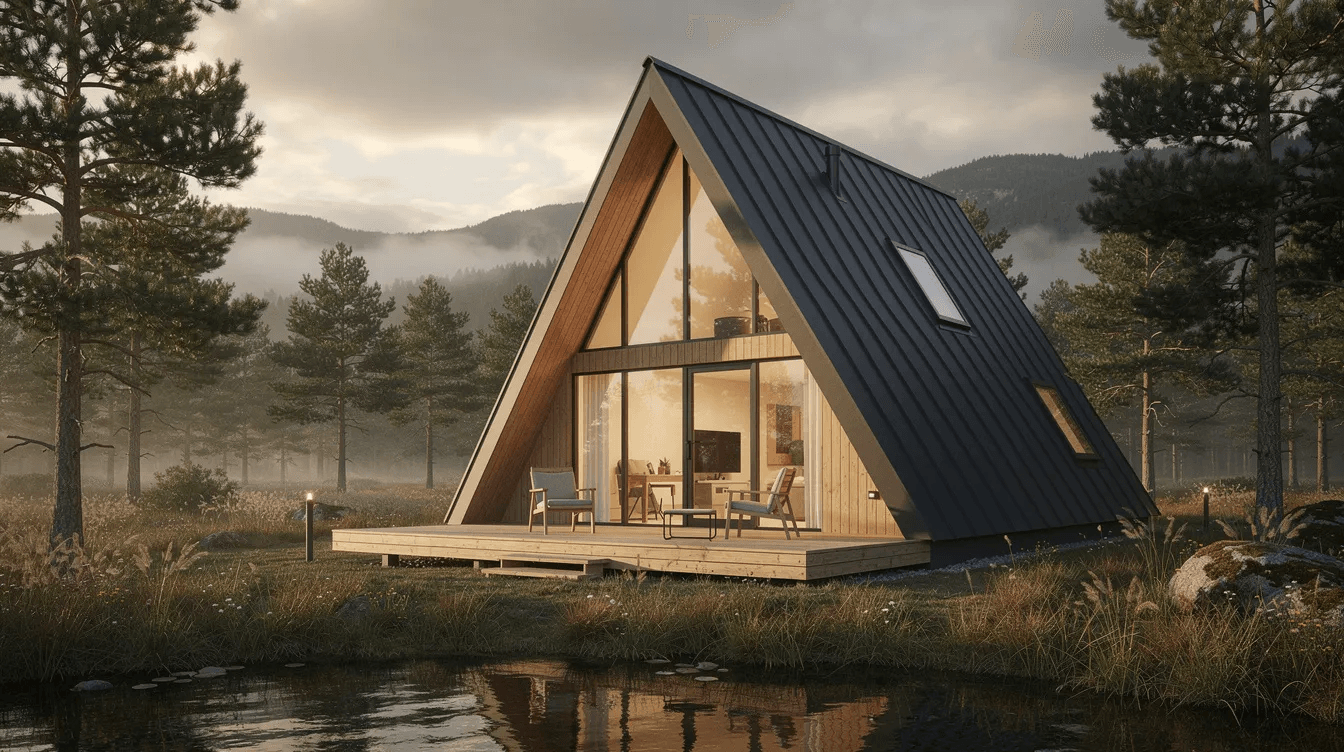
The A-frame house stands as one of architecture’s most recognizable silhouettes—a steeply pitched roof that sweeps down nearly to the ground, forming the distinctive “A” shape where walls and roof merge into a single structural envelope. This frame style gained popularity in the 1950s and 1960s as affordable vacation cabins, and today’s 3 bedroom versions represent the perfect evolution of that heritage.
This guide focuses specifically on a frame 3 bedroom house plans, which hit the sweet spot for families, vacation homes, and investment cabins as of 2026. You’ll find these designs thriving in locations like the Colorado Rockies, Lake Tahoe, the Adirondacks, and the Pacific Northwest—regions where the shape’s snow-shedding efficiency reduces roof loads by up to 90% compared to flat roofs.
Why 3 bedrooms? Unlike smaller 1-2 bedroom A-frames (often under 1,000 sq ft), a 3 bedroom layout provides genuine flexibility: comfortable family living, dedicated guest space, and strong rental potential for platforms like Airbnb. 3 bedroom A-frame house plans are also a popular choice for those seeking an investment property due to their appeal in vacation rental markets. You get versatility without the sprawl of 4+ bedroom plans that can exceed 3,000 sq ft and complicate the compact A-frame form.
Note: The steep pitch of an A-frame (typically 45-60 degrees) creates natural energy efficiency through reduced exterior wall surface area, potentially cutting heat loss by 20-30% compared to rectangular homes.
- Introduction to A Frame House Plans
- Benefits of 3 Bedroom House Plans
- Core Characteristics of A-Frame Homes
- Understanding Floor Plans
- Popular 3 Bedroom A-Frame Layout Options
- Key Features to Prioritize in a 3 Bedroom A-Frame Plan
- Examples of 3 Bedroom A-Frame House Plans
- Practical Considerations Before Choosing a 3 Bedroom A-Frame Plan
- Conclusion: Choosing the Right A-Frame 3 Bedroom House Plan for You
Introduction to A Frame House Plans
A-frame house plans are a timeless favorite for those seeking a home that stands out for both its style and practicality. Defined by their steeply pitched roof and sharply angled sides, these plans create the iconic “A” silhouette that gives the frame house its name. The foundation plan details of an A-frame are typically straightforward, with the structure rising directly from the foundation and meeting at the peak, resulting in a strong, efficient shape that’s easy to construct.
One of the standout features of A-frame house plans is their ability to handle challenging climates. The sharply sloped roof is not just a design statement—it’s a practical solution for heavy snow, allowing precipitation to slide off easily and reducing the risk of buildup. When considering an A-frame, it’s important to review the foundation plan to ensure it suits your site’s conditions, whether you’re building on a slab, crawlspace, or basement, much like how choosing the best foundation for a tiny house depends on matching structure and soil conditions.
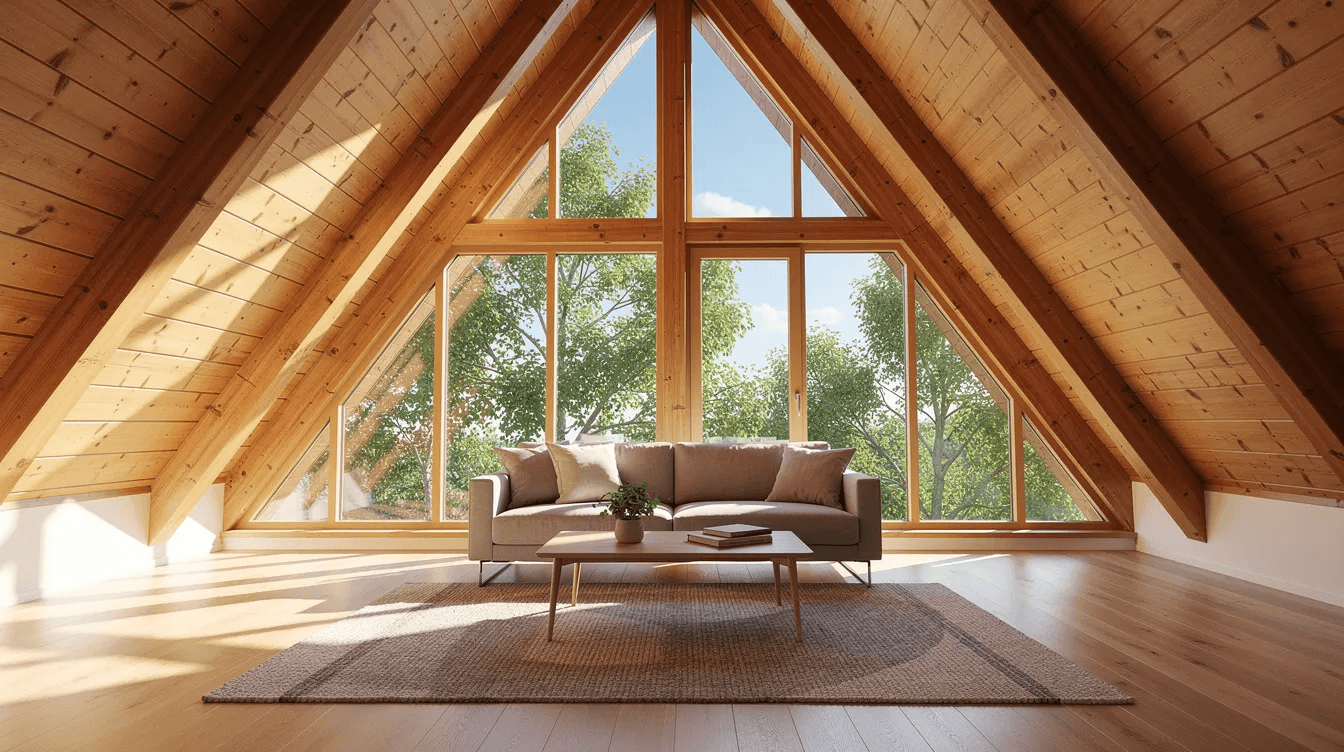
Exterior materials play a crucial role in both the appearance and performance of your A-frame, and interior choices can be just as impactful when you draw on forest-inspired interior design ideas to connect the home with its natural surroundings. Options like timber, metal roofing, and fiber-cement siding are popular for their durability and ability to complement the home’s geometric lines. Inside, the placement of doors and windows is key to maximizing natural light and creating a bright, inviting living space. Large windows along the gable ends and carefully positioned skylights can flood the interior with daylight, while thoughtful ceiling heights and open layouts make even modest square footage feel spacious.
Ultimately, A-frame house plans offer a blend of simplicity and sophistication, with every detail—from the foundation to the roof—working together to create a home that’s as functional as it is beautiful, echoing the principles seen in elegant tiny homes that redefine modern living.
Benefits of 3 Bedroom House Plans
Opting for a 3 bedroom house plan brings a host of advantages, making it a smart choice for families, couples, or anyone who values flexibility in their living space. One of the main benefits is the ability to designate separate zones for sleeping, working, and relaxing, which is essential for maintaining a balanced lifestyle. With measurement floor plans typically ranging from 1,500 to 3,000 sq ft, these homes provide ample room for everyone without feeling overwhelming.
A well-designed 3 bedroom house plan often includes sought-after features like a spacious master suite—sometimes complete with a private bath and walk-in closet—a dedicated laundry room for convenience, and a great room with soaring ceilings that serves as the heart of the home. Many plans also incorporate a loft or office space, perfect for remote work or creative pursuits. The thoughtful placement of doors and windows ensures that each room receives plenty of natural light, enhancing the overall ambiance and energy efficiency of the house.
When reviewing 3 bedroom floor plans, pay attention to the flow between rooms, the location of the laundry room in relation to the bedrooms, and how the layout supports your daily routines. Features like open-concept living areas, strategically placed windows, and well-insulated walls can make a significant difference in comfort and utility costs. Whether you’re looking for a cozy retreat or a full-time residence, a 3 bedroom house plan offers the versatility to adapt to your changing needs over time.
Core Characteristics of A-Frame Homes
The structural basics of any frame house start with the roof pitch—typically 45 to 60 degrees, often expressed as 20 on 12 or steeper. This steep pitch forms a classic gable roof, which is a defining feature of A-frame architecture. This creates eaves that sit close to the ground, minimal vertical walls (sometimes less than 30% of the perimeter), and an open interior volume that maximizes ceiling heights at the ridge.
For 3 bedroom a frame house plans specifically, expect square footage ranging from approximately 1,200 to 2,500 sq ft. A compact cabin might measure around 1,274 sq ft with two stories, while a full-time residence could stretch to 2,350 sq ft or more with an attached garage.
Key advantages of this home plan style include:
- Excellent snow shedding from steep pitches, preventing accumulation beyond 6-12 inches even in 100+ inch annual snowfall zones
- Lower exterior wall surface area reducing construction materials and heat loss
- Cozy loft potential adding 200-400 sq ft of usable living space without expanding the footprint
- Iconic rustic-modern aesthetic blending timber frames with metal roofing and large windows
Limitations to consider:
- Sloped walls reduce usable wall space above 7-8 feet in height
- Furniture placement challenges, especially in loft areas where knee walls may stand under 4 feet tall
- Limited storage near the eaves, requiring built-in solutions and creative closet design
- Headroom tapers sharply near the perimeter, necessitating careful stair placement
Understanding Floor Plans
Floor plans are the blueprint for your future home, providing a detailed map of how each space will function and connect. A comprehensive house plan includes not only the layout of rooms but also essential details like the foundation plan, exterior elevations, and a material list. These elements work together to ensure that your living space is both beautiful and structurally sound.
When examining floor plans, look for features that enhance daily living—such as a generous great room for gatherings, a well-appointed kitchen, and a comfortable master suite with privacy from the main living areas. The placement of stairways, the size and location of closets, and the overall ceiling heights all contribute to the home’s functionality and feel. Pay close attention to the dimensions and flow between rooms, as well as the location of doors and windows, to ensure the layout supports your lifestyle.
Modern floor plans are often available in multiple formats, including PDF sets for easy viewing and CAD files for customization. Before construction begins, review the plan’s foundation details, exterior elevations, and material list to confirm that everything aligns with your site conditions and local building codes. A well-thought-out floor plan not only streamlines construction but also creates a living space that feels cohesive, comfortable, and uniquely yours.
Popular 3 Bedroom A-Frame Layout Options
When comparing floor plans for 3 bedroom A-frames, you’ll encounter several common layout patterns: main-floor primary bedrooms for accessibility, loft bedrooms for secondary sleeping, and walkout basements for sloped sites. Each approach serves different lifestyles and lot conditions. Many modern 3 bedroom A-frame house plans feature an open concept layout, seamlessly connecting the kitchen, dining, and great room for a spacious feel.
Typical ceiling heights in these designs vault to 20-24 feet at the ridge in the great room, creating dramatic vertical space while influencing how rooms flow on each floor. The following profiles illustrate three distinct approaches with realistic dimensions.
Compact 3 Bedroom A-Frame Cabin (Approx. 1,350–1,500 Sq Ft)
This two-story house plan centers around 1,420 sq ft of efficient living space. The main floor contains a primary bedroom with direct bath access, while two secondary bedrooms occupy the loft level sharing a hall bath. A central great room rises to the full peak height, creating that signature A-frame drama. The compact footprint and steep roofline also make this design particularly energy efficient, minimizing heat loss and reducing utility costs, especially when paired with tiny house interior strategies that maximize every square foot.
The layout works exceptionally well for narrow or wooded lots (40-50 feet wide) and functions perfectly as a weekend retreat or rental cabin sleeping 4-6 guests, similar in spirit to many of the top A-frame cabins for nature getaways.
Room breakdown:
- Main floor: Primary bedroom with walk-in closet, full bath, open kitchen with island, vaulted great room
- Loft: Two bedrooms sharing one bath, reading nook under the ridge, railing overlooking living area
- Outdoor: Covered front deck (10 feet deep) spanning the width for lake or forest views
- Entry: Mudroom for gear storage—essential in snowy climates
Family-Oriented 3 Bedroom A-Frame with Walkout Basement (Approx. 1,900–2,200 Sq Ft)
Scaling up to around 2,050 sq ft, this configuration adds a finished walkout basement level—ideal for sloped mountain or hillside sites. The basement contains a third bedroom or guest suite, full bath, rec room, mudroom with laundry room, and direct access to a covered patio.
The main floor dedicates its footprint to open living: vaulted kitchen, dining, and great room under the peak, plus a powder room and access to a wrap-around deck. Upstairs, two bedrooms share a bath, with an additional loft area that serves as office space or a reading retreat.
Level-by-level summary:
- Basement: Guest bedroom, full bath, rec room, mudroom entry with laundry, covered patio access
- Main floor: Open kitchen/dining/great room, powder room, wood stove or fireplace, wrap-around deck
- Upper floor: Two bedrooms, shared bath, loft office or lounge, possible balcony
- Storage: Ski gear closets in mudroom, stair-accessible basement storage
This plan suits 4-season climates where outdoor gear demands dedicated space and where slopes make walkout construction practical, especially for owners who dream of mountain tiny house getaways and alpine-style retreats.
Contemporary 3 Bedroom A-Frame for Full-Time Living (Approx. 2,200–2,600 Sq Ft)
For year-round family use, a more spacious layout around 2,350 sq ft blends classic A-frame volume with modern glazing and an open-plan main floor. This design often incorporates more vertical side walls than traditional A-frames, improving furniture placement while maintaining the iconic roofline.
Layout highlights:
- Main floor: Master suite with walk-in closet, large kitchen island with walk-in pantry, dining area, vaulted great room, half bath, laundry room
- Upper floor: Two secondary bedrooms, full hall bath, open loft overlooking the great room (perfect for study or second living space)
- Garage: Attached single-bay garage for suburban or rural settings
- Exterior materials: Metal roofing, fiber-cement siding, expansive south-facing glazing
This configuration separates quiet zones (bedrooms) from active areas (kitchen, great room) effectively, making it suitable as a primary residence rather than just a vacation getaway, much like well-designed tiny house floor plans that prioritize function. Many contemporary A-frame house plans are customizable, allowing homeowners to tailor layouts and finishes to their specific needs.
Key Features to Prioritize in a 3 Bedroom A-Frame Plan
Beyond bedroom count, several features separate good a frame house plans from great ones. When evaluating measurement floor plans, pay attention to how circulation, storage, and modern essentials are handled within the unique triangular envelope.
Circulation and flow: Stair placement—whether central or side-positioned—affects kitchen oversight of living areas and deck access. Lofts work best when bedrooms maintain some privacy despite the open plan; dormers or strategic walls help. Consider noise control, as sounds travel easily in vaulted spaces.
Storage strategies: Sloped walls limit conventional closets, so look for built-in cabinetry under the eaves, mudroom lockers (essential for snowy regions), and closet stacks positioned near the laundry room for convenience.
Modern essentials: A proper mudroom entry handles wet boots and gear before they reach the living space. Upstairs laundry placement reduces trips when all bedrooms are on upper floors. An efficient mechanical room layout—whether in a basement, crawlspace, or main floor utility closet—keeps systems accessible. A well-designed HVAC system is crucial for maintaining comfort and energy efficiency in the unique A-frame structure.
Outdoor Living & View Orientation
Most 3 bedroom A-frame floor plans orient the glazed gable end toward a primary view—sunrise over a lake, a south-facing mountain vista, or a forested rear yard. This placement maximizes the dramatic triangular windows while creating strong indoor-outdoor connection.
Typical deck configurations include:
- Full-width front decks (10-20 feet deep) spanning the gable wall
- Wrap-around decks providing multiple access points
- Partially covered sections for all-weather use and protection from snow or rain
- Deck access from the great room and sometimes directly from the primary bedroom
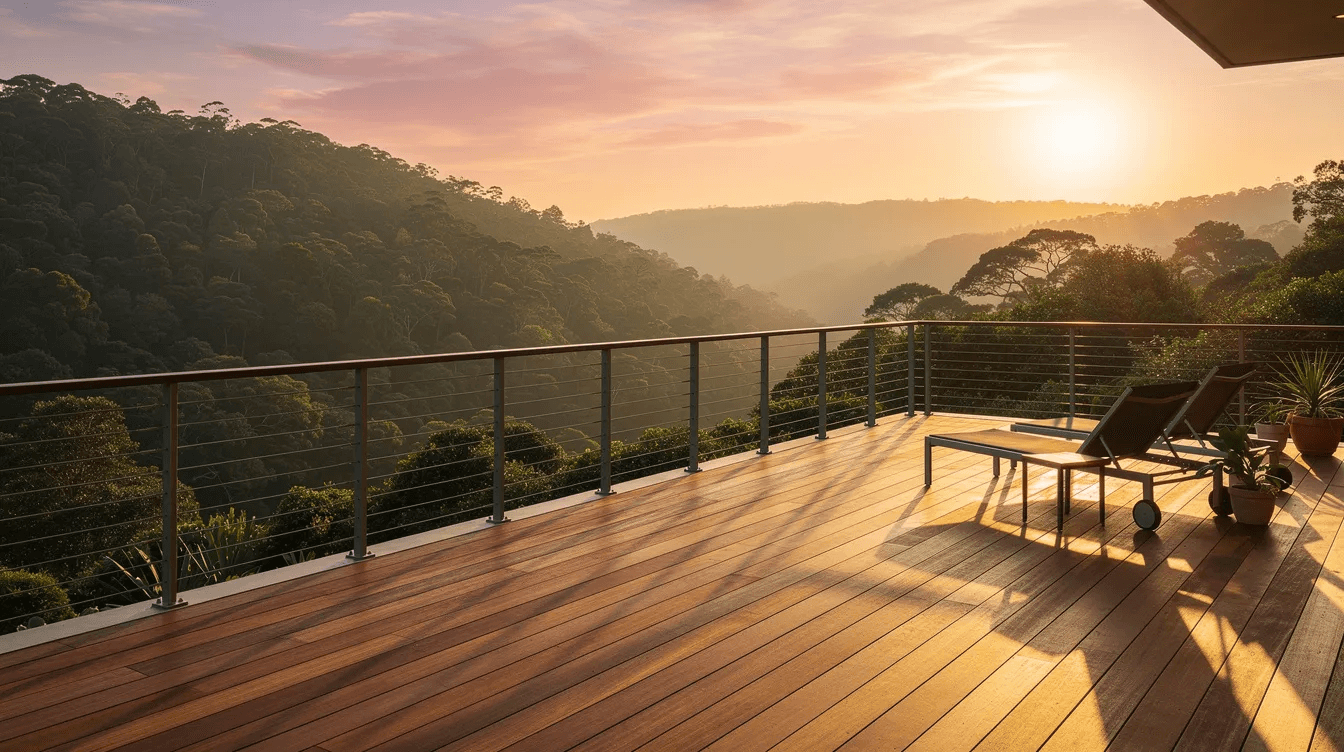
Railing style matters aesthetically—cable rails maintain views, timber balustrades complement rustic designs, and glass panels work with contemporary exterior elevations. Consider how deck placement supports daily routines like morning coffee with a view or evening entertaining. Spacious decks and covered patios are ideal for outdoor entertaining, allowing homeowners to host gatherings in a scenic setting.
Ceiling Heights, Windows, and Natural Light
Vaulted ceiling heights in the main living zone often reach 18-24 feet at the ridge, creating an airy atmosphere that compensates for the home’s compact footprint. This vertical space frames views through large triangular gable windows, which can exceed 20 feet in height.
Beyond aesthetics, window placement serves practical purposes. South-facing glazing enables passive solar gain during winter months, reducing heating costs. Proper insulation in the roof and walls is essential to maintain comfortable indoor temperatures and maximize energy savings. However, this requires attention to:
- Overhang sizing to block high summer sun while admitting low winter light
- Low-E glass coatings cutting heat gain by 40-60%
- Strategic placement to frame specific views (lake, mountain, forest) rather than neighbor’s houses
Clerestory windows along the ridge add daylighting without sacrificing wall space, and their high position promotes natural ventilation in summer.
Examples of 3 Bedroom A-Frame House Plans
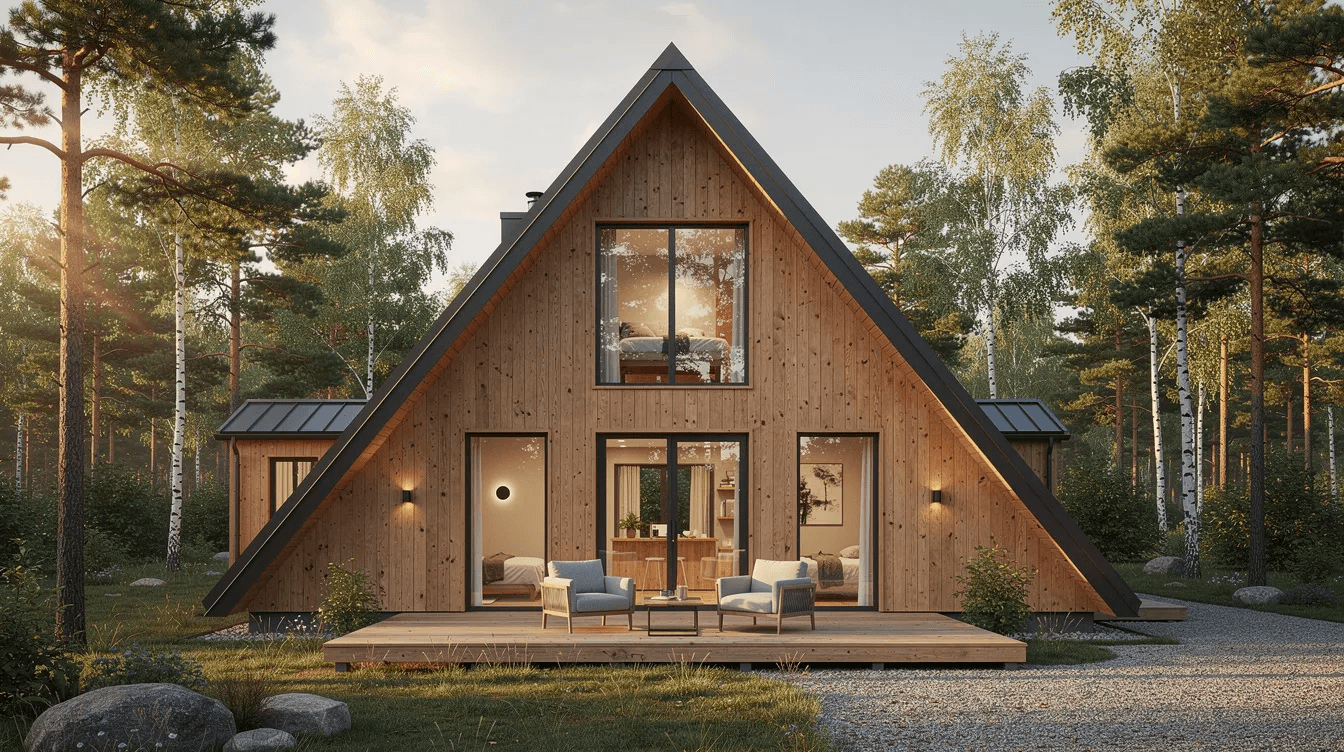
The following sample profiles illustrate the range within 3 bedroom A-frame designs. Use these as a checklist for non-negotiables when evaluating actual floor plans—consider bedroom separation, deck size and location, storage solutions, and how each layout fits your intended use. Reviewing the architectural drawings included with each plan is essential to understand the full scope of the design.
Sample Plan AF-301: Lakeside 3 Bedroom A-Frame Cabin
This 1,480 sq ft cabin suits lakeside lots where views drive the design. With 3 bedrooms, 2 baths, and 1.5 stories including a sleeping loft, it functions perfectly as a weekend retreat or short-term rental sleeping 6+ guests.
- Main floor: Vaulted great room with fireplace, wall of glass facing the water, L-shaped kitchen with island, primary bedroom and full bath
- Loft: Two compact bedrooms sharing a hall bath, railing overlooking living area, small reading nook under the ridge
- Outdoor: 10-foot deep front deck spanning the house width, optional screened porch on one side
- Details: Plan package includes foundation plan details, front elevation, and typical wall section drawings, as well as a site plan for proper placement on your lot.
Sample Plan AF-442: Mountain 3 Bedroom A-Frame with Walkout Basement
At 2,120 sq ft across 3 bedrooms and 2.5 baths, this plan maximizes a sloping mountainside lot with a finished walkout basement. It’s optimized for snow country with dedicated ski storage and the steep roof that self-clears through winter.
- Basement: Guest bedroom, full bath, mudroom with gear storage, laundry, rec room opening to covered patio
- Main level: Open kitchen, dining, and great room under vaulted ceiling, wood stove, powder room, wrap-around deck access
- Upper level: Two bedrooms and shared bath; one bedroom features a small balcony facing the view, plus a loft office area
- Foundation: Plan set includes slab depending on site conditions, crawlspace option, or full basement with dimensions noted
This home plan speaks to life in a mountain climate—morning coffee watching sunrise over peaks, stairways leading from ski storage to slopes, and a construction designed to handle heavy snow loads, offering an alternative to pre-built log homes for cabin living. The plan is also designed to meet or exceed current energy code requirements for insulation and window performance.
Sample Plan AF-560: Modern 3 Bedroom A-Frame for Year-Round Living
This 2,350 sq ft design combines classic A-frame volume with contemporary features, including an attached single-bay garage, while still embracing the efficient planning mindset seen in tiny house plans that fit your life. With 3 bedrooms and 2.5 baths, it functions as a practical full-time residence in suburban or rural settings.
- Main floor: Primary suite with walk-in closet, large kitchen with island and walk-in pantry, dining area, vaulted great room, half bath, laundry room
- Upper level: Two secondary bedrooms, full hall bath, open loft overlooking great room (serves as study or lounge)
- Exterior: Expansive south-facing glazing, partially covered deck for all-weather use, metal roofing, low-maintenance fiber-cement siding
- Plan package: Available as pdf set or dwg format cad file; material list and fixtures displayed on separate sheet; typical notes cover outlets, doors, and windows specifications, and a permit set prepared for local building department submission, with loft access solutions comparable to choosing the best ladder for a tiny house loft.
Practical Considerations Before Choosing a 3 Bedroom A-Frame Plan
Before finalizing any house plan, address the practical requirements that affect construction feasibility and budget.
Zoning and codes: Many jurisdictions limit ridge height (often 35 feet maximum), which directly impacts A-frame sizing. Snow load specifications range from 50-100 psf in Rocky Mountain locations, requiring engineered roof framing. Loft bedrooms need egress windows exceeding 5.7 sq ft, and energy codes mandate U-factors below 0.30 for large glass areas.
Site factors: Slopes of 15-30% favor walkout basement designs. Prevailing winds dictate entry protection and deck placement. Sun path orientation determines where to place big windows for solar gain without overheating. The home’s location on the lot affects privacy and view framing.
Budget considerations: Vaulted framing typically adds 15-20% over flat ceiling construction. Large window walls (30-40% of the south facade) cost $50-100 per sq ft for quality glazing. Complex decks run $20-40 per sq ft. Shipping costs for plan packages and any material list vary by provider.
Questions to ask your designer or builder:
- What foundation type is applicable for my soil conditions?
- Does the plan include exterior elevations for permit submission?
- Are changes to stair placement or window sizing possible within the structural shell?
- What unlimited build license terms apply to this design?
- Will a structural engineer need to review or modify the plans for local code compliance?
Working with Designers, Builders, and Engineers
Purchasing plans from reputable designers protects both parties—respect plan copyrights and license terms. When you buy a plan package, verifies that it includes what you need: foundation plan, floor plans, elevations, and construction details. Complete construction drawings are essential for accurate bidding and smooth permitting.
An engineer may need to adapt standard plans for local conditions. Coastal Washington faces different wind requirements than Vermont’s snow loads or Colorado’s combination of both. This engineering review switches general plans into site-specific documents that pass local permitting.
Build your team early: plan provider or designer, structural engineer if needed, and a builder experienced with steep-roof structures and loft framing. Key steps include getting a soil report before finalizing foundation type, verifying local codes, and confirming the plan modification process won’t void your license.
When comparing plans on any website, note that some providers perform security verification before allowing downloads—this protect their intellectual property while ensuring legitimate buyers receive complete documentation.
Conclusion: Choosing the Right A-Frame 3 Bedroom House Plan for You
A-frame 3 bedroom house plans offer a compelling combination: flexible sleeping arrangements for family and guests, striking visual character that never goes out of style, and natural fit for view lots and vacation properties. The shape itself delivers practical benefits—snow shedding, energy efficiency, and dramatic interior volume—that rectangular homes simply can’t match.
Align your plan choice with how you intend to use the home over the next 5-10 years. A compact 1,400 sq ft cabin perfect for weekend retreats may feel cramped as a primary residence. Conversely, a 2,300 sq ft year-round design might exceed what you need for an occasional rental property.
Key decision points to finalize:
- Layout priority: main-floor bedroom for accessibility vs. loft bedrooms for privacy
- Outdoor living: deck size, orientation toward views, covered vs. open sections
- Storage: mudroom size, built-in solutions under eaves, basement or garage space
- Foundation type: slab, crawlspace, or walkout basement depending on site slope
Start by creating your must-have versus nice-to-have list, compare 2-3 layouts side by side paying attention to room dimensions and flow, and then work with a professional to fine-tune your chosen design. Remember, securing a building permit is the final step before construction can begin. The right 3 bedroom A-frame is waiting—one that frames your perfect view while sheltering years of memories inside its iconic walls.