An a frame house features a distinctive triangular profile with steeply pitched roofs meeting at a central ridge. Originally designed as practical shelters for snowy environments, these structures have seen a resurgence since 2020 as demand grows for compact, nature-integrated vacation homes.
A professional a frame house builder uses a specialized approach to design and construction, focusing on expert-driven methodology that ensures both high quality and tailored customization for each client.
This article explains how a dedicated a frame house builder works with clients from first idea to move-in. You’ll learn costs, timelines, and the complete building process—whether you’re planning a full-time residence, 400–1,500 sq ft vacation home, or a backyard ADU for rental income.
- Introduction to A-Frame Houses
- Why Choose an A-Frame House (and Not Just Any Cabin)
- What an A-Frame House Builder Actually Does
- Types of A-Frame Projects a Builder Can Deliver
- Tiny House Options
- Custom A-Frame Build vs. Kit vs. Plan-Only
- Step-by-Step A-Frame Building Process
- Designing a Modern, Livable A-Frame
- Living Area Design
- Energy Efficiency, Structure, and Materials
- Costs, Timelines, and Budget Planning
- Financing Options
- Maintenance and Repair
- How to Choose the Right A-Frame House Builder
- Next Steps to Start Your A-Frame Build
Introduction to A-Frame Houses
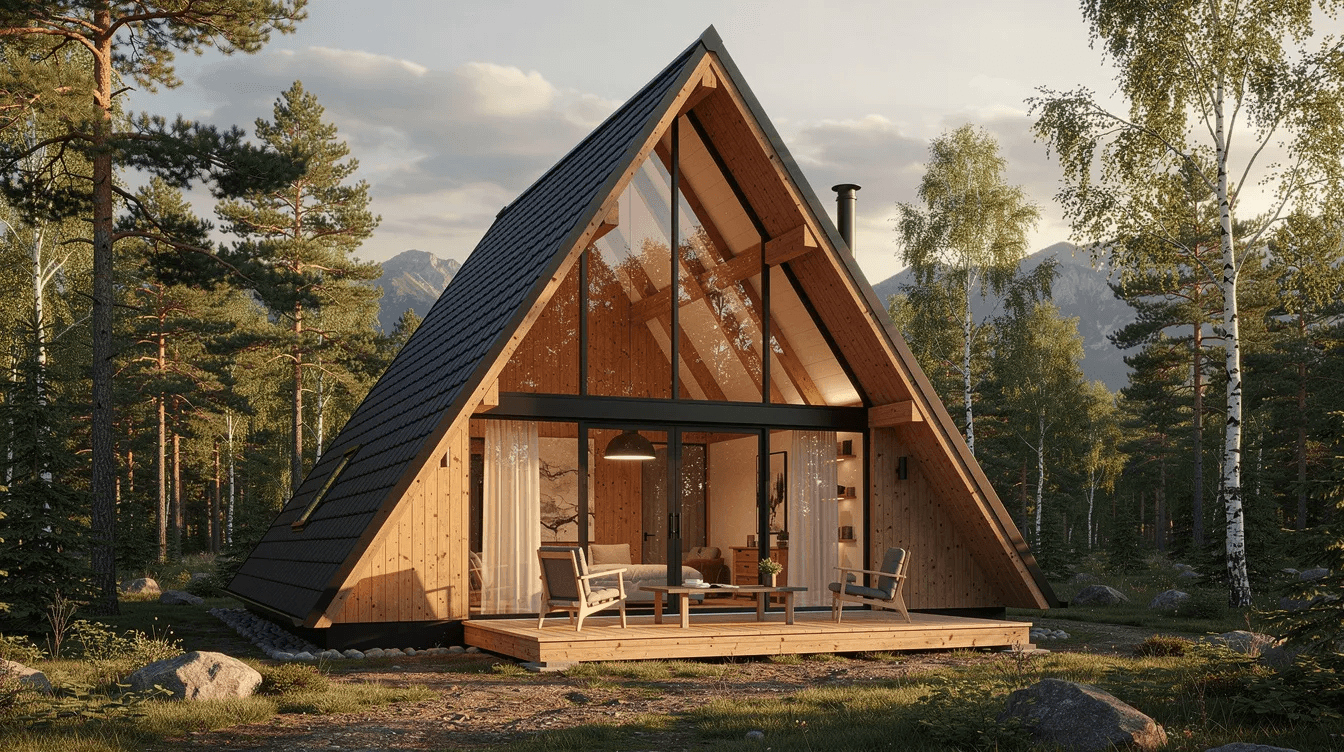
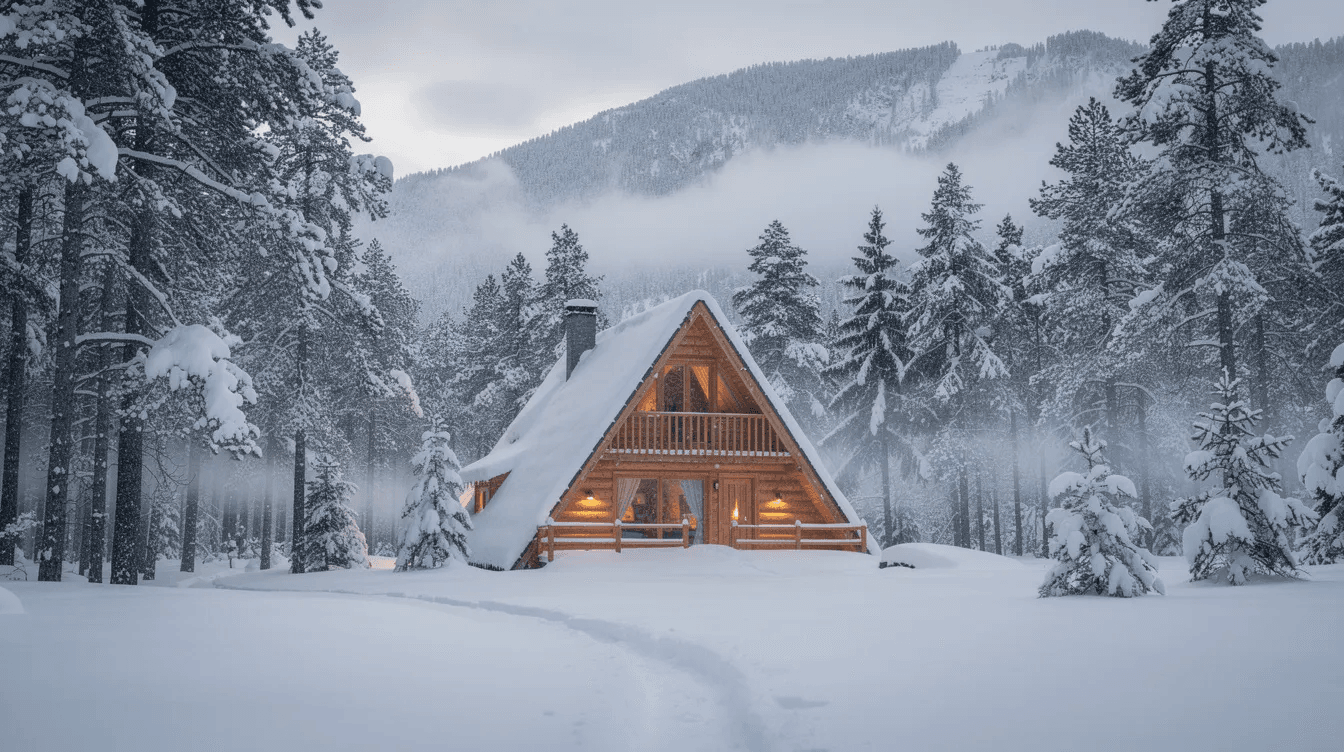
A-frame houses are instantly recognizable for their striking triangular silhouette and steeply pitched roofs that extend nearly to the ground. This timeless design isn’t just about style—it’s a perfect solution for regions with heavy snowfall, as the sharp roof angle allows snow to slide off easily, reducing maintenance and structural stress. The A-frame house has become a symbol of both adventure and comfort, blending the cozy charm of a mountain chalet with the clean lines of modern architecture.
Whether you dream of a full-time residence, a vacation home nestled in nature, or a tiny house retreat, the A-frame offers unmatched versatility. Its efficient form maximizes energy efficiency, harnessing natural light through expansive windows and minimizing wasted space. The construction process is often more economical than traditional homes, making it accessible for a wide range of budgets. With a focus on quality, style, and smart design, building an A-frame house is an opportunity to create a home that’s as unique as your vision.
Why Choose an A-Frame House (and Not Just Any Cabin)
The iconic steep roof pitch of 45–60° creates more than just visual style. In heavy snow regions like Utah’s Wasatch Range or Vermont’s Green Mountains, this design allows snow to slide off naturally, preventing dangerous accumulation.
Functional benefits include:
- Snow-shedding roofs requiring less maintenance than complex rooflines
- Simpler envelope with fewer leak points
- 20–30% lower long-term maintenance costs in the 800–1,200 sq ft range
Experiential benefits include:
- Dramatic vaulted ceilings reaching 20–30 feet at the peak
- Large gable-end windows framing forest or lake views
- Cozy lofts perfect for sleeping or work-from-home space
Living in an A-frame house can enhance your quality of life by offering a closer connection to nature and supporting a simpler, more fulfilling lifestyle away from the bustle of urban life.
An 850 sq ft a frame builds faster than an 850 sq ft ranch-style cabin, with the shell erected in 5–10 days versus 3–4 weeks. The trade-off? Less wall space for upper cabinets on sloped walls, requiring careful furniture planning and built-in storage solutions.
What an A-Frame House Builder Actually Does
An a frame house builder is a residential construction company specializing in triangular structures, not just generic custom homes. Their expertise in load-bearing rafters and steep pitches ensures optimized builds for challenging sites.
Pre-construction involves feasibility checks on your site—whether a 0.5-acre sloped lot near Lake Tahoe or a flat coastal property in Oregon. The builder assesses soil conditions, wind exposure, and budget estimation.
Design support means collaborating with architects on bespoke house plans or adapting stock designs like 600 sq ft starter cabins or 1,400 sq ft family layouts.
Construction covers foundation, frame erection, roofing, MEP rough-ins, finishes, and handover with certificate of occupancy.
Unlike plan-only providers selling downloadable PDFs or kit suppliers shipping components without permit management, a builder coordinates the entire project—engineers, trades, inspectors, and local officials—for turnkey delivery. The builder will help you hire a licensed engineer to ensure the structural design is tailored to your specific site conditions and meets all local codes, and will coordinate closely with your engineer throughout the project.
Types of A-Frame Projects a Builder Can Deliver
Builders categorize projects by size and use, each with concrete applications:
Compact cabins (350–650 sq ft) feature single loft bedrooms plus open plan living area, ideal for weekend retreats or Airbnb rentals in coastal Maine or the Pacific Northwest.
Mid-sized homes (700–1,200 sq ft) include two bedrooms plus loft, perfect for small families seeking a mountain vacation home in Colorado or Montana.
Larger residences (1,300–1,800 sq ft) serve as full-time dream homes with multiple bedrooms and bathrooms on rural properties.
Specialists also adapt projects for off-grid living with solar arrays and battery storage, or rental setups with durable finishes and code-compliant egress windows in lofts.
Tiny House Options
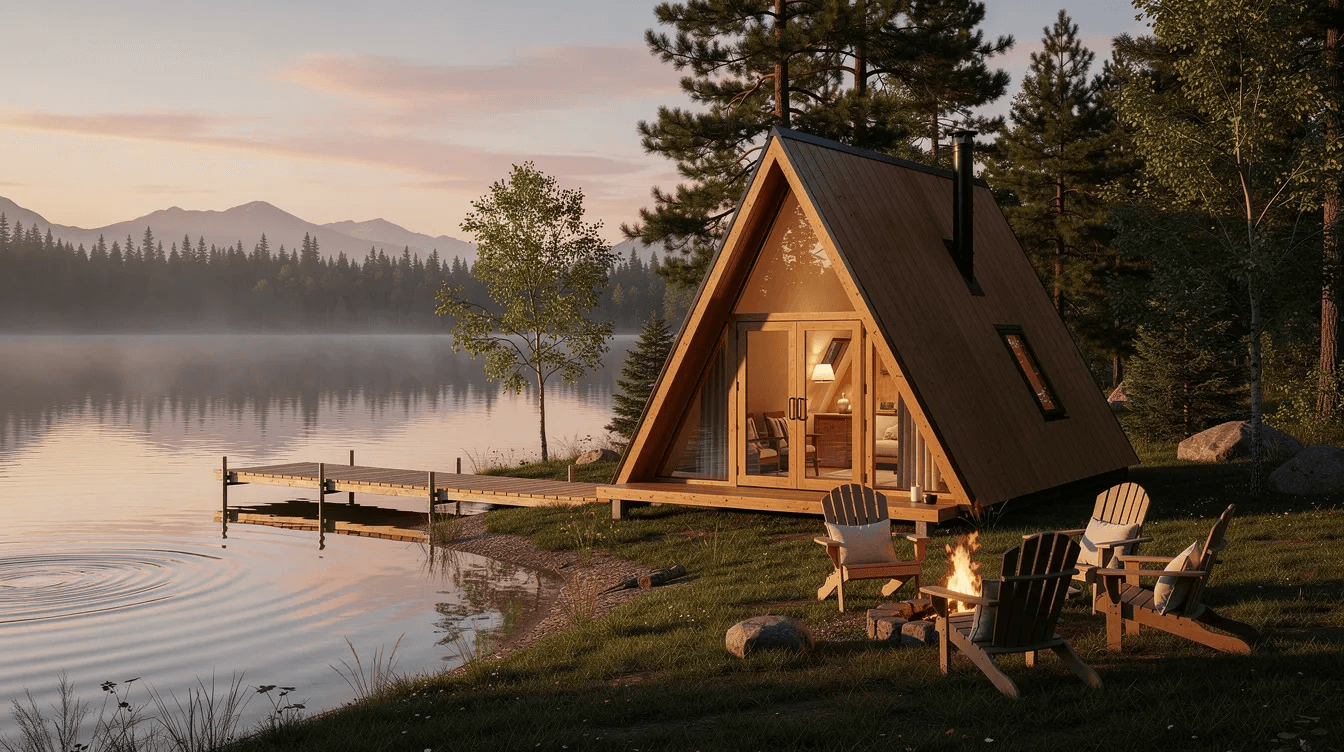
If you’re seeking a more compact lifestyle or a secondary getaway, A-frame tiny house models provide the perfect solution. These efficient homes are designed to make the most of every square foot, offering a cozy living area that feels open and inviting thanks to the signature vaulted ceilings and abundant natural light. Whether you’re looking for a minimalist retreat, a backyard guest house, or an affordable vacation home, our A-frame tiny house options deliver style and comfort without excess.
Tiny house A-frames are engineered for affordability and efficiency, with streamlined construction that keeps costs low and quality high, much like other affordable tiny house designs that prioritize smart use of space and materials. Clever use of space—like loft sleeping areas, built-in storage, and multi-purpose rooms—ensures that even the smallest models feel spacious and functional. These homes are ideal for first-time buyers, downsizers, or anyone interested in sustainable living. With a range of models to choose from, you can build a tiny house that fits your needs, your budget, and your dreams, drawing inspiration from custom tiny homes designed for small-space living.
Custom A-Frame Build vs. Kit vs. Plan-Only
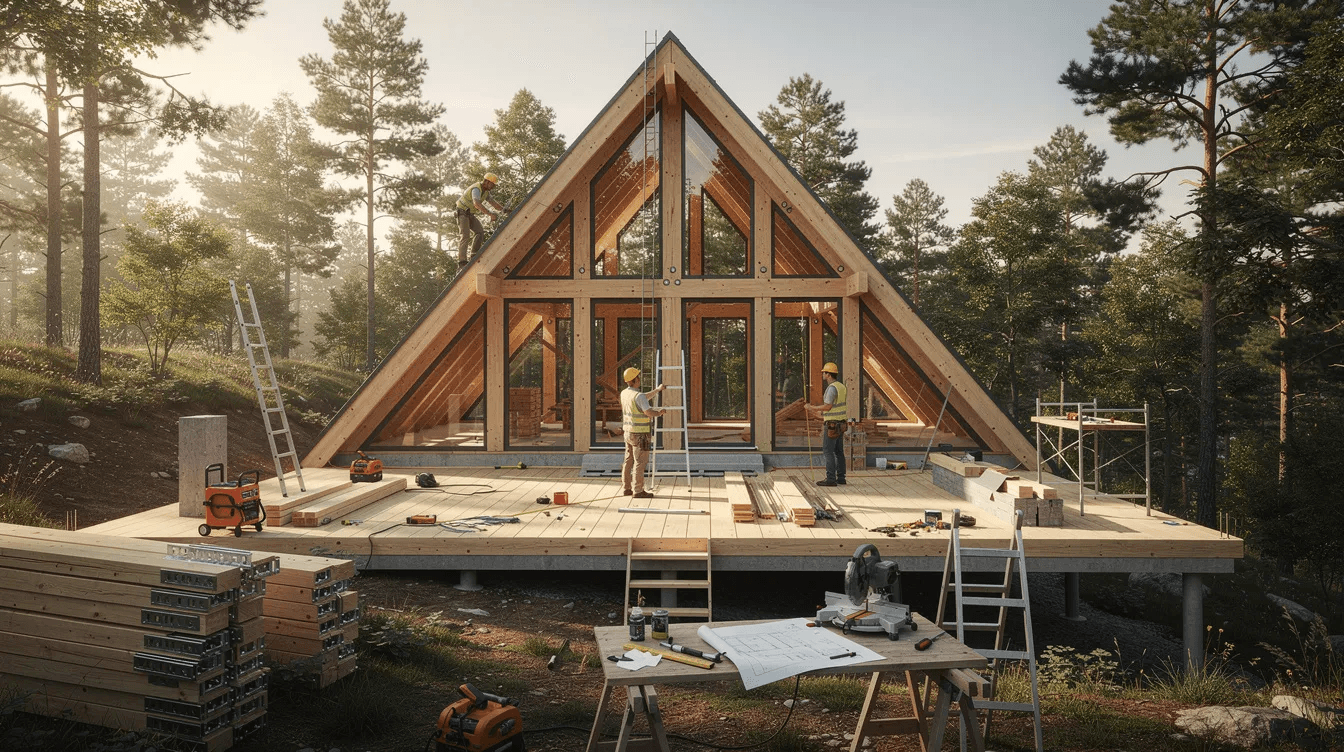
Every a frame client faces this pivotal choice, and your builder can work with all three approaches.
Custom builds design around your exact site—south-facing slopes, prevailing winds, specific views. Expect higher cost but maximum flexibility in window placement, interior layout, and roof overhangs.
Prefab kits assemble shells in 5–10 days with trained crews. The builder still handles foundation, utilities, and code compliance, cutting overall timelines by 30–50%, similar to how Home Depot tiny house kits streamline construction for compact, efficient spaces.
Plan-only purchases (buying $500–$5,000 downloadable designs) require builder-led adaptations for local snow loads, engineering stamps, and constructability review—adding $10k–$30k, just as selecting tiny house plans that fit your life requires careful consideration of site, codes, and layout. To purchase house plans, you typically select a design, review customization options, place your order, and finalize the purchase before moving forward with site planning and construction.
Custom fits complex lots and permanent homes. Kits suit tighter budgets with moderate sites. Plans work for DIY hybrids where builders handle most execution.
Step-by-Step A-Frame Building Process
The typical schedule runs 9–14 months for stick-built projects, 6–10 months with kits.
- Initial consultation: Free call to discuss budget range ($250k–$500k), square footage goals, and location specifics
- Site visit and feasibility: Assessing access, snow load zones, soil conditions, and local zoning
- Preliminary design and pricing: Preparing line-item cost estimates covering foundation, shell, and interior
- Contract and permitting: Signing agreements and submitting permit-ready drawings
- Construction phase: Foundation pouring, framing the a frame structure, MEP rough-ins, exterior and interior finishes—this is the exciting moment when your build truly begins
- Final inspection and handover: Certificate of occupancy, walkthrough, and warranty delivery—another memorable moment as you receive the keys to your new home
You’ll make key decisions on layout, finish levels, and built-in storage throughout this process, much like choosing tiny house floor plans that work for you where every square foot must serve a purpose. Your a frame house builder will provide clear details at every stage so you understand exactly what to expect.
Designing a Modern, Livable A-Frame
Modern builders focus on natural light, space, and energy efficiency—overcoming the cramped 1960s stereotype and borrowing strategies from micro house builders focused on modern living.
Design strategies include large glazed gable ends avoiding dark corners, 2–3 dormers adding headroom in bedrooms, and loft rails meeting current building code standards.
For interior planning, locate kitchen and bath along taller portions for usable wall cabinets. When designing these spaces, consider the placement and selection of appliances early in the process. An experienced a frame house builder can assist in sourcing and purchasing appliances, ensuring they fit the design and are delivered on schedule for a smooth construction process. Create zones for year-round living with mudroom entry and combined heat pump systems. Integrate storage under stairs and into knee walls.
Living Area Design
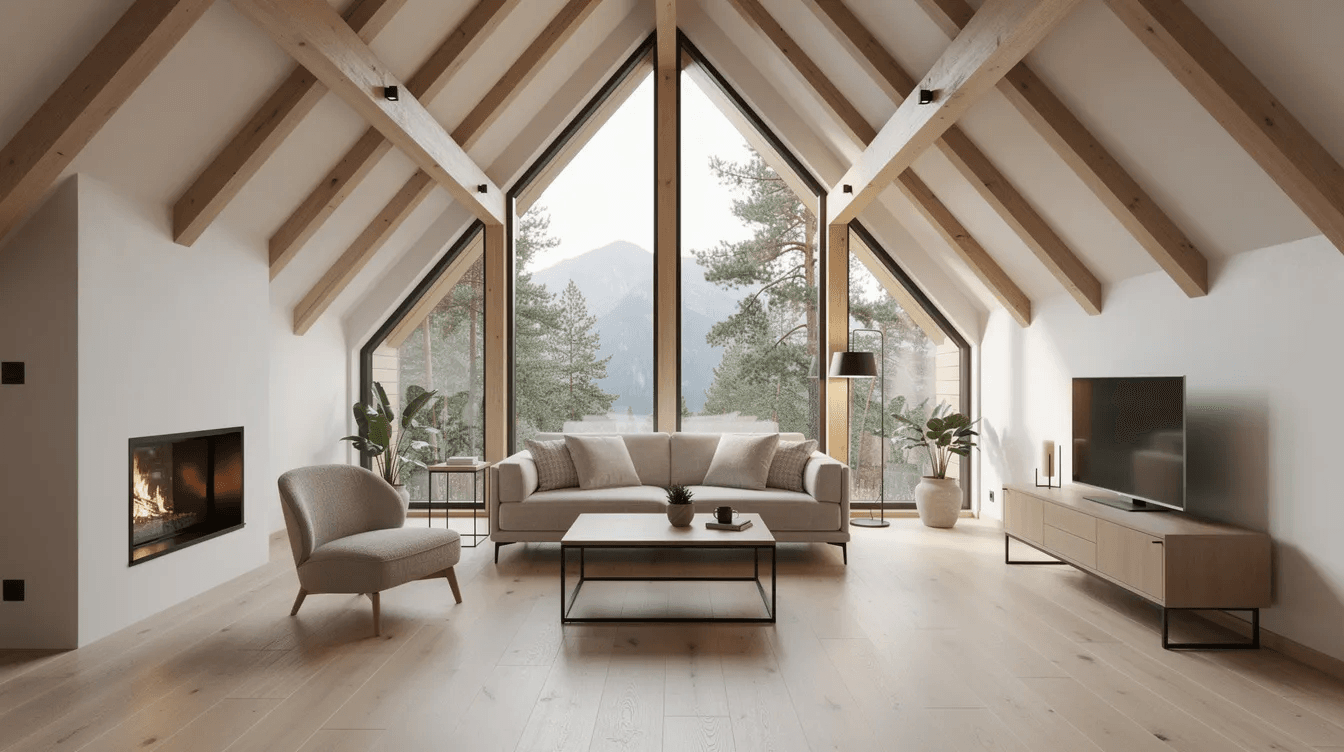
The heart of every A-frame house is its living area—a bright, open space designed to maximize comfort and connection to the outdoors. Thanks to the steep rooflines and large windows, natural light pours into the interior, creating a warm and inviting atmosphere throughout the day. The open-plan layout, with minimal interior walls, enhances the sense of spaciousness and allows for flexible furniture arrangements.
To make the most of your living area, consider features like a loft for extra sleeping or workspace, built-in cabinets for efficient storage, and bonus rooms that can serve as a home office or reading nook. Our design team specializes in creating interiors that balance style and practicality, whether you prefer a sleek modern look or a rustic, cabin-inspired vibe. With thoughtful planning, your A-frame’s living area will become a versatile hub for relaxation, entertaining, and everyday living.
Energy Efficiency, Structure, and Materials
Steep roofs combined with modern insulation create efficient structures, especially in cold climates.
Structural considerations address snow loads of 30–70 psf using engineered lumber or SIPs. It is essential to work with a licensed engineer in your state to ensure compliance with local building codes and site conditions for structural design. Envelope targets include R-30 to R-49 roof insulation and high-performance windows for exposed sites.
Sustainable options feature FSC-certified lumber, metal roofing with 40–50 year lifespans, and solar-ready roof design considering orientation and shade patterns.
Costs, Timelines, and Budget Planning
Total project cost depends on location, size, finishes, and site complexity, just as budgeting for a tiny house benefits from tools like a tiny home cost calculator that break down major expense categories.
Project Type | Size | Cost Range |
|---|---|---|
Basic cabin | 500–700 sq ft | $250–$350/sq ft |
Premium home | 1,200–1,600 sq ft | $350–$550/sq ft |
Cost drivers include foundation complexity, window quality, and finish levels. A streamlined process can help you save money compared to traditional design methods. Schedule typically allocates 3–6 months for design/permitting and 5–10 months for construction. |
Budget 10–15% contingency for unforeseen issues like rock excavation. Get detailed proposals clarifying what’s included—landscaping, driveways, and septic often aren’t. If your permit is about to expire, you can often apply for an extension to allow more time for project completion. Rest assured, your builder has you covered when it comes to adapting the proposal to your specific needs.
Financing Options
Building your dream A-frame house is an exciting journey, and understanding your financing options is a crucial first step. Many homeowners choose traditional construction loans, which can be tailored for custom builds, prefab kits, or even tiny house projects. Some lenders offer specialized loans for vacation homes or energy-efficient structures, which can help you secure better rates or incentives.
If you’re considering a tiny house or a smaller A-frame, personal loans or home equity lines of credit may also be viable options, especially for lower-cost builds, which is often the case when evaluating whether a tiny house for sale is right for you. Some builders partner with financing companies to offer streamlined application processes and flexible payment plans, making it easier to manage your budget throughout the construction process.
Before you begin, it’s wise to research local grants or rebates for energy-efficient homes, as these can offset costs for insulation, windows, or solar-ready features. Our team can help you navigate the financing landscape, connect you with trusted lenders, and ensure your project stays on track from the initial plan to the final move-in.
Maintenance and Repair
A-frame houses are designed for durability and low maintenance, but like any home, they benefit from regular care to preserve their beauty and function. The steep roof is a major advantage, naturally shedding snow and debris to reduce the risk of leaks or structural damage. Routine inspections of the roof, windows, and exterior finishes will help catch minor issues before they become costly repairs.
Inside, the simple layout and open spaces make it easy to maintain cleanliness and airflow. Built-in storage and quality finishes can minimize wear and tear in high-traffic areas. For long-term performance, keep an eye on insulation, weatherstripping, and mechanical systems—especially in regions with extreme weather, such as the hot summers and variable conditions faced by many tiny homes in Texas.
Our builders use high-quality, durable materials to ensure your A-frame stands the test of time. Should repairs be needed, the straightforward construction of A-frame houses often means faster, more affordable fixes compared to more complex home designs, a consideration similar to evaluating Amazon tiny house options as an affordable move. With proper maintenance, your A-frame will remain a comfortable, efficient, and stylish retreat for years to come.
How to Choose the Right A-Frame House Builder
A-frame-specific experience matters more than generic custom home work.
Evaluate builders on proven portfolios (400–1,600 sq ft completes in similar climates), client references, and clear contract structures with milestone-based payment schedules. Be sure to view sample house plans and completed projects on the builder’s website to assess their quality and style.
Verify licensing, insurance, and ability to coordinate with kit manufacturers and engineers. For your discovery meeting, bring budget range, desired square footage, photos of admired a frames, and basic site information.
Next Steps to Start Your A-Frame Build
Within 30 days, clarify your budget range and desired square footage. Gather site documents including surveys, zoning info, and photos. Make a shortlist of 2–3 a frame house builders and schedule consultations.
Prepare for your first call with 3–5 example photos and clarity on whether this is for full-time living, weekend use, or short-term rental.
If you want a truly unique home, a frame house builder can help you design your A-frame from scratch, ensuring your vision is fully realized. The right builder can deliver your A-frame house anywhere in the world, adapting to different climates and locations.
With the right team and clear plan, moving from dream to complete home within 1–2 years is entirely realistic. The research you’re doing now removes the guesswork and puts you ready to build.
For more details on the building process and purchase options, visit our dedicated page.