
The A-frame house has made a remarkable comeback. With its steep triangular silhouette and efficient use of materials, this architectural style appeals to vacation homeowners, minimalists, and short-term rental investors alike. But here’s what most buyers overlook: the floor plan matters more than the exterior shape. A well-designed a frame house floor plan transforms awkward slopes into functional living space, while a poorly planned one wastes square footage and frustrates daily life.
What this guide covers:
- Core layout types for a frame homes (400–1,500 sq ft)
- Typical costs per square foot for 2024–2026 builds
- Pros and cons of the triangular shape
- Basement and customization options
- How to choose or design your ideal plan
Whether you’re planning a weekend cabin, a year-round family home, or a rental-optimized layout, understanding a frame floor plans helps you build smarter and spend less.
- What Is an A-Frame House (and How Floor Plans Shape It)?
- History and Popularity of A-Frame Houses
- Key Features of A-Frame House Floor Plans
- Typical A-Frame House Floor Plan Sizes and Layouts
- Open-Plan Living and Loft Concepts
- 5 Example A-Frame House Floor Plan Concepts
- Customization Options for A-Frame House Floor Plans
- Basements and Additional Levels in A-Frame Homes
- Safety and Durability of A-Frame Houses
- Insulation and Energy Efficiency in A-Frame Houses
- Frame House Plans for Different Climates
- A-Frame Houses as Vacation Homes
- Costs and Budgeting for A-Frame Floor Plans
- Pros and Cons of A-Frame House Floor Plans
- Who A-Frame House Floor Plans Are Best For
- How to Choose (or Design) the Right A-Frame Floor Plan
- Downloads, Permitting Sets, and Next Steps
What Is an A-Frame House (and How Floor Plans Shape It)?
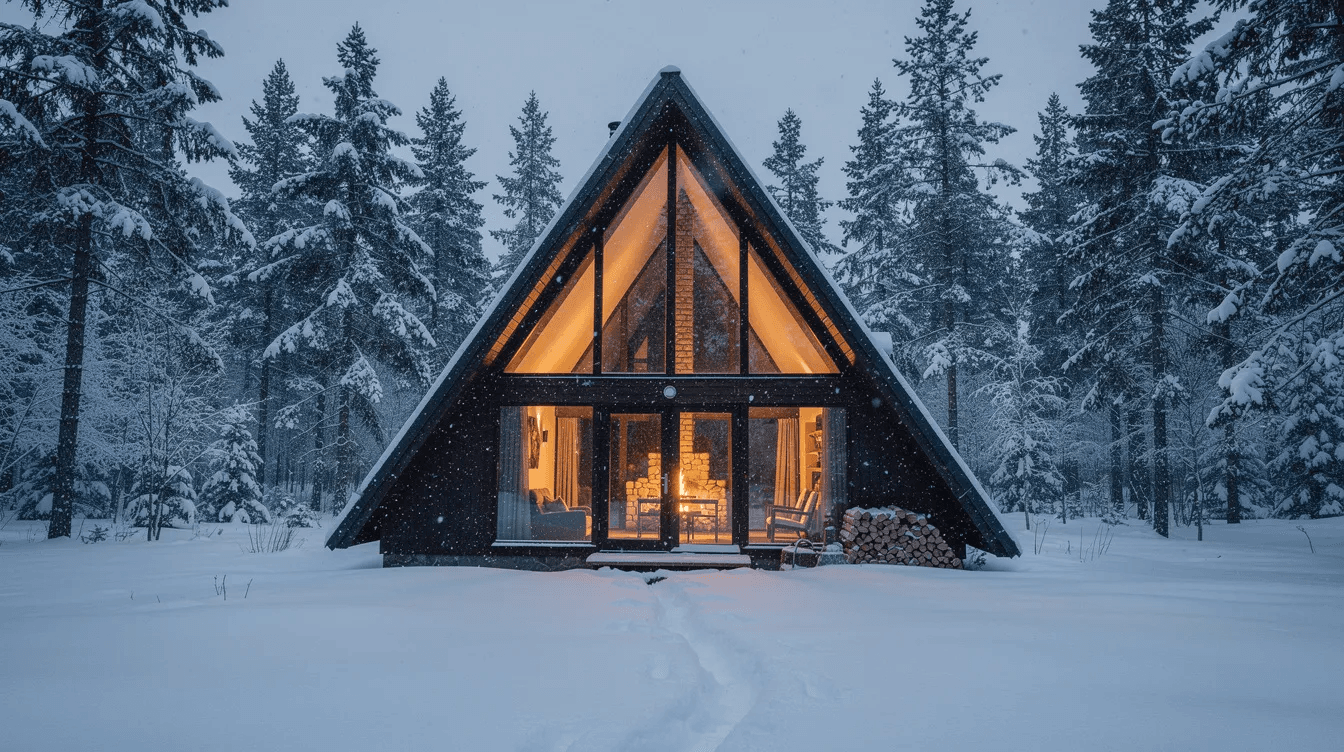
An a frame house gets its name from the distinctive triangular structure where the steeply pitched roof begins near the ground level and meets at a central ridge. The roof itself acts as the primary structural frame, eliminating traditional side walls entirely.
This geometry directly shapes your house plan options:
- Most a frame house plans span 1–2 stories with heated space ranging from 400 to 1,400 square feet
- Upper lofts taper under the steep roof, offering full standing height only at the center
- Large windows on gable ends compensate for limited wall space elsewhere
- Interior walls are typically non-load-bearing, allowing flexible floor configurations. However, in larger or more complex A-frame designs, some interior support may be required on the first floor to maintain stability and support the roof structure.
The style exploded in popularity from the 1950s through 1970s across the U.S. and Europe. Now, a frame homes are surging again—driven by minimalist aesthetics, Airbnb demand, and the appeal of building a simple home in mountain, lakeside, or forested locations.
History and Popularity of A-Frame Houses
The story of the A-frame house begins in the mid-20th century, when its striking triangular shape first captured the imagination of architects and homeowners alike. Inspired by classic European chalet designs, the A-frame’s steeply pitched roof and minimalist structure quickly became a favorite for vacation homes and weekend cabins. Over the decades, this architectural style has evolved, blending traditional charm with modern materials and innovative house plans.
Today, A-frame house plans are more popular than ever, appealing to homeowners who value both style and substance. The unique triangular shape not only creates a visually distinctive house, but also maximizes living space within a compact footprint. The steeply pitched roof is both practical and iconic, helping frame houses blend harmoniously into natural landscapes—whether nestled in the woods, perched on a mountainside, or overlooking a serene lake. Modern A-frame homes continue to attract those seeking a cozy, energy-efficient retreat that stands out from other house designs, making them a timeless choice for anyone looking to combine comfort, efficiency, and architectural flair.
Key Features of A-Frame House Floor Plans
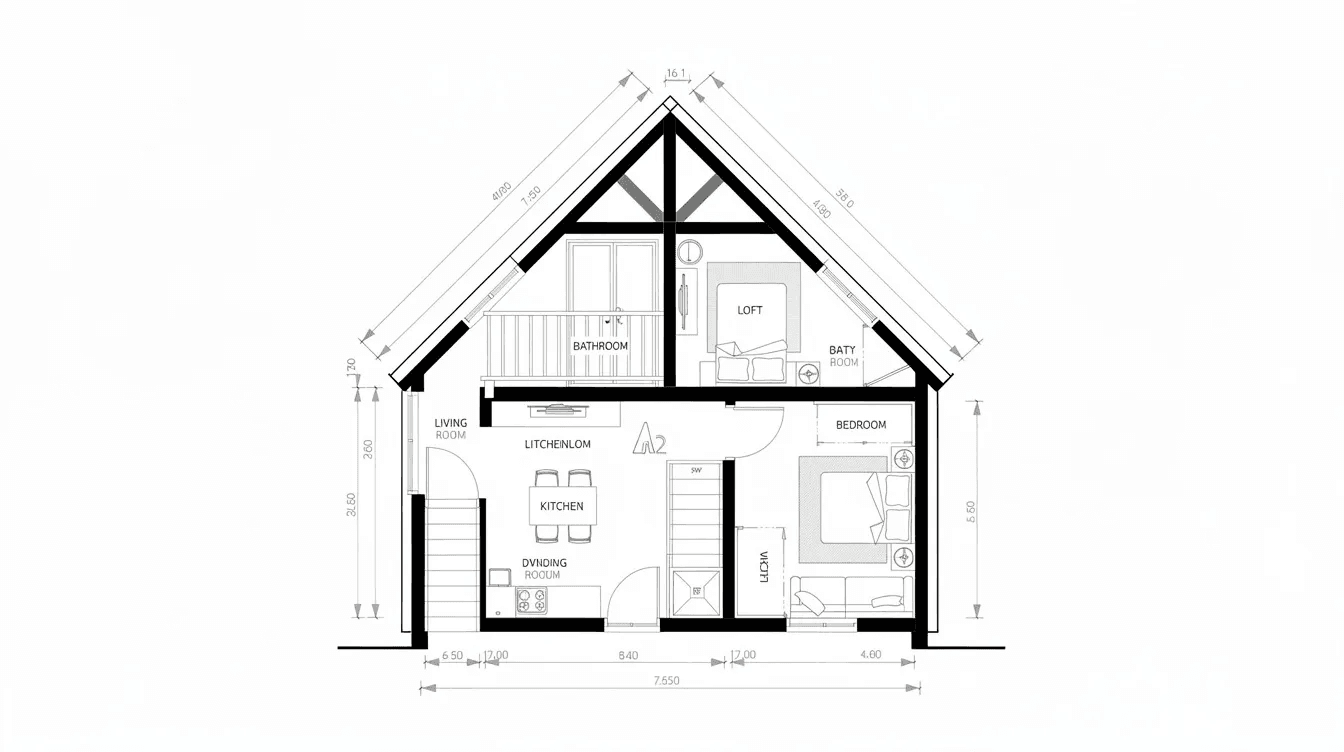
Good a frame floor plans compensate for sloping walls and smaller upper floors through smart design choices.
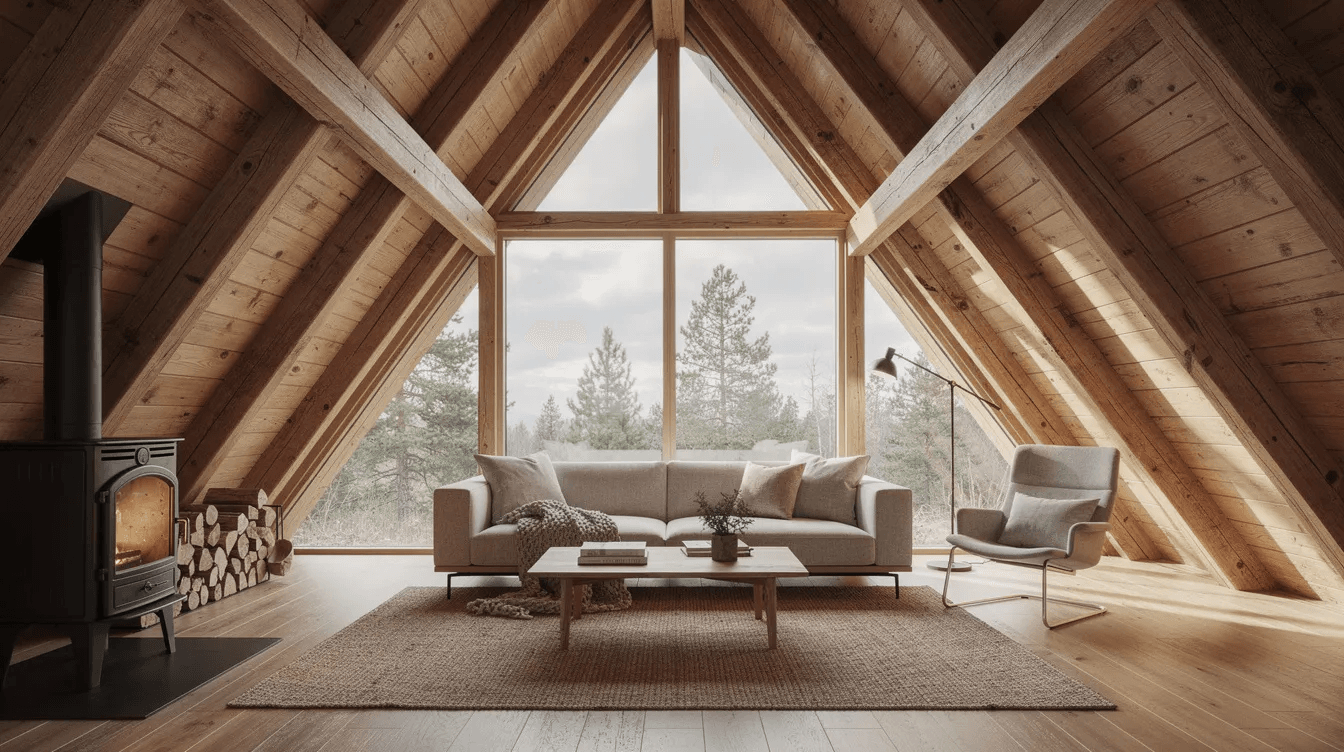
Open main floors dominate. Combined living, kitchen, and dining area zones with vaulted ceilings up to 20–25 feet at the peak create dramatic interiors despite modest footprints. Most frame house plan designs minimize interior walls to preserve sightlines and natural light.
Lofts and mezzanines provide sleeping or office space above the main level. Ceiling height at the center may reach 7–8 feet but slopes to 3–4 feet at the edges. Access options include steep ladders, spiral stairs, or straight-run stairs depending on available floor space, making it critical to choose the best ladder for a loft that balances safety and compactness.
Large windows on gable ends—often floor-to-ceiling—flood the interior with light and frame spectacular views. This glazing can comprise 30–50% of gable facades, influencing furniture layout toward low-profile pieces along the eaves.
Smart storage reclaims otherwise lost space:
- Built-in cabinetry under knee walls
- Under-stair drawers
- Integrated benches along slopes
Climate response is built into the form. The steep roof sheds heavy snowfall efficiently in snowy climates, while the compact envelope supports energy efficiency when paired with R-40+ insulation and triple-glazed windows.
Typical A-Frame House Floor Plan Sizes and Layouts
Most modern a frame house floor plans fall into three size bands:
Size Band | Typical Setup | |
|---|---|---|
Compact cabin | 400–800 sq ft | 1 bedroom or sleeping nook, small bath, loft |
Mid-size home | 800–1,100 sq ft | 2 bedrooms, 1–2 baths, generous kitchen/dining |
Larger family | 1,100–1,500+ sq ft | 3 bedrooms, mudroom, dormers or shed additions |
Base width matters significantly. A 20-foot wide frame houses yield roughly 100 square feet of usable loft at full headroom, while a 33-foot base provides approximately 300 square feet. Common footprints include 24×32 feet (768 sq ft main floor) and 28×40 feet (1,120 sq ft). |
Compact cabins work best for 1–2 person retreats or rental units. Mid-size plans suit couples or small families willing to embrace open floor plans, similar to how thoughtfully designed tiny house floor plans that maximize function make small spaces liveable. Larger layouts accommodate growing households through dormers that add second floor headroom.
Open-Plan Living and Loft Concepts
Open floor plans are nearly standard in this architectural style because the a frame structure limits where load-bearing walls can go.
A typical main level features:
- Front-facing great room with double-height ceiling
- Kitchen along a side wall (max cabinet height ~30 inches under slopes)
- Dining area near large windows or sliding doors to outdoor living areas
Living room widths generally span 18–22 feet, shaping furniture placement and circulation paths. Sectional sofas facing gable windows maximize both views and floor space.
Loft uses vary by size. In smaller cabins, the sleeping loft serves as the primary bedroom. Larger a frame home plans may dedicate lofts to kids’ rooms, offices, or playrooms while keeping a ground floor master suite, echoing the way well-considered tiny house plans tailored to lifestyle prioritize how each zone is actually used.
Open railings and partial mezzanines keep sightlines clear and allow natural light to reach interior spaces. However, acoustic trade-offs exist—sound travels freely through vaulted volumes. For privacy, some homeowners opt for fully enclosed upper bedrooms via dormers.
5 Example A-Frame House Floor Plan Concepts
These illustrative concepts target different lifestyles—not rigid blueprints, but starting points for your own design.
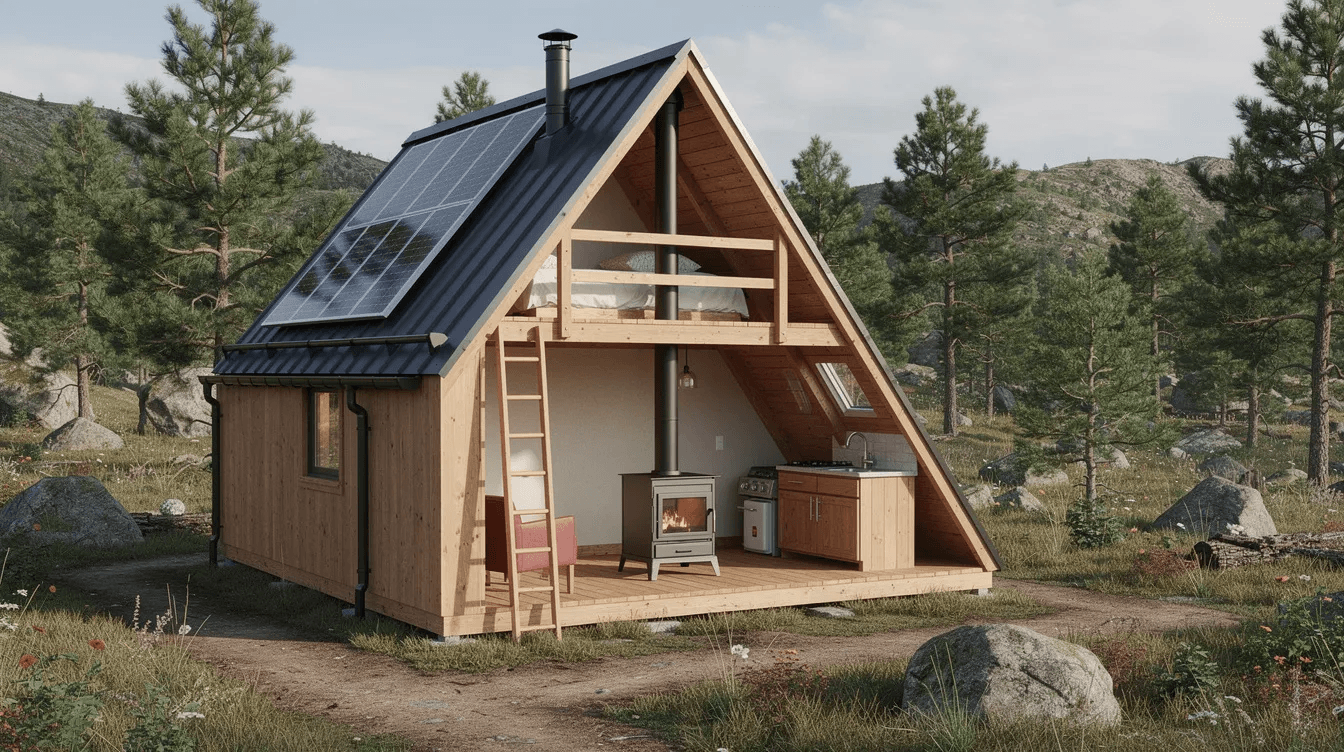
Plan 1 – 500 sq ft Off-Grid Cabin One-room living/kitchen zone, 5×7-foot bathroom, sleeping loft accessed by ladder, central wood stove. Ideal for remote sites with solar-ready construction.
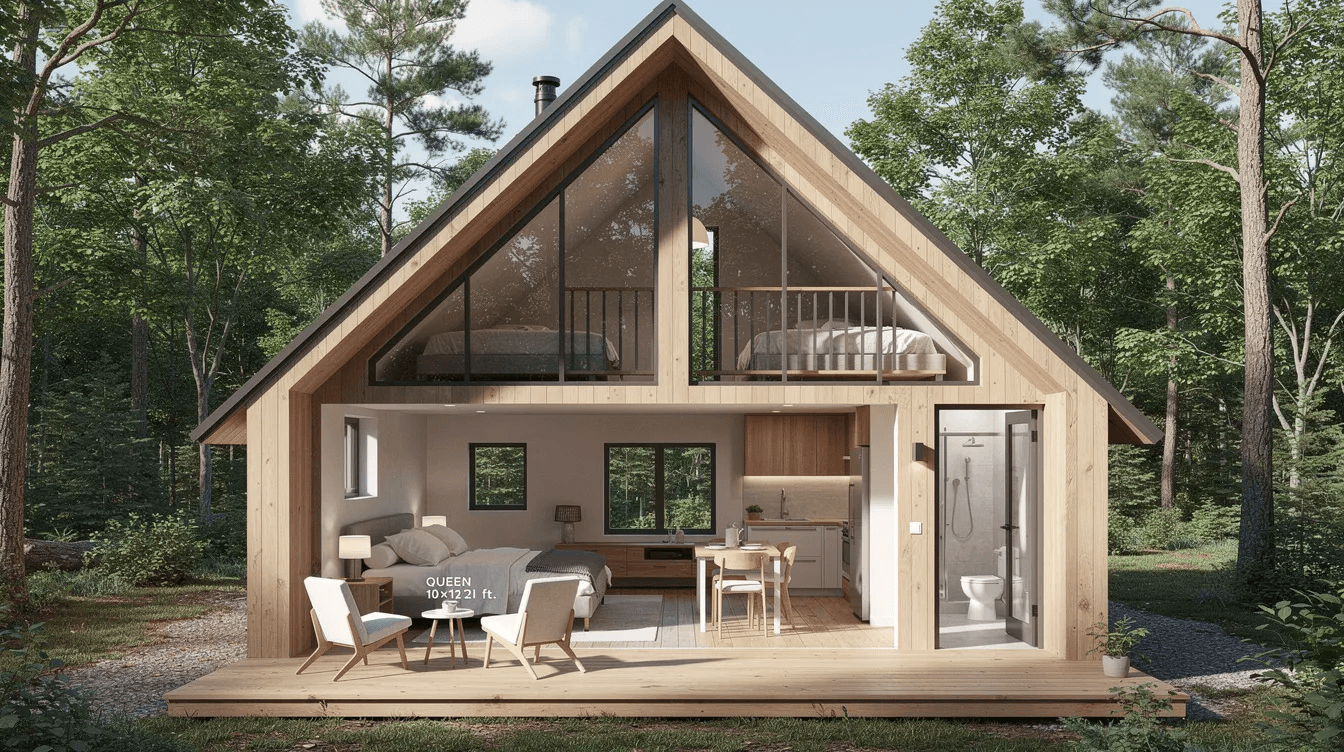
Plan 2 – 750 sq ft Weekend Escape Main floor queen bedroom (10×12 ft), open living-kitchen, full bathroom, 200 sq ft guest loft. Perfect getaway for couples who host occasionally.
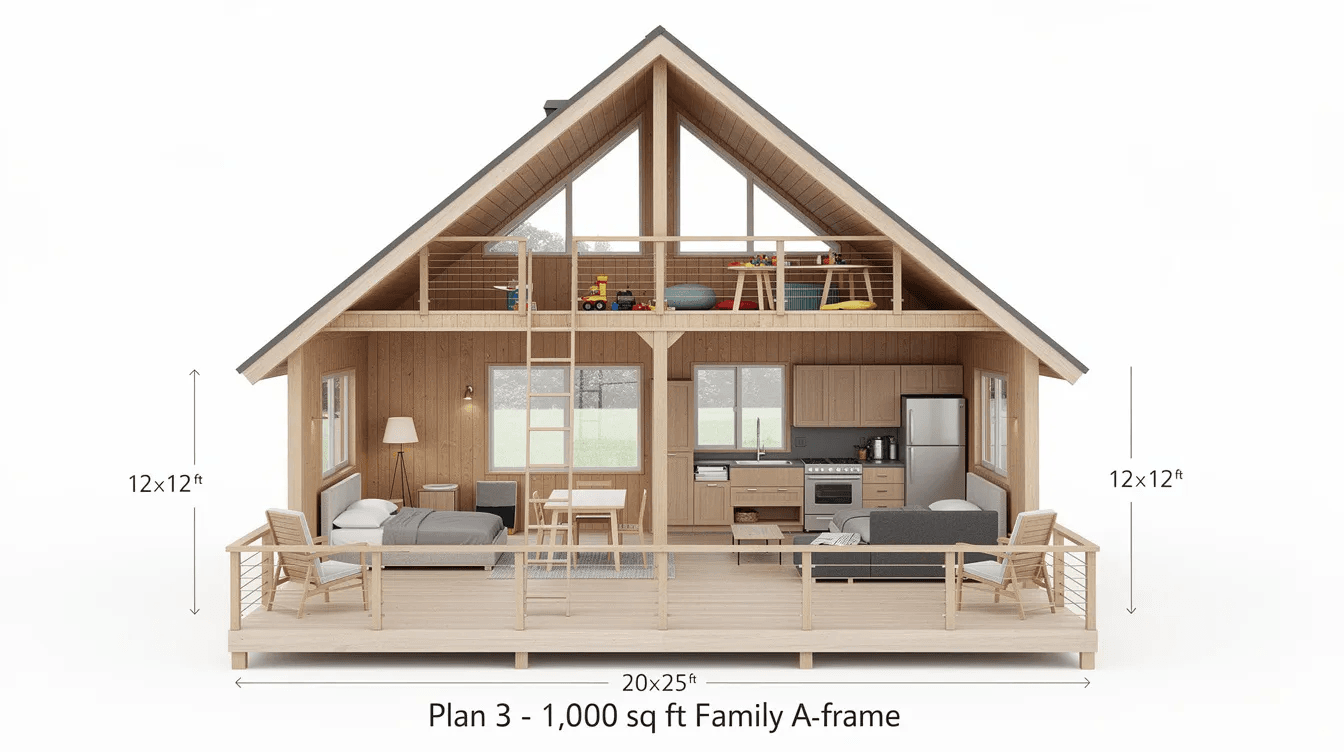
Plan 3 – 1,000 sq ft Family A-Frame Two main floor bedrooms (12×12 ft each), combined living/dining (20×25 ft), U-shaped kitchen, loft playroom, front deck under eaves.
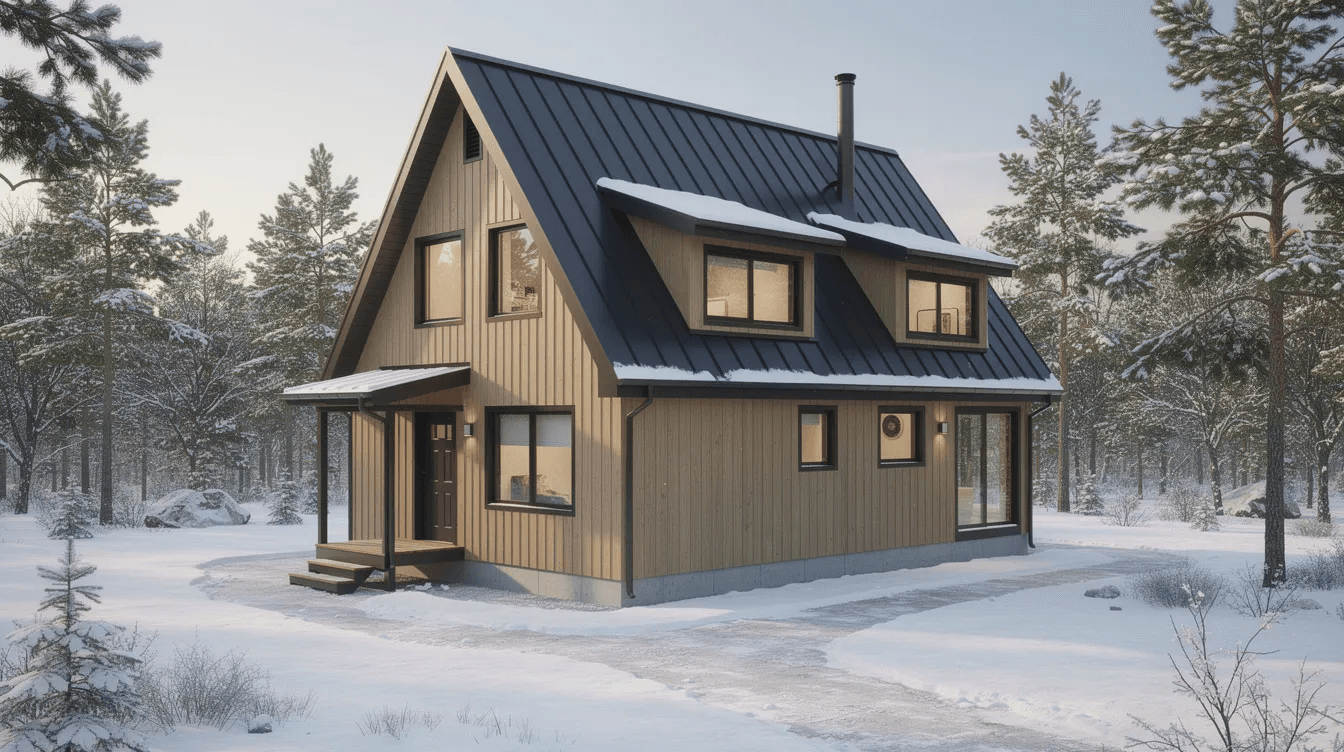
Plan 4 – 1,300 sq ft Year-Round Home Partial second floor with dormers, three bedrooms, two bathrooms, mudroom entry, laundry room. Designed for winter conditions with insulated slab foundation.
Plan 5 – 900 sq ft Rental-Optimized Layout One bedroom plus loft bunks plus pull-out sofa in living area. Open social zone, durable floors, streamlined circulation for maximum booking appeal.
Customization Options for A-Frame House Floor Plans
The triangular shell is fixed, but interiors are highly adaptable. Most interior walls aren’t load-bearing, giving homeowners flexibility. Compared to other designs, customization options and features can vary widely—A-frame house floor plans offer unique possibilities, but alternative home styles may provide different advantages depending on materials and layout preferences.
Floor plan tweaks:
- Repositioning kitchen and bathroom locations
- Adding or removing main floor bedrooms
- Enlarging entries or mudrooms for gear storage
Modern A-frame house designs can include features like a kitchen island, mud room, or sunroom in modern blueprints, allowing for even more tailored interior layouts.
Dormers and bump-outs add headroom to upper levels. A shed dormer extending 4–8 feet can create a 150–200 sq ft bedroom with 7-foot ceiling height. Modern A-frames can also incorporate raised walls on the sides, providing more usable, full-height floor space while maintaining the iconic triangle shape.
Foundation choices affect total square footage:
- Slab-on-grade for flat sites ($4–8/sq ft)
- Crawl space for drainage
- Full basement doubles usable space on slopes
Accessibility upgrades include 36-inch corridors, ground floor primary suites, and straight-run stairs replacing steep ladders.
All customization must respect structural loads and local building codes, especially when you’re weighing different foundation types—many of the same considerations apply as when choosing the best foundation for a tiny house on a specific site.
Basements and Additional Levels in A-Frame Homes
Adding a basement dramatically increases usable space without altering the iconic silhouette above ground, and it can support semi- or fully off-grid systems similar to those found in self-contained tiny homes for modern off-grid living.
Common uses include:
- Extra bedrooms or rental suites
- Workshops and gear storage
- Mechanical rooms
- Home offices
Site conditions determine feasibility. The suitability of the land—including factors like soil type and water table—directly impacts whether a basement can be safely constructed beneath an A-frame house. Sloped lots (15–30% grade) work best for walk-out basements where rear walls open to grade with doors and windows. Soil bearing capacity, frost depth, and drainage requirements all factor into the decision, just as when evaluating tiny house kits for custom builds that must match climate and ground conditions.
Stair placement must account for headroom within the sloping roof—minimum 6’8” clearance is typical code requirement. Central stairwells preserve the most usable floor area.
Safety and Durability of A-Frame Houses
A-frame houses are celebrated for their outstanding safety and long-lasting durability, thanks to their inherently strong triangular structure. The steep roof design is not just a visual hallmark—it’s a practical solution for regions with heavy snowfall, as snow slides off easily, preventing dangerous buildup and reducing the risk of roof damage. This makes the A-frame structure especially popular in mountainous and snowy climates.
Beyond snow management, the A-frame’s geometry distributes weight evenly, giving frame houses excellent resistance to high winds and even seismic activity. When built with quality materials and professional construction methods, these homes can withstand the elements for decades. Homeowners benefit from a house that not only looks unique but also offers peace of mind, knowing their investment is protected by a structure designed to handle nature’s toughest challenges. With regular maintenance, an A-frame house remains a safe, sturdy, and reliable home for generations.
Insulation and Energy Efficiency in A-Frame Houses
Energy efficiency is one of the standout advantages of modern A-frame house plans. The compact, triangular shape of an A-frame house naturally reduces exposed surface area, helping to minimize heat loss and keep energy bills low. The steep roof and streamlined design make it easy to insulate the entire structure effectively, while large windows and skylights can be positioned to capture abundant natural light and passive solar warmth.
Many modern A-frame homes use advanced insulation materials—like spray foam or high-density fiberglass—to further boost energy performance. Thoughtful placement of large windows not only fills the living space with daylight but also supports passive heating in cooler months. By combining these features with energy-efficient appliances and systems, homeowners can enjoy a comfortable, sustainable living space that’s both cozy in winter and cool in summer. The result is a house that’s as practical as it is beautiful, offering year-round comfort with a reduced environmental footprint.
Frame House Plans for Different Climates
A-frame house plans are remarkably adaptable, making them a smart choice for a wide range of climates and site conditions. In regions with heavy snowfall, such as mountain chalet settings, the steep roof of an A-frame house is designed to shed snow quickly, preventing accumulation and reducing maintenance. Builders can further enhance cold-weather performance by adding extra insulation, using weather-resistant materials, and ensuring the structure meets local snow-load requirements.
For warmer or coastal climates, A-frame houses can be customized with features that promote natural ventilation and cooling. Large overhangs, awnings, and strategically placed windows help manage sunlight and airflow, keeping the interior comfortable even during hot summers. By tailoring the house plan to local site conditions and climate, homeowners can create a frame house that’s perfectly suited to their environment—whether that means braving snowy winters or enjoying breezy beachside living. With the right materials and thoughtful design, A-frame homes offer comfort, durability, and style in any setting.
A-Frame Houses as Vacation Homes
A-frame houses have earned their reputation as the perfect vacation home, thanks to their inviting design, open floor plans, and seamless connection to the outdoors. The efficient use of space and large windows create a bright, airy living area that feels much larger than its actual square footage. Whether you’re planning a cozy retreat for two or a family getaway, the flexible floor plans of A-frame homes make it easy to customize your space for relaxation, adventure, or entertaining guests.
The energy efficiency of A-frame houses means lower utility costs and less maintenance, allowing homeowners to focus on enjoying their time away. Large windows frame beautiful views and bring the outdoors in, while the open layout encourages togetherness and easy flow between living, dining, and sleeping areas. Whether nestled in the woods, by a lake, or on a mountain slope, A-frame vacation homes offer a unique blend of comfort, style, and practicality—making every stay feel like a true escape. For those seeking a stress-free, memorable getaway, A-frame houses are a timeless and appealing choice.
Costs and Budgeting for A-Frame Floor Plans
Realistic 2024–2026 construction costs range from $150 to $300 per square foot depending on location, finishes, and complexity. On average, it costs about $100–$300 per square foot for labor and materials to build an A-frame house plan. For example, a 1,000-square-foot A-frame house will cost about $150,000 to build, excluding upgrades and land costs.
Main cost drivers:
- Structural shell: $30–50/sq ft
- Steep roof (metal/standing seam): $20–40/sq ft
- Large glazing: $50–100/sq ft
- Interior finishes: $40–70/sq ft
- Site work: $20–50/sq ft
Sample totals:
- 600 sq ft cabin: $90,000–$150,000
- 1,100 sq ft home: $200,000–$330,000
A-frame house kits are available for purchase starting at around $299.00.
The simple frame can streamline construction, but large custom windows and premium materials often offset structural savings. Budget 10–15% contingency for permits, utility connections, and unexpected site conditions, much like when planning chalet-style tiny house models where compact footprints still demand careful cost control. Affordability and customization can also vary between A-frame houses and other designs, depending on materials and the level of personalization.
Pros and Cons of A-Frame House Floor Plans
This house designs work brilliantly for some lifestyles and poorly for others.
Before committing, some buyers also compare A-frames to other prefabricated options such as pre-built log home cabins, which offer a different aesthetic but similar advantages in speed and simplicity.
Pros:
- Exceptional structural rigidity (handles wind loads to 150 mph, snow loads to 100 psf)
- Efficient building envelope with 10–15% less material than rectilinear designs
- Dramatic vaulted ceilings and integration with nature
- Expandable via dormers, porches, or side wings
Cons:
- 20–40% reduced usable floor space near sloping walls upstairs
- Challenges with closets and tall furniture (max ~7 feet)
- Limited privacy in fully open loft designs
- Heating and cooling imbalances in double-height spaces without zoned HVAC
Who A-Frame House Floor Plans Are Best For
A frame style house designs suit specific user groups particularly well, including travelers who fall in love with the style after staying in top A-frame cabin getaways that showcase how well these layouts work for retreats:
- Vacation homeowners wanting mountain chalet or lakeside retreats prioritizing views over maximum square footage
- Small families and couples embracing minimalism and efficient footprints
- Short-term rental investors leveraging the photogenic interiors that boost booking rates
- DIY-inclined builders taking advantage of simple frame construction and prefab kit options
A common misconception is that frame houses suit everyone. Large households needing many enclosed bedrooms or those requiring fully accessible single-level living may find other house designs more practical, and some may prefer tiny house cabin retreats or other compact options strictly for vacation stays rather than full-time A-frame living.
How to Choose (or Design) the Right A-Frame Floor Plan
Choosing the right layout starts with lifestyle, site, and budget—not just aesthetics.
Step 1 – List non-negotiables: Bedroom count, bathrooms, work-from-home space, gear storage, pet needs.
Step 2 – Evaluate site: Orientation for views and passive solar gain, prevailing winds, driveway access, local weather conditions.
Step 3 – Decide on size band: Pick realistic square footage based on budget. At $200k, expect roughly 1,000 sq ft in moderate-cost regions.
Step 4 – Test circulation: Sketch how people move from entry to kitchen, bathroom, and bedrooms. Ensure stairs and ladders are safe for all users.
Step 5 – Plan for future: Leave options to add dormers, decks, or basement suites later without restructuring the main frame.
Downloads, Permitting Sets, and Next Steps
Moving from idea to construction requires detailed drawings compliant with local building codes.
Typical plan sets include:
- Dimensioned floor plans and elevations
- Sections showing roof structure
- Basic structural notes
- Sometimes 3D models (SketchUp or BIM files)
Many jurisdictions require permit-ready sets stamped by a professional builder or engineer, especially for foundations and structural loads. Digital 3D models help visualize interior volumes and furniture placement before breaking ground.
Your next step: Shortlist your preferred size and layout, then obtain a professionally prepared plan set tailored to your site conditions and local regulations.