A frame house kits have become one of the most practical paths to owning a distinctive, functional retreat in 2026. Whether you’re chasing an off-grid dream, building a high-yield Airbnb property, or creating a backyard home office, these prefabricated components deliver speed and style that traditional homes simply can’t match.
- Quick Overview: Why Choose an A-Frame House Kit in 2026?
- Types of A-Frame House Kits Available
- Layout & Floor Plan Ideas for A-Frame Kits
- Core Advantages of A-Frame House Kits
- Frame Options: Materials and Structural Choices for 2026
- Costs, Timelines, and What’s Included in a Kit
- Planning, Permits, and Building Code Considerations
- Design Options: From Rustic Cabins to Modern A-Frame Lodges
- DIY vs. Turnkey: How Involved Do You Want to Be?
- Living in an A-Frame: Everyday Comfort and Long-Term Use
- Getting Started: Steps to Your Own A-Frame House Kit
Quick Overview: Why Choose an A-Frame House Kit in 2026?
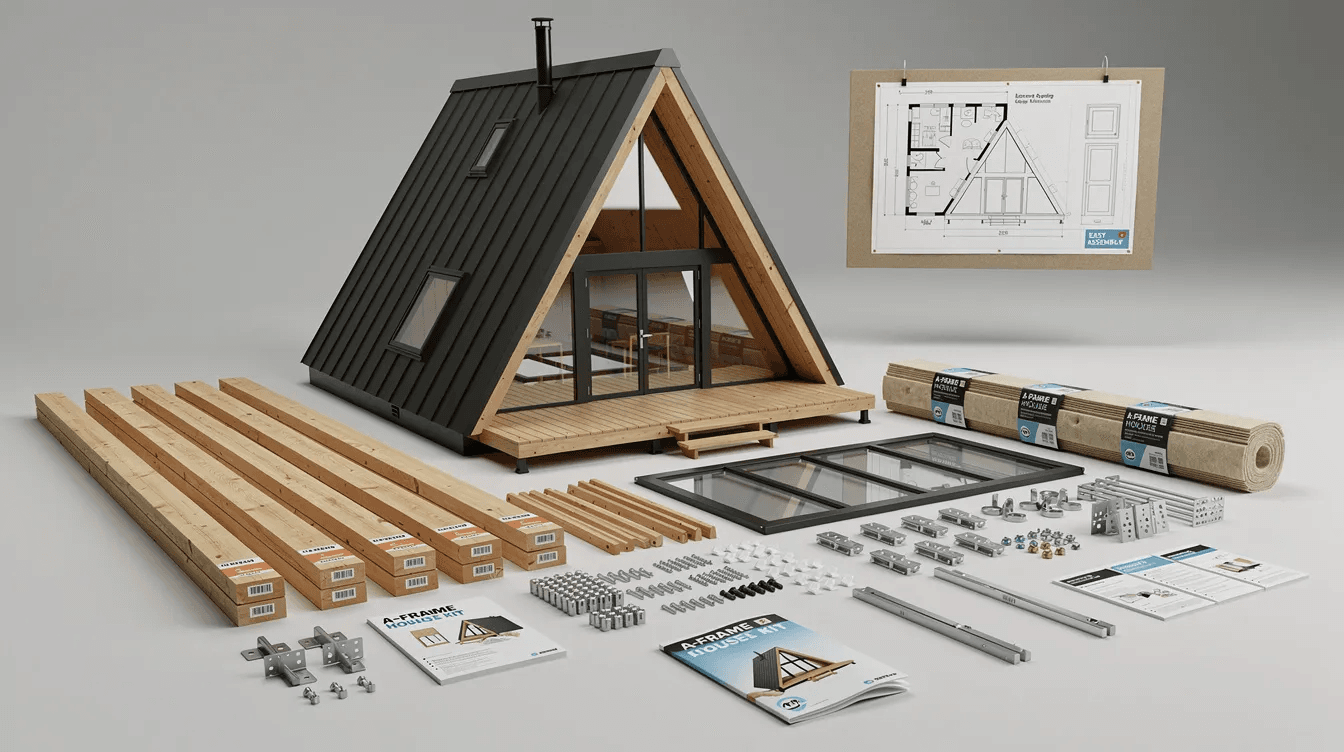
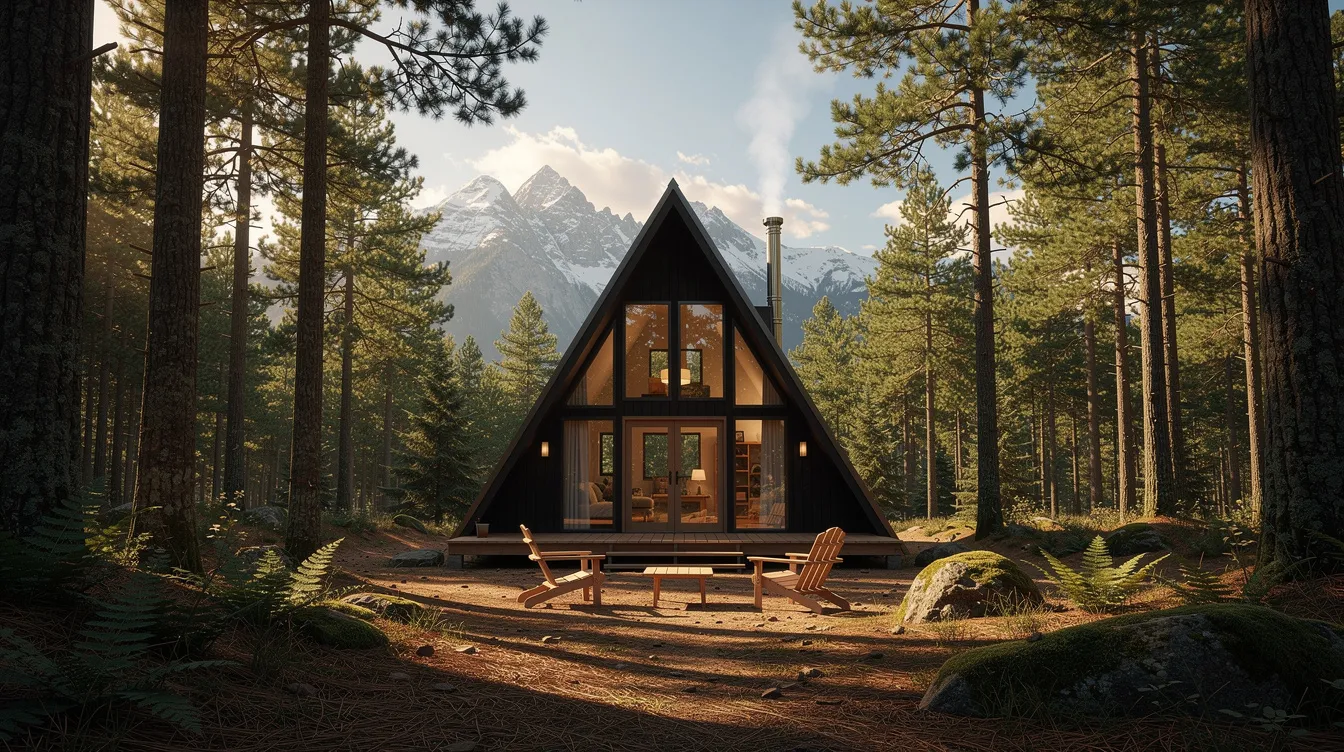
An a frame house kit is a prefabricated building package designed around the iconic triangular structure with steeply angled rooflines that meet at a central ridge. Originally inspired by Nordic and Alpine designs, these structures gained popularity in mid-20th-century America as affordable vacation home options. Today, they’ve evolved into versatile solutions for remote work setups, short-term rentals, and sustainable living.
Cost ranges span from around $12,000 for micro shells under 200 square feet to $200,000 or more for large, fully finished lodge-style kits. Build times compress dramatically compared to conventional construction—small shells can go up in 3 to 7 days with a small crew, while complete move-in ready homes typically require 3 to 6 months.
Typical sizes break down into three categories: micro cabins at 150–300 square foot for solo retreats, weekend homes at 600–900 square foot with 1-2 bedrooms, and family a frame homes at 1,200–2,000+ square foot featuring multiple bedrooms and expansive living areas.
Three primary use cases drive most buyers:
- Personal cabin or primary residence for full-time living
- Short-term rental property (Airbnb/VRBO) capitalizing on photogenic appeal inspired by top A-frame cabin getaways
- Backyard guest houses or home offices for remote work
Factor | Stick-Built Home | |
|---|---|---|
Speed | Shell in 3-7 days | 6-12+ months framing |
Cost per sq ft | $125–$220 | $150–$300+ |
Material Waste | Minimal (pre-cut) | 20-30% typical |
Design Appeal | High visual identity | Standard |
 |
Types of A-Frame House Kits Available
Understanding the kit landscape helps you match your budget and lifestyle to the right product category.
By Size:
- Micro A-frame shells (under 200 sq ft): Perfect for solo adventurers, glamping pods, or tiny house enthusiasts seeking minimalist tiny house floor plans and one-room layouts
- Small cabins (200–600 sq ft): Ideal for couples or weekenders, often featuring open-plan living with sleeping lofts
- Mid-size homes (600–1,200 sq ft): Support 1-2 bedroom configurations with full bathrooms and dedicated living space
- Large lodge-style kits (1,200–2,500+ sq ft): Designed for families or investment properties with expansive great rooms
Each kit type comes with its own set of features, such as standard structural components, exterior finishes, and interior amenities. Many manufacturers offer optional upgrades, including enhanced insulation, premium windows, and modern appliances, allowing buyers to tailor the features and functionality to their needs.
By Completeness:
- Shell-only kits: Structural frame and roof only, requiring buyer-sourced exterior and interior materials
- Dry-in kits: Add weatherproofing including siding, roofing, windows, and basic insulation (30-50% cost increase)
- Turnkey/modular kits: Arrive 80-90% complete with pre-installed systems for rapid occupancy
Style and Structure:
- Roof pitches typically range from 45 to 60 degrees—steeper angles shed snow efficiently while shallower pitches maximize loft headroom
- Styles span rustic mountain cabin aesthetics with timber accents to sleek Scandinavian retreats featuring glass gable walls
Notable manufacturers of A-frame kits include AvrameUSA, Jamaica Cottage Shop, The Backcountry Hut Company, 7 Day Aframes, Den Outdoors, Zook Cabins, MADI Homes, DC Structures, and Viking Structures. Backcountry Hut Company is known for its modern flat-pack A-frame kits that require minimal tools for assembly, while MADI Homes offers energy-efficient kits designed for fast installation.
The DUO series is suitable for summer cabins, granny annexes, starter homes, and home offices. The TRIO series stands out for its easy customization of floor plan layouts due to the absence of load-bearing interior walls. Den Outdoors provides a variety of A-frame house plans, including the A-Frame House Plus, A-Frame 2.2, and A-Frame Retreat, all of which are DIY-friendly and ideal for small cabins or weekend getaways. Zook Cabins features the A-Frame Lodge, a certified modular home with multiple floor plans ranging from 1,195 to 2,135 finished square feet, and includes features such as a textured black metal roof and fully wired, plumbed, and insulated interiors. DC Structures offers the Wallowa line, a 1,048 sq. ft., 1.5-story cabin with heavy timber framing and structural insulated panels (SIPs). The Allwood Claudia Tiny Home Kit features a 209-square-foot design with double French doors and eight windows for significant natural light. 7 Day Aframes provides DIY A-frame cabin kits suitable for vacation homes and short-term rentals, while Viking Structures is noted for robust kits with clear instructions and various sizes.
Layout & Floor Plan Ideas for A-Frame Kits
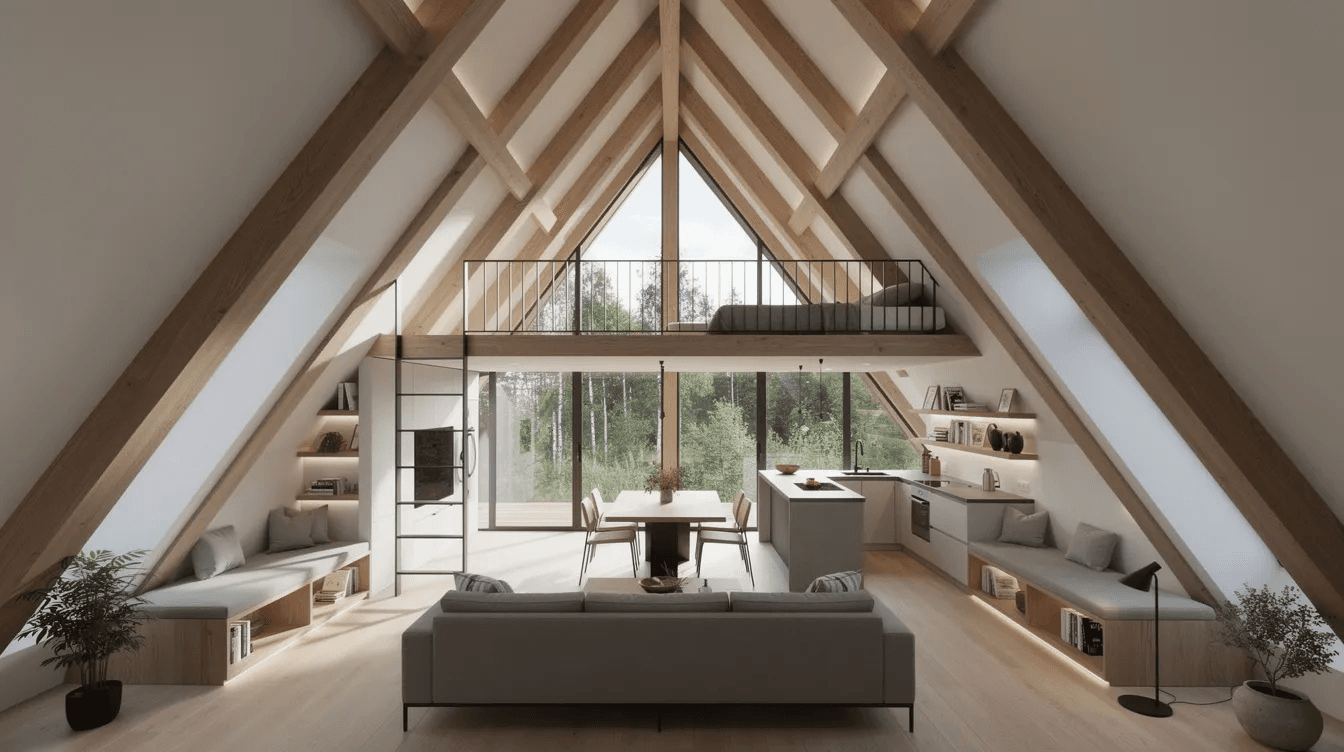
The triangular geometry of an a frame concentrates full-height usable space along the central ridge beam, creating natural zones for open-plan living while sloped knee walls define cozy edges. Careful attention to detail in design and materials ensures that the living space is both functional and luxurious, with quality finishes and thoughtful features throughout.
The construction process of A-frame house kits typically involves minimal interior walls, resulting in open floor plans that enhance the connection between indoor and outdoor spaces. The design allows for efficient use of space, often incorporating loft areas and clever storage solutions. Due to the slanted walls, upper cabinets can be difficult to install, so creative storage solutions are often used to maximize every square foot of living area.
Common floor plan patterns include:
- Studio layouts for micro units under 200 sq ft with multifunctional zones that borrow ideas from cute tiny house designs
- One-bedroom with loft: ground floor houses kitchen, living area, and bath; upper loft serves as sleeping space
- Two-to-three-bedroom family plans in 800–1,500 sq ft models with non-load-bearing interior walls for future reconfiguration
- Lodge-style great rooms emphasizing south-facing glass gable walls for passive solar heating and panoramic views
Many kits feature flexible framing that allows post-assembly customization. Adding dormers can reclaim 100–200 sq ft of headroom under the steep pitch, while built-in cabinetry under slopes enhances storage efficiency by 20-30% over flat-ceiling designs.
Example configuration: A 24’ × 32’ frame house (768 sq ft) with two ground-floor bedrooms, two bathrooms, open kitchen-living-dining zone, and full-width loft accessible via compact staircase.
Core Advantages of A-Frame House Kits
Compared to conventional stick-built construction, a frame house kits deliver measurable advantages across cost, time, and performance.
- Construction costs control: Pre-cut materials and precision engineering reduce waste, yielding predictable pricing at $125–$220 per square foot fully built-out
- Sustainability: Many modern A-frame kits use sustainably sourced timber and generate significantly less on-site waste.
- Strength and weather resistance: The A-frame shape is inherently strong, highly resistant to strong winds and heavy snow loads, and the triangular design is especially suitable for snowy climates.
- Speed: Pre-engineered trusses and roof panels erect in days rather than weeks—small shells complete in under a week with 2-4 people
- Energy efficiency: Tight envelopes achieve up to 40% less air leakage; steep roofs facilitate solar panel arrays and snow shedding
- Superior insulation: A-frame homes are known for their superior insulation, regulating temperature throughout all climates.
- Passive solar potential: South-facing floor to ceiling windows can reduce heating costs by 20-30% in cold climates
- Natural light: Large windows and open plans flood interiors with daylight, creating bright living areas
- Indoor-outdoor connection: A-frame homes excel in connecting indoor and outdoor living spaces, similar to thoughtfully designed tiny house nature retreats.
- Rental appeal: Instagram-worthy charm, vaulted ceilings, and expansive windows boost Airbnb occupancy rates by 15-25% compared to standard properties, making A-frames highly popular as vacation rentals.
- Reduced foundation needs: Point-loaded trusses perform well on sloped sites where traditional homes struggle
These advantages are the result of both standard and optional features found in A-frame house kits, including design elements, construction details, and customizable upgrades that enhance their value and appeal.
Frame Options: Materials and Structural Choices for 2026
When it comes to building your dream A-frame house in 2026, the frame you choose is more than just the skeleton of your home—it’s the foundation of its style, strength, and long-term comfort. Today’s house kits offer a variety of frame options, allowing you to tailor your tiny house, vacation home, or primary residence to your unique vision and needs.
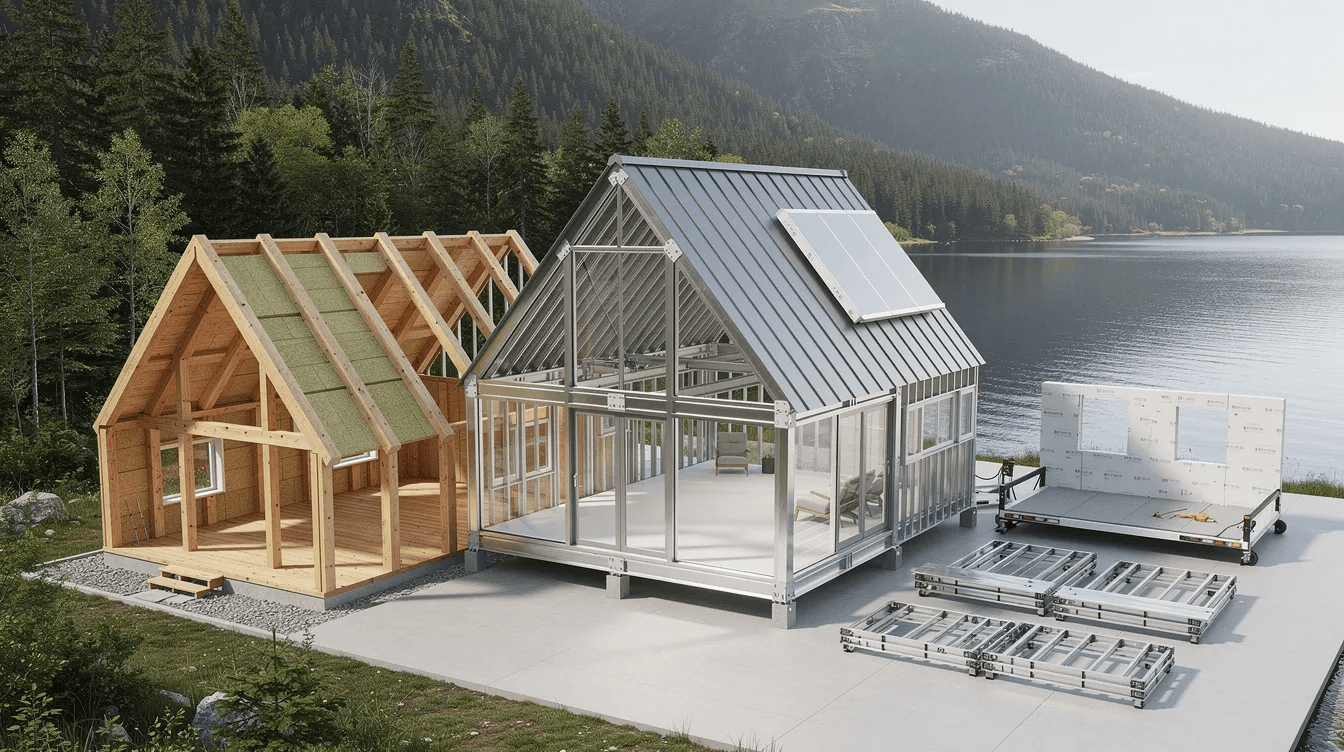
Wood framing remains a classic choice for A-frame homes, prized for its natural charm and cozy atmosphere. Sourced from sustainable forests, high quality materials like engineered timber not only look beautiful but also provide excellent insulation and structural integrity. Wood frames are especially popular among DIY enthusiasts, as they’re straightforward to work with and can be adapted to a range of interior layouts and finishing touches.
Metal framing is gaining traction for those seeking a modern, low-maintenance solution. Metal frames are incredibly durable, resistant to pests and rot, and often made from recycled or eco friendly materials. This makes them ideal for homeowners focused on energy efficiency and sustainability. Combined with metal roofing and prefabricated roof panels, metal frames can speed up the building process and reduce long-term maintenance costs.
Prefabricated components are revolutionizing the way A-frame house kits are assembled, much like widely available Home Depot tiny house kits that simplify small-space builds. These factory-built elements—such as roof panels, wall sections, and even entire framing systems—arrive ready to install, dramatically reducing construction time and material waste. For anyone looking to construct a frame cabin or stylish guest house quickly, prefabricated components offer unmatched speed and quality control.
When planning your A-frame, consider how your choice of frame materials will interact with other design elements. Steeply pitched roofs and large floor to ceiling windows not only define the iconic A-frame silhouette but also maximize natural light and passive solar heating, making your living space bright, efficient, and inviting. Interior walls and ceiling finishes can be customized to enhance the sense of space and connection to the natural surroundings.
Don’t forget to factor in local building codes and climate conditions when selecting your frame. Whether you’re building on a mountain slope or a lakeside lot, the right materials and structural choices will ensure your house stands strong for decades to come.
Costs, Timelines, and What’s Included in a Kit
Project budgets typically divide as follows: 20-40% kit price, 15-25% foundation and site prep, 10-20% utilities, 20-30% interior finishes, and 5-10% permits and shipping.
2026 Price Bands:
- Small shells (150–250 sq ft): $12,000–$30,000
- Mid-size kits (500–900 sq ft): $45,000–$95,000
- Large kits (1,200–2,000+ sq ft): $110,000–$200,000+
Typical kit includes:
- Engineered drawings meeting IRC/IBC standards
- Structural frame and trusses at 45-60 degree pitches, comparable in scale to many custom tiny homes that prioritize efficient use of space
- Metal roofing or roofing system
- Fastening hardware
- Often: windows, doors, siding, insulation
Common exclusions:
- Foundation (slab, pier, or crawlspace: $5,000–$20,000)
- Mechanical systems (HVAC, plumbing, electrical: $15,000–$40,000 combined)
- Interior finishes (drywall, cabinetry, flooring)
- Furniture and finishing touches
Realistic timelines:
- Ordering lead time: 8–18 weeks
- Delivery: 1–2 weeks
- Shell assembly: 3–7 days with skilled crew
- Full interior build-out: 2–4 additional months
Planning, Permits, and Building Code Considerations
Even prefab and kit structures must comply with local building codes. Many homeowners underestimate this phase, but early planning prevents costly delays.
Reputable house kits include engineered drawings designed for IRC/IBC standards, often rated for 100-150 psf snow loads and 110-150 mph winds. However, local approvals remain mandatory.
Steps to take:
- Contact your local building department before purchasing
- Verify zoning: minimum lot size (often 5,000–10,000 sq ft), setbacks (10–25 ft), height limits (25–35 ft to ridge)
- Confirm whether your a frame qualifies as primary residence or accessory dwelling unit
Required permits typically include:
- Building permit ($1,000–$5,000)
- Electrical and plumbing permits ($500–$2,000 each)
- Septic or sewer connection permits
- Driveway and access permits where applicable
Climate-related requirements vary by location: snow load ratings, wind resistance, seismic considerations, and insulation R-values (often R-38 roof, R-21 walls in cold climates). Engage a local engineer when adapting kit plans to steep slopes, coastal zones, or high-seismic regions.
Design Options: From Rustic Cabins to Modern A-Frame Lodges
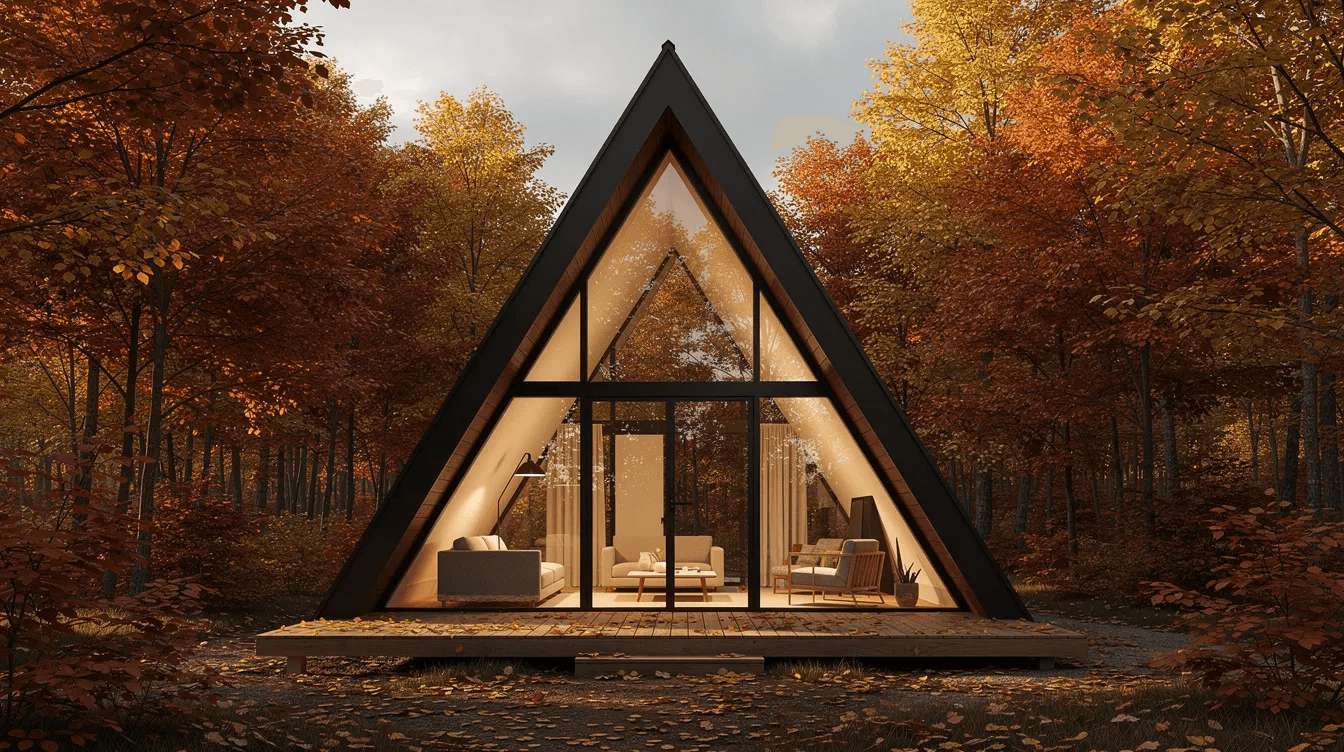
A-frames adapt remarkably well across the style spectrum, from tiny off-grid retreats to luxurious family lodges, and they share a lot of design DNA with Amish tiny house cabins that emphasize rustic craftsmanship. This flexibility lets you create a custom look without custom costs. The A-frame house design is characterized by its steeply pitched roof that descends almost to ground level, making it especially suitable for areas with heavy snowfall.
Exterior choices:
- Metal roofing in earth tones or black ($5–$10/sq ft, 50+ year lifespan)
- Natural cedar siding ($8–$12/sq ft) versus low-maintenance composite cladding ($10–$15/sq ft)
- Full glass gable walls with triple-pane glazing for premium materials and thermal performance
- Wrap-around porch or deck on helical piers ($20,000–$50,000)
Interior style directions:
- Minimalist Scandinavian: light woods, neutral palette, skylights boosting natural light by 30%
- Rustic frame cabin: exposed beams, warm shiplap, cozy charm
- Contemporary lodge: black steel accents, high-contrast finishes, stylish modern living appeal, and a focus on detail with quality finishes and thoughtful design elements throughout
A-frame house designs typically feature open floor plans that enhance the connection between indoor and outdoor living spaces.
Example configuration: A 30’ × 48’ lodge-style A-frame (1,440 sq ft) with two ground-floor bedrooms, loft office, open living area with 20-foot ceiling, mudroom, and south-facing glass wall integrating natural surroundings.
DIY vs. Turnkey: How Involved Do You Want to Be?
The building process varies dramatically based on your chosen approach. Both paths lead to functional homes, but the journey differs significantly.
DIY kits suit:
- Hands-on owners with basic framing and carpentry skills
- Those with weekend time to construct over several months
- Budgets prioritizing savings of 15-30% on labor costs
- The dedicated diy enthusiast who enjoys the build as much as the result and may also be drawn to tiny house camper adventures for even more mobility
Turnkey/modular options suit:
- Buyers prioritizing speed to occupancy (4-8 weeks possible)
- Those lacking construction experience or proper tools
- Higher budgets accepting 3-5x base kit pricing for convenience
Typical labor commitments:
- 200-300 sq ft cabin shell: 2-3 people over a long weekend
- 1,500+ sq ft home: professional crews required, plus licensed trades
Decision checklist:
- Budget: Under $100,000 favors DIY approach
- Skills: Honest assessment of framing and assembly capabilities
- Time: Weekends only versus dedicated build period
- Move-in date: Urgent timelines favor turnkey or builder-assisted routes
Consider hiring a local general contractor for project oversight, licensed electricians and plumbers for code-compliant systems, and structural engineers for foundation design.
Living in an A-Frame: Everyday Comfort and Long-Term Use
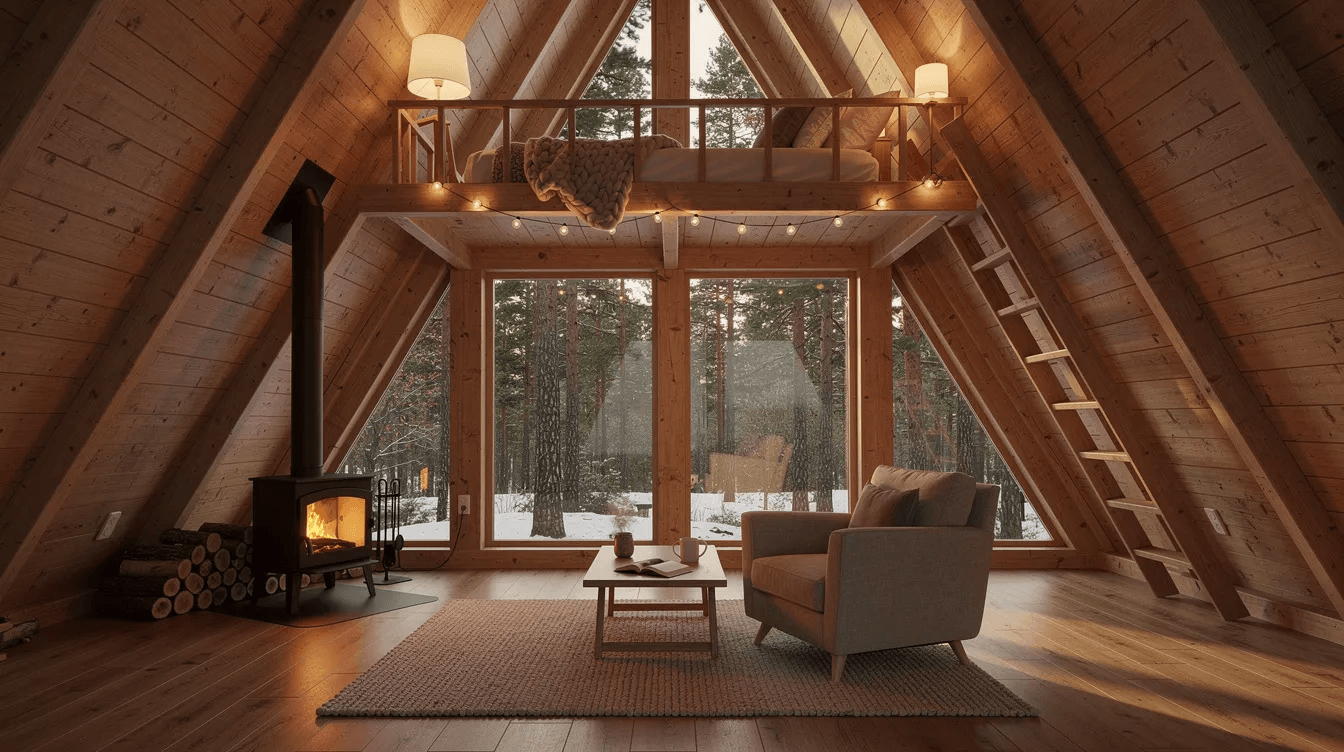
A frame homes deliver distinct experiences across seasons. Winter brings cozy warmth under the steeply pitched roof, while summer requires thoughtful cooling in the open-volume space.
Practical considerations:
- Furniture placement works best with low-profile pieces under 7-foot knee walls
- Custom or built-in storage maximizes functional use of sloped ceiling areas, with clever storage space solutions incorporated to maximize every square foot of living area
- Careful attention to detail in design and materials ensures thoughtful features that enhance everyday comfort and functionality
- LED lighting distributes illumination evenly across the interior
Heating and cooling that work:
- Mini-split heat pumps (SEER 20+) for efficient year-round climate control
- Wood stoves (10,000–30,000 BTU) with ceiling fans for circulation
- Radiant floor heating for comfortable, even warmth
Sound and privacy:
- Open loft layouts benefit from acoustic panels or curtains
- Families should consider partitioned loft spaces for bedrooms
Long-term durability tips:
- Annual roof inspection for ice dams and debris
- Exterior siding resealing every 5-7 years for cedar
- Deck coating protection against UV and snow damage
Use-case examples:
- Full-time family home with adapted loft bedrooms
- Weekend retreat requiring minimal maintenance, much like curated tiny house cabin getaways that focus on simplicity and comfort
- Long-term rental with 10-20% lower vacancy rates
- Creative studio leveraging inspirational views and access to nature, as A-frame homes excel in connecting indoor and outdoor living spaces, making them ideal for those who value mountain tiny house getaways and year-round access to nature
Getting Started: Steps to Your Own A-Frame House Kit
Turning your dream into reality requires structured planning. Here’s how to move from research to breaking ground in 2026.
Step-by-step sequence:
- Define budget and intended use (cabin, primary residence, rental)
- Shortlist lot locations with appropriate zoning
- Confirm local building codes and permit requirements
- Choose approximate size and layout based on needs
- Compare kit specs, inclusions, and quality from multiple suppliers
Project timeline framework:
- Design and permitting: 2-4 months
- Ordering and production: 8-16 weeks
- Site preparation and foundation: 2-4 weeks
- Shell assembly: 1-2 weeks
- Interior finishing: 2-3 months
Gather quotes for site work early—driveway, foundation, and utilities often match or exceed the kit price itself. Assemble your support team before ordering: local building official contact, potential builder, and HVAC consultant for affordable, efficient systems.
Your a frame house project can move from concept to foundation this year. Define your budget, imagine your ideal space, and let the kit handle the complexity of the building. The structures are proven, the materials are accessible, and the money you save on construction costs goes straight into making your space exactly what you envisioned.