
Getting a cabin on your property doesn’t have to mean building from scratch or paying premium prices for a turnkey structure. A cabin shell offers a middle path—one that puts you in control of the interior while skipping the complex framing and roofing work. In this guide, we’ll walk you through everything you need to know about cabin shells, from what’s included to how to finish out the interior at your own pace.
- What Is a Cabin Shell?
- Why Choose a Cabin Shell Instead of a Fully Finished Cabin?
- Cabin Shell vs. Cabin Kit: Key Differences
- Core Features of a Quality Cabin Shell
- Popular Cabin Shell Sizes and Layout Ideas
- How to Finish Out a Cabin Shell Interior
- Ordering, Delivery, and Setup of a Cabin Shell
- Is a Cabin Shell Right for You?
What Is a Cabin Shell?
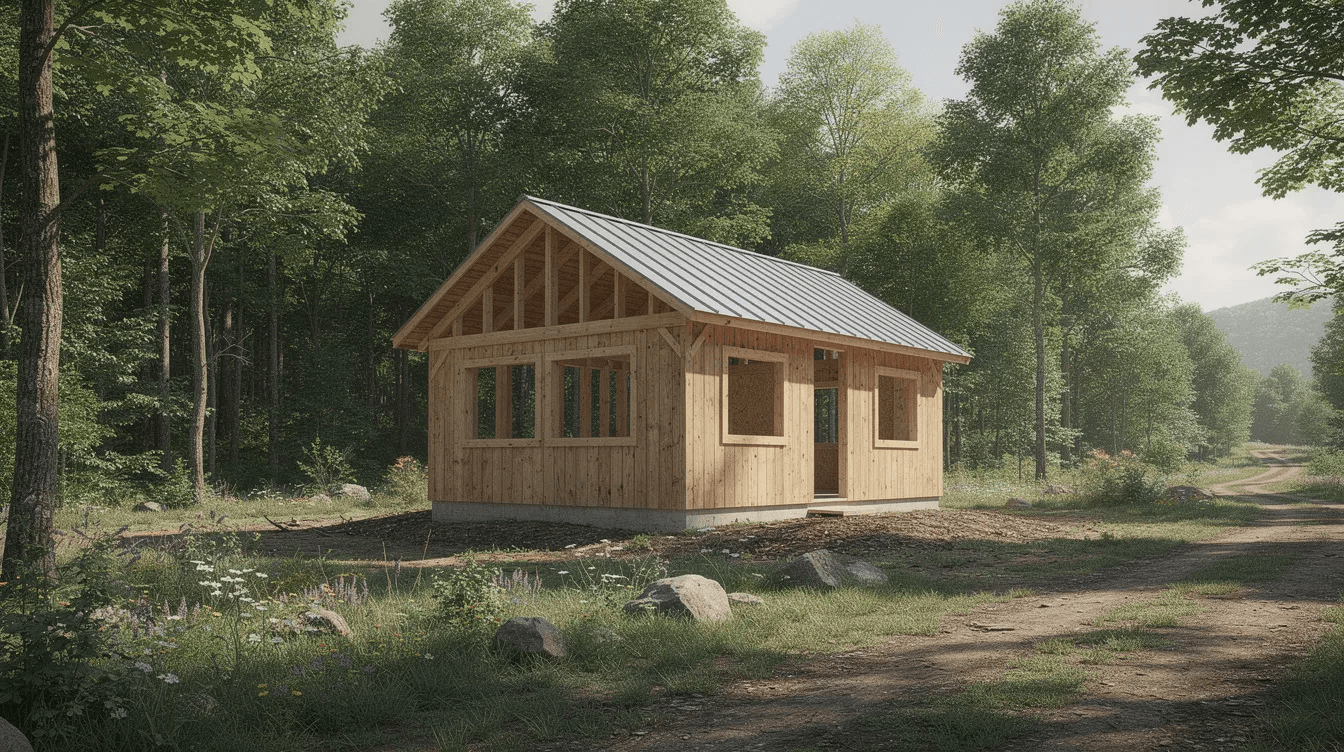
A cabin shell is a prebuilt, weather-tight structure that includes the complete framed floor, walls, and roof, delivered ready for interior finish-out. Think of it as a solid exterior box that protects your investment from the elements while leaving the inside as a blank canvas for your vision.
Typically, a cabin shell includes exterior siding, roofing, windows, and doors—everything needed to shed rain and resist wind once it’s placed on a proper foundation. What’s left out? Insulation, electrical wiring, plumbing, and interior finishes like drywall or flooring. These elements are intentionally excluded so you can customize the interior layout and spread out costs over time.
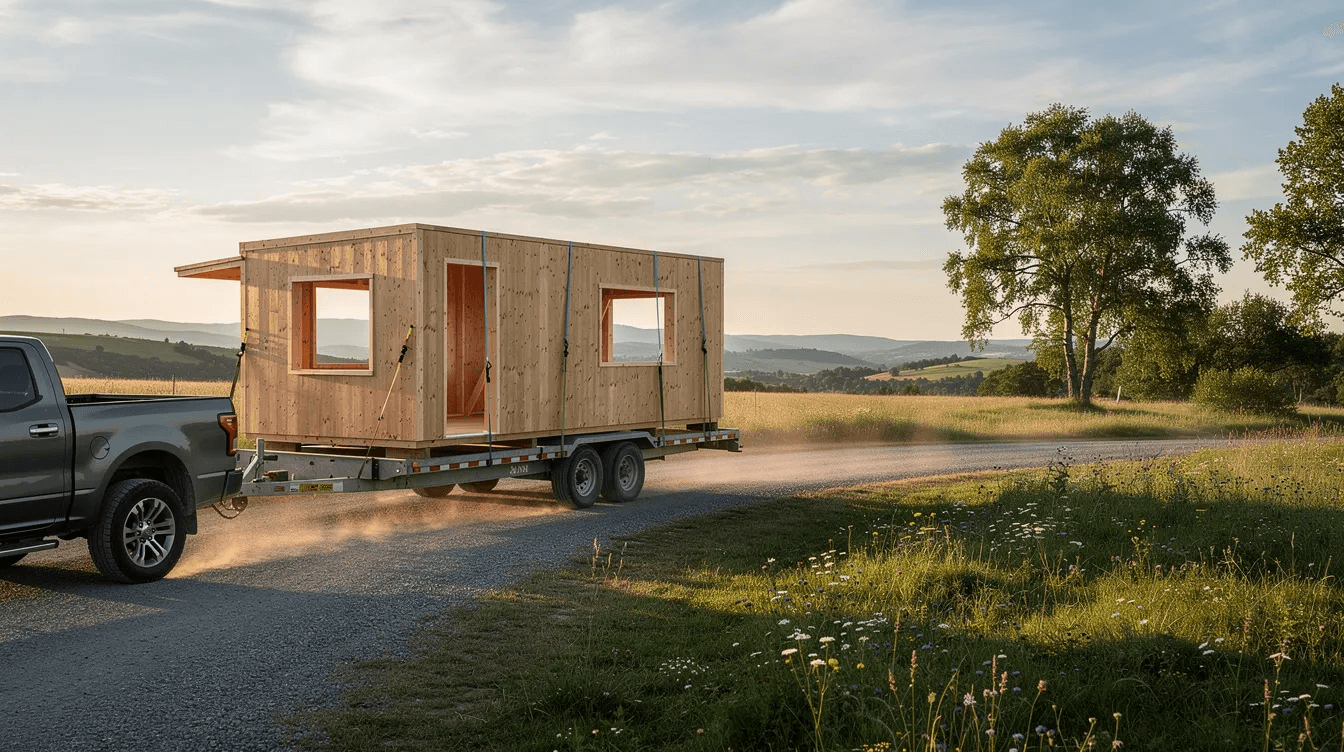
The beauty of a cabin shell is that it arrives fully or mostly assembled. Builders frame and finish the shell in a shop or factory, then deliver it as a single unit on a specialized trailer. For larger models, the shell may arrive as two sections that are joined on-site. Either way, you skip the ground-up framing process that requires extensive carpentry skills and weeks of weather-dependent work.
Cabin shells are ideal for weekend cabins on rural land, guest houses, backyard home offices, or hunting cabins where owners want control over the interior without starting from scratch. Others may compare them with the best log homes pre-built, weighing the charm and mass of log construction against the flexibility of a framed shell. A 14×36 shell delivered this year, for example, can be finished over several weekends or seasons—install insulation this fall, add electrical next spring, and complete the bathroom when budget allows.
Why Choose a Cabin Shell Instead of a Fully Finished Cabin?
When you compare a cabin shell to a fully finished cabin built by a contractor, the differences come down to flexibility, cost control, and personal involvement. A turnkey cabin might seem convenient, but it locks you into someone else’s floor plans and finishes—at a significantly higher price point.
Cabin shells lower your initial cost because the labor-intensive interior work is deferred to later. A fully finished small cabin can run anywhere from $150 to $400 or more per square foot when you factor in inspections, foundations, HVAC, and code-compliant finishes. Portable cabin shells, by contrast, often fall in the range of $50 to $100 per square foot for the structure itself. The difference? You’re investing your own talent and sweat equity into the finish-out rather than paying a builder’s labor rate for installing cabinets, running wires, and laying flooring.
The advantage of staging expenses over time is significant for many buyers. You might purchase the shell this year, handle insulation and interior walls next year, and add a full bathroom when your budget allows. Rather than financing a single large project that requires a construction loan from day one, you can pay cash or use consumer financing for the shell alone, then cash-flow improvements as funds become available.
A shell also allows custom layouts rather than fixed pre-finished floor plans. Standard cabins from many builders come with predetermined room arrangements—door on one gable end, bedroom on the left, bathroom on the right. With a shell, you decide whether to keep it as an open studio with combined living and sleeping space, partition off a private bedroom, create a bunk room for hunting trips, or reserve space for a future loft ladder and enclosed bathroom.
Finally, a cabin shell can speed up timelines compared to permitting and building a full stick-built home. Shell vendors often quote production lead times of two to eight weeks, with some builders completing a shell in as few as two to three weeks before delivery. On-site, a portable shell can be off-loaded, leveled, and anchored in a single day if the pad is prepared and access is clear.
Cabin Shell vs. Cabin Kit: Key Differences
If you’re exploring options for getting a cabin on your property, you’ve likely encountered both cabin shells and cabin kits. The difference matters more than you might think. Some buyers also look at alternative prefab structures such as the best yurt prefab options for outdoor adventure before deciding which building style best fits their land and lifestyle.
A cabin shell arrives as a completed exterior structure. It’s built in a controlled factory environment, transported on a trailer, and set on your prepared site. The walls are framed, the roof is on, and the exterior is finished with siding, roofing, windows, and doors. Your work begins inside.
A cabin kit, on the other hand, arrives as bundles of materials—framing lumber, sheathing, roofing, windows, doors—along with plans and cut lists. You or your hired crew must frame and assemble the entire structure on-site, following traditional stick-built construction sequences. For some owners, the romance of building mirrors the appeal of escaping to top A-frame cabins you’ll want to visit, where simple forms and strong rooflines define the experience.
The DIY requirements differ dramatically:
Aspect | Cabin Shell | Cabin Kit |
|---|---|---|
Structural work | Already complete | Full on-site framing required |
Skill level needed | Interior finish skills | Moderate to advanced carpentry |
Weather exposure | Minimal (delivered enclosed) | Framing exposed until roofed |
Timeline | Set in one day | Several weeks of building |
A shell can be delivered and structurally complete in a single day, potentially usable as dry storage or a basic bunkhouse almost immediately. A kit might take weeks of part-time DIY work or one to three weeks of intensive crew labor, depending on complexity and weather. |
Cost trade-offs exist on both sides. Cabin shells cost more up front because factory labor, transportation, and handling of a finished unit add expenses. However, shells can save money through reduced need for local framers and roofers, lower waste and error rates, and fewer unexpected material trips. Kits have lower material cost per square foot at purchase, but total project cost often equals or exceeds a shell if you can’t self-perform the structural work efficiently.
Core Features of a Quality Cabin Shell
Not all shells are created equal. The difference between quality storage buildings and a structure that will serve as your dream cabin for decades comes down to materials, framing details, and attention to the building envelope.
A quality cabin shell starts with a robust floor system. Most portable shells are built on pressure-treated skids running longitudinally under the floor—commonly 4×6 or 6×6 skids that provide a solid base and allow for transport. Floor joists, typically 2×6 pressure-treated lumber spaced 16 inches on center, minimize flex and support heavier interior loads like appliances and bathroom fixtures. The subfloor is usually 3/4-inch tongue-and-groove OSB or plywood, creating a continuous, squeak-resistant surface.
Wall framing follows similar quality standards. Most cabin shells feature 2×4 wall studs at 16 inches on center, providing adequate structure for interior and exterior loads. Some builders offer 2×6 exterior walls as an upgrade for those who want deeper insulation cavities in cold climates. Look for double top plates, properly sized headers over windows and doors, and either structural sheathing or let-in bracing for racking resistance. House wrap under the siding creates an additional moisture barrier.
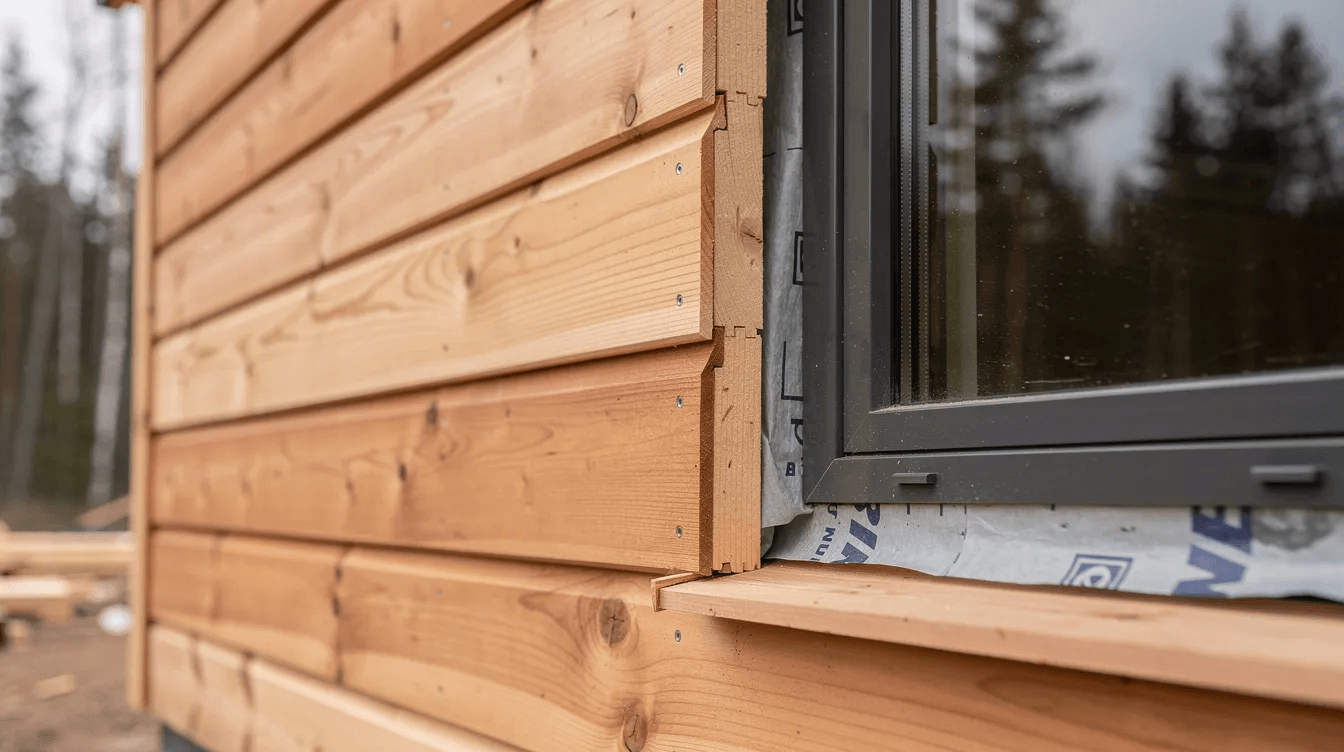
Common siding choices include LP SmartSide panel or lap siding, board-and-batten configurations, or other engineered wood products. Engineered siding combines wood strands with resins and zinc borate to resist rot, termites, and fungal decay—performing better than raw plywood in paint holdout and dimensional stability. Many builders prime and paint the exterior or offer factory-applied finishes.
The roof system typically features pre-engineered trusses spaced 16 to 24 inches on center, with roof sheathing of OSB or plywood, underlayment for weather protection, and either 29-gauge metal panels or architectural asphalt shingles. Metal roofs are durable, shed snow easily, and can last 40 or more years with minimal maintenance. Ridge vents and soffit vents allow hot, moist air to escape the roof cavity.
Standard options on many shells include double-pane, low-E windows that reduce heat transfer, insulated exterior doors with weatherstripping, and built-in features like covered porch areas or sleeping lofts. These upgrades add functionality without requiring extensive on-site work.
Popular Cabin Shell Sizes and Layout Ideas
Cabin shells are offered in a range of sizes, from compact 10×16 structures up to multi-room retreats around 20×60. The size you choose depends on intended use, number of occupants, and how much interior space you’re willing to finish. Some people opt for chalet-inspired proportions and rooflines similar to chalet tiny house models for modern living, which balance cozy aesthetics with efficient floor space.
A 12×24 shell (roughly 288 square feet) works well as a weekend bunkhouse. This size provides enough space for an open living and sleeping area, possibly a small kitchenette corner, and a compact bathroom if carefully planned. Many owners use this size as a hunting cabin or backyard office where simplicity is the goal.
Step up to a 14×32 shell (around 448 square feet), and you have room for a one-bedroom layout with a separate kitchenette. A typical arrangement might place an open living room with kitchen run along one wall, a small private bedroom at one end, and a compact 3/4 bath with shower. This size fits comfortably on most rural lots and offers genuine cabin living without feeling cramped.
For families or those wanting more flexibility, a 16×40 shell (approximately 640 square feet) opens up two-bedroom layout potential. Consider placing bedrooms at each end with a central living and kitchen area, plus a small bathroom accessible from the main space. Lofts above the bedrooms expand sleeping capacity without consuming floor area, creating a feel similar to many tiny house cabin retreats for a cozy getaway.
When planning your layout, think in depth about window and door placement. The shell fixes these locations, so orient your main glazing toward views and consider sun direction—more windows on the south in cold climates, shade or porches on the west in hot regions. Map out furniture footprints before committing: a standard 60-inch queen bed needs roughly 5×7 feet with circulation space, and a typical 30-inch range plus 24-inch refrigerator requires 5 to 6 linear feet of wall. Many of the same principles used in tiny house floor plans that work for you apply directly to efficient cabin shell layouts.
Sample layout ideas to consider (and remember to plan safe, space-efficient access if you’re including lofts, using something like the best ladder for a tiny house loft):
- Studio layout: No interior partitions except a small bathroom; bed, couch, dining, and kitchenette share one open space
- One-bedroom: Private bedroom with door, modest living area, and kitchenette along one wall
- Family cabin with lofts: Lower-level open living and kitchen, small bathroom, sleeping lofts at each end accessible via ladder
How to Finish Out a Cabin Shell Interior
Turning a bare cabin shell into a cozy, livable interior is a project many owners tackle over months or seasons. The process follows a logical sequence similar to finishing any building from the framing stage, but you’re starting with a significant advantage—the weather-tight exterior is already done.
The typical order of work moves from planning through finish details:
- Floor plan planning and layout finalization
- Framing interior walls and ceilings
- Rough-in electrical and plumbing
- Inspections (where required) before covering walls
- Insulation and air sealing
- Interior wall and ceiling finishes
- Trim, cabinetry, and fixtures
- Finish flooring
Before starting interior work, check local building codes and permits. Even if the shell was purchased as a shed or non-permanent structure, adding utilities, plumbing, or using the space as a dwelling typically triggers code requirements. Municipalities often differentiate between non-habitable accessory structures and habitable spaces that must meet residential codes for egress, insulation, smoke detection, and more.
Some steps—like electrical panel hookup, main service connection, or complex plumbing—should be done or inspected by licensed professionals. Don’t forget that gas piping for propane or natural gas requires adherence to specific codes and is best handled by licensed contractors.
Planning Your Interior Layout
The first tangible step is drawing a scaled floor plan showing where walls, doors, windows, and major fixtures will go. Grab graph paper or simple software and assign one square per foot. Include all existing windows and exterior doors at their exact positions—these are fixed by the shell. Many people borrow layout ideas from crafting a dream Amish tiny house, where efficient use of compact space and traditional craftsmanship are central.
Measure the actual interior footprint before committing to any layout. A nominal 14×40 building might measure something like 13’4”×39’4” inside the framing. Additional reductions occur once wall coverings are installed. Working with real dimensions prevents the frustration of discovering your standard refrigerator doesn’t fit the gap you planned.
Plan traffic flow carefully. Leave clear, unobstructed travel paths from entrances to bathroom, bedroom, and exits. Decide on storage early—even small 18 to 24-inch deep closets or tall pantry cabinets dramatically improve livability. If you’re including a loft, determine ladder or stair locations now; they consume floor area and affect headroom.
Common mistakes to avoid:
- Undersizing bathrooms (minimum interior dimensions for a functional 3/4 bath are often around 5×7 feet)
- Forgetting standard appliance depths (refrigerators commonly stick out 30 or more inches)
- Placing tall furniture in front of windows, blocking light and views
Print multiple copies of your floor plan. Mark one for electrical layout, one for plumbing runs, and keep a clean copy for reference.
Framing Interior Walls and Ceilings
Interior partitions in a cabin shell are typically non-load-bearing and framed with 2×4 lumber at 16 inches on center. Bottom plates attach to the subfloor using construction adhesive and screws or nails. Top plates attach to the bottom of roof truss chords or to independent ceiling joists you install.
If the shell has open trusses with no designated ceiling joists, you may need to add independent 2×4 or 2×6 ceiling joists at 16 to 24 inches on center to support a flat ceiling surface and create an attic or loft area above. For habitable lofts with sleeping or storage use, frame with larger joists (2×6 or 2×8) depending on spans and anticipated loads.
Install “dead wood”—extra blocking—wherever you’ll mount heavy items later. Add horizontal blocking at cabinet mounting height in kitchen and bath walls, extra studs for wall-hung vanities or barn door tracks, and nailers at wall-ceiling intersections for easier attachment of paneling or drywall.
Careful framing now creates chases and cavities for running pipes and wires easily, preventing awkward notches or difficult boreholes later.
Electrical Rough-In for a Cabin Shell
Safety first: many owners hire a licensed electrician for this work, but even DIYers should have a professional inspect their work before energizing circuits. Electrical mistakes can be dangerous and expensive to fix.
Start by marking a copy of your floor plan with outlet, switch, and light locations. Standard guidelines call for receptacles so that no point along a wall line is more than 6 feet from an outlet. Outlet box height is typically 12 to 18 inches above finished floor; switches are usually 44 to 48 inches up, placed near door handles.
Plan for dedicated circuits where needed:
- Kitchen countertop receptacles often need dedicated 20-amp circuits
- Bathroom outlets require 20-amp GFCI-protected circuits
- Electric water heaters or mini-splits may need 240V circuits
GFCI protection is required for receptacles near sinks, in bathrooms, kitchens, and outdoors. AFCI protection is mandated for many habitable room circuits in newer codes.
Run cables (typically NM-B) before insulation goes in, stapling to studs at proper support spacing. When drilling through studs, follow structural rules—holes should generally be no more than 40% of the stud width in non-load-bearing walls. Install protective nail plates where holes are within 1.25 inches of the stud edge.
Schedule an inspection before closing walls if your jurisdiction requires it.
Plumbing Rough-In and Water Management
Most cabin shell plumbing runs under the floor or within interior walls, so adequate crawlspace height (18 to 24 inches minimum) under the cabin simplifies access for pipes, traps, and repairs.
Plan the main drain line with proper slope—commonly 1/4 inch per foot for small diameter lines—from cabin to septic tank or sewer connection. Include cleanouts as needed. Every fixture needs proper venting to prevent trap siphoning; vents can combine and exit through the roof or tie into an existing vent stack. Mis-vented systems cause odors and poor drainage.
Typical fixtures to account for:
- Kitchen sink
- Bathroom sink
- Shower or tub
- Toilet
- Optional washing machine rough-in
Plumbing mistakes—wrong slope, undersized vents, poor trap placement—can cause leaks inside tight assemblies or require demolition of finished walls and floors to correct. For this reason, many owners prefer having at least the system design or critical joints done by licensed plumbers.
In cold-climate locations, insulate and heat-tape any supply lines in unconditioned spaces. Under-floor piping exposed to ambient air is particularly prone to freezing. Solutions include skirting with insulated panels around the perimeter, maintaining minimum interior heat, and using PEX lines with proper insulation.
Insulation and Climate Control
Proper insulation in the floor, walls, and roof is crucial for year-round comfort and lower utility bills. Small cabins have a relatively high external surface-to-volume ratio, making thermal performance even more important.
Common insulation types have different characteristics:
Type | Pros | Cons |
|---|---|---|
Fiberglass batts | Inexpensive, easy to DIY | Requires meticulous installation; doesn’t air-seal |
Spray foam | Excellent air sealing, fills irregular cavities | Higher cost, requires professional application |
Rigid foam boards | Good for continuous insulation, reduces thermal bridging | More labor to cut and fit |
For 2×4 walls, R-13 to R-15 fiberglass batts are standard in many climates; 2×6 walls allow R-19 to R-21. Roof and ceiling insulation is critical since heat rises—codes in colder regions often require R-38 or higher. |
Insulate the floor before installing finished flooring, especially if the cabin sits on blocks or piers with open air underneath. Some owners fasten rigid foam panels to the underside of joists, then sheath with plywood to protect from pests and moisture.
Air sealing around windows, doors, and penetrations with caulk and low-expansion foam significantly improves performance. Typical leakage points include window and door rough openings, electrical and plumbing penetrations, and the rim joist where walls meet floors.
For climate control, consider mini-split heat pumps (efficient for small spaces, providing both heating and cooling), electric baseboard heaters (simple but higher operating cost), or wood stoves (popular for off-grid cabins but requiring proper clearances and chimney installation).
Interior Wall Coverings, Paint, and Flooring
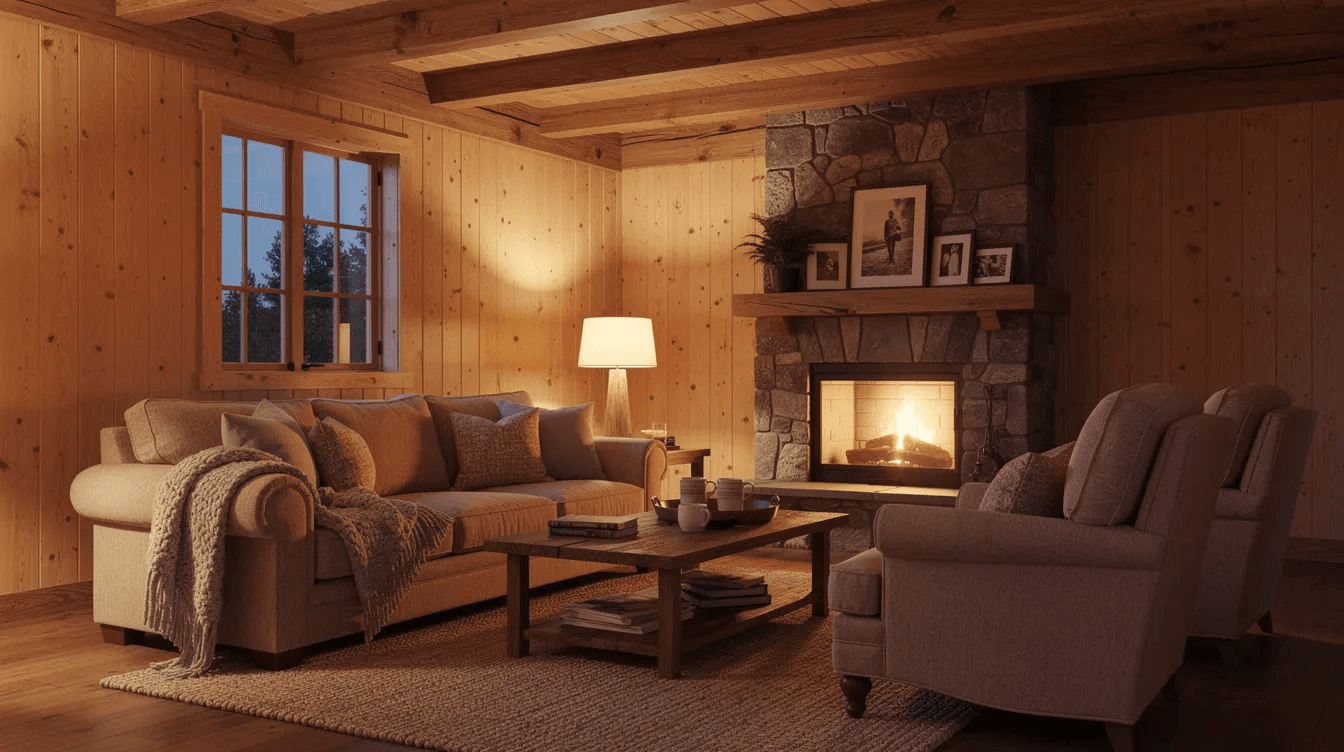
Once insulation is in place, it’s time to cover walls and ceilings. Popular materials include tongue-and-groove pine or cedar boards for a warm, rustic look, plywood paneling for an economical alternative, or drywall for a standard residential appearance. If you’re aiming for a true log-cabin feel, draw inspiration from cozy log cabin interior ideas when choosing finishes and furnishings.
Drywall offers good fire resistance and a smooth, paintable surface, but it’s more vulnerable to movement and cracking if the building sits on skids or shifts seasonally. Many cabin owners prefer wood paneling that can attach directly to studs and flex with the structure.
Apply primer on raw wood or drywall to promote even topcoat adhesion. Choose paint with appropriate sheen—eggshell or satin on walls, semi-gloss in kitchens and bathrooms and on trim. For wood paneling, UV-resistant stains and sealers preserve appearance and protect against moisture, and you can echo nature by using forest interior design ideas like earthy palettes, natural textures, and plenty of greenery.
Install finish flooring after painting to avoid drips and construction damage. Common cabin flooring choices include:
- Luxury vinyl plank (LVP): Water-resistant, durable, reasonable cost
- Laminate: More affordable but less moisture-tolerant
- Engineered wood: High-end look, more stable than solid hardwood
- Carpet: Soft underfoot but harder to clean in muddy conditions
Add interior trim and baseboards as the final visual polish. Trim conceals gaps where walls meet floors and at inside and outside corners, giving the space a finished, intentional look.
Ordering, Delivery, and Setup of a Cabin Shell
The process of getting a cabin shell on your property follows a straightforward, guided path from design consultation to delivery day.
Most customers start with a design meeting where they choose size, roof style (gable, gambrel, mono-slope), siding type and color, window and door configurations, and options like porches, lofts, dormers, or overhang extensions. Some builders maintain stock models with limited customization; others handle more custom work.
Production lead times commonly range from a few weeks to a couple of months depending on season and backlog. Some builders complete shells in two to three weeks once an order is finalized; during peak seasons, expect six to eight weeks or longer for highly customized shells. Payment structures vary—some require a deposit upon order with the rest due at delivery, while others offer rent-to-own or financing programs.
Delivery requirements include:
- Clear access path with adequate width and turning radius for the delivery truck and trailer
- Overhead clearance free of low branches, power lines, or gates
- Firm, stable ground for the truck or mule
- A level, prepared base—commonly a compacted gravel pad, concrete pad, concrete piers, or blocks
Shells may be delivered fully built on a specialized trailer and slid or “muled” off onto the prepared location. For larger units, the shell may arrive as two sections that are transported separately and bolted together on-site with weatherproofing at the seams. Where access is too constrained, some builders offer on-site shell construction using shipped components.
Once in place, the shell is leveled and anchored per wind-load requirements and local standards. After the shell is set, interior finishing can begin whenever you’re ready.
Is a Cabin Shell Right for You?
Cabin shells serve certain buyer profiles particularly well. If you’re DIY-oriented and comfortable with tools—or willing to learn—a shell gives you a robust starting point while letting you handle interior projects yourself. If you’re budget-conscious and can’t finance a full small home at once, a shell lets you get something on your property now and improve over time. And if you need a cabin quickly or your site is remote with limited access to reliable framing crews, a factory-built shell reduces dependency on local labor markets.
Before committing, consider your skill level and available time. Interior completion can involve dozens to hundreds of hours of work; those with limited time but some budget might hire out key parts like electrical and plumbing while handling simpler tasks themselves. Think about climate—harsh winters or hot summers increase the importance of insulation, air-sealing, and reliable heating or cooling. And clarify your intended use: weekend or seasonal cabins can be more utilitarian, while full-time dwellings must meet higher comfort and durability standards.
Make a simple checklist to clarify your needs:
- Total budget (initial shell plus estimated finish-out costs)
- Desired size and room count
- Property location and access conditions
- Utility strategy (grid power, well or municipal water, septic or composting toilet)
- Non-negotiable interior features (full bath, real kitchen, wood stove, lofts)
If a cabin shell sounds like the right fit, take the next step. Visit the website to explore available styles and sizes, request a quote on a specific configuration, or schedule a design consultation to customize your floor plan. Whether you prefer a compact hunting cabin or a multi-room family retreat, a cabin shell puts you in control of the feature list, the layout, and the timeline.
A bare shell today becomes your personalized retreat over the coming months or seasons. The structure provides the foundation; what you build inside reflects your life, your priorities, and your vision for the future. That’s the promise of a cabin shell—and why so many customers choose this path to their dream cabin.